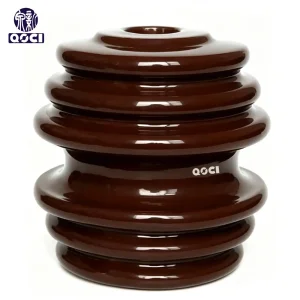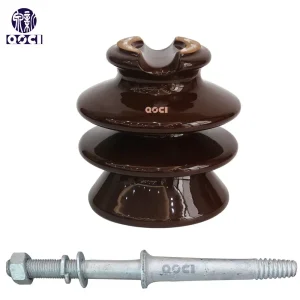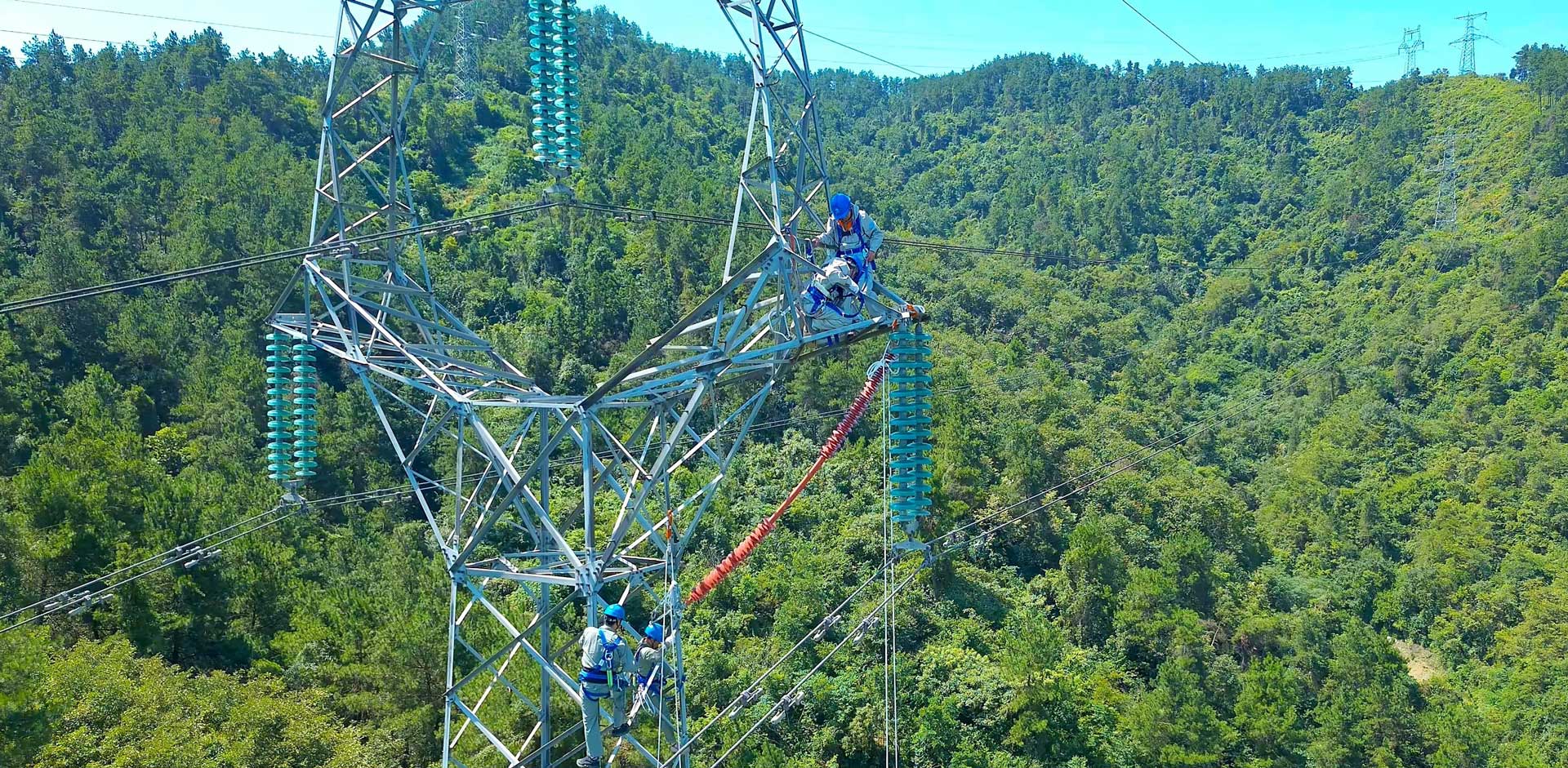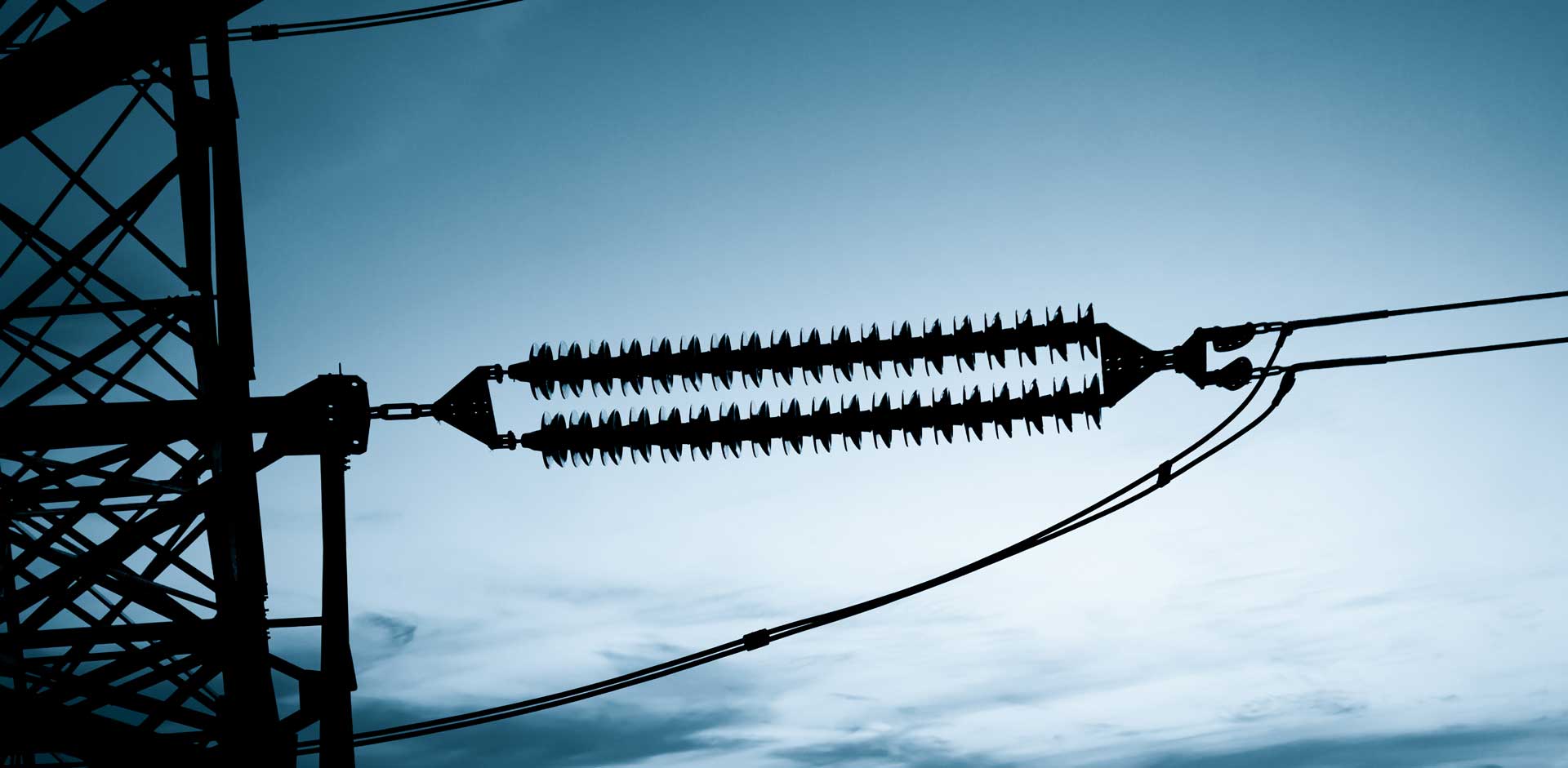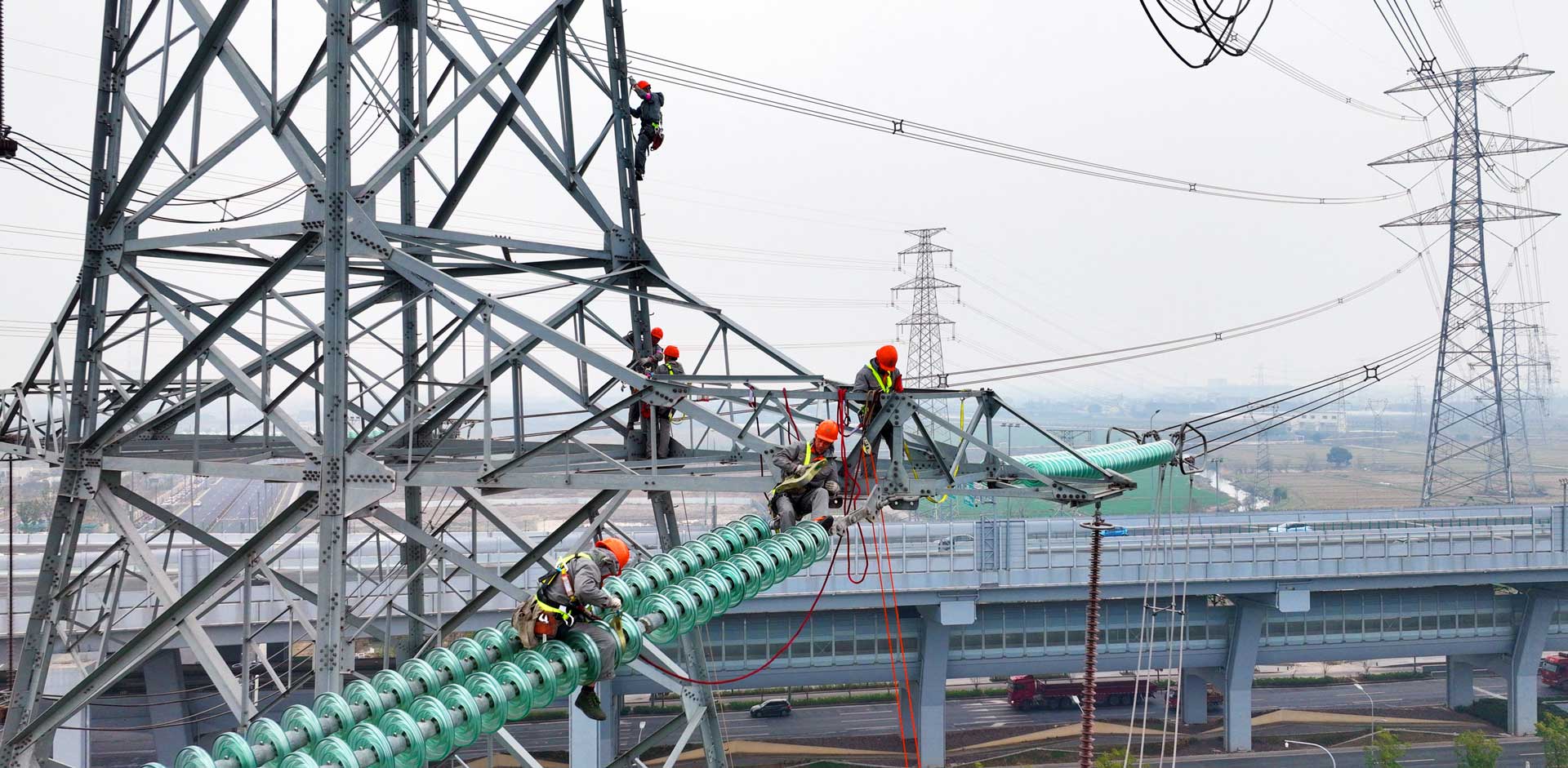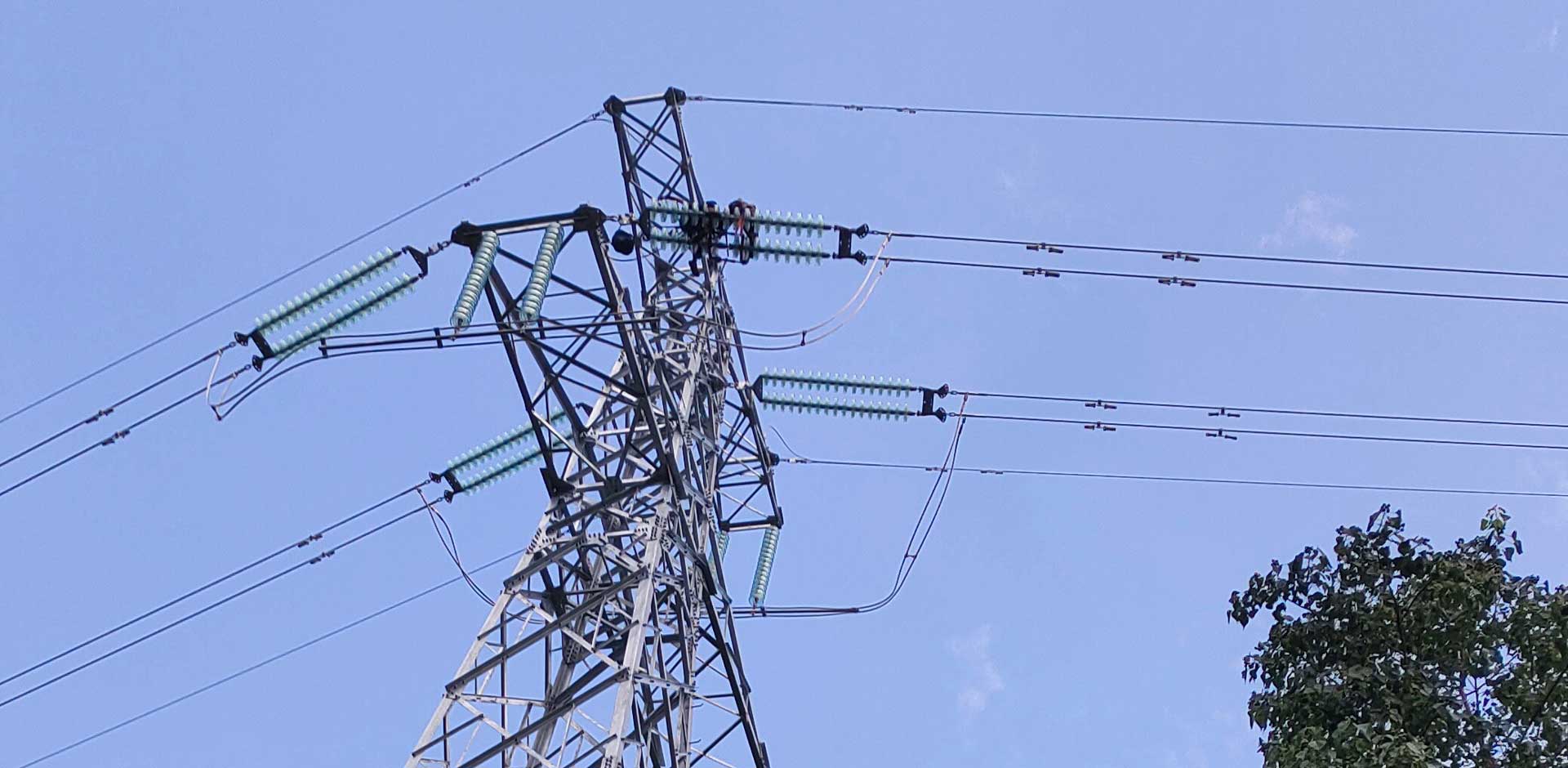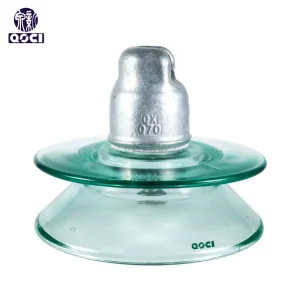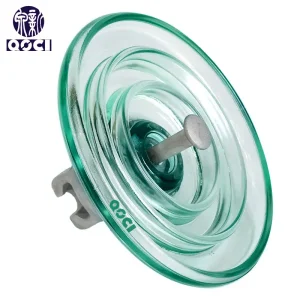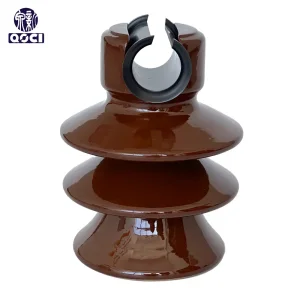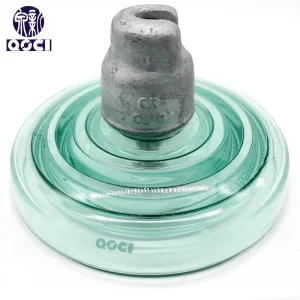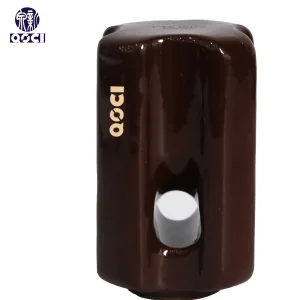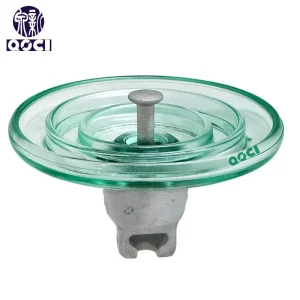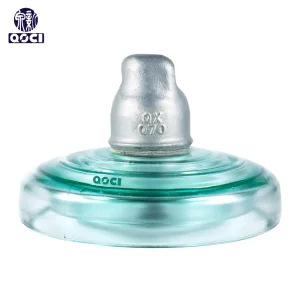
Explore our range of heavy-duty glass and porcelain insulators manufactured to international standards.
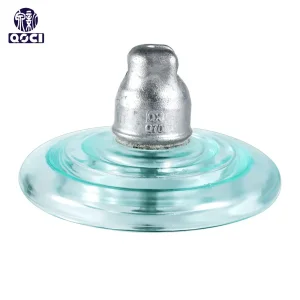
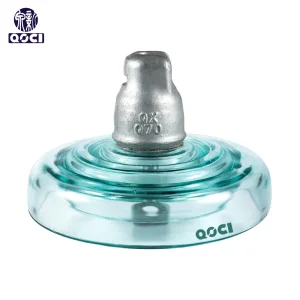
In high-voltage power transmission networks, electrical insulation reliability directly dictates grid uptime. The U100BL Glass Isolator (specifically the 100kN Toughened Glass Suspension Disc Insulator, Ball and Socket Type) represents a vital mechanical and electrical barrier designed to support high line tension and withstand voltage surges. Constructed via a controlled glass tempering process, U100BL glass isolators perform exceptionally under mechanical stress, ensuring safe operational margins for systems up to and exceeding 500kV.
Compared to porcelain alternatives, toughened glass provides unique structural advantages. The thermal tempering process generates compressive stress on the exterior glass layer, increasing mechanical resistance. If electrical puncture or extreme mechanical impact occurs, toughened glass shatters into small fragments rather than breaking into large shards. This characteristic facilitates visual identification by grid maintenance crews, eliminating the need for complex, manual electrical testing on overhead lines.
The standard "U100BL" nomenclature defines critical mechanical and structural limits:
Procuring raw power infrastructure materials requires managing supply chain complexities, engineering standard compliance, and cost considerations. For utility procurement directors and EPC contractors, purchasing U100BL glass isolators demands verification of specific technical tolerances, logistics timelines, and structural reliability.
Key procurement concerns include:
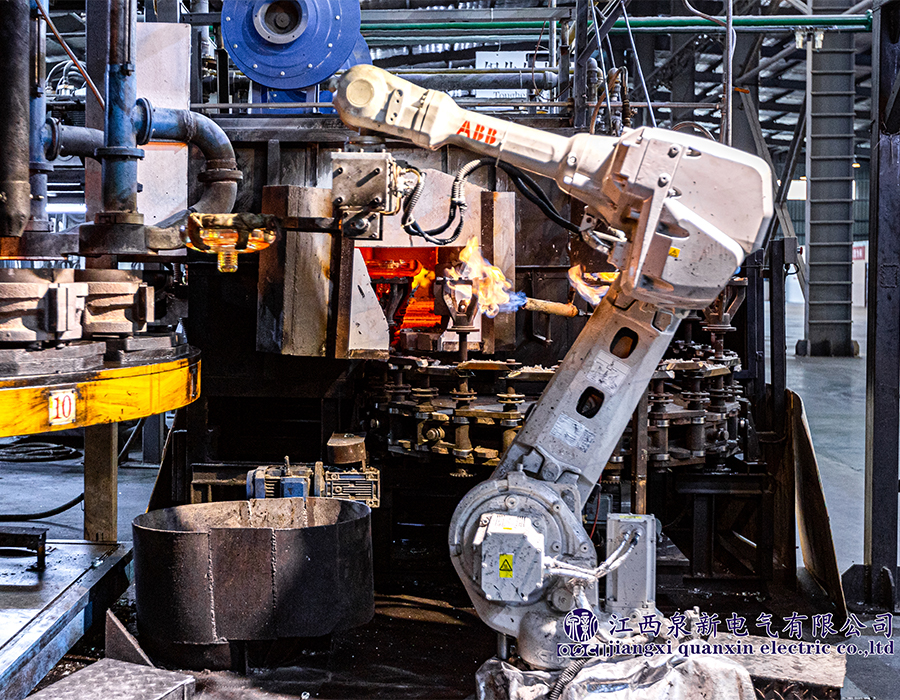
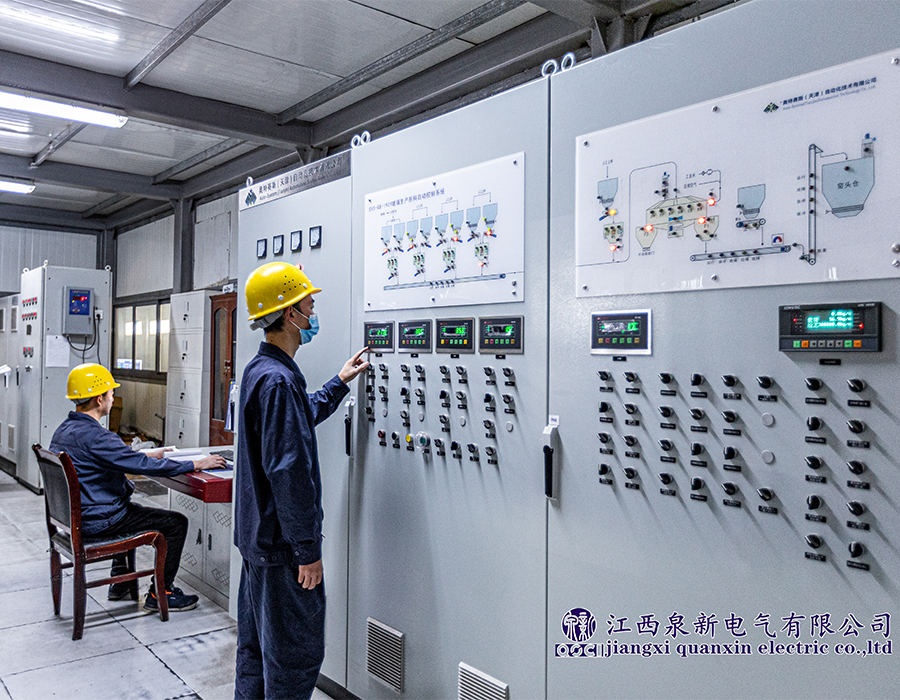
Chinese manufacturers address these parameters through comprehensive automation and quality assurance. Modern manufacturing centers leverage automated batching, continuous melt furnaces, and automatic hot-shock testing lines. This level of quality control ensures lower defect rates than standard industrial glass manufacturing.
A world-class leader in electrical insulation solutions for modern power grids.
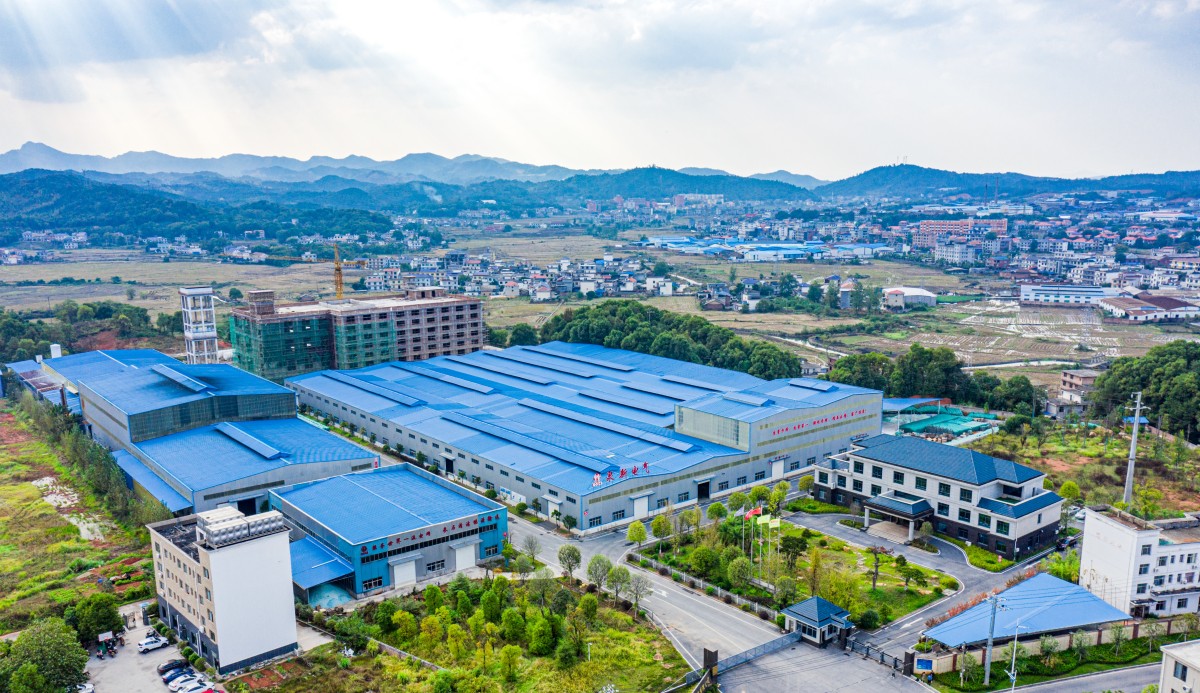
Founded in December 2002 with a registered capital of 508 million Yuan, Jiangxi QOCI Electric Co., Ltd. has established itself as an industry leader in manufacturing high-voltage power transmission line components. Located in the Industrial Park of Luxi County, Pingxiang, Jiangxi Province, our manufacturing facilities span over 100 mu, combining clean-room processing with advanced metallurgical forging.
Our operation is built on three core pillars:
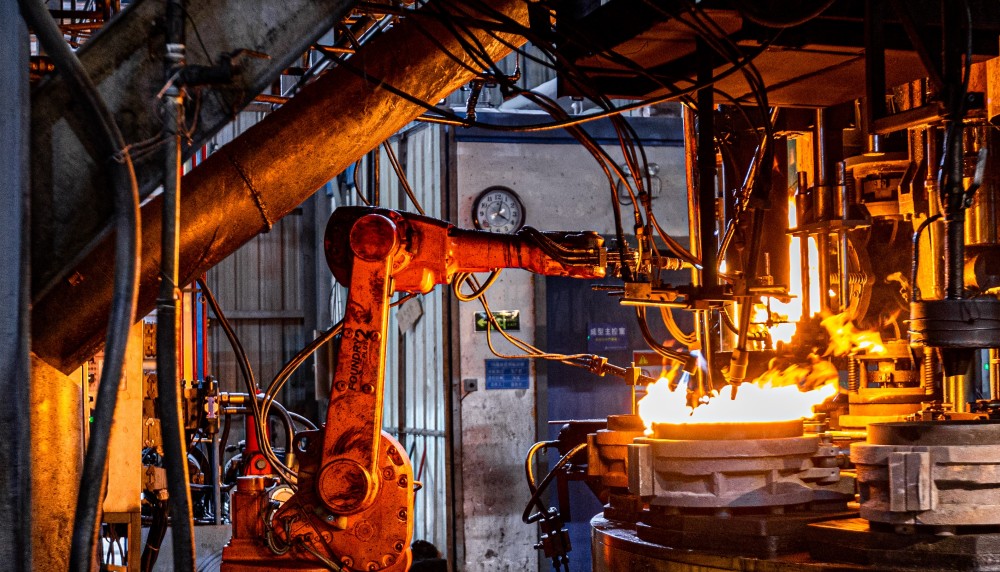

Engineering design variations to withstand diverse global climate zones, industrial pollution, and environmental extremes.
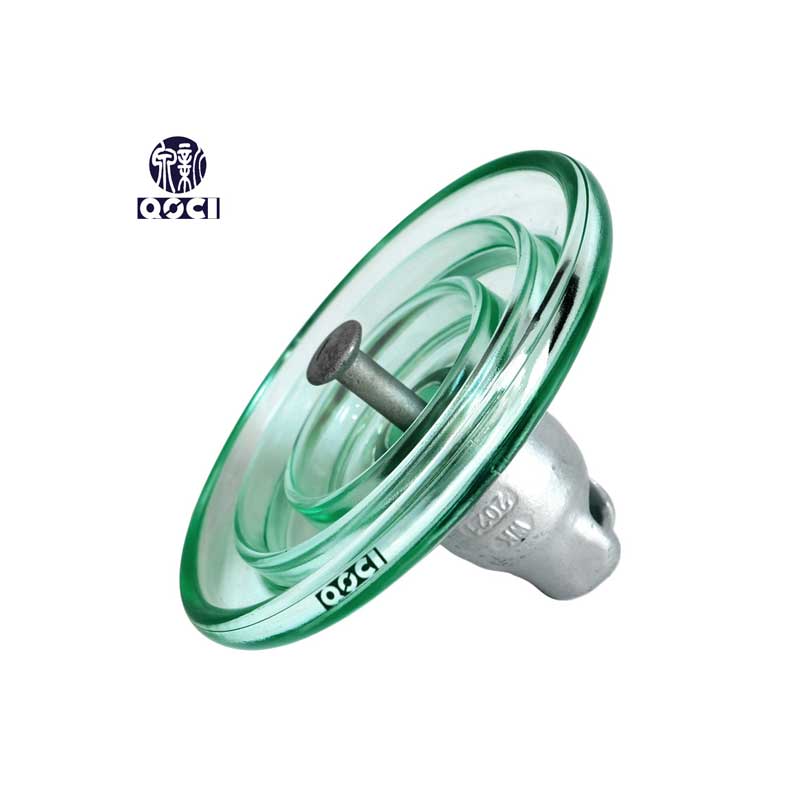
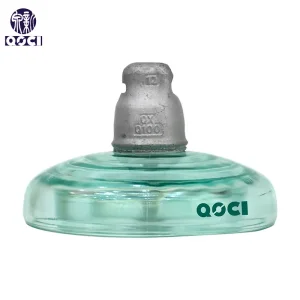
Features a leakage distance higher than standard values indicated in IEC 60305. The insulation body utilizes shallow, well-spaced small ribs, which allow for effective self-cleaning via wind and rain action.
Explore Technology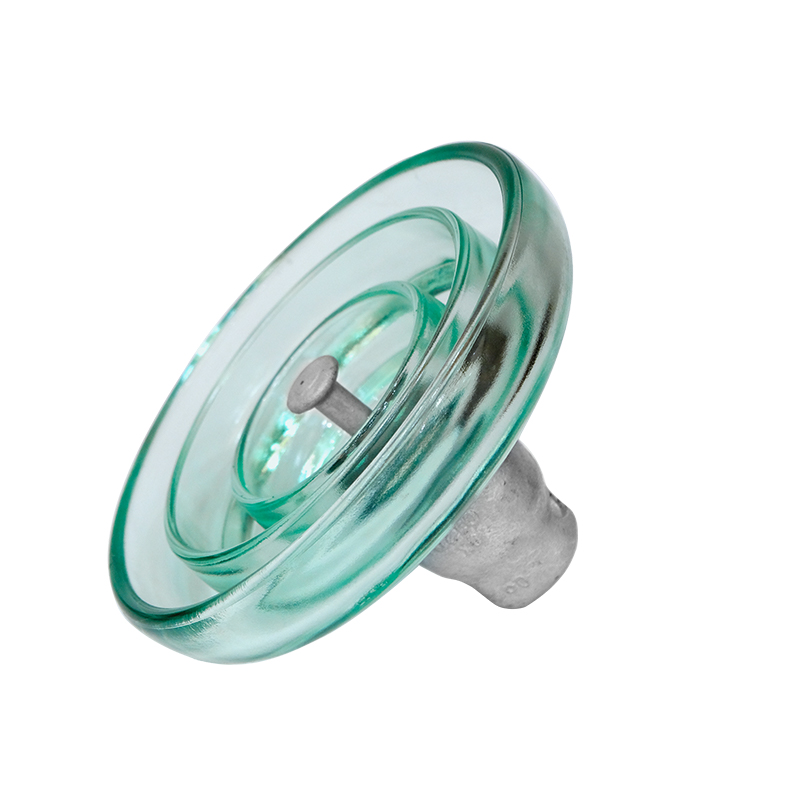
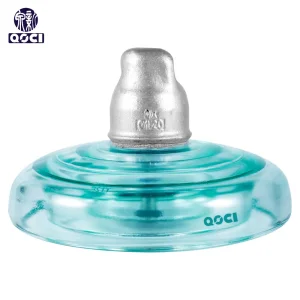
Characterized by deep, widely spaced under-ribs that prevent electrical arc bridging between adjacent sheds. With a high leakage distance-to-spacing ratio of approximately 3.2, it is optimized for salt-fog coastal regions and high-pollution industrial zones.
Explore Technology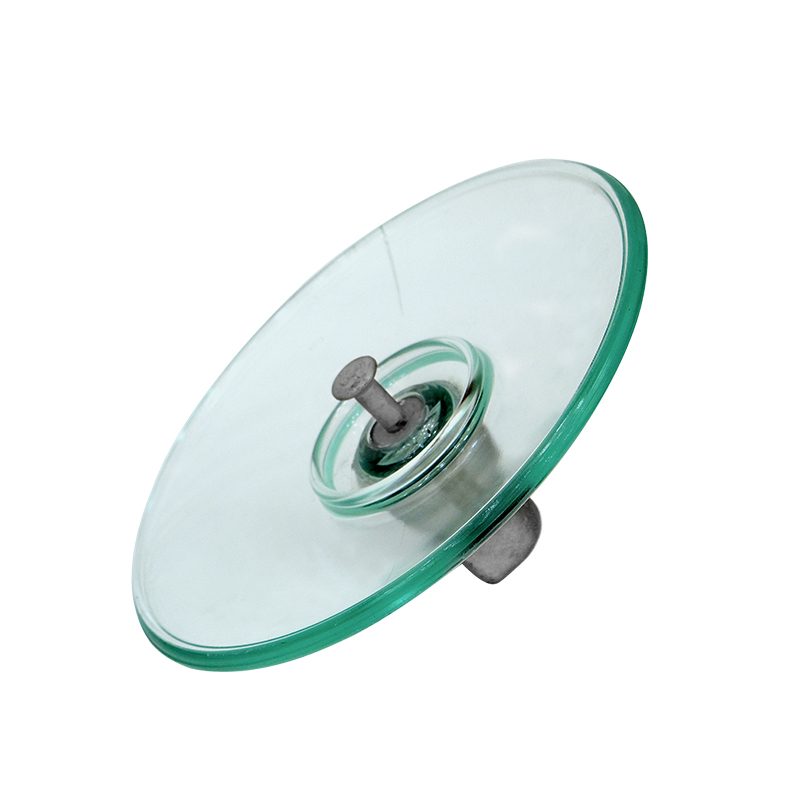
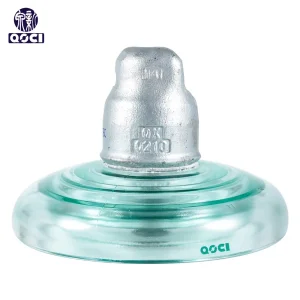
Designed without under-ribs and with a wider disc diameter. This structure prevents the accumulation of dry contaminants like sand and dust, making it highly effective for desert areas and resolving ice-bridging issues in freezing conditions.
Explore Technology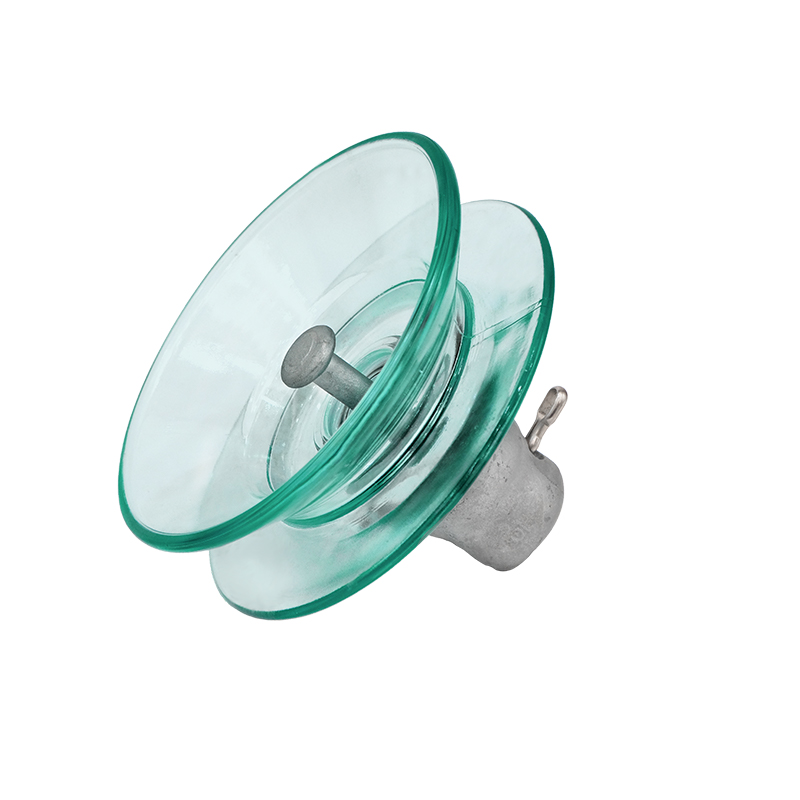
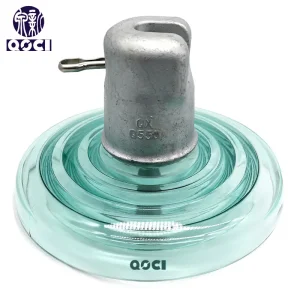
Features two external ribs instead of traditional under-ribs. This configuration reduces contaminant accumulation and facilitates natural self-cleaning in high-wind regions, while also simplifying manual cleaning when required.
Explore Technology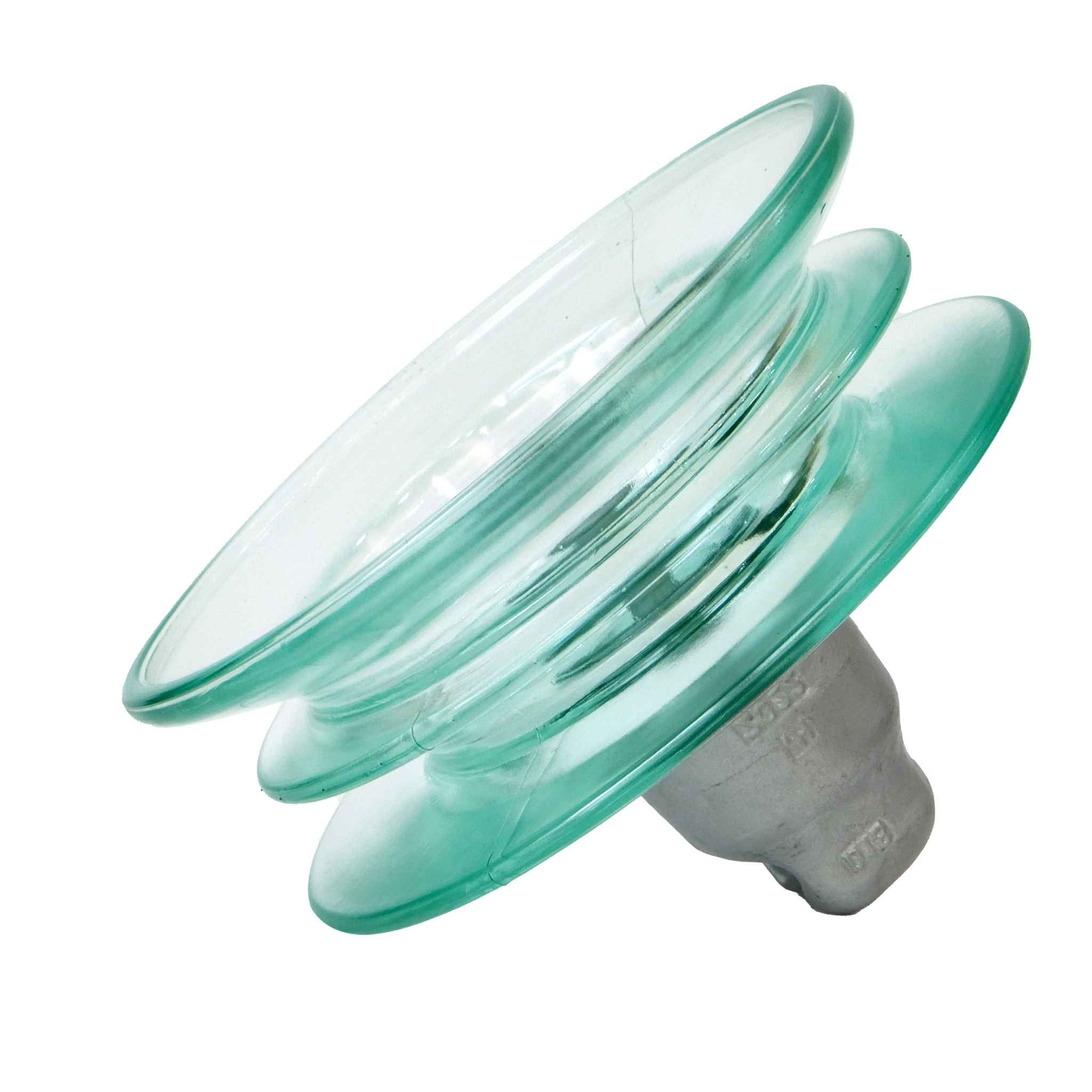
Consists of three separate layers of umbrella discs. This design extends the total creepage distance, providing high pollution flashover resistance and stable electrical performance in coastal, humid, and ultra-high-voltage (UHV) networks.
Explore Technology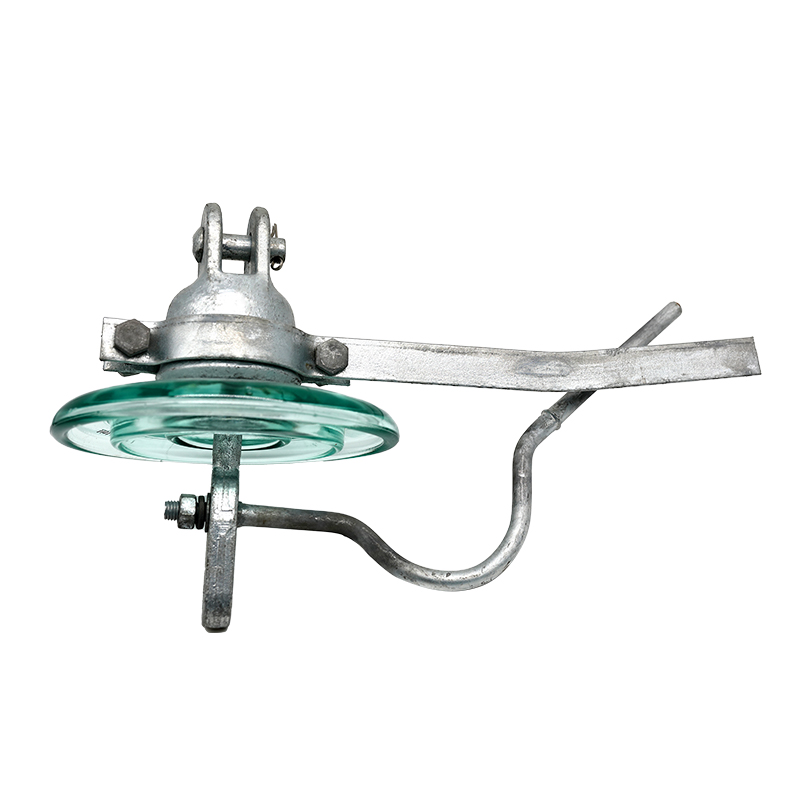
Designed to connect overhead ground wires to the tower structure. Guarantees safe dispersion of lightning currents, protecting transmission equipment while maintaining a smooth self-cleaning glass surface.
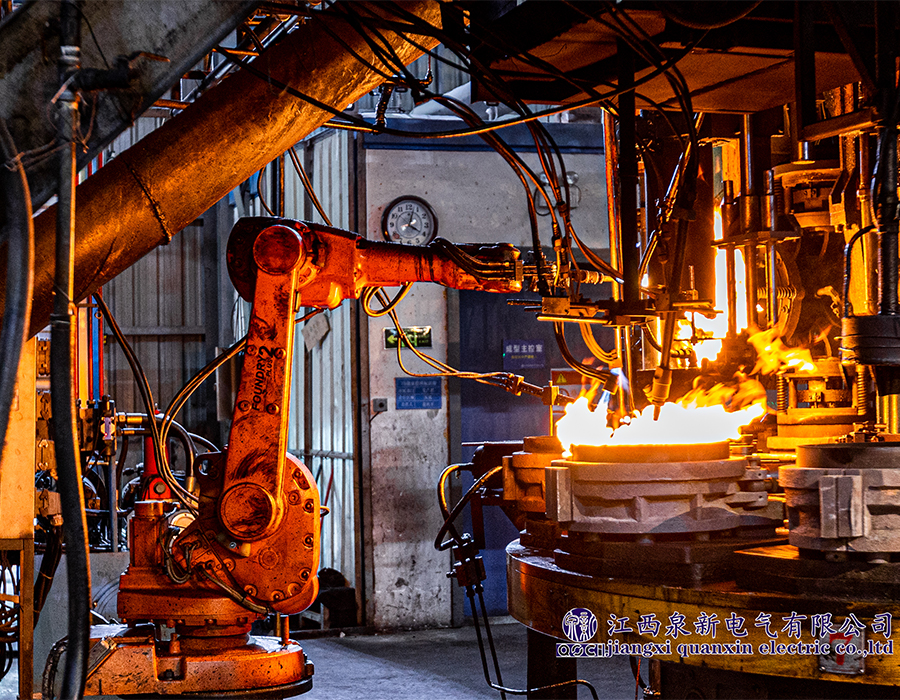
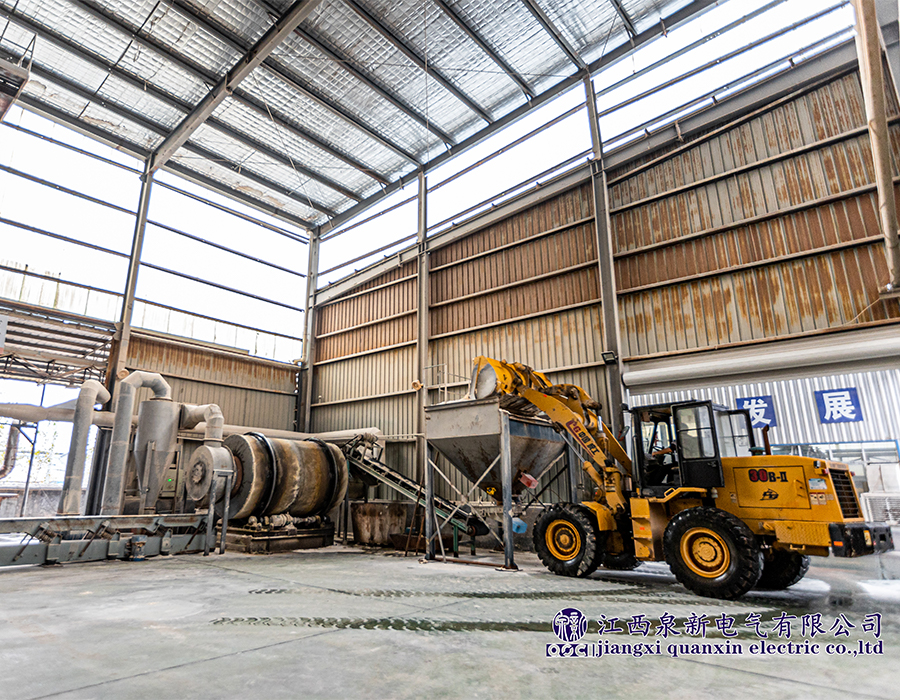
Explore TechnologyCreating reliable, high-performance glass insulators requires consistent material purity and structured process control. The manufacturing flow at Jiangxi QOCI Electric Co., Ltd. starts with automated raw material mixing. High-purity silica sand, soda ash, feldspar, and dolomite are weighed and mixed under computer control. This precise ratio prevents internal stresses and microscopic bubbles in the finalized glass.
Melting occurs in an oxygen-fuel fired furnace at temperatures exceeding 1500°C. Refined molten glass is distributed to individual forming presses, which mold the glass shell. Immediately after molding, the shell undergoes a thermal tempering treatment. Rapid cooling via cold air jets on both surfaces creates high compressive stress on the exterior, while the core retains tensile stress. This thermal tension balance gives toughened glass its high mechanical strength.
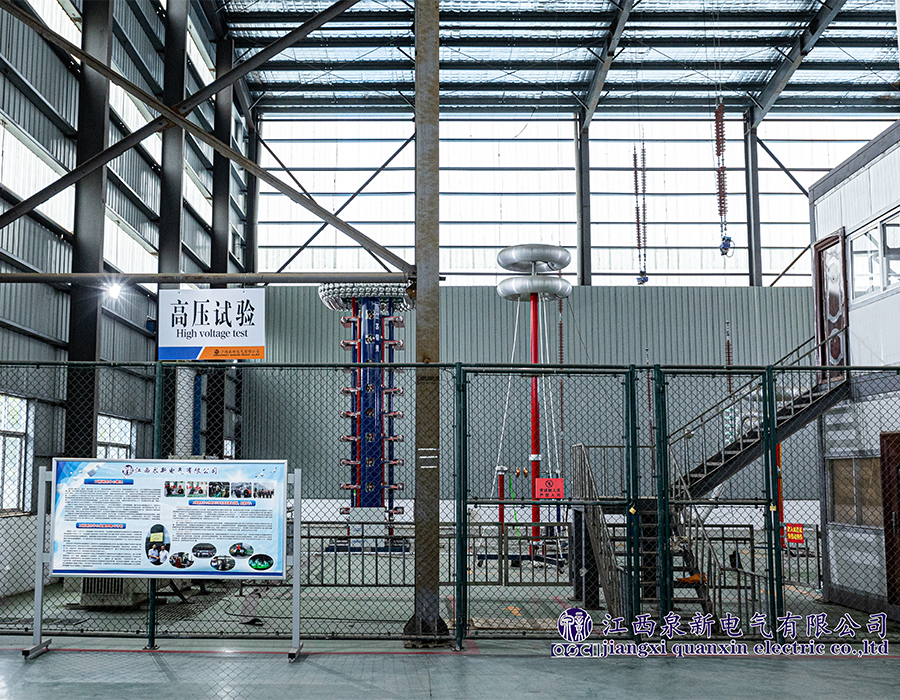
Following tempering, the glass elements are assembled with structural steel caps and pins using high-strength Portland cement. We run regular electrical and mechanical checks throughout the assembly process:
As transmission voltages transition to Ultra-High Voltage (UHV) and Extra-High Voltage (EHV) levels, conventional insulators face challenges from heavy air pollution and long dry periods. A major design advancement is the application of Room Temperature Vulcanization (RTV) silicone coatings on toughened glass surfaces.
Our RTV silicone coatings integrate mineral fillers directly into the polymer matrix. This layer provides key performance advantages:
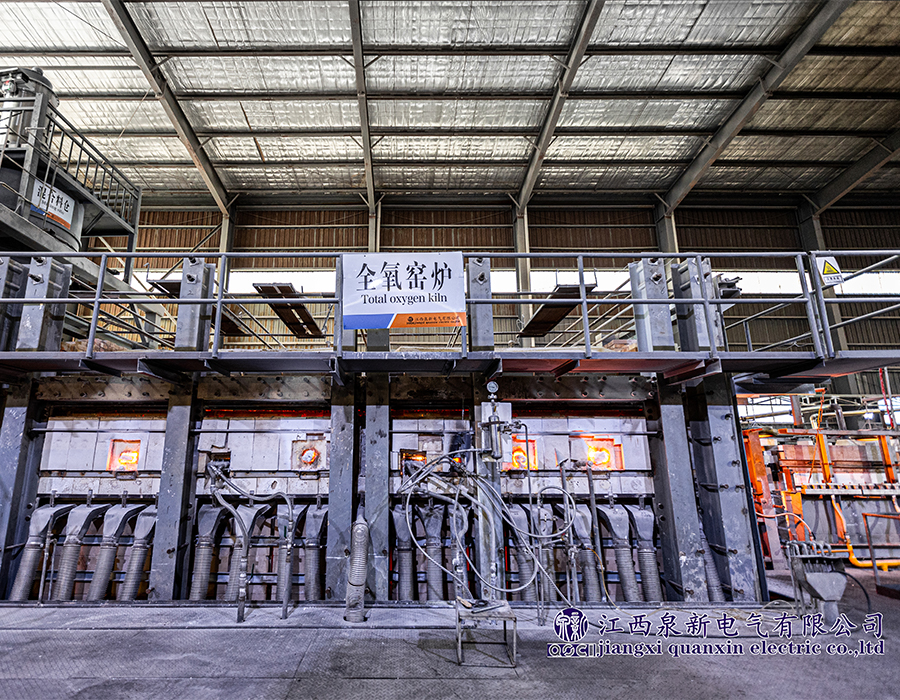
Verified performance across extreme high-voltage applications and challenging environmental conditions.
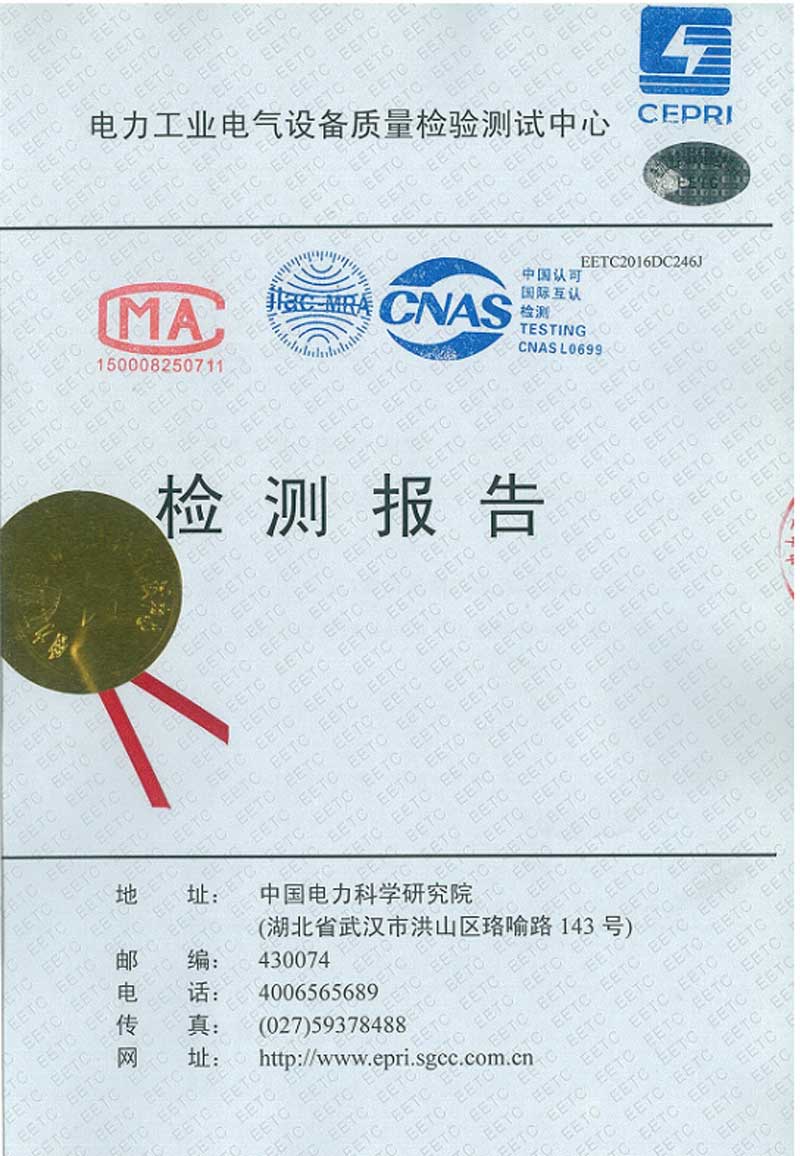
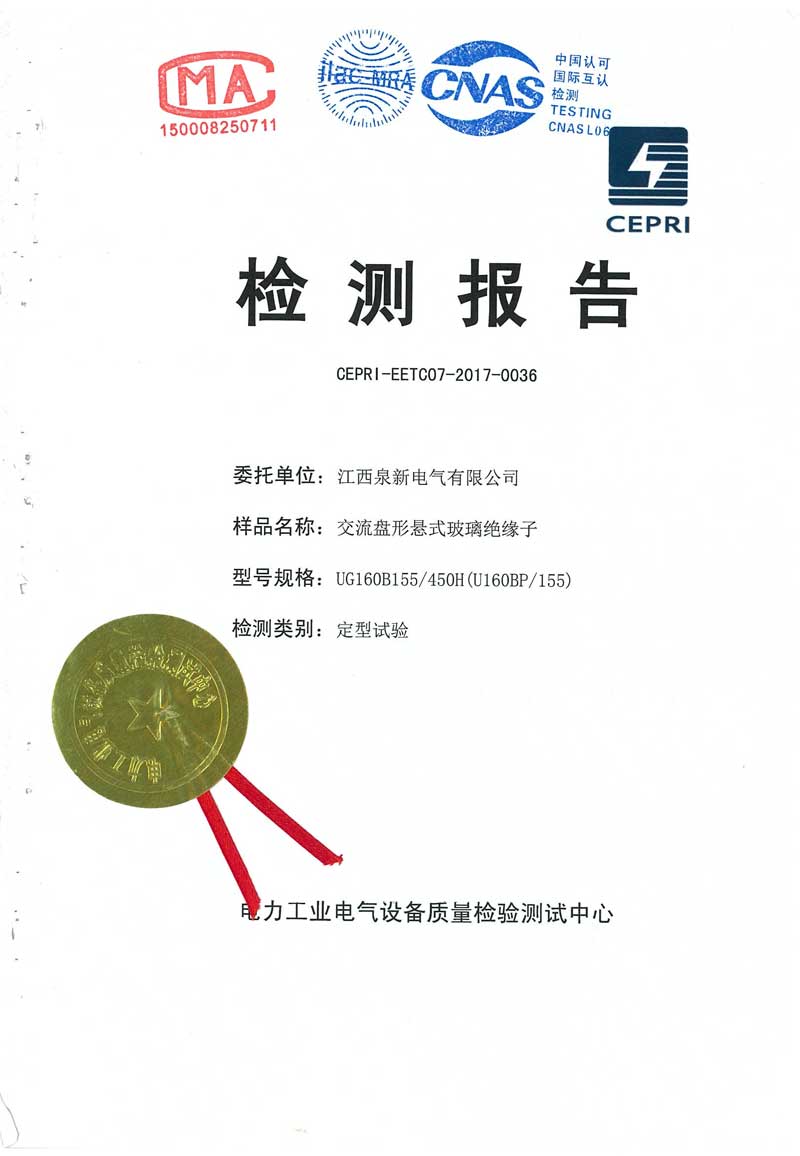
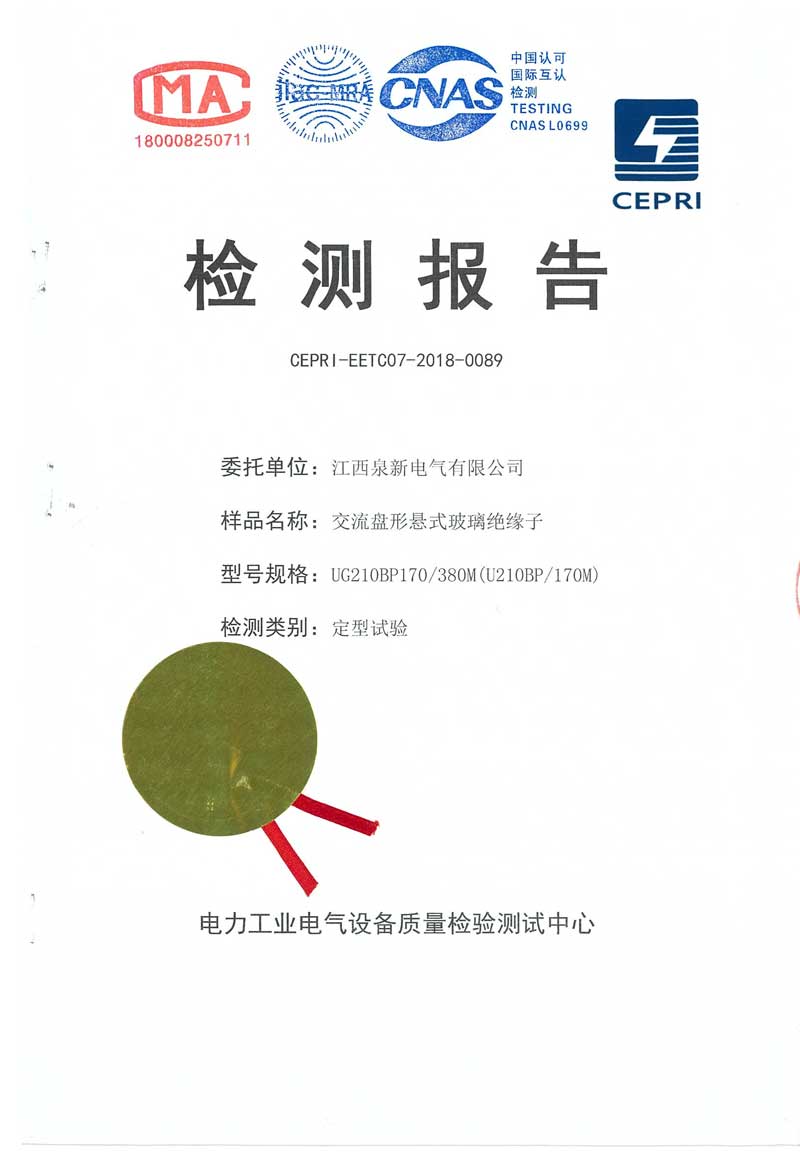
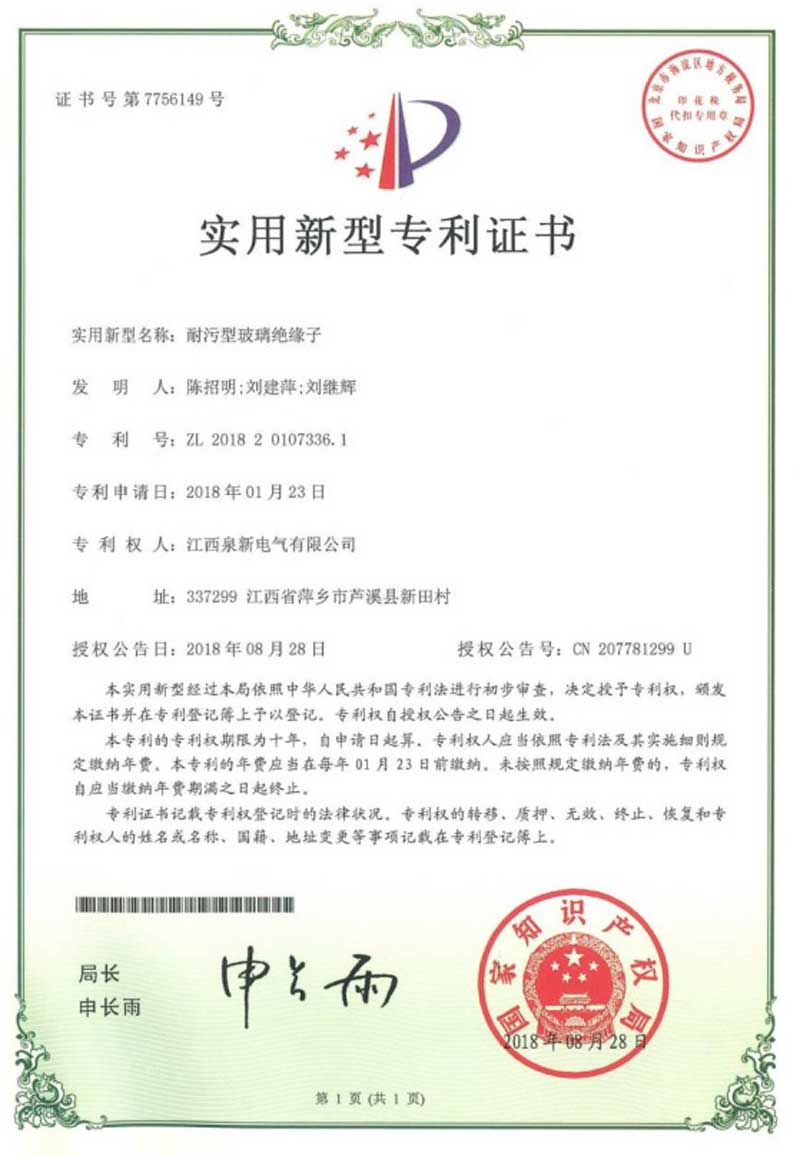
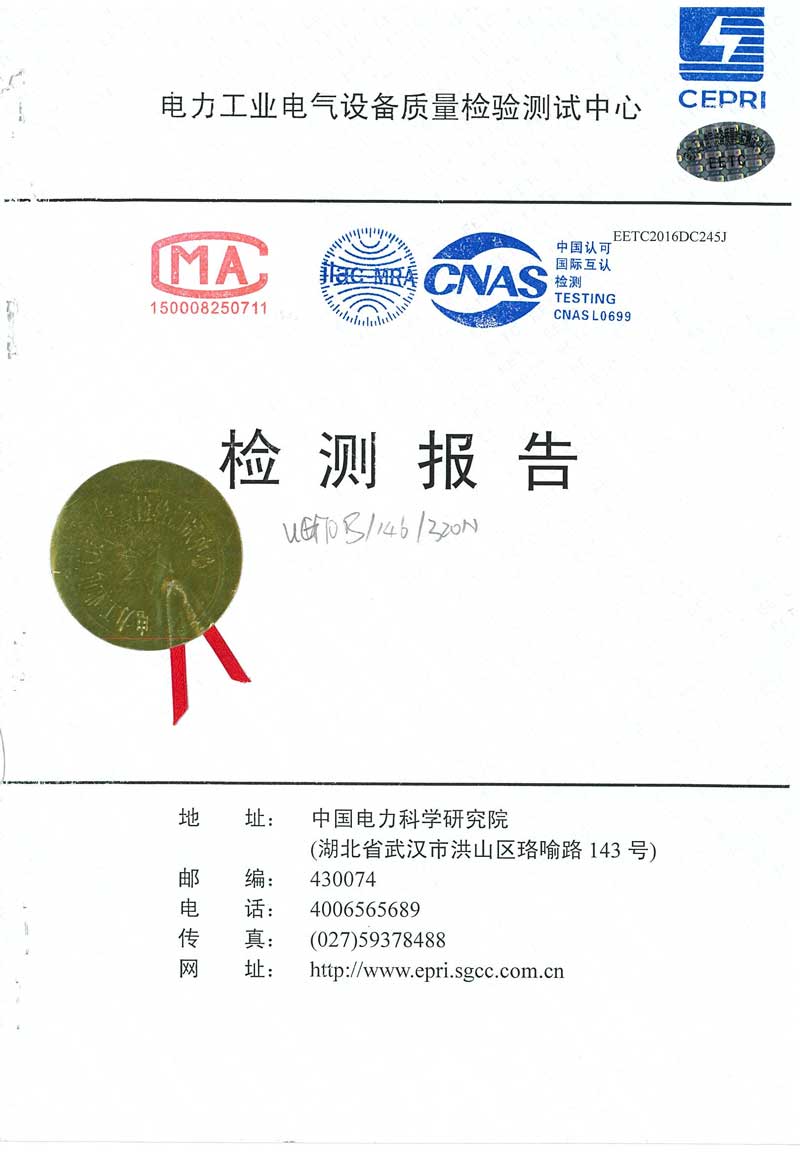
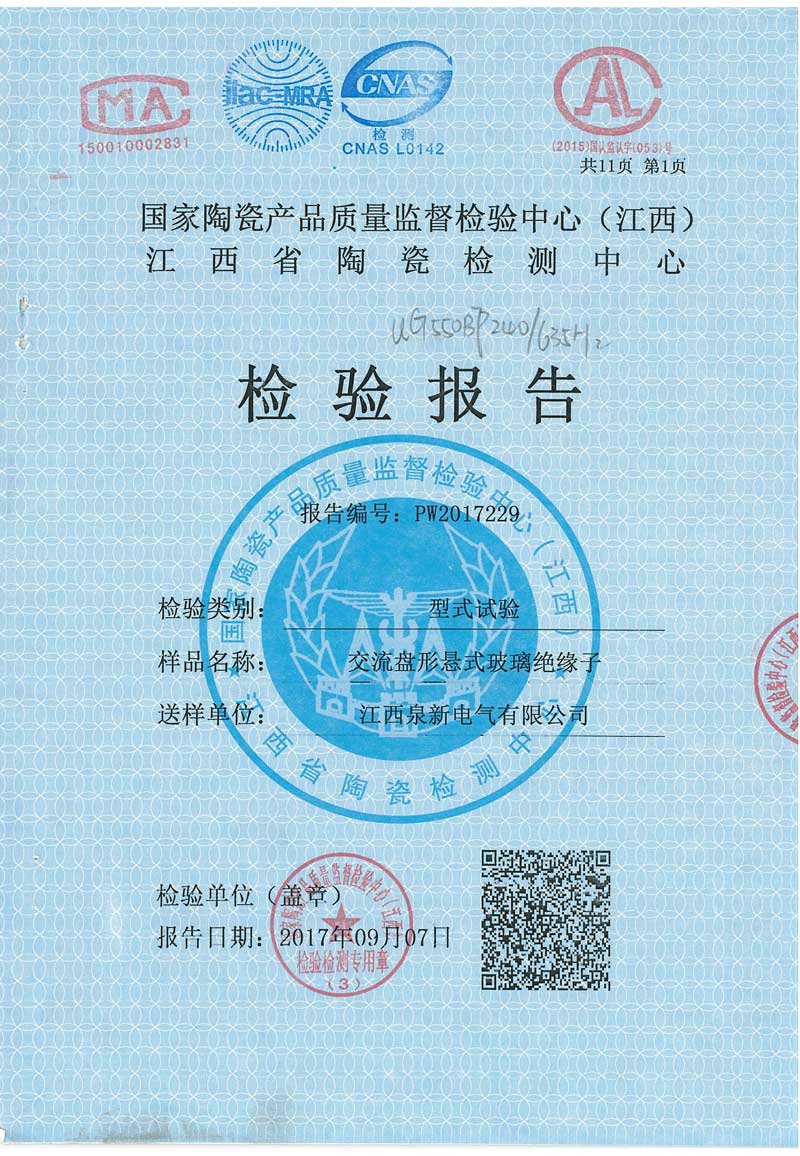
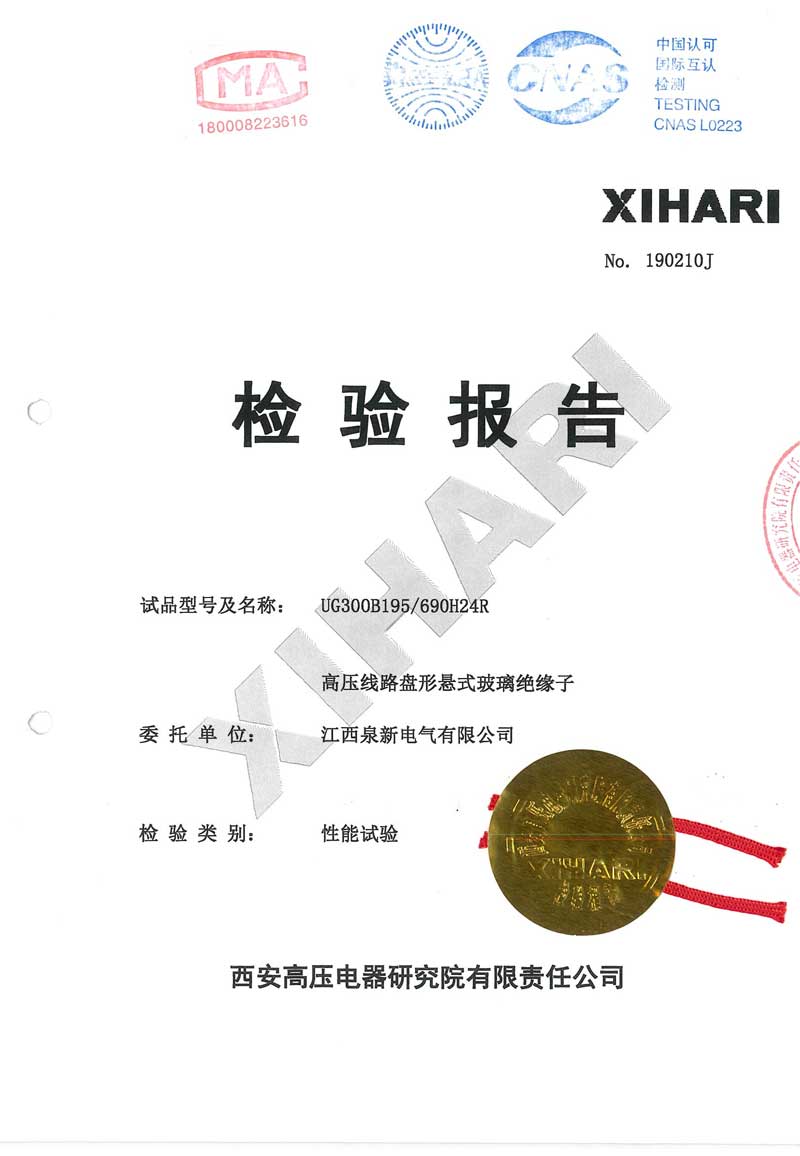
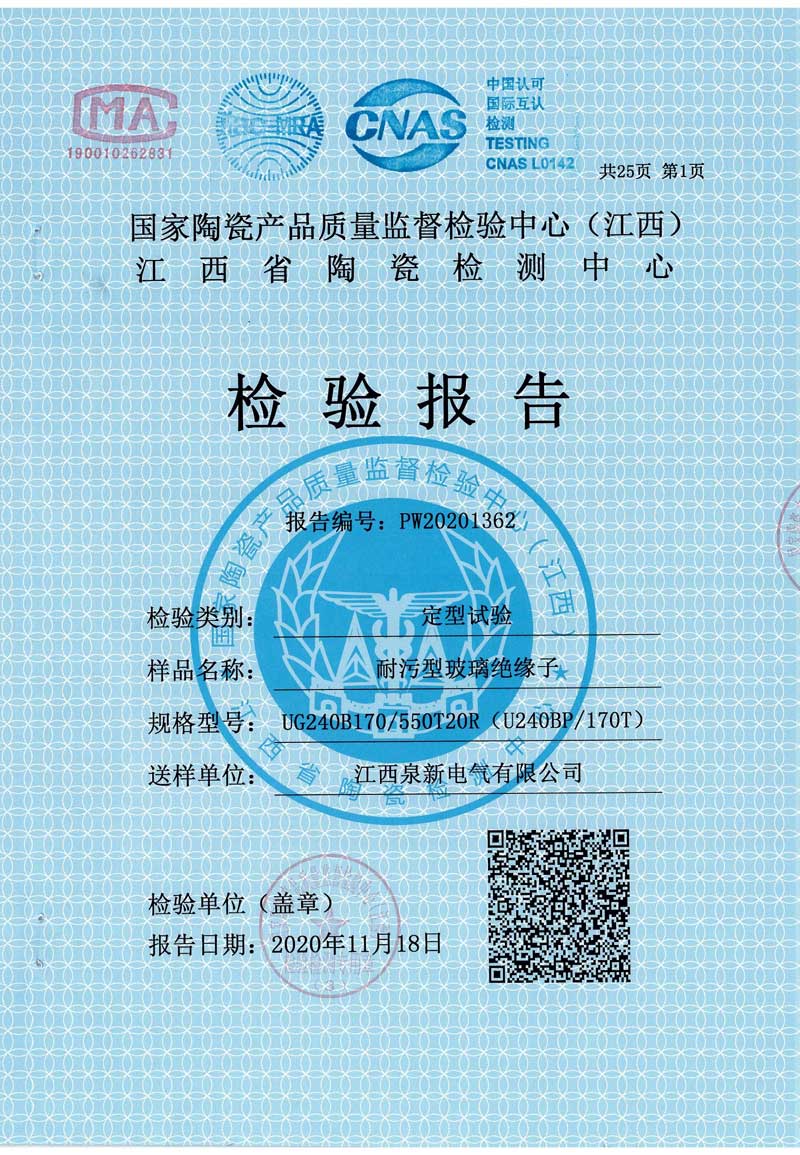
Tested and certified according to IEC, ANSI, and BS standards for global grid integration.
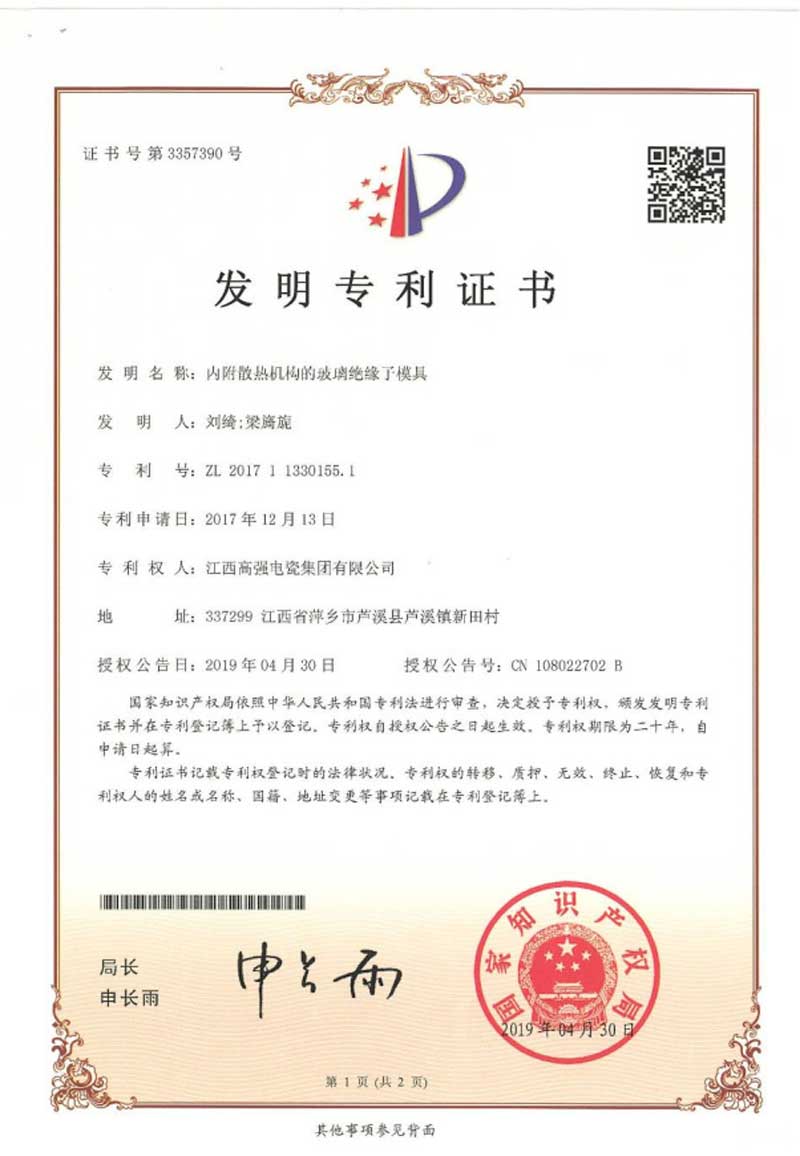
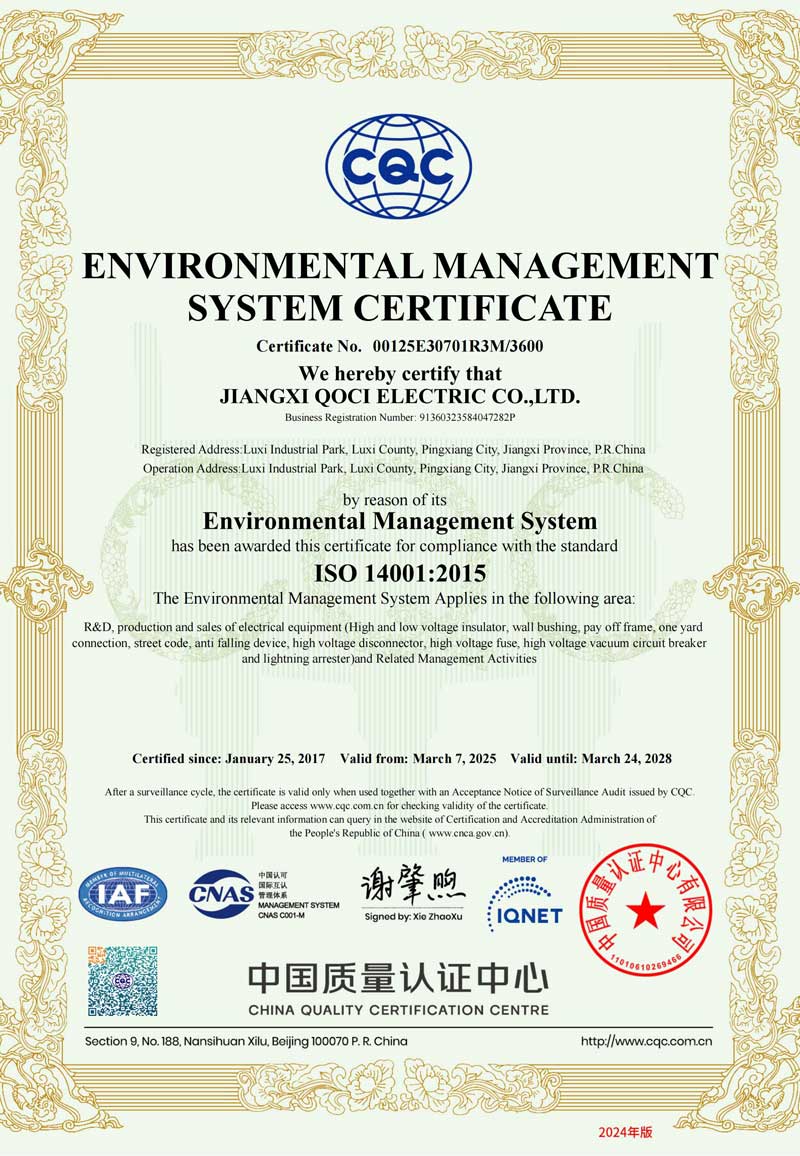
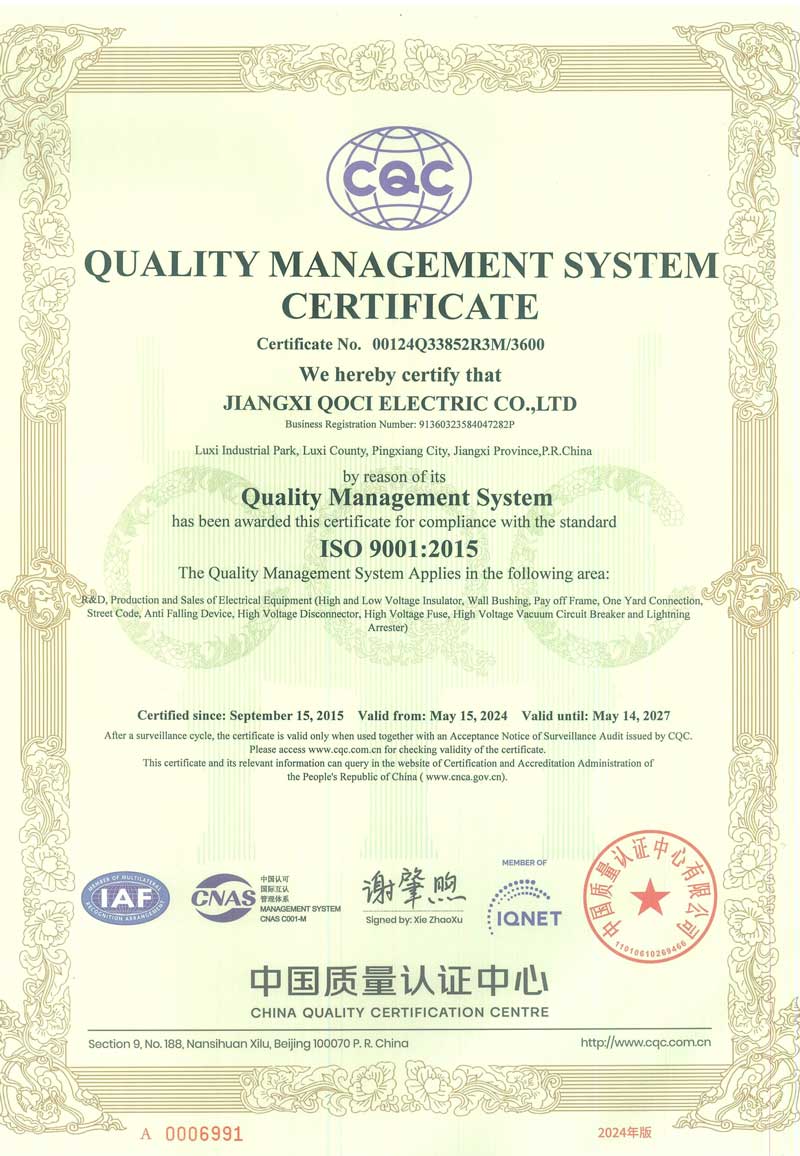
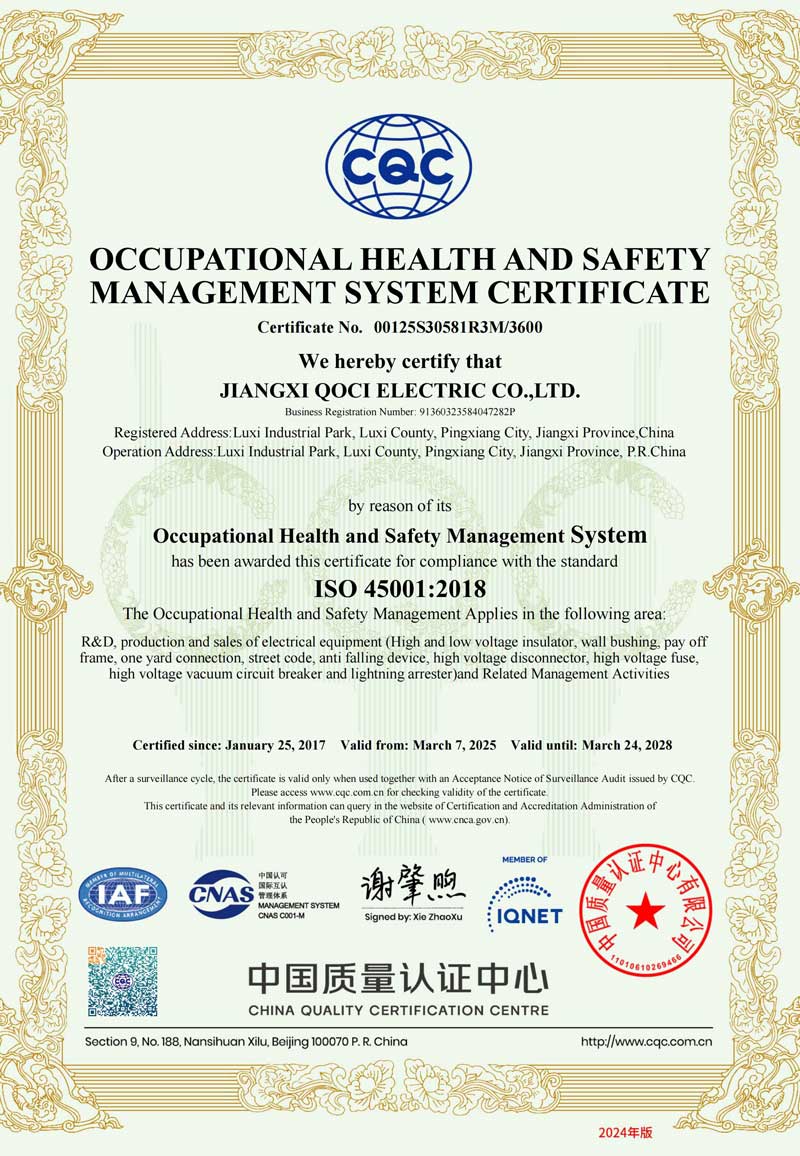
Stay updated on our global grid participation, technical keynotes, and international exhibitions.
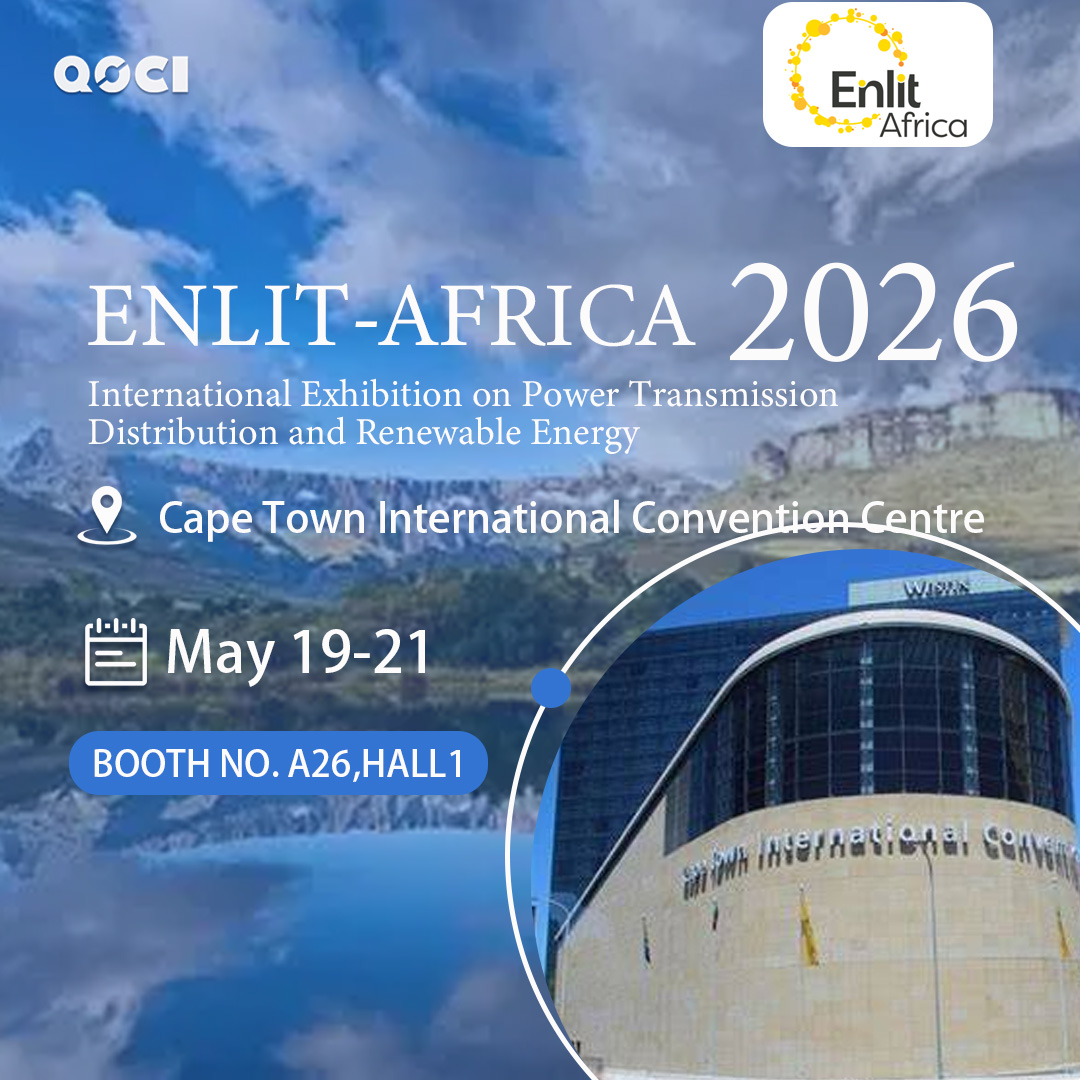
As the global energy transition accelerates, the importance of electricity, renewable energy, and energy storage technologies is becoming increasingly prominent...
Having withstood extreme environmental conditions including icing, high altitude, pollution, earthquakes, and typhoons, China's insulator manufacturing methods have established globally recognized benchmarks for grid resiliency...
On behalf of our team at Jiangxi QOCI Electric, we invite you to connect with us at the IEEE PES T&D Conference & Exposition 2026, the premier event for power transmission engineering...
Jiangxi QOCI Electric Co., Ltd., a global manufacturer of power transmission equipment and solutions, officially confirms its participation in showcasing high-voltage grid insulation technology...
Technical details regarding the specifications, installation, and performance of U100BL glass isolators.
Trusted by major power transmission grid authorities and EPC contractors worldwide.


Browse our complete selection of toughened glass, porcelain, and custom insulator assemblies.