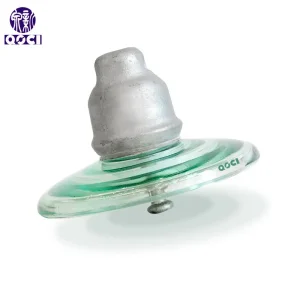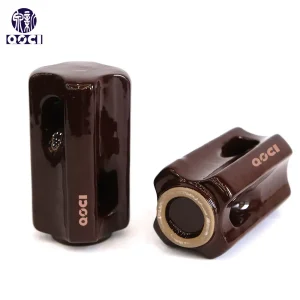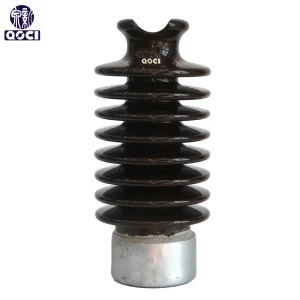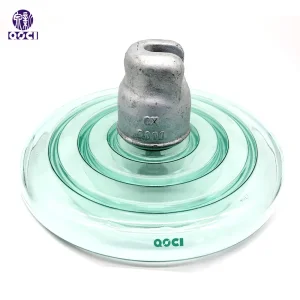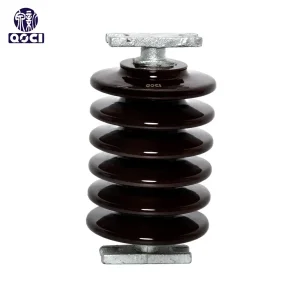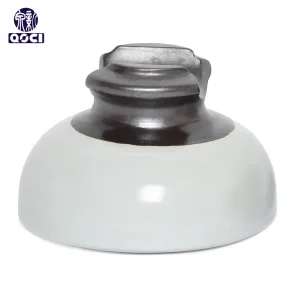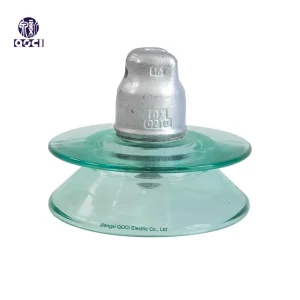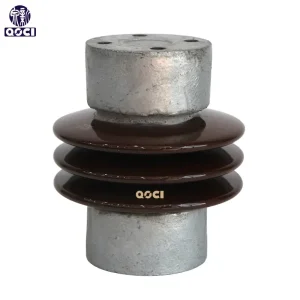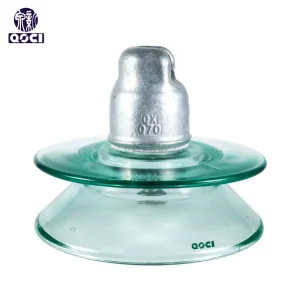
Precision-engineered glass and porcelain insulators for global grid reliability.
As the global community shifts toward carbon neutrality, the integration of utility-scale renewable energy—such as solar and wind—requires robust Ultra-High Voltage (UHV) transmission networks. High Voltage Insulators are the silent guardians of this infrastructure. In China, the manufacturing sector has evolved from producing standard components to offering comprehensive "Grid Health Solutions." This includes the development of Silicone-coated Glass Insulators (RTV), which solve the age-old problem of pollution flashovers in coastal and industrial zones. By minimizing leaking currents, these advanced insulators ensure that energy loss is mitigated over thousand-mile spans, a critical requirement for sustainable smart cities.
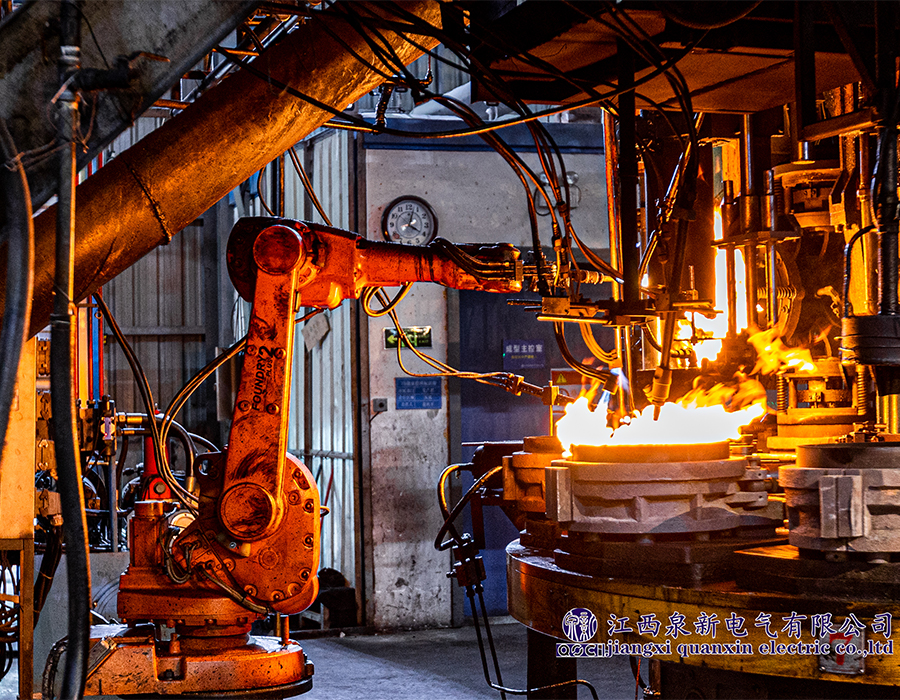
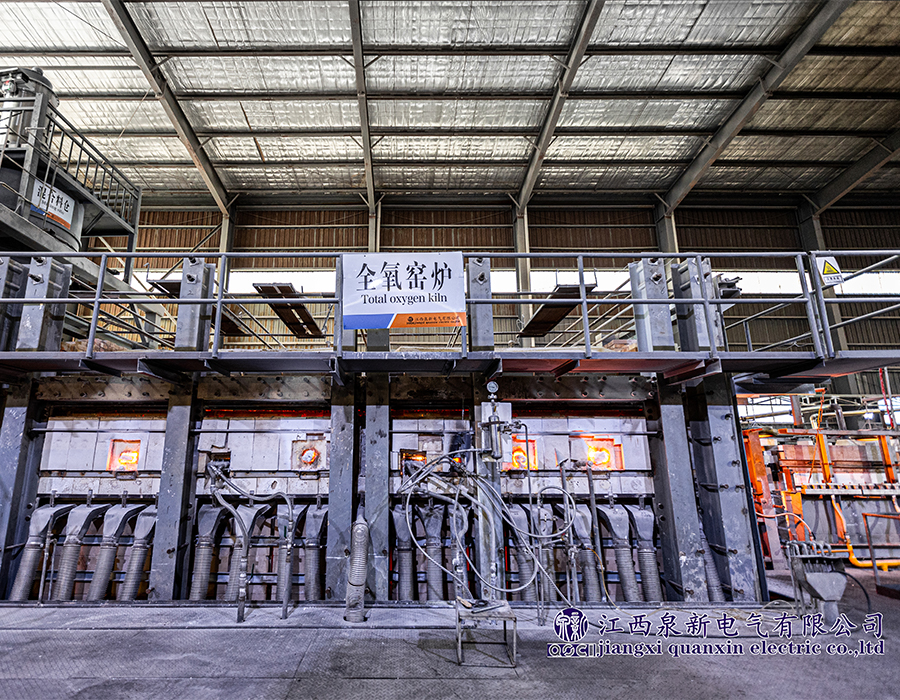
The current global market for high voltage insulators is characterized by a surge in demand from Southeast Asia, Africa, and North America, where aging infrastructure is being replaced by digitized grids. Chinese manufacturers, particularly those in the Jiangxi Luxi cluster, have captured a significant market share by offering a combination of high annual outputs (39,000+ tons) and stringent adherence to International Electrotechnical Commission (IEC) and American National Standards Institute (ANSI) specifications. The industry has transitioned toward "Intelligent Manufacturing," utilizing total oxygen kilns and automated forming presses to ensure zero-defect production.
Focusing on 500kV and 800kV DC/AC projects globally, ensuring stable cross-border energy trade.
Total commitment to ISO 9001, 14001, and OHSAS 18001 standards for factory reliability.
Leveraging 26+ national patents to improve hydrophobic performance and mechanical strength.
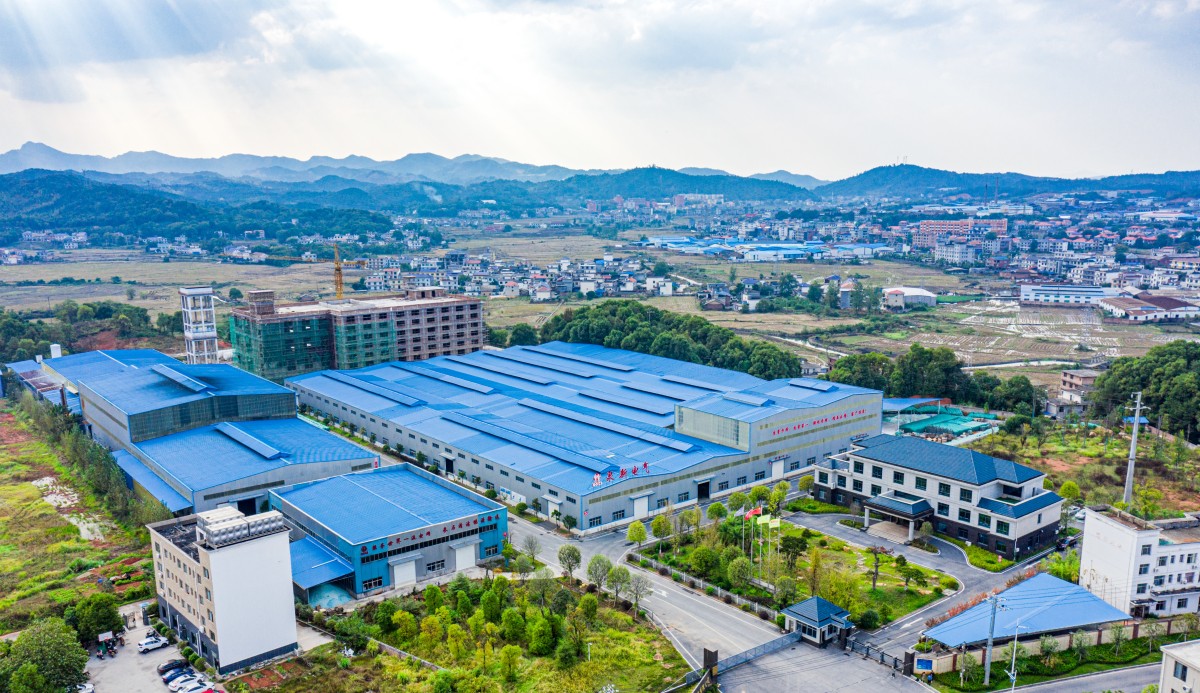
Founded in Dec. 2002 with a registered capital of 508 million Yuan, we have established ourselves as a global titan in electrical insulation. Located in Luxi County, Jiangxi, our 70,000 m² facility is the heart of our innovation.
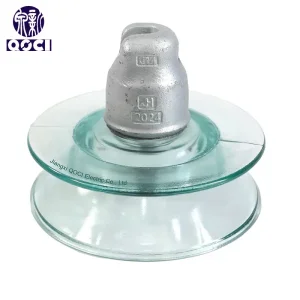
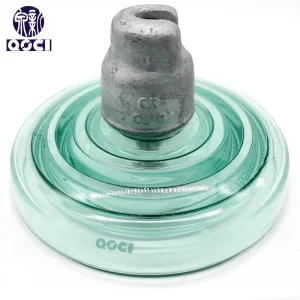
High salinity causes "salt fog" issues. Our Anti-Fog Profile glass insulators feature elongated under-ribs to maximize leakage distance (Ratio 3.2), preventing arcs in humid environments like Thailand or Brazil.
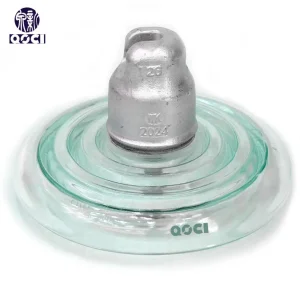
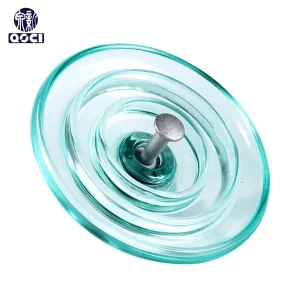
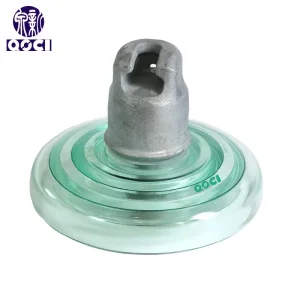
In regions like the Middle East, sand accumulation leads to conductivity. Our "Open Profile" designs lack under-ribs, allowing natural wind to self-clean the surface, reducing maintenance costs by 40%.
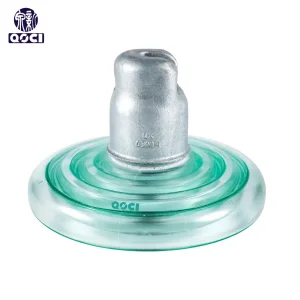
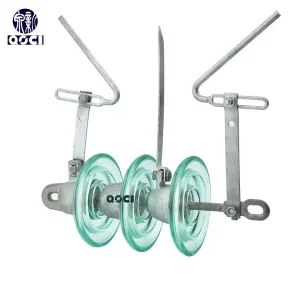
For areas with heavy soot or chemical discharge, our Double-Shed and Triple-Shed Type glass insulators provide superior pollution flashover resistance, crucial for mining and heavy manufacturing sectors.
The next decade of high voltage insulator manufacturing focuses on "Active Insulation." This includes sensors embedded within the cap-and-pin structure to monitor leakage current in real-time. We are also pioneering eco-friendly toughened glass that requires less energy during the melting phase in our Total Oxygen Kilns. The future is not just about holding wires; it's about providing data to the grid operator to prevent outages before they happen.
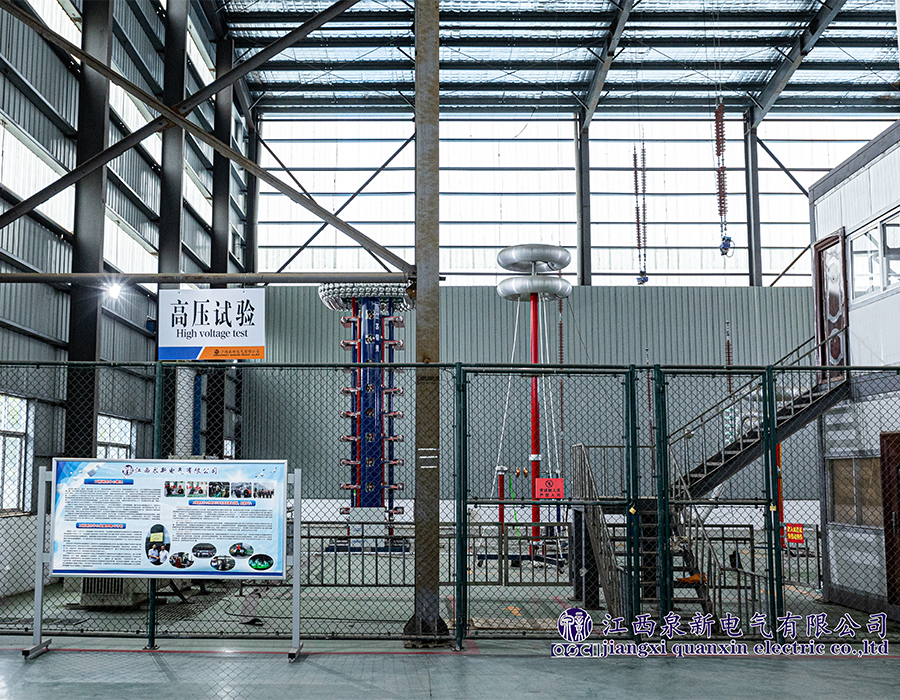
Where AI-driven processes meet decades of engineering expertise.
Expert answers to the industry's most critical questions.
Available for immediate wholesale and custom project manufacturing.