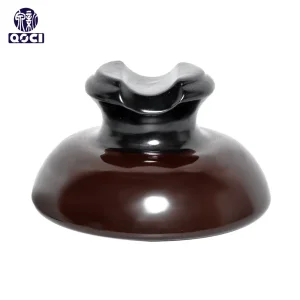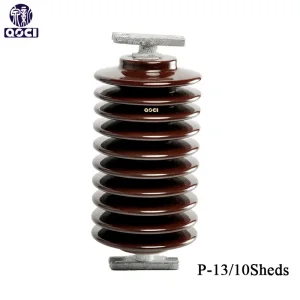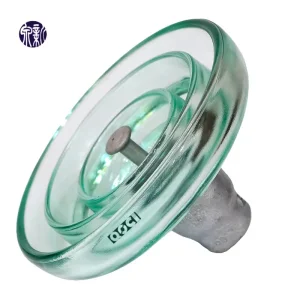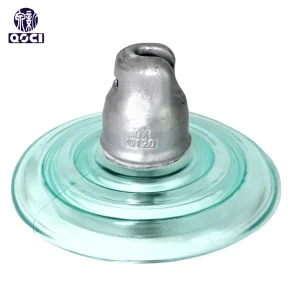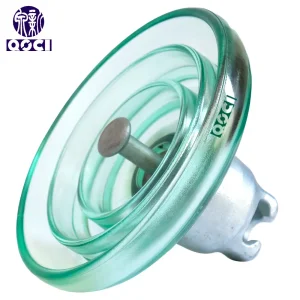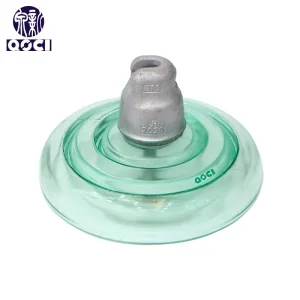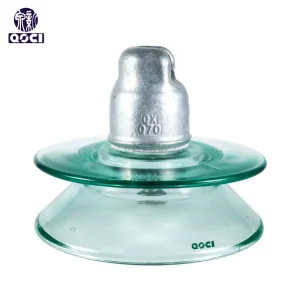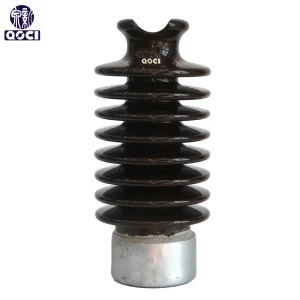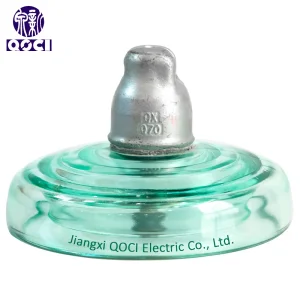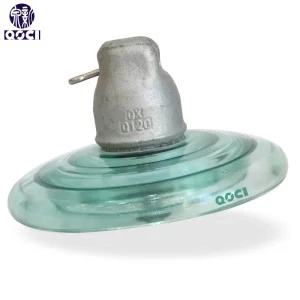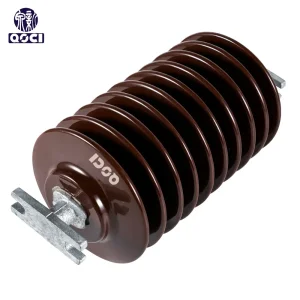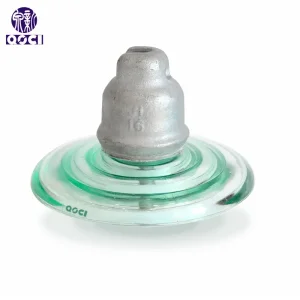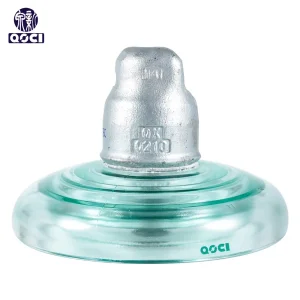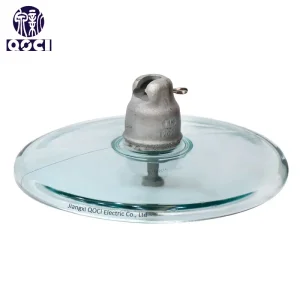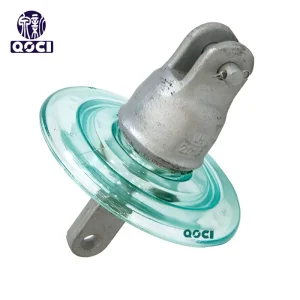
In the era of the Global Energy Transition, the demand for resilient transmission infrastructure has reached unprecedented levels. The Glass Insulator 550 series (specifically referencing 550kN mechanical strength and EHV applications) represents the pinnacle of electrotechnical ceramic engineering. As utilities worldwide move toward Extra-High Voltage (EHV) and Ultra-High Voltage (UHV) grids to integrate renewable energy sources—such as remote solar farms and offshore wind—the reliability of suspension insulators becomes the literal backbone of national security.
Current global trends indicate a massive shift toward toughened glass insulators over traditional porcelain due to their unique "self-shattering" characteristic. This allows for visual inspection via helicopter or drone, drastically reducing maintenance costs. Furthermore, the integration of RTV (Room Temperature Vulcanization) silicone coatings onto glass surfaces is solving the age-old conflict between mechanical durability and pollution flashover resistance in coastal and industrial zones.
Aging grids in North America and Europe are being replaced with higher tensile strength glass insulators to handle increased loads and extreme weather events caused by climate change.
UHV lines are the "Green Superhighways." 550kN glass insulators are essential for carrying power across thousands of kilometers with minimal line loss.
Modern glass insulators are now designed to be compatible with AI-driven visual recognition systems, facilitating automated grid health monitoring.
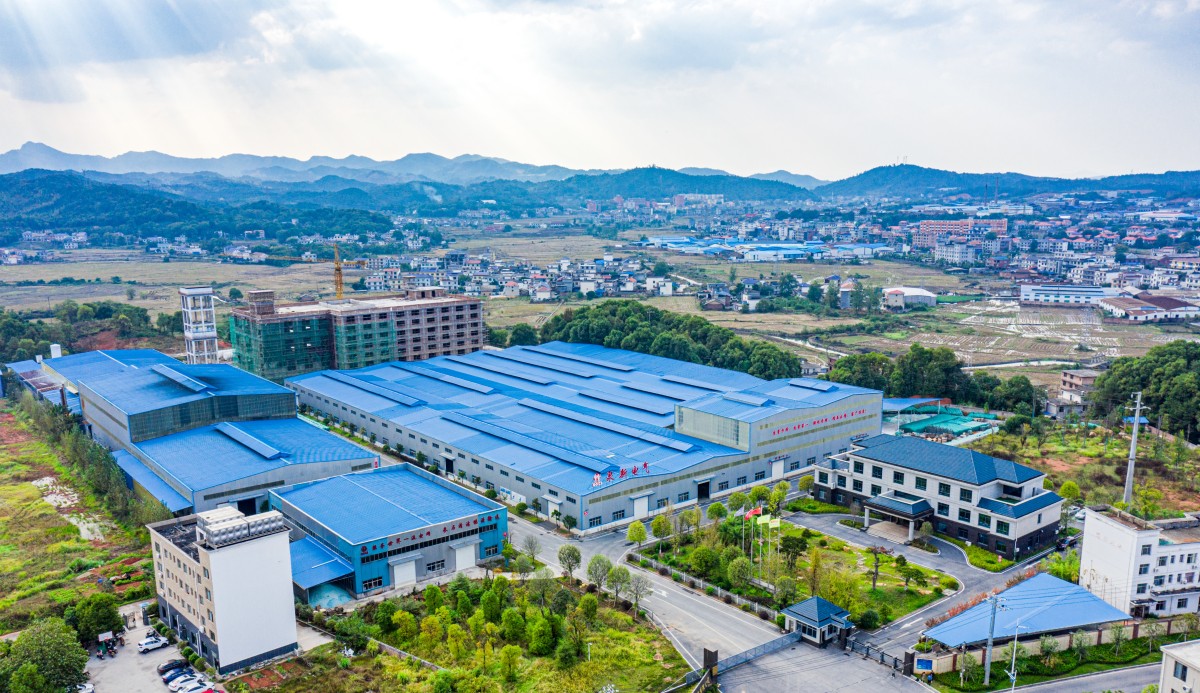
Located in the historic "Porcelain Capital" of Jiangxi, Jiangxi QOCI Electric Co. Ltd (founded in 2002) exemplifies the transformation of Chinese manufacturing. Our facilities integrate Total Oxygen Kiln technology and automated Forming Presses, ensuring each glass insulator meets the stringent IEC 60305 and ANSI C29.2 standards.
For global procurement officers, the "China Advantage" is no longer just about price—it's about Supply Chain Resilience. With an annual output of 39,000 tons, we provide a buffer against global logistics volatility, offering fast delivery times that Western competitors struggle to match. Our "Industry 4.0" approach involves real-time monitoring of the annealing process, ensuring zero defects in the toughened glass structure.
Designed with shallow, well-spaced ribs for effective self-cleaning by wind and rain. Ideal for areas with low to moderate pollution levels.
Characterized by long, widely-spaced under-ribs to avoid arc bridging. Essential for coastal areas with salt fog or industrial zones.
Absence of under-ribs prevents the accumulation of sand and dust. Specially engineered for desert environments and ice-bridging prevention.
Combines the mechanical strength of toughened glass with the hydrophobicity of silicone. Eliminates the need for regular manual cleaning.
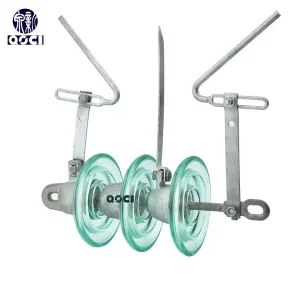
Three layers of umbrella discs provide maximum creepage distance. The ultimate choice for UHV projects in extreme pollution.
As a senior SEO Growth Director monitoring the energy sector, we've identified a significant shift in User Intent Mining. Today's procurement managers are not just searching for "cheap insulators"; they are searching for "long-term grid reliability" and "traceable manufacturing."
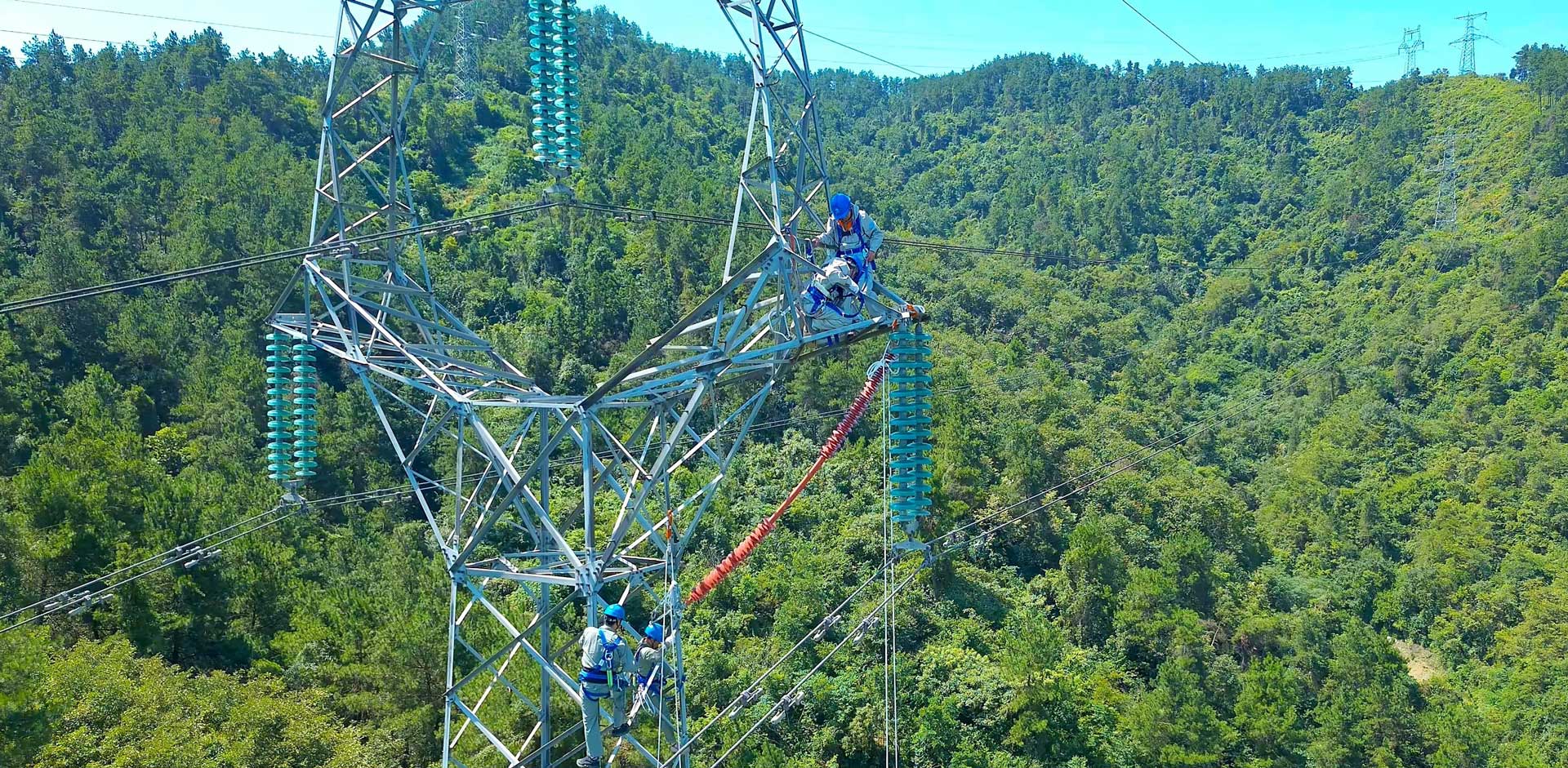
Utilizing Anti-pollution glass insulators to combat saline corrosion in regions like Southeast Asia and the Gulf.
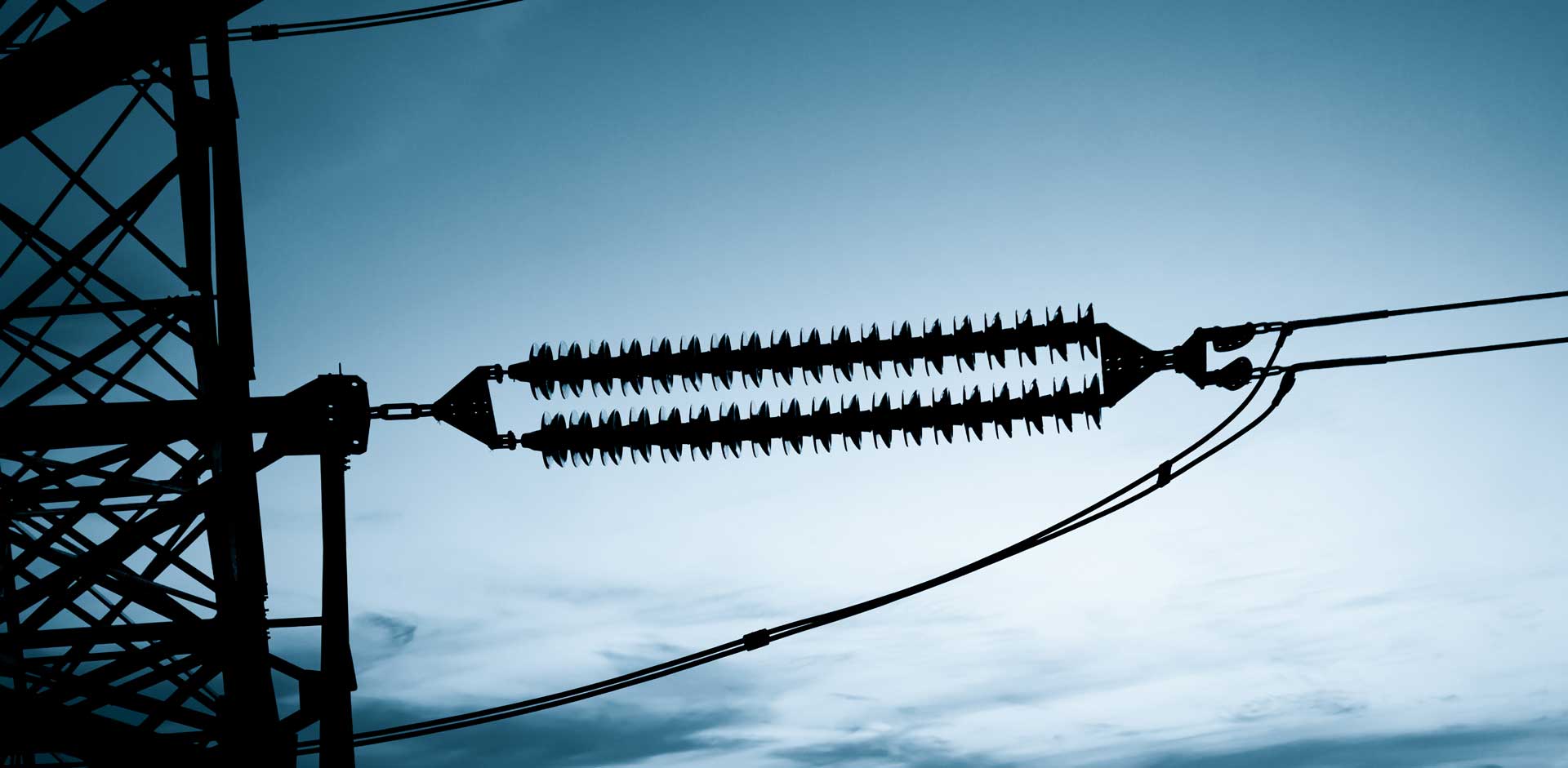
High-strength 550kN units designed to withstand the low air pressure and high corona effects of mountainous transmission.
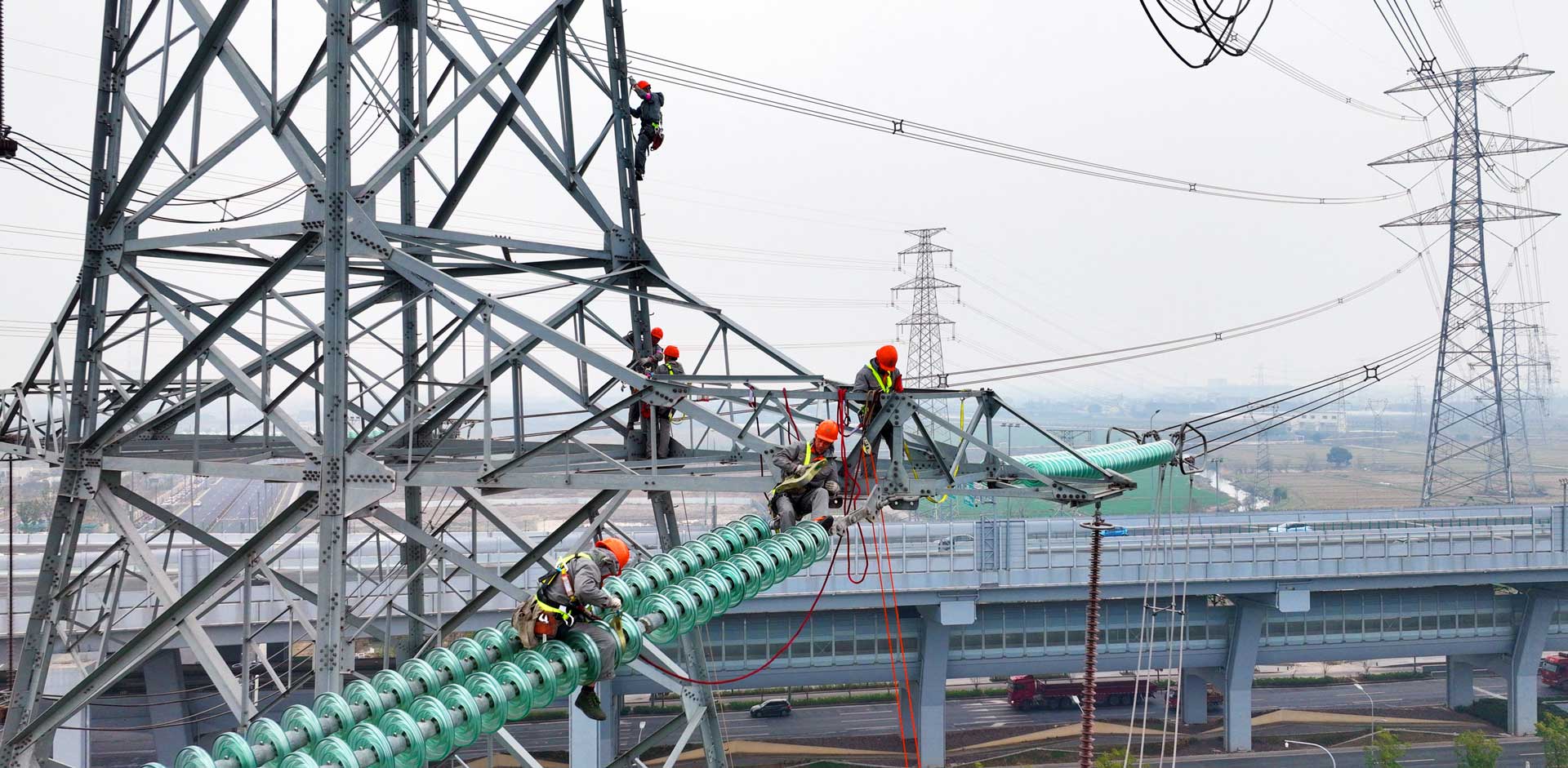
Aerodynamic profiles used in heavy industrial zones to prevent pollution-induced flashovers and power outages.