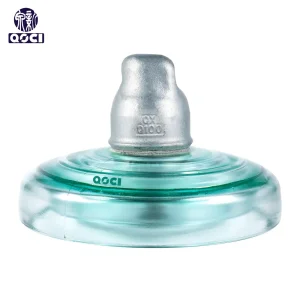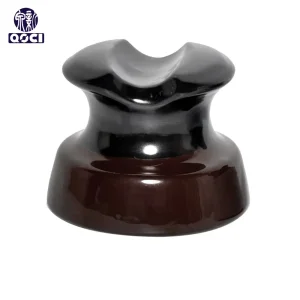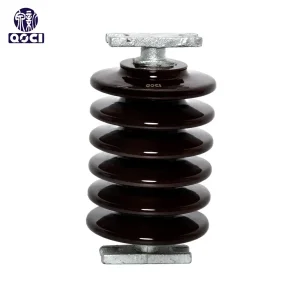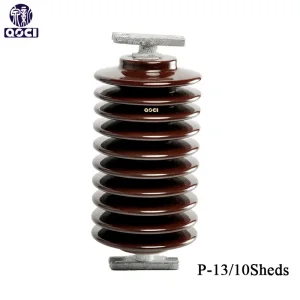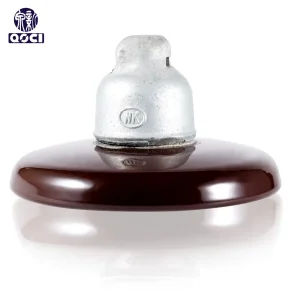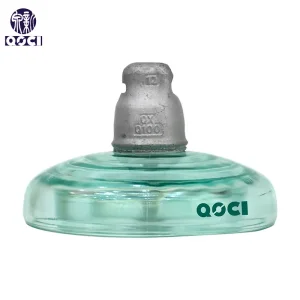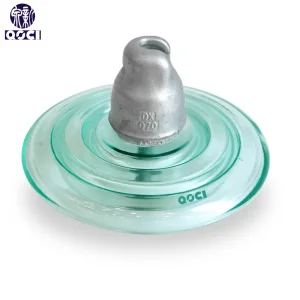
In the modern era of energy transition, High-Quality Glass Insulators have become the backbone of reliable grid infrastructure. As global electricity demand surges—driven by industrialization, EV adoption, and smart city initiatives—the role of specialized glass insulation in high-voltage (HV) and ultra-high-voltage (UHV) transmission has never been more critical.
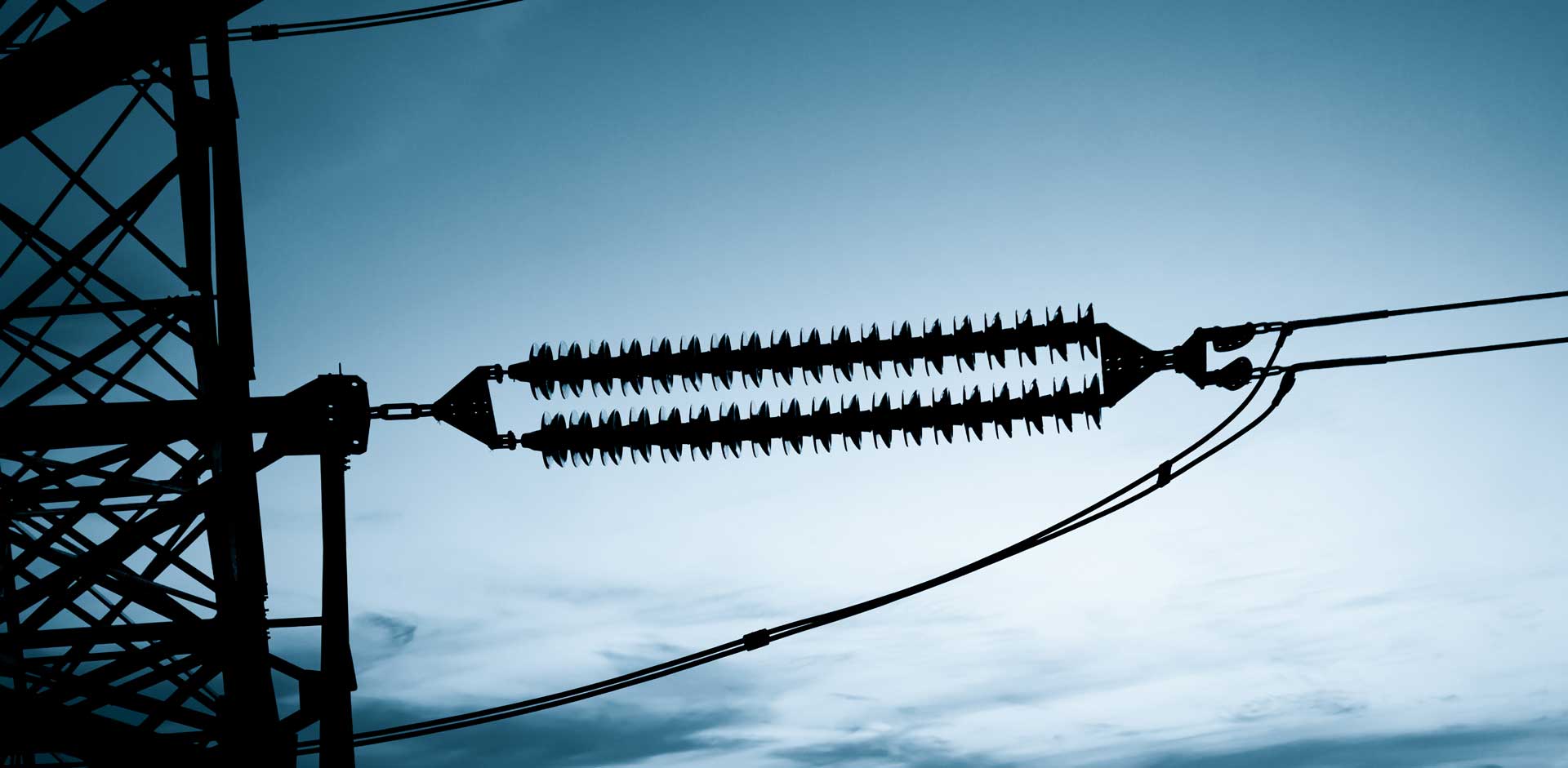
Compared to traditional porcelain or composite materials, toughened glass insulators offer unique Information Gain: they provide visible confirmation of their electrical integrity. When a glass insulator fails, it shatters, making line inspections faster and more cost-effective. This "self-diagnosing" feature reduces the risk of undetected "hidden" faults that often plague polymer alternatives.
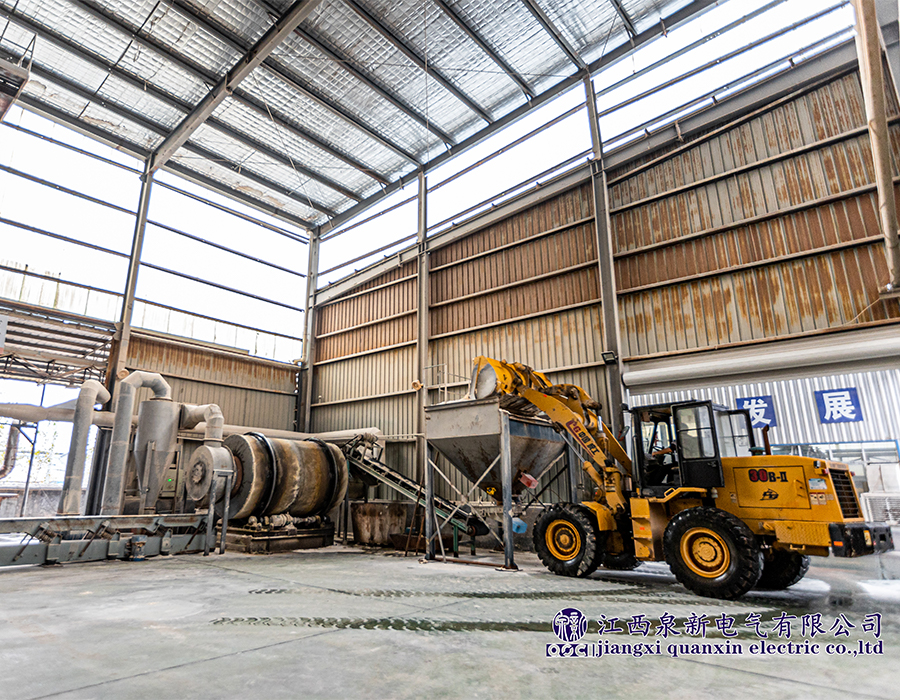
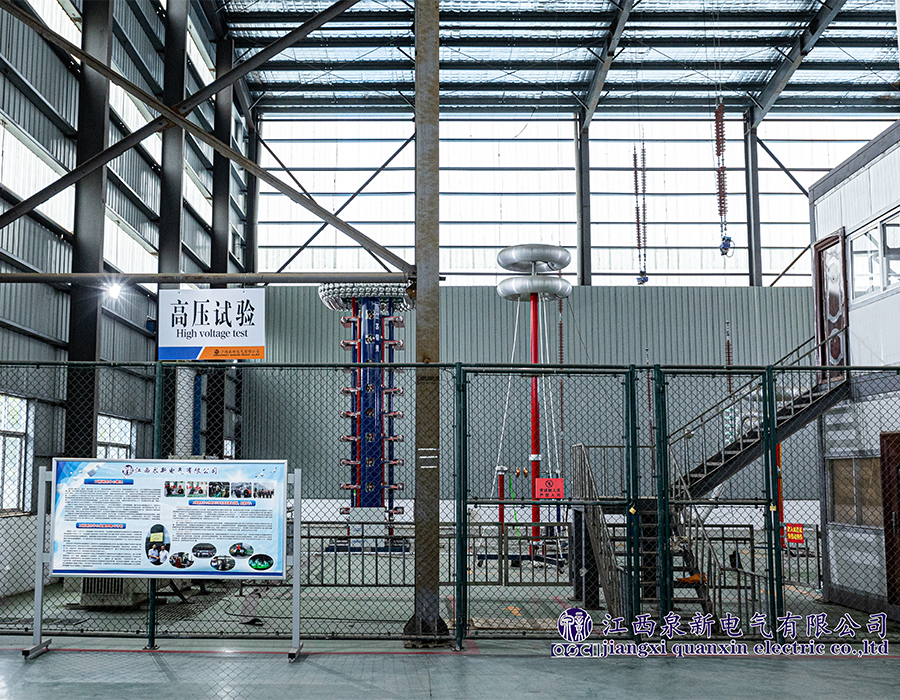
Factories like Jiangxi QOCI Electric Co. Ltd utilize state-of-the-art total oxygen kilns and forming presses to achieve mass-scale precision. The integration of high-voltage testing directly into the production line ensures that every disc meets IEC 60305 standards before shipment.
Our expertise spans over two decades. With 53+ engineering technicians and multi-stage quality control, we provide technical reliability that ensures the safety of the power grid, especially in extreme environmental conditions.
Located in the Industrial Park of Luxi County, Jiangxi, we leverage local raw material advantages and mature logistics to offer shorter lead times and competitive pricing without compromising on mechanical or electrical performance.
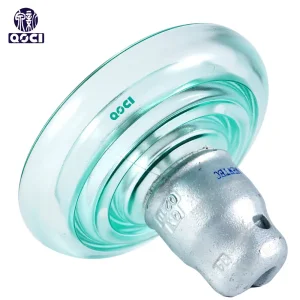
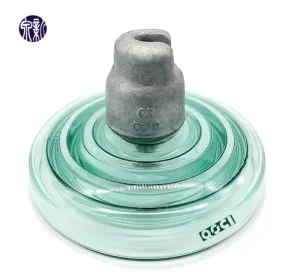
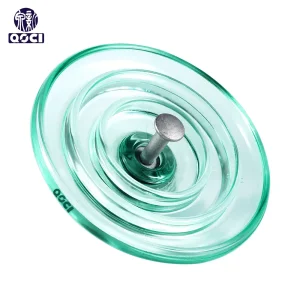
Designed with shallow and well-spaced small ribs, these insulators allow for effective self-cleaning by wind or rain. The leakage distance exceeds IEC values, providing a robust buffer for general HV lines.
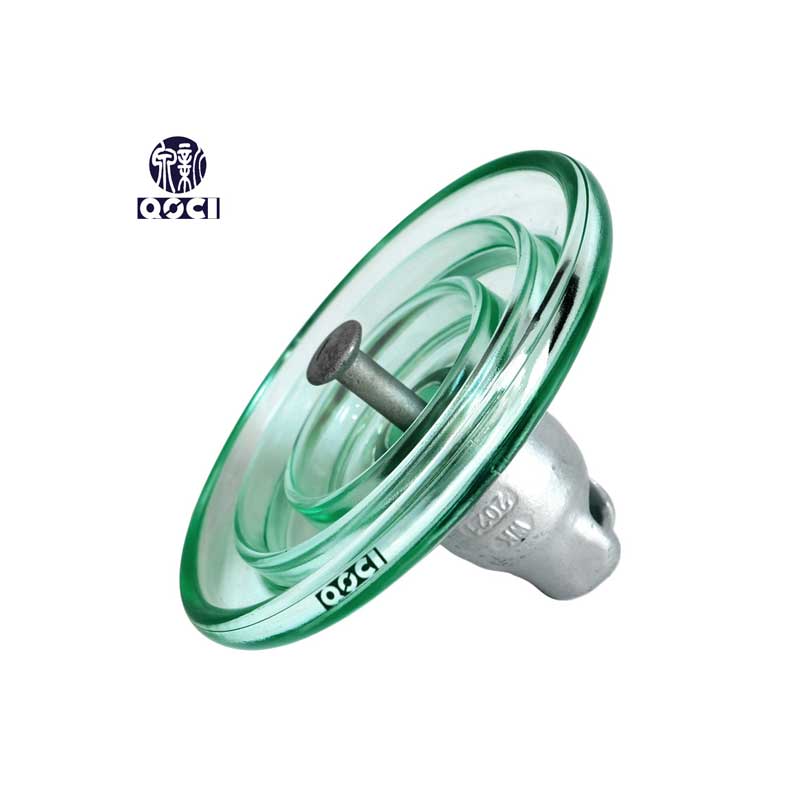
Characterized by long, widely-spaced under-ribs to avoid arc bridging. Ideal for salt-fog coastal areas or industrial zones where conductive dust accumulation is a major threat.
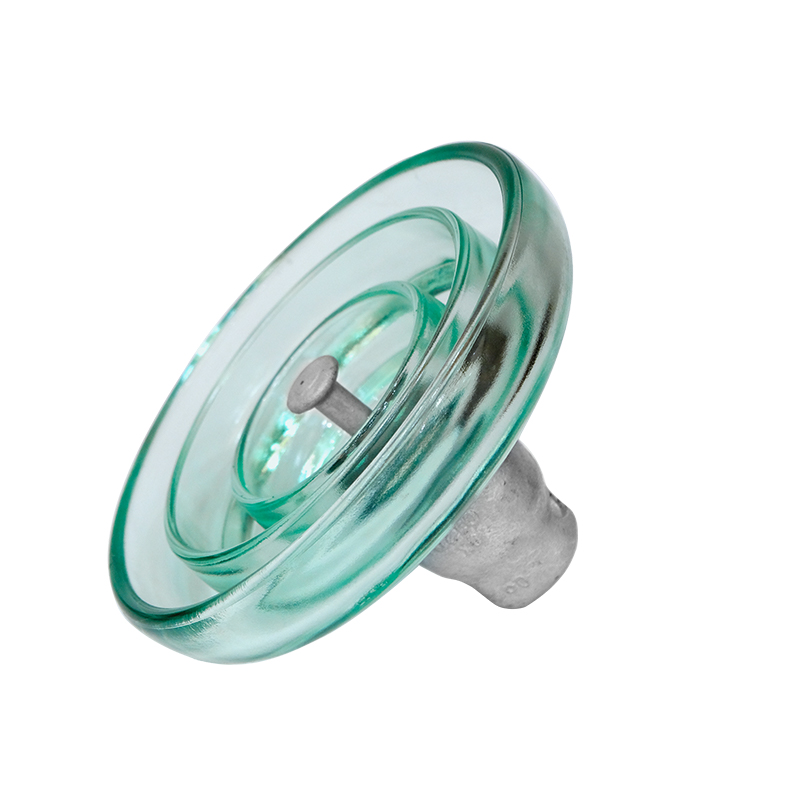
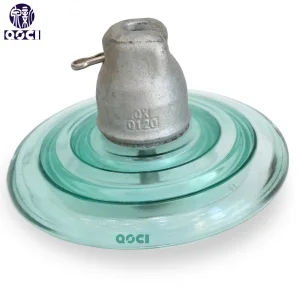
Room Temperature Vulcanization (RTV) coatings enhance the hydrophobic nature of glass, minimizing leaking currents and maintenance costs in the most extreme pollution environments.
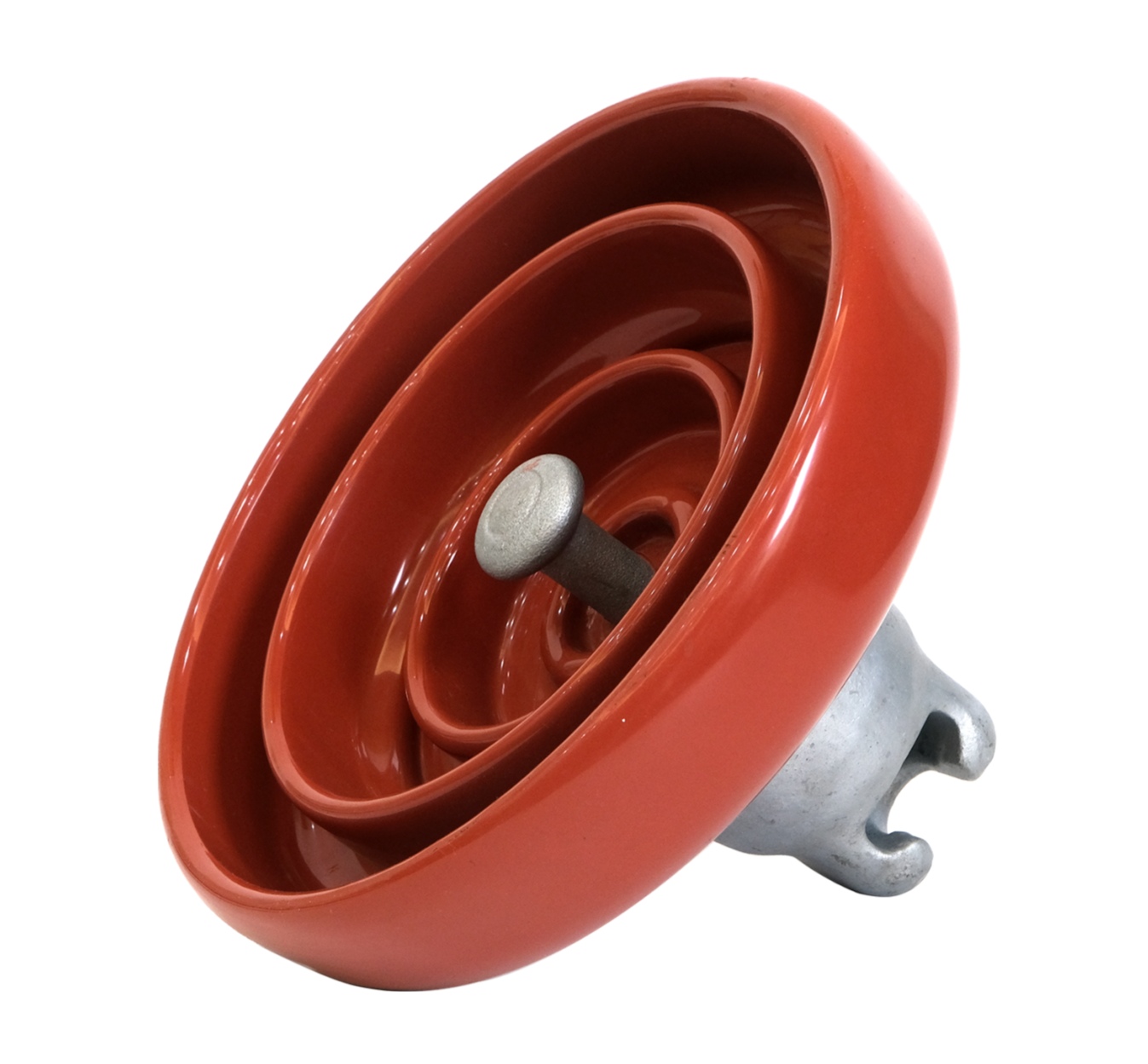
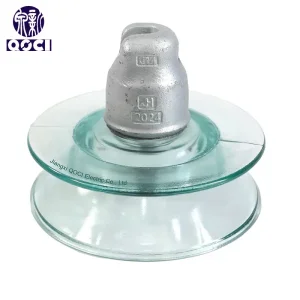
A key component for UHV lines. Its three-layer umbrella design ensures maximum creepage distance and superior performance in high-altitude or humid regions.
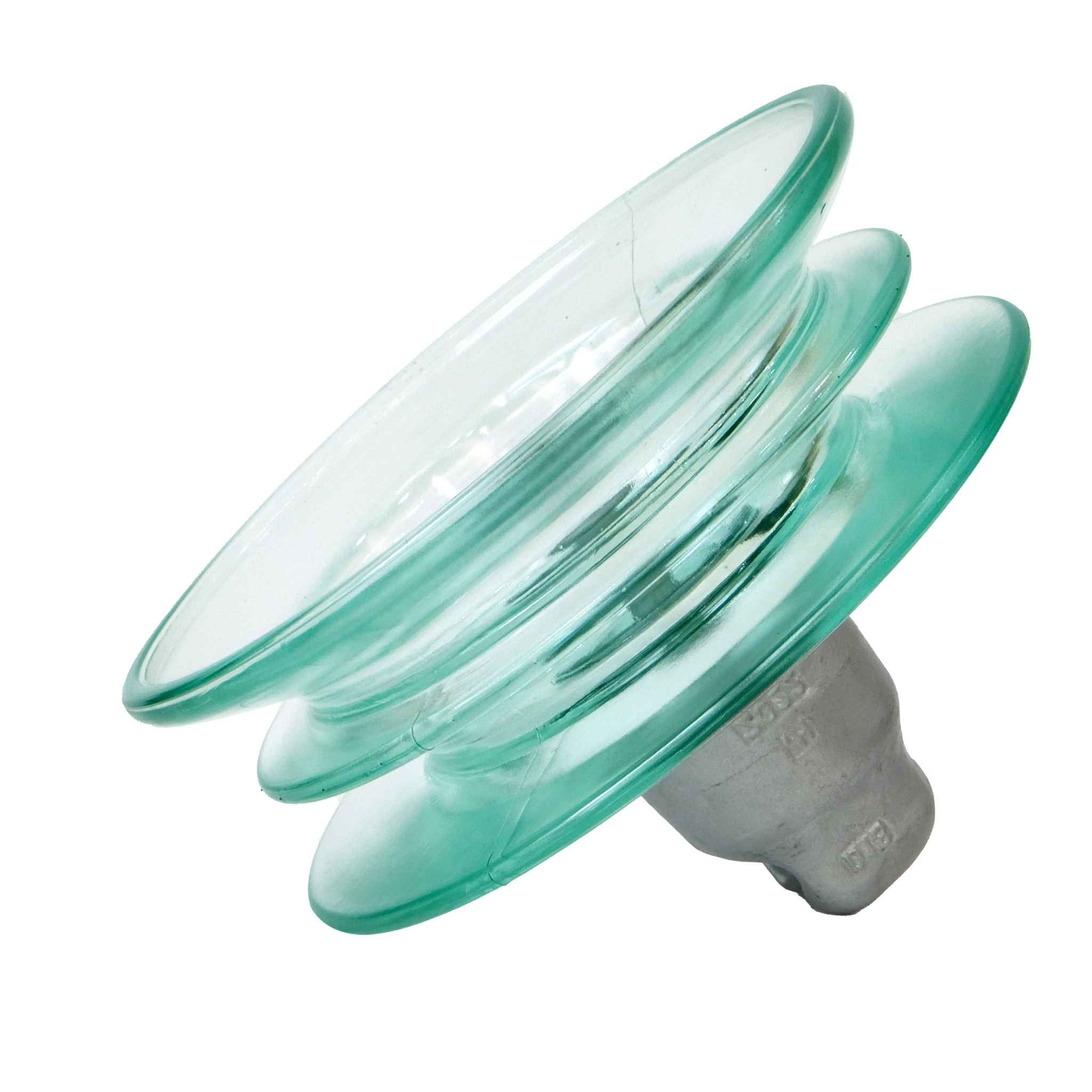
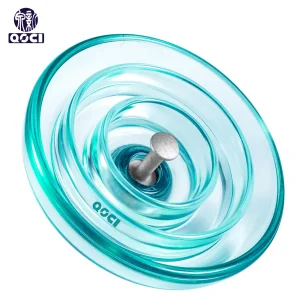
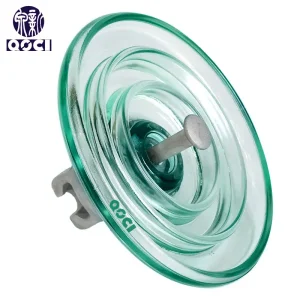
Designed without under-ribs to prevent sand and dust accumulation. Specifically engineered for desert environments where wind is predominant and rain is infrequent.
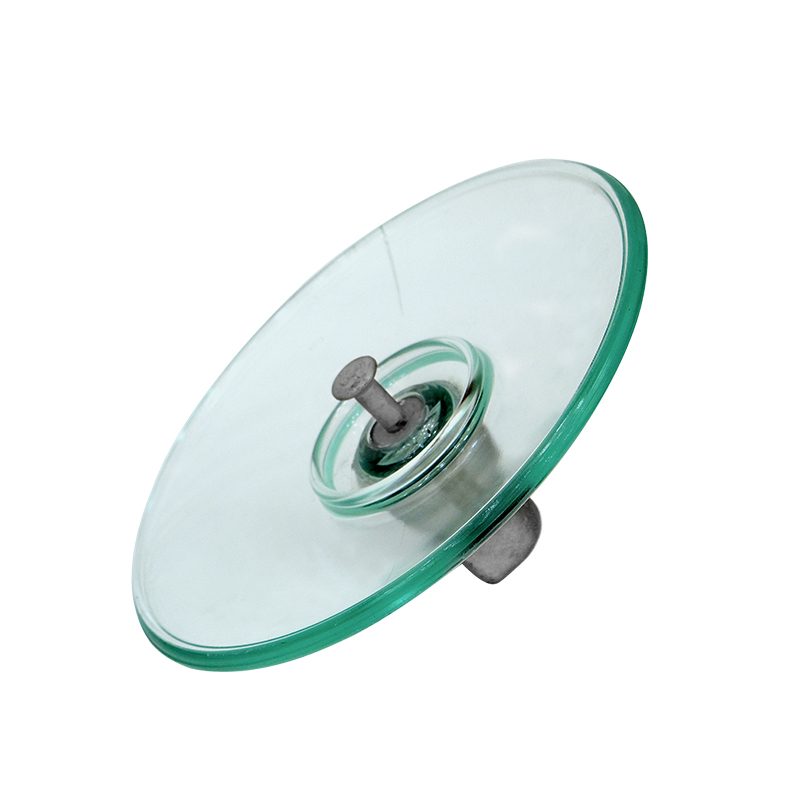
High salt concentration leads to corrosion. Our toughened glass insulators withstand saline corrosion better than metal or polymer components, ensuring 50+ years of service life.
Chemical pollutants can degrade composite insulators. Glass is chemically inert, making it the preferred choice for transmission lines near refineries and steel mills.
China's UHV technology leads the world. We provide high-strength suspension glass insulators capable of supporting massive mechanical loads (up to 300kN+).
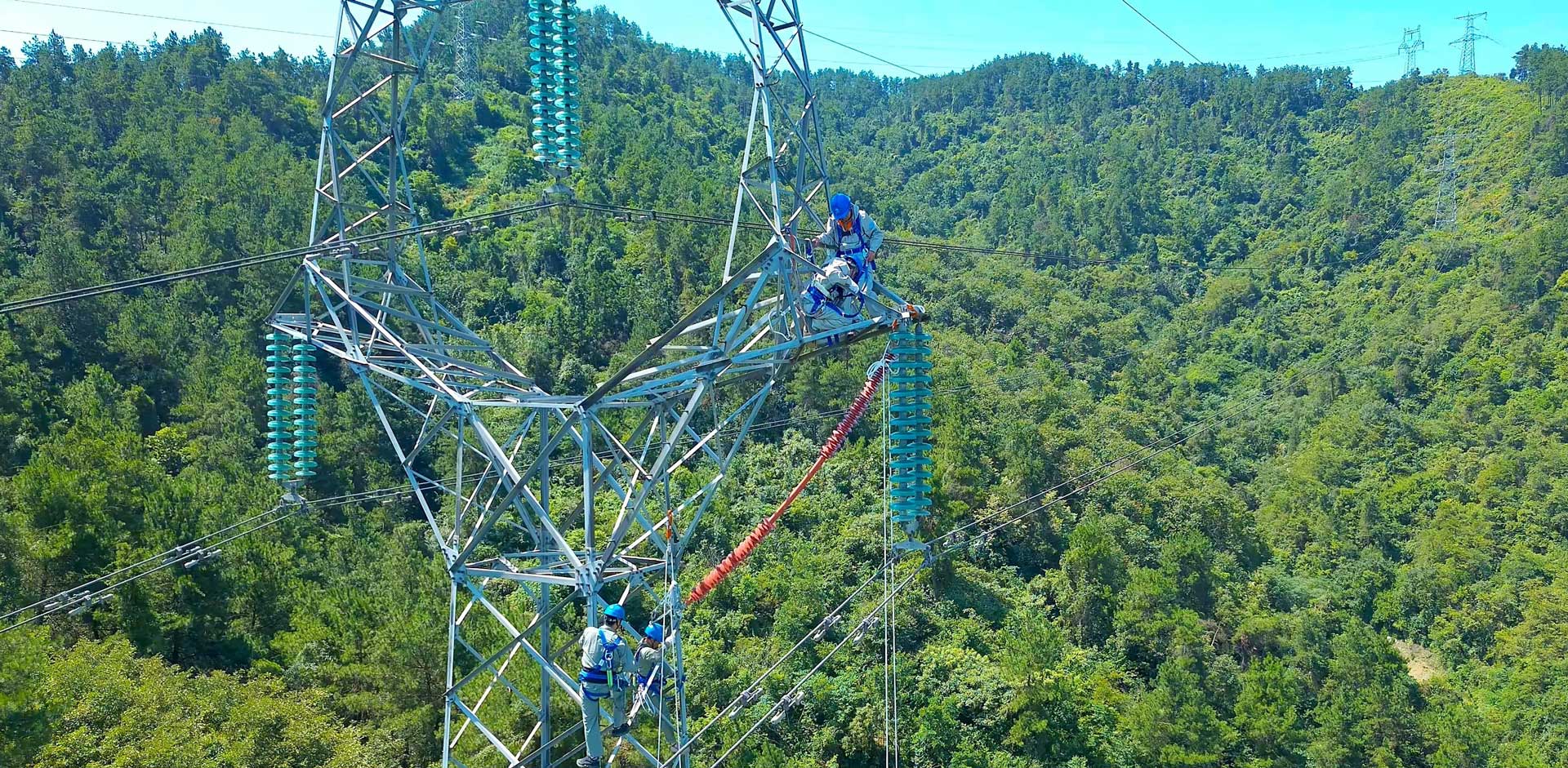
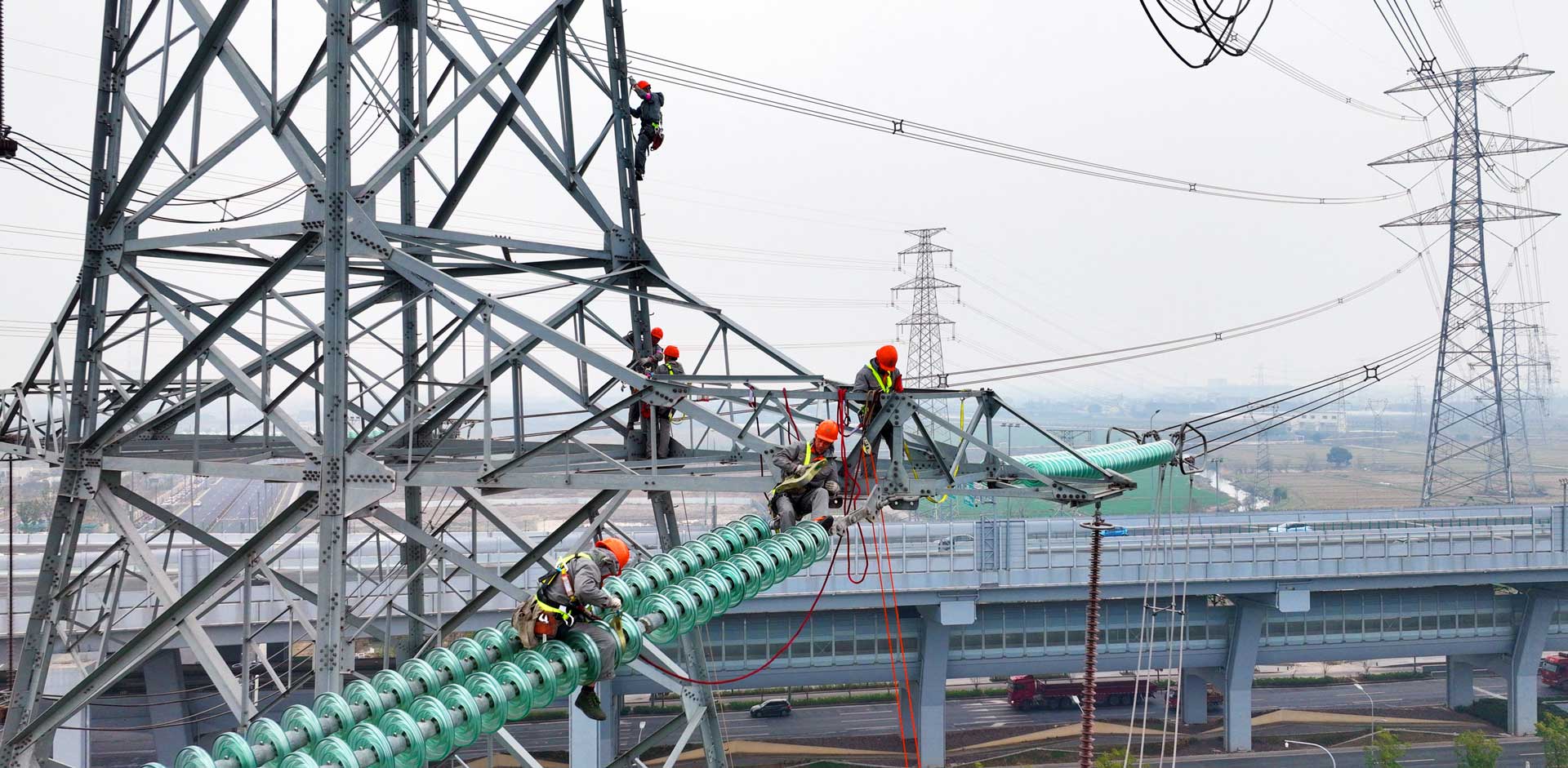
As the world pivots toward Green Energy, transmission lines are extending into remote areas with harsh climates—from the freezing plains of Northern Europe to the baking deserts of the Middle East. The trend is moving towards intelligent manufacturing and enhanced dielectric coatings.
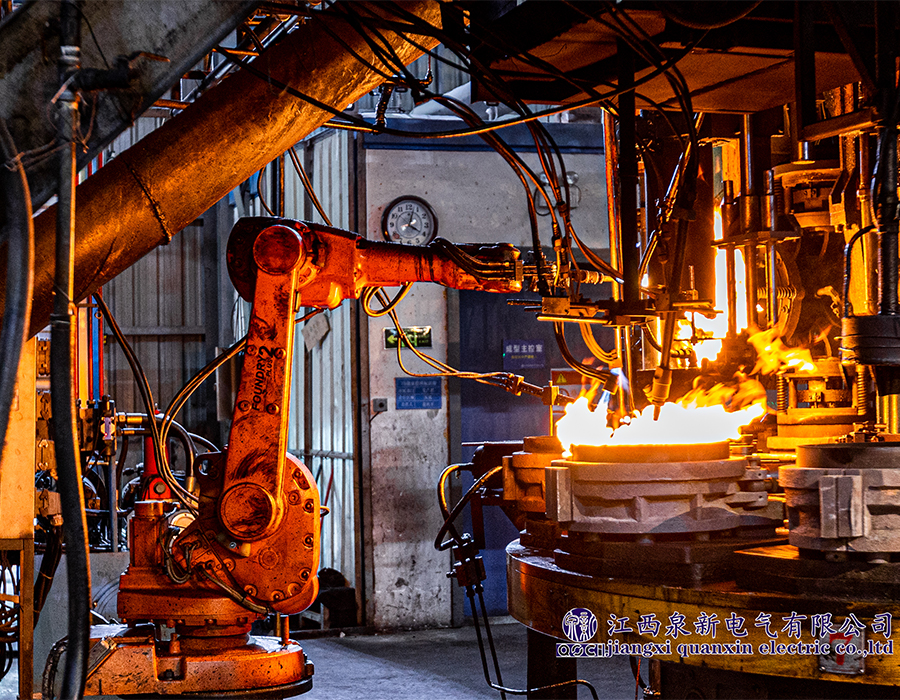
Our Jiangxi plant is ISO certified and follows the most rigorous IEC, ANSI, and AS standards, ensuring global interoperability for international procurement teams.