Leading-edge solutions for ultra-high voltage infrastructure.
Analyzing the Electromechanical Synergy in Ultra-High Load Environments
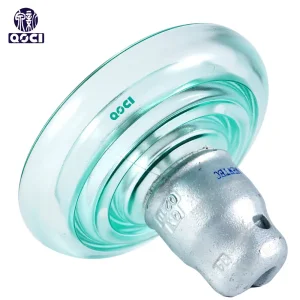
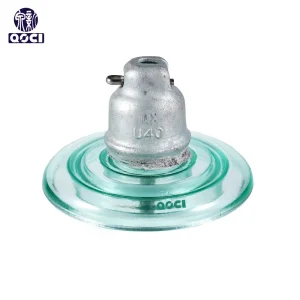
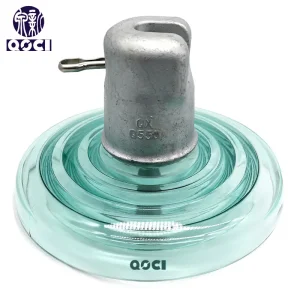
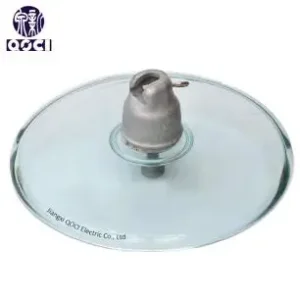
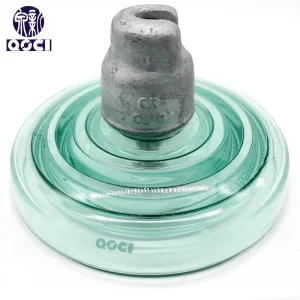
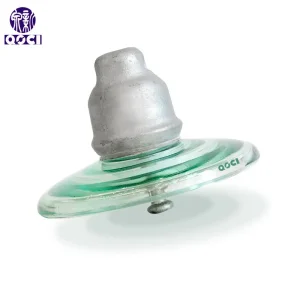
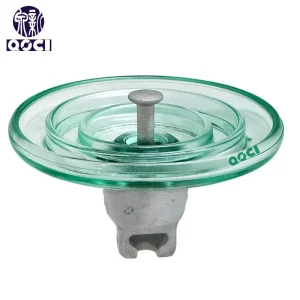
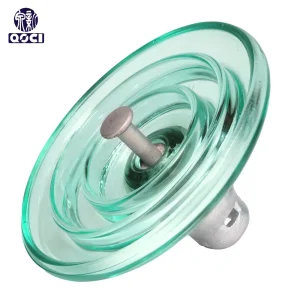
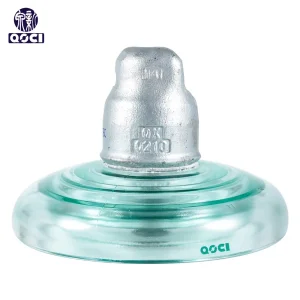
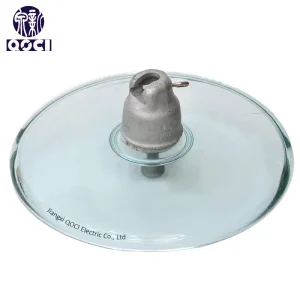
In the evolving landscape of global power distribution, the U300BP Glass Insulator stands as a critical component for 500kV, 750kV, and 1000kV AC/DC transmission lines. As energy demand surges and transmission distances lengthen, the "U300" (denoting 300kN mechanical failing load) combined with "BP" (Anti-pollution/Fog profile) provides the necessary safety margin for cross-continental energy corridors. This report explores why toughened glass has become the preferred medium over traditional porcelain for modern "Smart Grids."
The U300BP utilizes high-purity tempered glass. Unlike porcelain, glass is a homogeneous dielectric. The tempering process creates internal compressive stress, ensuring that if failure occurs, the glass shatters into small fragments, providing an immediate visual diagnostic ("Zero-Value Self-Shattering") without losing mechanical string integrity.
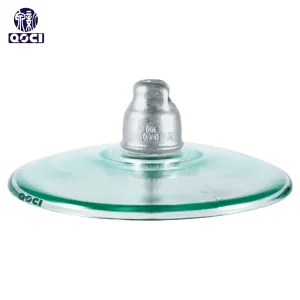
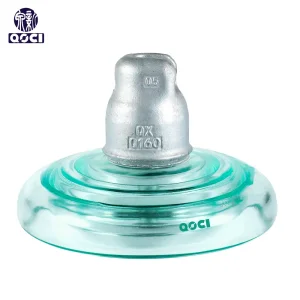
The "BP" profile is specifically engineered with deep under-ribs to increase the Specific Creepage Distance. This design prevents the formation of continuous conductive layers of moisture and pollution, drastically reducing the risk of "Pollution Flashover" in industrial and coastal zones.
From the humid tropics of Southeast Asia to the freezing heights of the Andes, the U300BP maintains electrical stability. Its low thermal expansion coefficient prevents internal stress fractures during extreme diurnal temperature swings (-40°C to +50°C).
The shift towards UHVDC and Green Energy Integration
Global decarbonization efforts require transporting renewable energy from remote solar/wind farms to urban centers. This has led to the rapid adoption of Ultra-High Voltage Direct Current (UHVDC) technology. The U300BP is essential here, as DC lines attract more pollution particles, requiring the enhanced creepage distance provided by the anti-pollution glass discs.
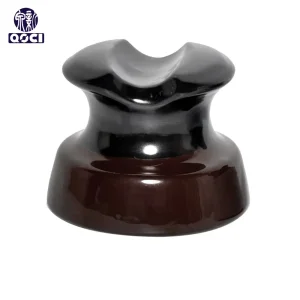
Modern ESG (Environmental, Social, and Governance) standards favor glass insulators. Glass is 100% recyclable and its production—especially through Total Oxygen Kilns—is significantly more energy-efficient than the long firing cycles required for ceramic porcelain.
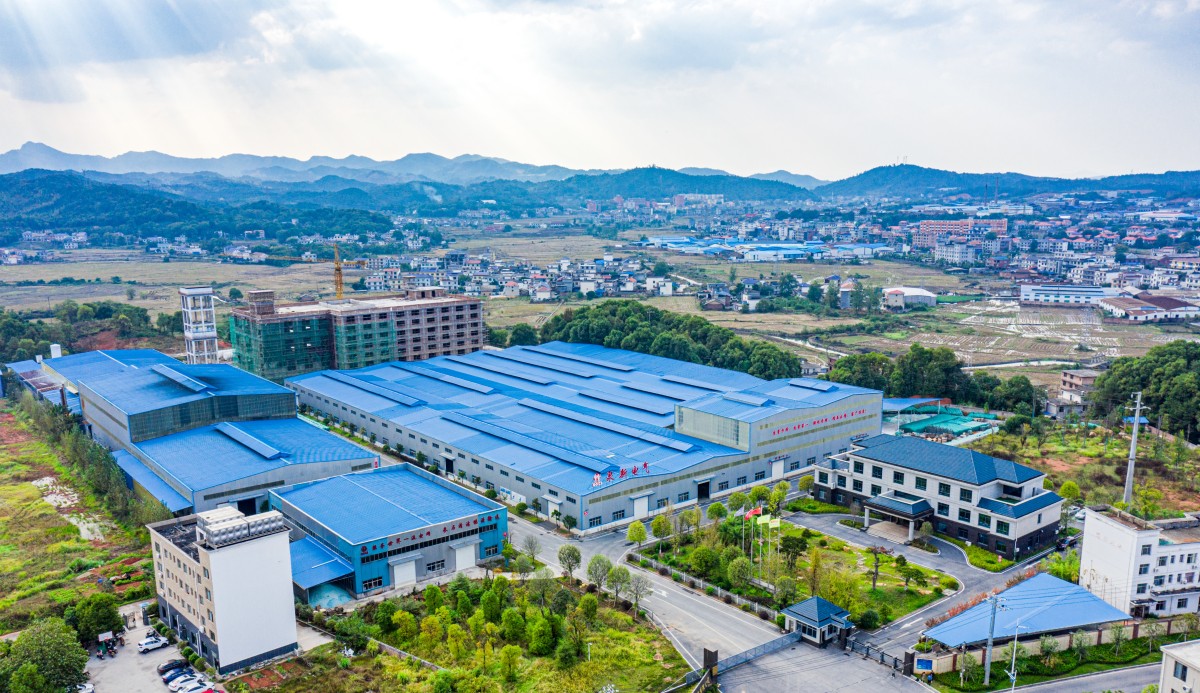
Founded in 2002 with a registered capital of 508 million Yuan, QOCI has grown into a world-class manufacturing powerhouse located in the Industrial Park of Luxi County, Jiangxi. We are dedicated to serving the global power grid with a focus on green energy construction.
Plant Area (m²)
Annual Output (Tons)
Engineers
Patents
Optimizing Lifecycle Costs for Utility Providers
Ideal for clean environments with high self-cleaning capabilities via wind and rain. Compliant with IEC 60305.
Designed with long under-ribs to avoid arc bridging. Ratio of 3.2 leakage distance/spacing.
Prevents dust and sand accumulation. Best for desert regions with frequent sandstorms.
Factory-applied Room Temperature Vulcanization silicone for hydrophobic performance in severe salt-spray zones.
| Feature | Toughened Glass (U300BP) | Porcelain Insulators | Composite (Polymer) |
|---|---|---|---|
| Maintenance | Visual Inspection (Self-shattering) | Requires Electric Testing | Limited Lifespan/Degradation |
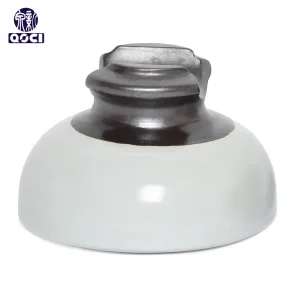
| Mechanical Strength | Extremely High (Consistent) | High (Subject to internal flaws) | Medium (Subject to creep) |
| Environmental Impact | Low (Recyclable) | Medium | High (Non-recyclable) |
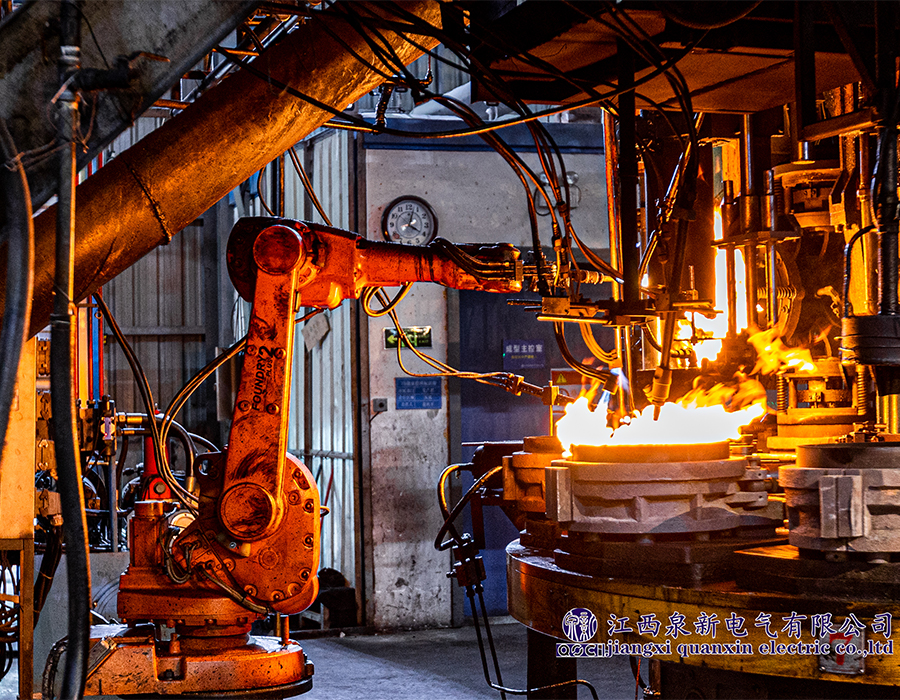
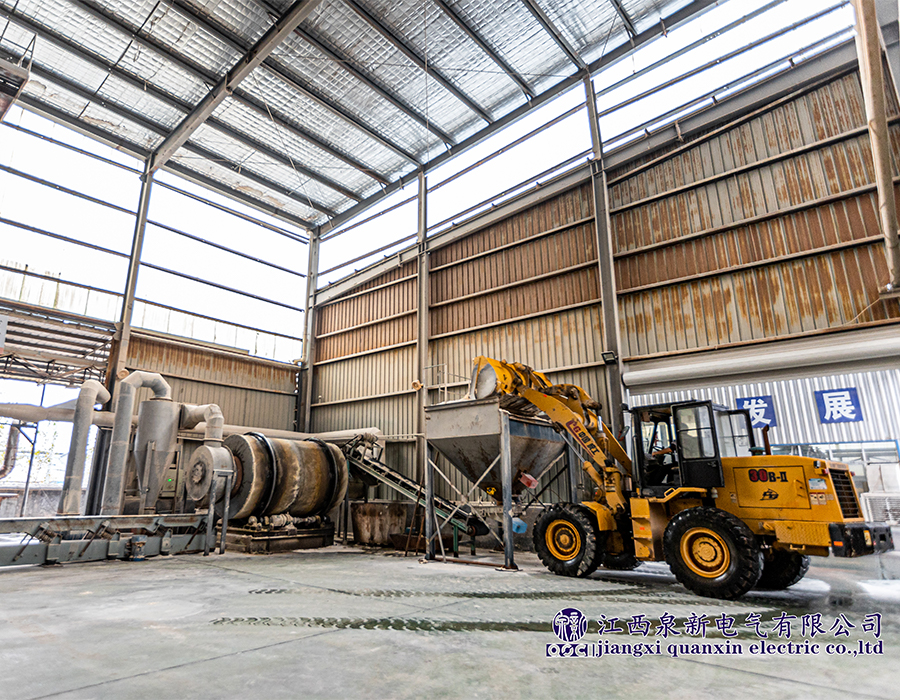
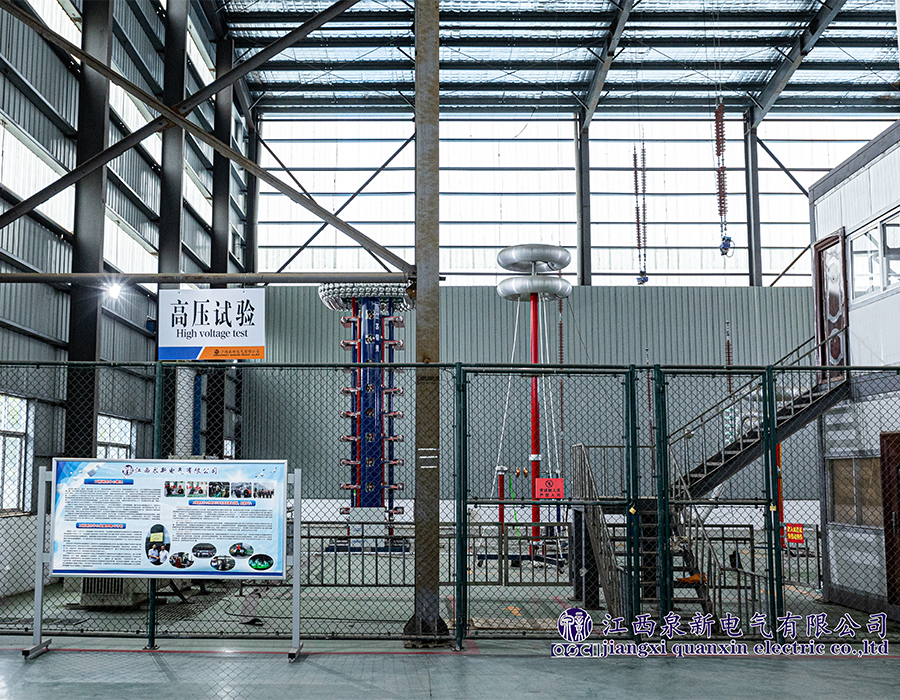
Inside the QOCI manufacturing process
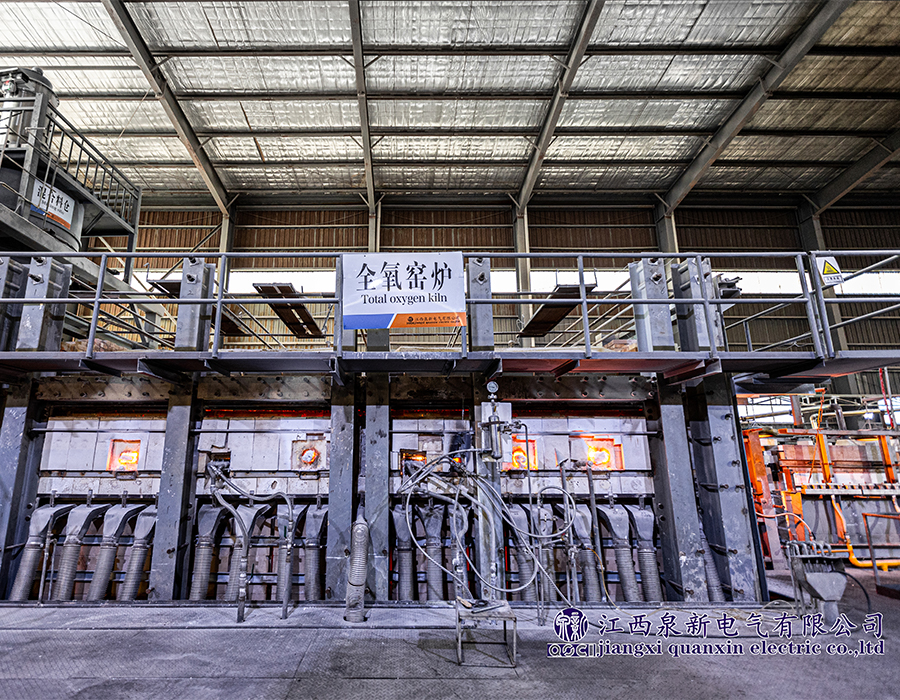
Expert Insights into Glass Insulator Technology
Expanding our reach across all power system requirements.