Global Industry & Commercial Landscape of the Glass Insulator 210b
A comprehensive engineering perspective on grid modernization, material science, and mechanical resilience.
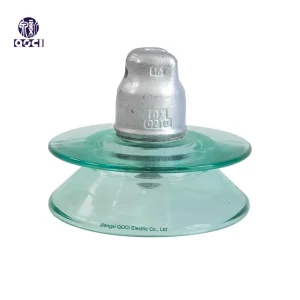
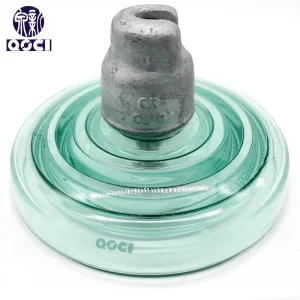
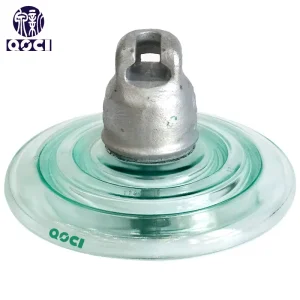
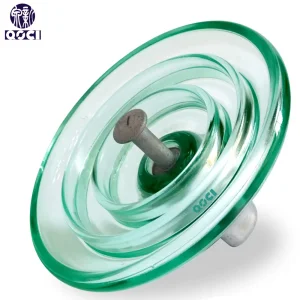
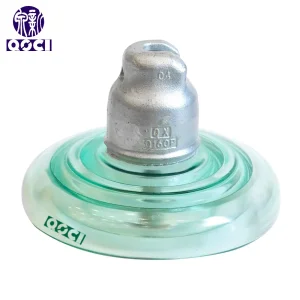
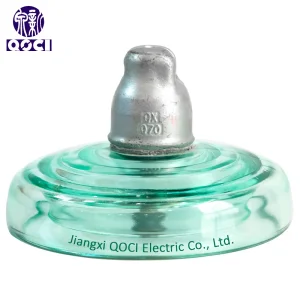
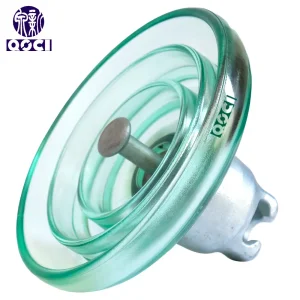
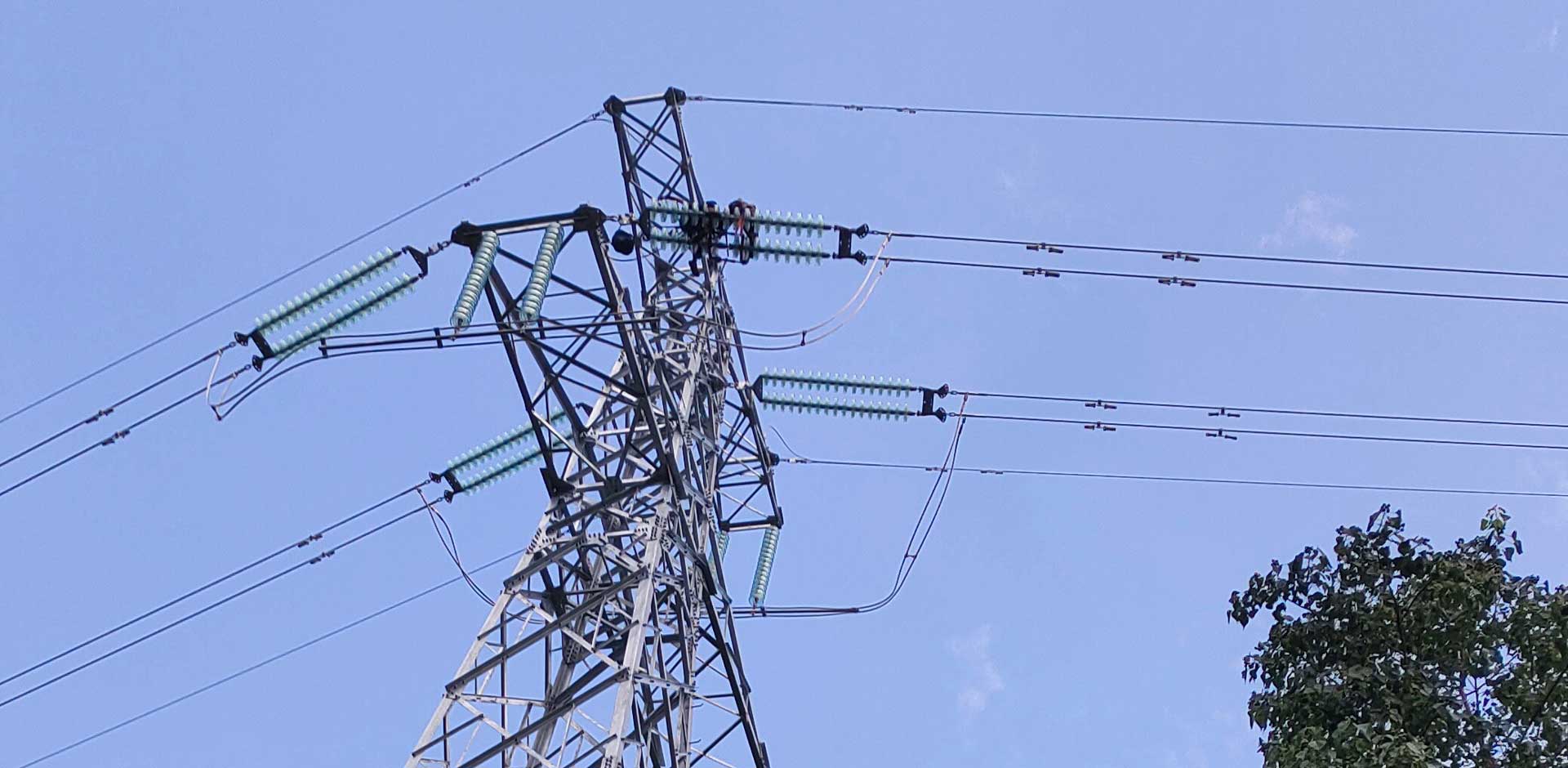
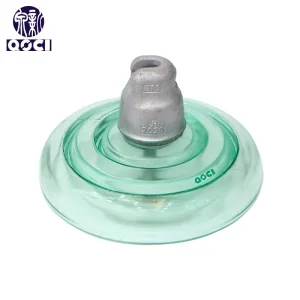
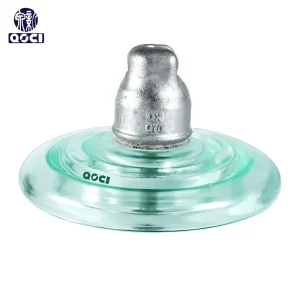
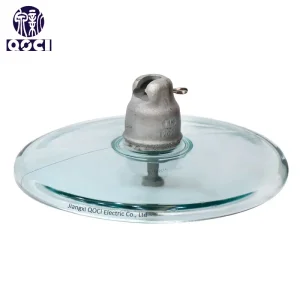
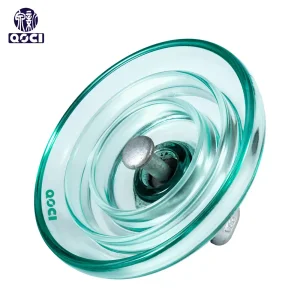
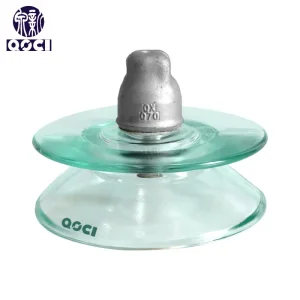
Modern electrical infrastructure stands at a pivotal historical junction. As international communities coordinate efforts to combat global warming, standard high-voltage power networks are undergoing massive structural overhauls. Central to this transition is the installation of robust transmission lines capable of carrying higher loads over immense distances under extreme environmental duress. Among critical grid safety components, the Glass Insulator 210b (commonly correlated with U210B class specifications featuring a mechanical failing load rating of 210 kN) represents a premier mechanical and electrical protection module selected by global transmission system operators (TSOs).
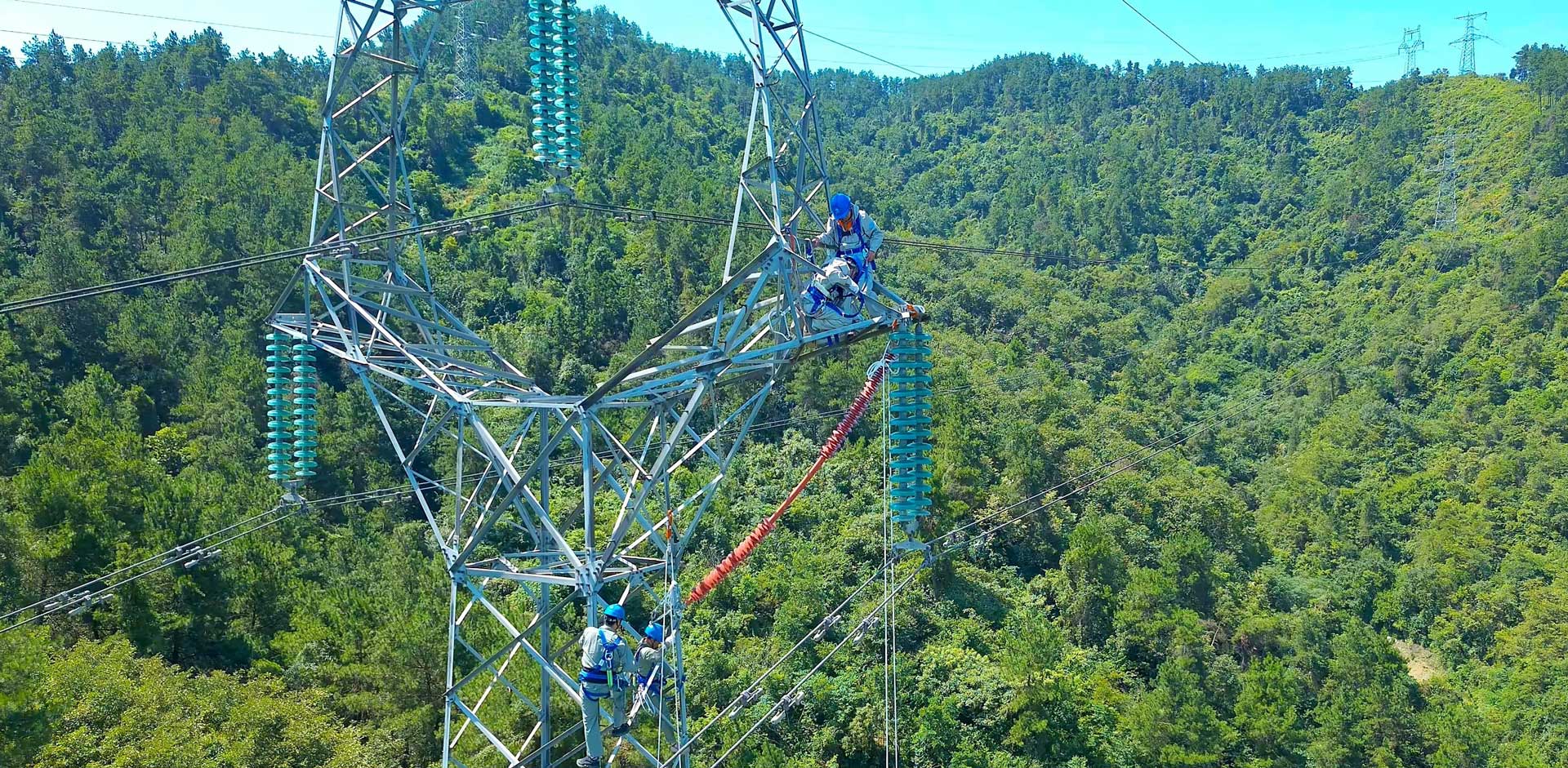
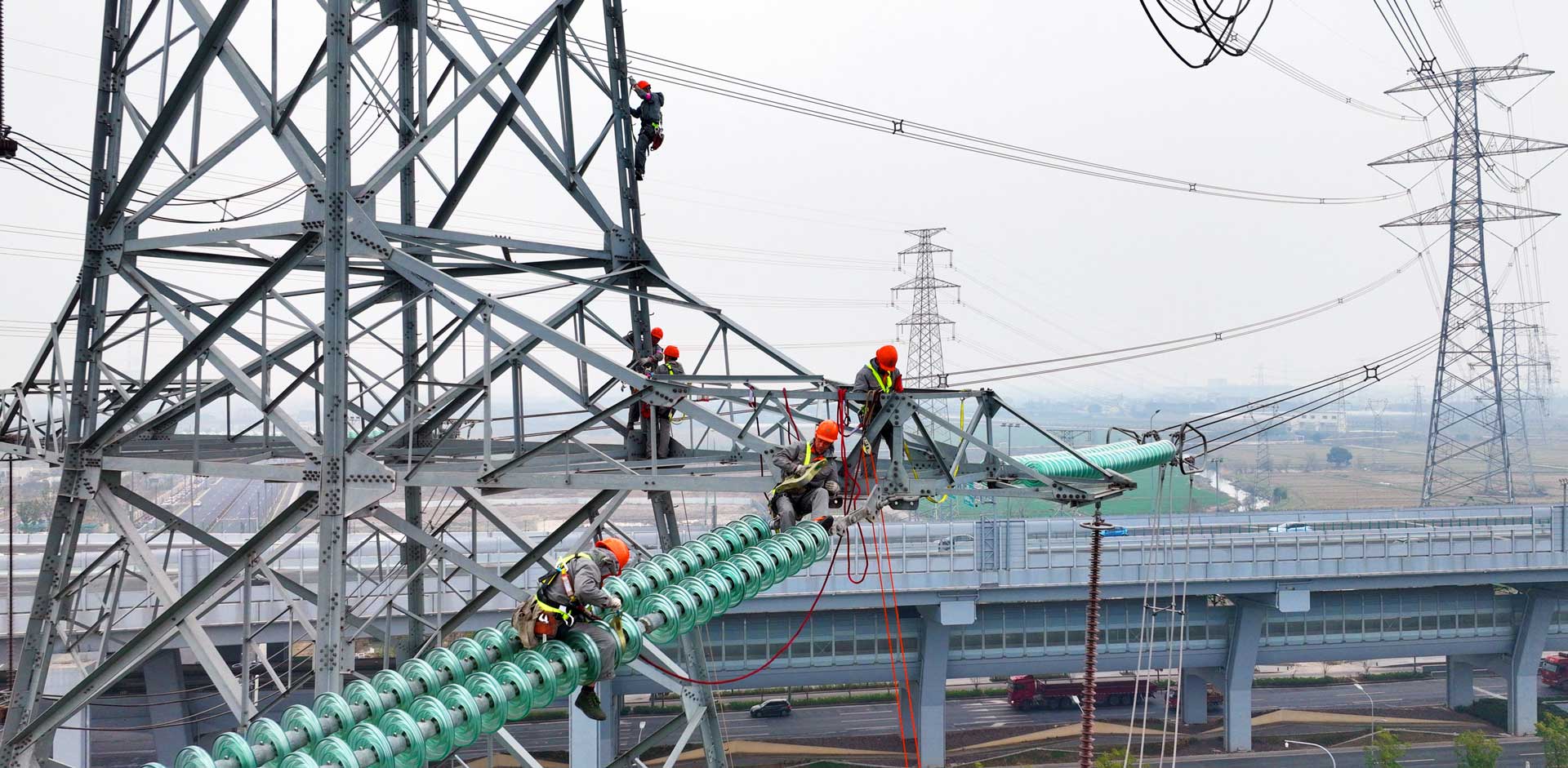
"Under severe mechanical stresses caused by heavy wind, thermal expansion, ice accretion, and geographic isolation, the physical reliability of suspension insulator strings dictates the operational resilience of entire regional grids."
Commercially, the international demand for high-strength toughened glass insulators is rising rapidly. Grid expansion projects across the Americas, the European Union, and rapidly developing regions in the Asia-Pacific demand thousands of insulator units weekly. Compared to porcelain and polymer/composite solutions, toughened glass is widely favored due to its distinctive physical failure mechanism. Toughened glass displays a property known as "spontaneous shattering" or "controlled micro-cracking" when its internal stresses are compromised. This feature ensures that if a glass insulator unit fails electrically or mechanically, the glass shell shatters cleanly, leaving the metal cap and pin assembly physically intact to prevent the line from dropping (maintaining line mechanical safety). This behavior provides maintenance teams with an immediate, cost-effective visual indicator for line inspections, eliminating the need for complex, labor-intensive electrical diagnostics required for porcelain or polymer alternatives.
Why Procurement Teams Select the Glass Insulator 210b (U210B Standard)
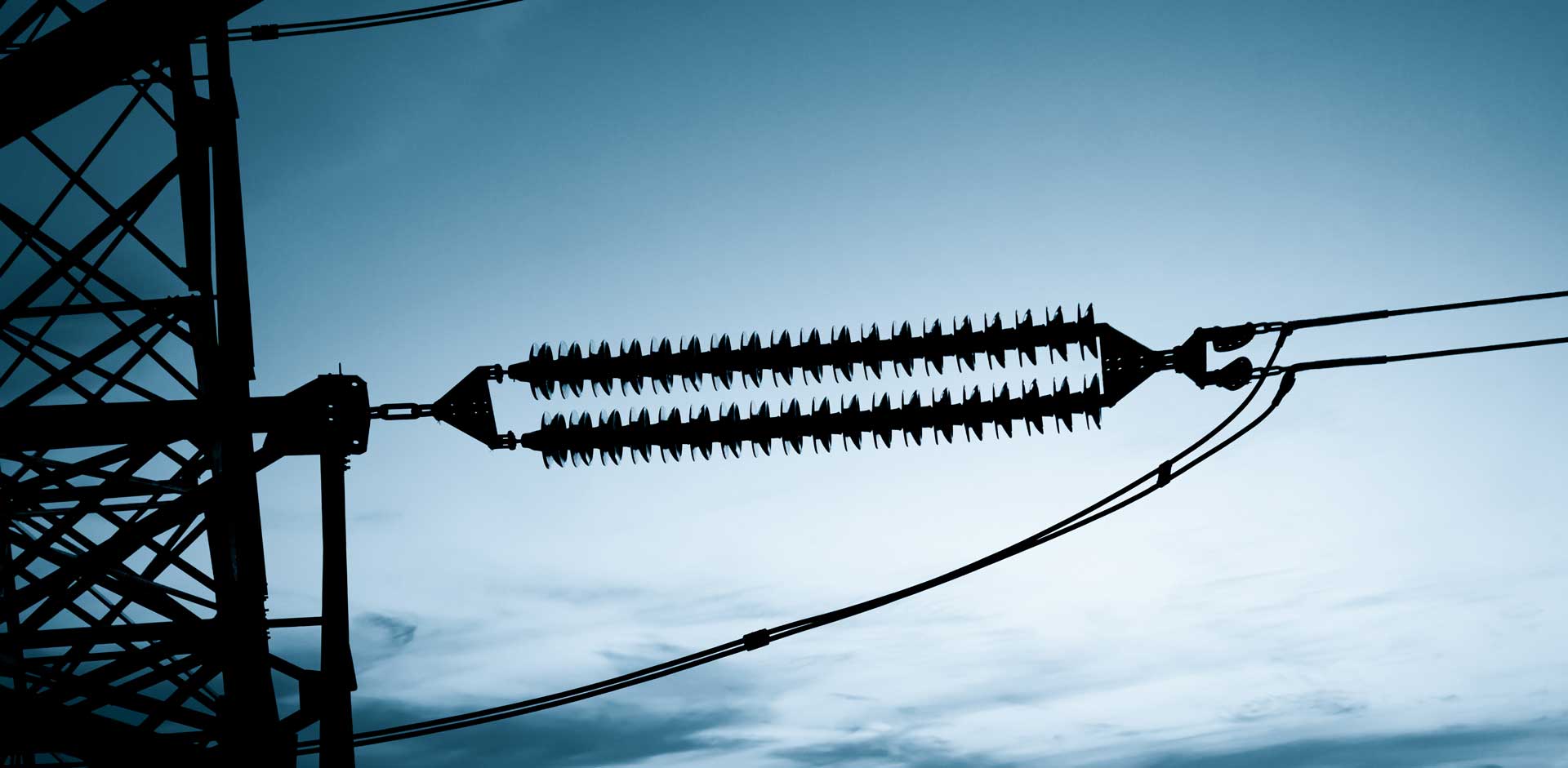
The U210B designates a highly standardized disc insulator structure configured to sustain a 210 kN mechanical failing load. This specific class is primarily deployed in high-voltage (HV) and extra-high-voltage (EHV) transmission lines ranging from 110kV to 500kV and higher. Standard structural designs must guarantee long-term resistance to electrical puncture, surface tracking, and environmental degradation. The 210b category balances mechanical load capacity with physical weight, offering an optimized configuration for multi-conductor suspension and tension strings. Globally, grid utilities recognize that using a standardized 210b platform reduces warehousing complexity, streamlines construction logistics, and ensures cross-compatibility across various tower attachment designs.