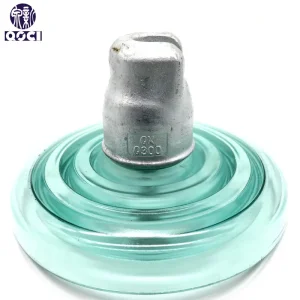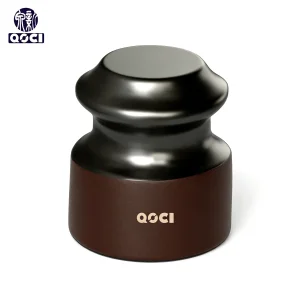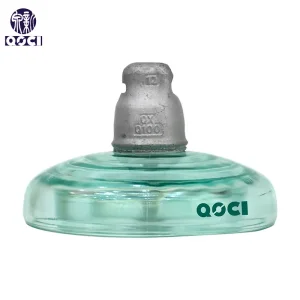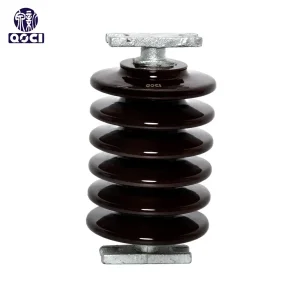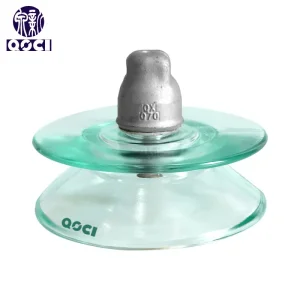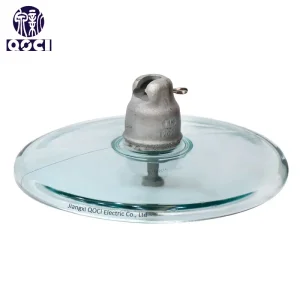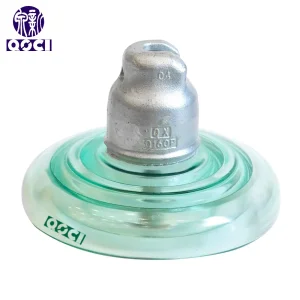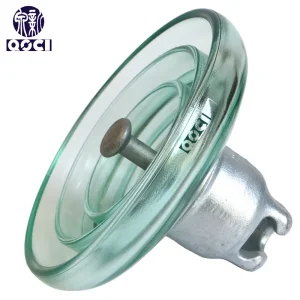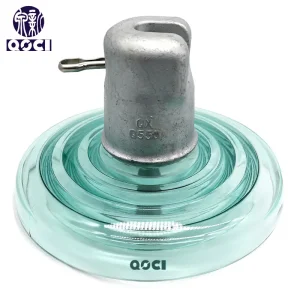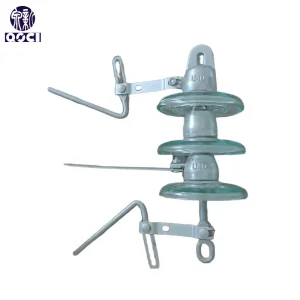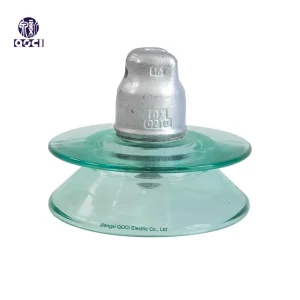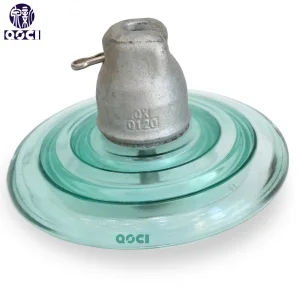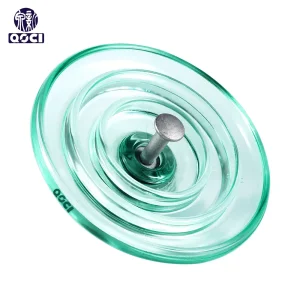
In the rapidly evolving landscape of global power transmission, the demand for high-reliability components is reaching unprecedented levels. The Glass Isolator U120bsa represents a critical technological nexus in suspension-type insulation. As electrical grids transition toward Ultra-High Voltage (UHV) and incorporate intermittent renewable energy sources, the mechanical and dielectric integrity of every disc insulator becomes a non-negotiable factor for grid resilience.
This white paper, presented by Jiangxi QOCI Electric Co. Ltd, explores the engineering depth of U120bsa insulators, focusing on our proprietary toughening processes, material science advancements, and the "Information Gain" we provide through rigorous quality surveillance. With a registered capital of 508 million Yuan and an annual output exceeding 39,000 tons, we are not just a manufacturer; we are a strategic partner in global energy security.
Plant area (m²)
Annual Output (Tons)
Expert Engineers
Invention Patents
Our roadmap emphasizes the move from standard thermal toughening to precision-controlled quenching. This ensures that the residual compressive stress on the glass surface is optimized to prevent micro-crack propagation, extending the service life of U120bsa units to over 50 years.
The future of insulators lies in "Intelligence." We are researching the embedding of RFID and thermal sensors within the cap structure to provide real-time data on leakage currents and mechanical stress, enabling predictive maintenance for utility providers.
While RTV (Room Temperature Vulcanization) is current state-of-the-art, our R&D is focusing on permanent nano-structured surfaces that mimic the lotus effect, providing superior self-cleaning in industrial and saline environments without the need for periodic re-coating.
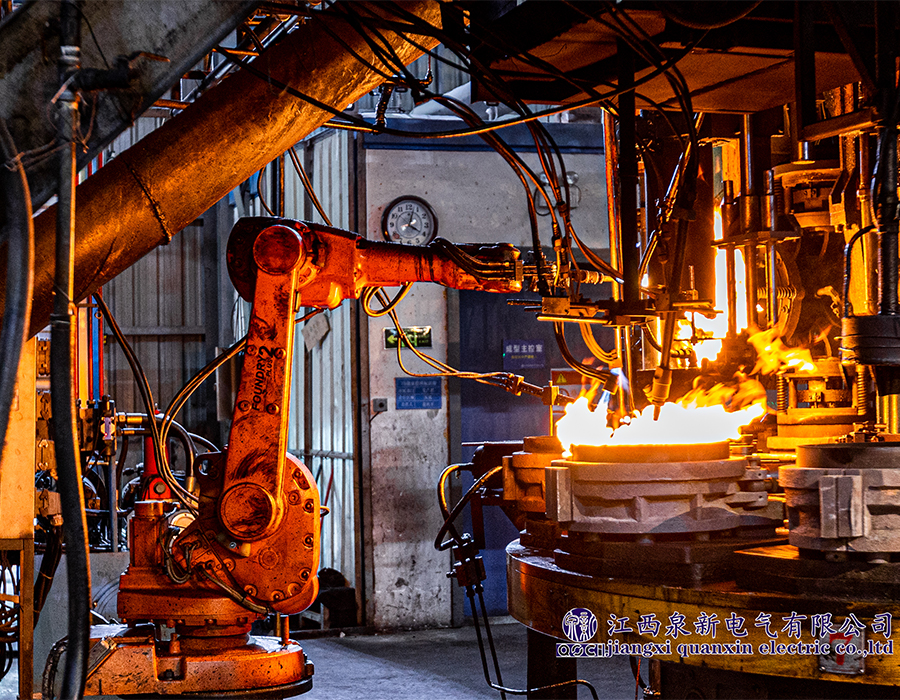
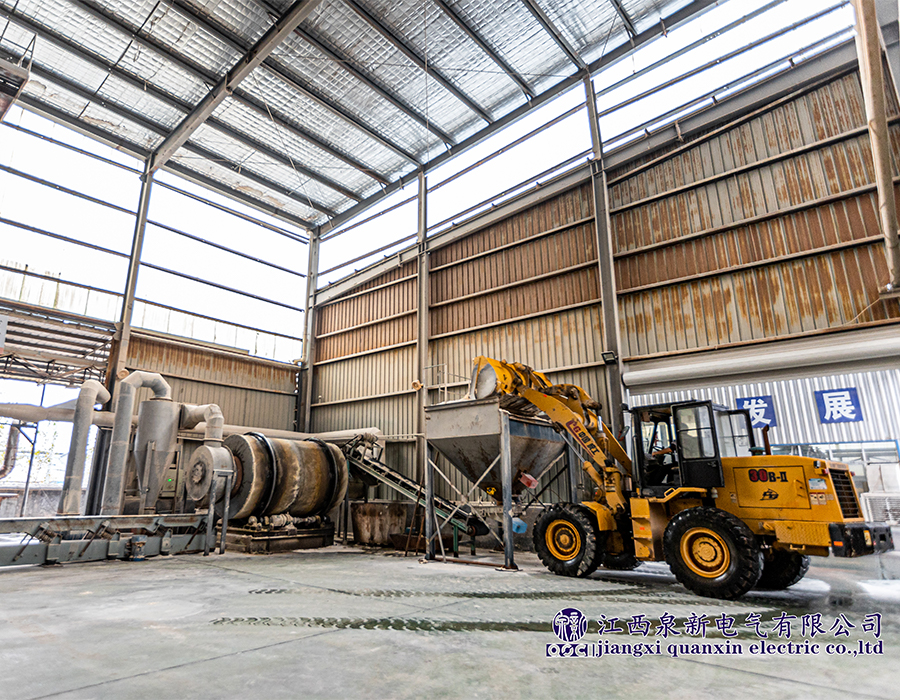
Located in the Industrial Park of Luxi County, Jiangxi, our facility is a benchmark for Industry 4.0 in the power equipment sector. Our competitive edge is built on three pillars of efficiency:
For lines exceeding 800kV, the U120bsa acts as a high-tensile strength workhorse. Its 120kN mechanical rating allows for longer spans between towers, reducing the total footprint and cost of infrastructure projects.
Offshore wind farms and desert solar plants require insulators that withstand salt-fog and sand-abrasion. Our Aerodynamic and Anti-Pollution glass profiles are designed specifically for these extreme micro-climates.
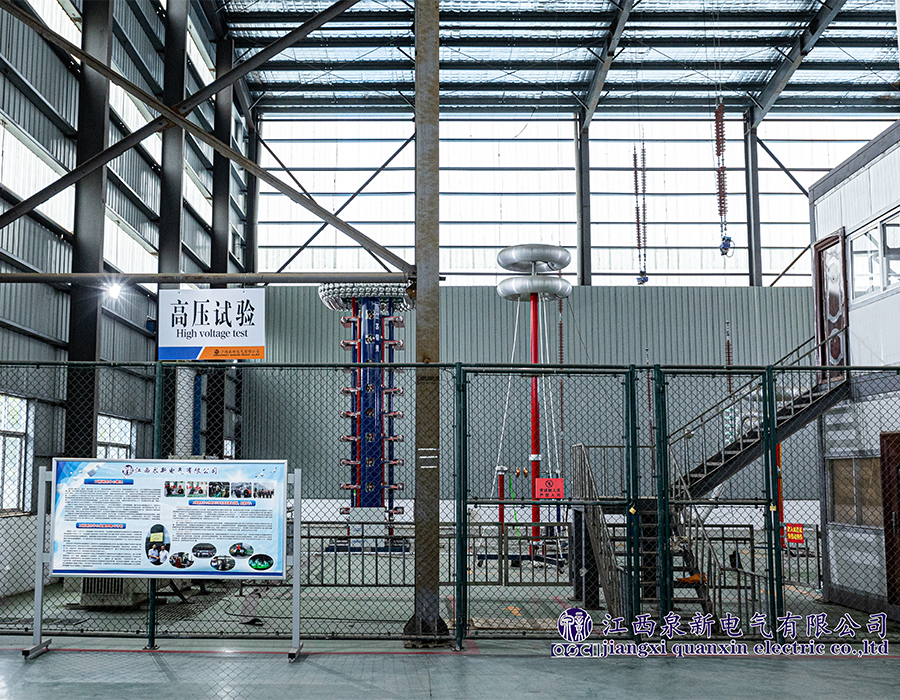
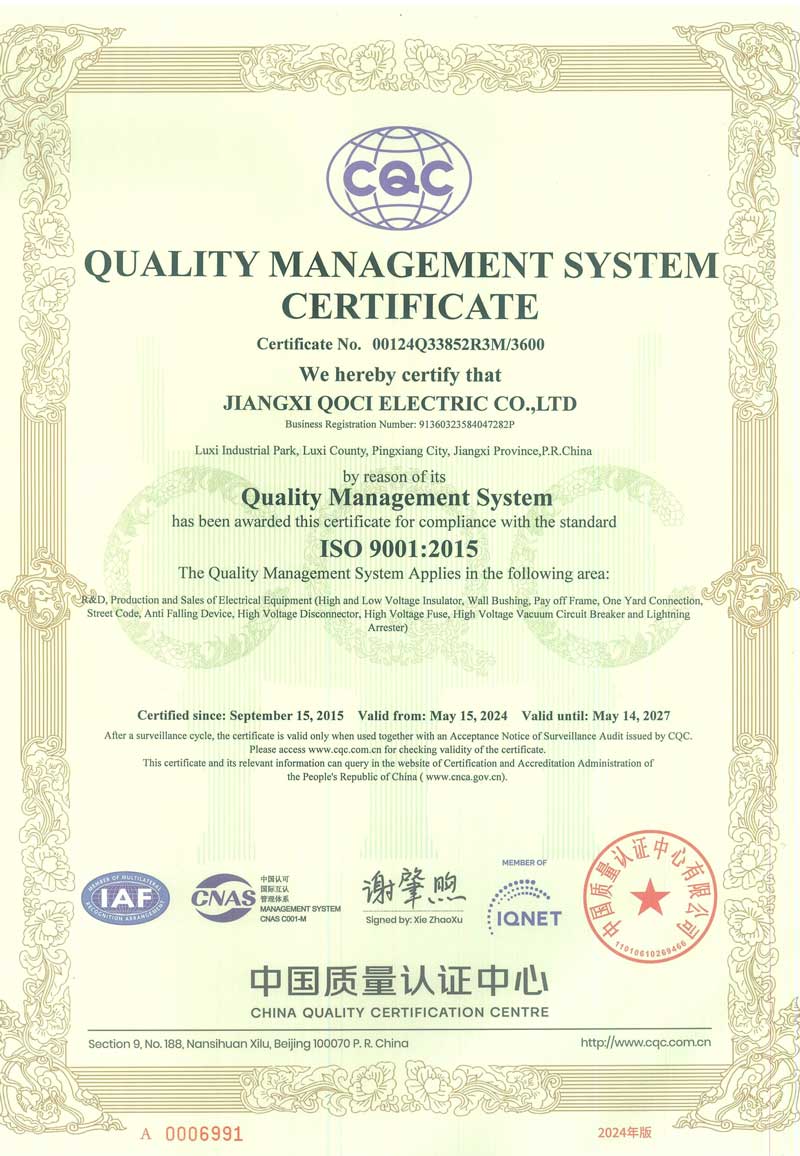
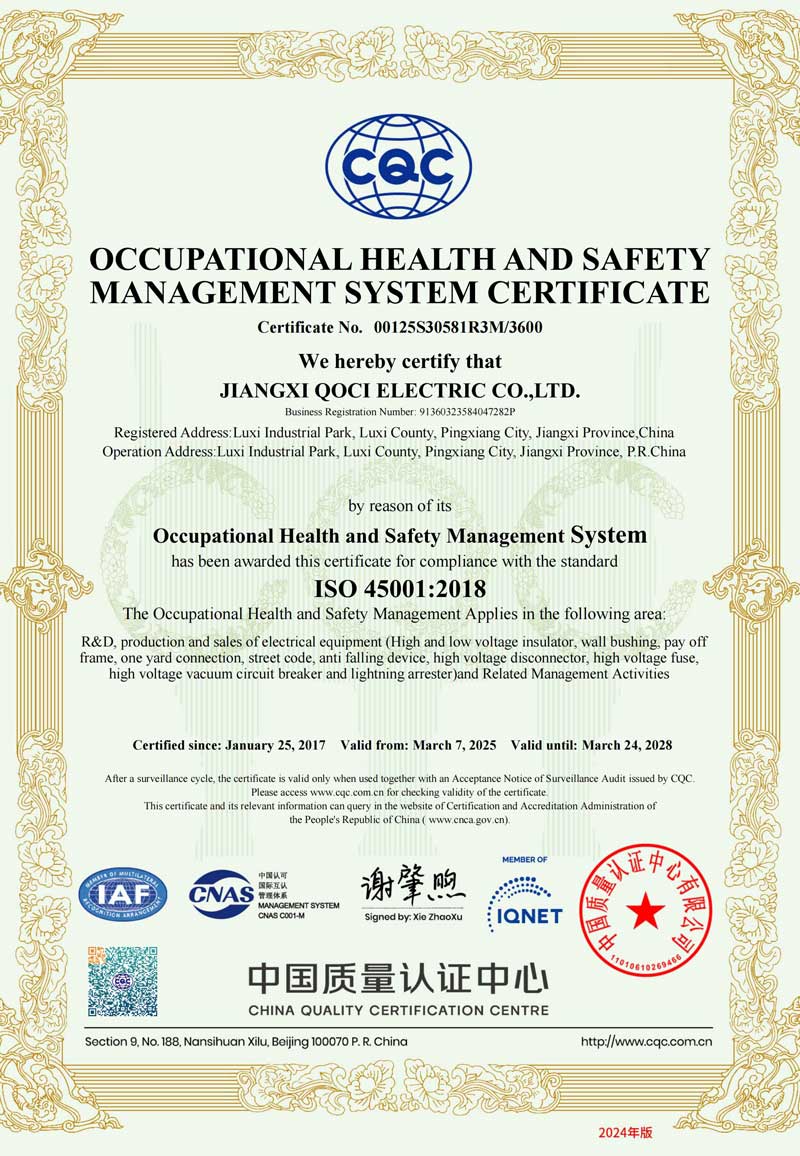
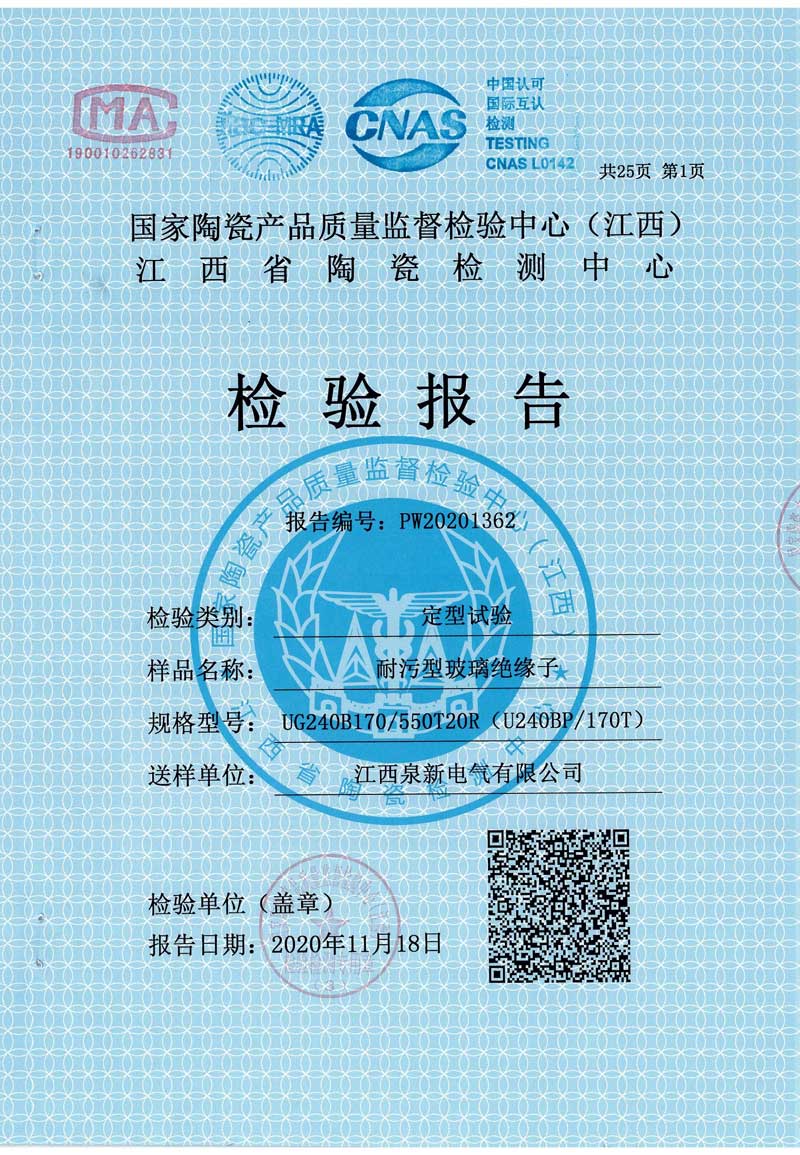
Our products strictly adhere to IEC 60305, ANSI C29.2, and AS standards. We provide full localized support, including comprehensive test reports from independent third-party laboratories to satisfy national grid auditors.
According to the technical standards of Jiangxi QOCI Electric Co. Ltd, we offer several specialized profiles to meet diverse environmental challenges:
The leakage distance is higher than values indicated in IEC 60305. Features shallow, well-spaced ribs for effective wind and rain self-cleaning.
Characterized by long, widely-spaced under-ribs to avoid arc bridging. Ratio of 3.2 leakage distance/spacing. Ideal for coastal areas.
Designed for desert areas. Absence of under-ribs prevents solid pollution accumulation (sand/dust). Solves ice-bridging issues.
Room Temperature Vulcanization coating increases hydrophobicity, minimizing leaking currents in heavily polluted areas without the need for manual cleaning.
Key for UHV lines. Three layers of umbrella discs provide exceptional pollution flashover resistance and stable electrical performance.
Facilitates reliable grounding to guide lightning currents, protecting expensive transmission equipment from surges.
International EPC (Engineering, Procurement, and Construction) firms require more than just a product; they require supply chain resilience. Our 100-mu facility offers:
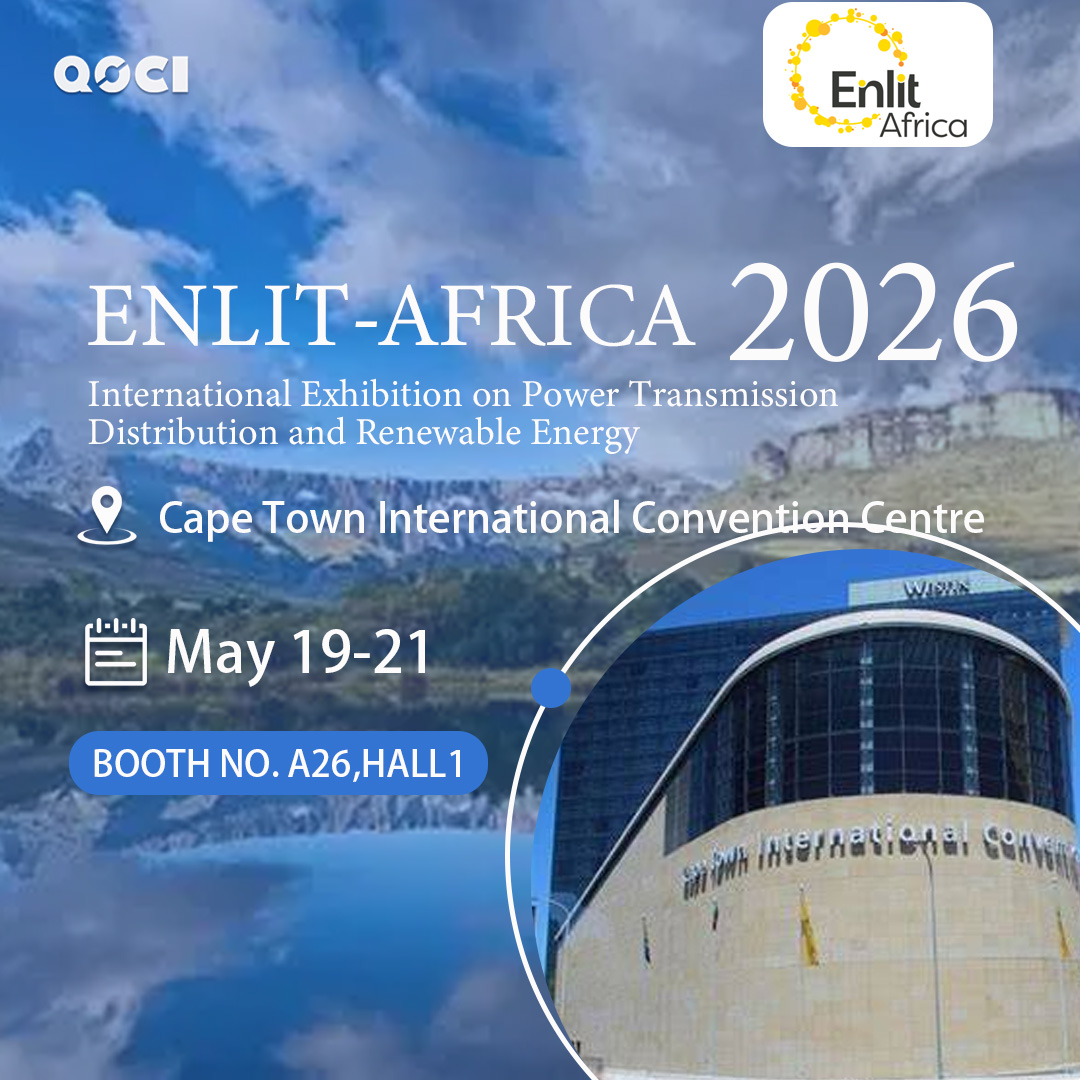
QOCI Electric showcases renewable energy integration solutions for the African power grid transition.
A mature portfolio having withstood extreme environments including icing, high altitude, and typhoons.
May 10, 2026Join us at the powerhouse event for energy professionals to discuss the future of U120bsa isolators.
April 22, 2026