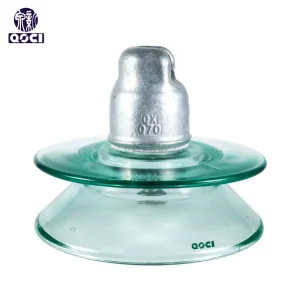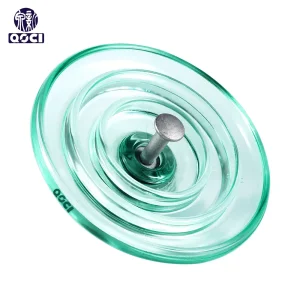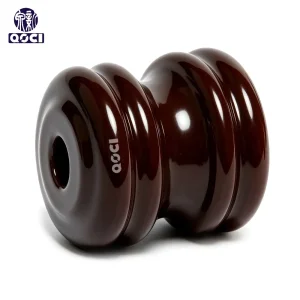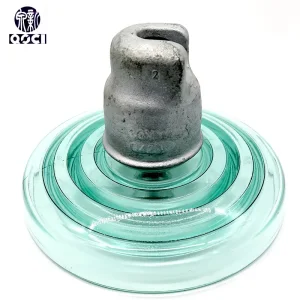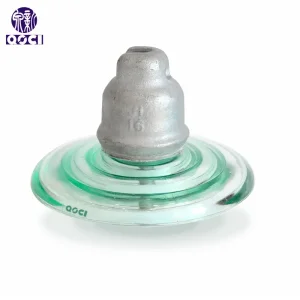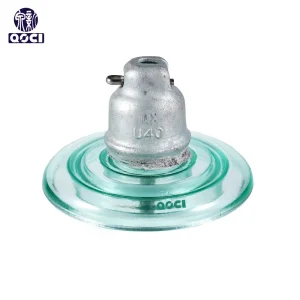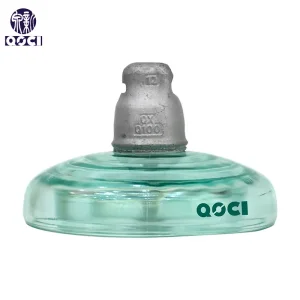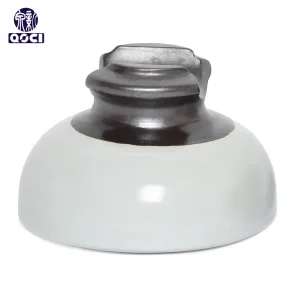
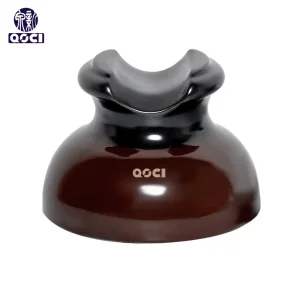
Explore our industrial line of toughened glass, porcelain, and spool type suspension/pin insulators conforming to standard IEC and ANSI specifications.
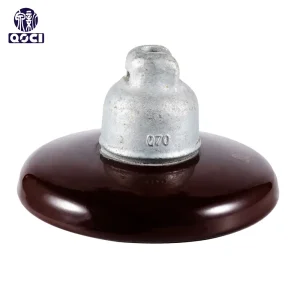
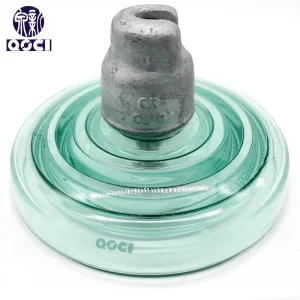
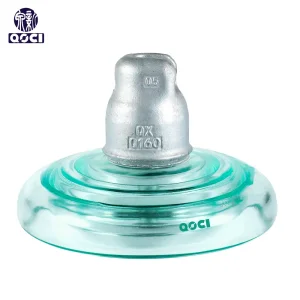
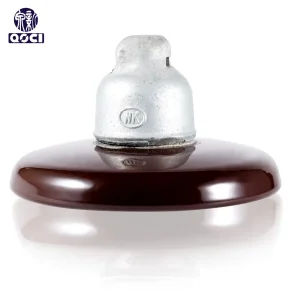
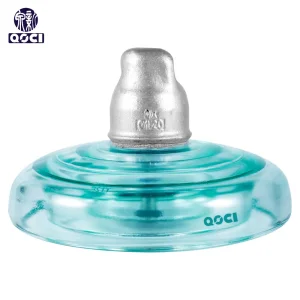
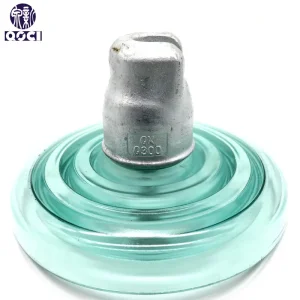
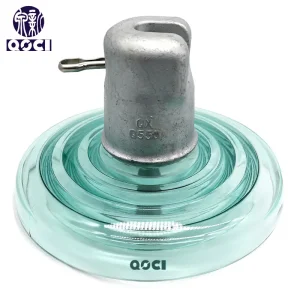
Serving the world-class power grid with dedication and actively participating in the construction of green energy infrastructure.
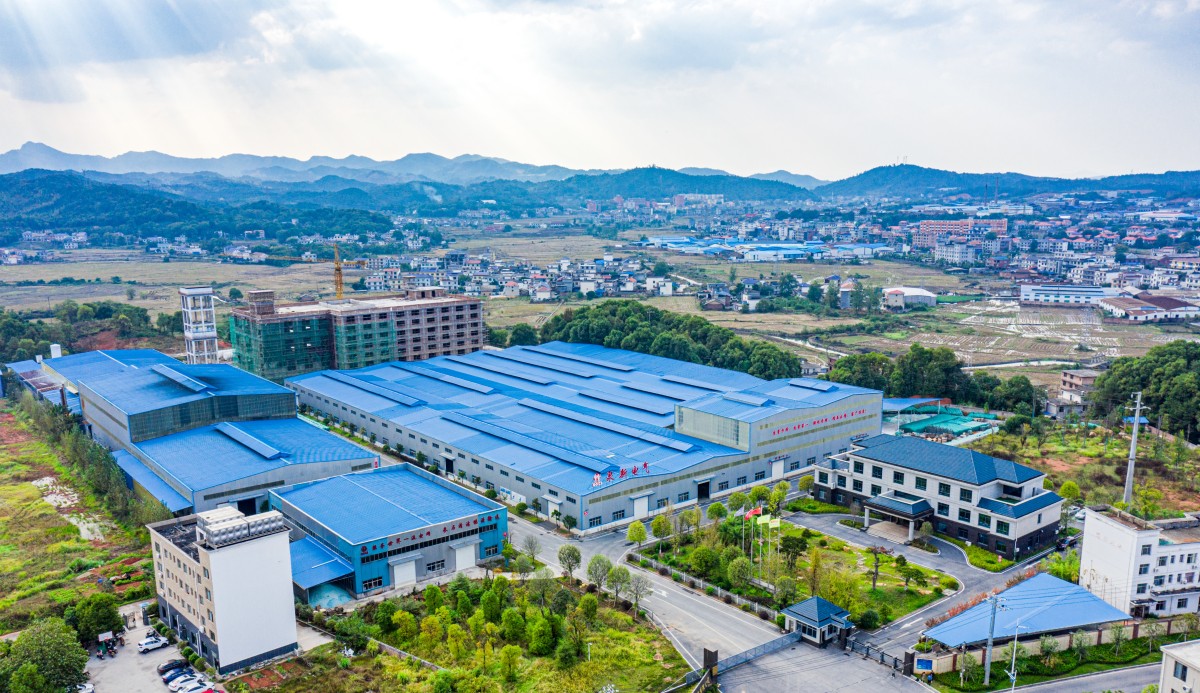
Founded in December 2002 with a registered capital of 508 million Yuan, Jiangxi QOCI Electric Co. Ltd is a leading force in overhead line insulator manufacturing. Located in the Industrial Park of Luxi County, Pingxiang, Jiangxi Province—the electrical porcelain capital of China—our facility covers over 100 mu (70,000 m²).
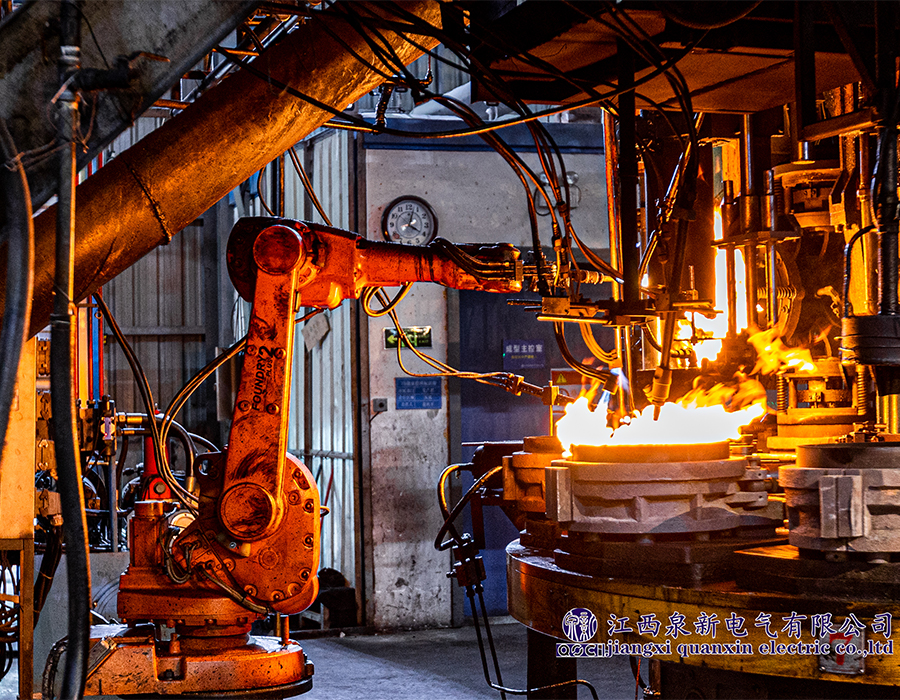
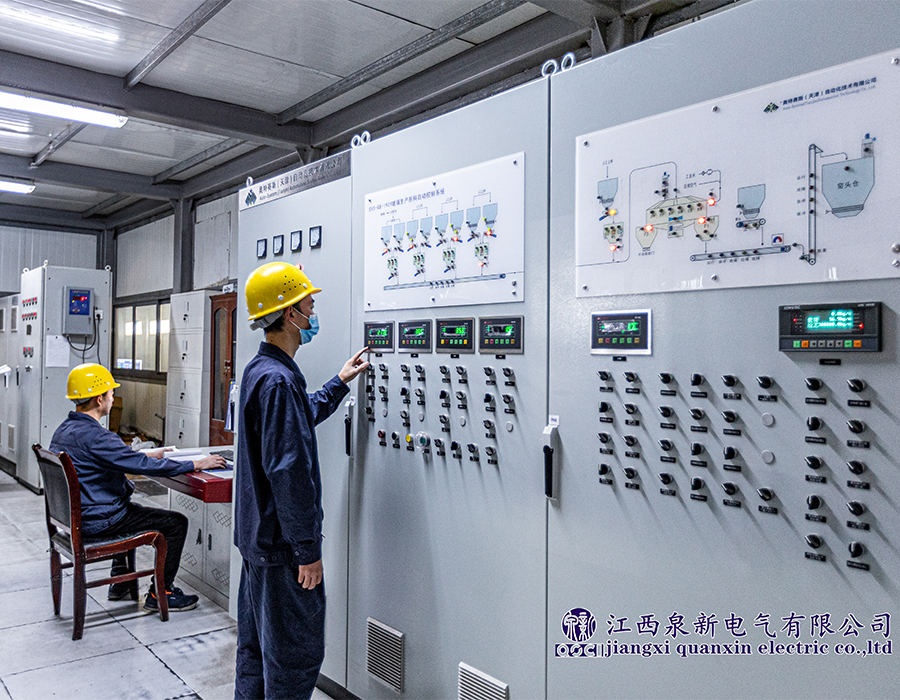
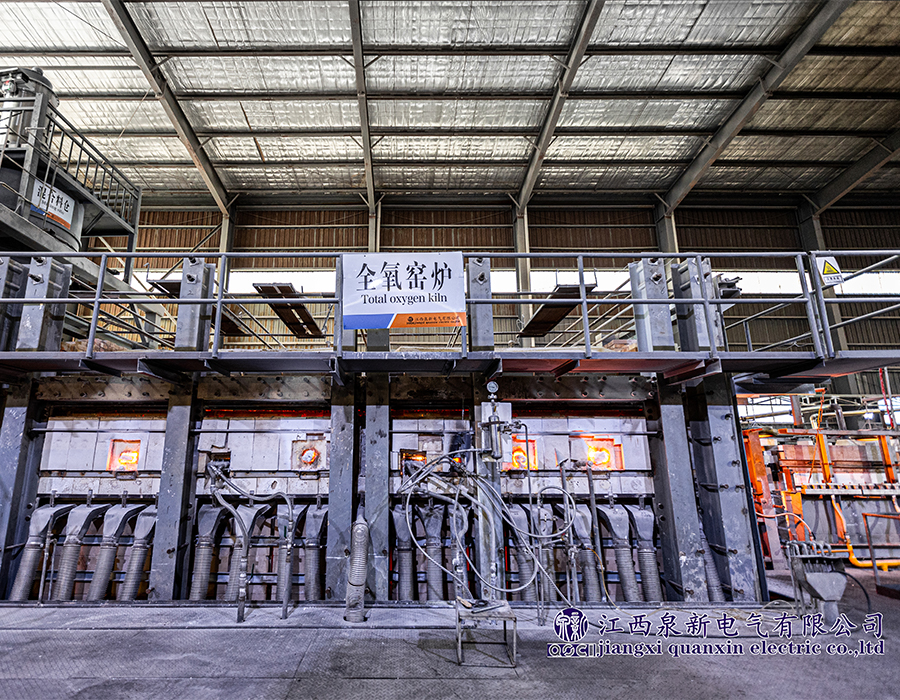
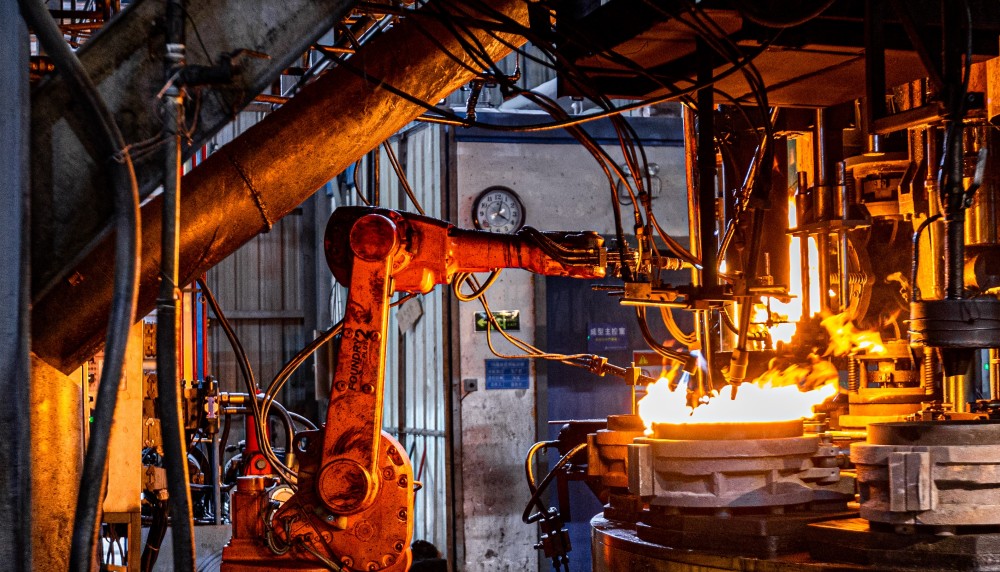
By implementing state-of-the-art oxygen-fuel kilns and automated high-tension assembly systems, we supply overhead utilities worldwide with high-strength toughened glass insulators for systems ranging from distribution networks to ultra-high voltage (UHV) AC and DC transmission systems.
A comprehensive guide on electromechanical parameters, glass crystallization dynamics, and the operational advantages of Chinese manufacturing hubs.
The U160BS toughened glass insulator is a critical component designed to support overhead conductors structurally and provide reliable electrical isolation on high-voltage transmission lines. The designation represents its key engineering thresholds: it offers a mechanical failing load rating of 160 kN, with standard geometric parameters including a spacing of 146 mm, a disc diameter of 280 mm, and a nominal creepage distance of 400 mm (or up to 450 mm in anti-pollution/fog profiles).
Unlike porcelain or organic composite alternatives, toughened glass possesses exceptional mechanical and thermal characteristics. During manufacture, the glass shell undergoes rapid surface quenching, which induces high compressive stresses on the surface balanced by tensile stress inside the glass core. This structural prestressing creates the famous toughened glass attribute: when damaged, the unit shatters into small, non-cutting fragments without dropping the line, leaving the remaining "stub" capable of bearing the full mechanical line load safely until replacement occurs.
Toughened glass preserves its dielectric and mechanical properties indefinitely. Our U160BS units resist structural aging, guaranteeing constant insulation levels throughout the entire service life of the transmission line.
If an electrical puncture or mechanical overload occurs, the glass shell shatters instantly. This "self-shattering" behavior allows maintenance crews to locate faulty units immediately via ground inspection or aerial drones, eliminating expensive field testing.
The residual mechanical strength of the U160BS glass stub remains virtually identical to a brand new unit. Grid operators are protected against unexpected mechanical failures that drop active conductors.
Pingxiang, Jiangxi Province, stands as the global hub for power equipment components. As an established factory operating out of this industrial ecosystem, Jiangxi QOCI Electric Co., Ltd. leverage structural advantages that translate directly into performance benefits for international buyers:
Depending on environmental conditions, specialized profile designs are required to avoid electrical flashovers and leakage currents.
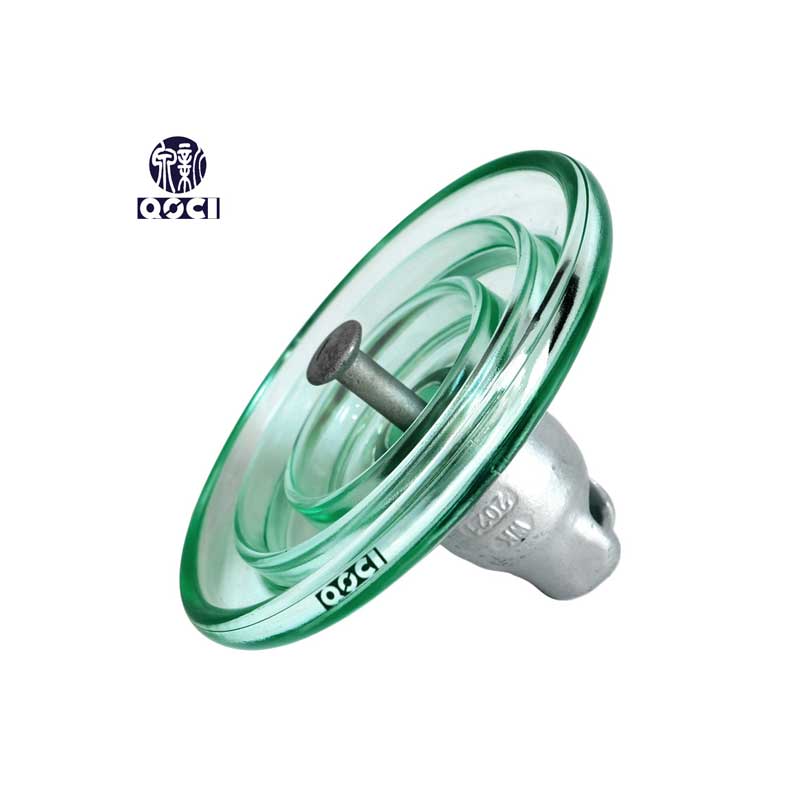
The characteristic of the standard profile is that the leakage distance is higher than the value indicated for standard insulators in IEC 60305. The insulation part is designed with shallow and well-spaced small ribs, which can be effectively self-cleaned by wind or rain. Ideal for areas with moderate dust and precipitation levels.
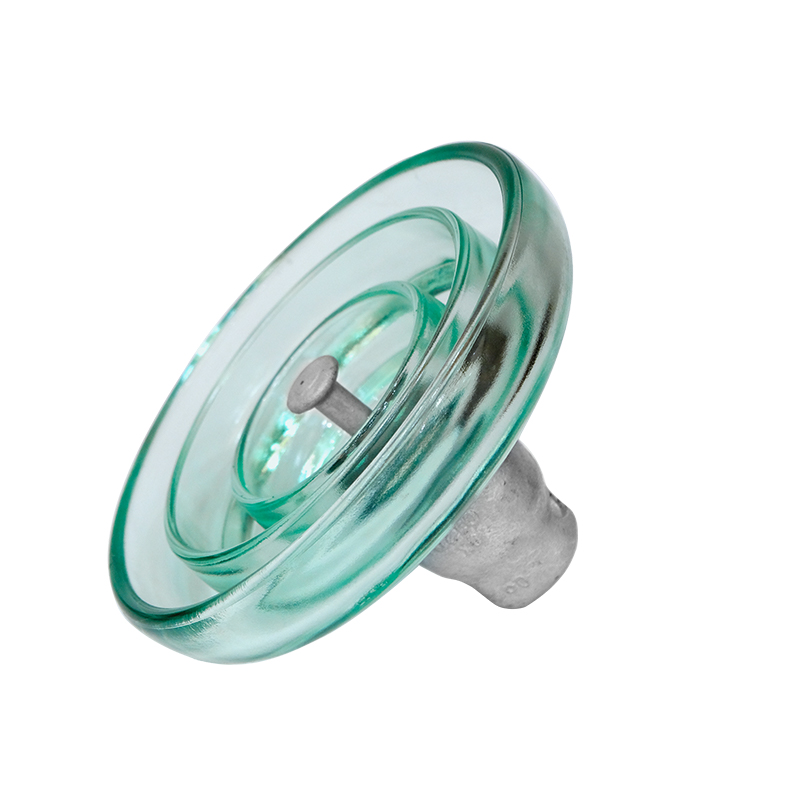
The fog type profile is characterized by long and widely-spaced under-ribs so as to avoid arc bridging between adjacent ribs. It features a leakage distance/spacing ratio of around 3.2 and is particularly effective in coastal areas (Salt fog) as well as in polluted areas where a higher specific leakage distance is required.
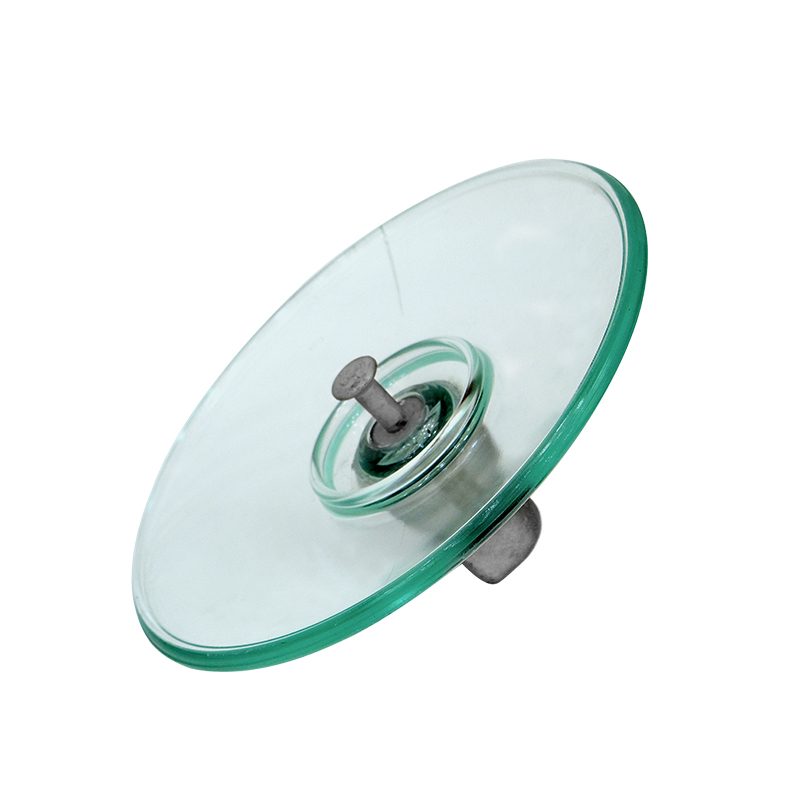
Designed with an open shape characterized by the complete absence of under-ribs and an extended disk diameter. This configuration prevents the accumulation of sand and dust on the lower surface. It is adapted to desert areas with high wind storms and minimal rainfall, and acts as a preventative layout against ice-bridging issues in cold climates.
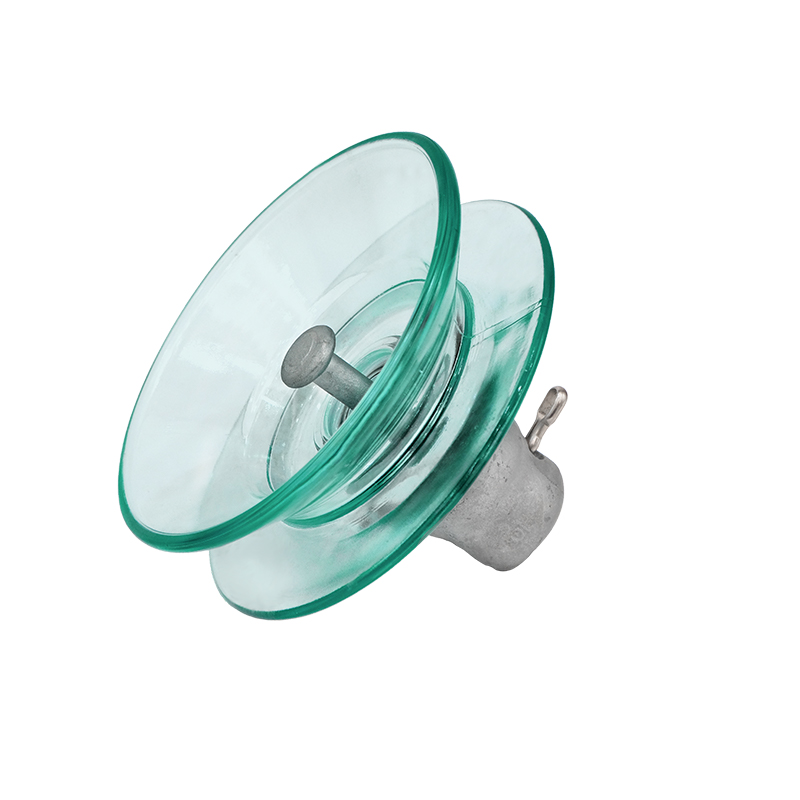
Featuring two distinct external ribs with no inner under-ribs to minimize pollution buildup. This profile allows strong winds to clear away dust deposits. It matches the leakage performance of anti-pollution types and is suited for extreme industrial pollution zones and dry, saline regions.
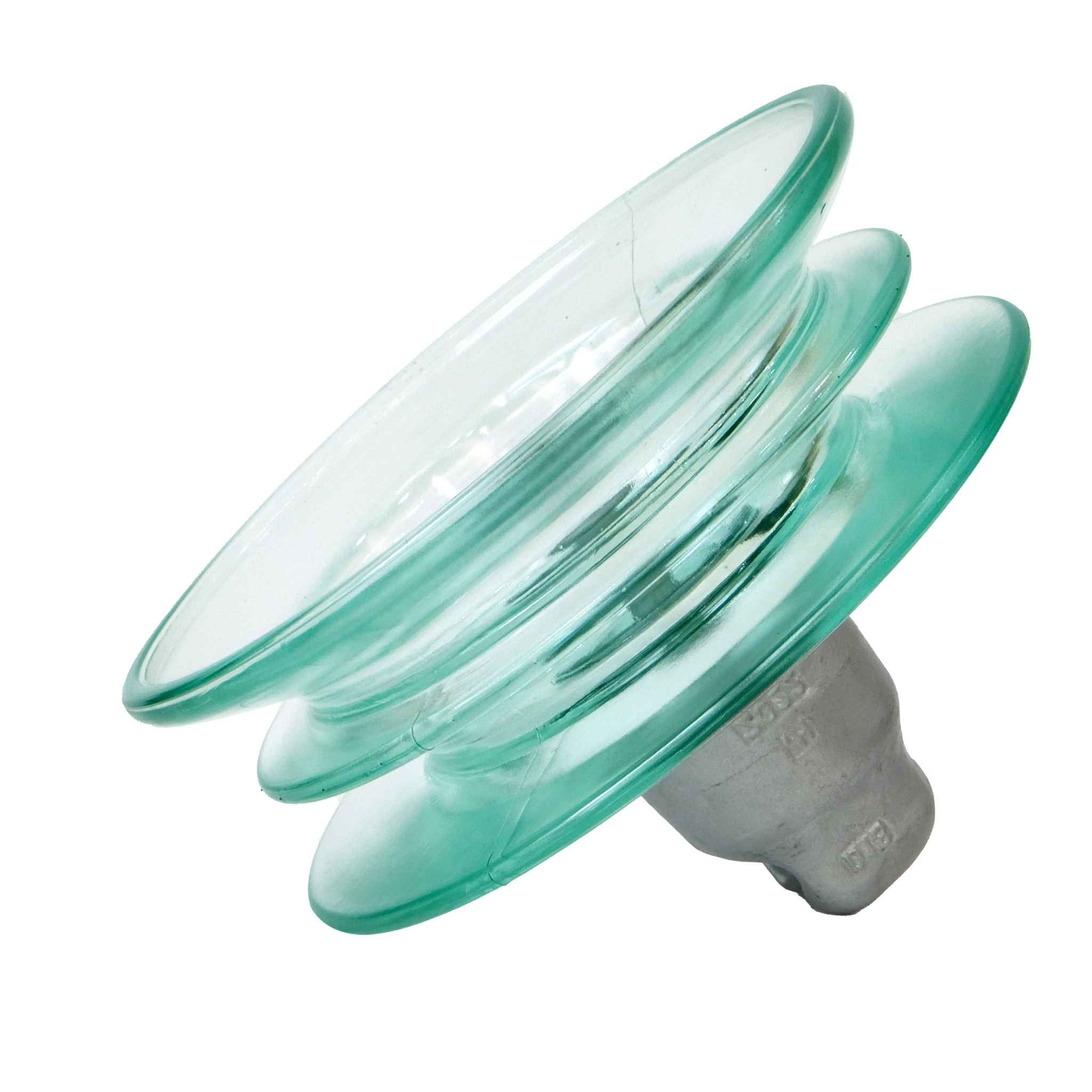
A key component in high-voltage and ultra-high voltage (UHV) transmission networks. It utilizes three individual protective layers on the insulator body to establish longer creepage profiles. Perfect for high-altitude zones, tropical monsoon areas, and heavily polluted zones, assuring exceptional flashover protection.
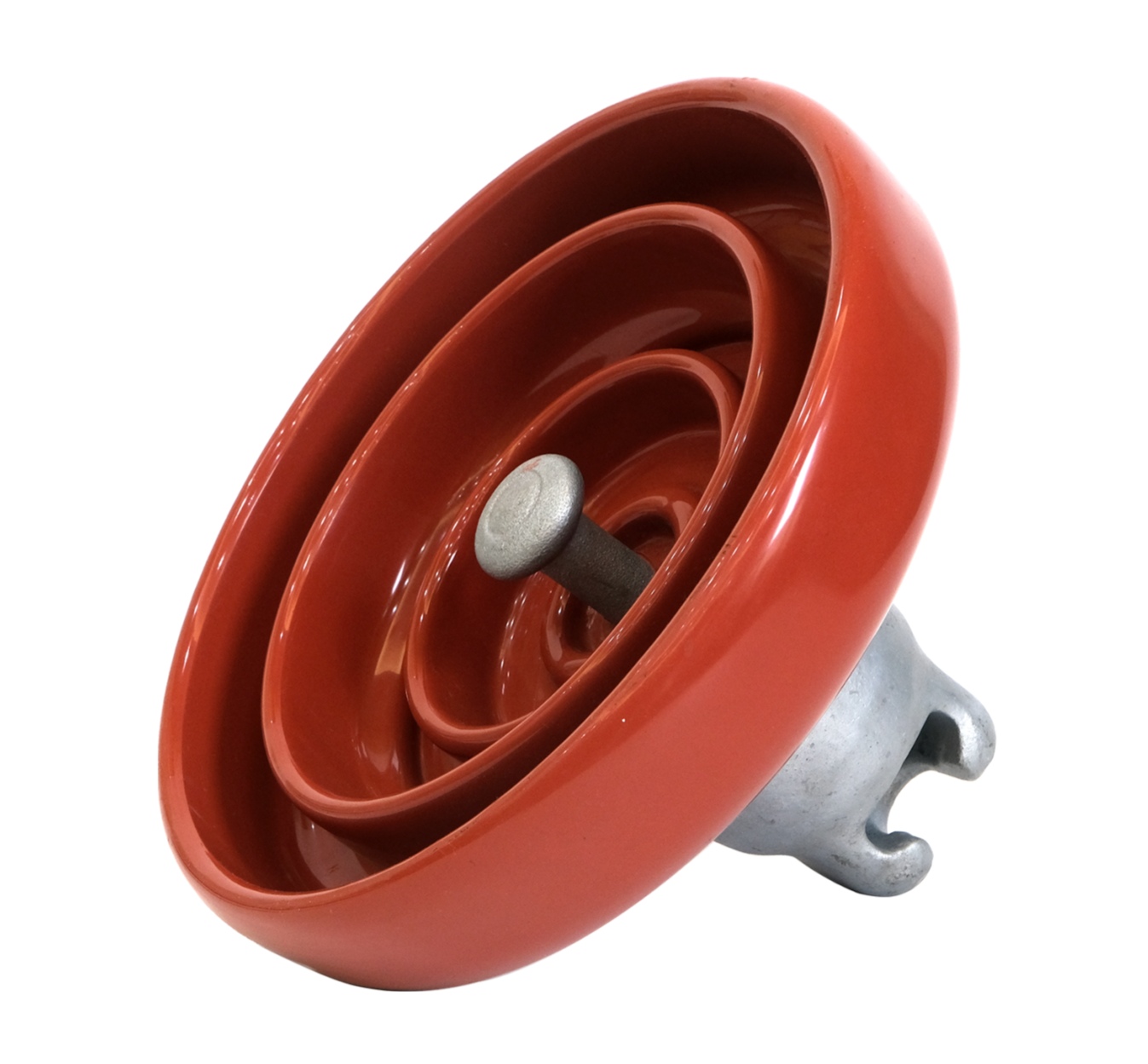
Room Temperature Vulcanization (RTV) silicone is applied to the toughened glass disc. The coating increases hydrophobic surface properties, shedding water quickly to reduce leakage currents and flashover hazards. It represents an economical, low-maintenance alternative to manual washing cycles in highly polluted regions.
Strategic answers to grid modernization challenges, supply chain logistics, and project coordination.
High-voltage transmission projects demand insulators that can support heavy physical spans while enduring electrical stresses. The U160BS glass insulator operates as a reliable structural anchor, keeping phase-to-ground clearances consistent under high crosswind loads and ice storms. We match pinning tolerances to ANSI and IEC specifications to ensure trouble-free compatibility with standard suspension clamps.
Substation entries require reliable isolation lines. Our toughened glass solutions provide the high mechanical tensile capacity required for dead-end structures. The visual status check of glass strings simplifies routine safety audits at substation facilities, boosting plant safety and reliability.
Procuring insulators for national infrastructure involves managing technical risks and strict certification requirements. QOCI Electric helps minimize project delay risks through comprehensive quality testing:
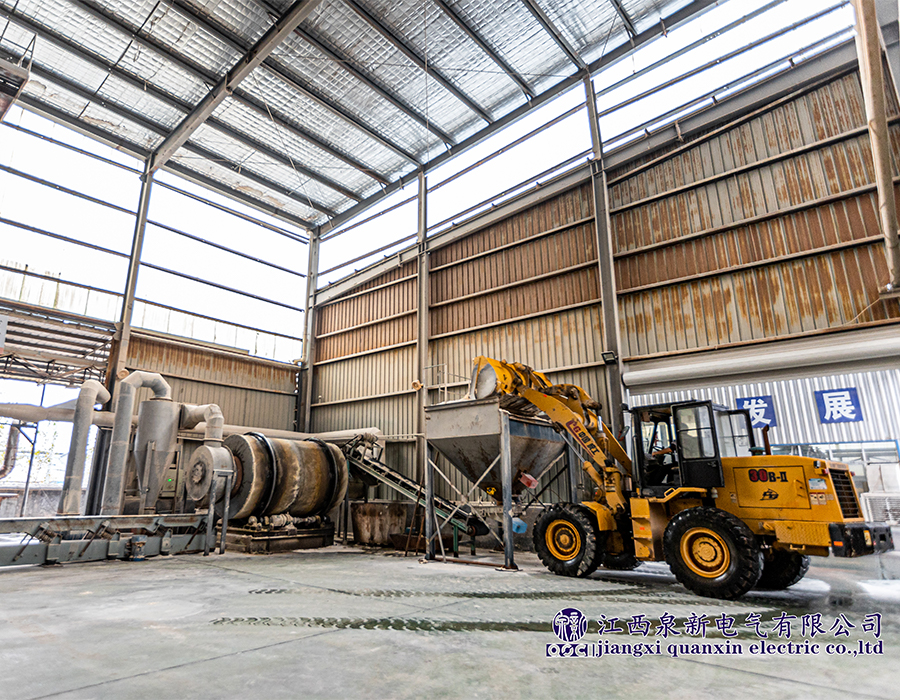
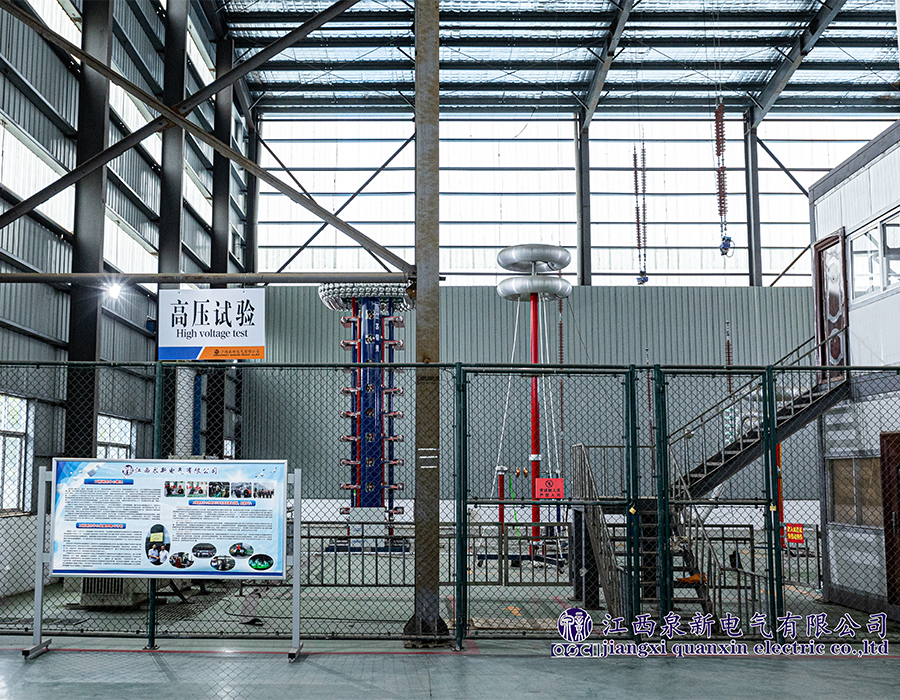
A look inside our state-of-the-art facilities in Luxi County, featuring automated mixing, high-temperature kilns, and high-voltage laboratories.
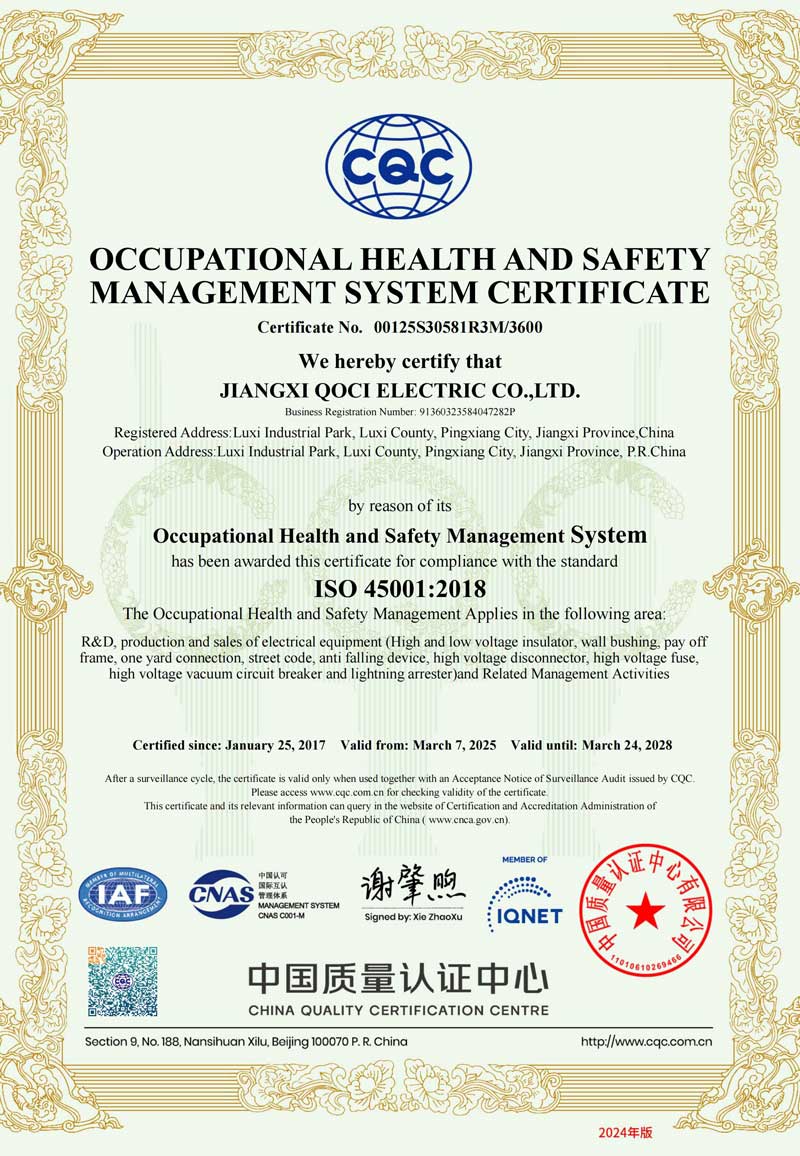
Our manufacturing workflow is certified to international management standards, and our products undergo continuous type-testing at independent, accredited test laboratories.
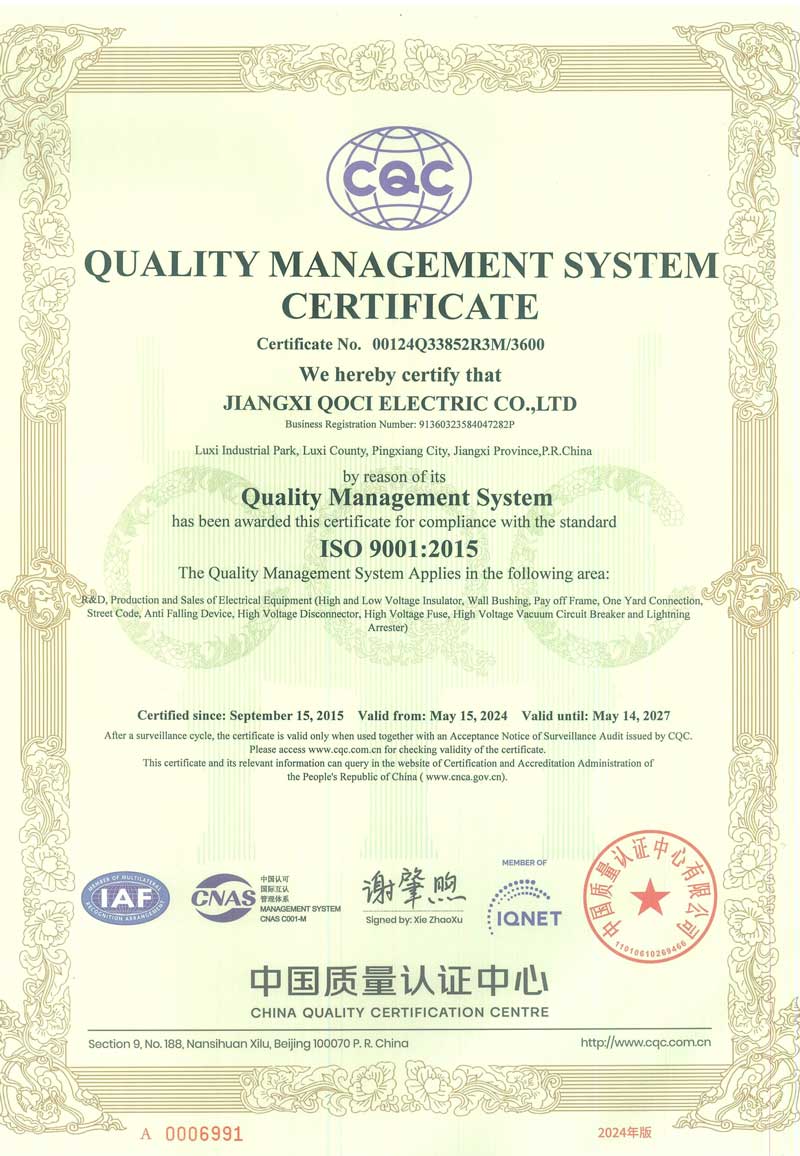
ISO 9001 System Certificate
ISO 14001 Environmental
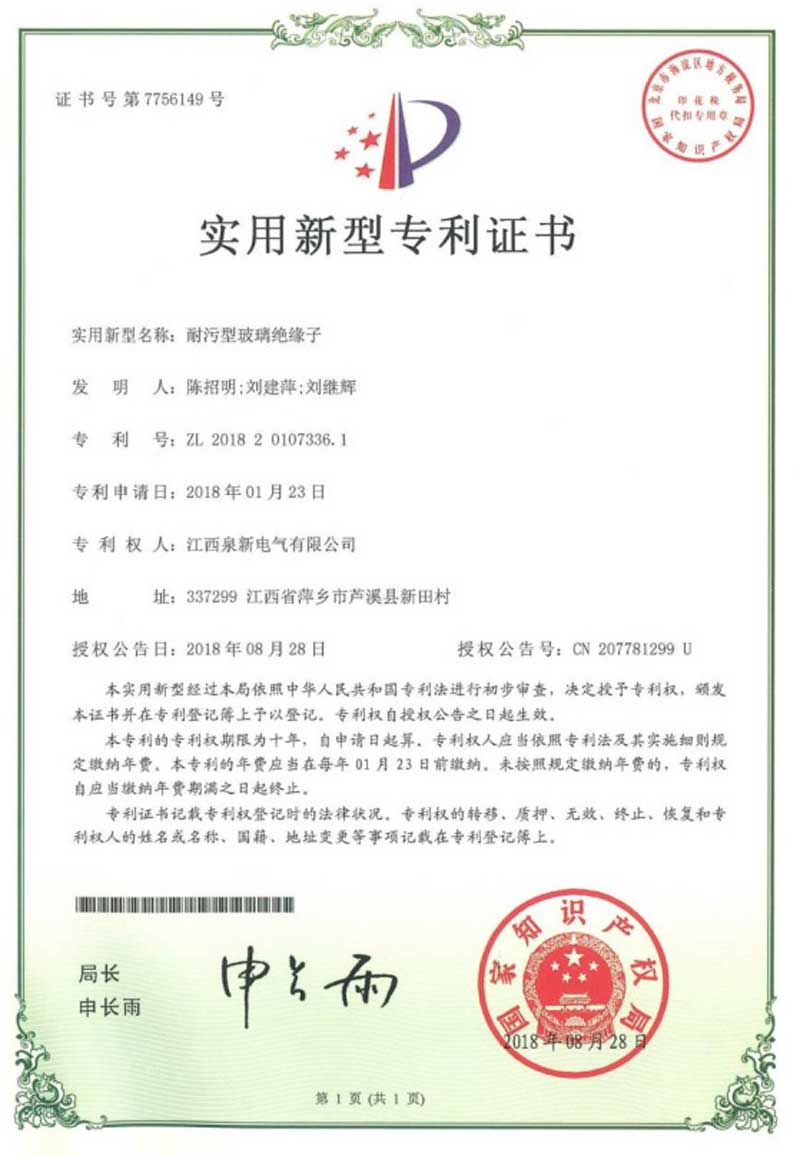
ISO 45001 Occupational Health
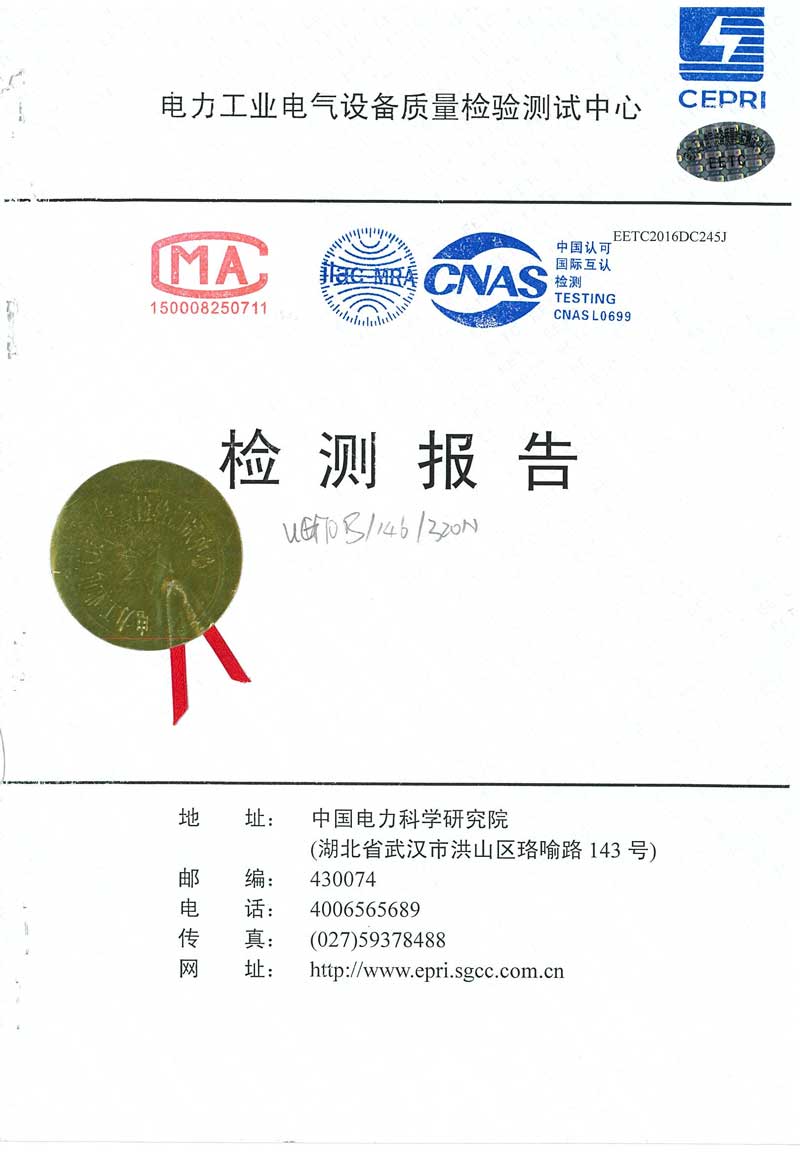
KEMA / CESI Test Reports
Learn about our international conference participations, export deliveries, and developments in grid insulation technology.
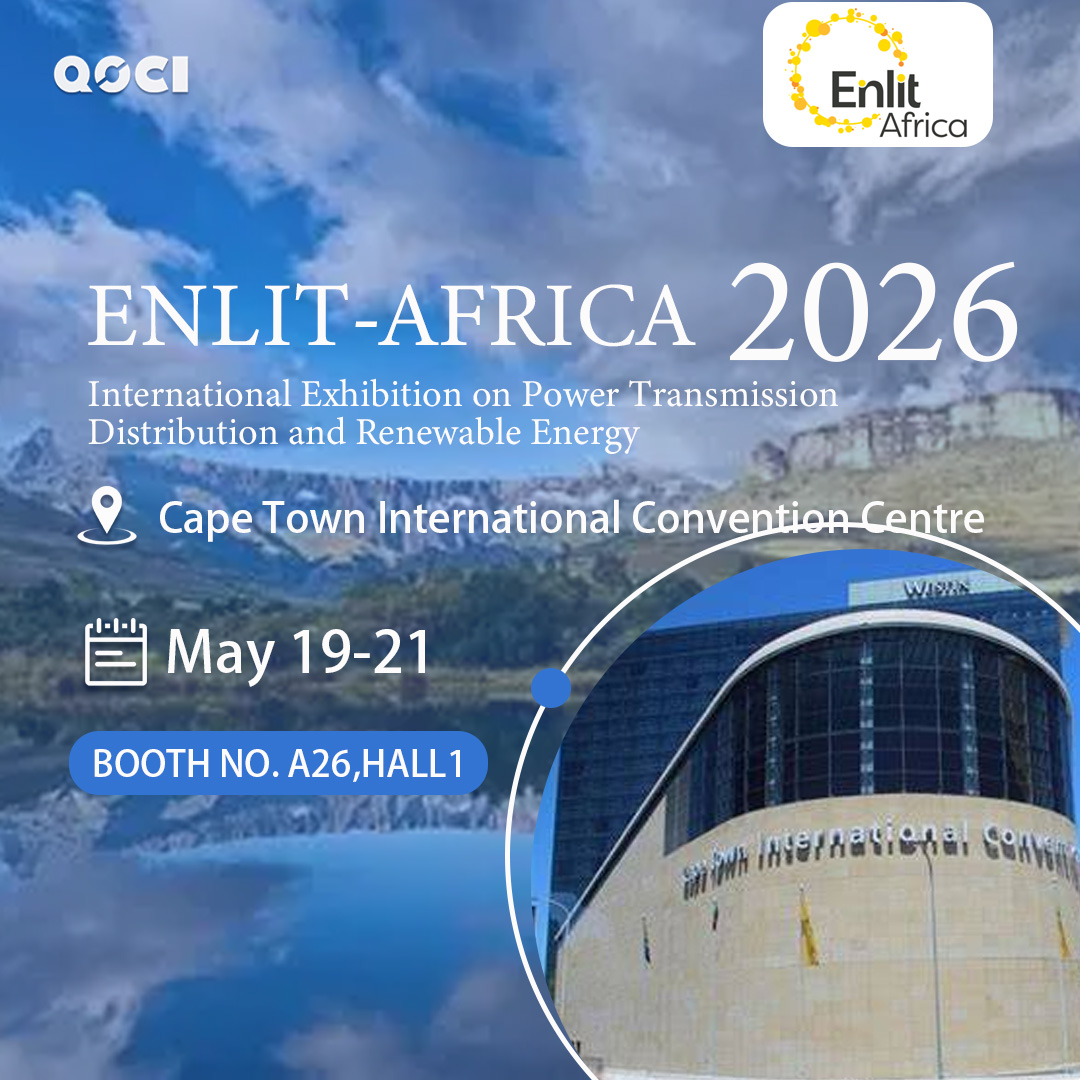
As the global energy transition accelerates, the importance of electricity, renewable energy, and energy storage technologies is becoming increasingly critical for African grid developers.
May 2026Having withstood extreme environmental conditions including icing, high altitude, pollution, earthquakes and typhoons, China’s insulator industry provides unmatched reliability.
On behalf of our team at Jiangxi QOCI Electric Co., Ltd., we invite you to connect with us at the IEEE PES T&D Conference to discuss high-voltage insulator solutions.
We officially confirmed our participation in the Iraq Energy Exhibition, showcasing custom anti-pollution glass profiles suitable for severe desert environments.
Read detailed technical explanations addressing procurement inquiries, operational properties, and glass insulator standards.
Browse the remainder of our high-voltage suspension products, spool-type porcelain units, and specialty external shed glass components.