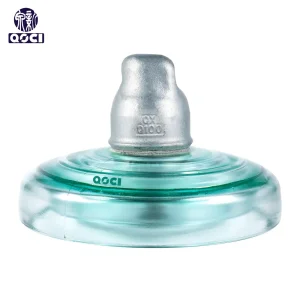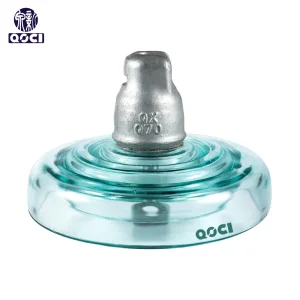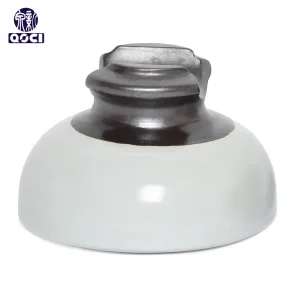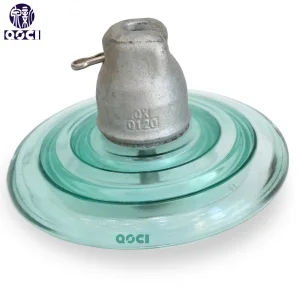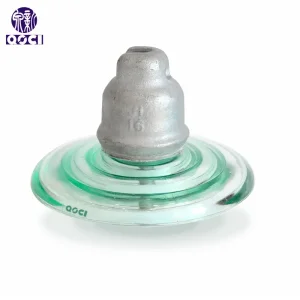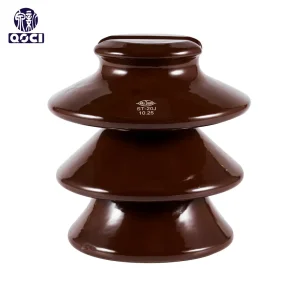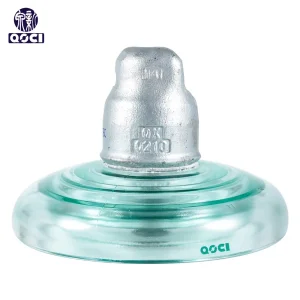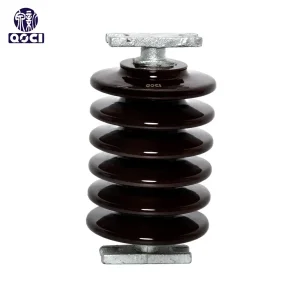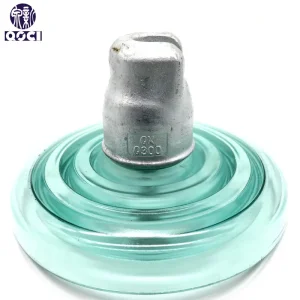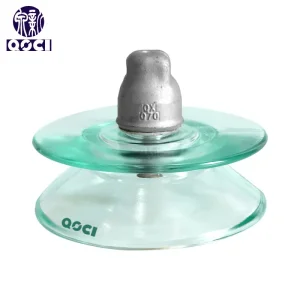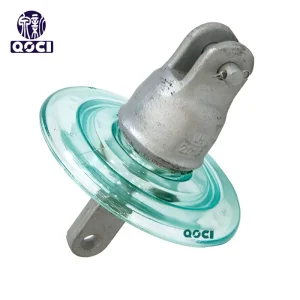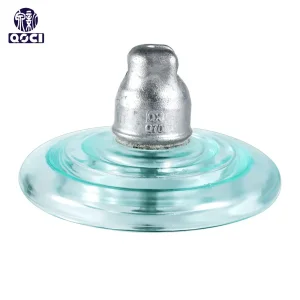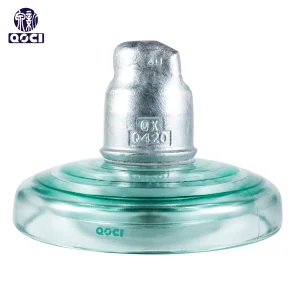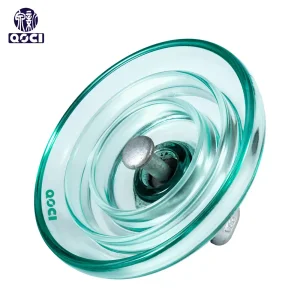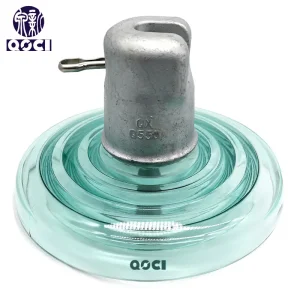
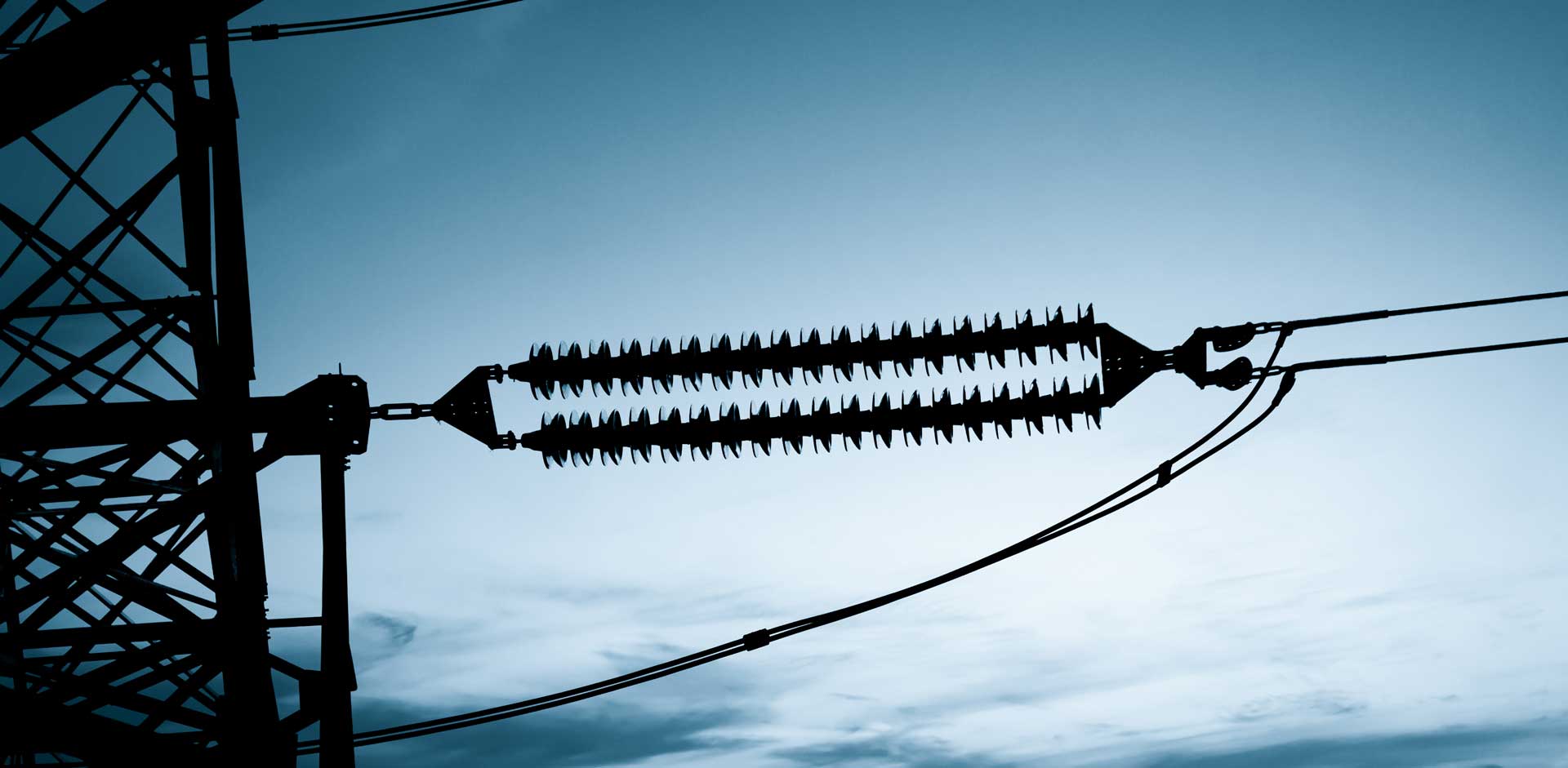
In the rapidly transforming landscape of global energy distribution, the U210BM glass isolator stands as a critical pillar of reliability. As power demands surge and national grids transition toward renewable energy integration, the mechanical and electrical integrity of transmission line components has never been more vital. The U210BM (a 210kN mechanical failing load series) is specifically engineered to handle the strenuous loads of high-voltage (HV) and ultra-high-voltage (UHV) systems, providing a "zero-puncture" safety profile that porcelain alternatives struggle to match.
Information Gain: Unlike traditional porcelain insulators that may hide internal micro-cracks, toughened glass isolators like the U210BM offer visual diagnostics. When glass fails, it shatters into a "stub" without losing mechanical string integrity, allowing maintenance crews to identify faulty units from the ground via binoculars—significantly reducing O&M costs.
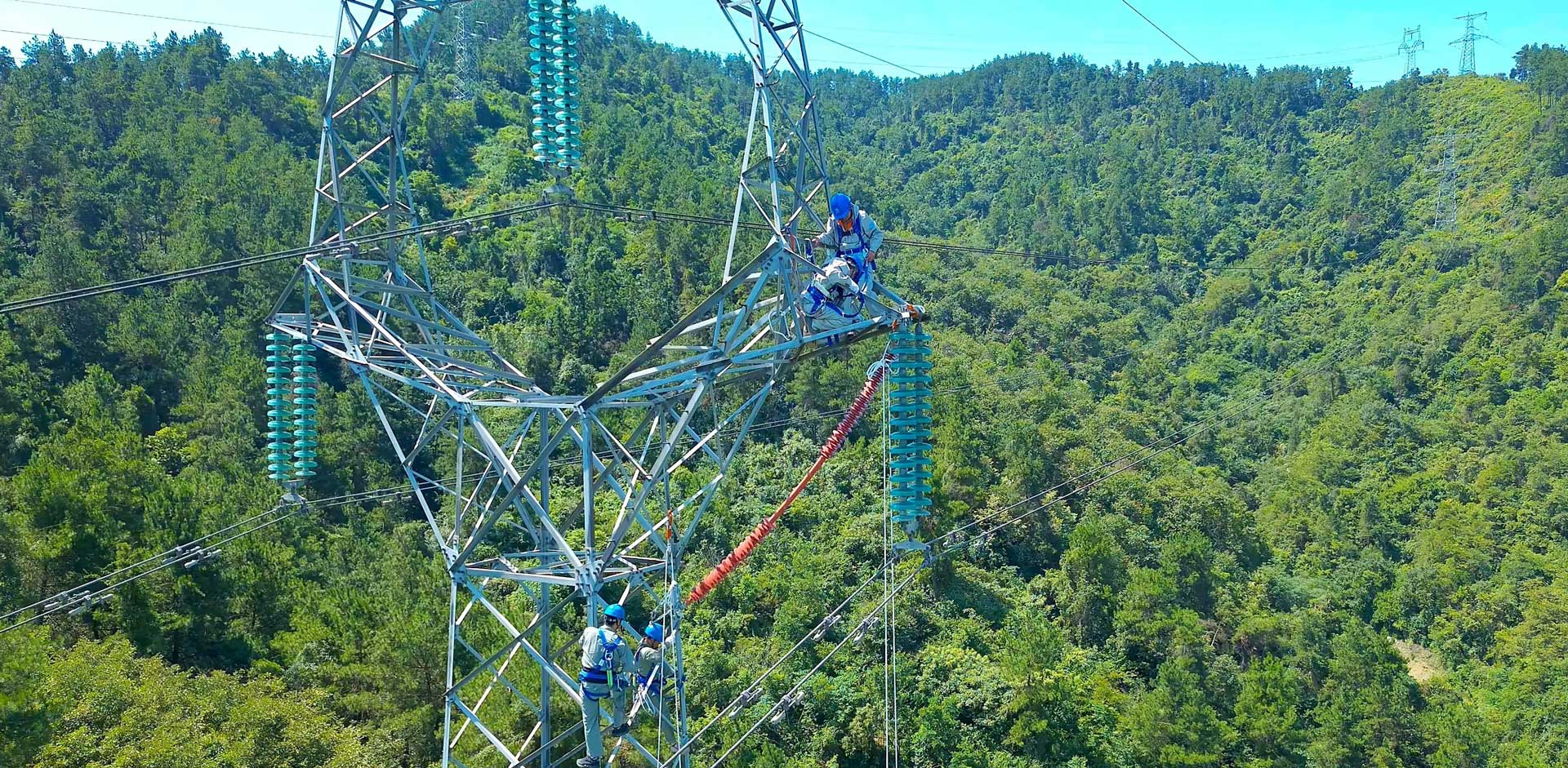
Our role as a leading wholesale U210BM supplier and factory involves more than mere manufacturing; it is about providing a localized, technical solution for environments ranging from the salt-heavy coastlines of Southeast Asia to the high-altitude, ice-prone corridors of the Andes and the Himalayas.
The roadmap for glass isolator technology is moving toward smarter, more resilient materials. At Jiangxi QOCI Electric, our technical focus revolves around four key pillars of innovation:
Utilizing high-speed thermal quenching to create a compressive stress layer on the glass surface, ensuring the U210BM can withstand extreme thermal shocks and mechanical impacts.
Applying Room Temperature Vulcanization (RTV) silicone coatings to the glass surface to achieve hydrophobicity, essential for preventing leakage currents in heavily polluted industrial zones.
Sourcing high-silica sand from the Jiangxi region, combined with automated oxygen-rich kilns to eliminate inclusions that cause spontaneous breakage.
We are currently exploring the integration of IoT sensors within the cap-and-pin structure. Future U210BM variants will not only isolate the current but also monitor leakage current, ambient humidity, and mechanical tension in real-time, feeding data directly to grid operators’ SCADA systems.
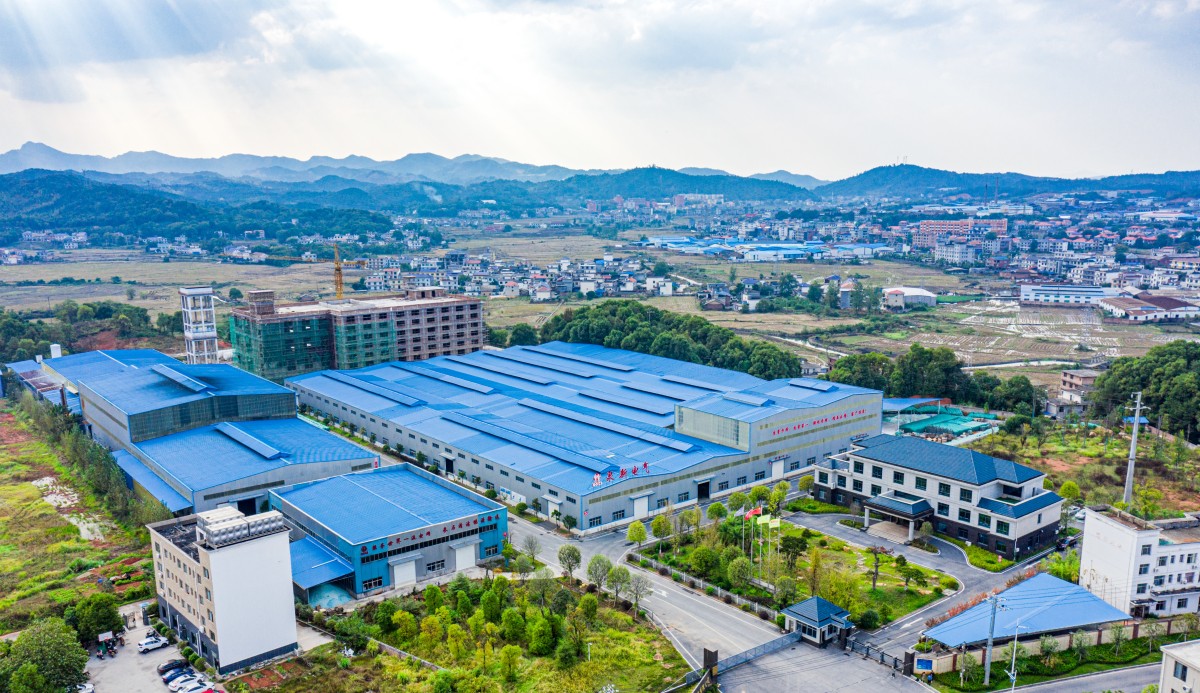
Located in the Industrial Park of Luxi County, Pingxiang—the "Insulator Capital of China"—Jiangxi QOCI Electric Co. Ltd benefits from a hyper-localized supply chain. This geographic clustering provides an unmatched competitive advantage for wholesale buyers:
Expert Insight: "Responsibility is the guarantee of quality." Our factory employs a Total Oxygen Kiln process, which minimizes carbon emissions while producing ultra-clear toughened glass with a breakage rate significantly lower than the industry average of 0.2%.
The U210BM is not a "one-size-fits-all" product. Its application varies based on local environmental stressors:
For regions like the Gulf or the Mediterranean, we recommend the Anti-Pollution (Fog Type) profile. These units feature deeper ribs to increase the creepage distance, preventing salt-fog induced flashovers.
In the Saharan or Middle Eastern deserts, Aerodynamic (Open) profiles are preferred. The absence of deep under-ribs prevents the accumulation of wind-blown sand, which can otherwise create conductive paths.
For long-distance Ultra-High Voltage DC lines, we provide specialized glass compounds that resist ion migration, ensuring a long service life under constant electrical stress.
Our commitment to E-E-A-T is reflected in our manufacturing process. Every U210BM unit undergoes a series of brutal tests before shipment:
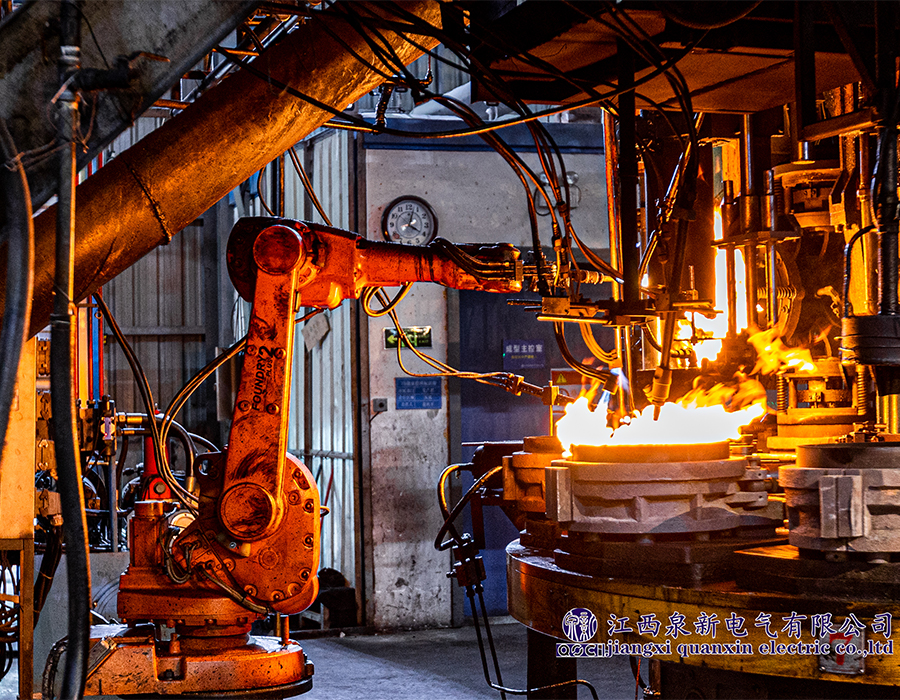
Forming Press: Precision molding at high temperatures.
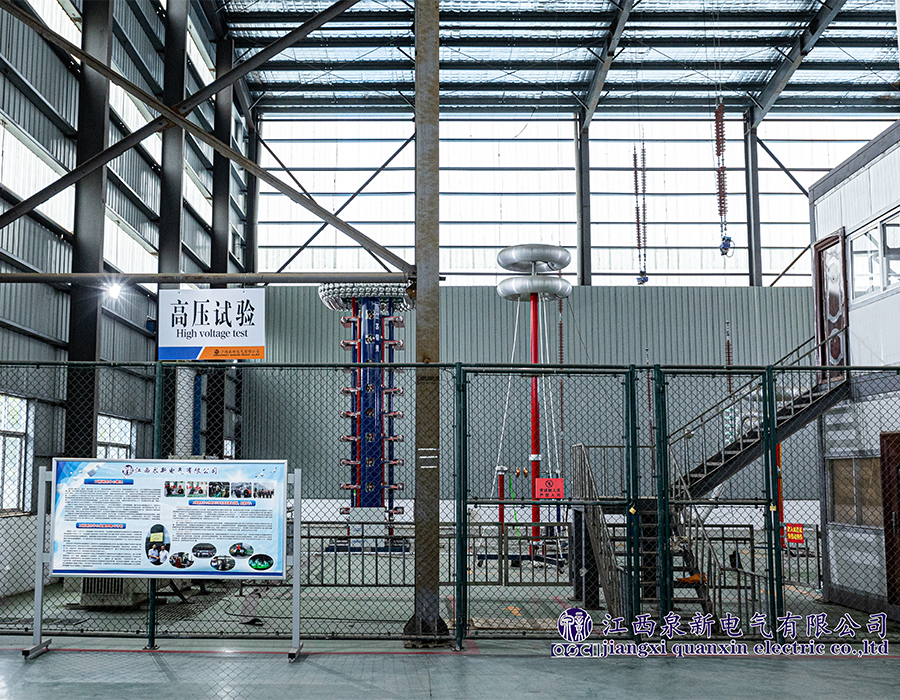
HV Test: Simulating real-world voltage surges.
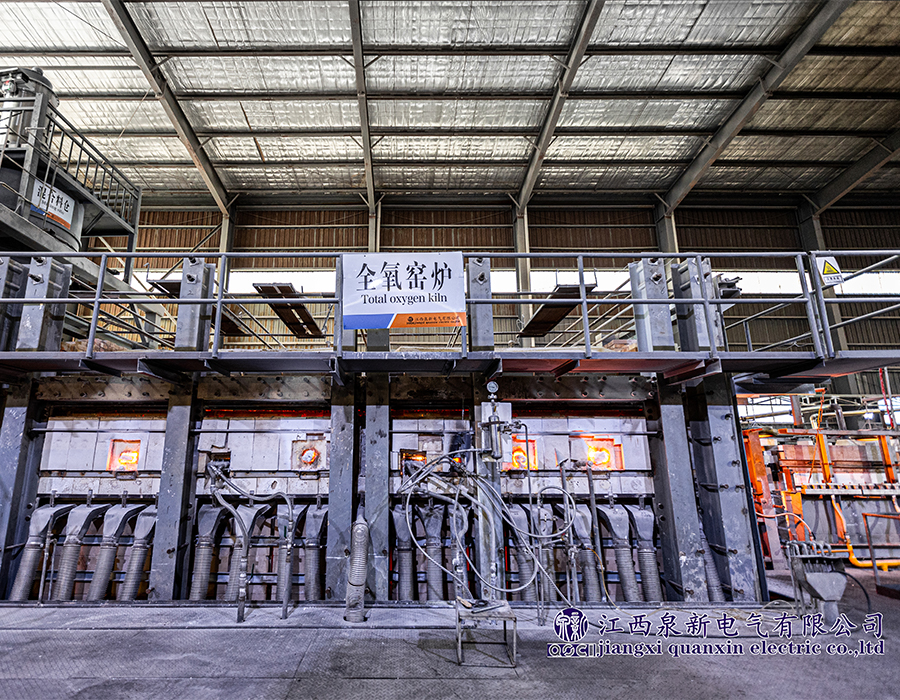
Total Oxygen Kiln: Achieving superior glass clarity.
Our lab is equipped for mechanical load tests, steep-front wave tests, and thermal shock cycles. This ensures that when a U210BM leaves our factory, it is capable of serving the world-class power grid for 40+ years.
The "M" typically denotes specific modifications for mechanical or mounting standards depending on the grid authority (e.g., metric vs. imperial standards or specific ball-and-socket sizes). Both share the 210kN mechanical rating.
Glass isolators have a higher dielectric strength and are less prone to aging. Crucially, they do not require "zero-value" testing; a faulty unit is immediately visible as it shatters, whereas porcelain requires manual testing with a megohmmeter.
All our products meet IEC 60305, IEC 60383, and ANSI C29 series standards. We are also ISO 9001, ISO 14001, and OHSAS 18001 certified.
Yes, we can apply factory-cured RTV silicone coatings to any glass isolator string to enhance performance in heavy pollution areas, saving you site-application costs.
Typically 4-6 weeks depending on the order volume, thanks to our high annual capacity of 39,000 tons.