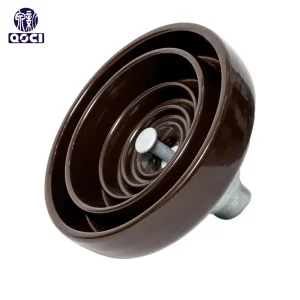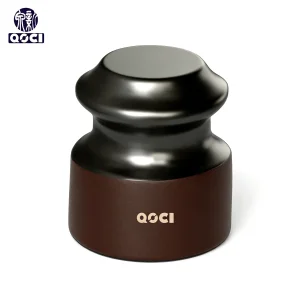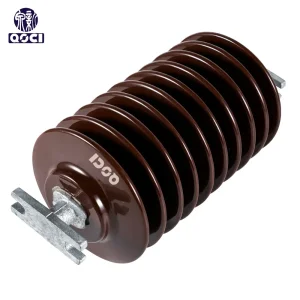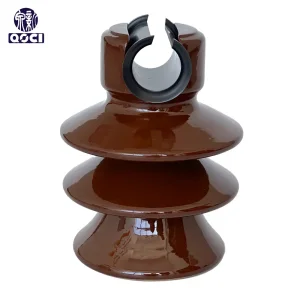
Reliable transmission components designed to meet strict IEC and ANSI specifications for standard and heavy pollution areas.
An Engineering Analysis of High-Voltage Overhead Line Insulation Performance and Material Integrity
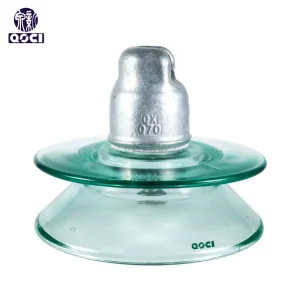
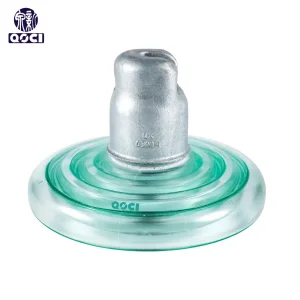
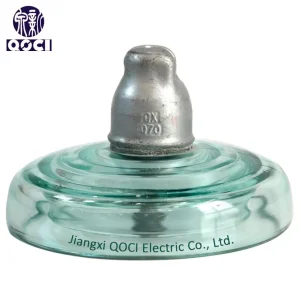
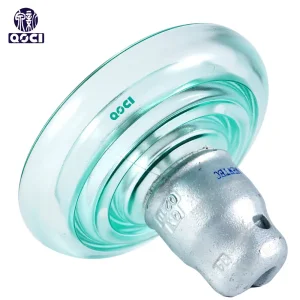
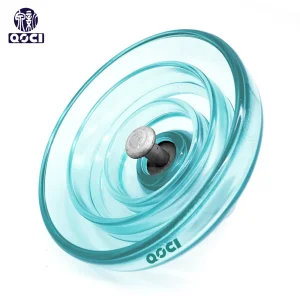
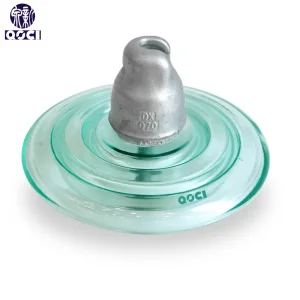
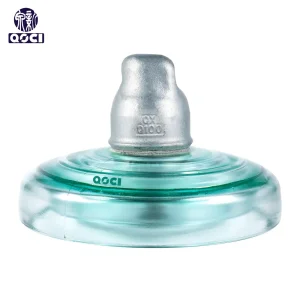
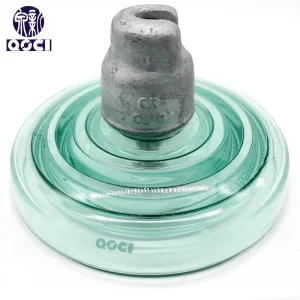
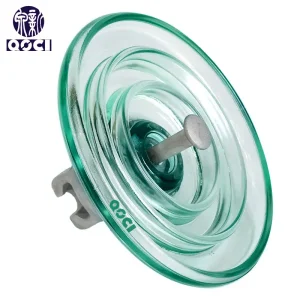
In modern power grid infrastructures, overhead transmission lines cross diverse terrains, demanding insulators with superior electromechanical stability. The U70BS Suspension Tempered Glass Insulator (rated at a mechanical failing load of 70 kN) represents a critical safety component. Engineered under strict international standards like IEC 60305 and designated under profiles such as CTV254, these components isolate high-voltage cables from supporting towers while enduring wind, ice, and dynamic stresses.
Unlike porcelain or composite alternatives, toughened glass possesses unique material characteristics. During production, the glass shell undergoes a controlled thermal tempering process. Rapid cooling of the outer layer induces permanent compressive stresses on the surface, balanced by internal tensile stresses. This stress profile yields high resistance to thermal shock and mechanical shock. The dielectric strength of tempered glass is exceptionally high—typically around 20–30 kV/mm—preventing internal electrical puncture under overvoltage surges. Should mechanical overloading or a direct lightning strike exceed the threshold, the glass shell shatters into small fragments without dropping the line, providing an immediate, visual indicator for utility field maintenance crews (known as the "zero-power self-shattering" feature).
The typical parameters for the U70BS glass isolator align with international specifications, ensuring mechanical compatibility with standard ball-and-socket couplings:
The mechanical toughness prevents structural failure, while the geometric configuration protects against flashover occurrences. Under severe contamination, moisture combines with surface pollutants to form conductive layers. The design of the U70BS minimizes leakage currents by optimizing the spacing and length of the under-ribs, maintaining insulating integrity in damp or salt-spray environments.
Founded in December 2002, Jiangxi QOCI Electric Co. Ltd has established itself as an industrial-scale manufacturing hub for high-strength glass isolators. With a registered capital of 508 million Yuan, the manufacturing facilities are situated in the Industrial Park, Luxi County, Pingxiang, Jiangxi Province, China, spanning a total area of 100 mu (with a plant footprint exceeding 70,000 m²).
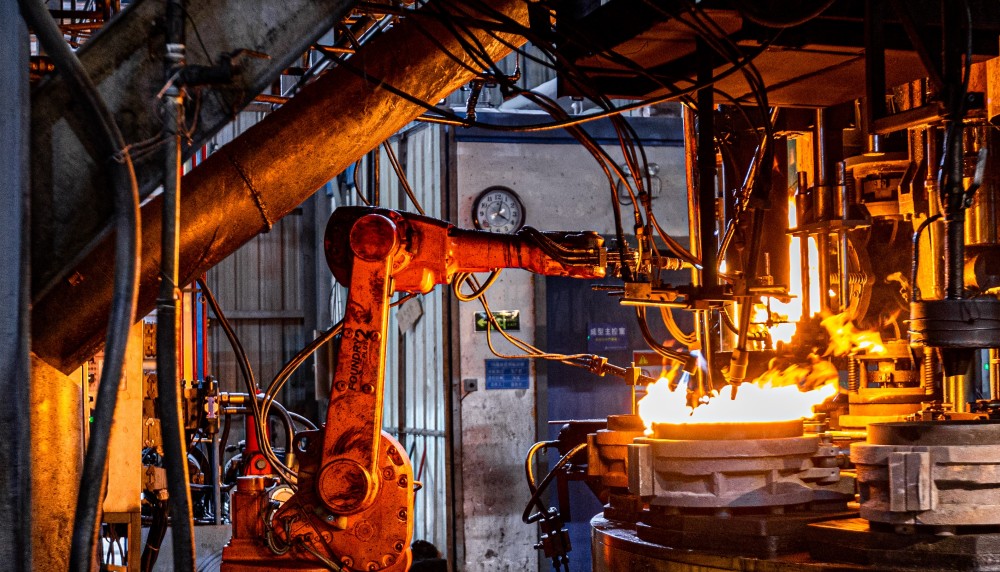
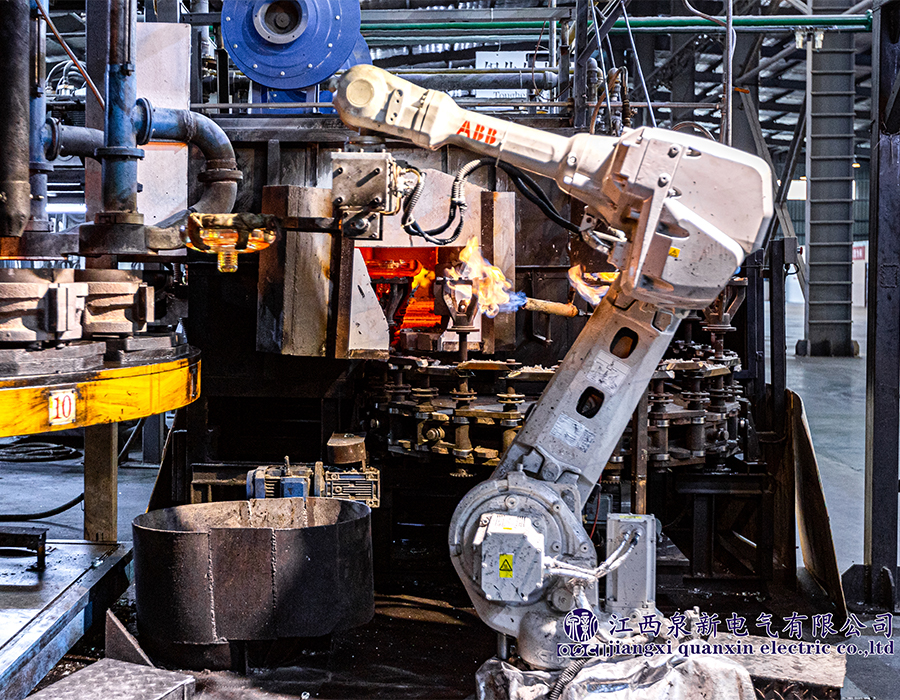
Under the guidance of 53+ senior engineering technicians, the plant achieves an annual production capacity of 39,000 tons. With 26+ national invention and utility patents, our technology supports transmission grids across multiple continents. By integrating automated raw material mixing, total oxygen kiln melting, precision pressing, and high-frequency thermal tempering, QOCI manufactures glass insulators designed for longevity and resilience.
Registered Capital (RMB)
Plant Area
Annual Output Capacity
National Patents
Optimized aerodynamic designs matching environmental pollution criteria to prevent power grid outages.
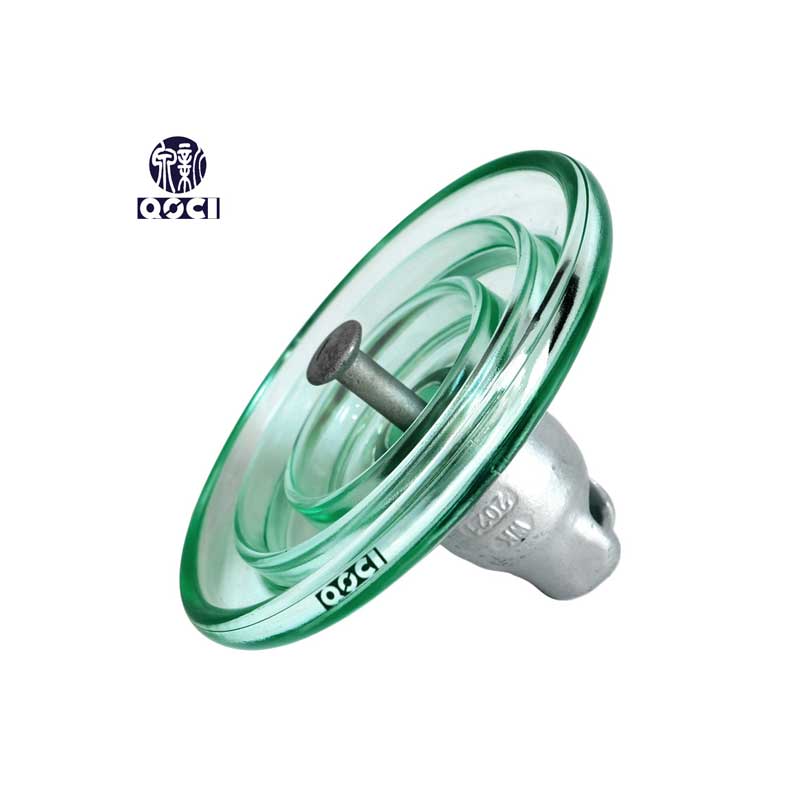
The standard profile features leakage distances exceeding the values outlined in IEC 60305. The insulating shell is structured with shallow, well-spaced ribs, which facilitates self-cleaning by natural wind and rain, preventing dust deposition.
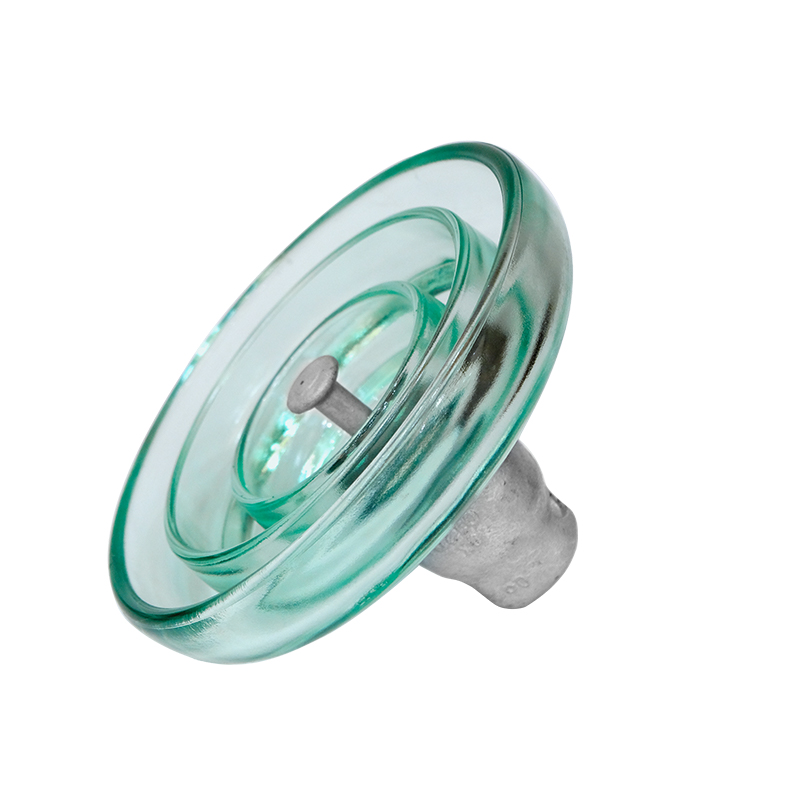
Characterized by deep, widely-spaced under-ribs that increase creepage distance and prevent electrical bridging between adjacent ribs. Effective in coastal areas subjected to saline fogs and industrial environments.
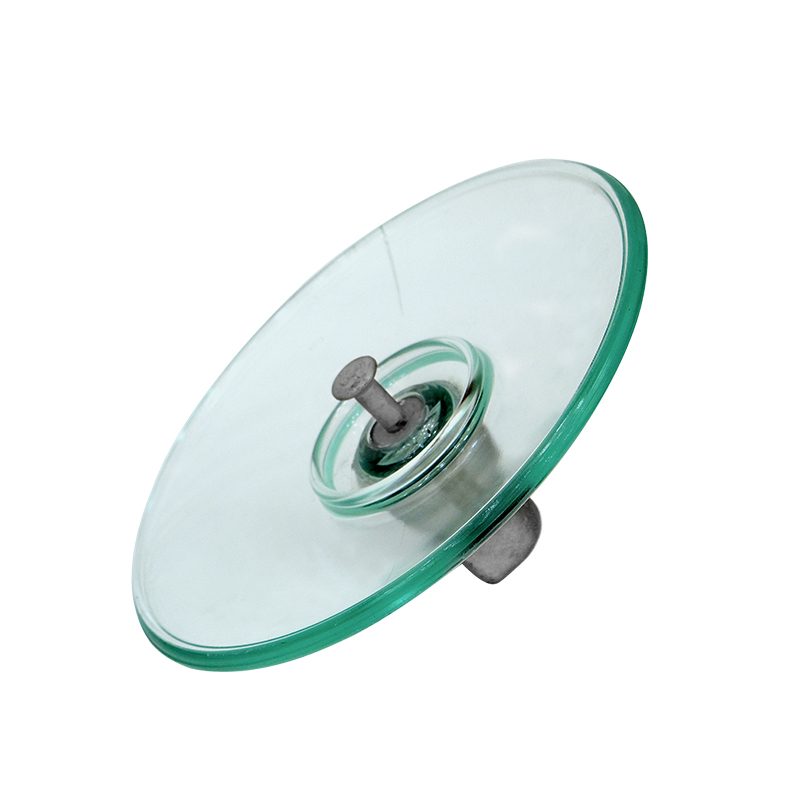
Designed without internal under-ribs and featuring an extended disc diameter to prevent sand and dust accumulation. Best suited for desert regions, arid zones, or dead-end strings to avoid ice-bridging.
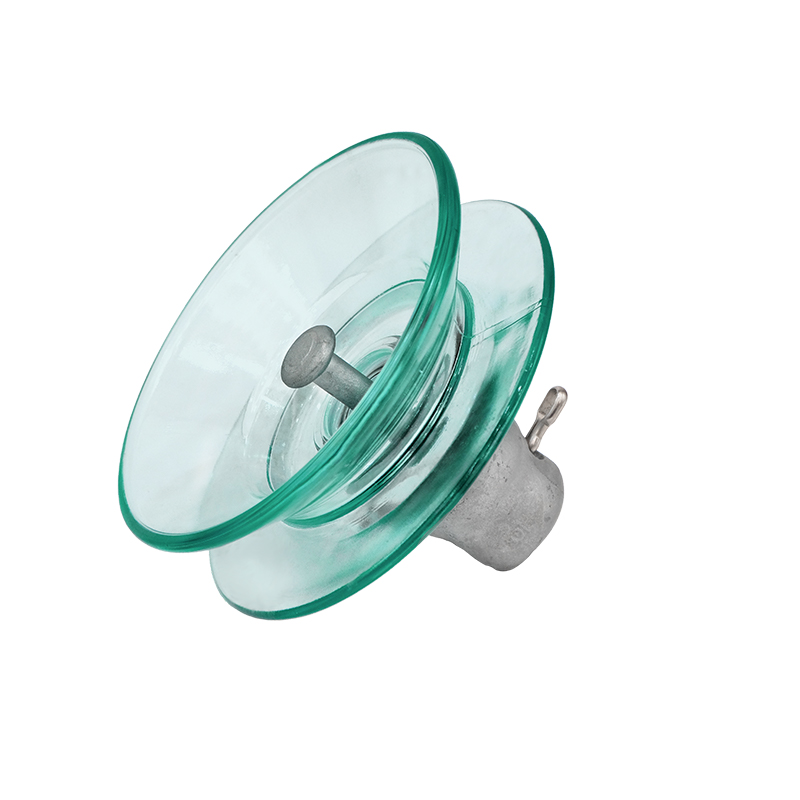
Constructed with dual external ribs that minimize particulate accumulation while allowing manual cleaning in extreme solid pollution conditions. Suited for heavy industrial and saline soil environments.
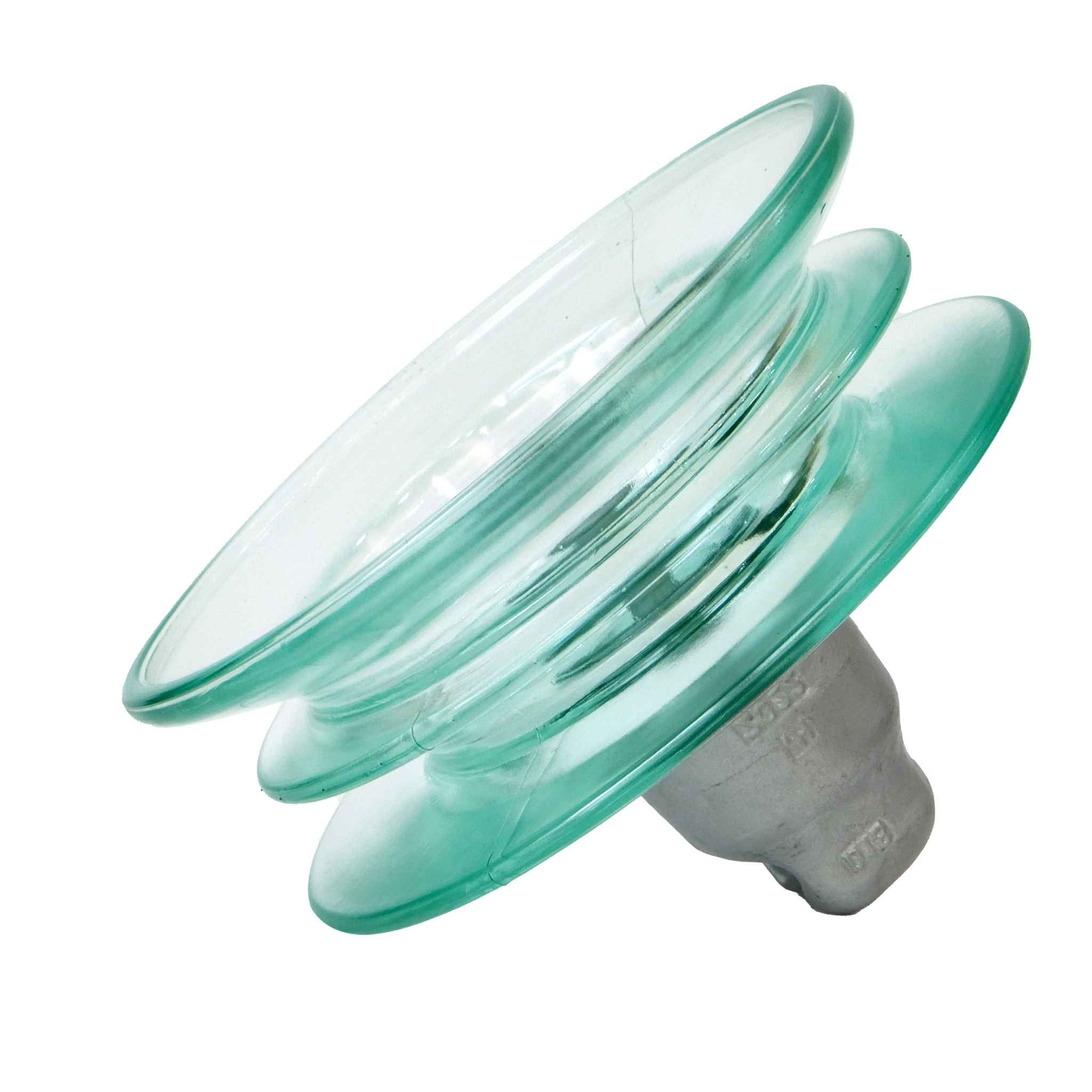
A multi-layer shed design that isolates three separate umbrella discs on the insulating body. Provides high pollution flashover resistance for high-altitude and Ultra-High Voltage (UHV) systems.
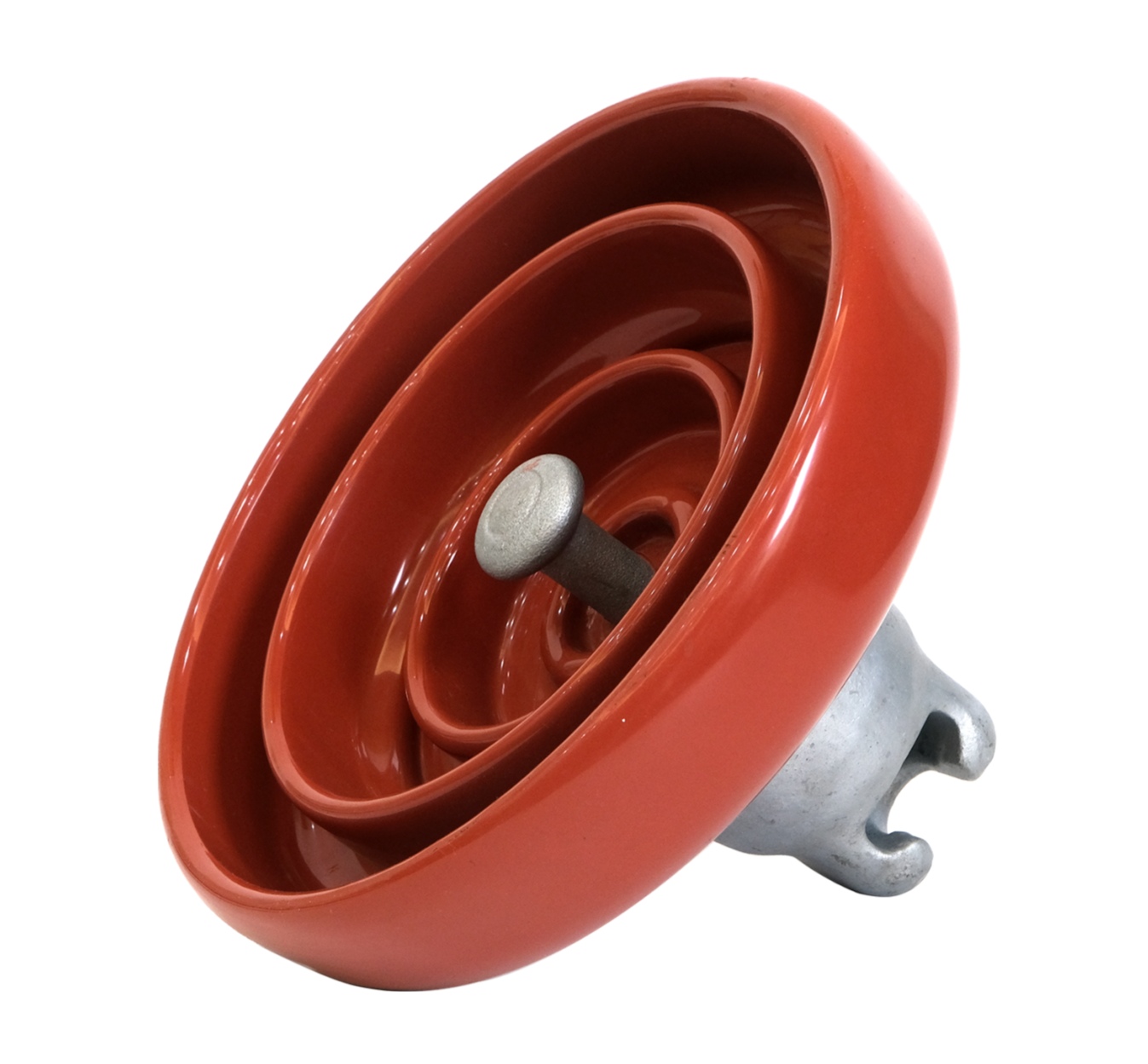
An alternative for heavy pollution areas. A Room Temperature Vulcanization (RTV) silicone layer is applied to the glass shell, transferring hydrophobic properties to the surface contaminants and minimizing leakage currents.
Electric transmission networks span various climates and topographies. Selecting the appropriate insulation profile is crucial for ensuring network availability:
Jiangxi QOCI Electric provides custom configurations matching these environmental criteria, ensuring operational durability under diverse climatic conditions.
The modernization of electrical grids involves rising transmission voltages, including Extra-High Voltage (EHV) and Ultra-High Voltage (UHV) systems. Consequently, glass isolators must meet increasingly stringent mechanical and electrical specifications. The development roadmap focuses on:
QOCI utilizes modern production technology to deliver consistent product quality across all batches.
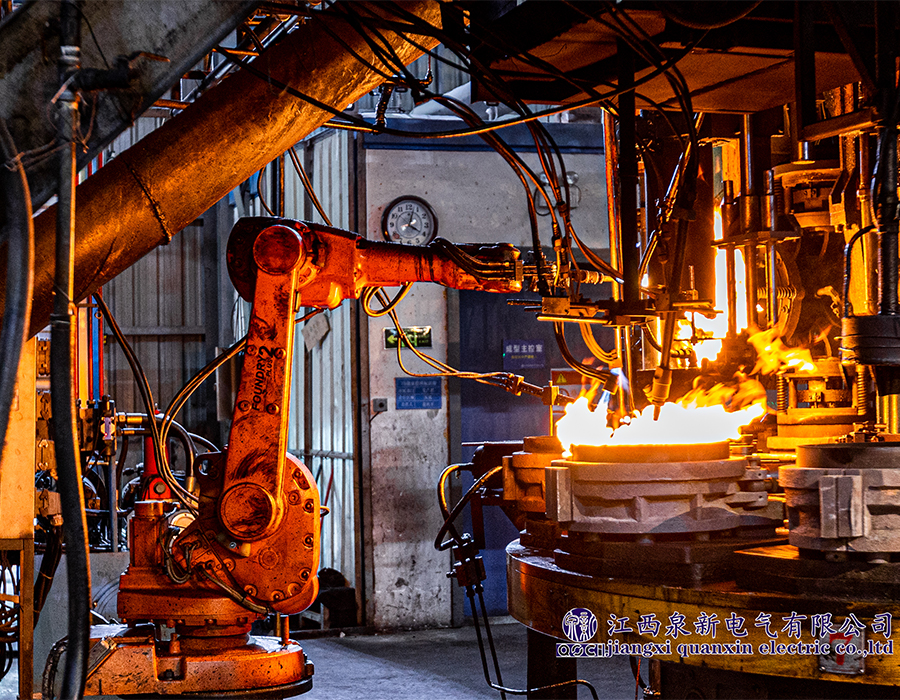
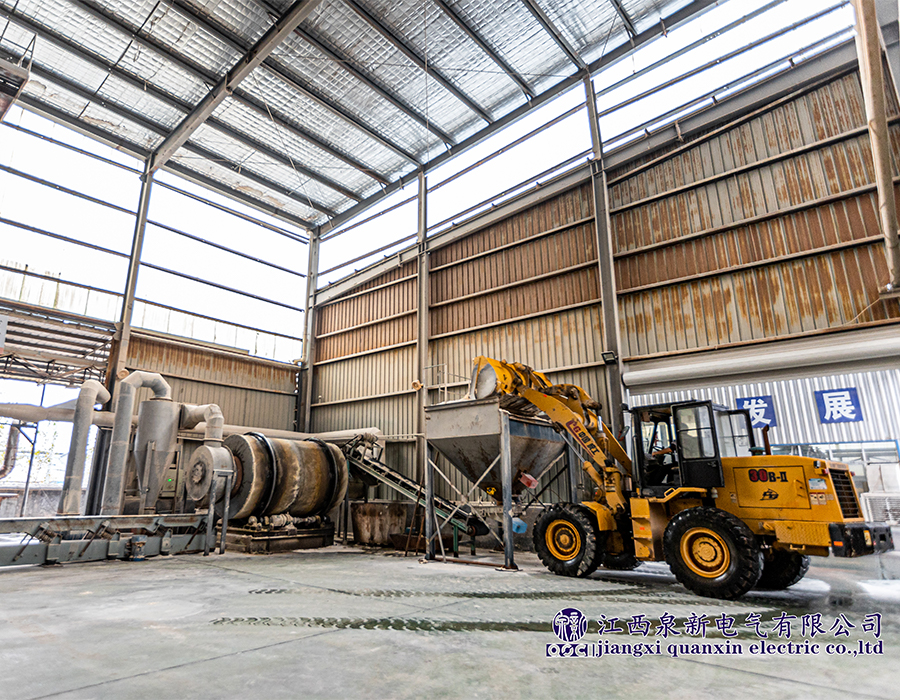
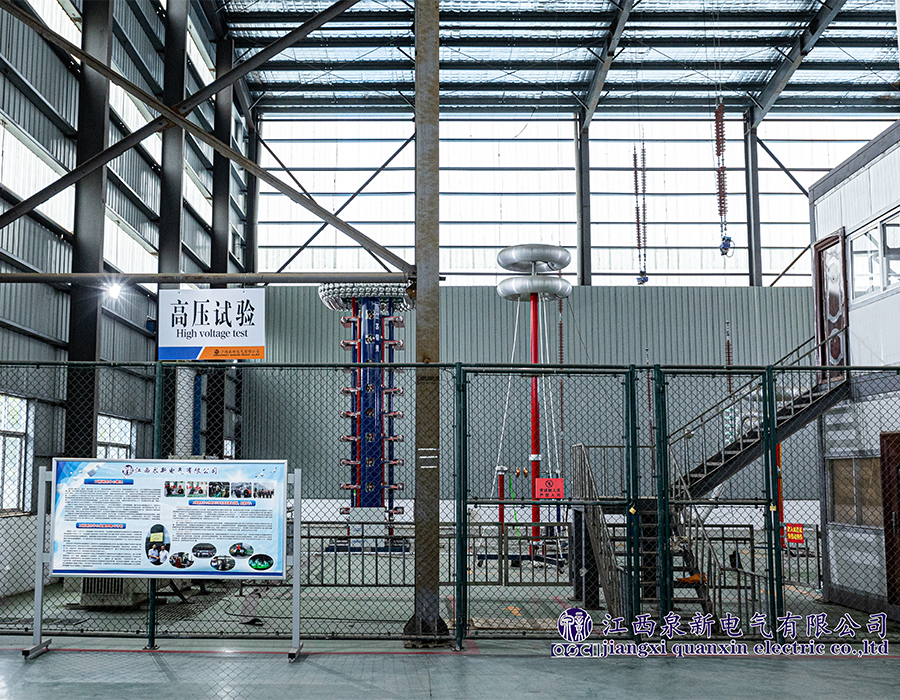
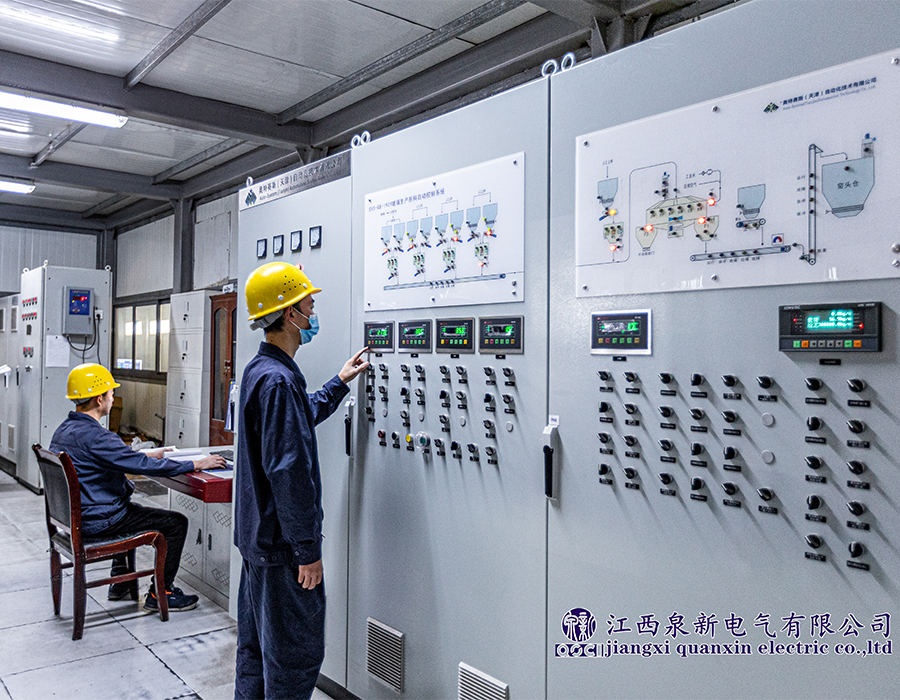
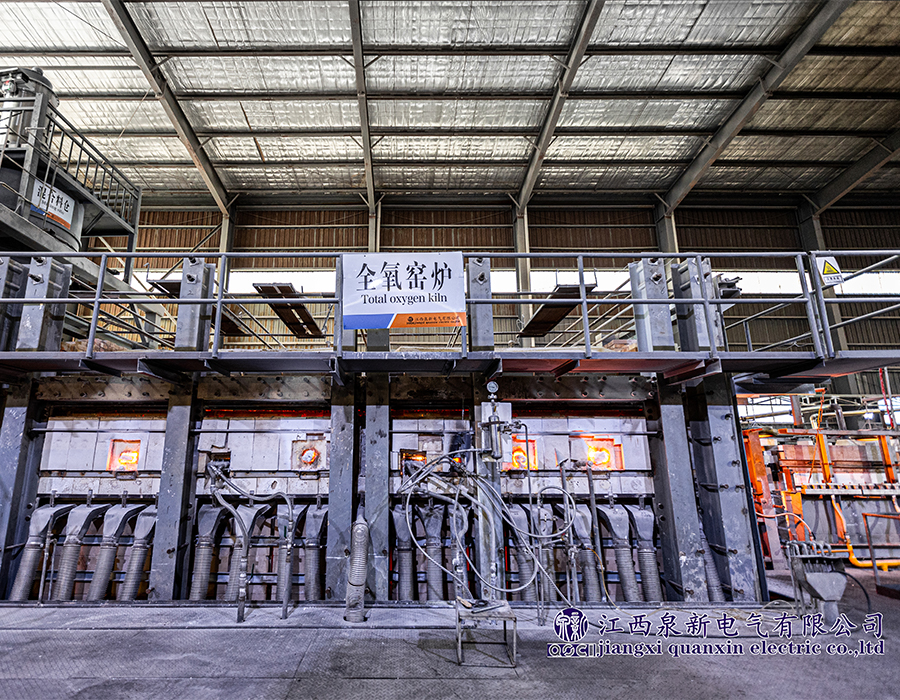
Our products undergo standard testing to comply with international power utility requirements.
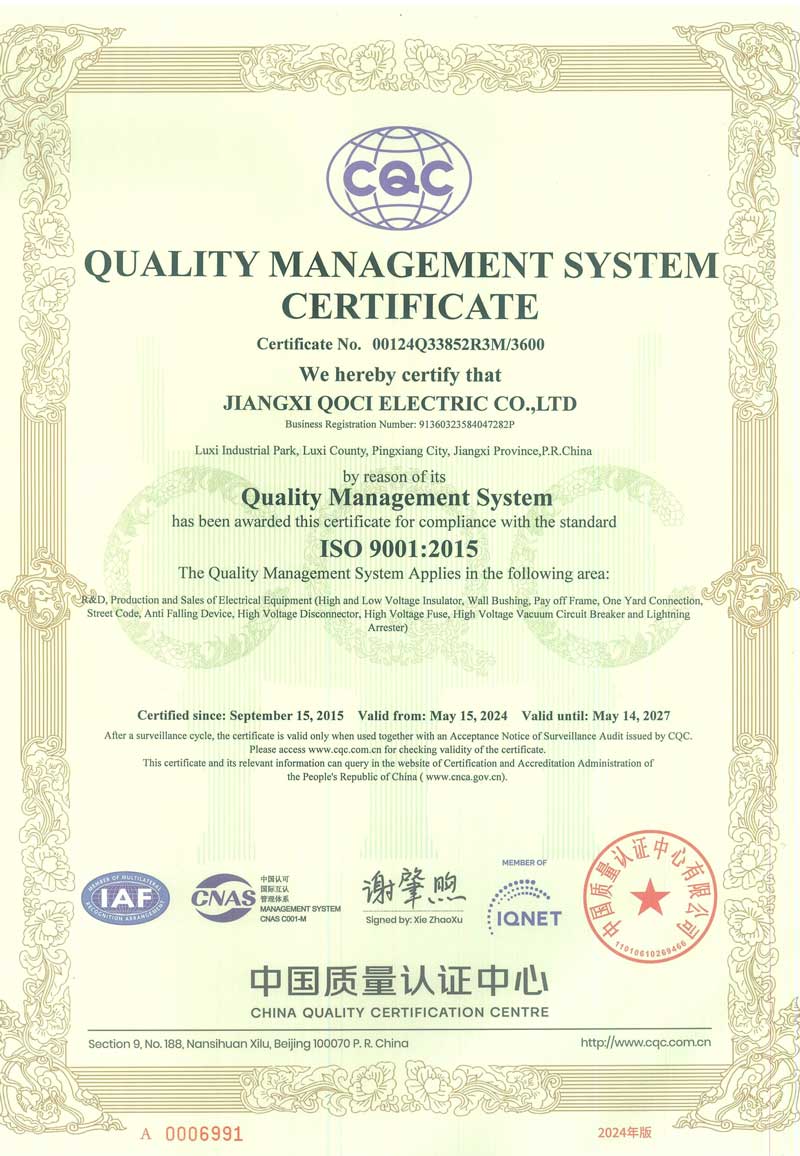
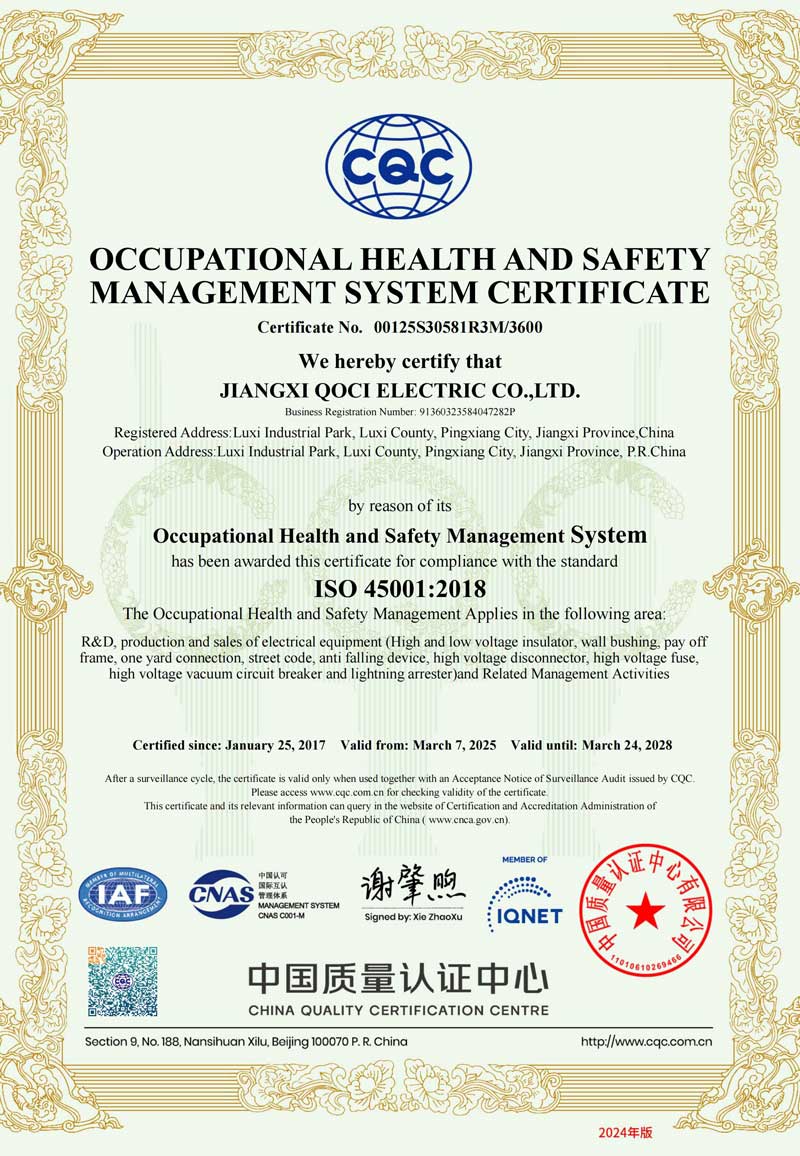
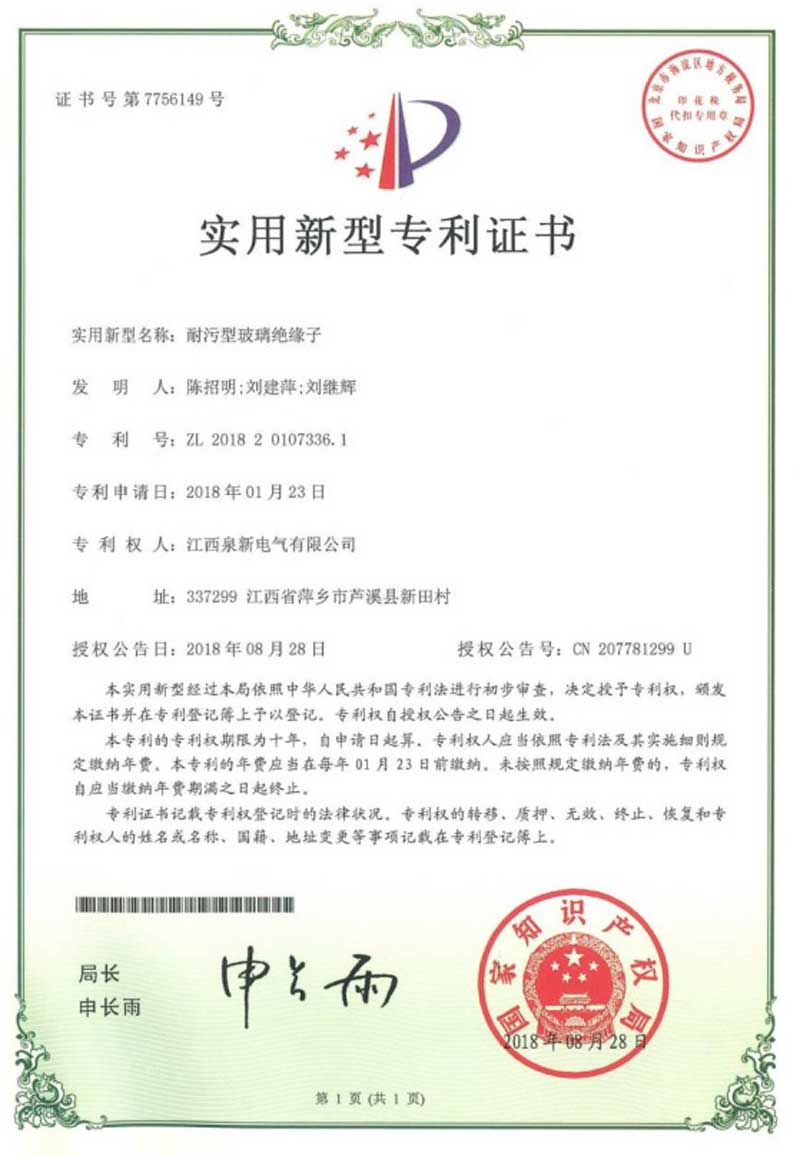
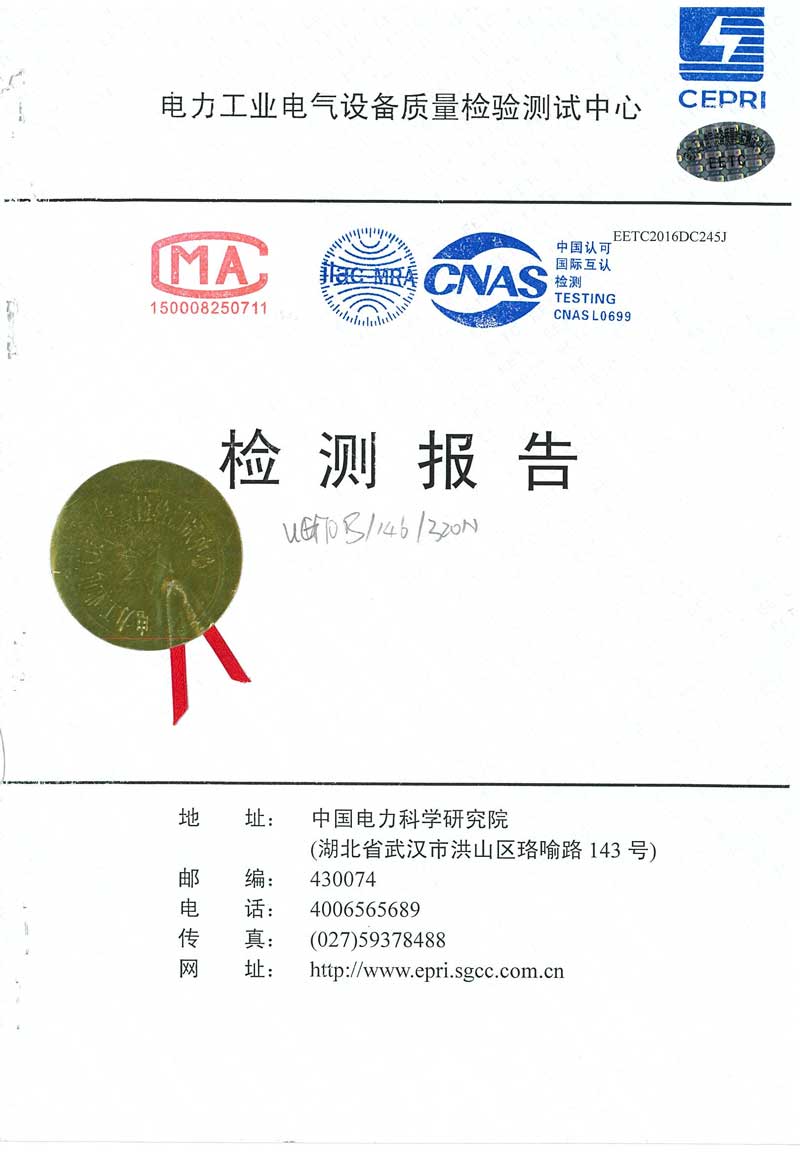
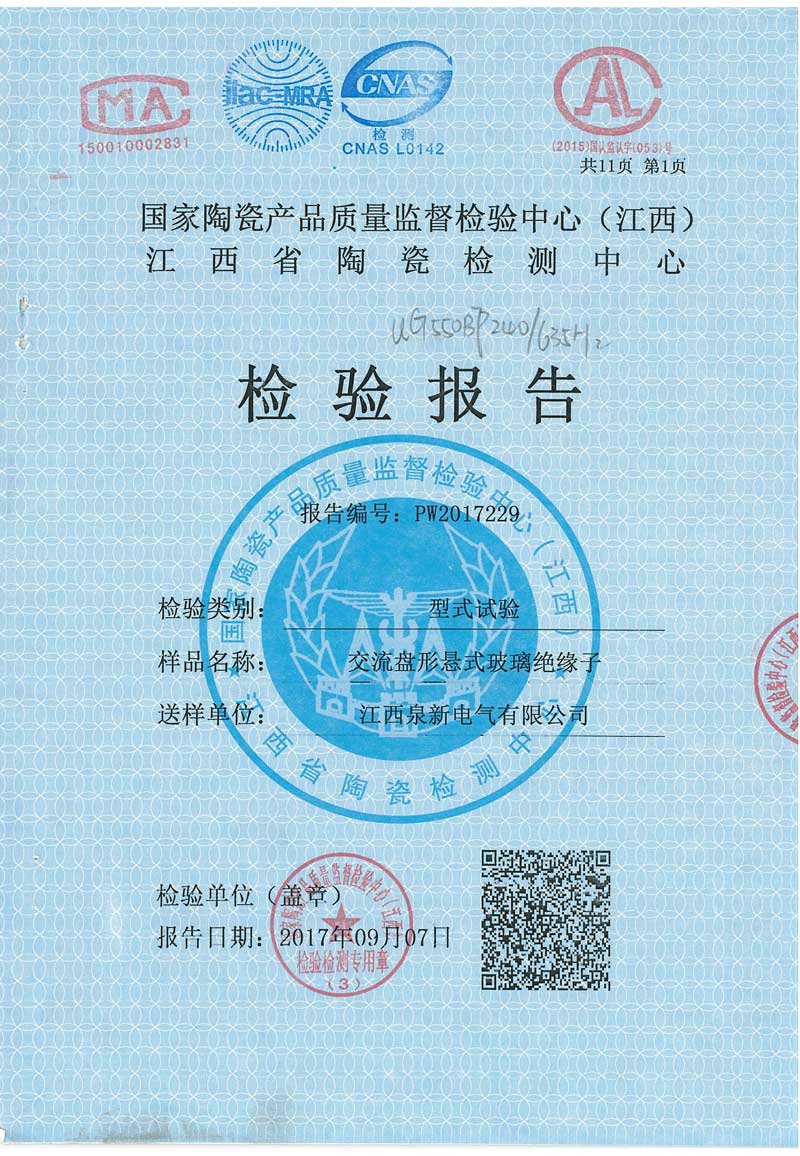
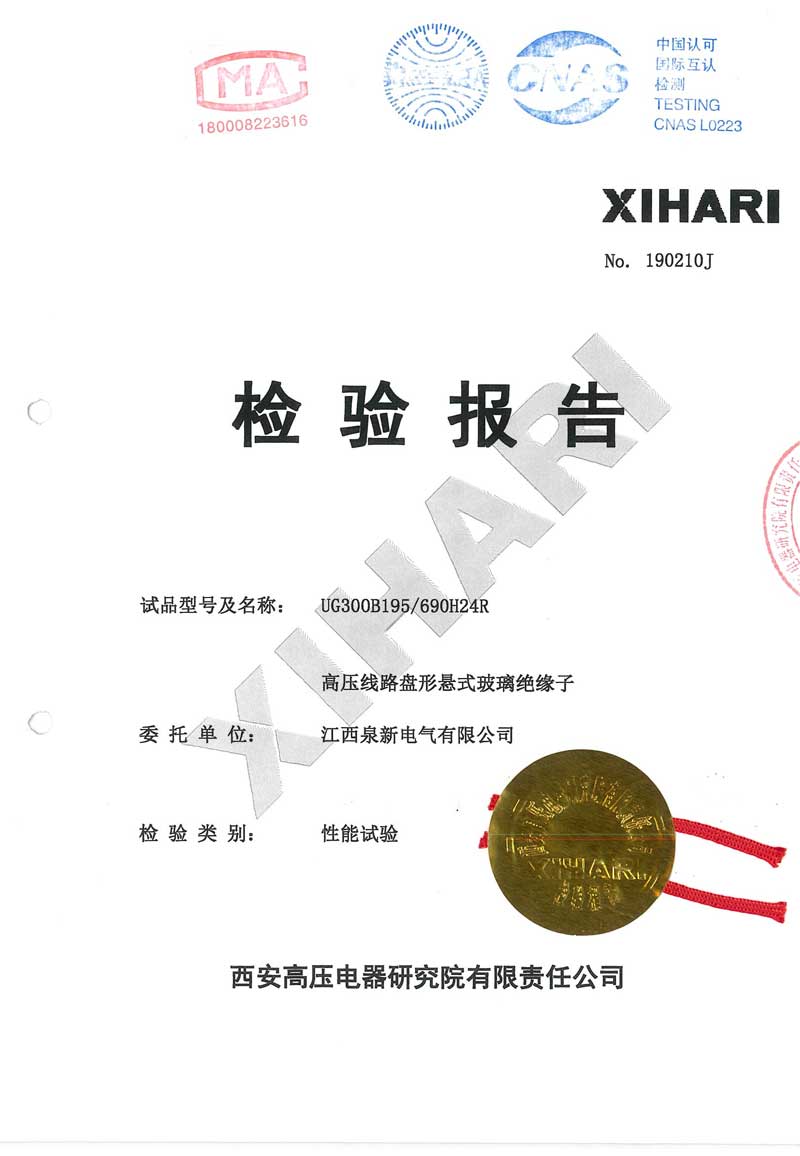
Procurement departments of state-owned grid companies and EPC contractors evaluate multiple factors when sourcing glass isolators. Crucial elements of this evaluation process include:
Jiangxi QOCI Electric provides comprehensive documentation, including type test reports from independent laboratories, ensuring compliance with global utility standards.
To facilitate international projects, QOCI supports local compliance regulations across North America, Europe, South America, and Africa. We offer:
Answers to common questions regarding the installation, testing, and selection of U70BS glass suspension isolators.
Stay informed about QOCI Electric's global projects, technical achievements, and participation in international energy exhibitions.
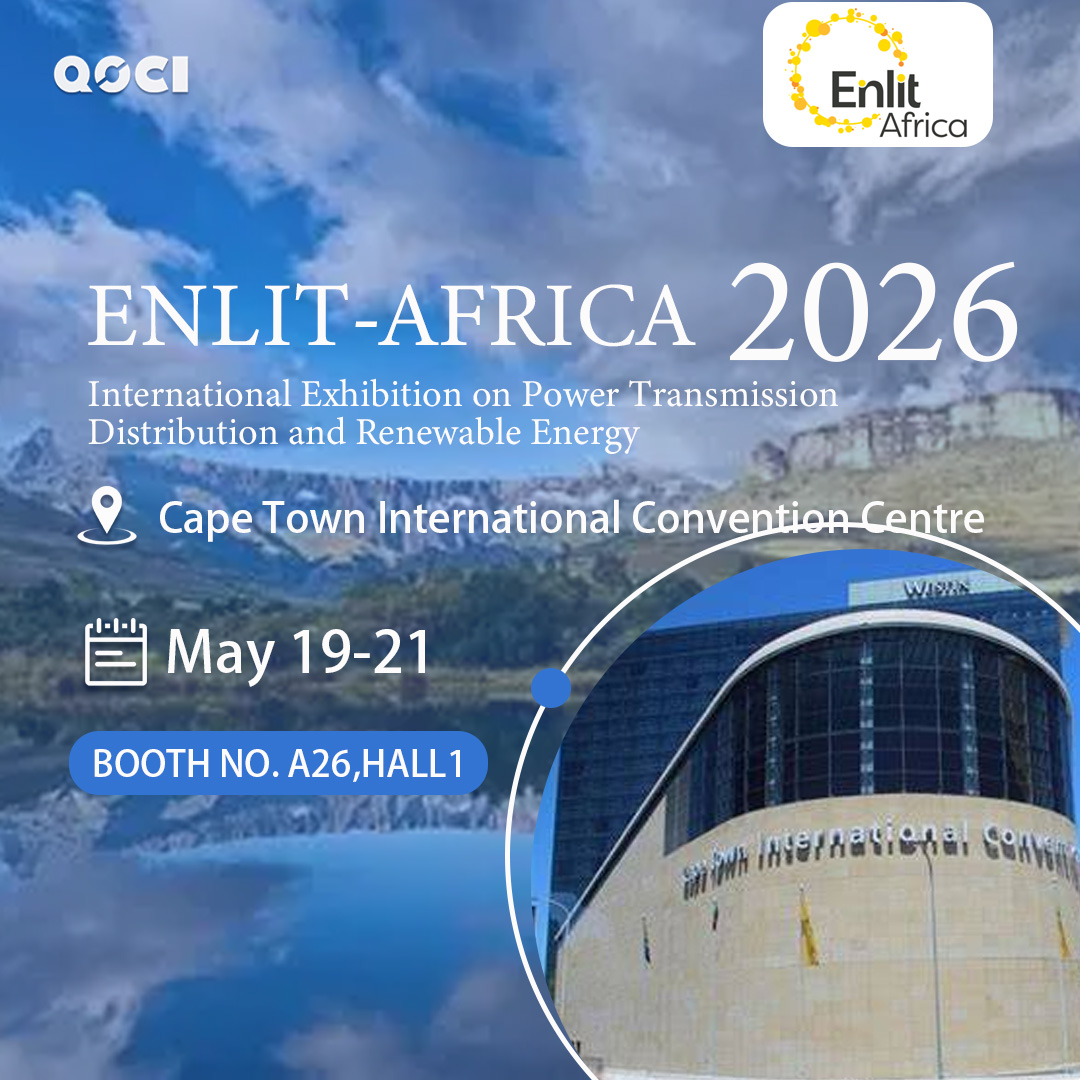
As the global energy transition accelerates, the importance of reliable electricity transmission and distribution infrastructure is growing. QOCI Electric participates in Enlit Africa to showcase its high-voltage glass insulation solutions designed for regional grids.
Withstanding extreme environmental conditions including icing, high altitude, pollution, earthquakes, and typhoons, China's insulator industry supports international grid networks.
QOCI Electric presents its range of tempered glass suspension and post insulators at the IEEE PES T&D Conference, highlighting products designed to meet ANSI standards.
Confirming participation in regional energy forums, QOCI Electric presents its transmission line solutions to support infrastructure development in the Middle East.
QOCI supports regional utilities and grid construction projects globally.

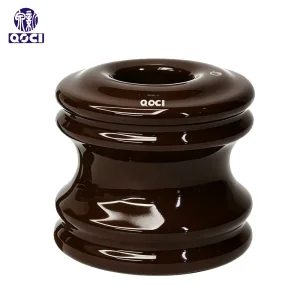
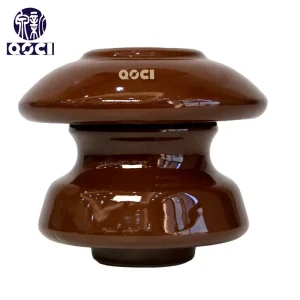
Browse our complete list of toughened glass, porcelain, and special distribution components.