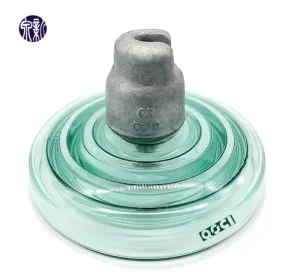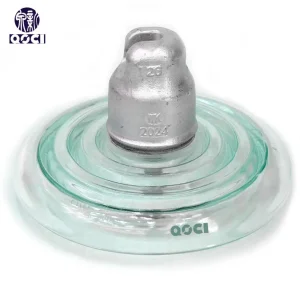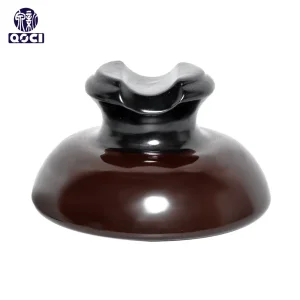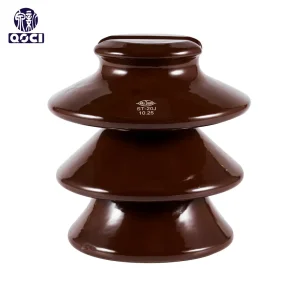
Explore our premium high-voltage suspension glass and porcelain insulators engineered for extreme mechanical and electrical resilience.
Founded in December 2002 with a substantial registered capital of 508 million Yuan, Jiangxi QOCI Electric Co., Ltd. has established itself as an authoritative leader in high-voltage electrical insulation manufacturing. Spanning an expansive 70,000 m² (100 mu) production facility in the industrial zone of Luxi County, Pingxiang, Jiangxi Province, our manufacturing efficiency and scientific breakthroughs deliver state-of-the-art power distribution solutions globally.
We are dedicated to serving world-class power grids, actively participating in the rapid construction of green energy networks, and ensuring operational grid safety. Our manufacturing philosophy is anchored on absolute responsibility as the cornerstone of premium product quality.
A comprehensive whitepaper review on shackle insulators and high-voltage insulating components in modern power systems.
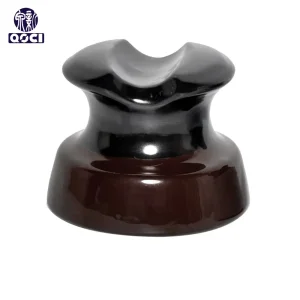
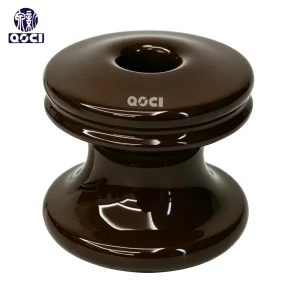
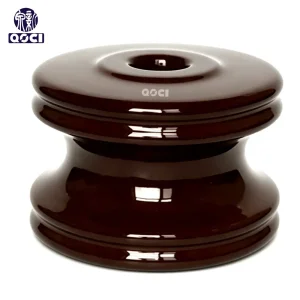
Shackle insulators (frequently categorized as spool insulators under the ANSI classification) represent crucial mechanical and electrical anchoring points in low-to-medium voltage electrical networks. Commonly operating on overhead lines below 33kV, shackle insulators are uniquely designed to resist significant mechanical tension while preventing electrical leakage. They are frequently installed at pole ends, sharp curves, or corner joints to support distribution conductors securely. Modern urbanization and the rapid expansion of smart grids demand robust shackle insulator materials—most notably high-strength porcelain and toughened glass—to ensure resilience against mechanical load fluctuations, wind-induced vibrations, and atmospheric pollution.
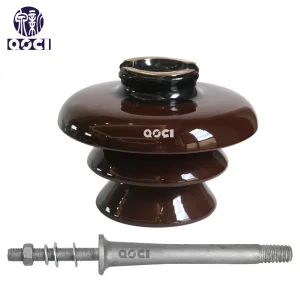
International procurement groups place high priority on compliance with international standards such as IEC 60383, IEC 60305, ANSI C29.3 (for spool insulators), and ANSI C29.2 (for wet-process porcelain insulators). Mechanical strength ratings ranging from 70kN to 420kN dictate the service life of suspension glass disks on high-voltage transmission lines. For low-voltage distribution, the creepage distance, dry/wet power-frequency flashover voltages, and dimensional tolerances under ANSI 53-2 and 53-4 specifications represent critical technical indicators. Delivering high-quality products that meet these stringent parameters protects grid operations against unexpected outages and equipment degradation.
Understanding advanced aerodynamic designs, insulation materials, and targeted ecological applications.
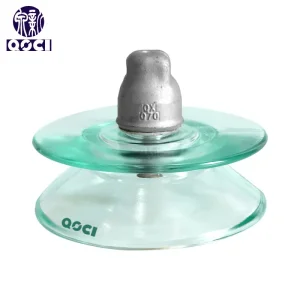
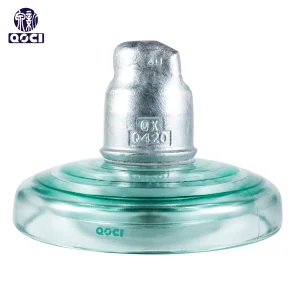
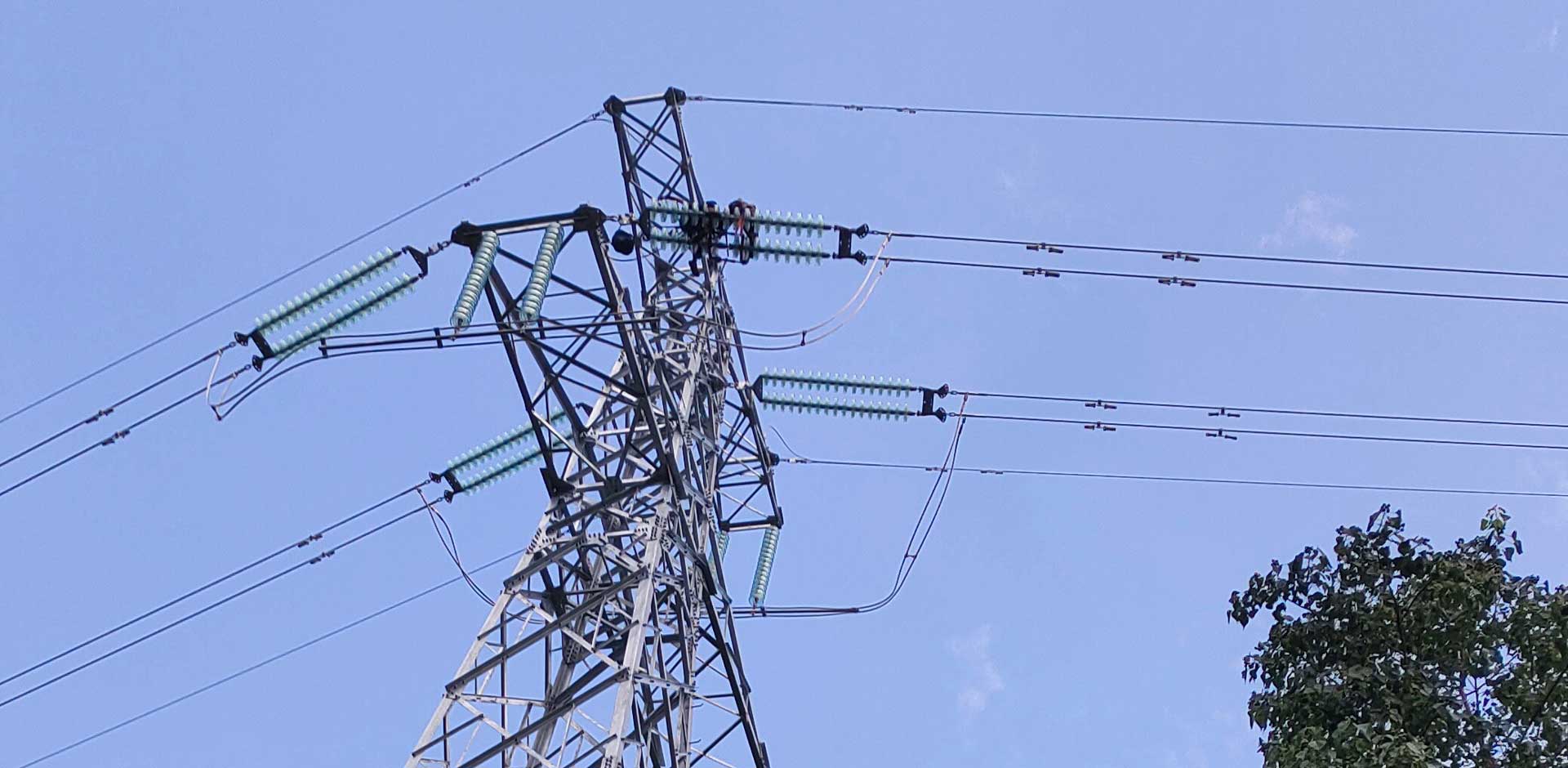
Designed with shallow, well-spaced small ribs, achieving leakage distances that exceed standard values outlined in IEC 60305. Excellent natural self-cleaning properties utilizing wind and rain to strip away light atmospheric dust.
Characterized by elongated, widely spaced under-ribs to prevent electrical arc bridging. Boasts a high leakage distance/spacing ratio (~3.2), making it the prime option for saline coastal environments and heavily polluted industrial sites.
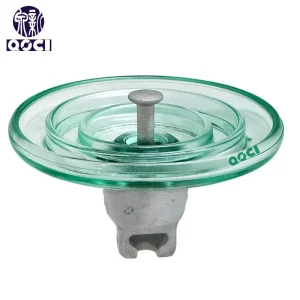
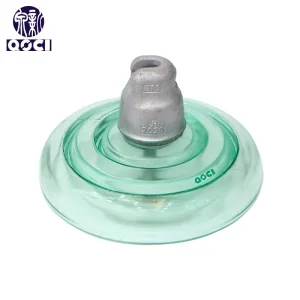
Designed without internal under-ribs to minimize solid pollution accumulation (such as sand and industrial soot) in desert and dry zones. Highly effective in mitigating ice-bridging issues on dead-end insulator strings.
Features two distinct external ribs that facilitate wind self-cleaning and manual maintenance access. Ideal for agricultural areas or regions subject to dry dust accumulations and heavy chemical particulates.
Three layers of isolated umbrella discs offer exceptional creepage distances. Prevents pollution flashover in extreme conditions, serving as a vital choice for UHV/EHV (Ultra-High Voltage) lines in complex terrains.
Combines the physical strength of tempered glass with the superior hydrophobicity of silicone. Drastically reduces leakage current, lowering maintenance overheads by eliminating the need for periodic manual washing.
Engineered to interface with grounding systems, diverting lightning strikes and surges away from key grid lines to safeguard downstream electrical apparatus.
Our solutions adapt to the diverse technical challenges faced by global utilities and industrial developers.
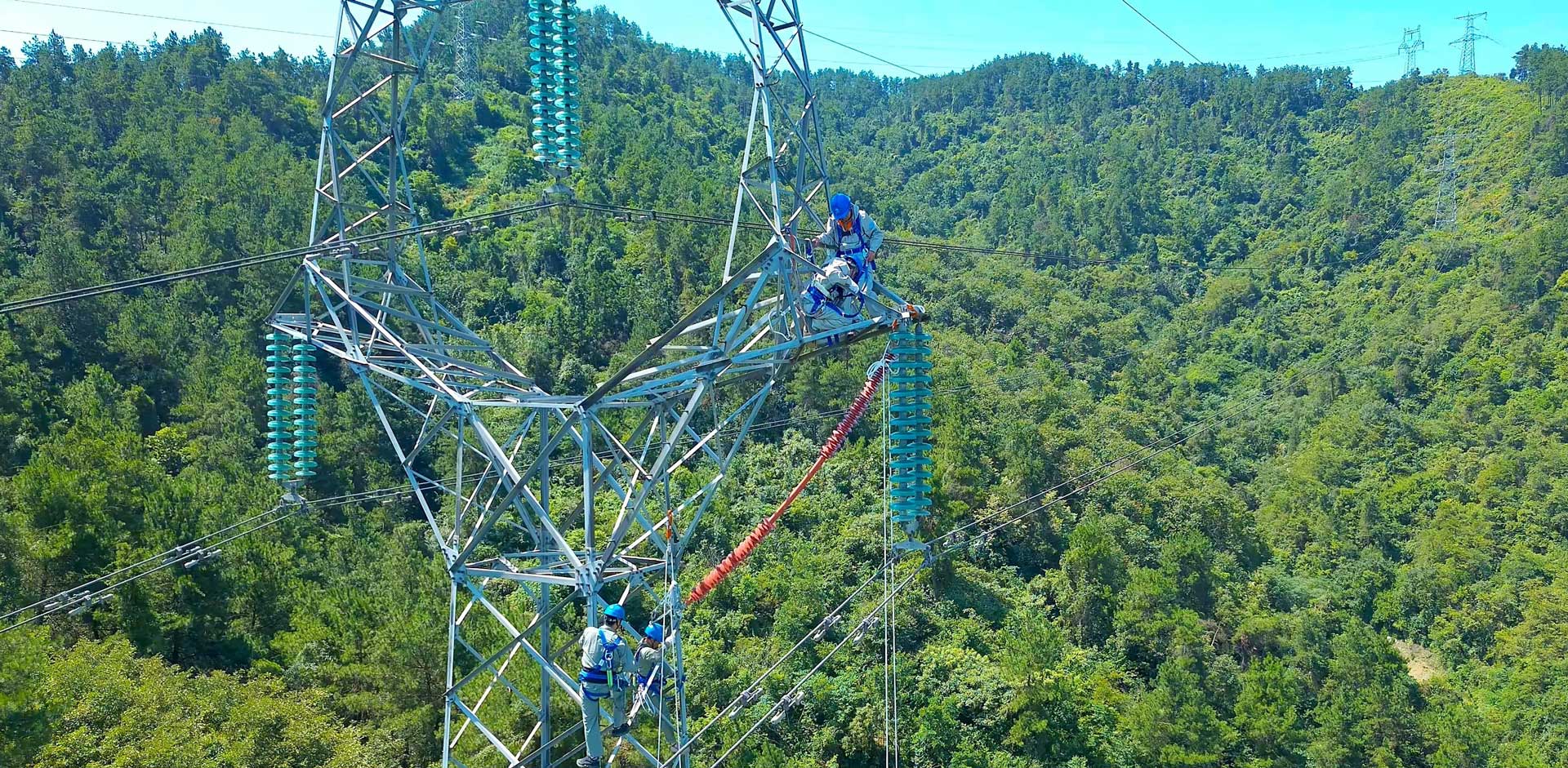
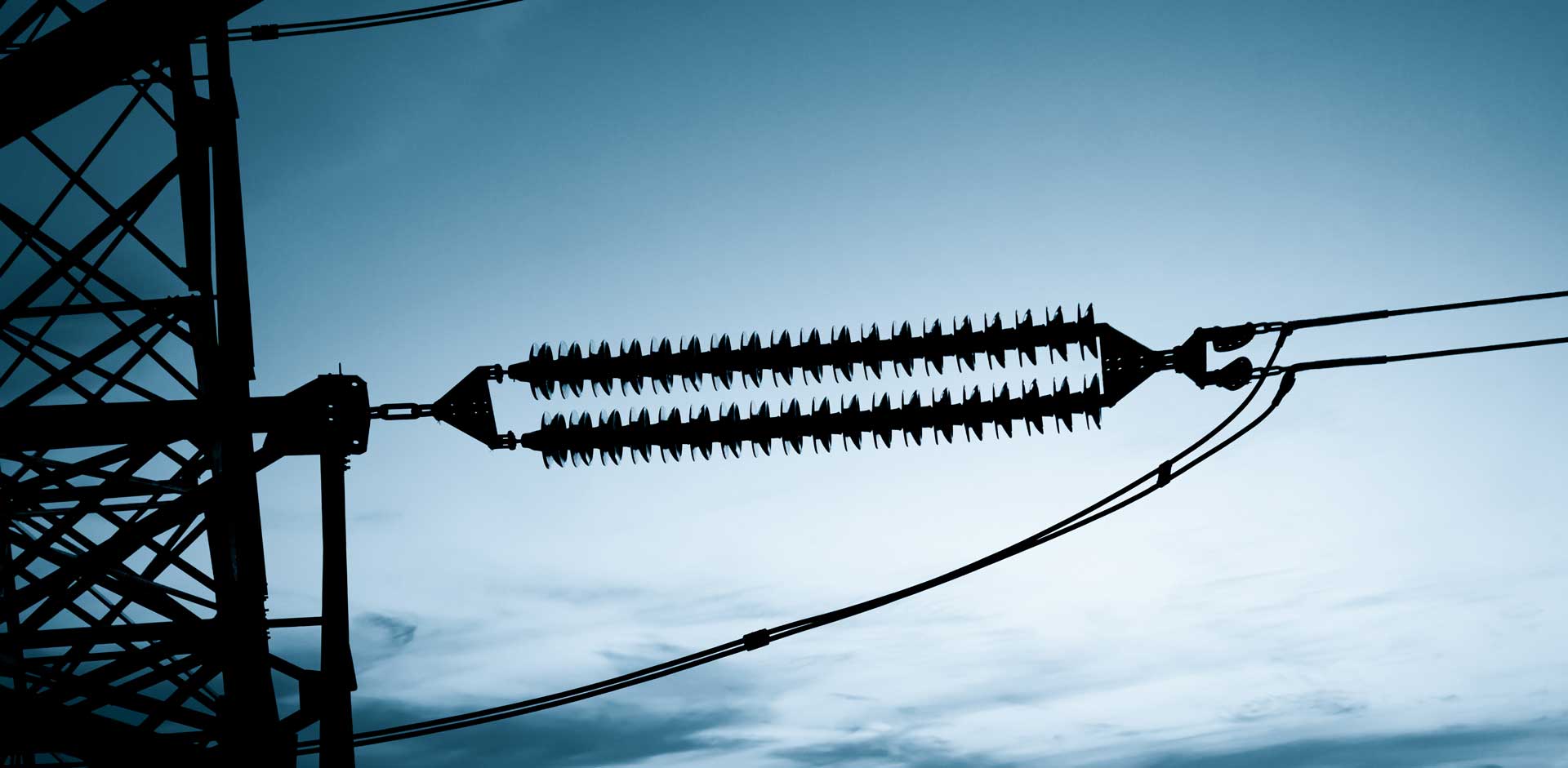
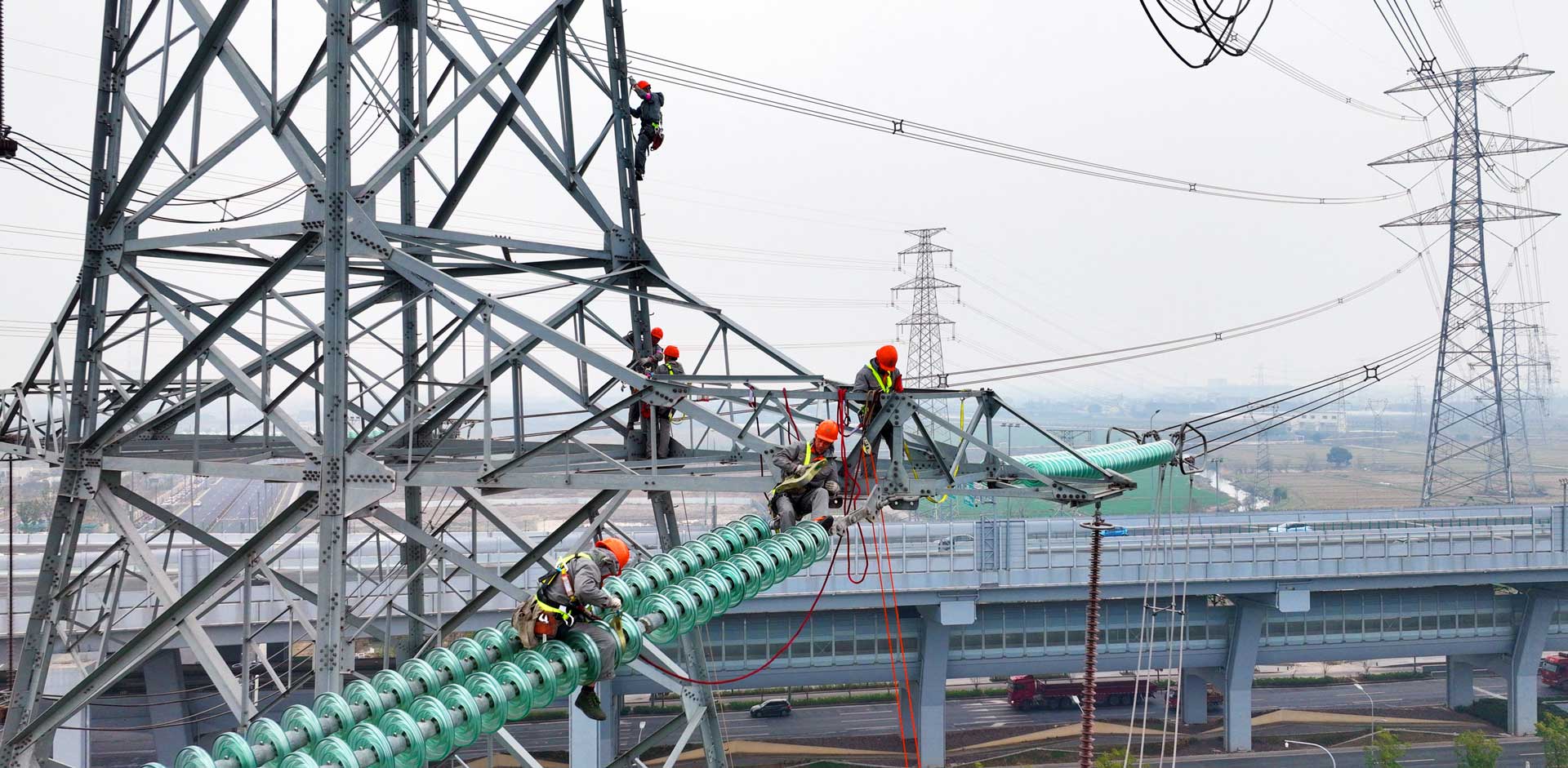
Leveraging state-of-the-art automation and advanced raw material management in Pingxiang, China's porcelain capital.
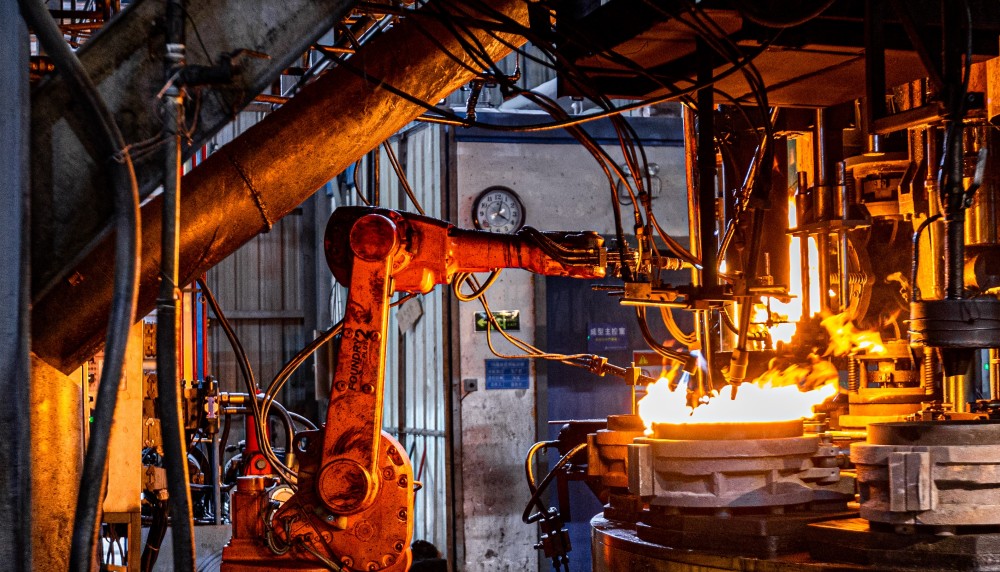
The Jiangxi region, and specifically Pingxiang, is globally renowned for its deeply integrated industrial supply chain in electrical ceramics and glass insulators. As a primary manufacturer, Jiangxi QOCI Electric Co., Ltd. benefits from localized raw material sourcing, lowering overall material procurement costs without compromising purity. Our factory features automated forming presses and a high-efficiency total oxygen kiln that ensures uniform temperature control, crucial for producing toughened glass structures devoid of internal microscopic voids.
Our complete automated production system guarantees rapid order turnaround, reliable bulk supply, and consistent quality across batch operations. By streamlining operations and utilizing automated testing systems, we deliver cost-effective solutions while maintaining high performance standard compliance.
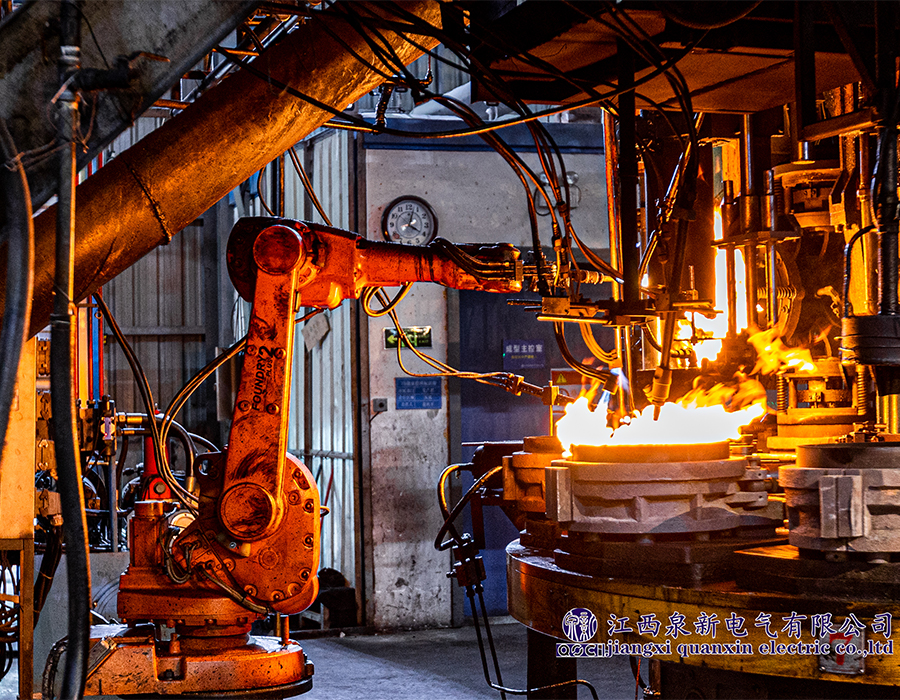
High-precision hydraulic presses ensure uniform density and dimensional stability in both porcelain and glass insulator blanks prior to curing.
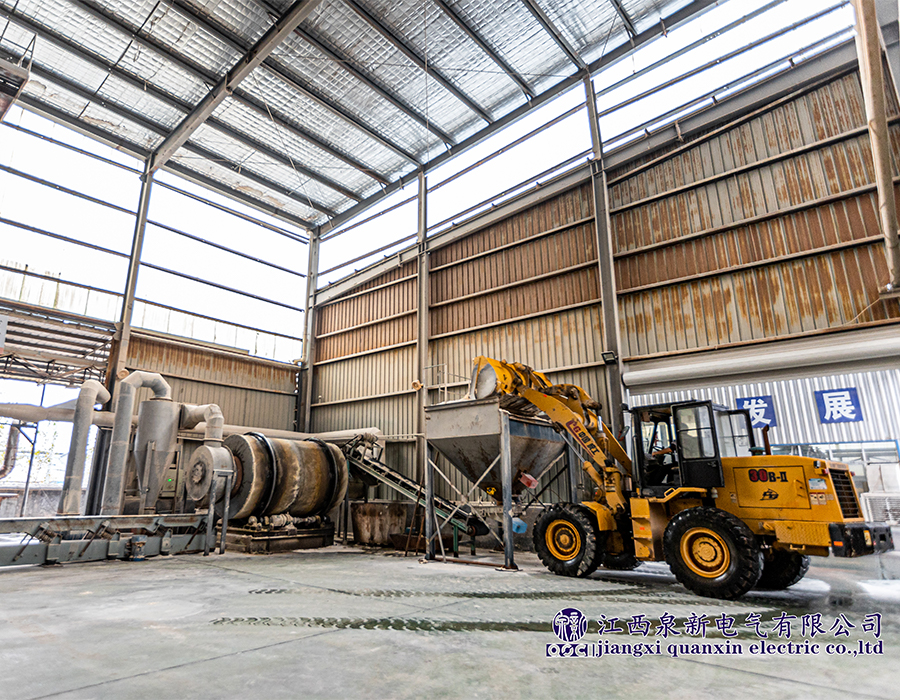
Strict controls govern raw mineral ratios, eliminating structural impurities to assure superior dielectric strength.
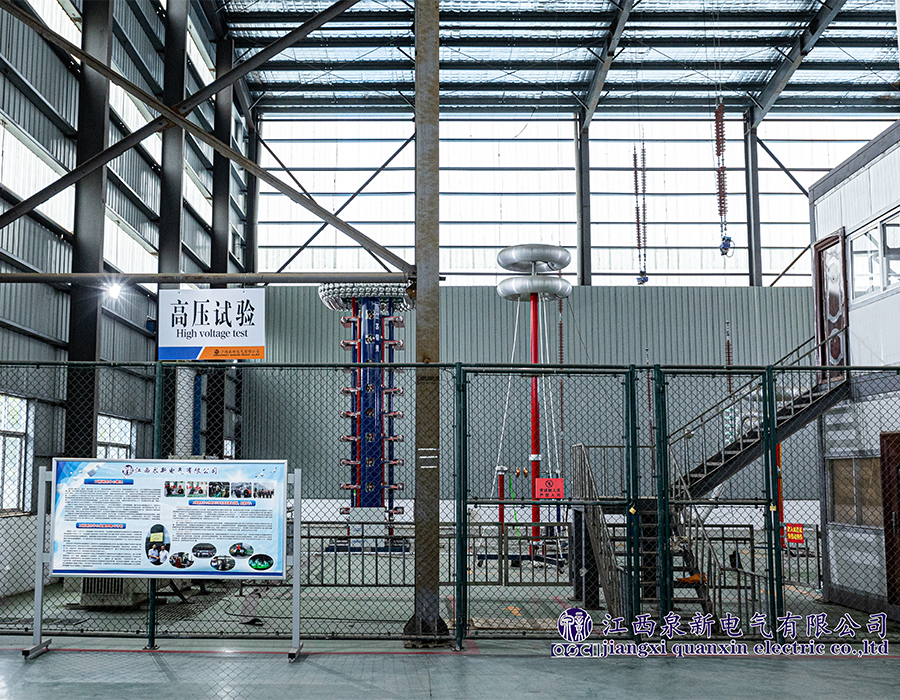
Every production batch undergoes dry/wet power-frequency withstand, impulse voltage, and mechanical load stress tests.
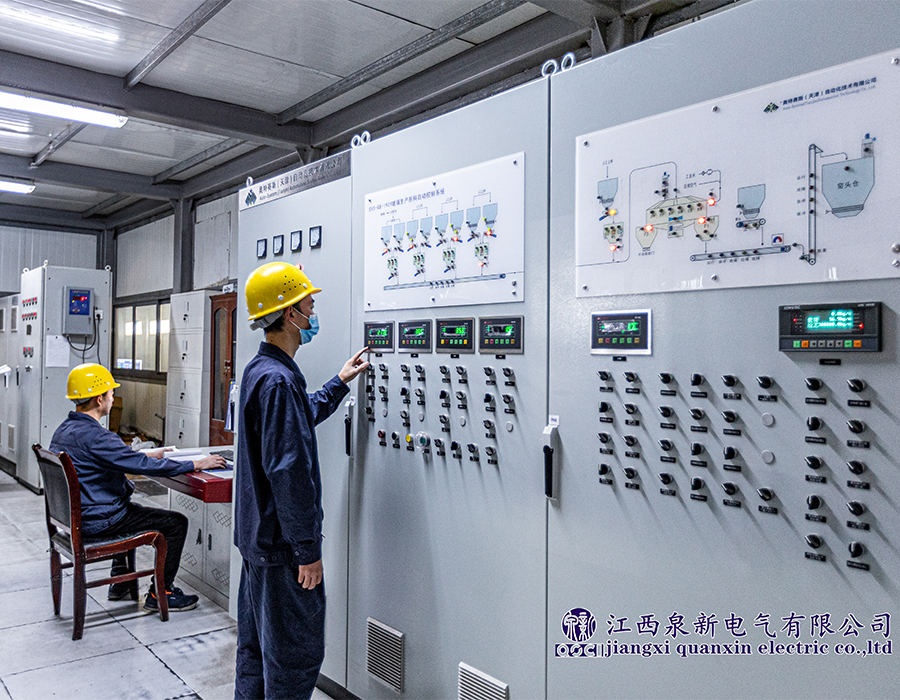
Sourcing high-purity quartz, feldspar, alumina, and specialized glass cullet to ensure optical clarity and mechanical resilience.
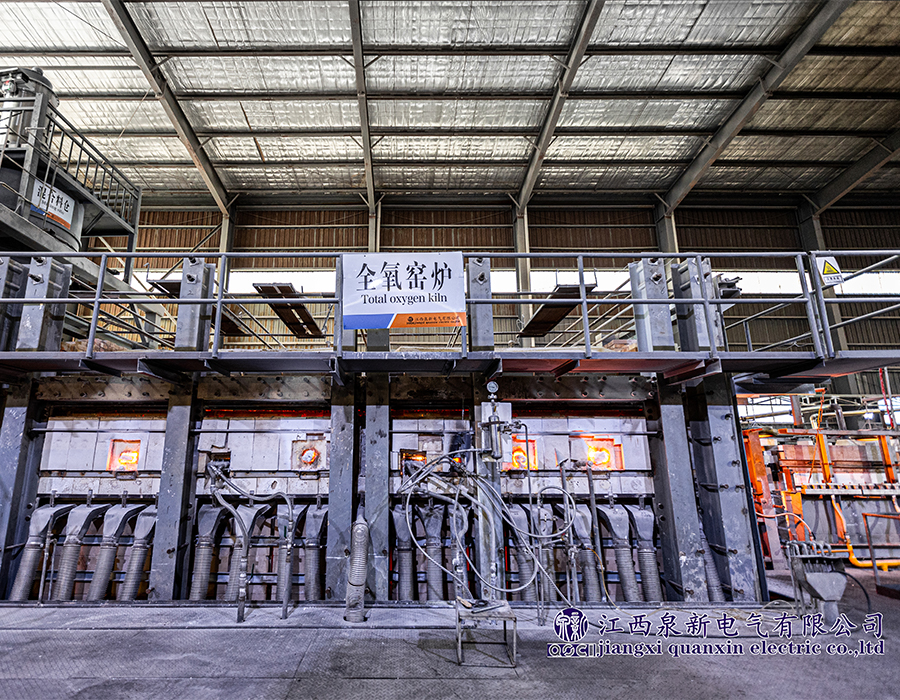
Optimized thermal processing reduces internal stresses in glass and porcelain products, minimizing on-line self-shattering incidents.
Our global operations are backed by strict quality certifications and strong relationships with domestic and international utilities.
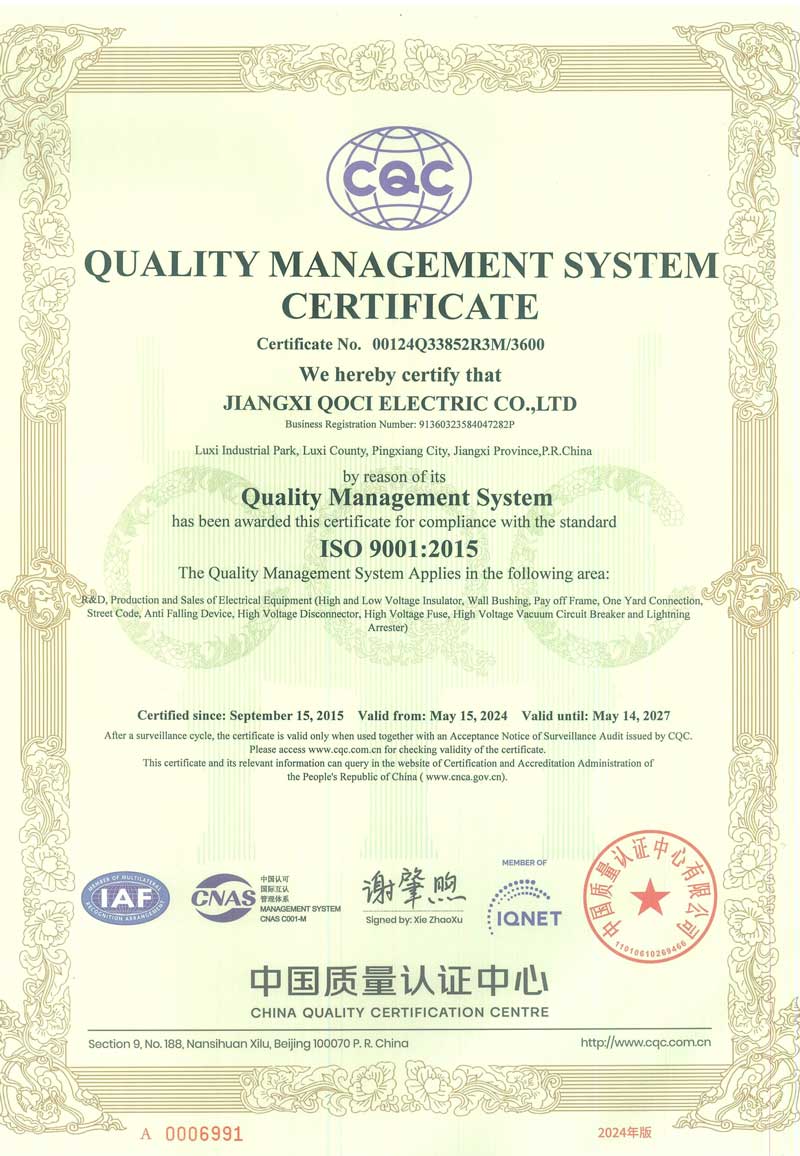
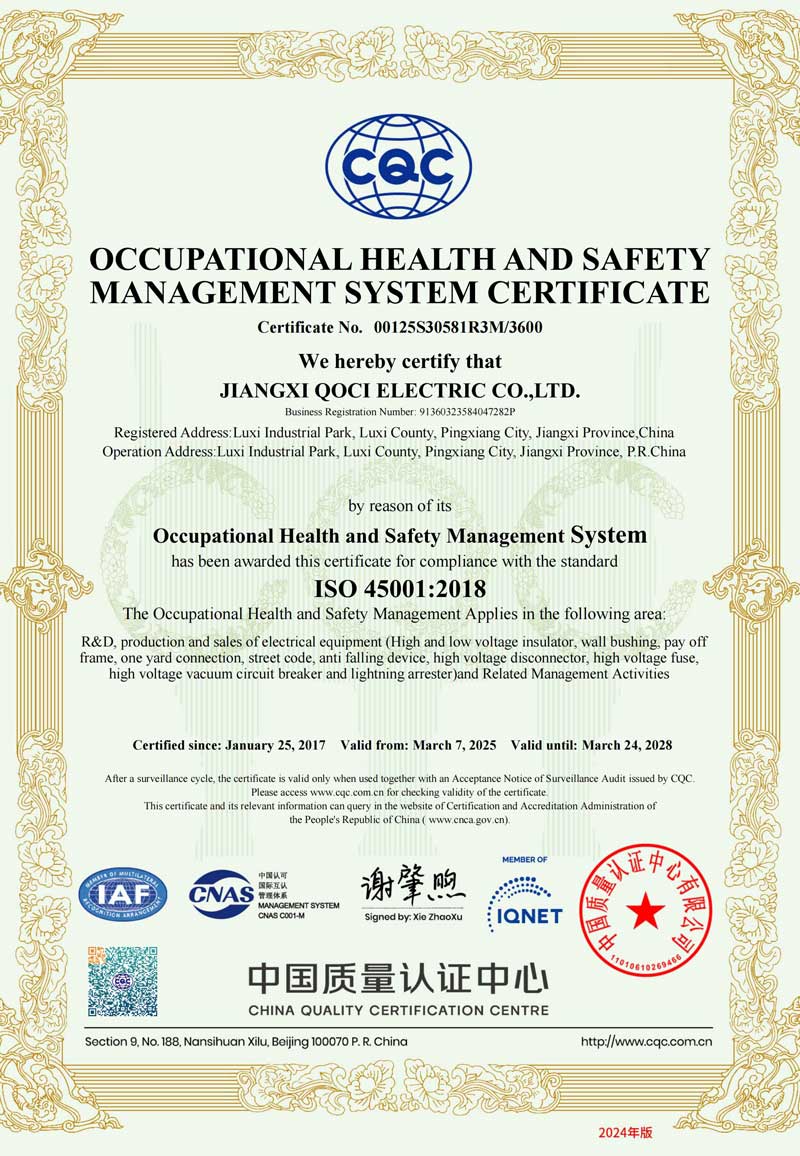
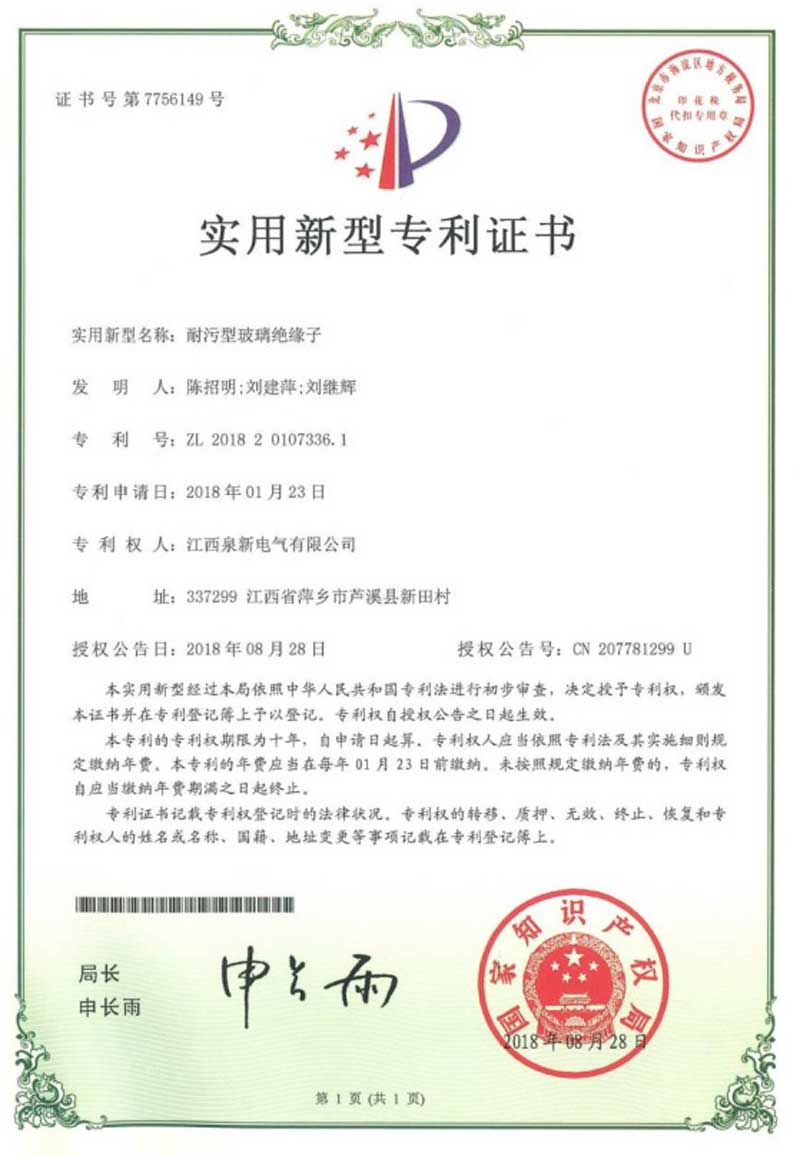
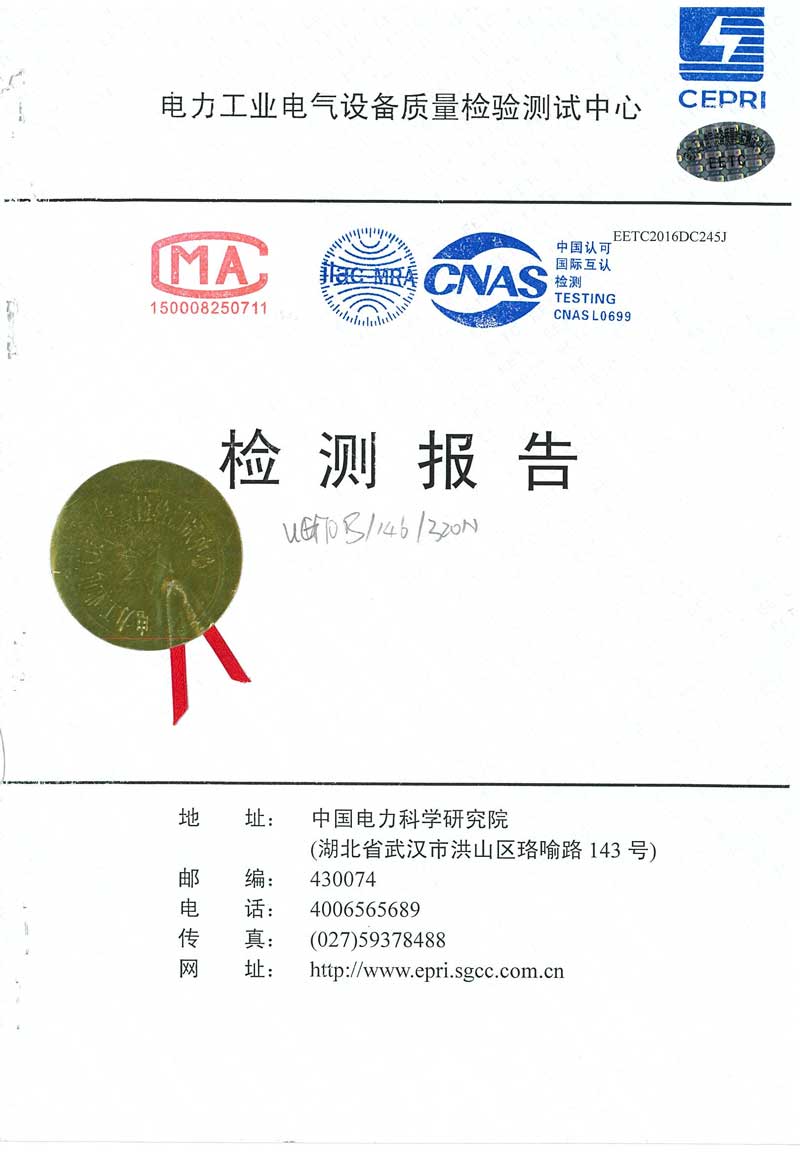
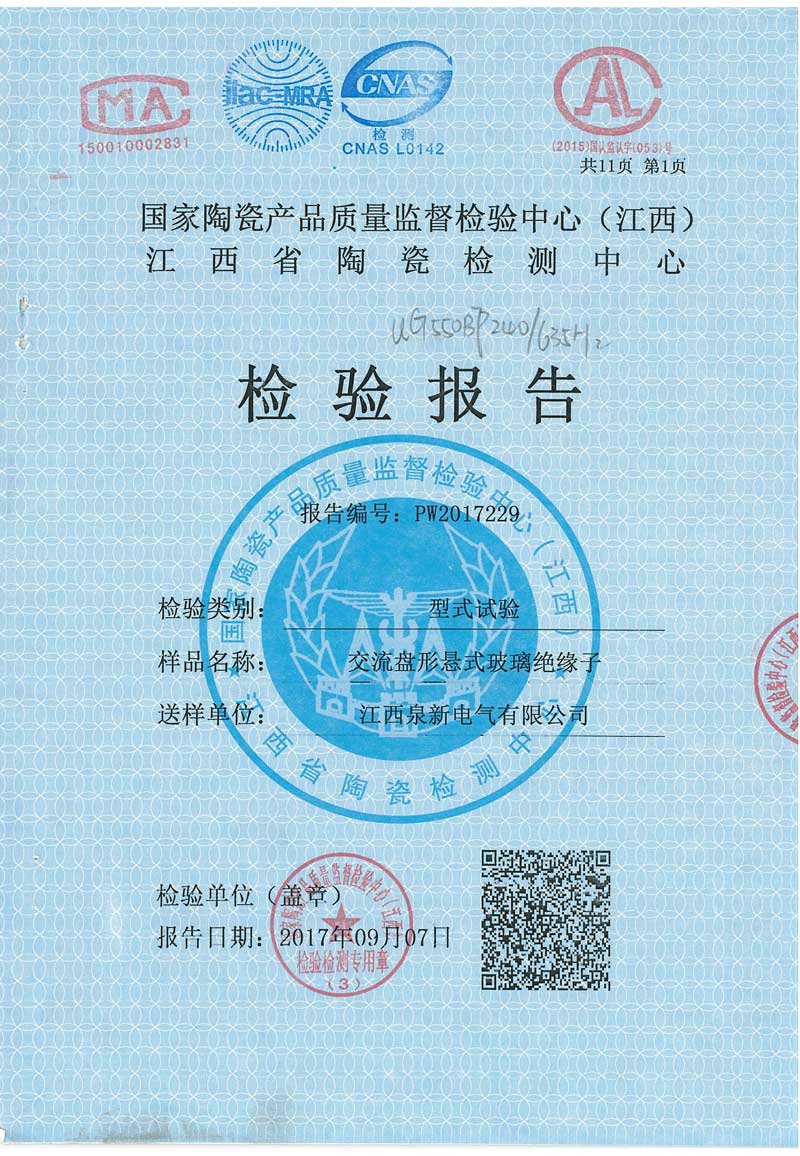
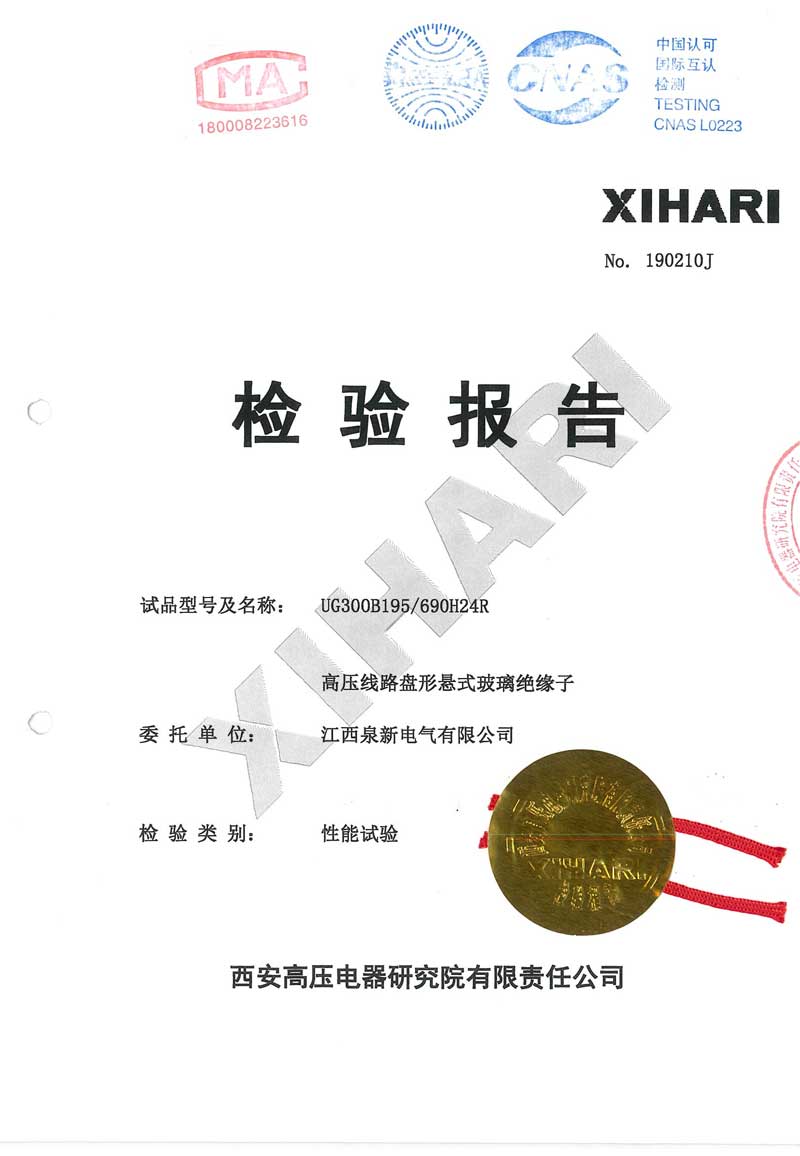
Important criteria for utility managers and distribution network operators sourcing high-quality products.
Grid expansion, coupled with integration of renewable energy sources, is prompting electric utilities to modernize aging distribution lines. Shackle and spool insulators, as the baseline distribution components, are experiencing stable demand growth. When procuring, international companies prioritize suppliers capable of offering extensive custom specifications (e.g., customized zinc sleeve thickness, specialized cap dimensions, and custom RTV coating thicknesses) to match local weather realities.
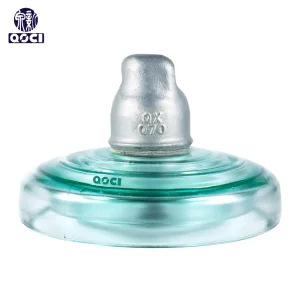
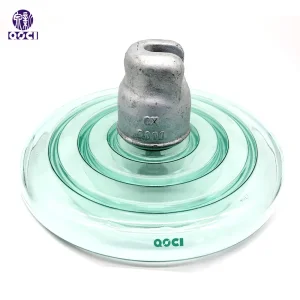
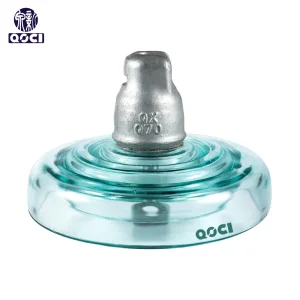
Toughened glass disc suspension insulators are increasingly favored over porcelain equivalents on high-voltage transmission lines. Glass insulators offer a visible advantage: when damaged, the tempered glass shell shatters completely without dropping the line, allowing line inspectors to spot failures immediately from the ground without diagnostic instruments. This significantly lowers overall maintenance costs, a key consideration for utility engineers.
Large-scale national grid contracts demand massive, consistent output. Jiangxi QOCI Electric's annual capacity of 39,000 tons secures a stable supply chain, mitigating risks associated with lead times and capacity constraints. Partnering with a factory featuring integrated raw material sourcing and on-site testing guarantees that all products deliver consistent mechanical and electrical performance.
Expert insights addressing key design, material specification, and grid installation queries.
The terms are often used interchangeably. Under ANSI standards (such as C29.3), they are referred to as spool insulators. They feature a central bore for spindle mounting, making them suitable for low-voltage overhead secondary lines. Under British and IEC terminology, they are commonly called shackle insulators and are widely used on distribution lines to transition angles and handle terminal tension.
Toughened glass provides high mechanical stability, consistent thermal performance, and a clear maintenance benefit: shattered glass shells are instantly visible from the ground. This visual indicator eliminates the need for manual testing instruments, reducing grid maintenance costs and downtime.
Room Temperature Vulcanization (RTV) silicone coatings provide high hydrophobicity. In polluted environments, this hydrophobic layer mitigates continuous water film formation on the insulator surface, minimizing leakage current, preventing dry band arcing, and lowering the risk of pollution flashover.
Our state-of-the-art laboratory runs rigorous testing programs according to IEC/ANSI guidelines. This includes the steep-wavefront impulse voltage test, thermal mechanical performance testing, water absorption analysis, and residual strength tests on glass disc components.
Stay updated on our international presence, technological updates, and electrical infrastructure exhibitions.
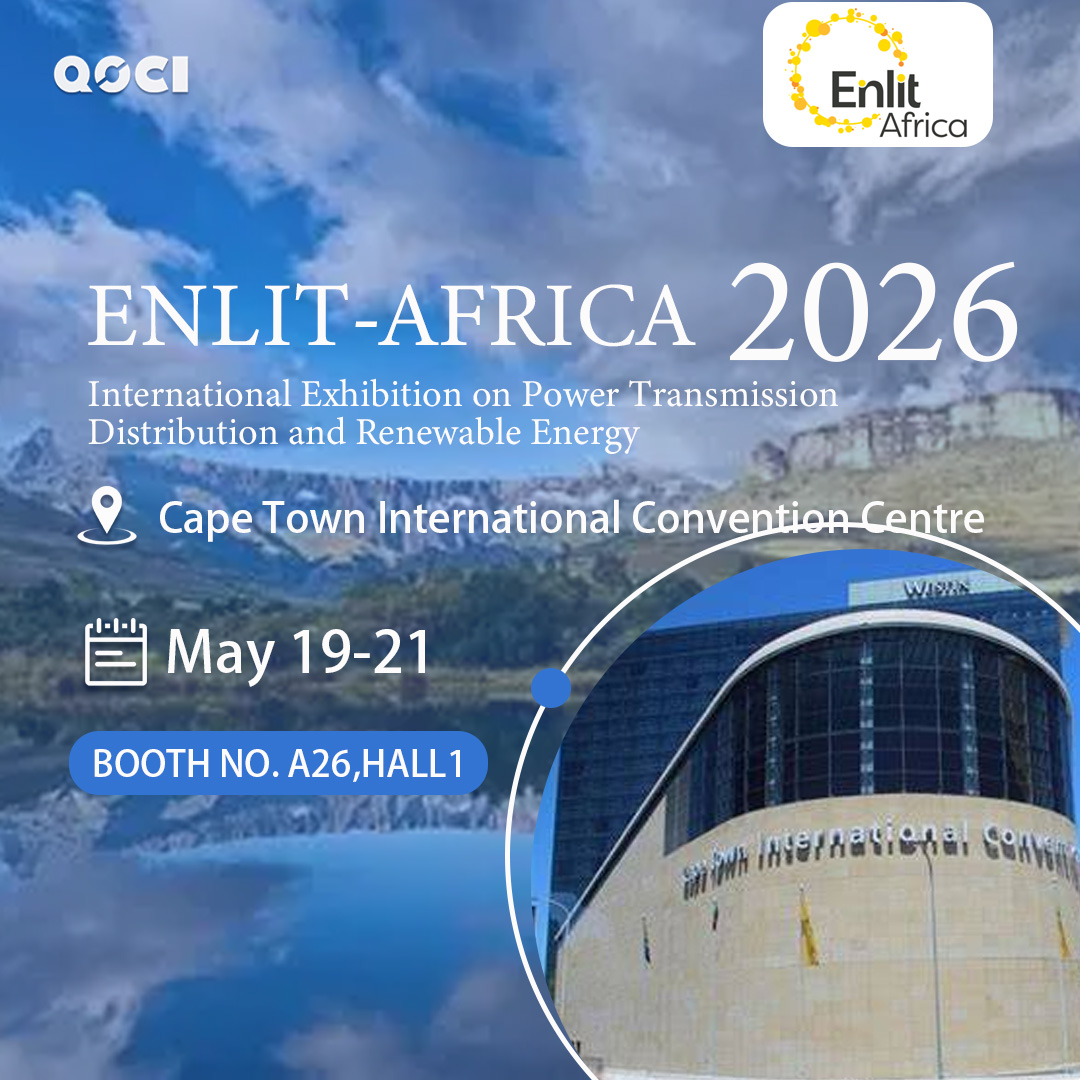
As the global energy transition accelerates, the importance of electricity, renewable energy, and energy storage technologies continues to rise. QOCI Electric presented its latest toughened glass designs at the conference.
Engineered to withstand extreme environmental challenges, including icing, high altitudes, pollution, seismic activity, and severe typhoons, Chinese insulator technologies continue to demonstrate high performance on global transmission systems.
Our team at Jiangxi QOCI Electric Co., Ltd. encouraged global grid planners and engineers to visit us during the IEEE PES T&D Conference and Exposition, showcasing our high-voltage portfolio.
Confirming our commitment to regional grid development across the Middle East, QOCI Electric presented customized anti-pollution and open aerodynamic glass insulator products tailored for high-dust desert zones.
Select specialized models designed for a wide range of mechanical, anti-pollution, and electrical requirements.