Direct Procurement and Wholesale Sourcing of Globally Compliant Substation Components
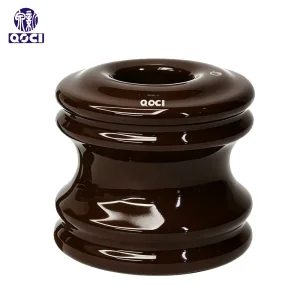
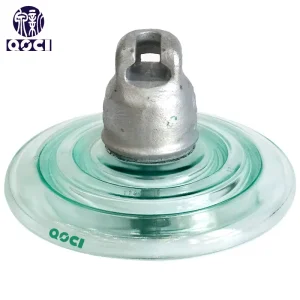
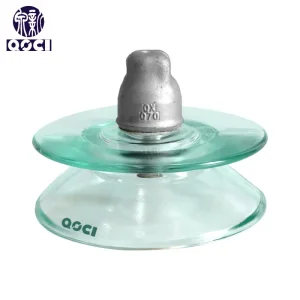
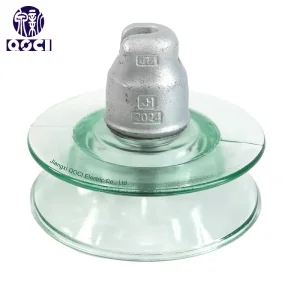
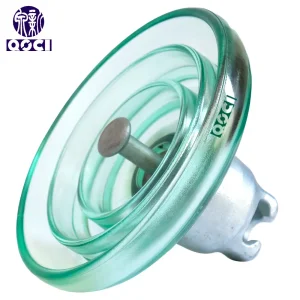
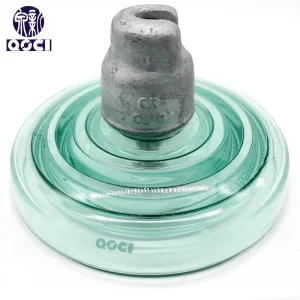
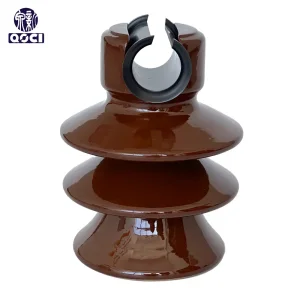
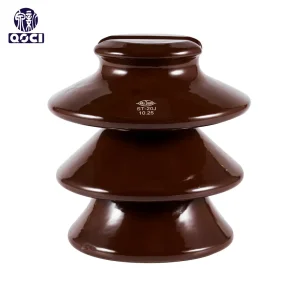
In modern power transmission and distribution architectures, the TR-202 Station Post Insulator stands as a critical structural and electrical component. Primarily governed by ANSI C29.9 standards, TR-202 insulators are engineered to support busbars, switchgear, and disconnect devices in substations operating under diverse electrical stresses.
Across the globe, the rapid expansion of renewable energy integrations, substation modernizations, and ultra-high-voltage (UHV) transmission networks has propelled the demand for high-strength insulators. According to global utility reports, substation infrastructure requires components that offer absolute reliability over a service life that often exceeds 40 years. This demand makes sourcing from certified TR-202 station post insulator manufacturers paramount for global utilities, EPC (Engineering, Procurement, and Construction) contractors, and industrial developers.
The electrification of heavy transport, the integration of utility-scale solar and wind plants, and the implementation of smart grids are driving massive capital expenditures in electrical substations. The market for station post insulators is transitioning: while traditional electrical porcelain remains the baseline standard due to its high cantilever strength and longevity, advanced toughened glass and silicone-coated variants are gaining traction in areas prone to environmental contamination.
Leading manufacturers in regions like Pingxiang, Jiangxi—widely recognized as a global capital for electrical porcelain and glass insulation technologies—are utilizing advanced thermodynamic engineering to produce insulators with higher thermal shock resistance and superior mechanical tolerances. Companies such as Jiangxi QOCI Electric Co. Ltd have scaled up production limits to meet these strict international criteria, merging structural design with innovative coating technologies.
To understand the application of a TR-202 station post insulator, engineers must analyze the mechanical and electrical performance characteristics specified under the ANSI C29.9 standard. The TR-202 standard corresponds to specific voltage classes and dimensional configurations. The table below represents the core parameters expected from a standard TR-202 station post insulator.
| Parameter / Property | Standard ANSI TR-202 Value | Engineering Importance |
|---|---|---|
| Nominal Voltage Class | 15 kV / 23 kV | Determines the substation operational voltage limit. |
| Basic Impulse Level (BIL) | 110 kV / 150 kV | Protects switchgear against transient lighting strikes. |
| Cantilever Strength | 2,000 lbs (8.9 kN) | Resists lateral wind loads and short-circuit forces. |
| Tensile Strength | 8,500 lbs (37.8 kN) | Prevents failure under vertical downward or pulling loads. |
| Torsional Strength | 7,000 in-lbs (791 N-m) | Vital for rotating disconnect switch applications. |
| Compression Strength | 15,000 lbs (66.7 kN) | Ensures structural integrity under heavy equipment loads. |
| Leakage (Creepage) Distance | 15.5 in (394 mm) | Controls leakage current and prevents flashovers in humid conditions. |
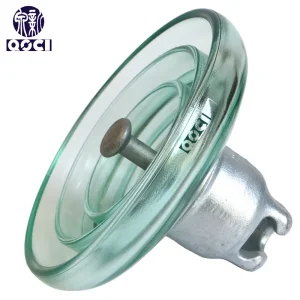
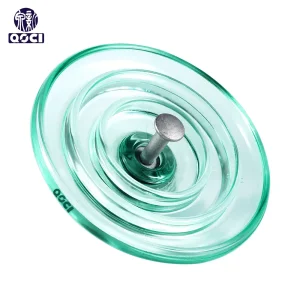
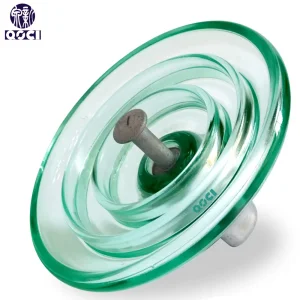
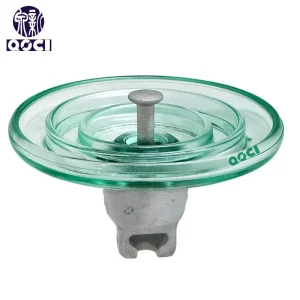
Historically, wet-process porcelain was the dominant material used for TR-202 insulators. It offers high compressive strength and low thermal expansion. However, toughened glass suspension and post insulators are experiencing an increase in utilization due to their unique diagnostic benefits: toughened glass shatters visibly upon electrical or mechanical failure, eliminating the need for complex, costly testing to locate damaged units in large substation yards.
Adapting Station Post and Line Insulator Configurations to Diverse Atmospheric Challenges
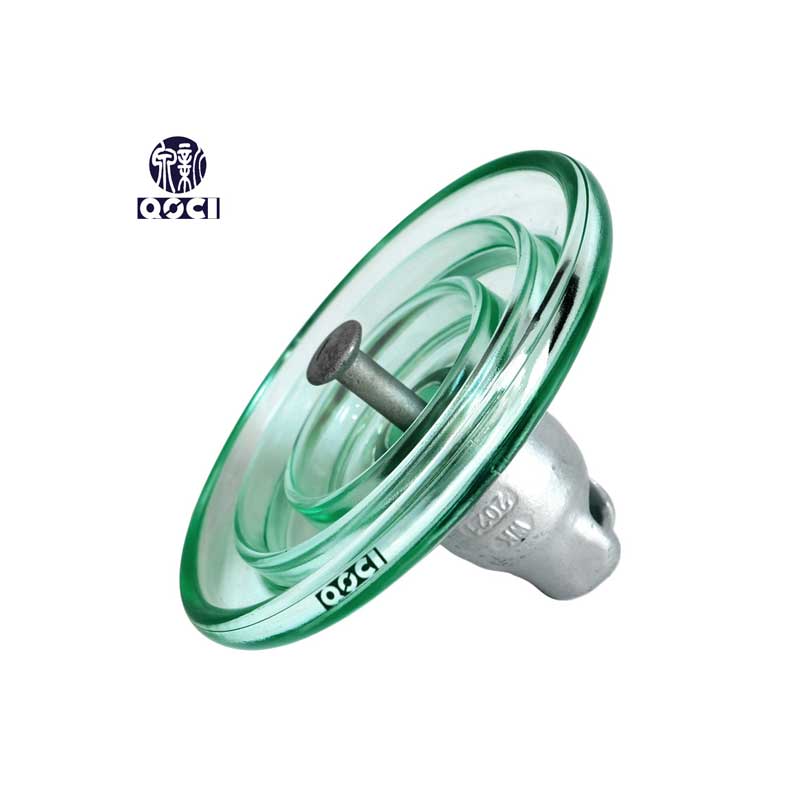
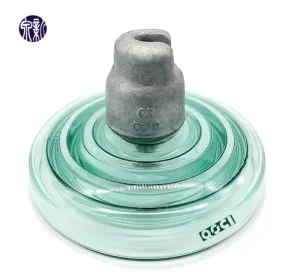
The standard profile design features a leakage distance that surpasses the minimum values specified in IEC 60305. The insulation body includes shallow, well-spaced ribs, facilitating efficient self-cleaning via natural wind and rain patterns. This reduces the risk of dust accumulation.
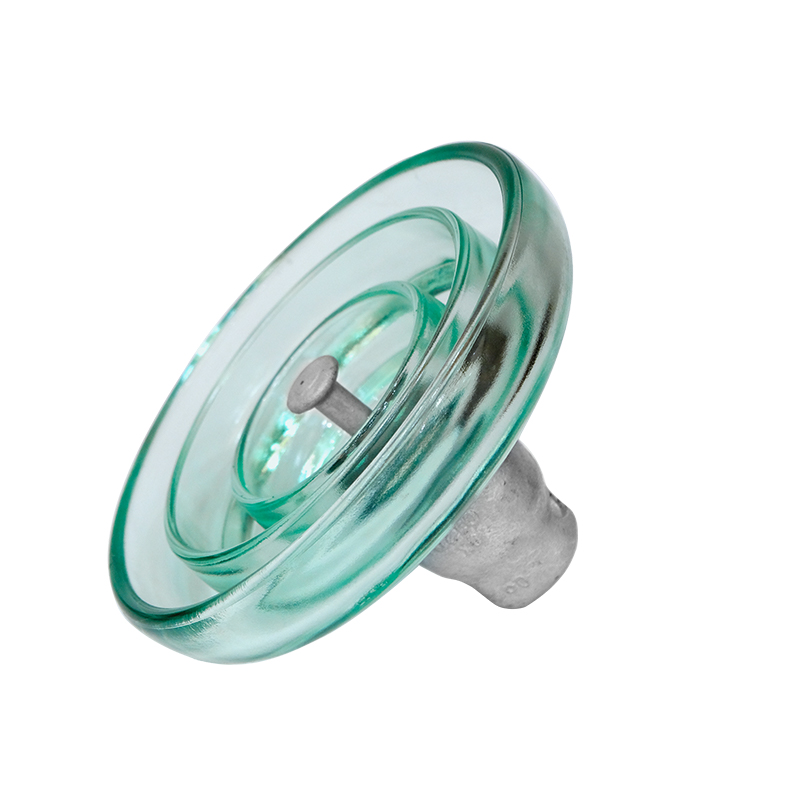
Featuring long, widely spaced under-ribs to prevent electrical bridging between adjacent sections, this configuration yields a leakage-to-spacing ratio of approximately 3.2. Highly effective in coastal environments subject to salt fog and industrial air pollution.
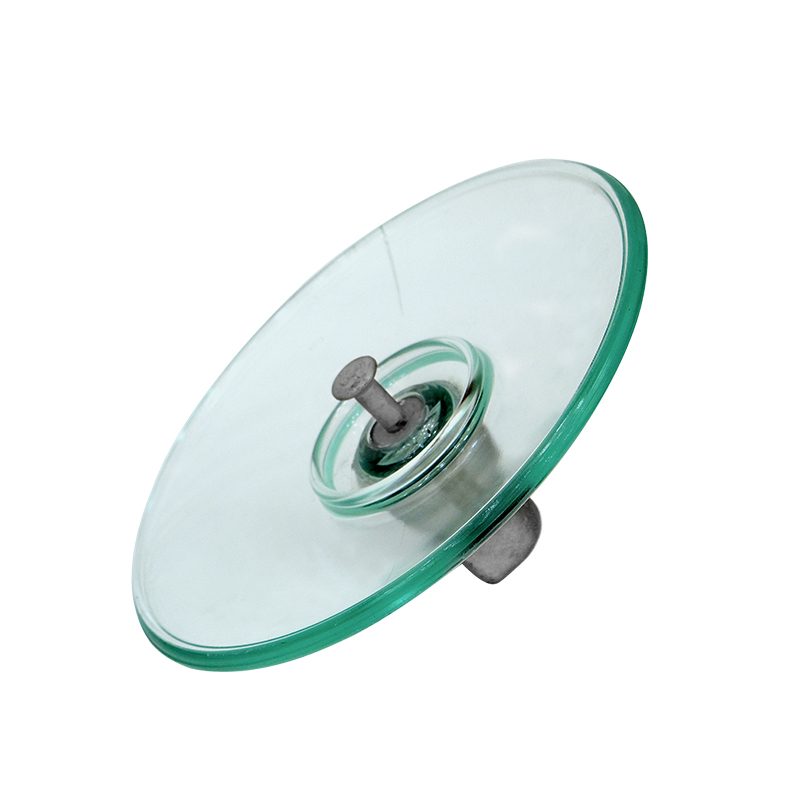
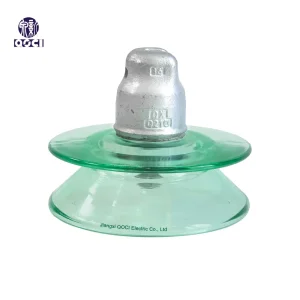
Designed with an extended disk diameter and no under-ribs to minimize the buildup of windblown dust, sand, or ice. Primarily deployed in desert projects and high-latitude areas where traditional under-rib designs are prone to ice bridging.
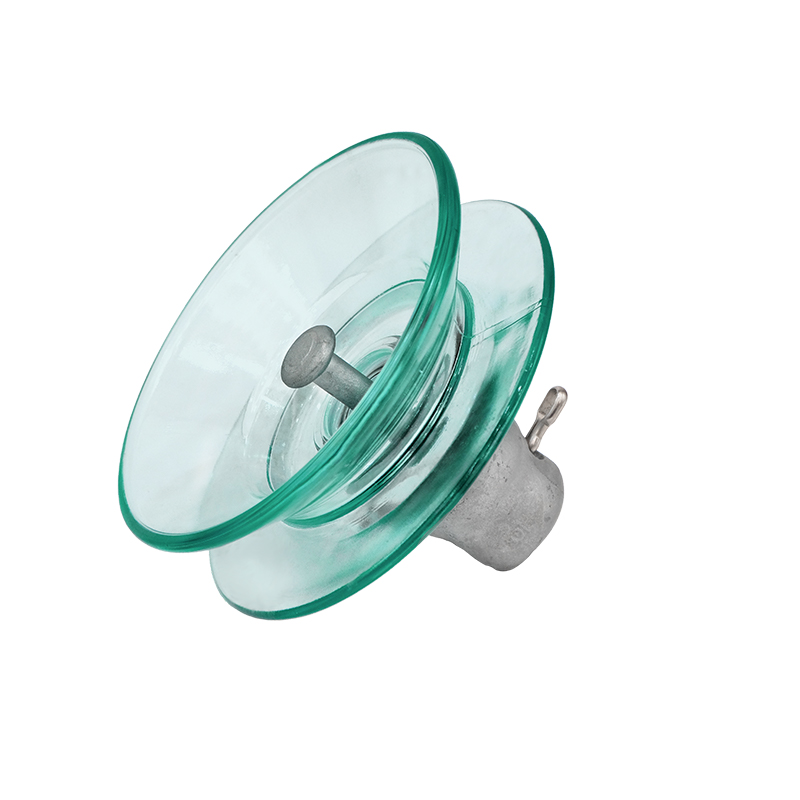
Utilizes dual external sheds that limit contaminant deposition while optimizing wind-driven self-cleaning. It delivers an equivalent leakage distance to specialized anti-pollution shapes, making it suitable for manual maintenance routines in chemical zones.
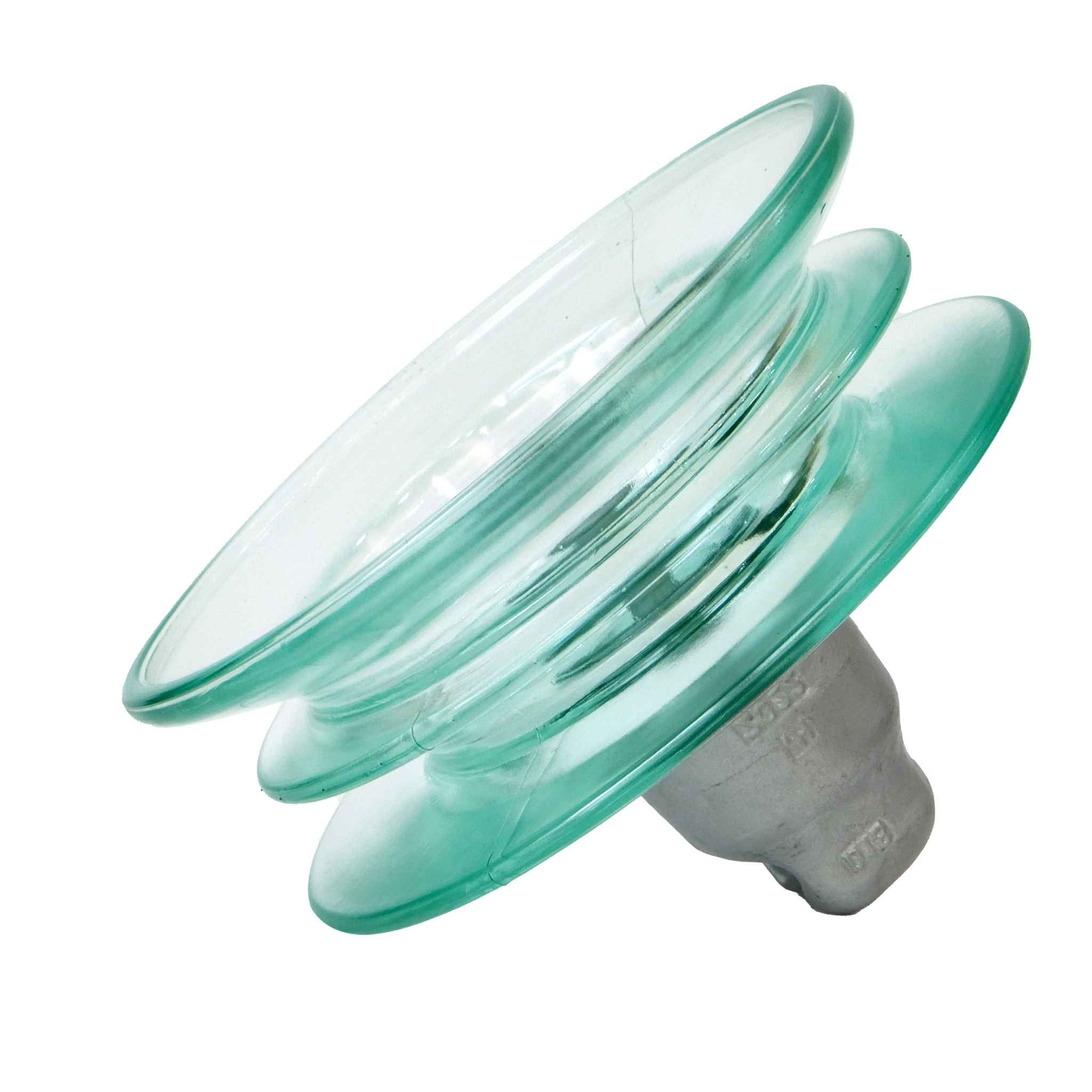
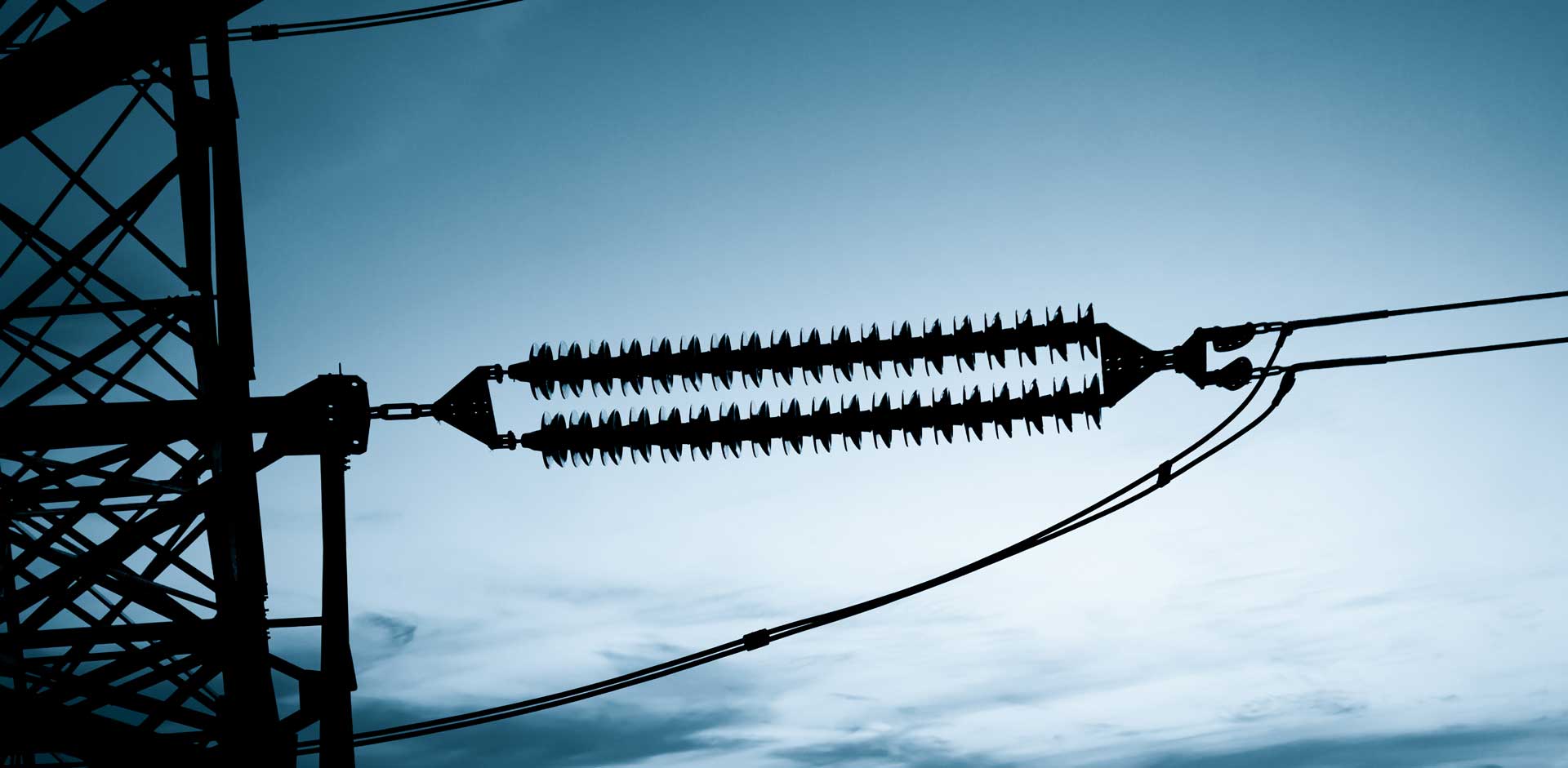
Composed of three separated umbrella discs on the insulation body. This open-shed configuration increases total creepage distance, preventing flashovers under heavy moisture, making it an excellent choice for ultra-high voltage (UHV) lines.
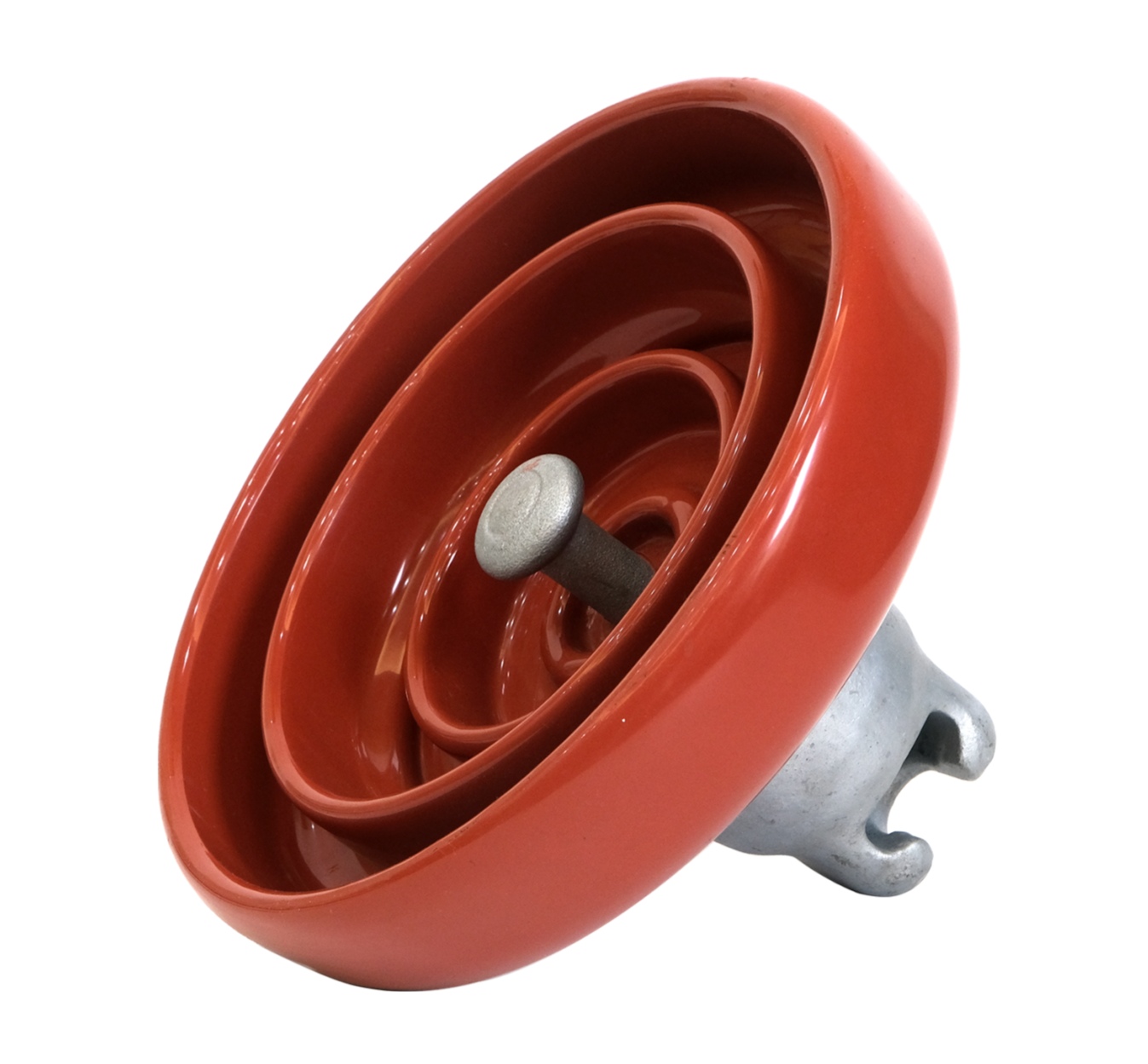
An alternative that utilizes Room Temperature Vulcanization (RTV) silicone coatings directly over the toughened glass or ceramic shell. The inherent hydrophobicity of the silicone reduces leakage currents and mitigates maintenance and washing costs.
Substations are constructed in varied geographic regions, requiring distinct insulator specifications. A single TR-202 model must be customized to withstand localized stresses:
In maritime areas, salt spray accumulates on the surface of the station post insulator. As humidity rises, this deposit dissolves into a highly conductive electrolyte layer, which can cause leakage currents and dry band arcing. Manufacturers supply TR-202 units with extra creepage distances or silicone coatings to prevent salt-fog flashovers.
For substations built in active tectonic zones, the mechanical strength of the post insulator is critical. The cantilever and bending stress during an earthquake can snap low-quality cast iron bases. High-strength aluminum or hot-dip galvanized cast steel fittings, paired with high-alumina porcelain, are required to resist these forces.
At elevations above 1000 meters, the reduced density of air decreases its dielectric strength. Standard arcing distances are no longer sufficient to prevent corona discharges. TR-202 insulators designed for high altitudes feature extended profiles and optimized electric field distributions to maintain insulation ratings.
Substations are complex systems where the failure of a single insulator can cause localized blackouts or damage transformer units. To maintain grid stability, engineers implement macro-industry solutions that focus on:
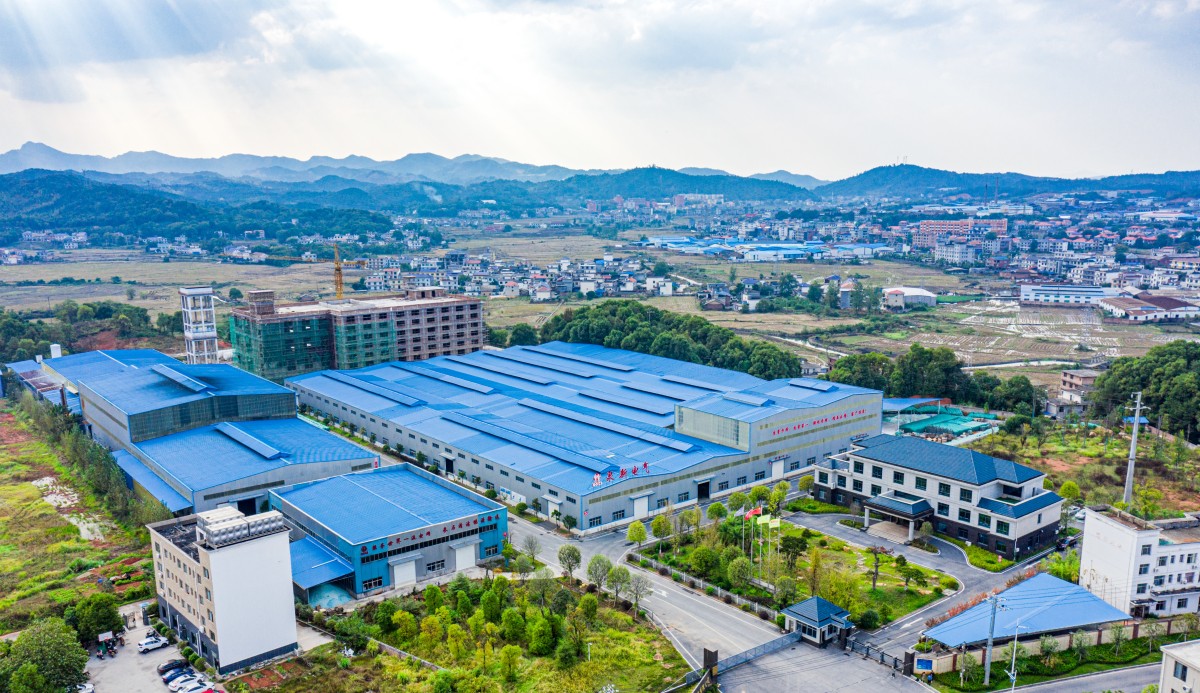
Established in December 2002 with a registered capital of 508 million Yuan, Jiangxi QOCI Electric Co. Ltd is a leading manufacturer of high-strength glass and porcelain insulators. Located in the Luxi County Industrial Park, Pingxiang, Jiangxi Province, our manufacturing plant covers an area of 70,000 square meters.
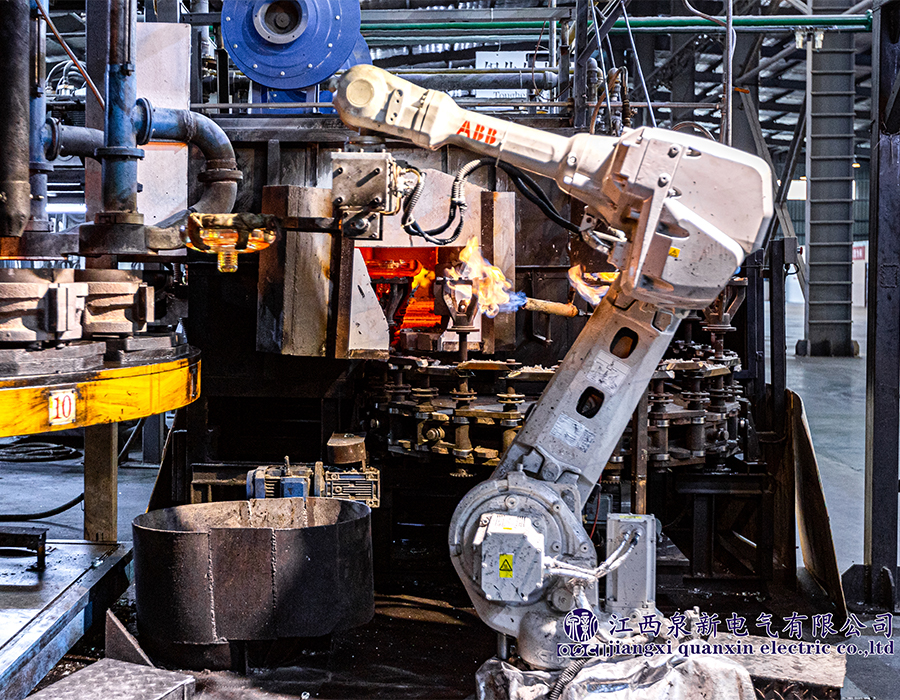
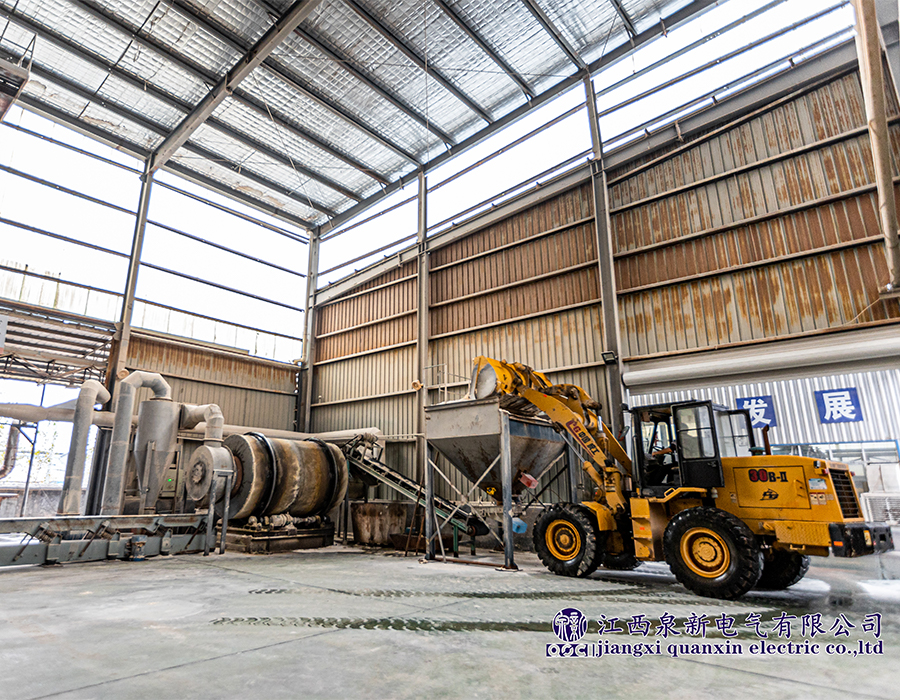
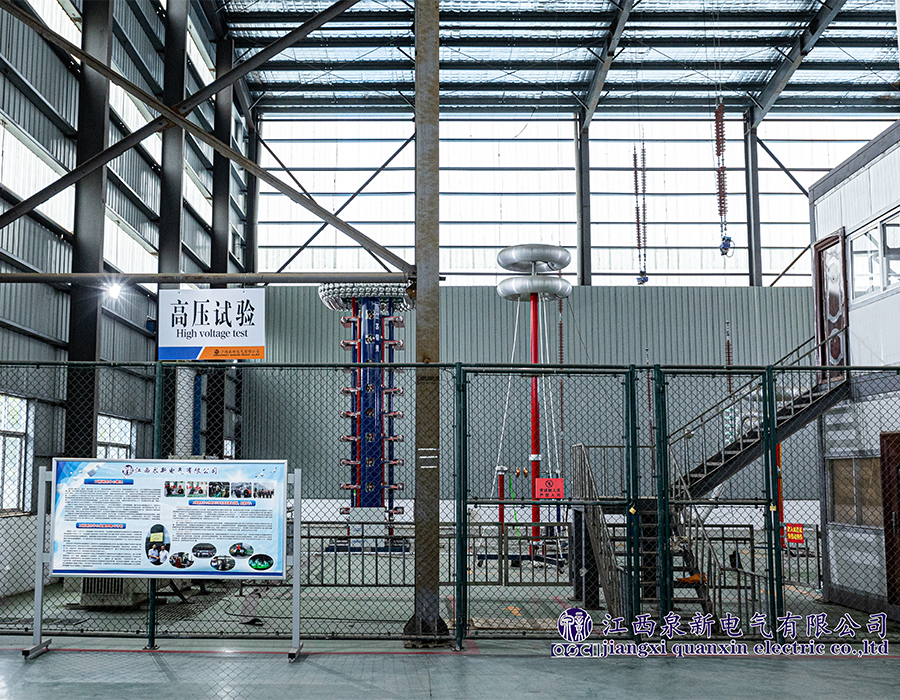
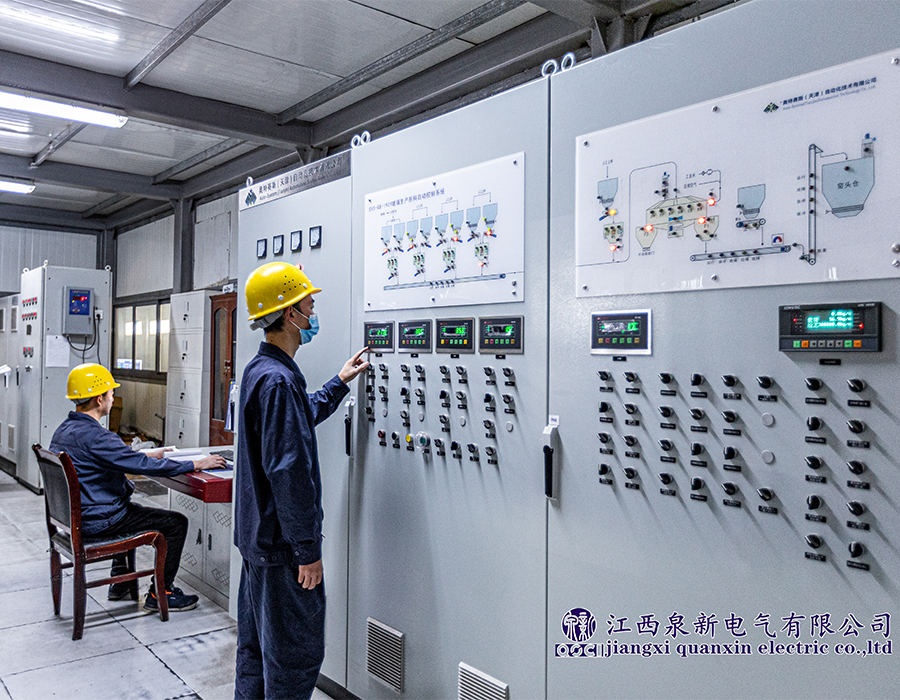
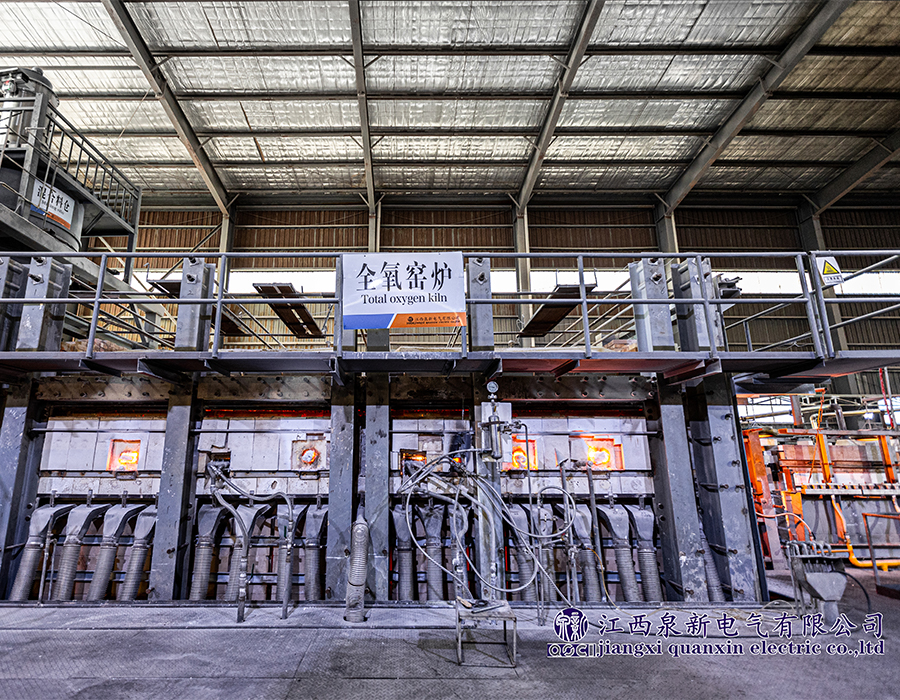
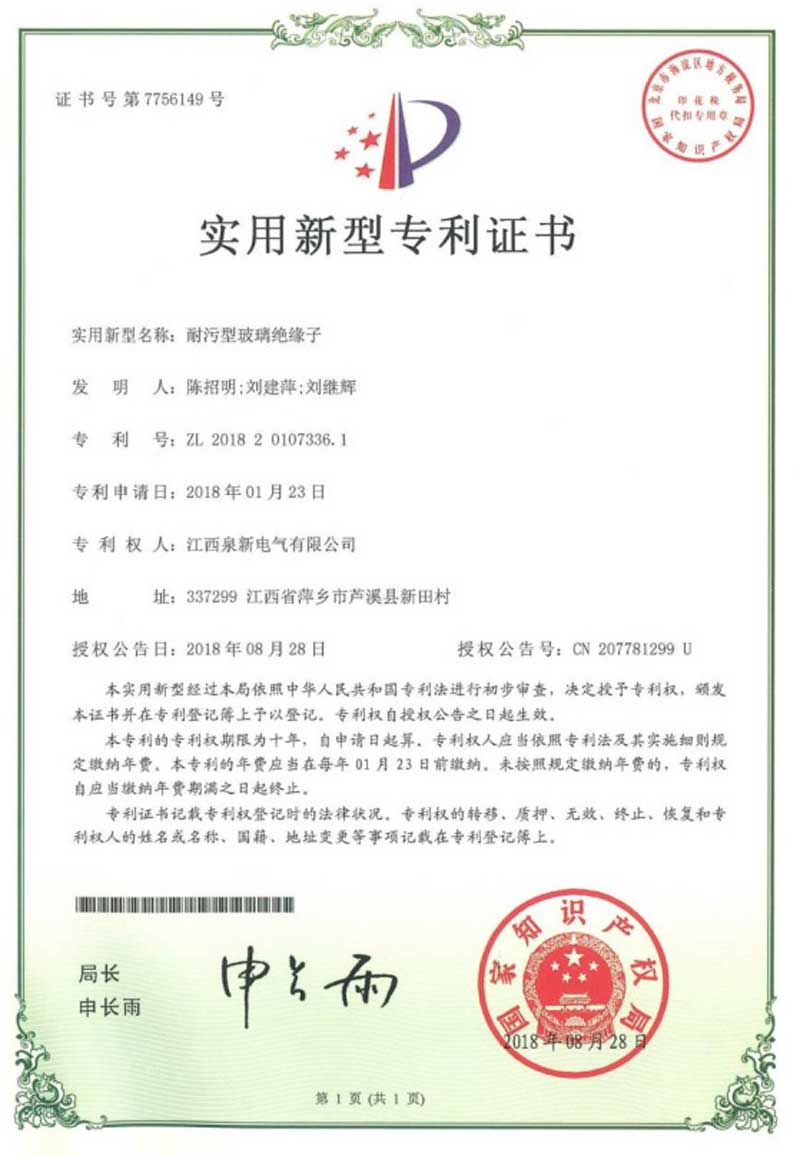
With an annual production capacity of 39,000 tons, our facility is equipped with automated manufacturing lines, a total oxygen kiln, and high-voltage testing equipment. Our engineering team of 53 technical experts manages 26 utility and design patents, ensuring that every product—ranging from low-voltage spool insulators to high-voltage UHV station posts—is designed to meet international standards.
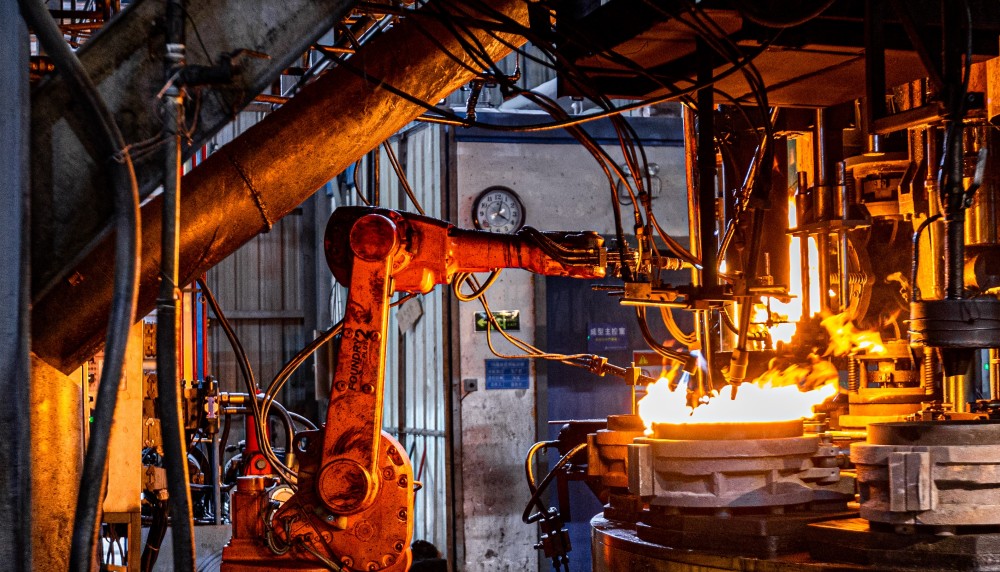
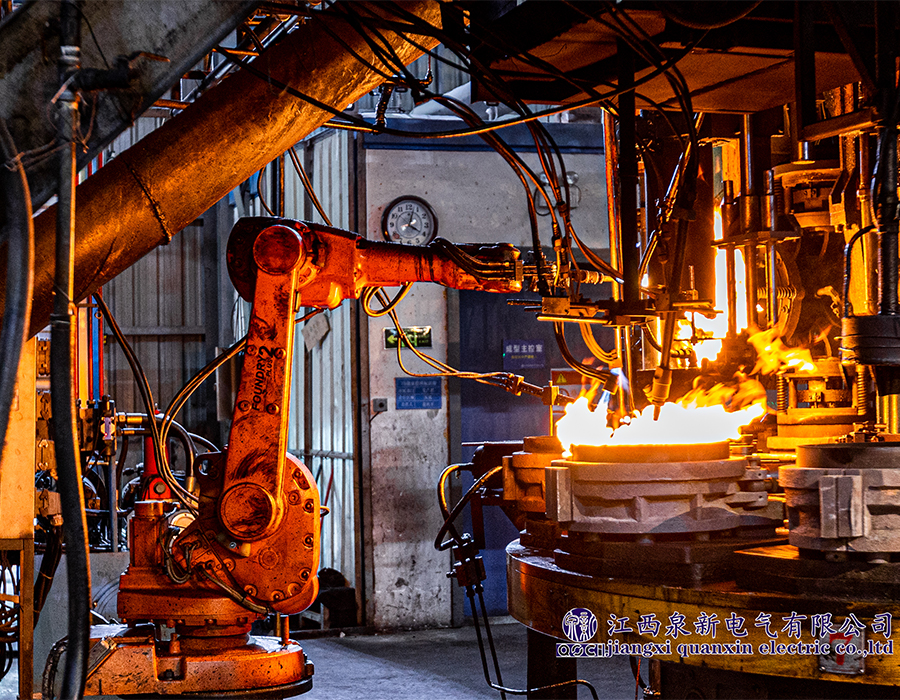
Inside our ISO-Certified Production Lines: From Material Formulation to Dielectric Validation
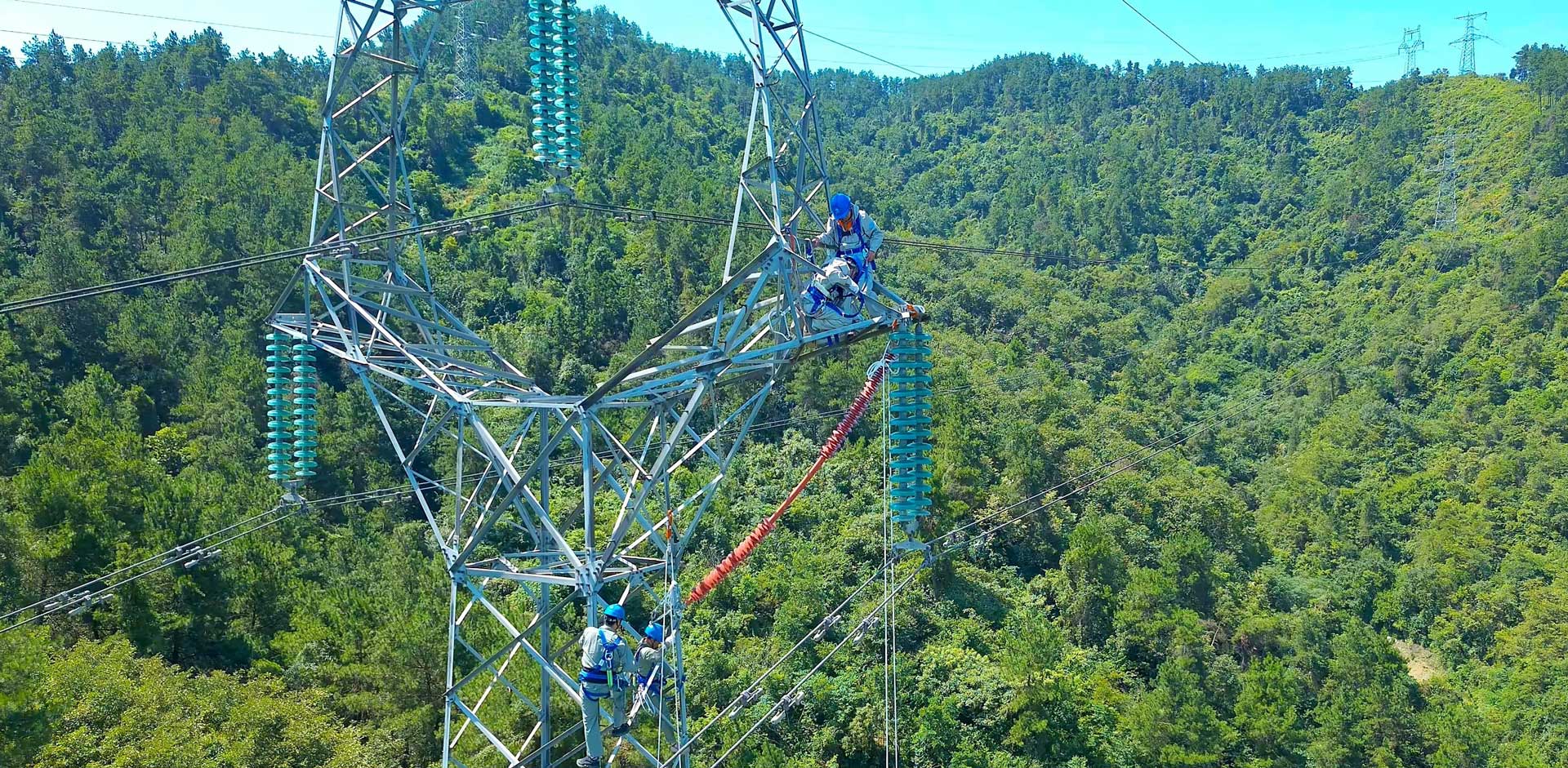
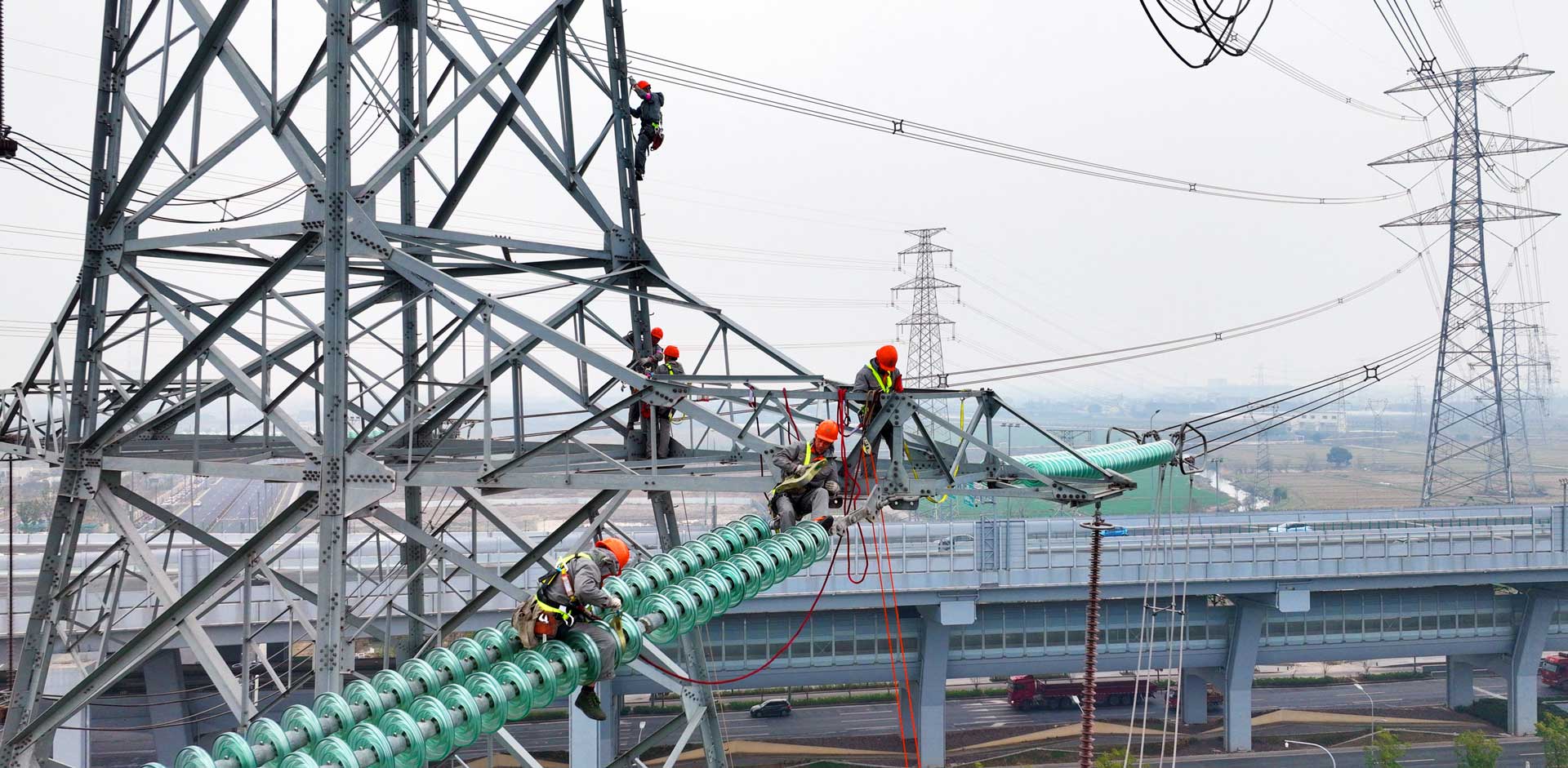
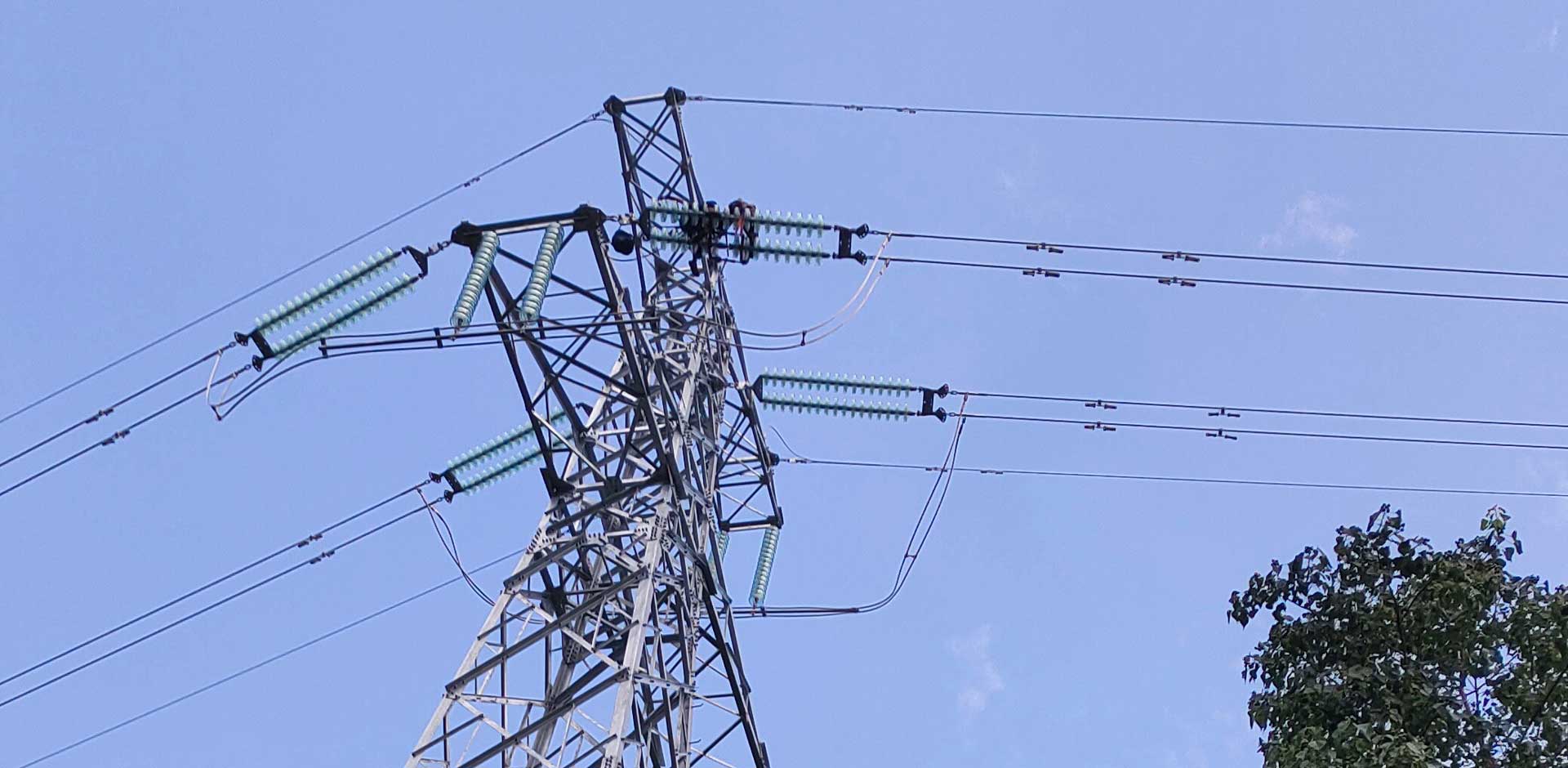
Our Insulators are Utilized Across Low-Voltage, High-Voltage, Extra-High-Voltage, and Ultra-High-Voltage Projects
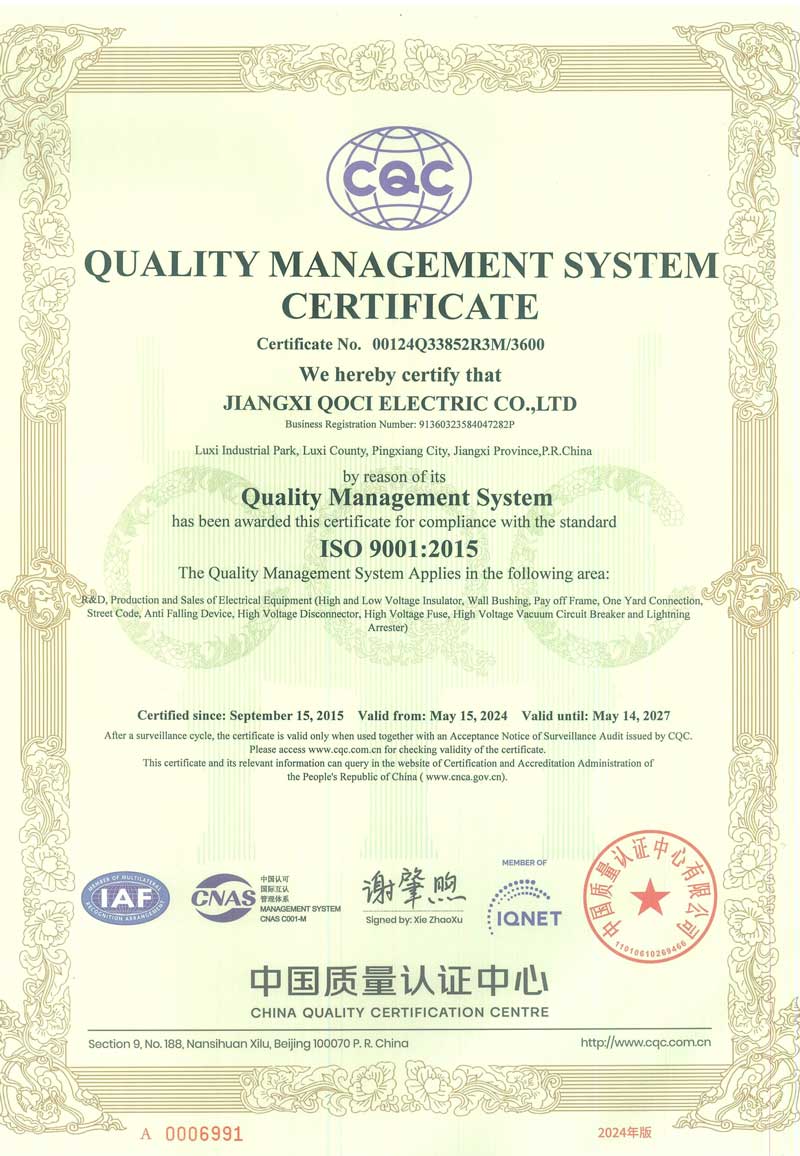
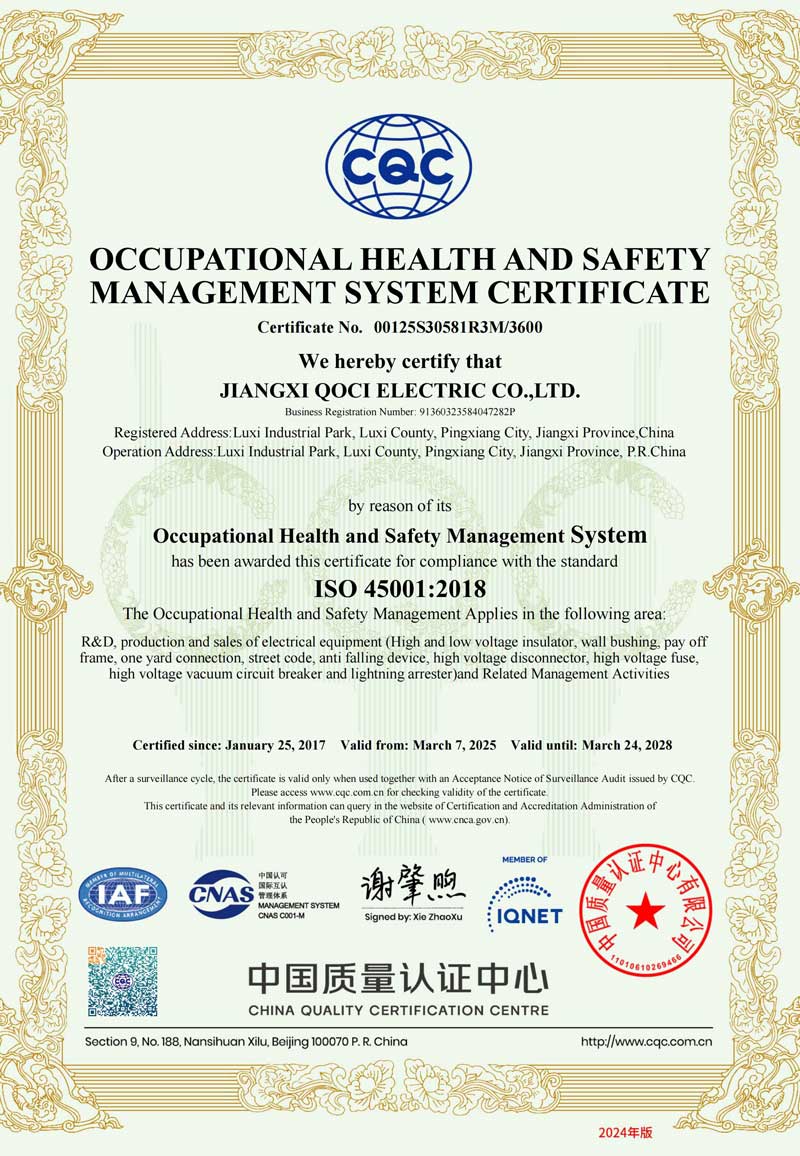
Our Manufacturing Facility is Certified to ISO 9001, ISO 14001, OHSAS 18001, and Certified by Global Testing Labs
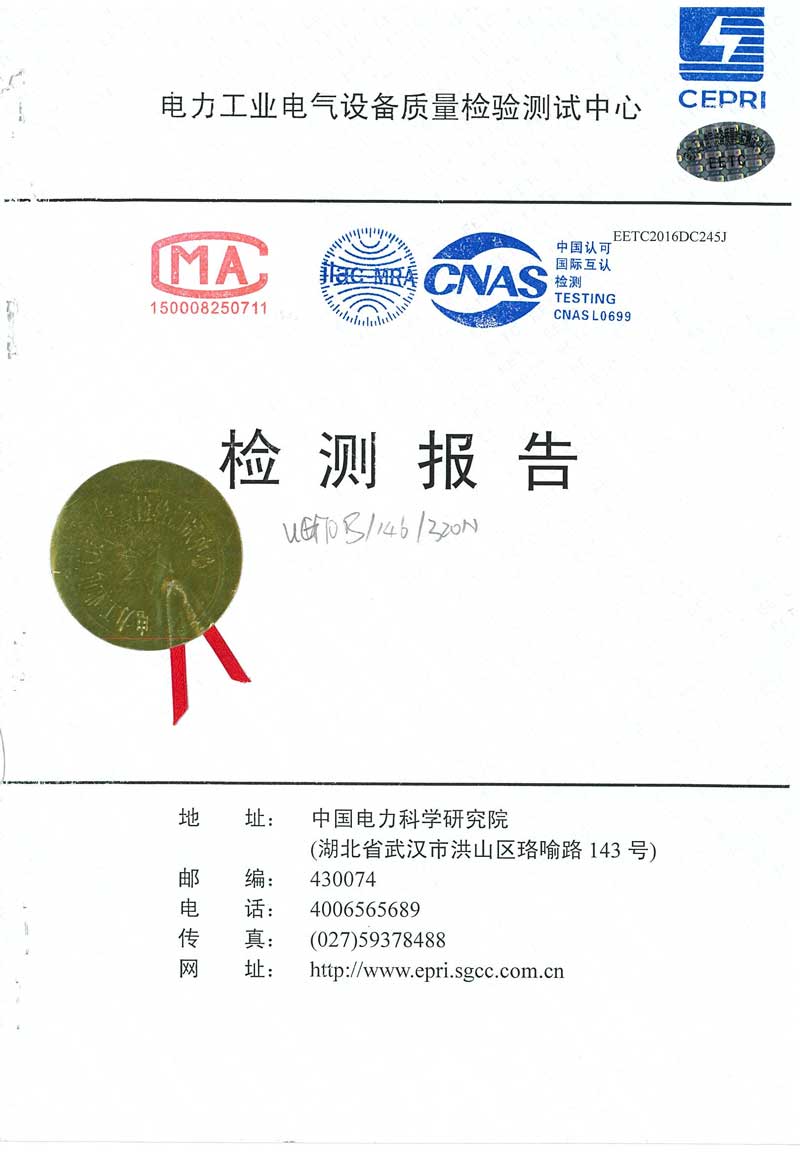
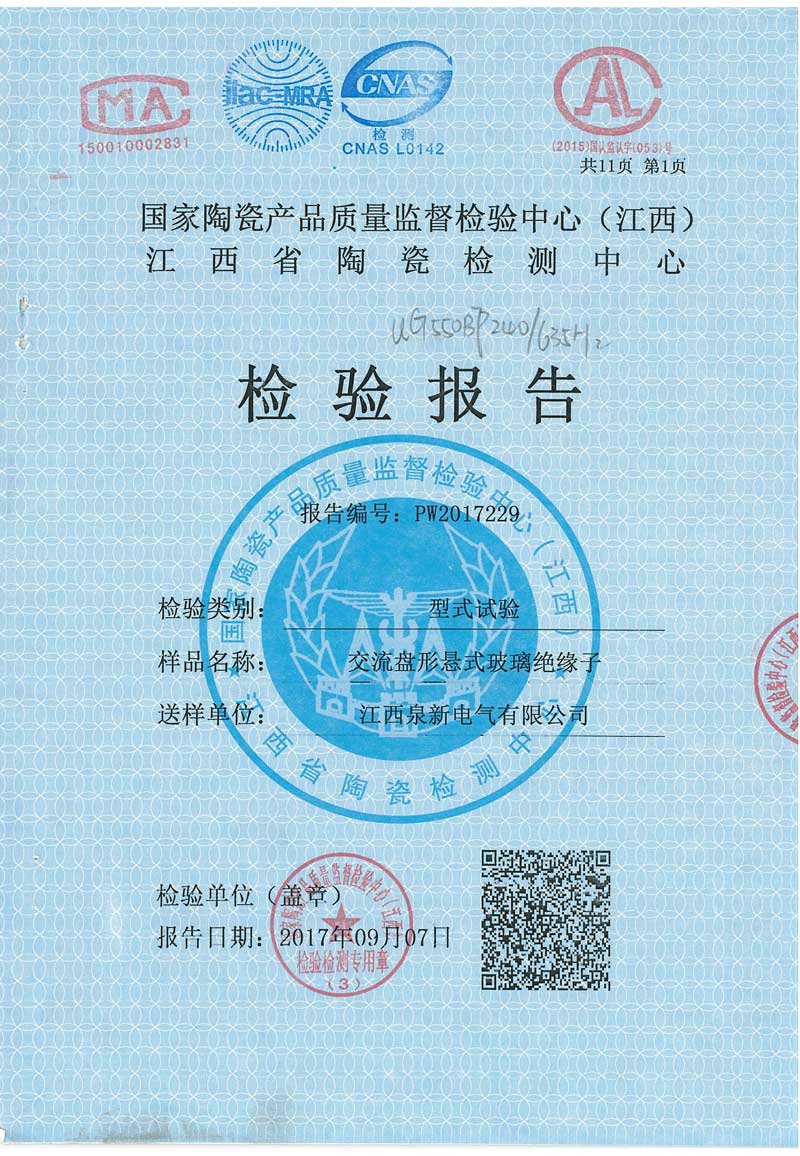
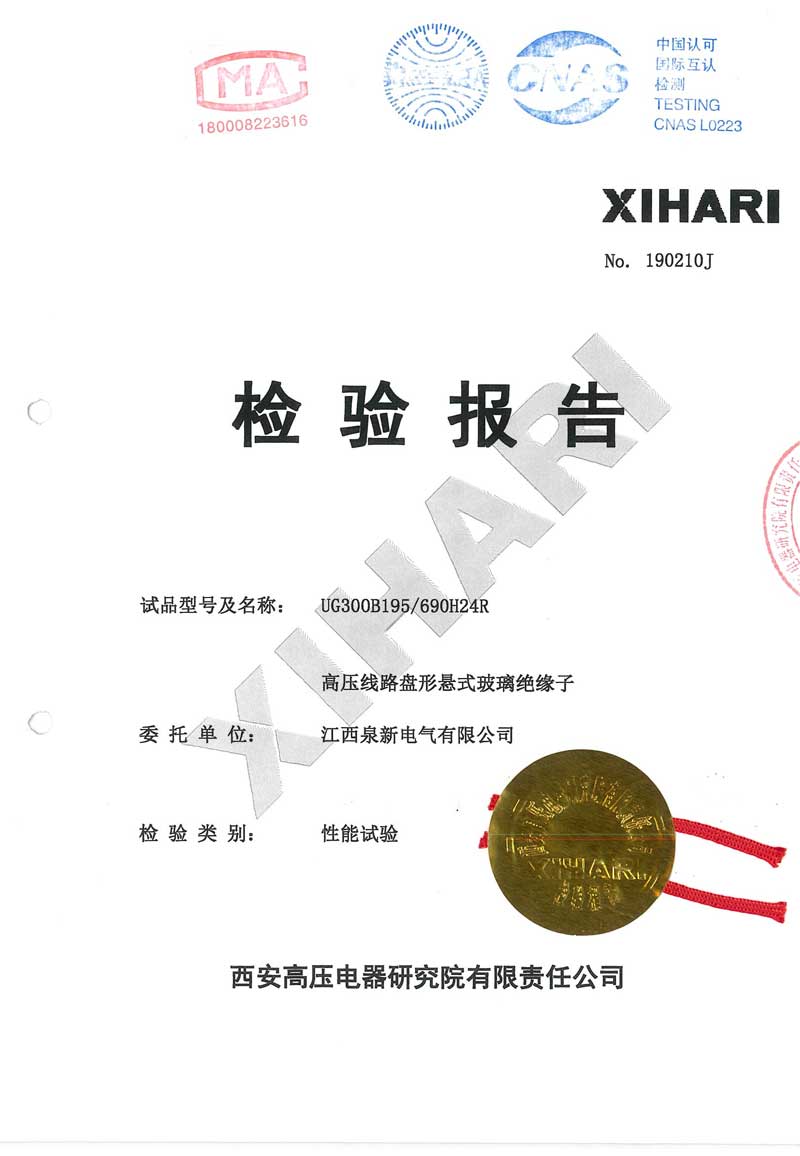
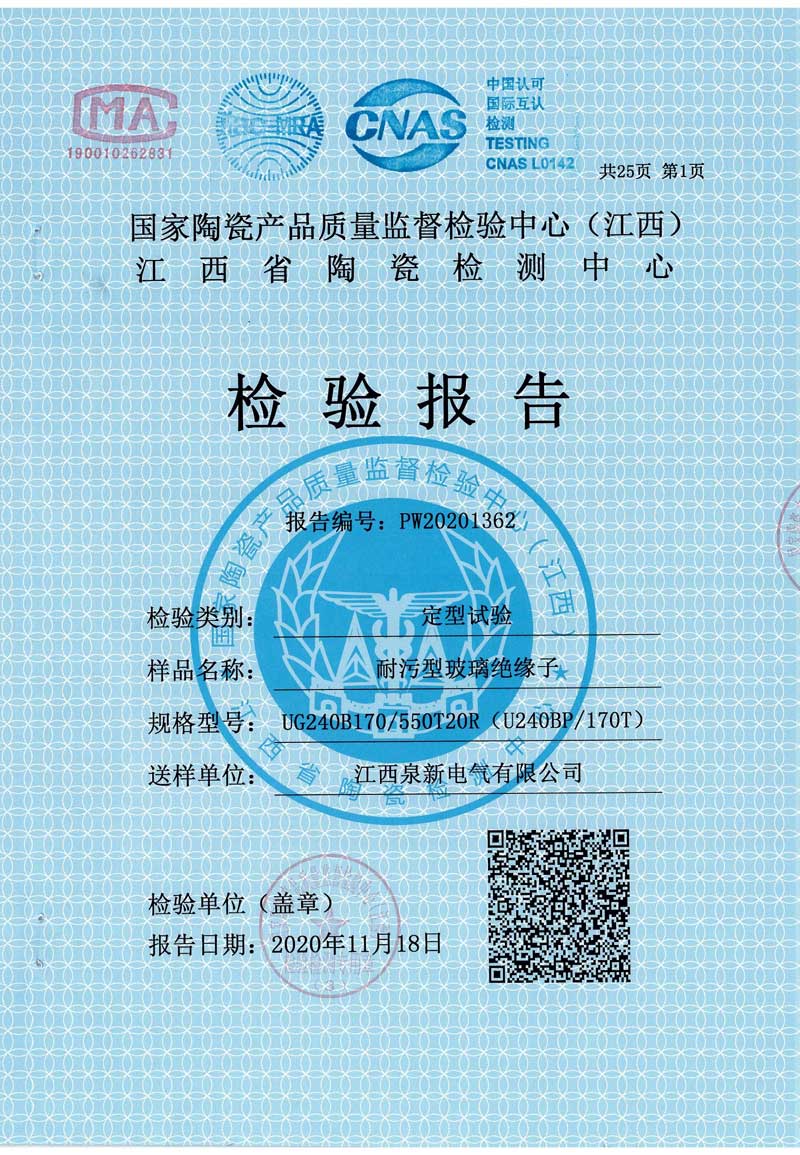
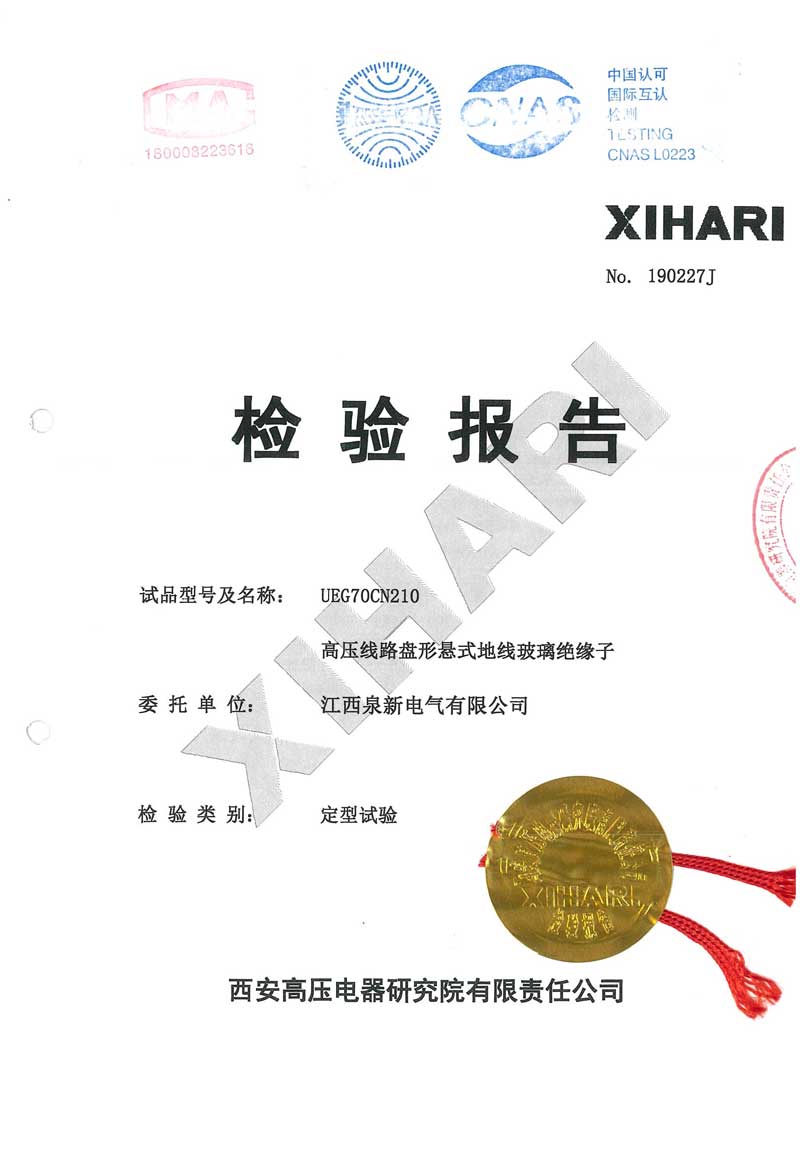
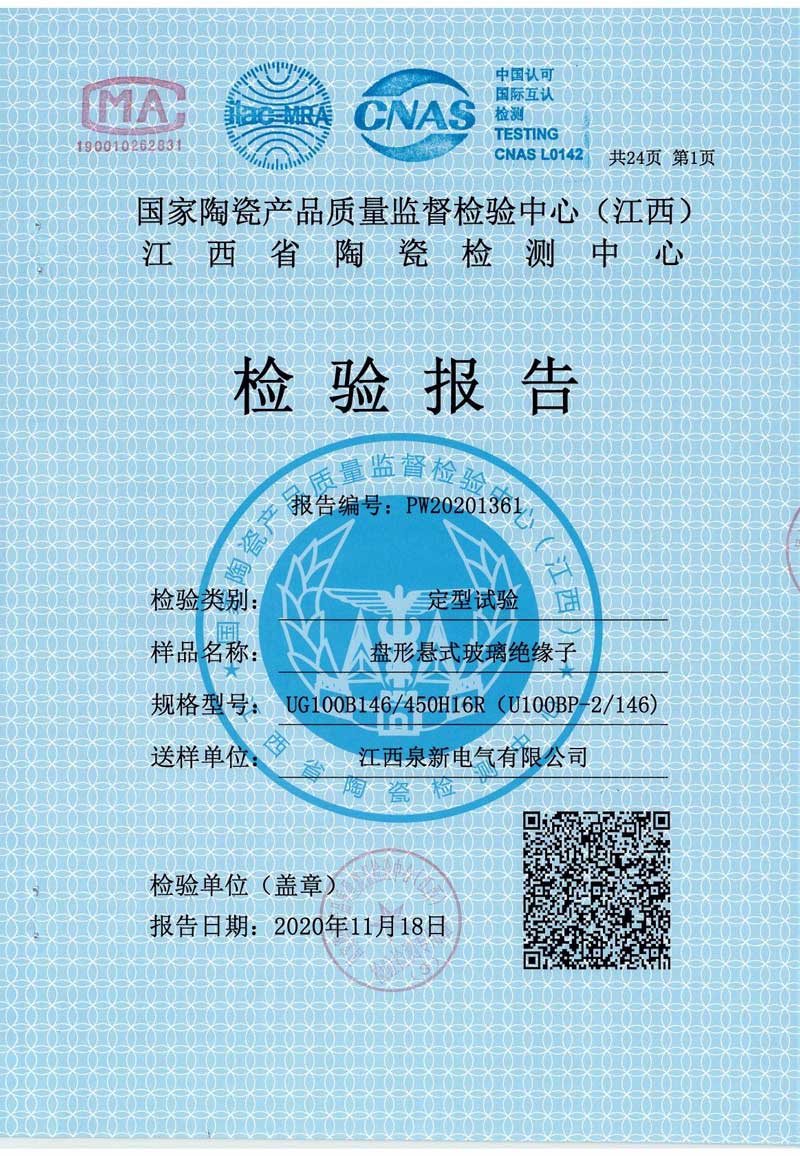
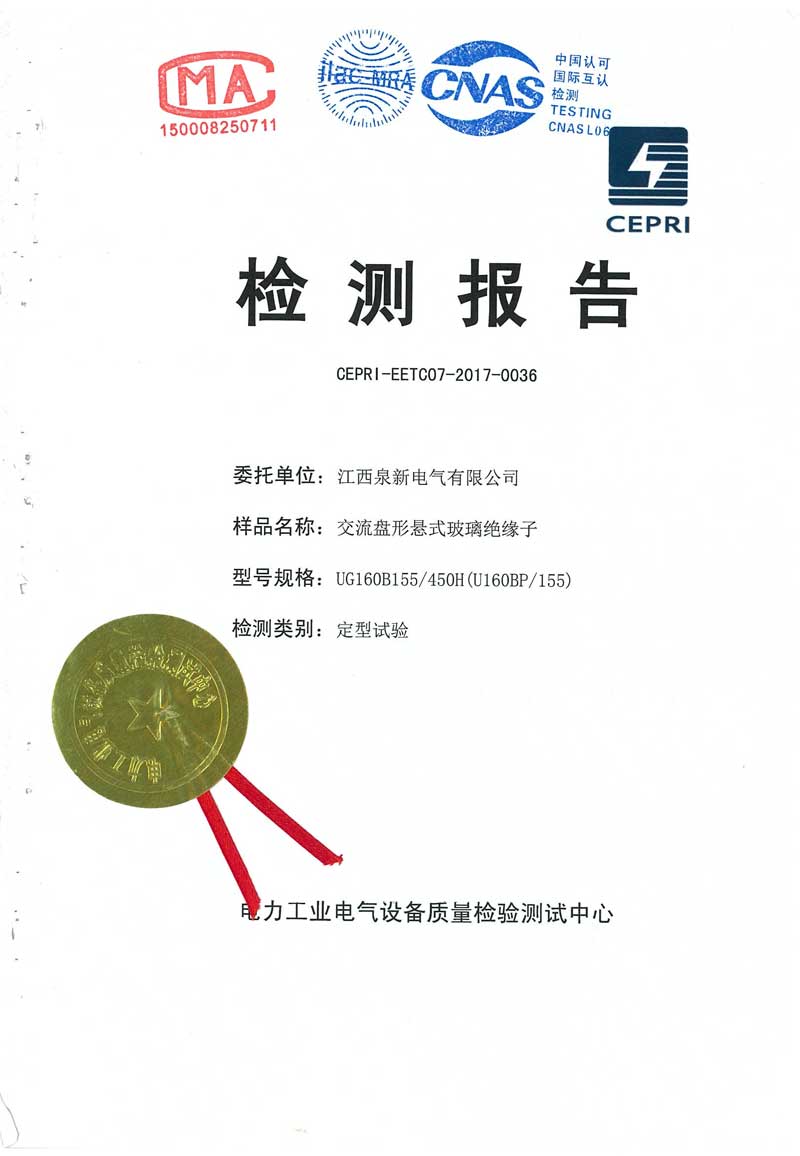
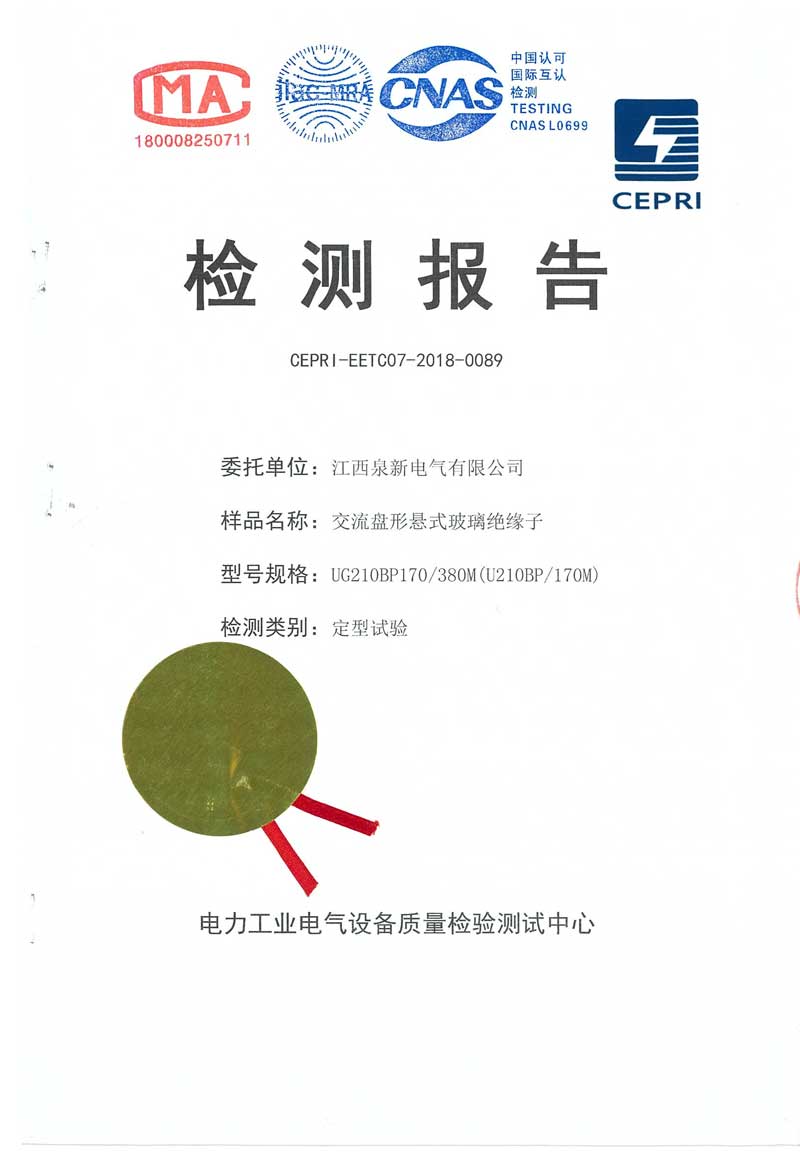
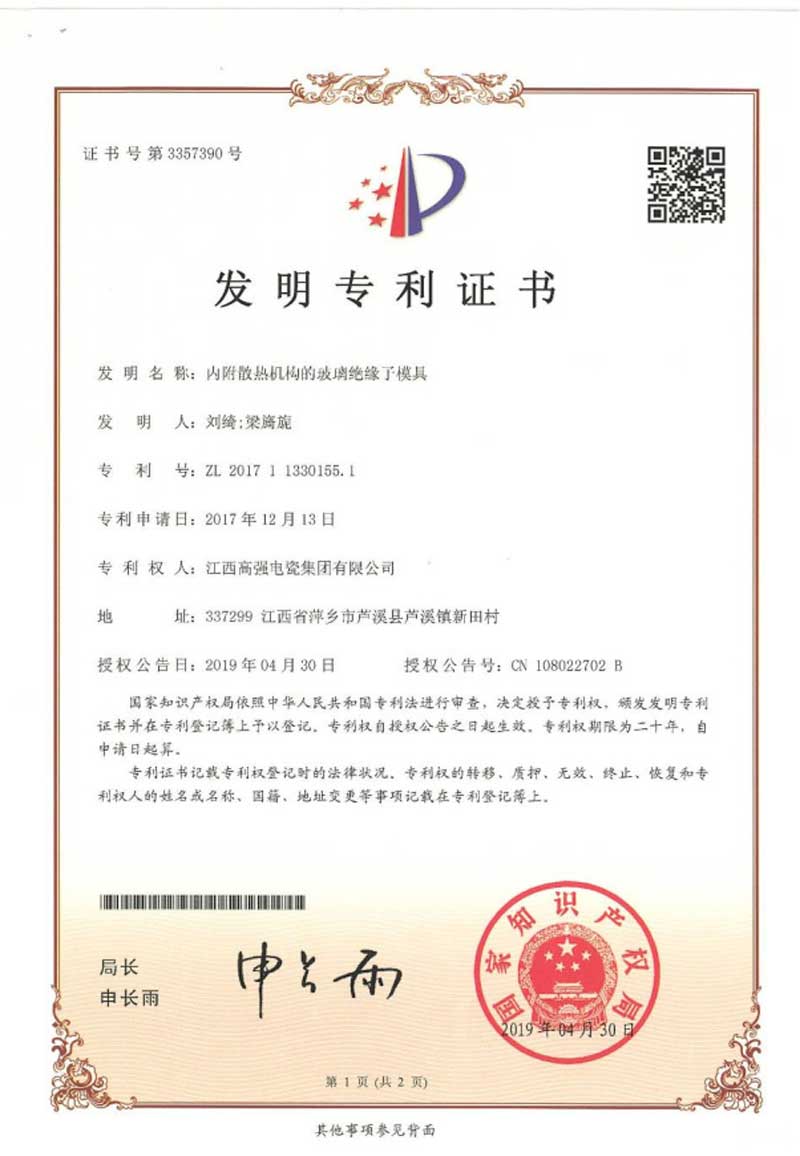
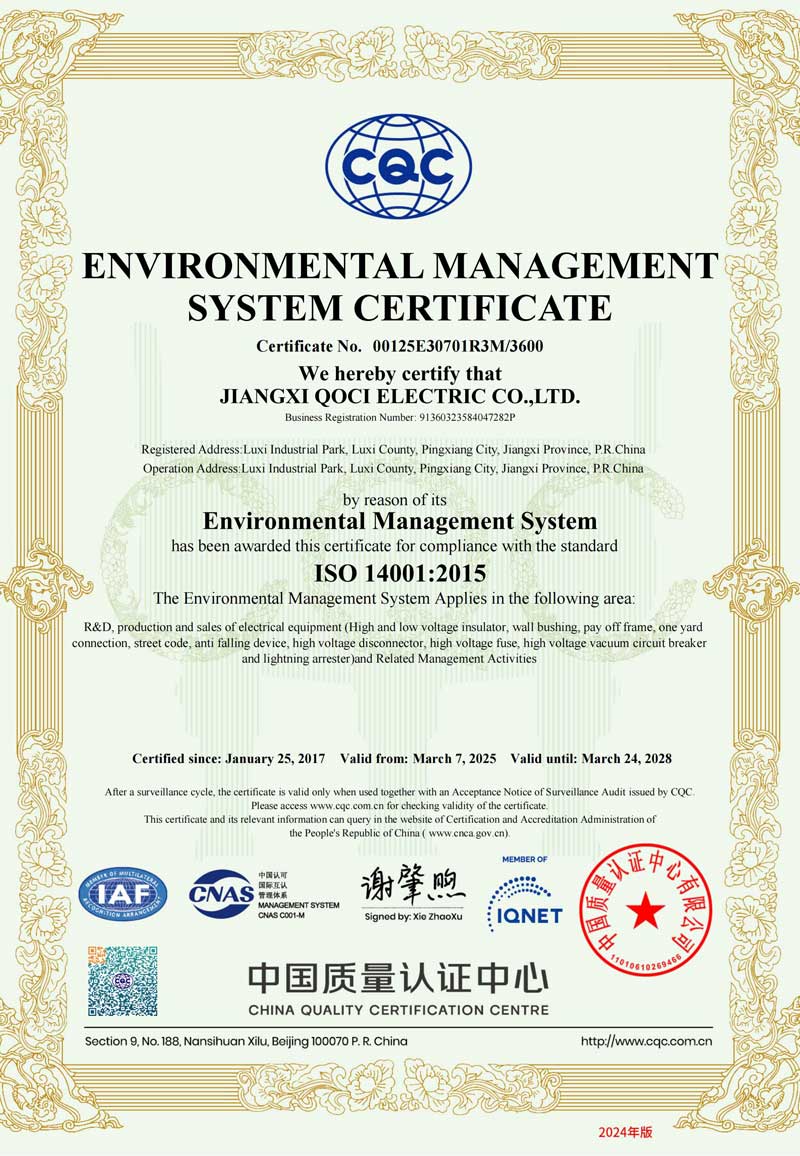
Supplying High-Voltage Solutions to State Utilities and Industrial Consortiums Worldwide



Stay Informed with the Latest Innovations, Conferences, and Project Commissions from QOCI Electric
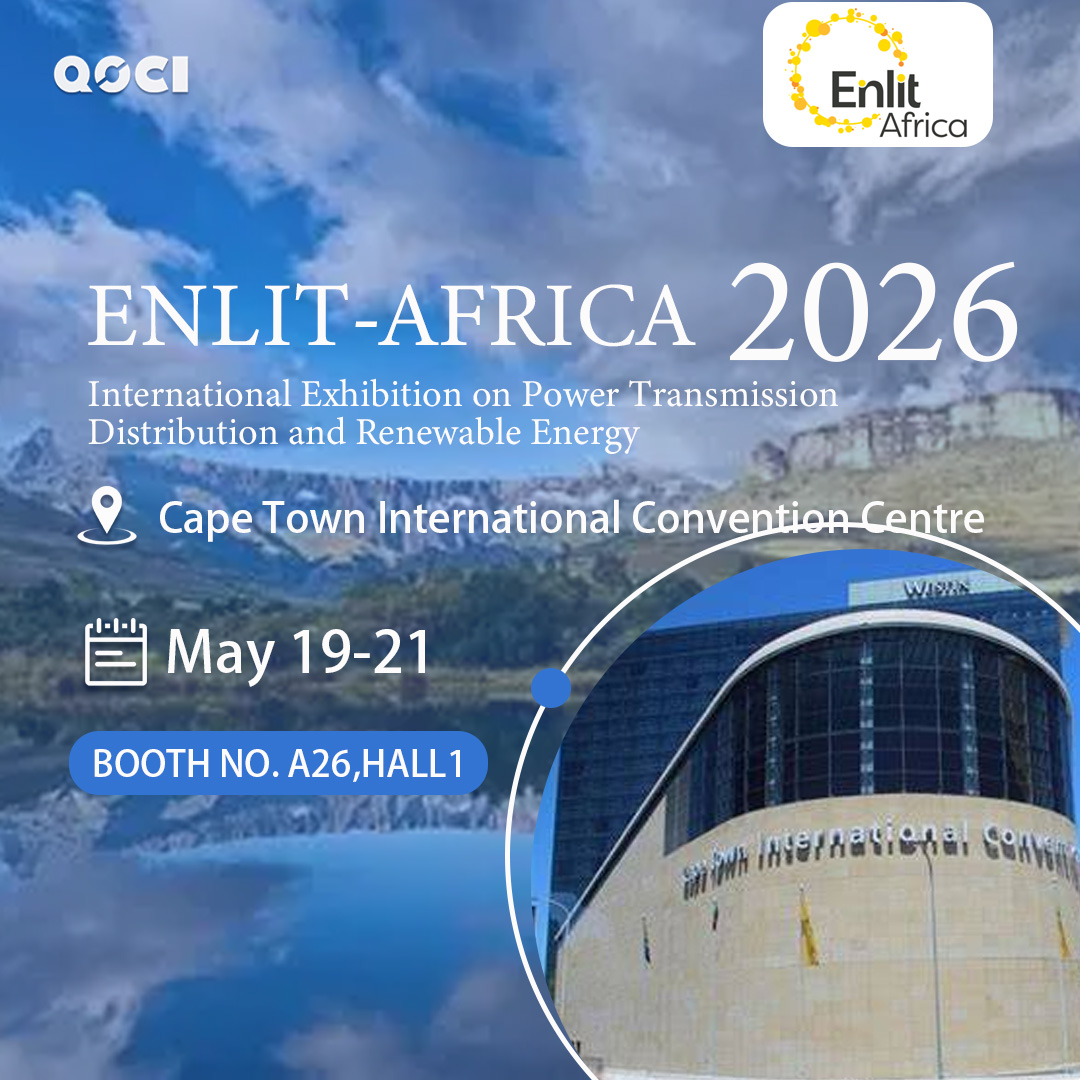
As the global energy transition accelerates, the importance of electricity, renewable energy, and energy storage technologies is becoming increasingly prominent...
Having withstood extreme environmental conditions including icing, high altitude, pollution, earthquakes and typhoons, China’s insulator industry offers a mature portfolio...
On behalf of our team at Jiangxi QOCI Electric Co., Ltd, we encourage you to join us at the IEEE PES T&D Conference, the powerhouse of electrical engineering...
Pingxiang, China - QOCI Electric, a leading global supplier of high-strength post and suspension glass insulators, officially confirmed today that they will attend the 11th Iraq Energy...
Understanding Technical Specifications and Sourcing Strategies for TR-202 Post Insulators
Completing Your Substation and Transmission Line Procurement Requirements