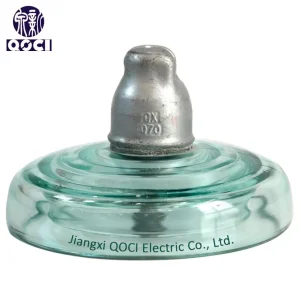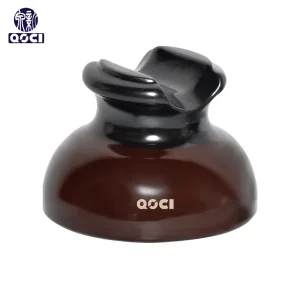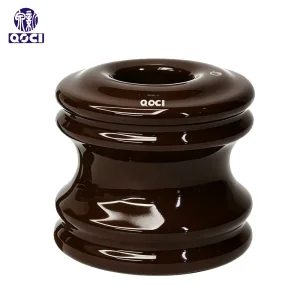
In the contemporary landscape of global energy transmission, the demand for reliability under extreme environmental stress has never been higher. As a leading Wholesale Two-Winged Manufacturer & Supplier, we recognize that the "Two-Winged" design (specifically referring to double-shed and aerodynamic toughened glass profiles) represents the pinnacle of flashover prevention technology. Whether it is the vast deserts of the Middle East, the salt-laden coasts of Southeast Asia, or the industrialized corridors of Europe, these insulators provide a critical line of defense against power outages.
The global insulator market is transitioning from traditional porcelain to toughened glass and silicone-coated (RTV) solutions. Two-winged/Double-shed designs are now the standard for UHV (Ultra High Voltage) lines due to their superior creepage distance and self-cleaning properties.
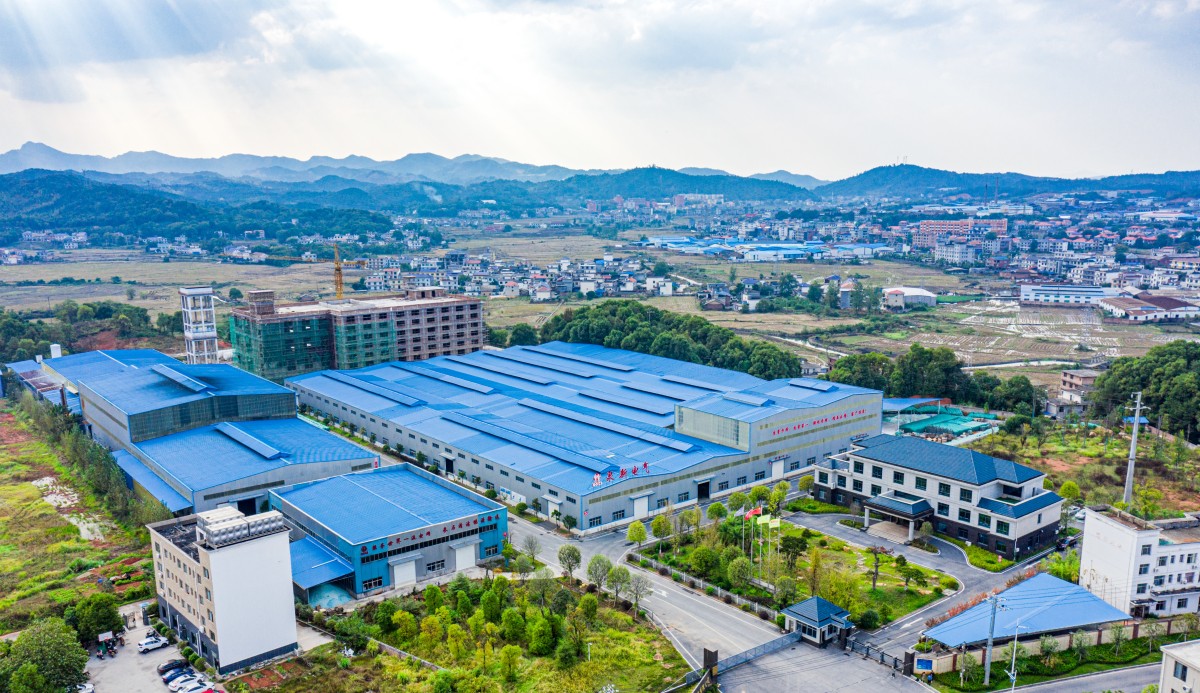
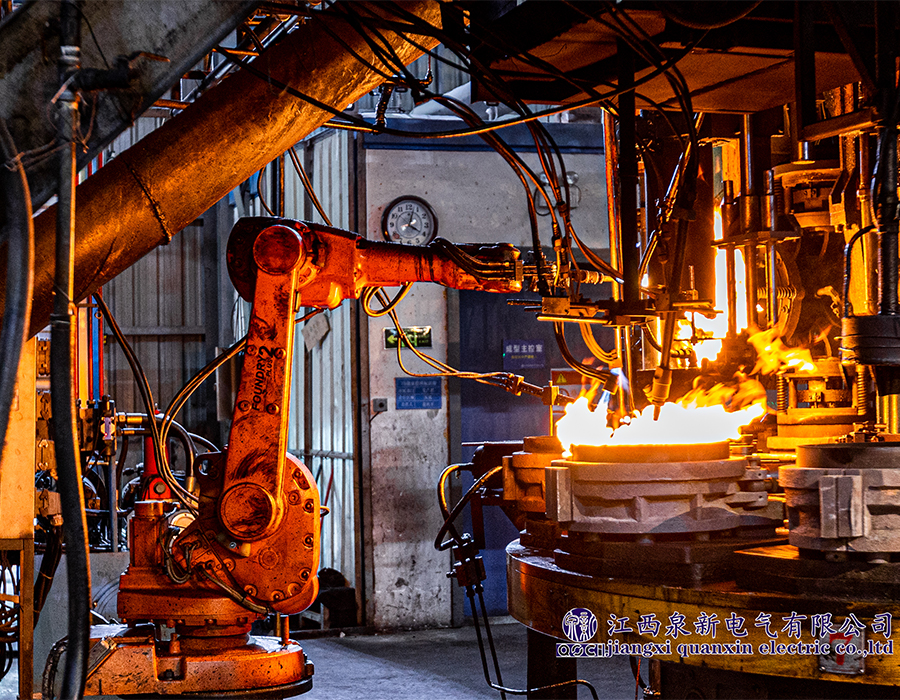
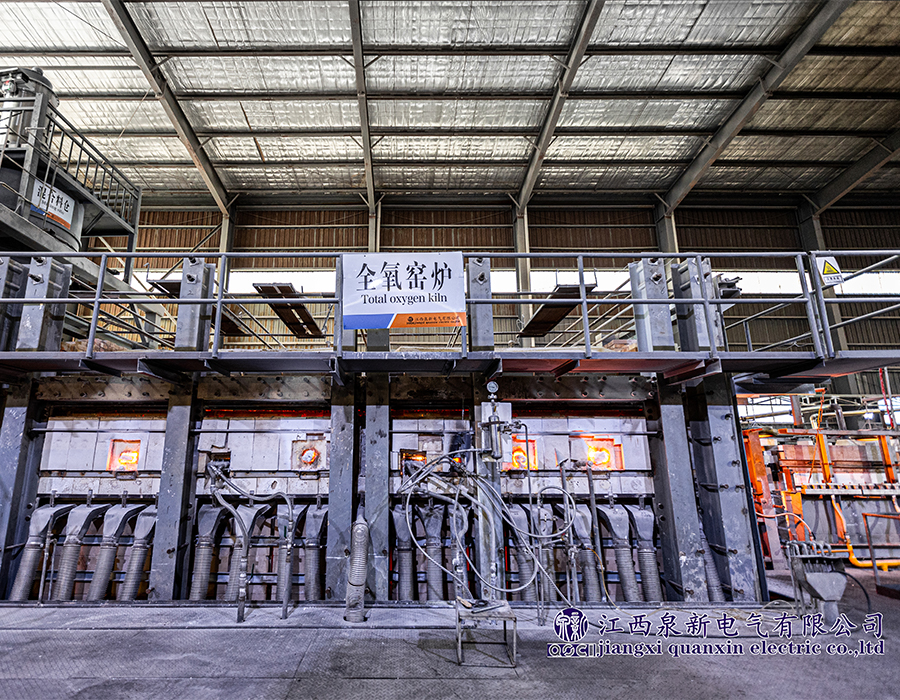
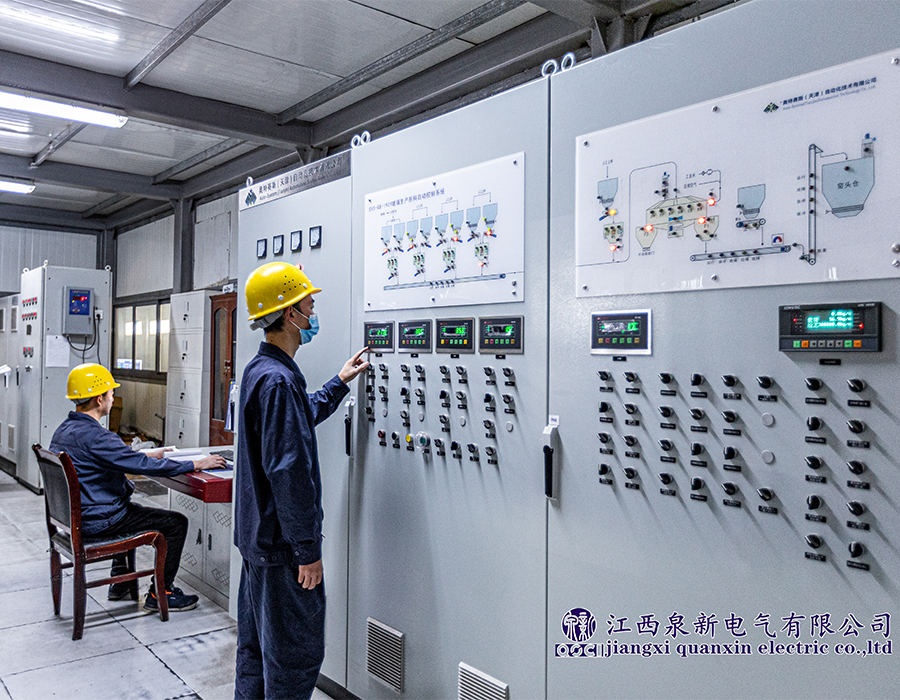
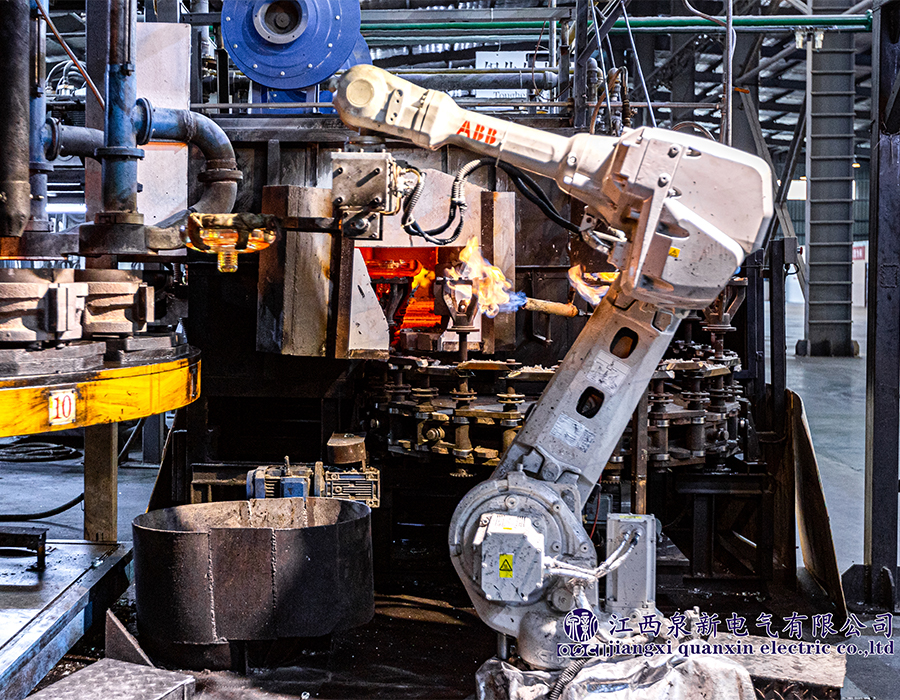
China has become the global hub for high-voltage glass insulators. Our facility in Jiangxi combines raw material purity (low-alkali silica) with fully automated oxygen kilns, ensuring a zero-defect rate that traditional manufacturers cannot match.
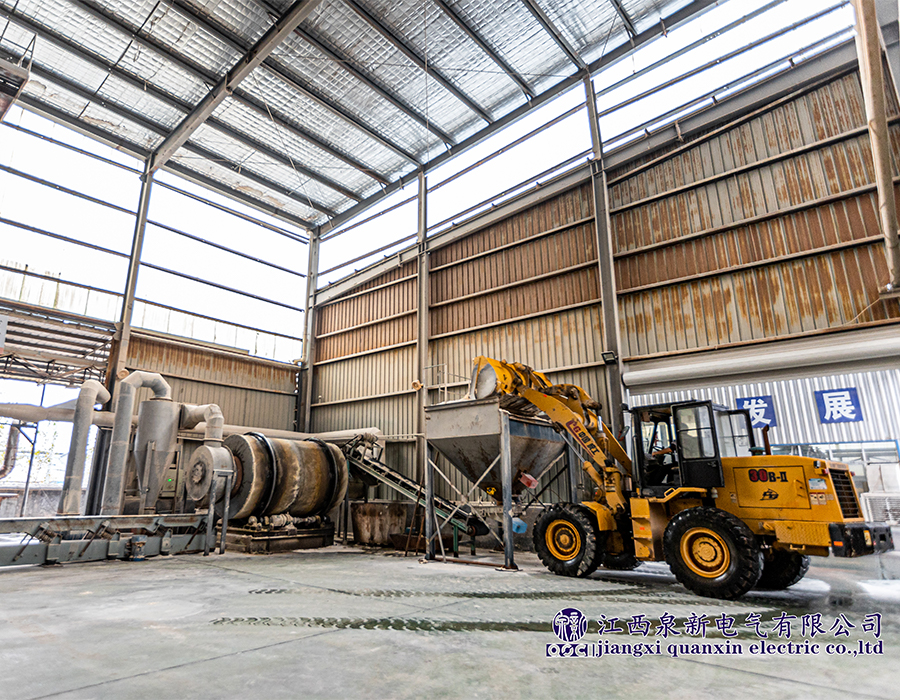
With an annual output of 39,000 tons and a plant area of 70,000 m², our production efficiency allows us to meet large-scale infrastructure demands with a significantly faster delivery window than Western competitors.
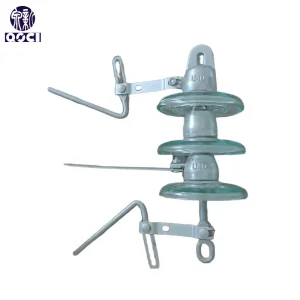
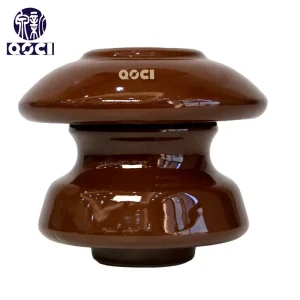
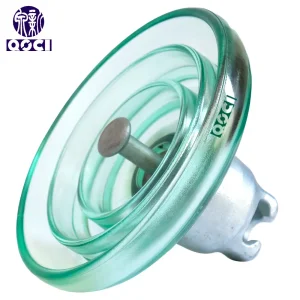
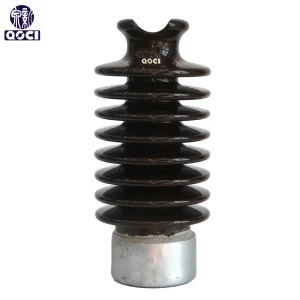
The "Two-Winged" terminology in the industry often describes insulators with optimized shedding—where the "wings" (sheds) are engineered to shed water, ice, and pollutants efficiently. This design increases the leakage distance / spacing ratio, which is vital for maintaining dielectric strength in humid or polluted environments.
Founded in December 2002, Jiangxi QOCI Electric Co. Ltd has grown into a cornerstone of the Chinese insulator industry. With a registered capital of 508 million Yuan, our mission is to serve world-class power grids with high-strength glass insulators that withstand the test of time and nature.
Our expertise lies in the construction of green energy corridors, providing the hardware necessary for wind and solar farms to transmit power across thousands of miles without loss or failure.
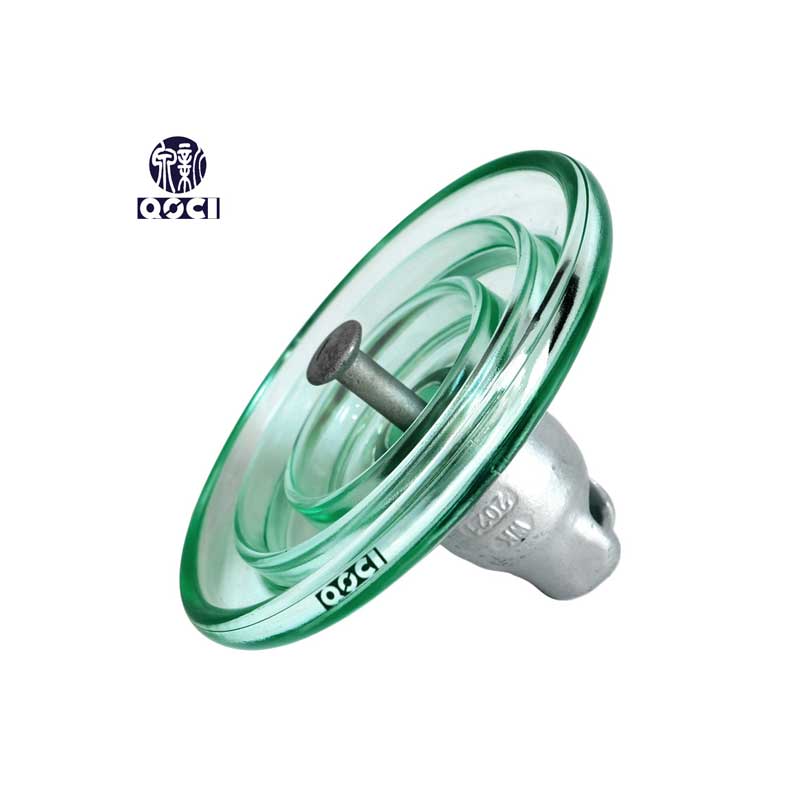
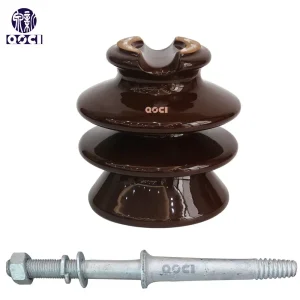
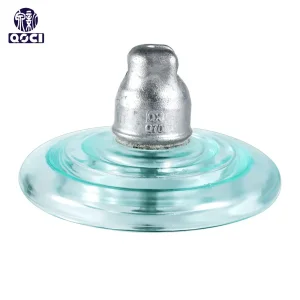
Designed for self-cleaning by wind or rain. Features shallow and well-spaced ribs that exceed IEC 60305 leakage distance requirements.
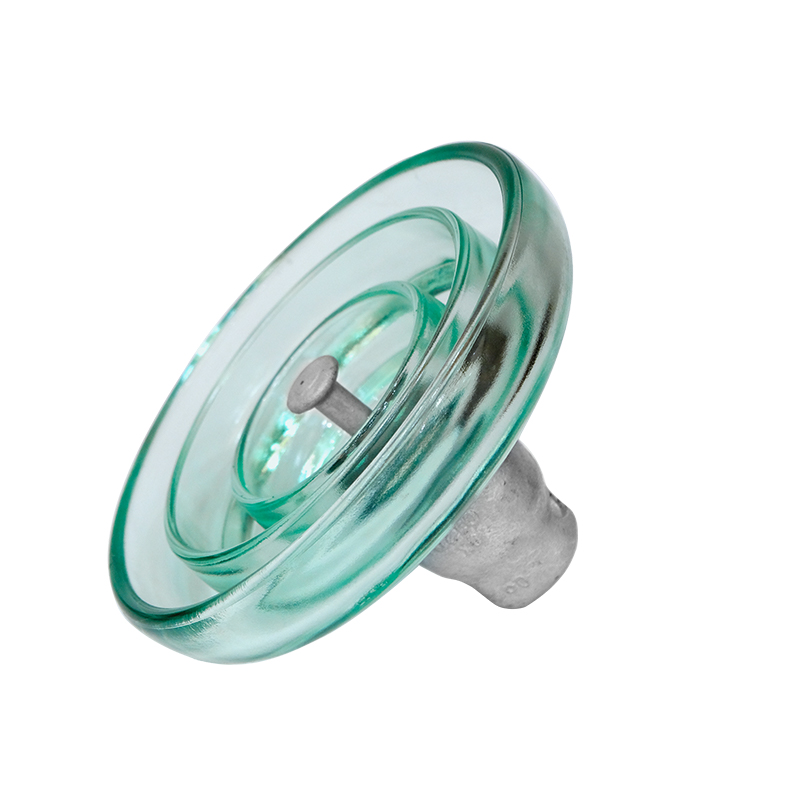
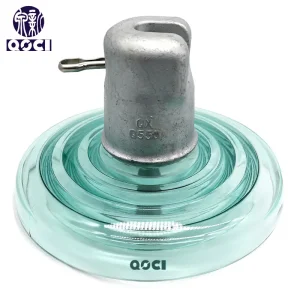
Long, widely-spaced under-ribs prevent arc bridging. Essential for coastal areas with high salt-fog concentrations.
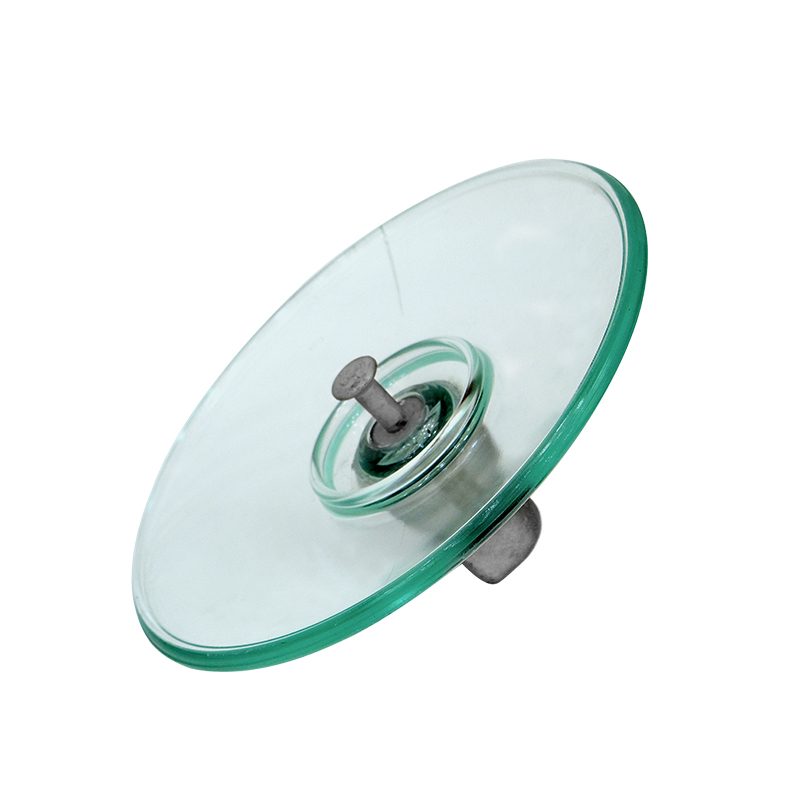
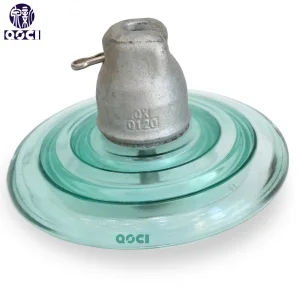
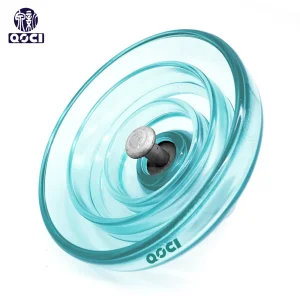
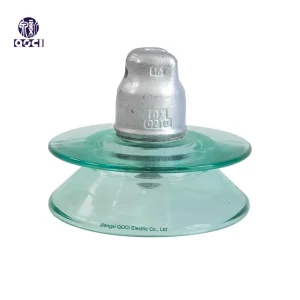
Absence of under-ribs prevents the accumulation of sand and dust. A favorite for HVAC lines in arid, desert regions.
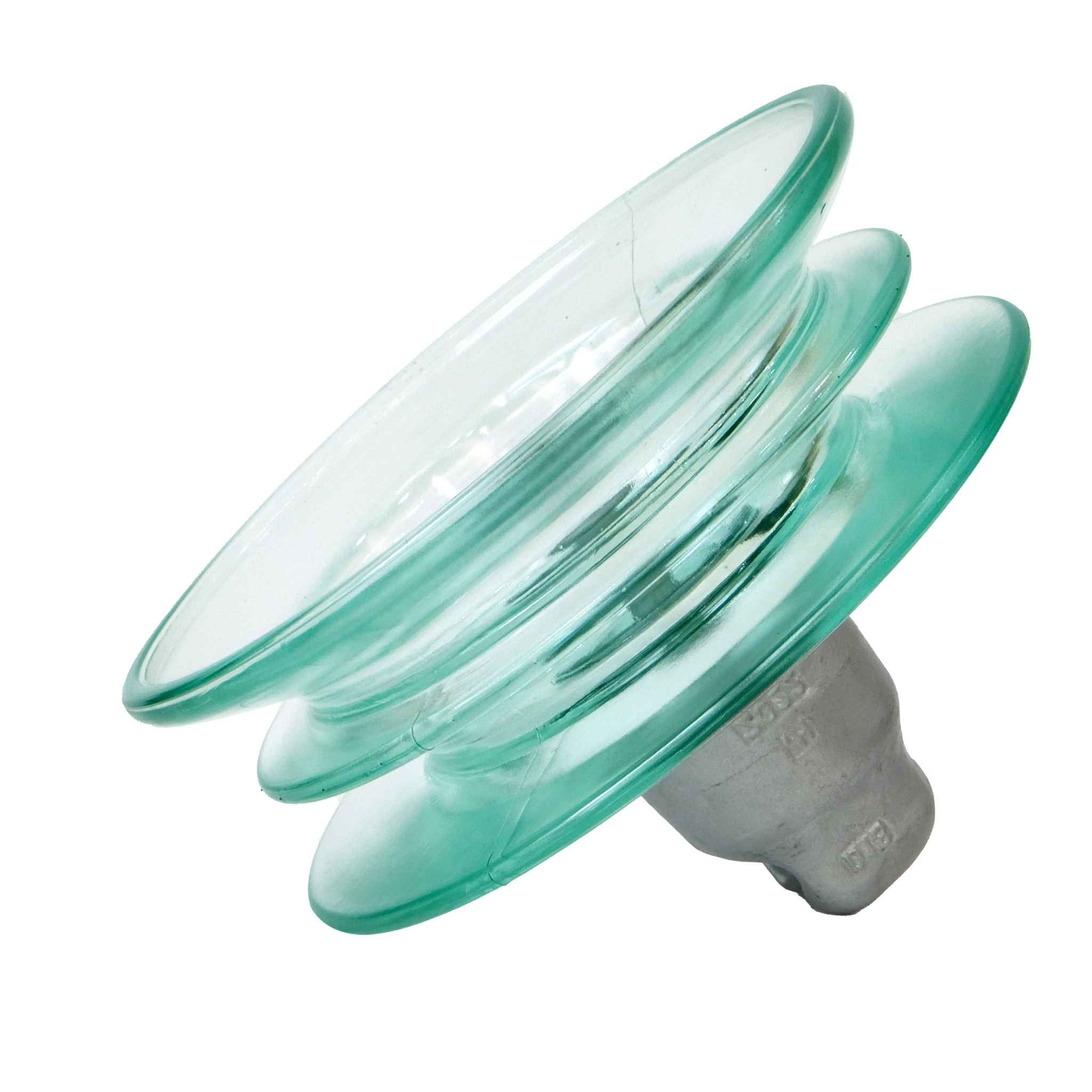
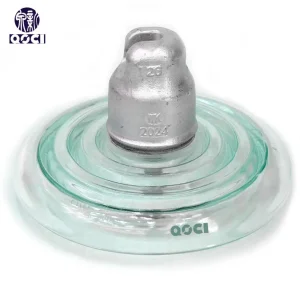
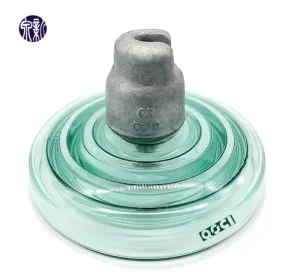
A specialized "Two-Winged" evolution with three layers of umbrella discs. Optimized for Ultra-High Voltage transmission.
The insulator industry is currently driven by three major forces: Sustainability, Digitalization, and Materials Science. As a global supplier, we track these shifts to provide high information gain for our procurement partners.
Modern procurement isn't just about the physical insulator. We are seeing a trend toward integrating sensors into insulator strings to monitor leakage current and mechanical tension in real-time.
Room Temperature Vulcanization (RTV) silicone coating on glass insulators is becoming a standard request. It combines the mechanical reliability of glass with the hydrophobicity of polymers.
Global enterprises now require carbon footprint data for their supply chain. Our factory utilizes clean-burning oxygen kilns to reduce emissions during the glass-melting process.
A: Toughened glass insulators offer "automatic shattering" when damaged, making it easy for maintenance crews to spot failures from the ground. They also have higher mechanical strength-to-weight ratios and better resistance to thermal aging compared to porcelain.
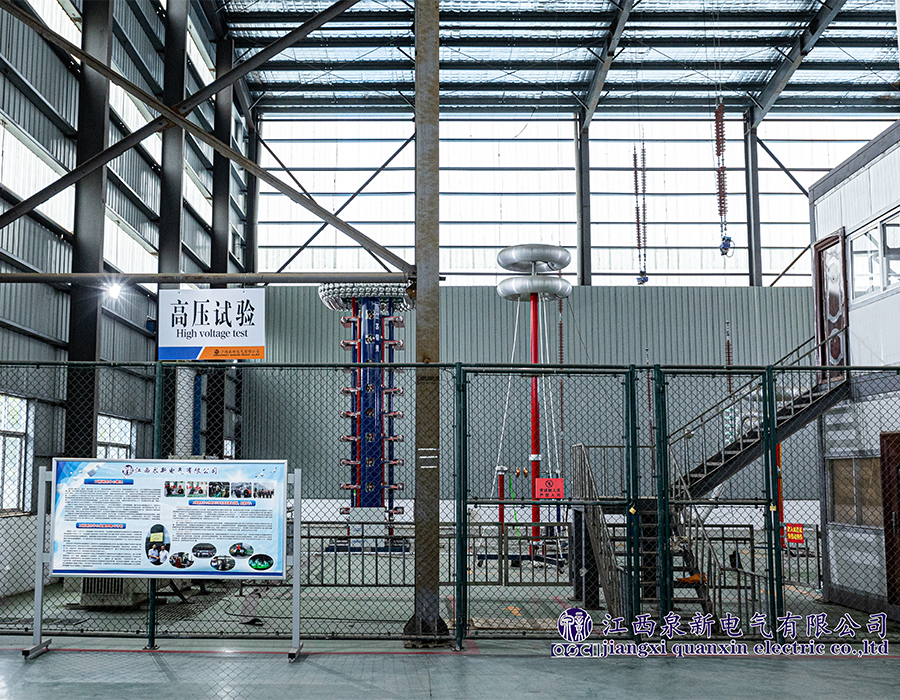
A: Every batch undergoes rigorous testing, including thermal shock tests, steep-front impulse voltage tests, and mechanical load tests. Our products comply with IEC, ANSI, and AS standards, backed by 26+ invention patents.
A: Yes. As a specialized manufacturer, we can adjust shed profiles and counts to meet specific pollution levels (Very Heavy, Heavy, Medium, Light) as per IEC 60815 guidelines.
A: Standard orders are typically ready for shipment within 4-6 weeks. Our proximity to major shipping ports in China ensures efficient global logistics.
A: RTV (Room Temperature Vulcanization) silicone coating provides a hydrophobic surface that prevents the formation of continuous water films, drastically reducing the risk of pollution flashover in saline environments.