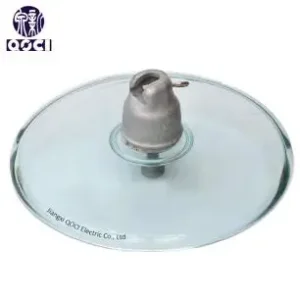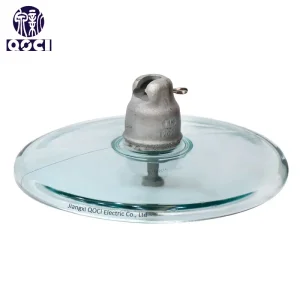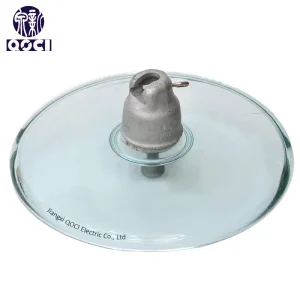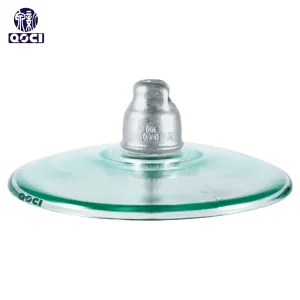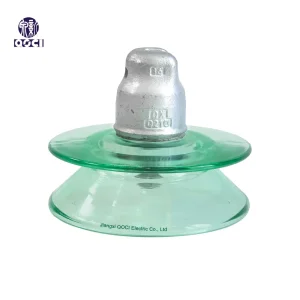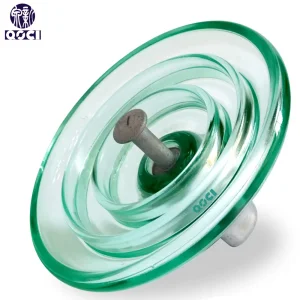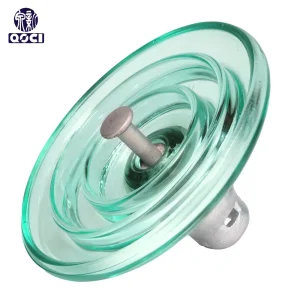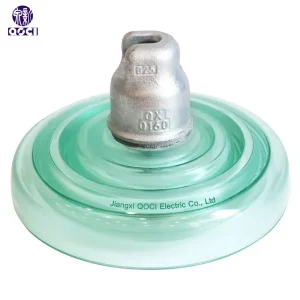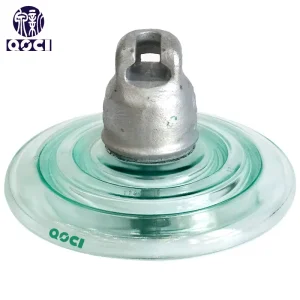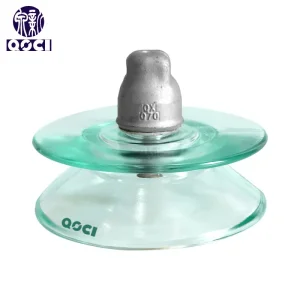
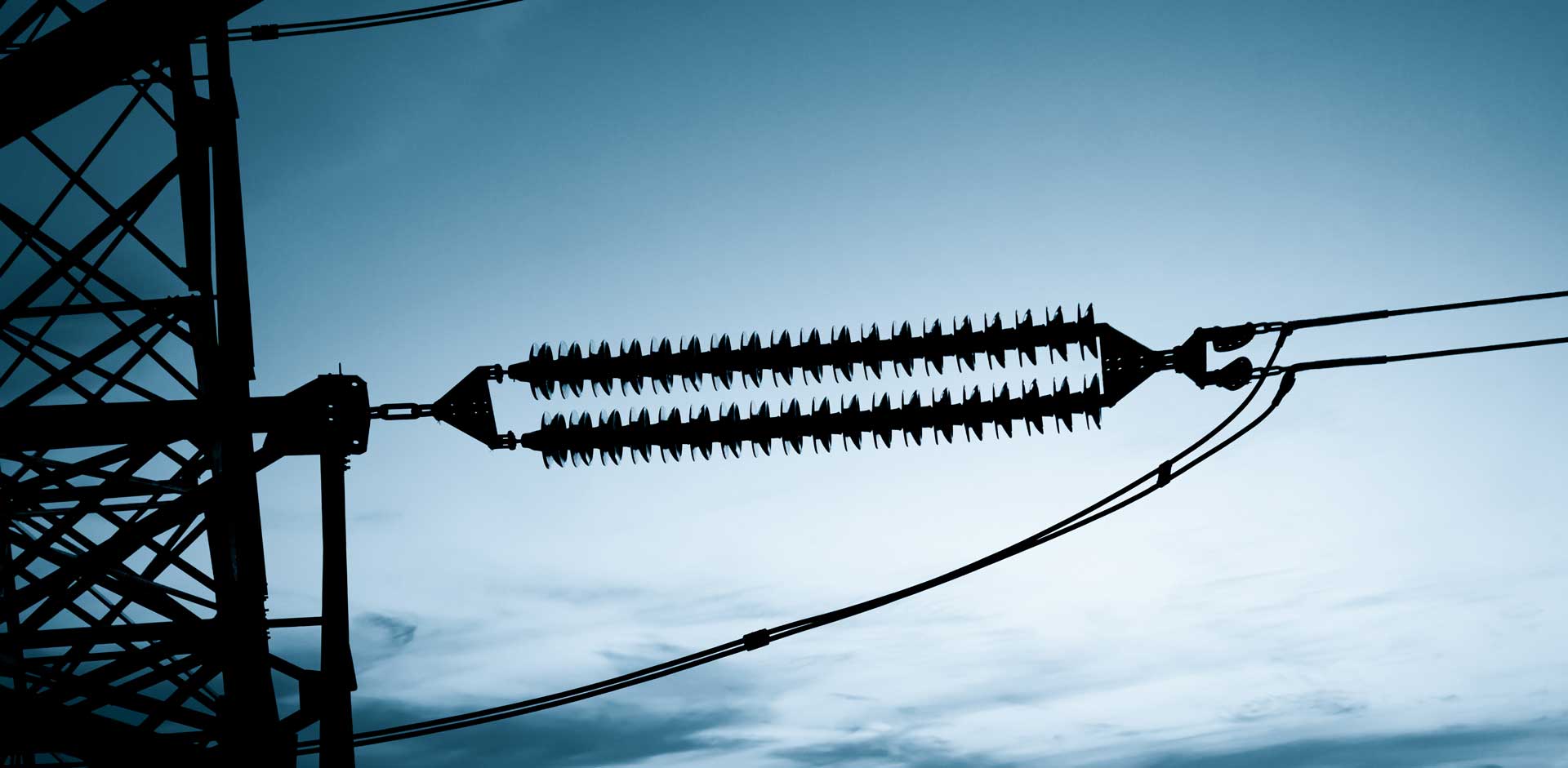
South Africa’s power grid, managed predominantly by Eskom, faces unique environmental and operational challenges. As the country moves toward the Just Energy Transition and integrates massive solar and wind farms in the Northern Cape and Western Cape, the reliability of High Voltage (HV) and Extra High Voltage (EHV) lines is paramount. The "Aerodynamic Type" glass insulator, specifically designed with an "Open Profile" (absence of under-ribs), is no longer a luxury—it is a technical necessity for the Southern African Development Community (SADC) region.
The South African Industrial Reality includes vast arid regions where dust accumulation and sandstorms are frequent. Standard insulators with deep ribs tend to trap pollutants, leading to leakage currents and eventually flashovers when moisture (from coastal fog or rare rainfall) interacts with the accumulated dust. Our Aerodynamic (Open Profile) insulators utilize the natural force of wind to "self-clean," ensuring that the creepage distance remains effective even in the harshest Karoo or Kalahari environments.
Strategic Advantages for SA Procurement:
The aerodynamic design eliminates dead zones where particles settle. By streamlining the air flow around the glass disc, we reduce the deposition rate of salt and industrial pollutants by up to 40% compared to traditional fog-type profiles.
For South Africa's coastal lines (KZN and Cape Town), we integrate high-purity zinc bushings. This provides sacrificial protection against corrosion of the iron cap and pin, extending the lifespan of the insulator string to over 40 years.
Our roadmap includes specialized Aerodynamic insulators for ±800kV UHVDC projects, similar to the Cahora Bassa link, focusing on ionic migration resistance and thermal stability under South Africa's intense UV radiation.
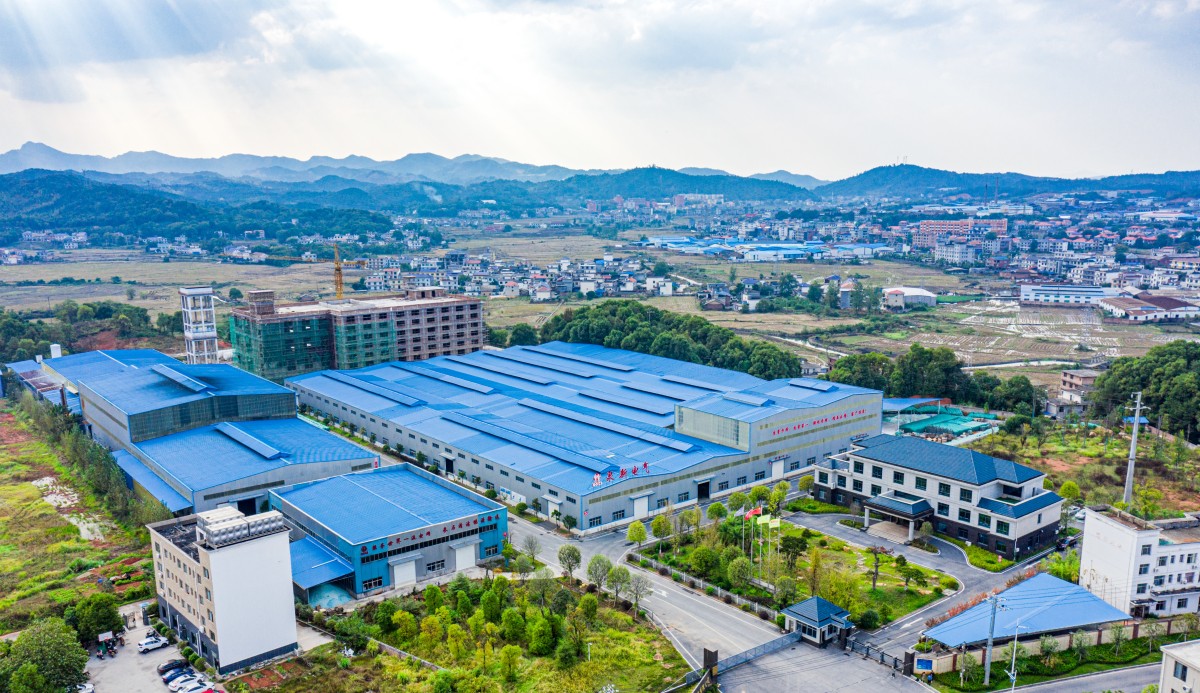
In the global procurement landscape, South African engineering, procurement, and construction (EPC) firms require a balance of cost-efficiency, speed, and uncompromising quality. Jiangxi QOCI Electric Co. Ltd offers a direct manufacturing advantage from the heart of China’s insulator production hub.
With an annual output of 39,000 tons and a registered capital of 508 million Yuan, we provide the industrial scale required for mega-projects. For South African buyers, this means shorter lead times, batch consistency, and direct technical support from the engineers who designed the profiles.
Heavy dust in Mpumalanga and Limpopo mines requires aerodynamic self-cleaning to prevent downtime.
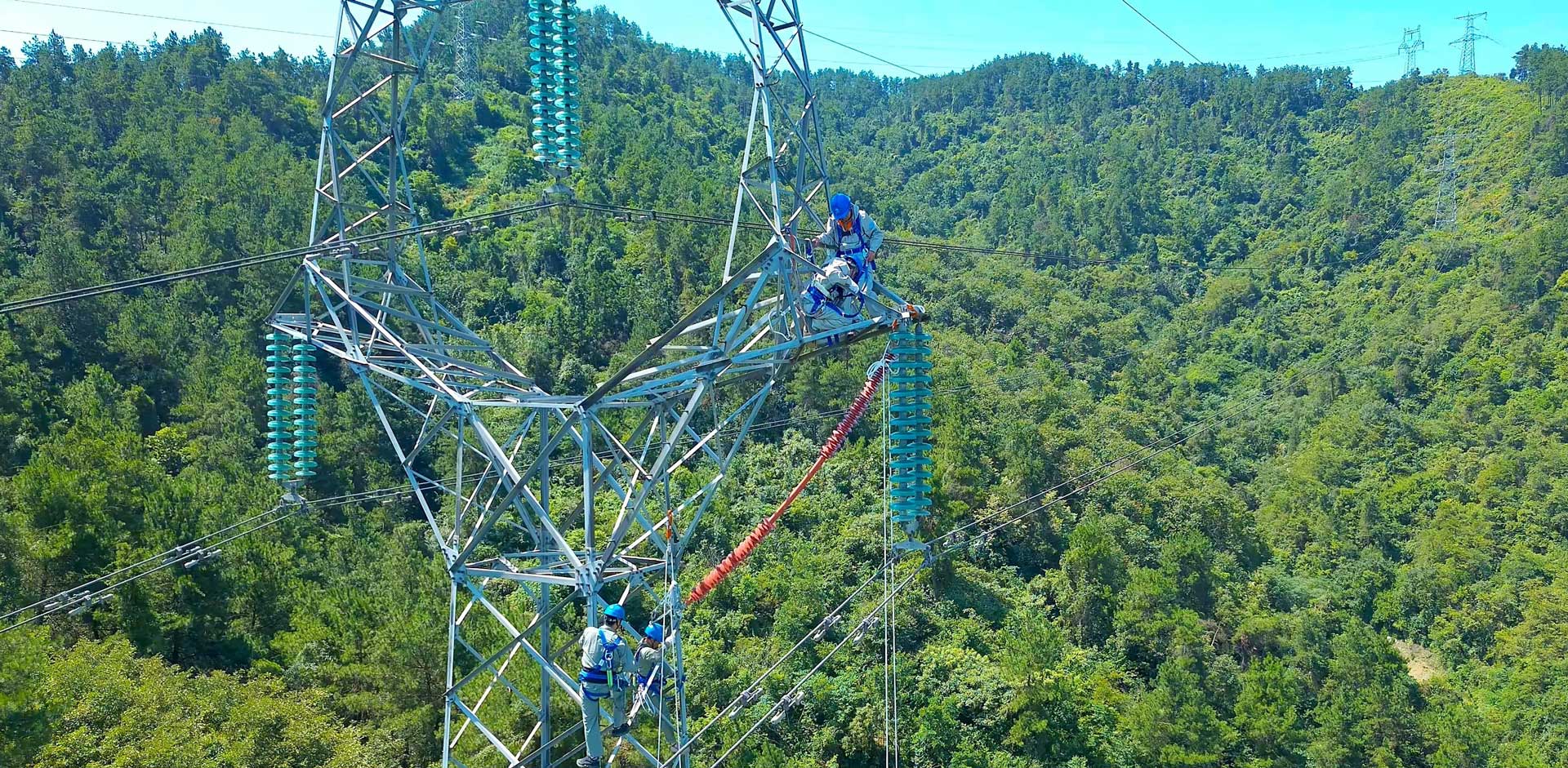
Connecting Northern Cape solar farms to the national grid via long-distance HV lines.
Combating saline fog in Richards Bay, Durban, and Coega industrial zones.
Ensuring grid stability for the growing industrial hubs of Gauteng and Cape Town.
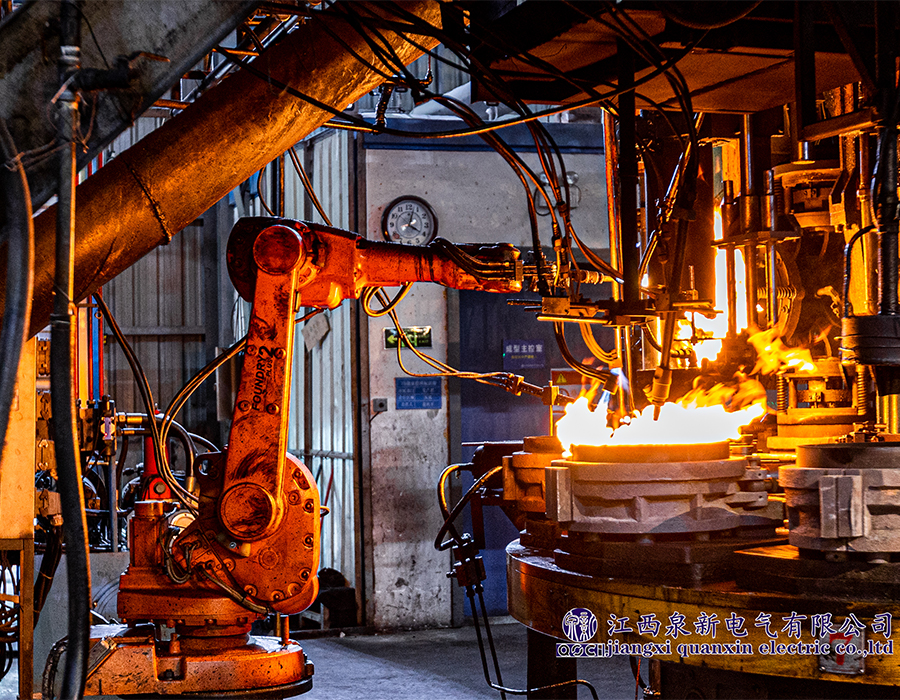
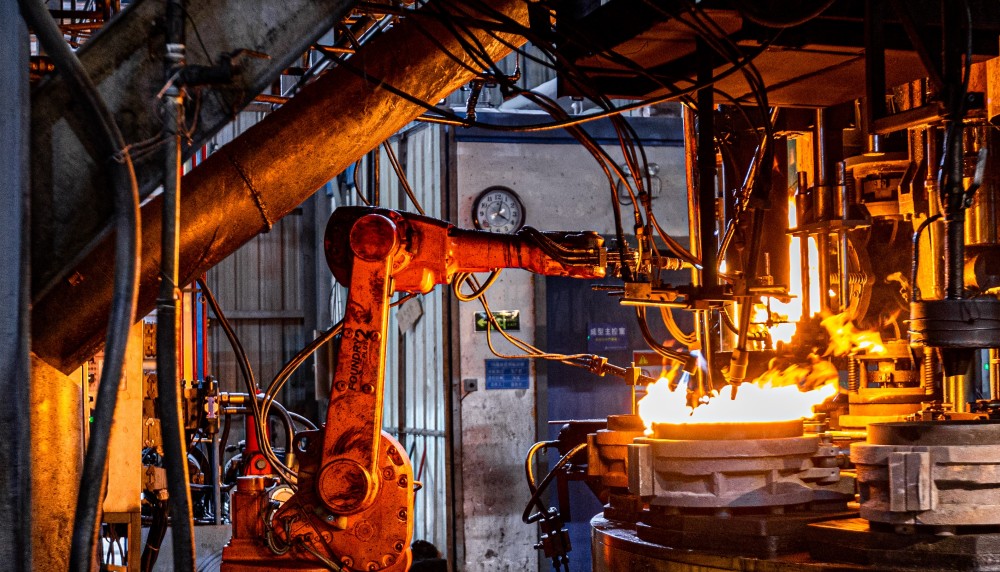
Advanced vacuum forming technology ensures zero internal defects and uniform glass density.
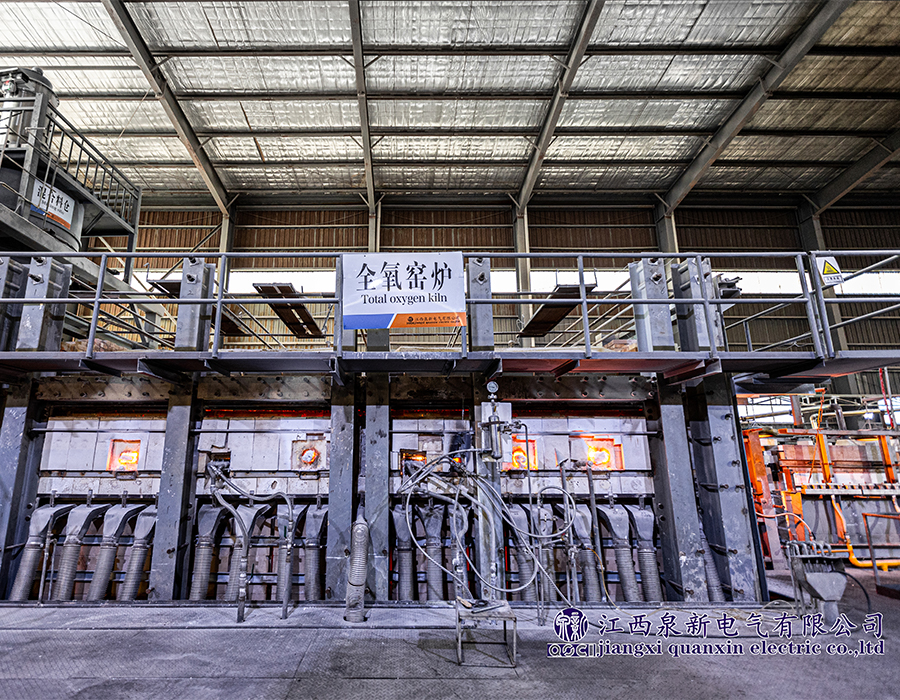
Environmentally friendly melting process that results in high-clarity toughened glass with superior thermal shock resistance.
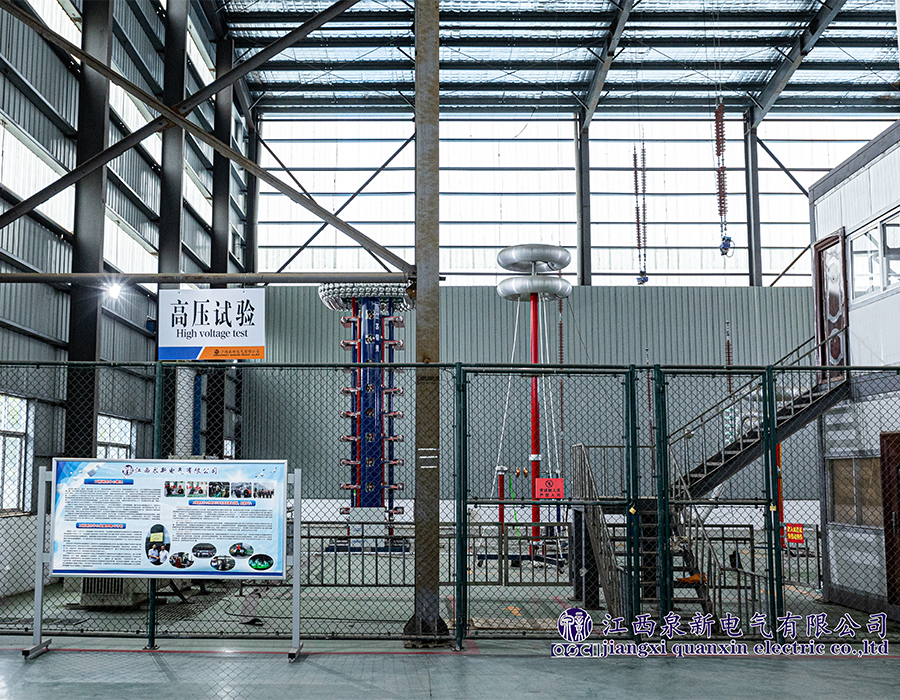
Every unit undergoes high-voltage impulse testing and mechanical load testing beyond rated capacity.
The Karoo has low humidity and high dust. Standard fog types have deep ribs that act as "dust traps." Aerodynamic (Open) types allow the wind to blow through the sheds, removing dust naturally, which is superior for dry, windy inland areas.
Our products are designed to IEC 60305, 60383, and 60120 standards, which are the technical basis for Eskom's internal specifications. We provide full type-test reports from independent international laboratories.
Unlike polymer/composite insulators which can degrade under high UV, toughened glass is inorganic and completely immune to UV radiation, making it the ideal long-term choice for South Africa's sunny climate.
Yes, we can provide a zinc sleeve on the pin and a zinc ring on the cap to prevent electrolytic corrosion, which is critical for lines within 50km of the South African coastline.