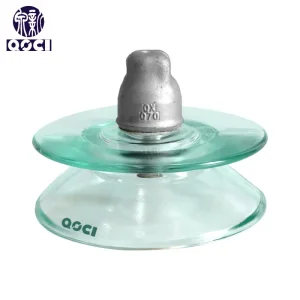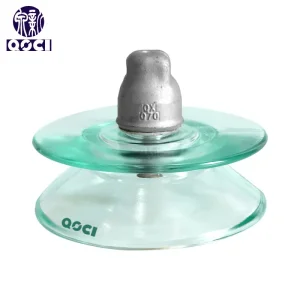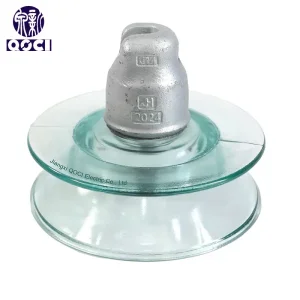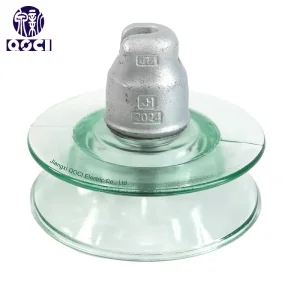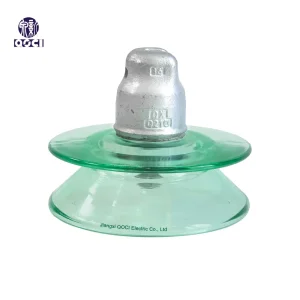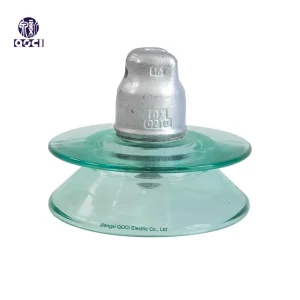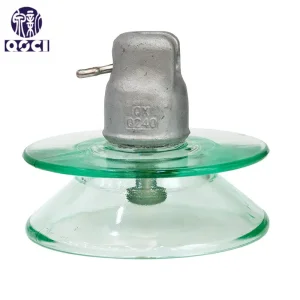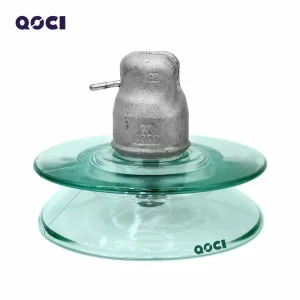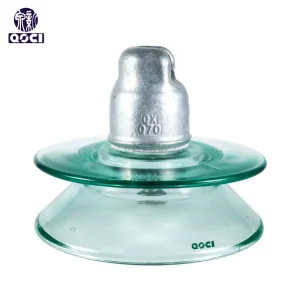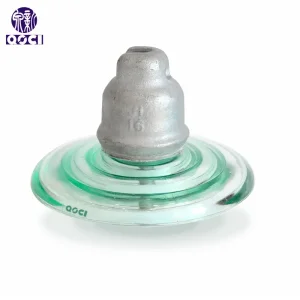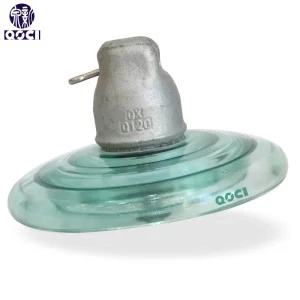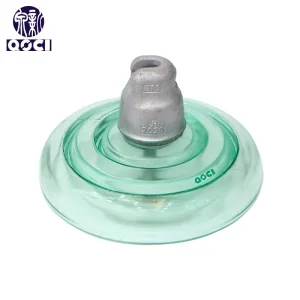
Italy’s unique geography—a narrow peninsula stretching into the Mediterranean with the Alpine mountains to the north—presents significant challenges for electrical transmission. As the Italian national grid operator (Terna) and regional utilities like Enel modernize their infrastructure under the Piano Nazionale di Ripresa e Resilienza (PNRR), the demand for high-performance insulators has surged. Double-Shed Type Glass Insulators have emerged as a critical component in ensuring grid resilience against salt-fog corrosion in coastal regions (Ligurian and Tyrrhenian coasts) and heavy snow loading in the northern provinces.
The "Double-Shed" or "Two-Winged" design effectively increases the leakage distance (creepage) without increasing the overall height of the insulator string. This is vital for Italy's coastal high-voltage lines where saline deposits can lead to flashovers.
In the industrial Po Valley, where solid pollution and particulate matter are high, the aerodynamic profile of our double-shed insulators allows wind and rain to naturally wash away contaminants, reducing maintenance cycles.
Constructed from toughened glass with high mechanical strength (up to 300kN), these insulators are designed to withstand the extreme cold and ice accumulation prevalent in the Apennines and Alps.
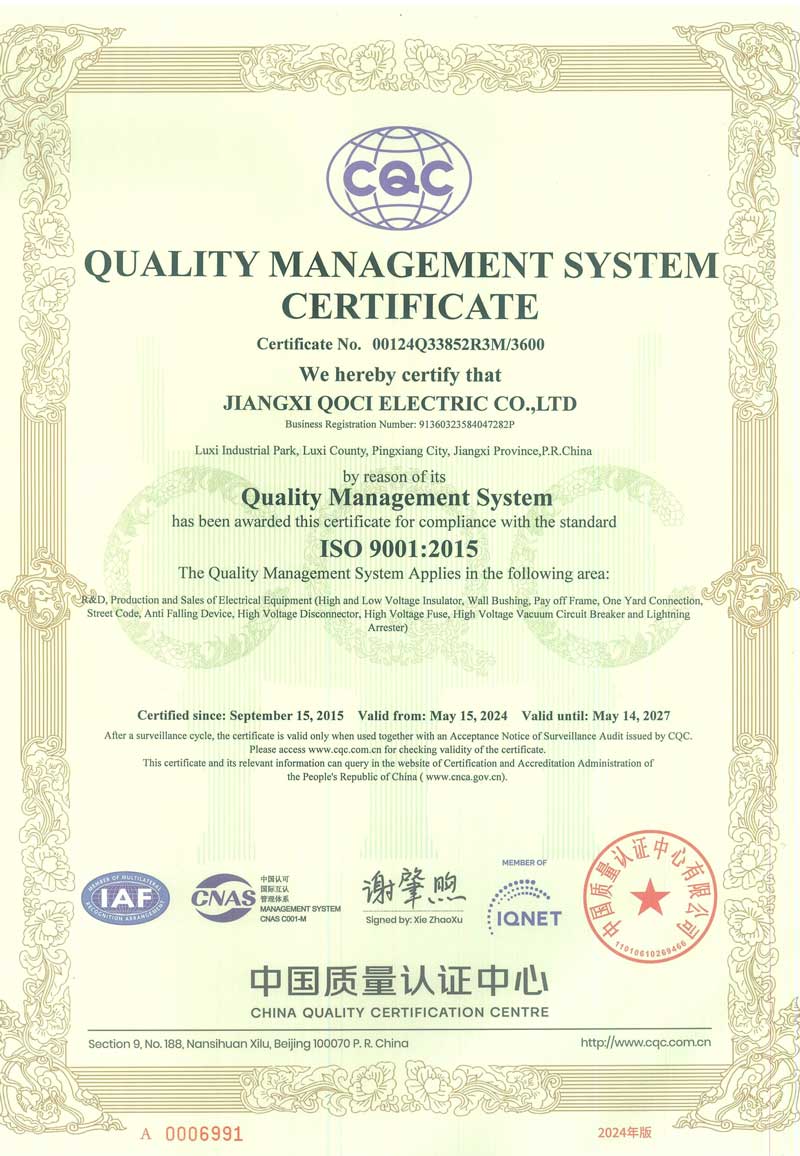
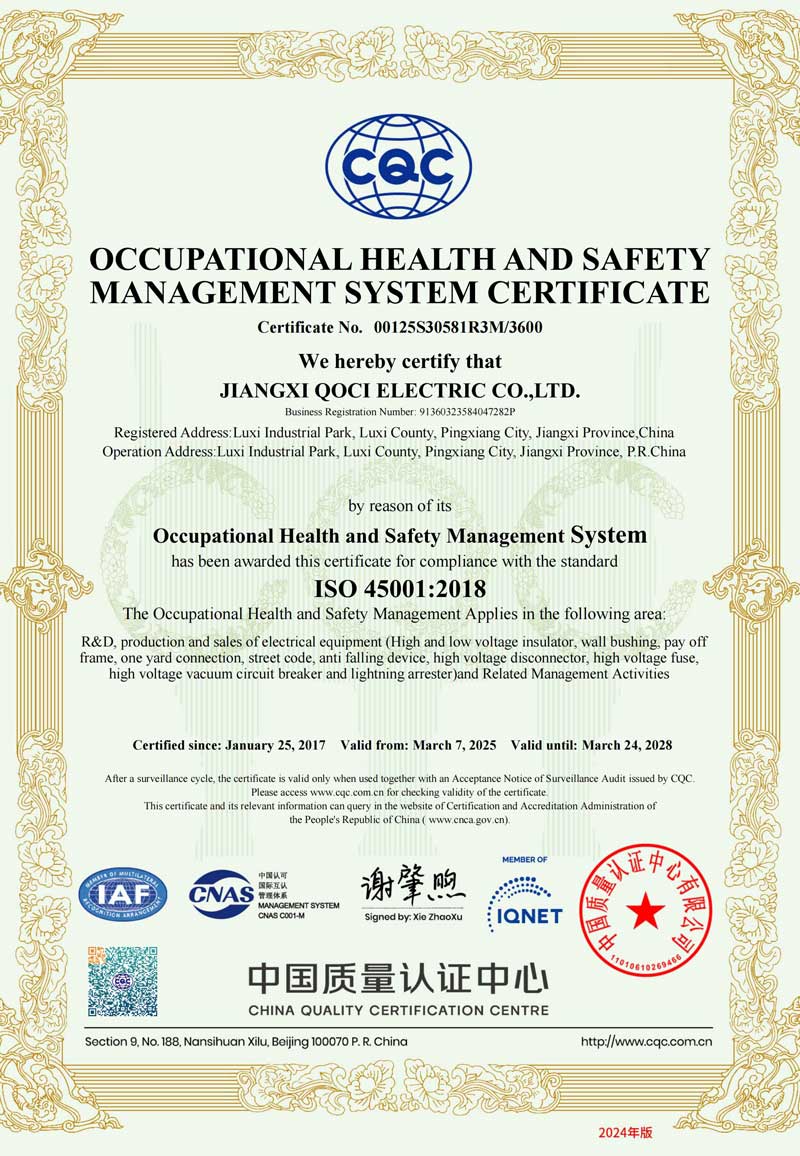
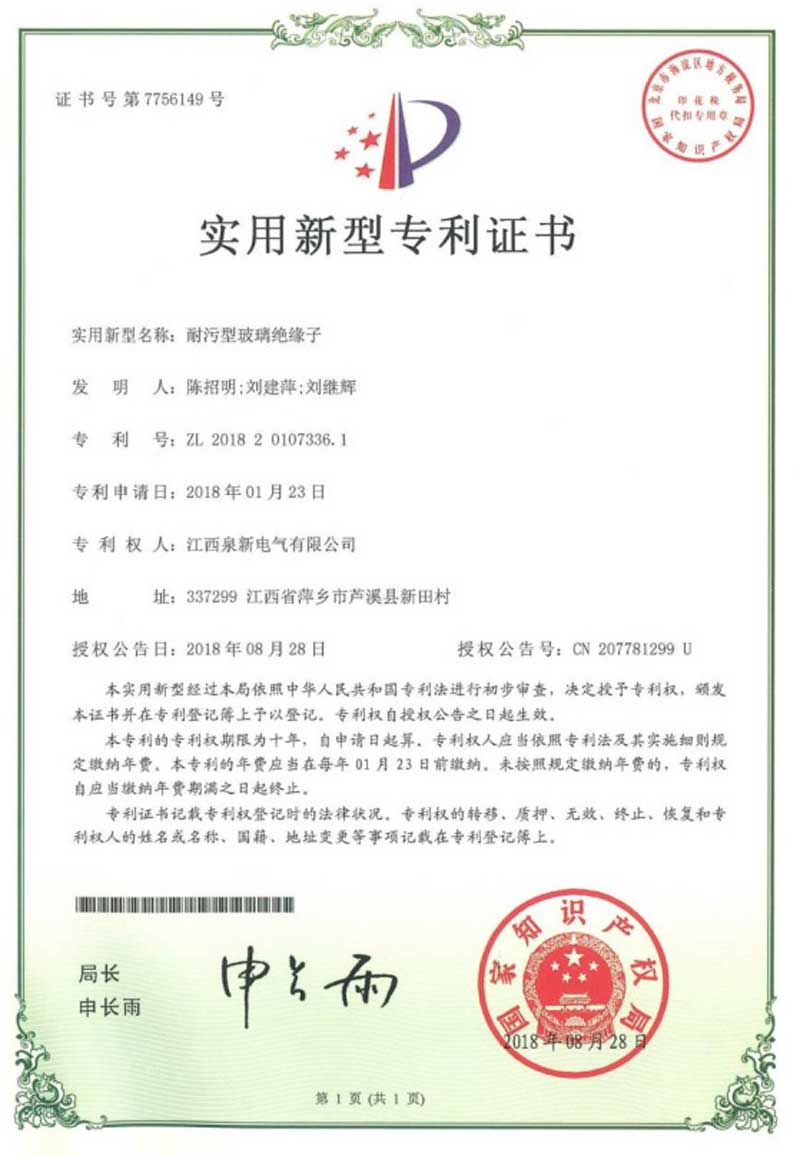
Jiangxi QOCI Electric Co. Ltd (Founded 2002) is a titan in the global insulator industry. With a registered capital of 508 million Yuan and an annual output exceeding 39,000 tons, we are uniquely positioned to serve the Italian market with volume and precision.
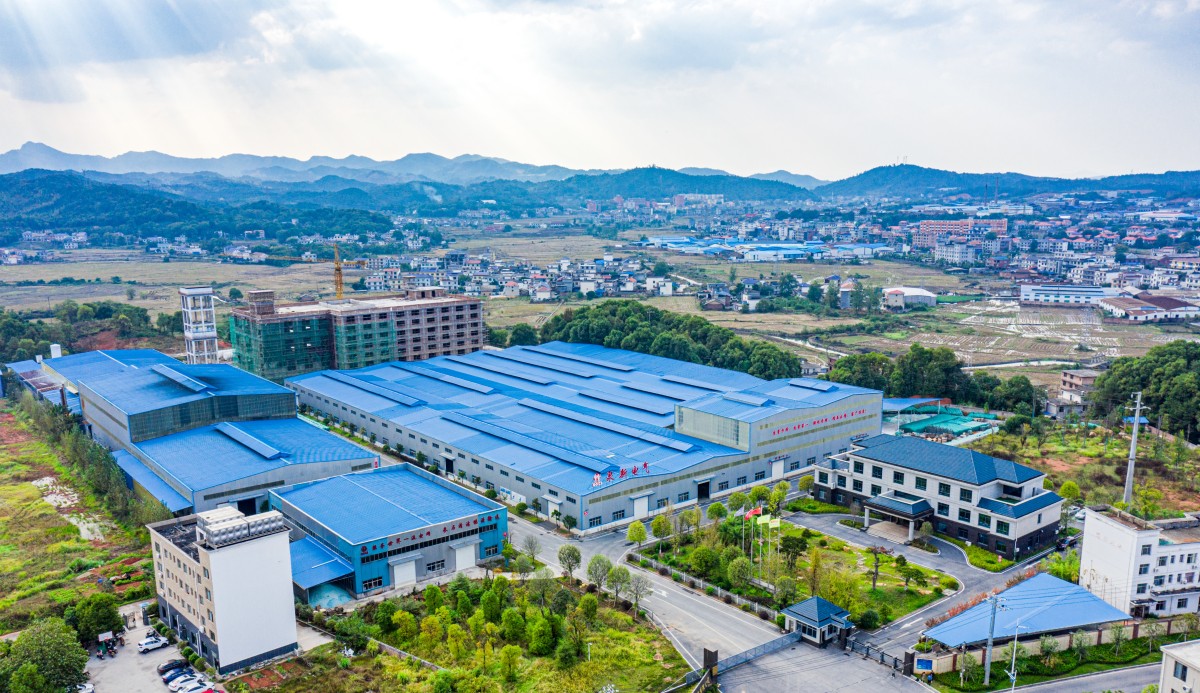
Why do Italian EPC (Engineering, Procurement, and Construction) companies choose Chinese manufacturing? It comes down to Resilience, Scale, and Cost. While European manufacturers face surging energy costs, our total oxygen kiln technology ensures energy-efficient production, keeping prices competitive without sacrificing IEC 60305 standard compliance.
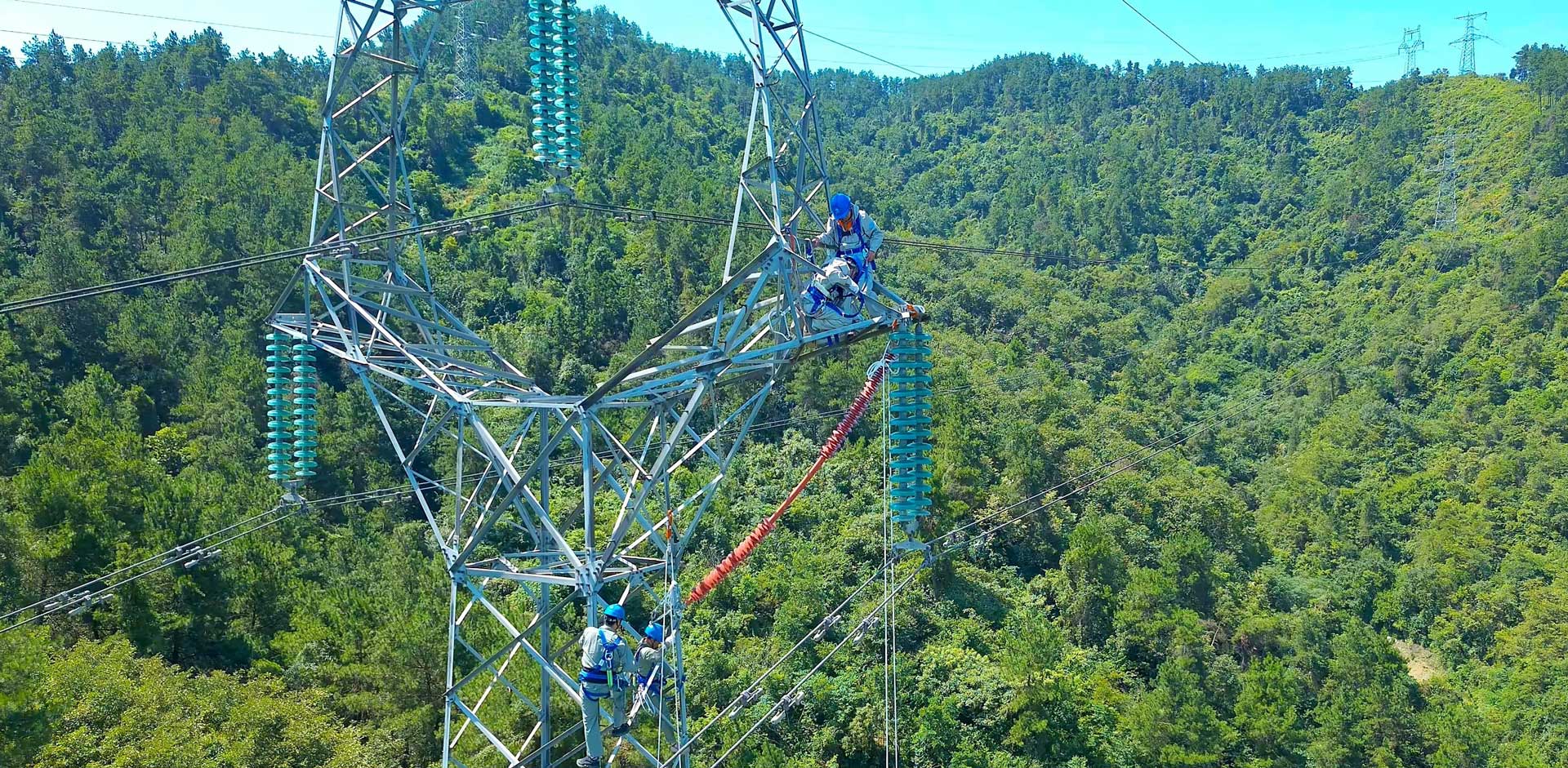
High-salinity areas requiring external double-shed profiles to prevent salt-fog flashovers.
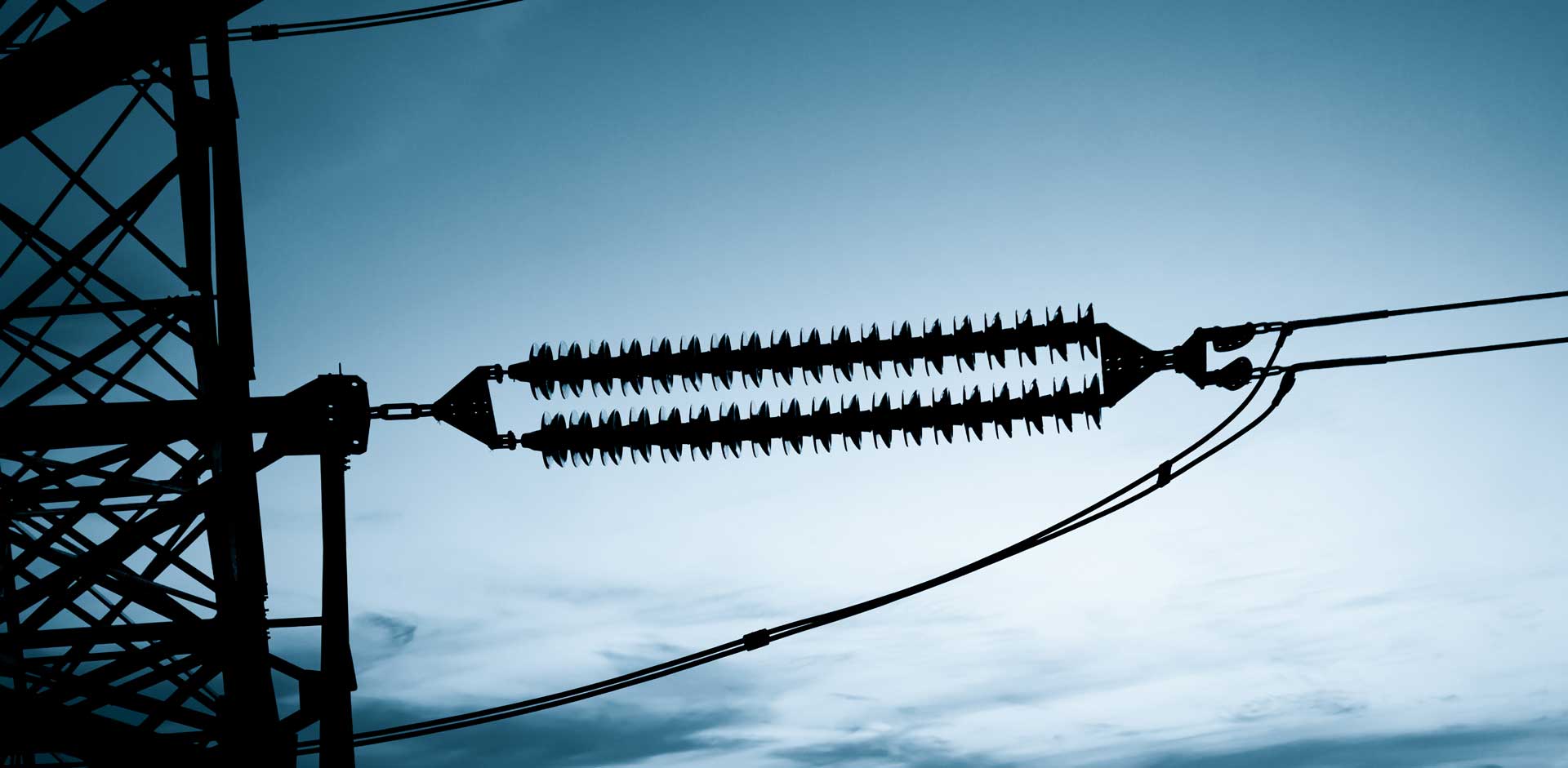
Po Valley industrial clusters where solid pollution accumulation is a major operational risk.
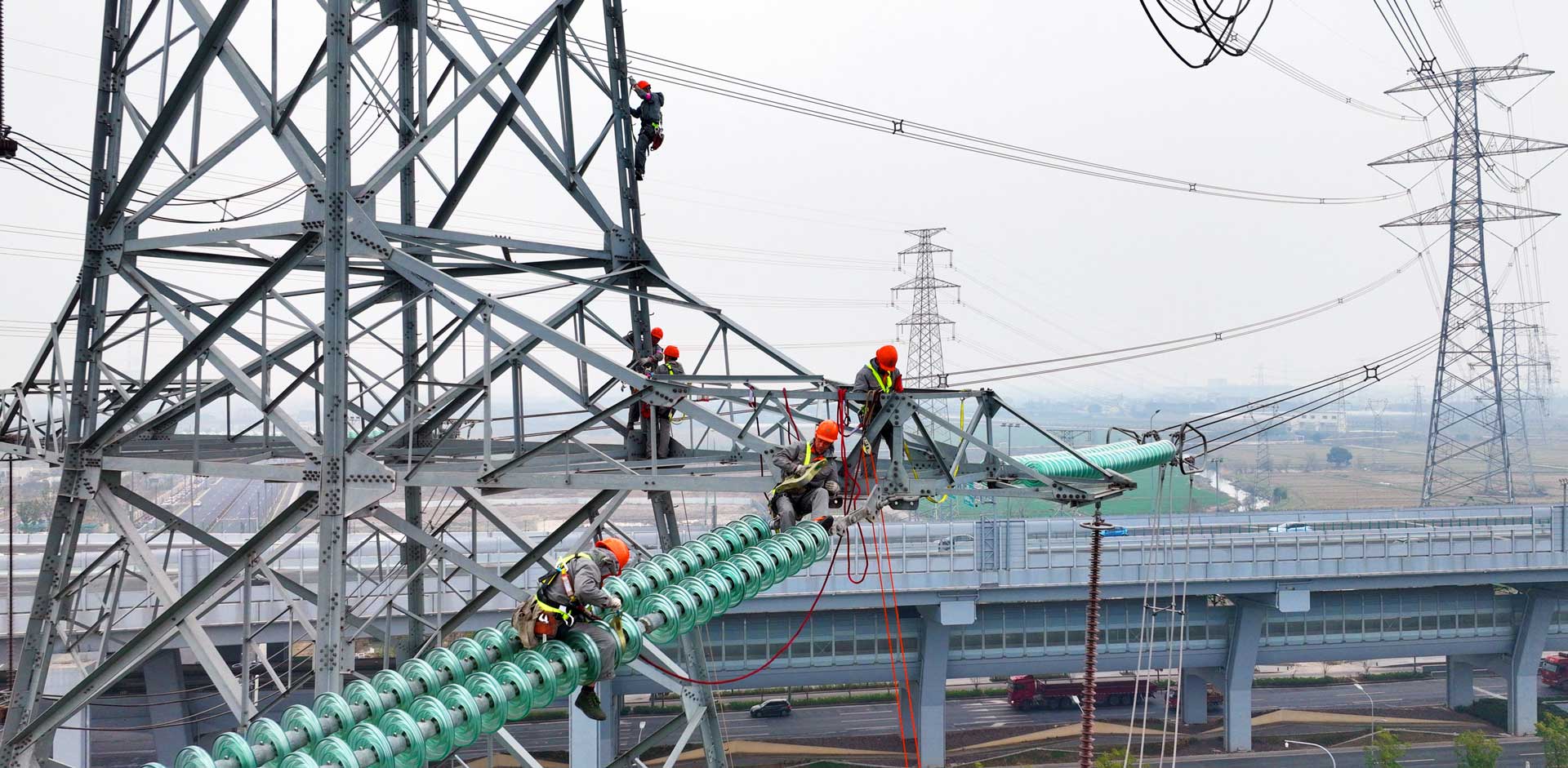
Supporting Italy's interconnections with neighboring countries like France and Switzerland.
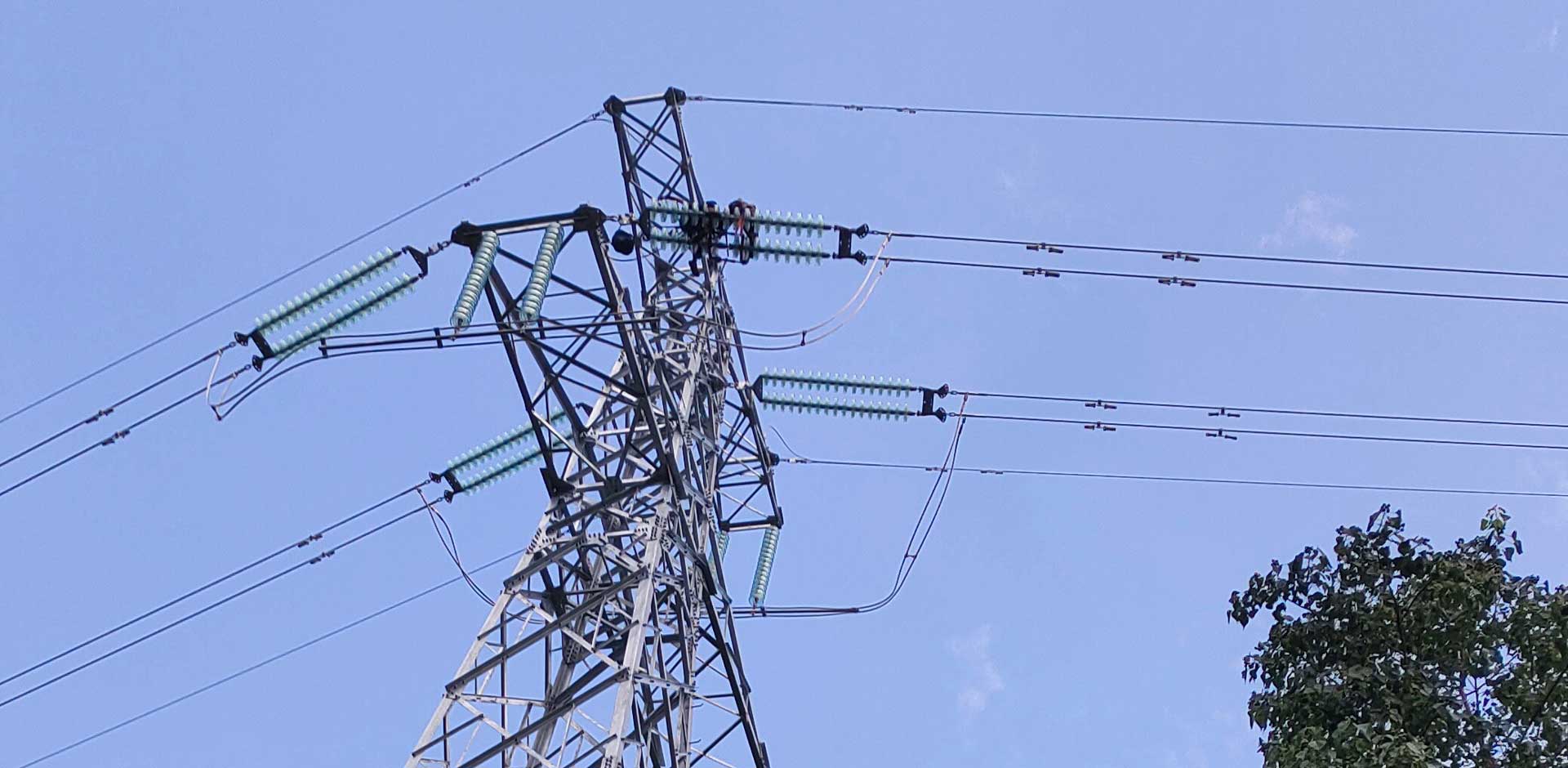
Connecting large-scale solar farms in Puglia and wind farms in Sardinia to the main grid.
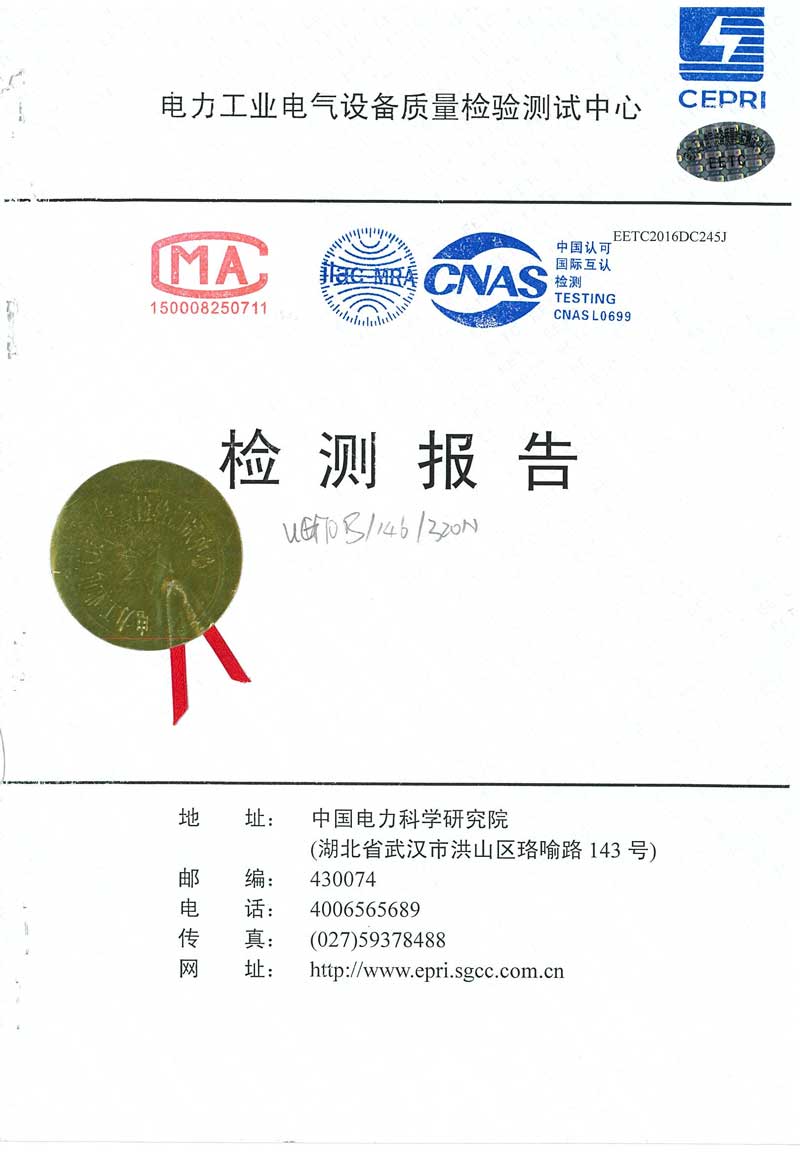
Yes, all our toughened glass insulators are manufactured strictly according to IEC 60305, IEC 60383, and IEC 60120. We provide full type-test reports from independent laboratories to ensure compliance with Italian national grid requirements.
The double-shed (or aerodynamic) profile provides a greater surface area for the same longitudinal length, significantly increasing the creepage distance. This is critical in preventing "wetting" and tracking in areas with heavy Mediterranean salt fog.
Depending on order volume, we typically dispatch from our Jiangxi factory within 15-30 days. Shipping to Italian ports like Genoa or Naples usually takes 35-45 days, allowing for a total fulfillment cycle of roughly 60-75 days.
Absolutely. We provide factory-applied Room Temperature Vulcanization (RTV) silicone coatings which add a hydrophobic layer to the glass, offering the ultimate protection against leaking currents in extreme pollution zones.
Yes, we manufacture specific types of glass insulators optimized for HVDC applications, which are increasingly important for Italy's undersea cables and long-distance interconnectors.