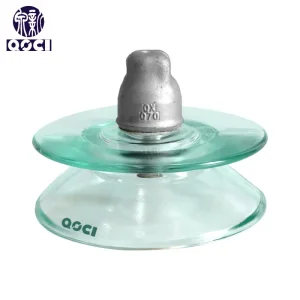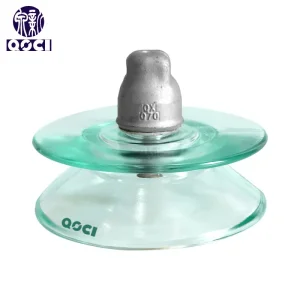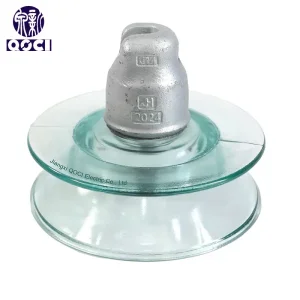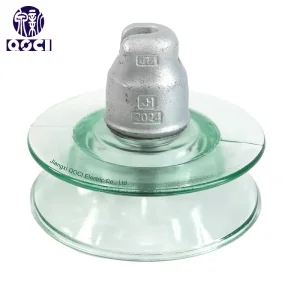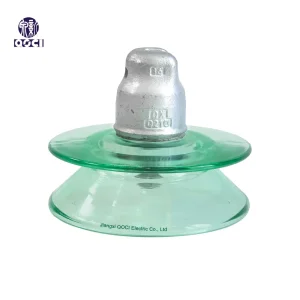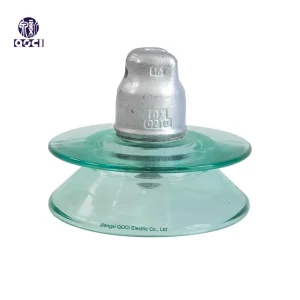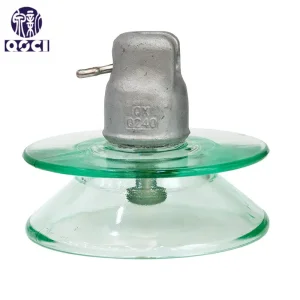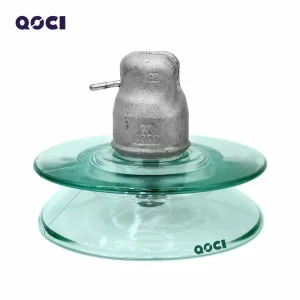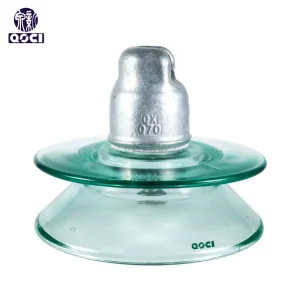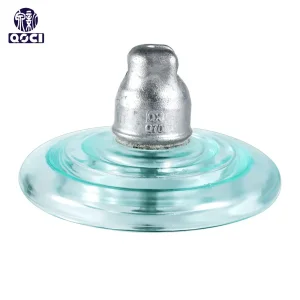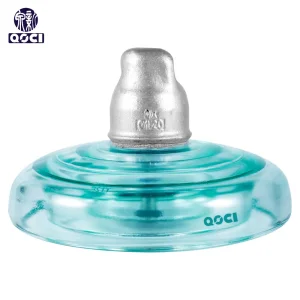
As Ethiopia undergoes a monumental transformation in its energy sector—led by the Grand Ethiopian Renaissance Dam (GERD) and an ambitious mandate to achieve universal electricity access by 2030—the reliability of high-voltage (HV) transmission lines has become a matter of national security. The introduction of Double-Shed Type Glass Insulators marks a significant technical evolution in addressing the unique climatic challenges of the Horn of Africa.
Ethiopia's power grid operates across extreme topographical variations, from the humid highlands to the arid, dust-prone Great Rift Valley. Conventional insulators often face "Pollution Flashover," a phenomenon where industrial dust, volcanic ash, or salt deposits (in regions near Afar) combine with light rain or fog to create conductive paths, leading to grid failure. Factories and manufacturers serving Ethiopia must now provide solutions that exceed standard IEC 60305 requirements.
With massive industrial parks in Hawassa, Bole Lemi, and Adama requiring uninterrupted power, the demand for Anti-Fog and External Double-Shed glass insulators has surged. These components are critical for the 400kV and 500kV trunk lines that export energy to neighboring Kenya, Djibouti, and Sudan, positioning Ethiopia as the "Power House of Africa."
Globally, the insulator market is shifting toward "Smart Manufacturing" and "High-Performance Dielectrics." Toughened glass insulators remain the gold standard due to their "zero-value" self-shattering property, which allows ground crews to identify faulty units with a simple visual inspection—eliminating the need for expensive diagnostic tools required for composite or porcelain variants.
The current trend among top-tier manufacturers is the integration of RTV (Room Temperature Vulcanization) silicone coatings on double-shed glass disks. This hybrid approach combines the mechanical longevity of glass with the hydrophobicity of polymers, a solution increasingly discussed in Ethiopian Electric Power (EEP) procurement specifications for high-altitude zones.
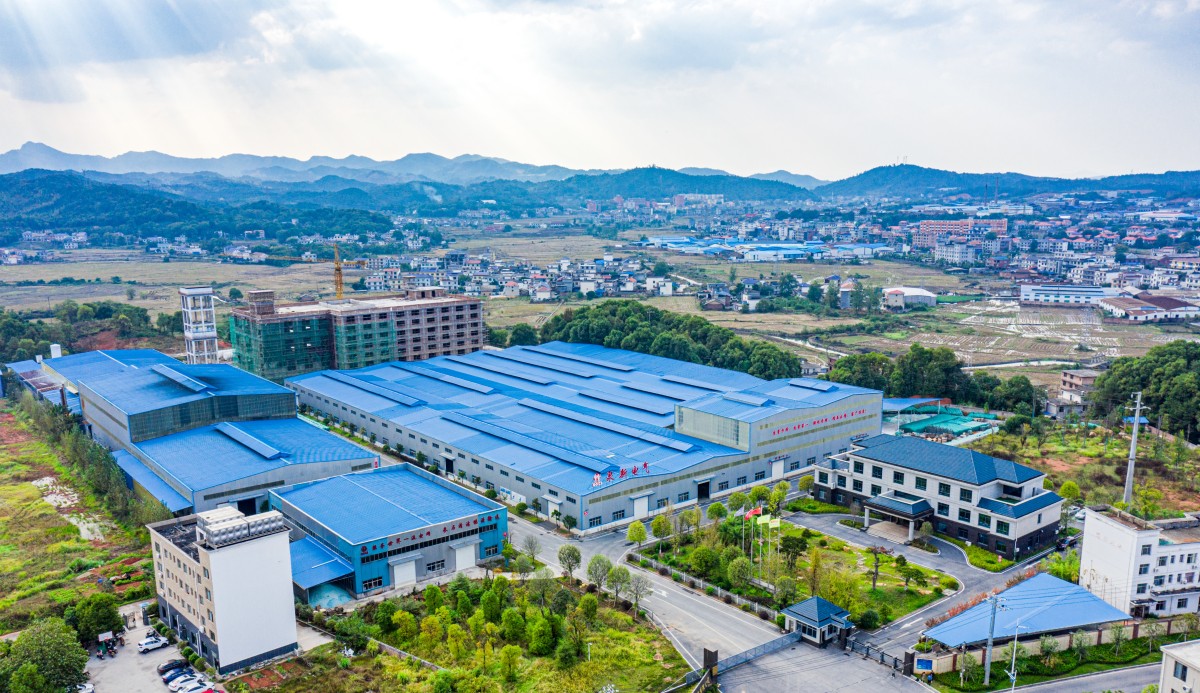
Jiangxi QOCI Electric Co. Ltd, founded in 2002 with a registered capital of 508 million Yuan, stands as a premier Chinese manufacturer dedicated to serving the global power grid. Our facility in Luxi County covers 70,000 m² with an annual output of 39,000 tons.
Our commitment: Responsibility is the guarantee of quality. We serve the electric power industry to ensure the safety of global power grids, particularly in emerging markets like Ethiopia.
The double-shed (or two-winged) design significantly increases the "Creepage Distance" without increasing the string length. This is vital for Ethiopian lines passing through cement factories or near the Great Rift Valley lakes where moisture levels fluctuate.
Under-ribs on standard insulators can trap desert sand and industrial soot. The open, double-shed profile facilitates wind-driven self-cleaning, reducing the frequency of manual maintenance and water-washing in water-scarce regions.
In high-altitude regions like the Simien Mountains, ice bridging can cause catastrophic outages. The spacing between the sheds in our U210 and U240BD models prevents ice from forming a continuous conductive bridge.
1. Metropolitan Expansion (Addis Ababa): The 132kV/230kV ring around the capital requires high-pollution resistant insulators due to urban smog and construction dust. Our U70BLD series provides the compact yet robust insulation required.
2. The Djibouti-Ethiopia Corridor: This high-voltage corridor faces saline air and high temperatures. Double-shed toughened glass insulators are preferred here for their thermal stability and resistance to salt fog.
3. Hydroelectric Plant Integration: Linking dams like GERD or Gibe III to the national grid involves crossing diverse terrains. The high mechanical strength (up to 300kN) of our double-shed units ensures structural integrity over long spans and deep valleys.
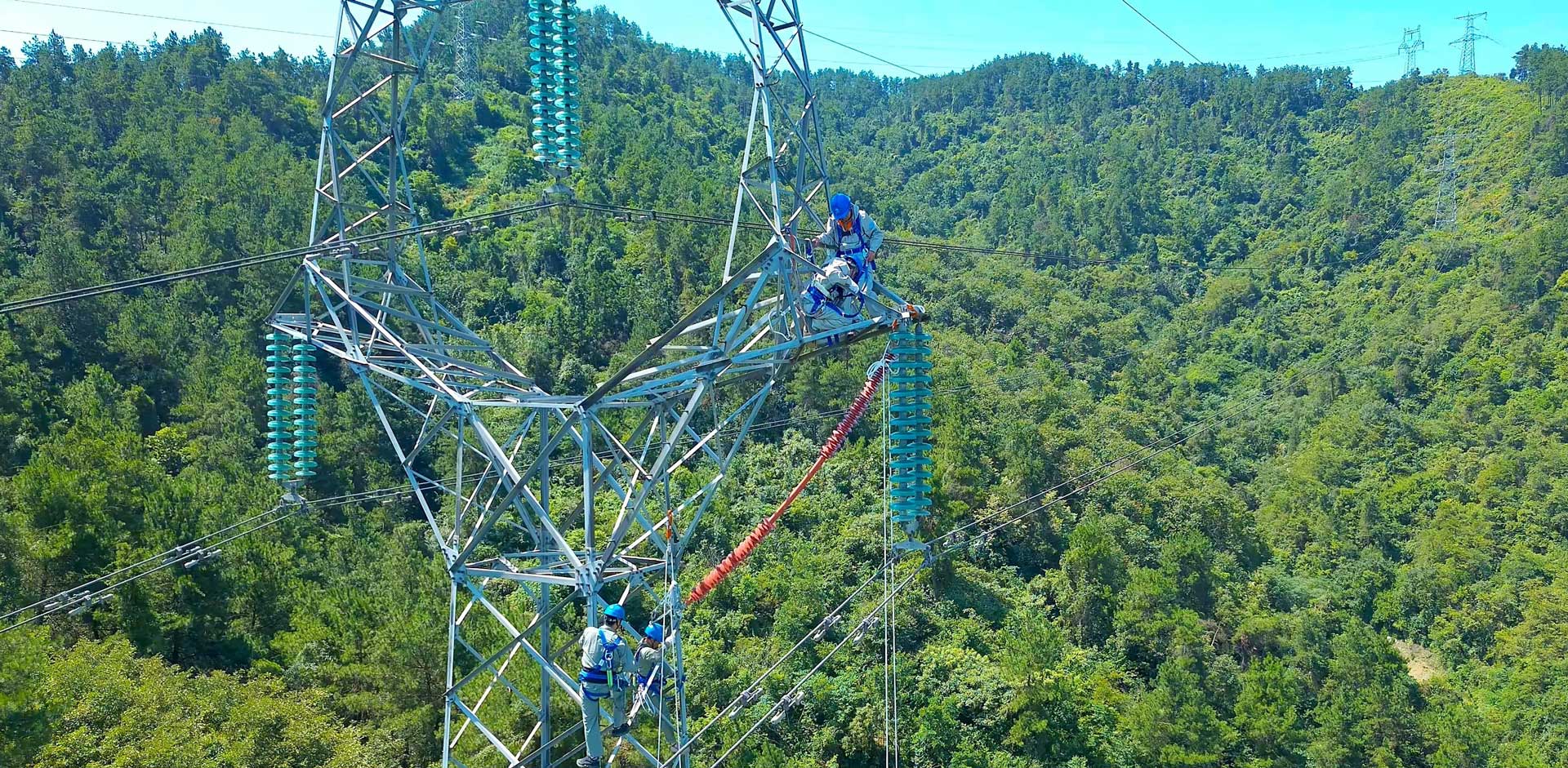
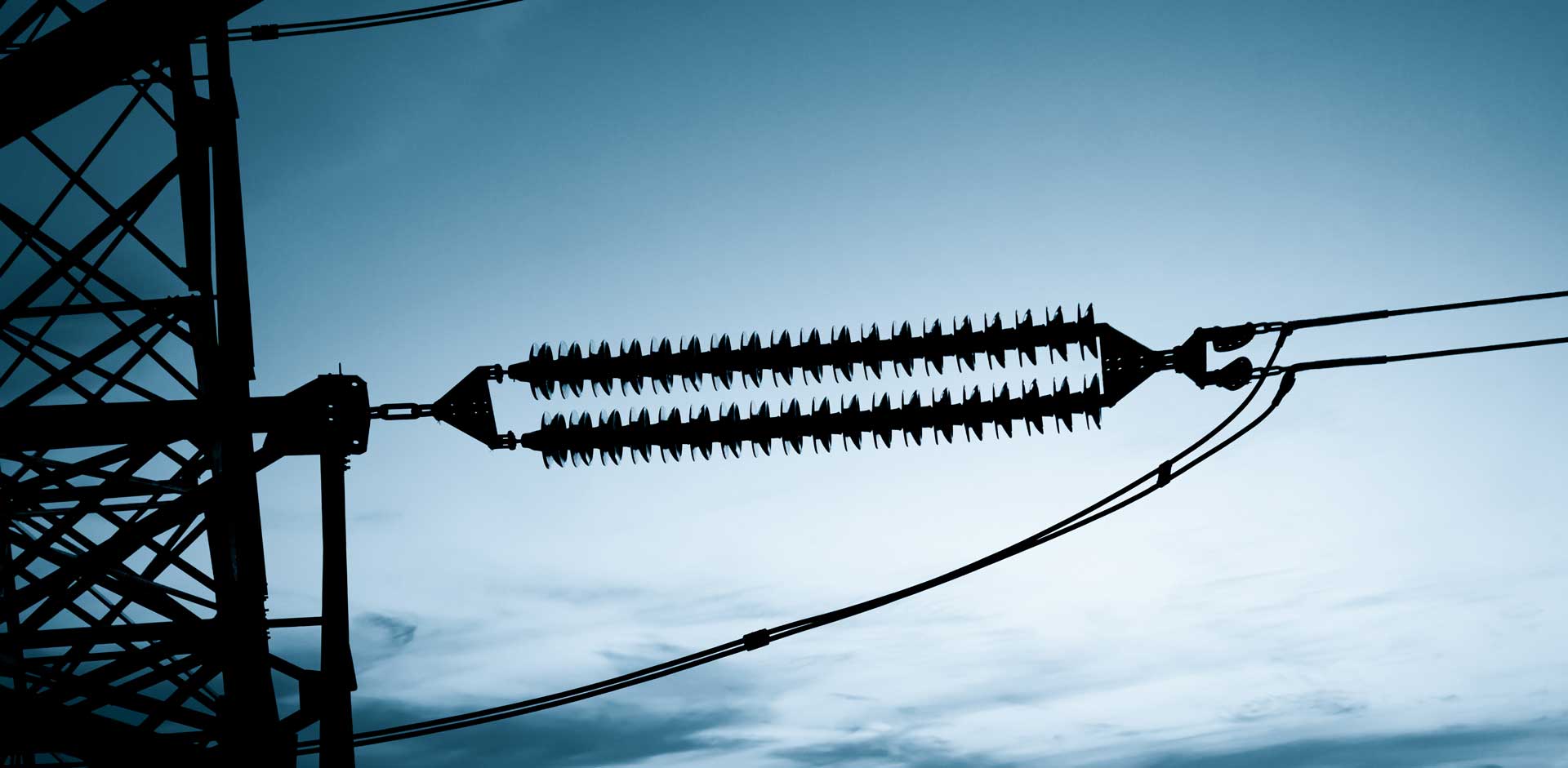
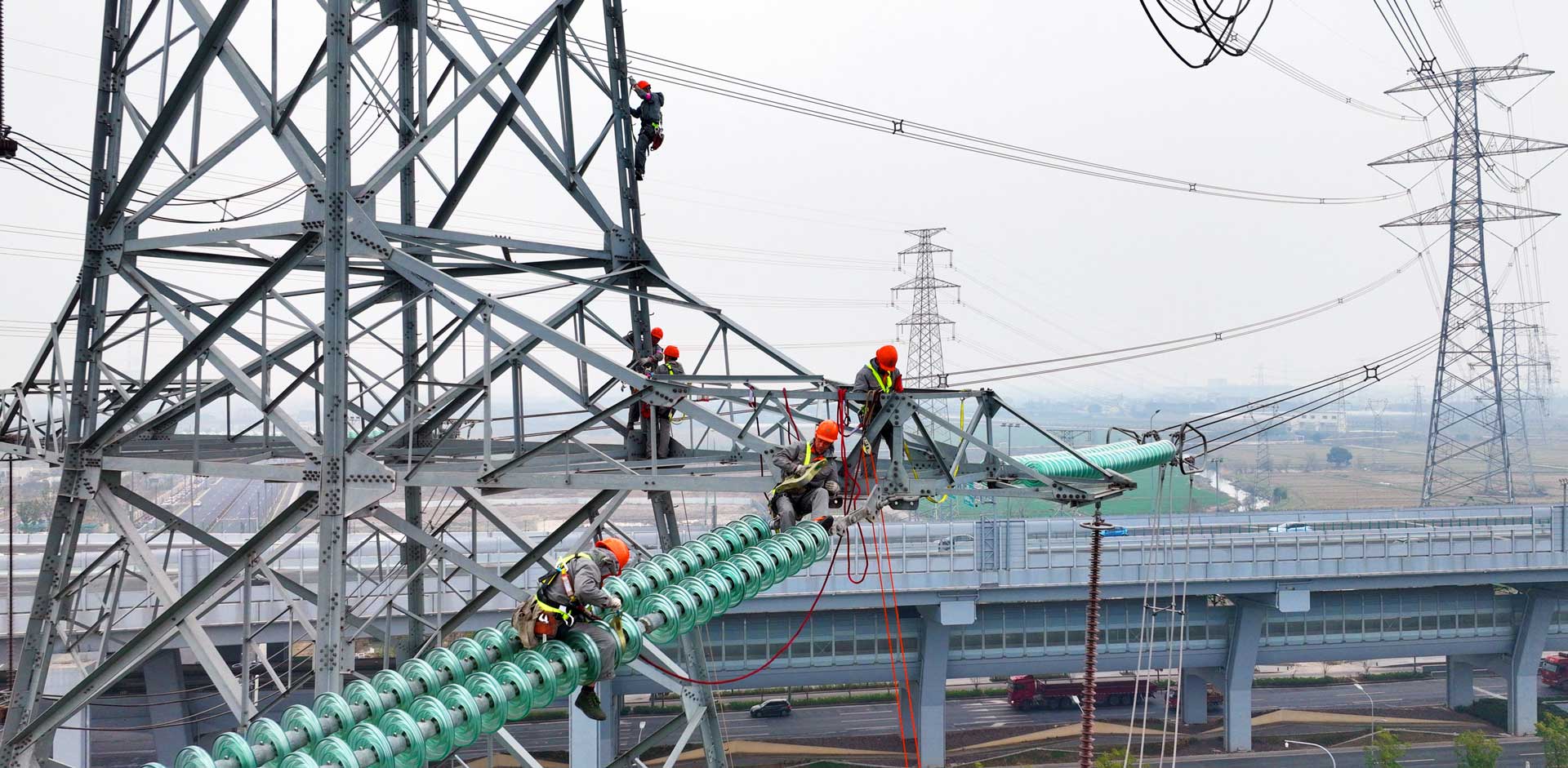
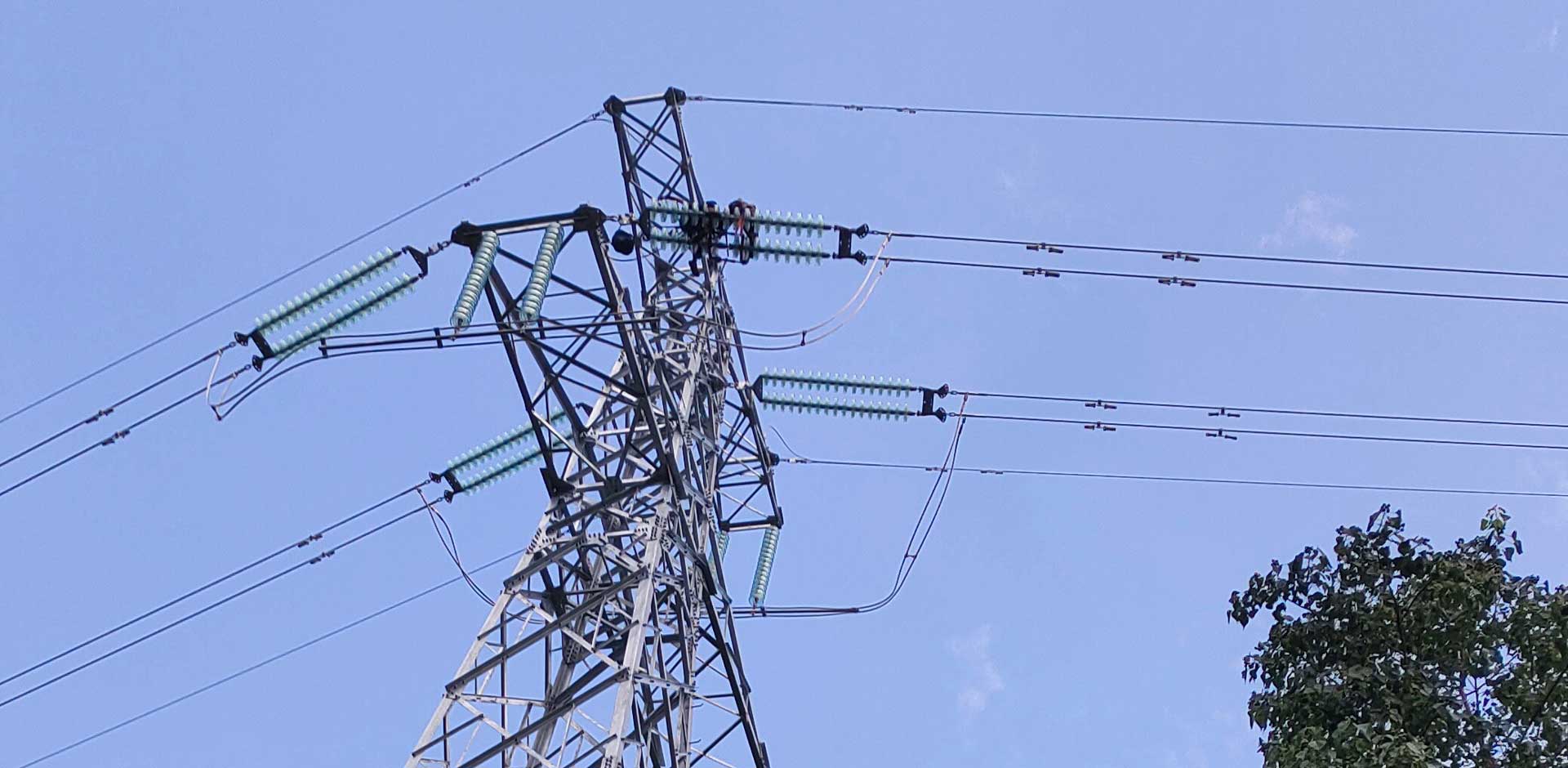
Our products are mainly high-strength glass insulators used in low voltage, high voltage, ultra-high voltage, extra-high voltage AC (DC) electric transmission line projects across Ethiopia and beyond.
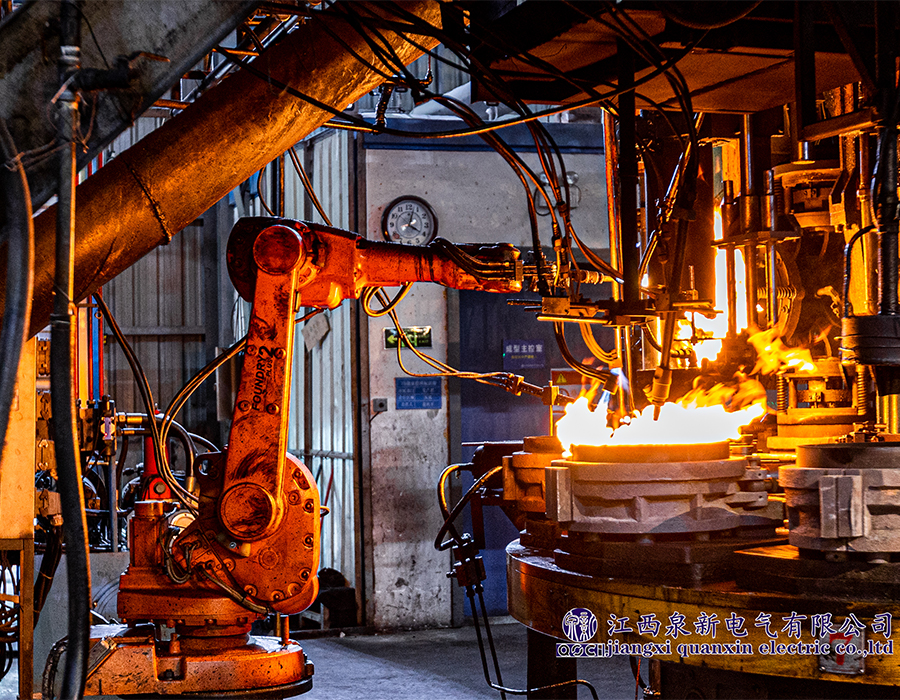
Forming Press
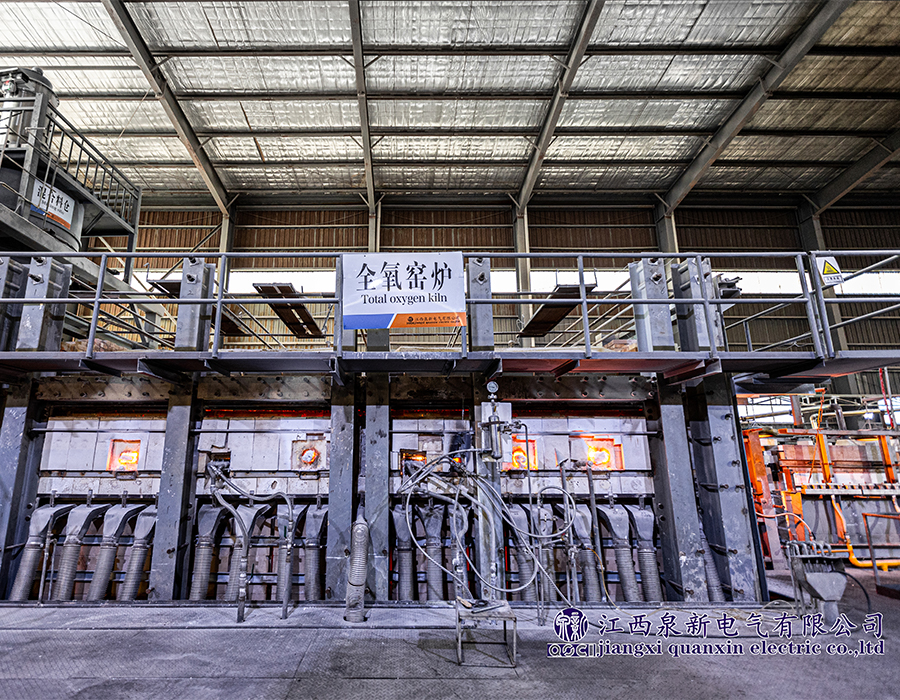
Total Oxygen Kiln
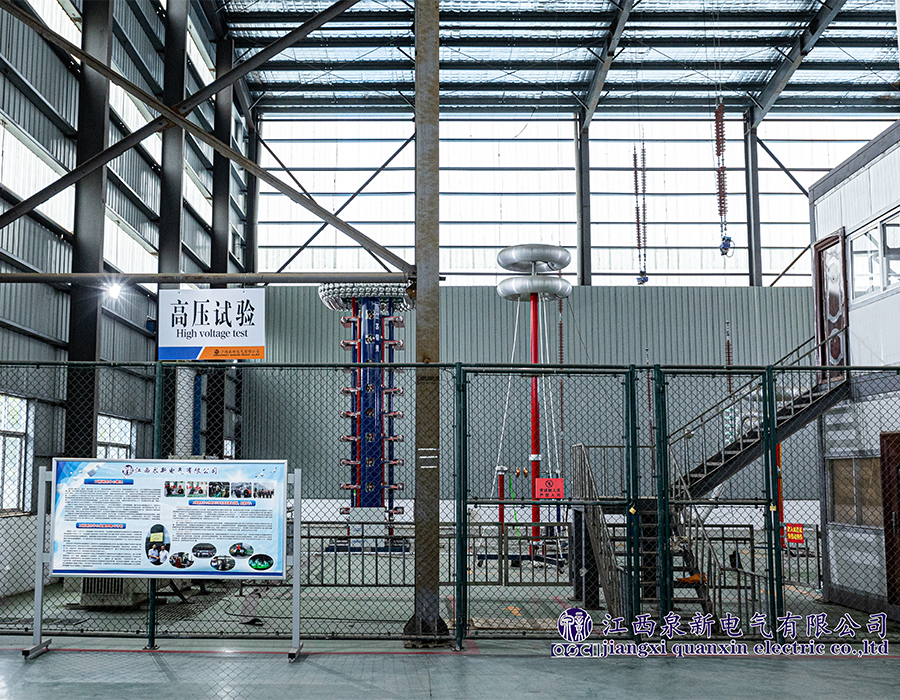
High Voltage Test
Raw Materials
Our manufacturing process adheres to the strictest IEC and ANSI standards. Every double-shed insulator undergoes rigorous thermal shock testing, mechanical load testing, and steep-front impulse voltage tests to ensure they withstand the volatile electrical environment of modern smart grids.
Q: Why choose Double-Shed Glass over Porcelain for Ethiopian projects?
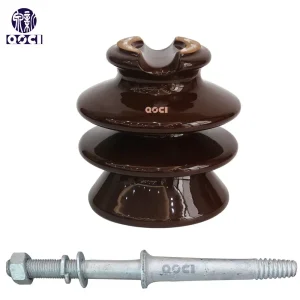
A: Glass insulators provide higher dielectric strength, better resistance to aging, and a unique "self-shattering" failure mode that makes maintenance in remote Ethiopian regions significantly cheaper and faster than porcelain, which can have hidden internal cracks.
Q: Are these insulators compatible with Ethiopia's 500kV Grand Renaissance Dam lines?
A: Yes. Our U210 to U300BD series are specifically designed for EHV (Extra-High Voltage) applications, offering the mechanical strength and creepage distance required for 500kV AC/DC transmission.
Q: How do Double-Shed insulators handle the high dust levels in the Afar region?
A: The double-shed profile is designed to minimize the accumulation of solid pollutants. Its aerodynamic shape allows wind to blow away loose dust, while the shed spacing prevents the formation of a continuous wet pollution layer during light rains.
Q: What is the expected lifespan of these insulators in African tropical climates?
A: Our toughened glass insulators have a service life exceeding 40-50 years, thanks to our high-purity glass melt and corrosion-resistant hot-dip galvanized hardware.
The future of Ethiopia's grid lies in Ultra-High Voltage (UHV). As more hydropower comes online, the need to move large volumes of energy with minimal loss becomes paramount. Our research department is currently focusing on three key areas for the East African market:
By choosing QOCI Electric, partners in Ethiopia are not just buying hardware; they are investing in a 50-year legacy of grid stability and innovation.