Optimized for Kazakhstan's High Voltage Substation Connections and Lightning Shield Grounding Lines
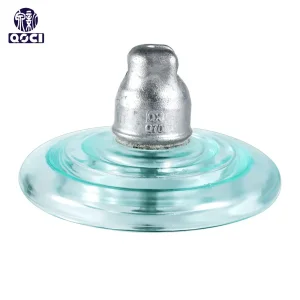
Technical Analysis of Ground-Wires Type Glass Insulators Performance under Eurasian Continental Climatic Stress
Kazakhstan's vast national transmission networks, managed extensively by the state grid operator KEGOC, span diverse geographical conditions ranging from the freezing Siberian winds of Petropavl to the high salt wind deposits of the Caspian Sea oil fields near Atyrau. Operating overhead transmission lines (OHL) in these territories exposes structural insulation systems to a steep ambient temperature delta (-45°C in deep winter to +45°C in dry summer peaks).
Under these critical circumstances, Ground-Wires Type Glass Insulators are paramount. Unlike typical distribution lines, the grounding shields on UHV (Ultra-High Voltage) and EHV (Extra-High Voltage) corridors must handle mechanical wind loads, heavy rime icing, and high short-circuit currents during lightning strikes. Tempered glass units offer a key operational advantage: spontaneous shattering upon dielectric degradation, facilitating easy visual maintenance over vast, sparsely populated steppe regions via drones or ground inspection.
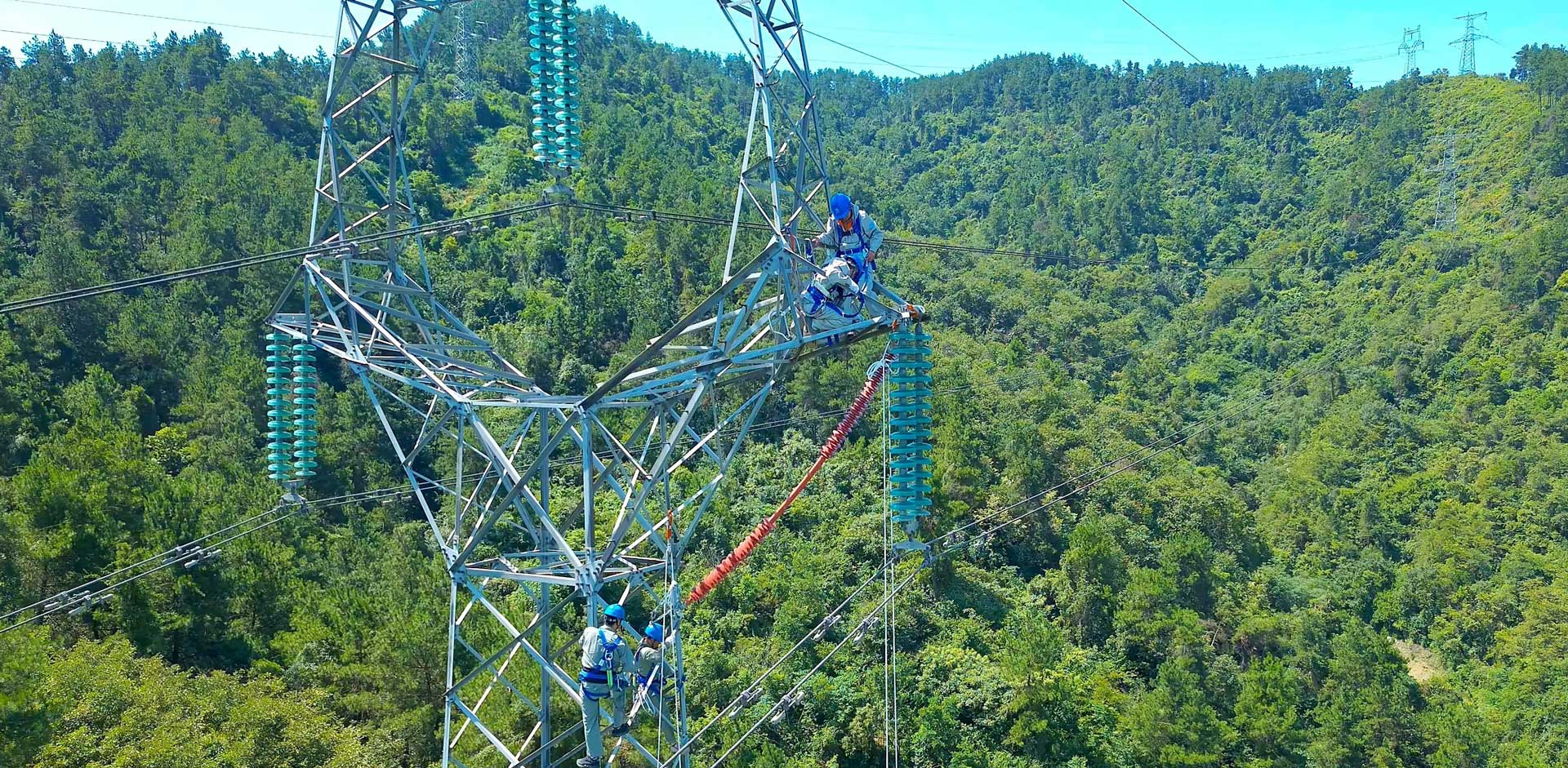
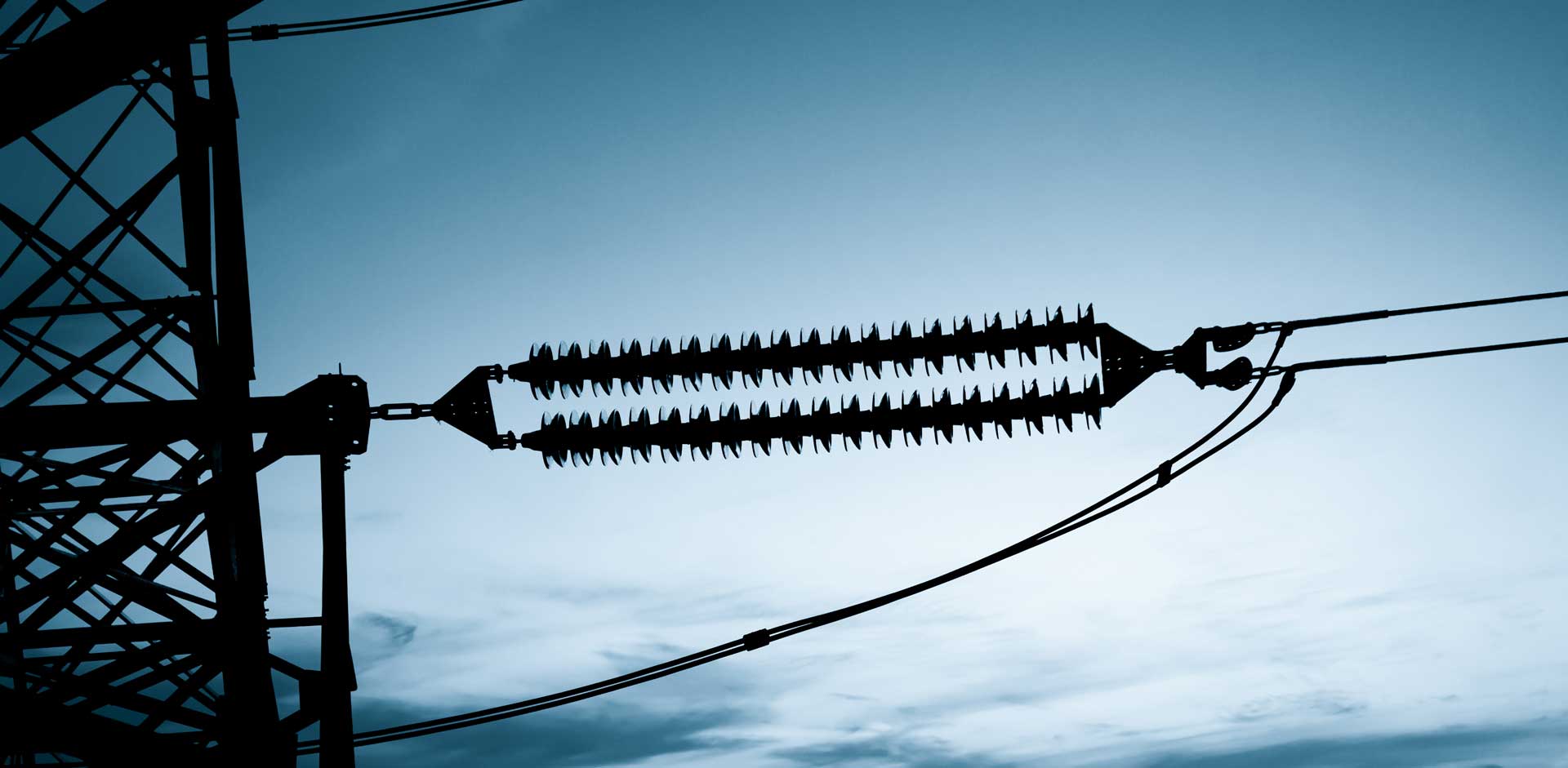
The modernization of the northern trans-regional transit networks (such as Ekibastuz – Agadyr – Shymkent) requires ultra-reliable mechanical suspension points. Ground wires (shield wires) must remain structural and electrically secure to intercept lightning strokes. The mechanical strength of toughened glass components—ranging from 70kN up to 420kN—provides structural stability under strong winds, which often cause conductor galloping in Western and Central Kazakhstan.
Furthermore, China-Kazakhstan energy corridors under the Belt and Road Initiative (BRI) necessitate structural parts compliant with both GOST standard norms and international IEC guidelines. Leveraging Chinese manufacturers with modern manufacturing processes ensures a consistent supply of tested components that resist corrosion under heavy industrial soot in metallurgical zones like Karaganda and Temirtau.
Premium Supplier of Toughened Glass Insulators with Integrated Chinese Production Capacity
Jiangxi QOCI Electric Co. Ltd was founded in Dec. 2002, with a registered capital of 508 million Yuan. The corporation is situated in Luxi Industrial Park, Pingxiang, Jiangxi Province, occupying an expansive footprint of over 70,000 square meters. As a specialized engineering powerhouse, QOCI focuses on the research, production, and deployment of top-tier electrical insulation solutions for high-voltage systems worldwide.
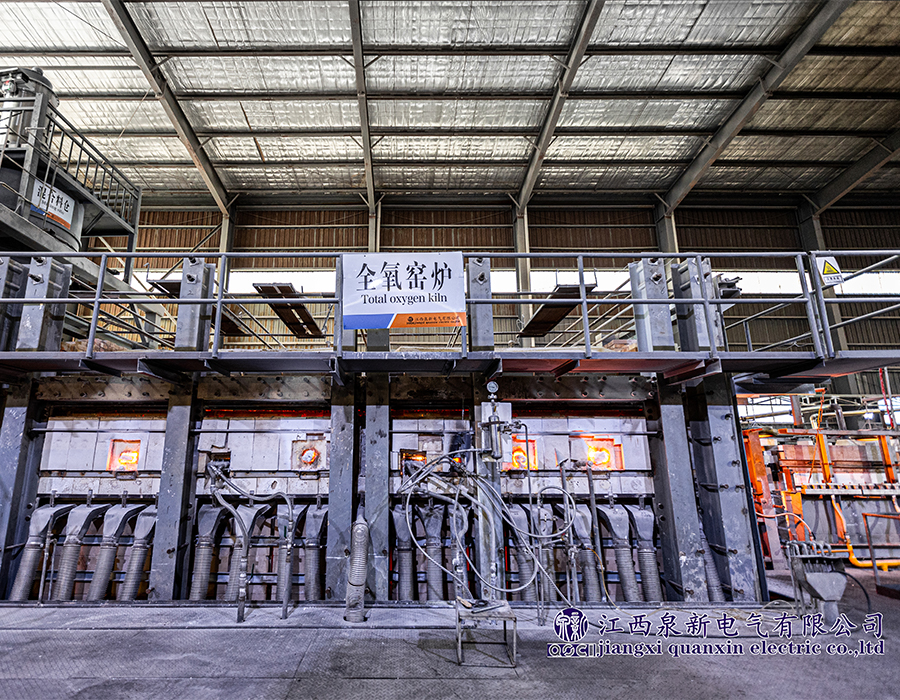
Our facility runs an advanced oxygen-fuel kiln system combined with highly automated hydraulic forming presses. This advanced design ensures our glass shell compositions possess exceptional thermal stability, structural homogeneity, and high residual mechanical load capacities. From standard suspension discs to specialized ground-wires profiles, we satisfy stringent technical parameters under domestic and international grid criteria.
Diverse Mechanical & Electrical Shell Profiles Engineered for Specialized Substation & Overhead Environments
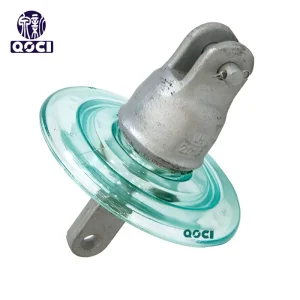
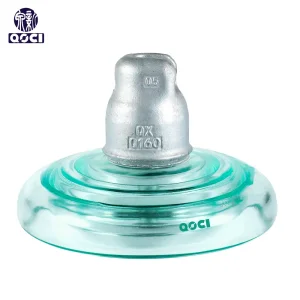
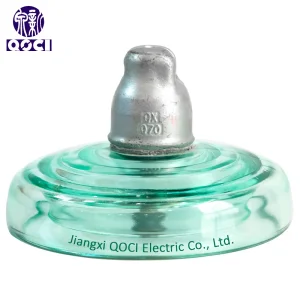
Features higher leakage distances than the basic limits in IEC 60305. The design uses shallow, widely-spaced ribs that promote self-cleaning via natural wind and rain, ideal for temperate steppes.
Configured with deep under-ribs to prevent electrical arc bridging. This profile is recommended for industrial pollution zones and dry lakes with high saline dust deposits.
Designed without internal ribs to prevent dirt, sand, and ice accumulation. This profile is engineered for desert environments subject to heavy dust storms and freezing rain.
Features dual external ribs that minimize particulate build-up and simplify manual maintenance. These units perform reliably in metallurgical production hubs.
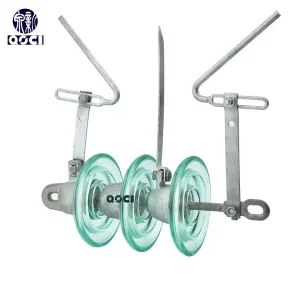
Engineered for high-voltage and UHV transmission corridors. Features three distinct umbrella discs that provide extended creepage paths in humid river valleys.
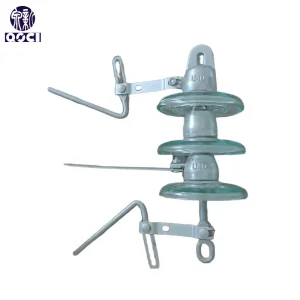
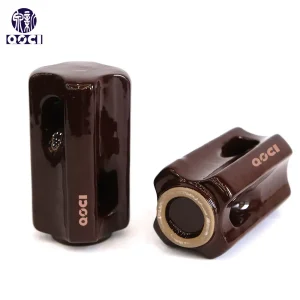
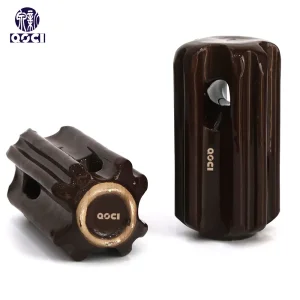
Integrates dedicated hardware fittings to link ground lines directly to towers, safely channeling lightning discharges and protecting line components from overvoltages.
Engineered Toughened Glass and Porcelain Insulator Assemblies Configured for Kazakhstan Regional Grid Layouts
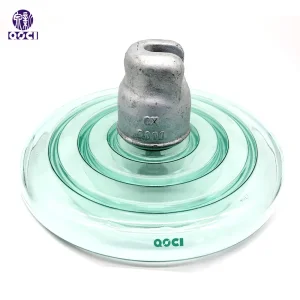
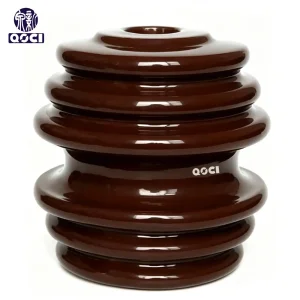
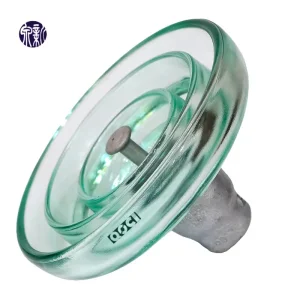
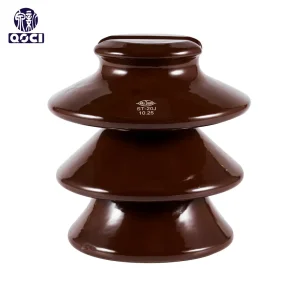
Ensuring absolute zero defect rate under extreme thermal shock and mechanical tensile load testing
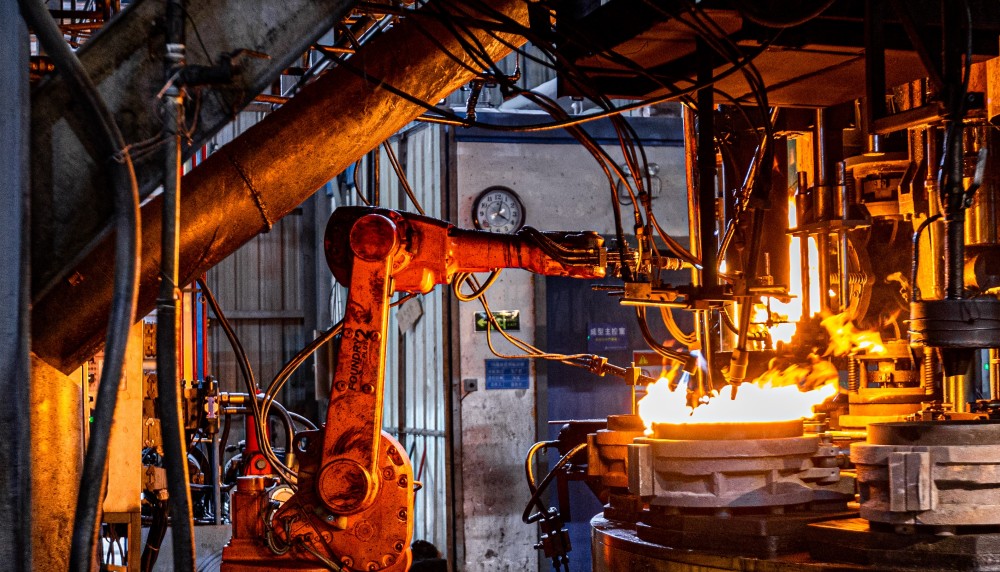
Our manufacturing facility leverages a high-tech oxygen-fuel furnace that maintains an optimized thermal profile, ensuring uniform batch melting and zero internal air pockets. Eliminating micro-bubbles within the glass melt is critical to avoiding dielectric puncture and preserving insulation performance in high-field environments.
Upon leaving the furnace, the glass melt is transferred to automated forming presses. Our hydraulic press lines precisely shape the glass shells to strict physical tolerances. The shells are then thermal-tempered, creating a high-stress outer layer and a balanced inner core. This process yields superior impact resistance and ensures the shells fracture into small, safe fragments upon failure.
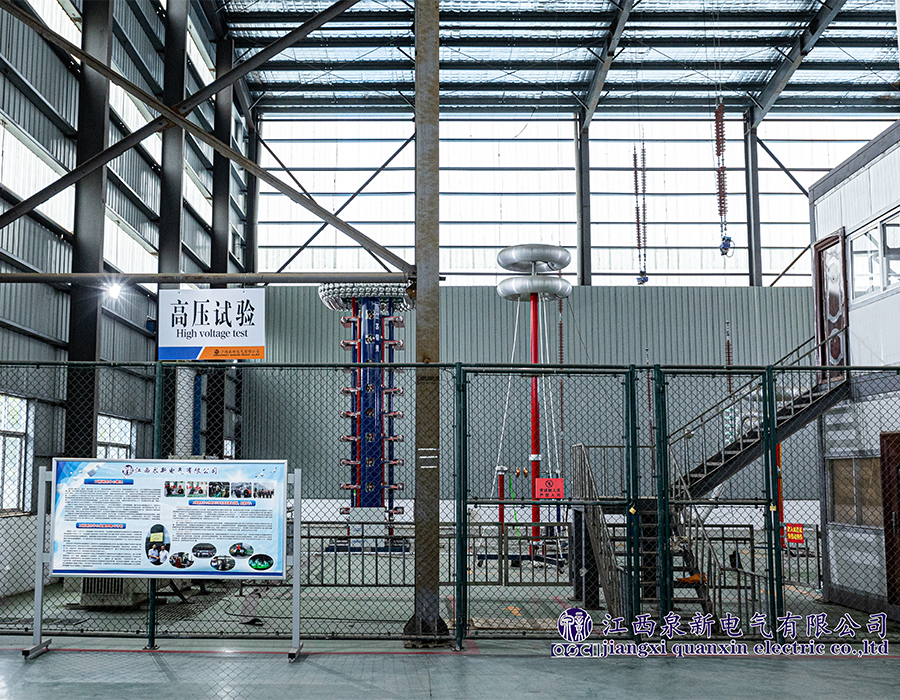
To qualify for use on Kazakhstan's national power grid, each production run undergoes strict quality checks. Our in-house testing lab conducts a battery of mechanical and electrical evaluations, including:
All structural metal fittings (caps and pins) are hot-dip galvanized to meet ISO 1461, ensuring reliable performance in humid and corrosive environments.
Shortened lead times via Khorgos Land Port directly to Almaty, Karaganda, and Astana construction hubs
For engineering, procurement, and construction (EPC) contractors executing grid expansion projects across Central Asia, supply chain reliability is critical. Sourcing from our production facility in Luxi County, Jiangxi, offers significant logistical benefits:
Our insulators comply fully with state grid regulations and local standards, including:
GOST 27661 & GOST 6490: Dimensions and electrical characteristics aligned with historical grid footprints.
IEC 60305 & IEC 60383: Global standards testing to guarantee performance across international tie-lines.
ISO 9001, ISO 14001, ISO 45001: Certified quality management systems driving our factory's output.
In-depth engineering answers addressing specific environmental and operating conditions in Kazakhstan
Consult with our application engineers for custom profile configurations, electrical test data, and direct factory pricing.
Send Inquiry Now