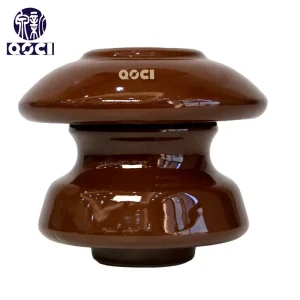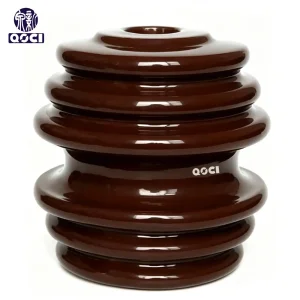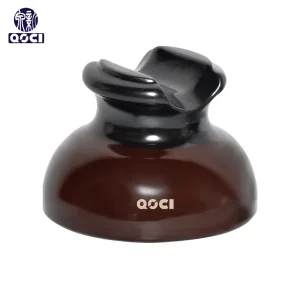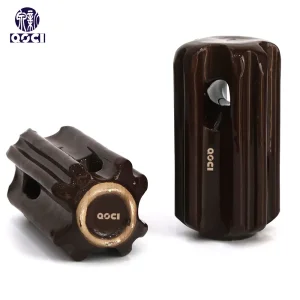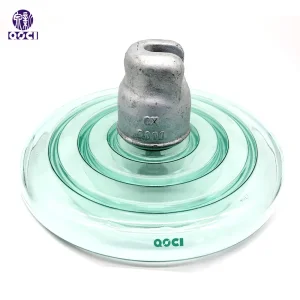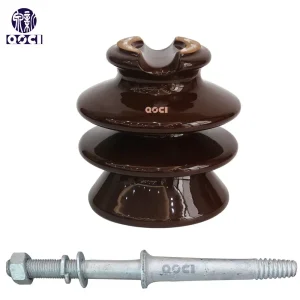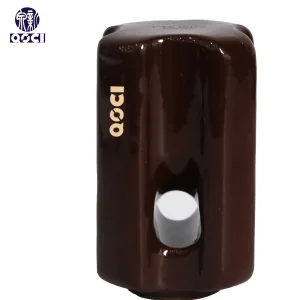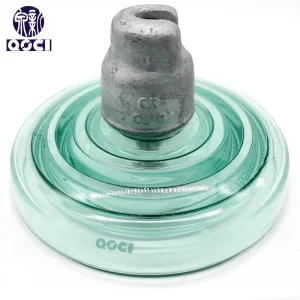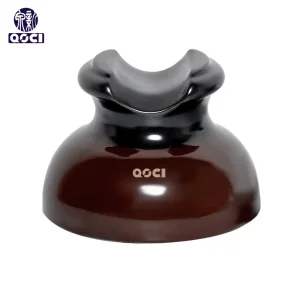
As the world pivots toward renewable energy, the demand for Ultra-High Voltage (UHV) transmission is skyrocketing. Ceramic post insulators are the foundational hardware for these projects, providing the dielectric strength required to carry wind and solar power across continents. Modern post insulators are now being designed to withstand higher mechanical loads to accommodate larger conductors.
The "Smart Grid" is no longer a concept but a reality. Current industry trends involve embedding sensors into insulator strings to monitor leakage current and mechanical stress in real-time. Our factory is at the forefront, exploring ceramic-metal composite interfaces that facilitate IoT connectivity for predictive maintenance.
Climate change has introduced more frequent extreme weather events. From salt-spray in coastal offshore wind farms to heavy icing in alpine regions, the Triple-Shed and Anti-Pollution profiles are becoming standard requirements rather than optional upgrades to ensure zero-downtime performance.
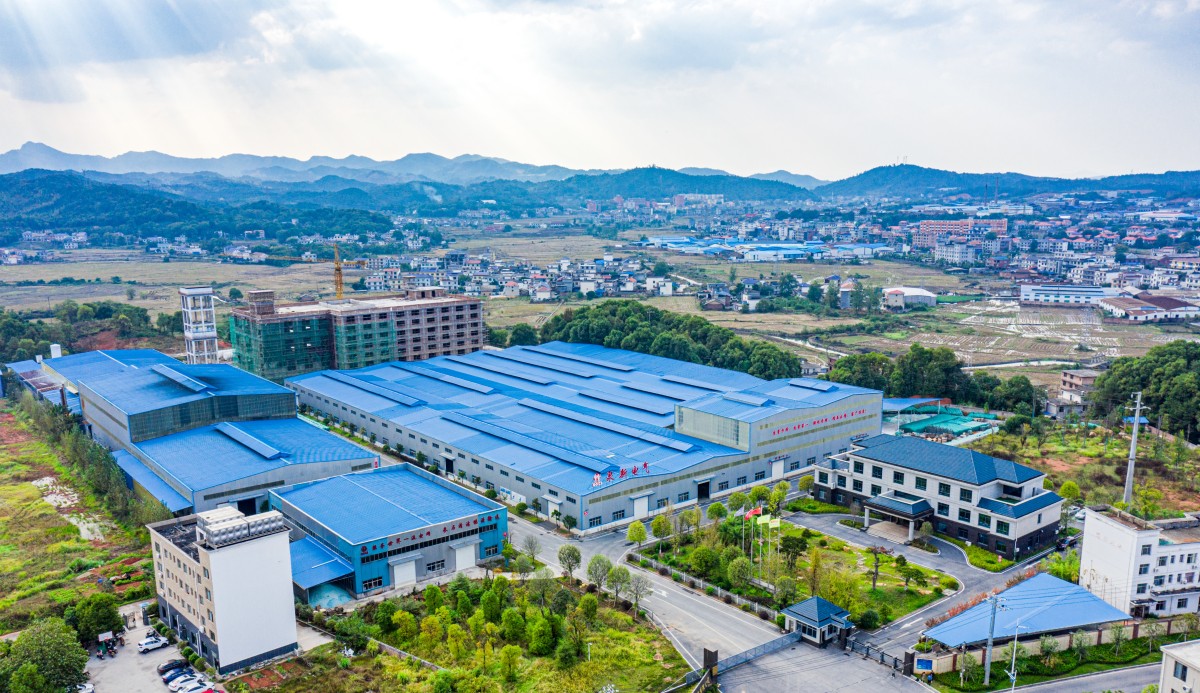
At Jiangxi QOCI Electric Co. Ltd, we redefine manufacturing through "Supply Chain Resilience." Founded in 2002 with 508 million Yuan in capital, our 70,000 m² facility utilizes Total Oxygen Kiln technology to ensure ceramic density and purity that meets the world's most stringent ANSI and IEC standards.
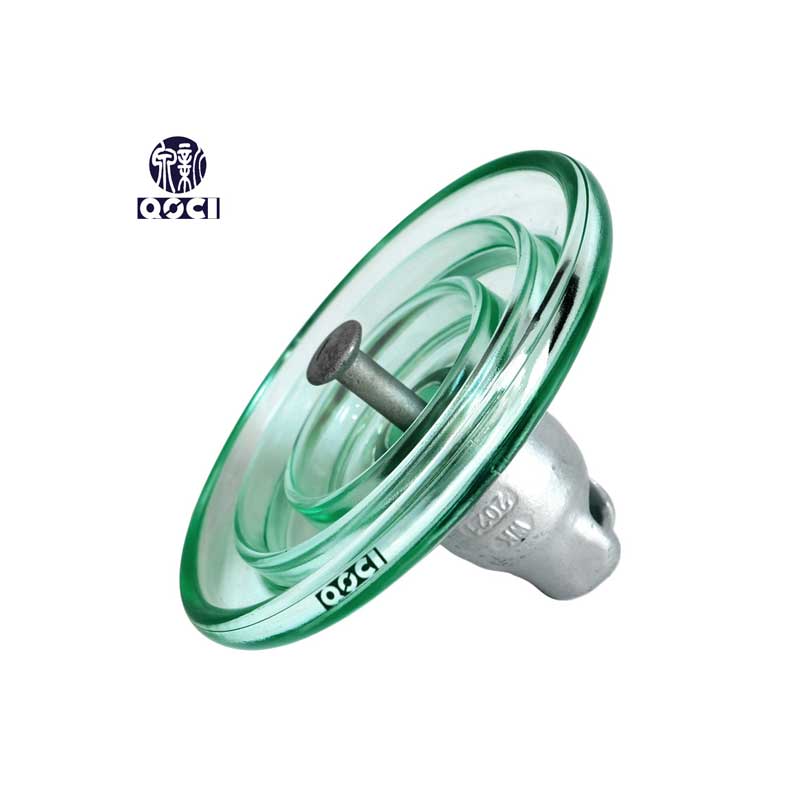
Higher leakage distance than IEC 60305 requirements. Shallow ribs for effective self-cleaning by wind or rain.
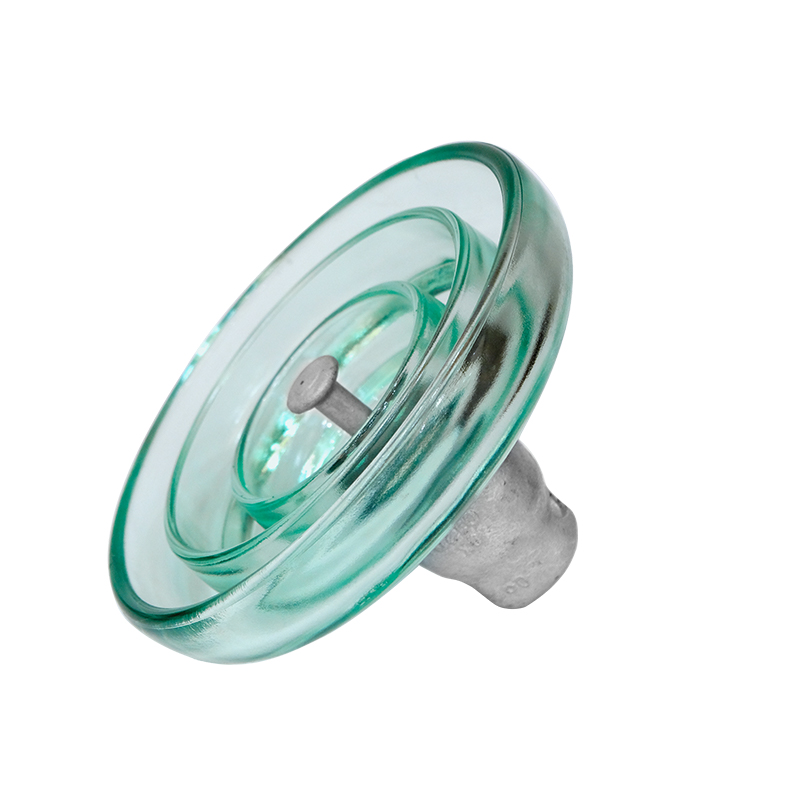
Widely-spaced under-ribs to prevent arc bridging in coastal salt-fog or heavy industrial pollution areas.
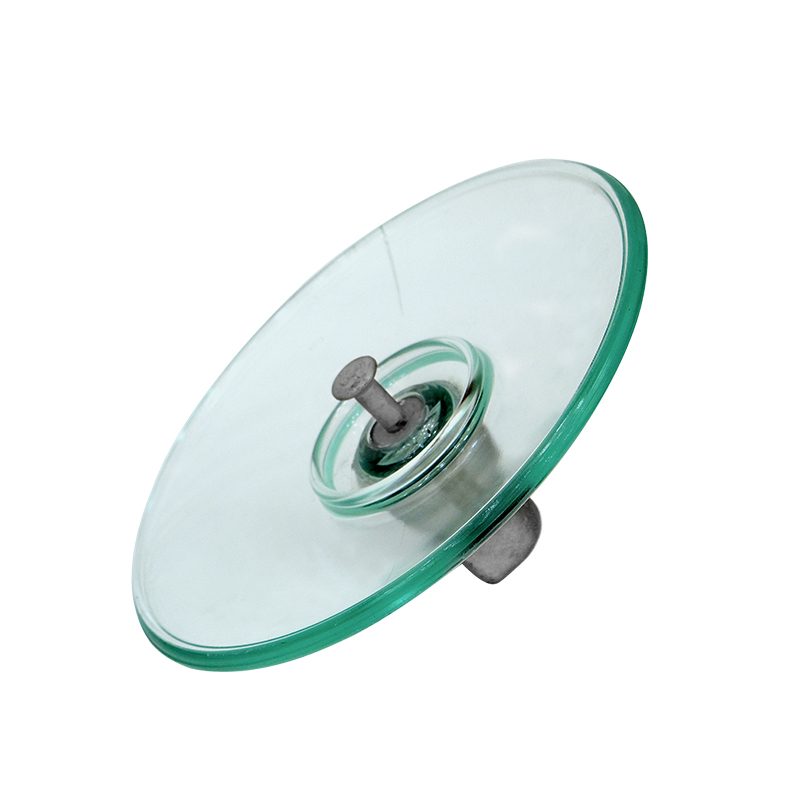
Absence of under-ribs avoids dust/sand accumulation. Essential for arid desert regions with high wind.
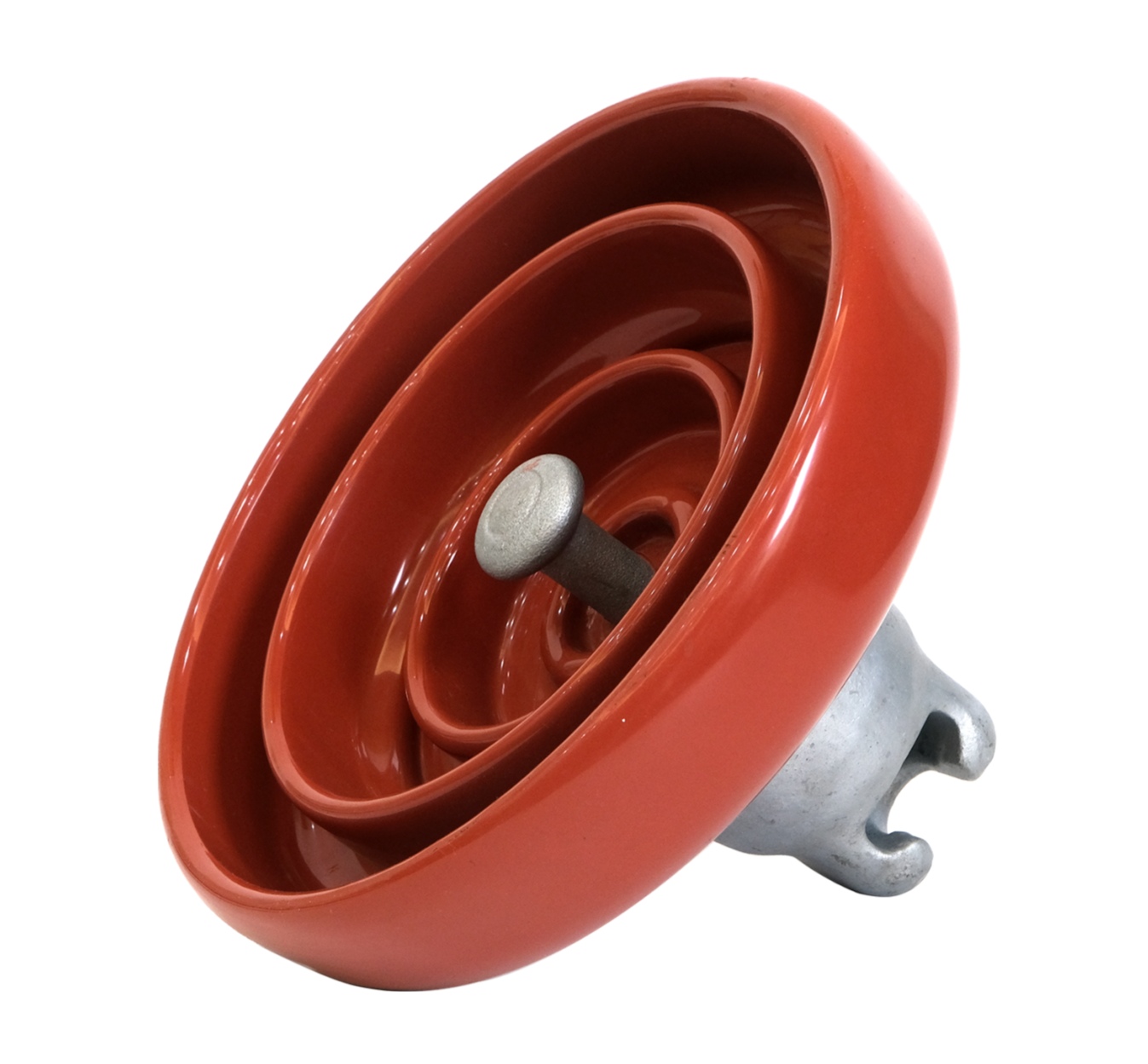
Room Temperature Vulcanization coating increases hydrophobicity, reducing maintenance costs significantly.
Procurement officers in the energy sector prioritize reliability, compliance, and scalability. China's ceramic factories have evolved from low-cost providers to global technology leaders. With strict adherence to ISO 9001, 14001, and 45001, companies like Jiangxi QOCI Electric offer:
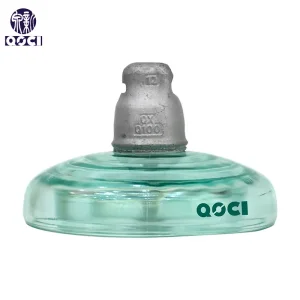
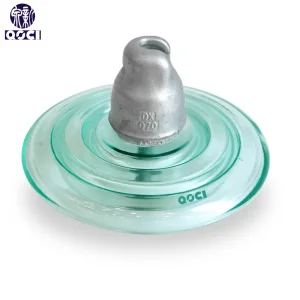
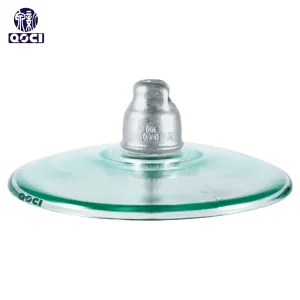
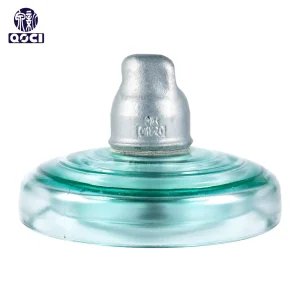
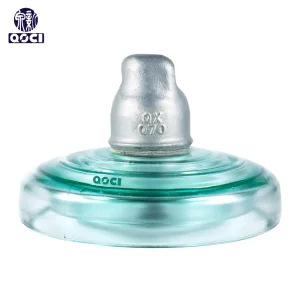
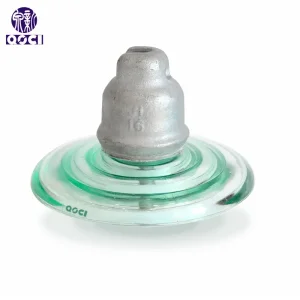
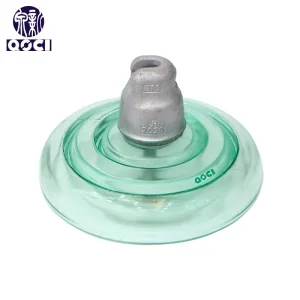
Ceramic post insulators offer superior resistance to aging and thermal cycles, making them ideal for long-term substation use. Glass insulators are often preferred for transmission lines due to their "self-shattering" property which makes visual inspection of faults easier.
RTV (Room Temperature Vulcanization) silicone coating provides a hydrophobic surface that prevents the formation of continuous water films. This minimizes leakage currents and prevents flashovers in areas of extreme pollution or high salinity.
Our products are manufactured and tested strictly according to IEC (International Electrotechnical Commission) and ANSI (American National Standards Institute) requirements, including ANSI 55-3, 55-4, 53-5, and various IEC 60305 profiles.
Yes, with an annual output of 39,000 tons and a specialized workforce of over 50 engineers, we have the capacity to support large-scale national infrastructure projects with consistent quality and timely delivery.
The role of a China Ceramic Post Insulator Supplier has transitioned from a component vendor to a strategic infrastructure partner. By integrating Industry 4.0 precision with time-tested ceramic materials, factories in China are ensuring that the global shift toward electrification remains stable, safe, and efficient. Whether it is the Standard profile for urban grids or the Triple-Shed Type for UHV projects, Jiangxi QOCI Electric continues to lead with E-E-A-T principles, delivering reliability in every kiln-fired unit.
Our commitment to Information Gain means we don't just provide hardware; we provide the engineering data, environmental simulation results, and supply chain transparency that modern energy companies demand. Serve the electric power industry and ensure the safety of the power grid—that is our mission.