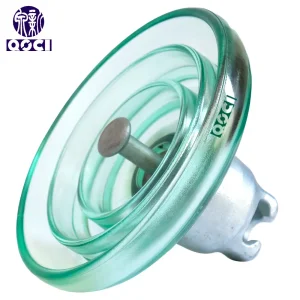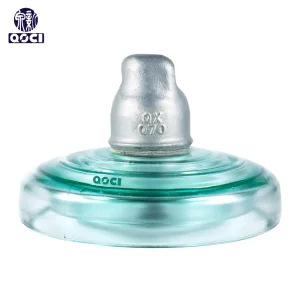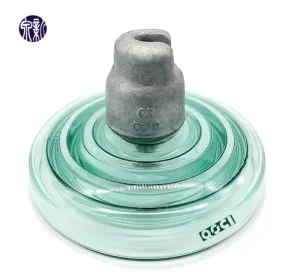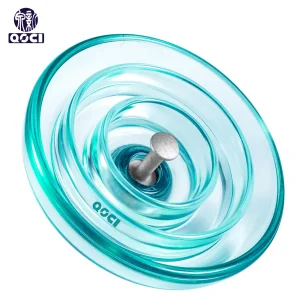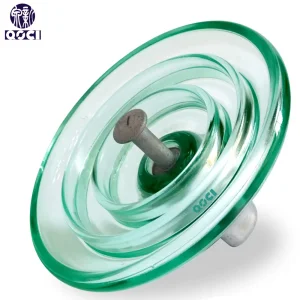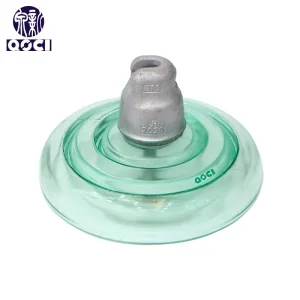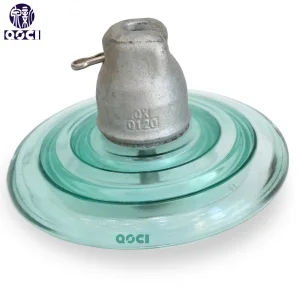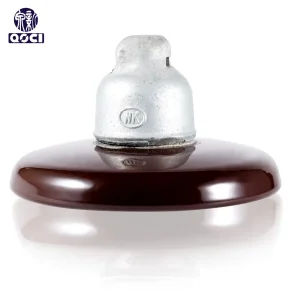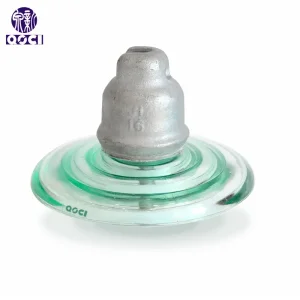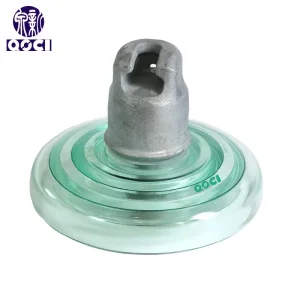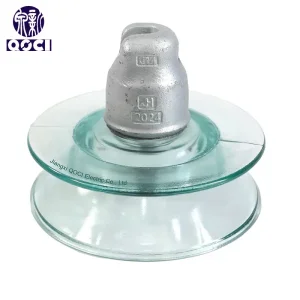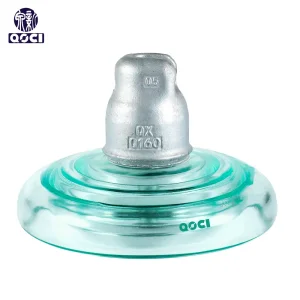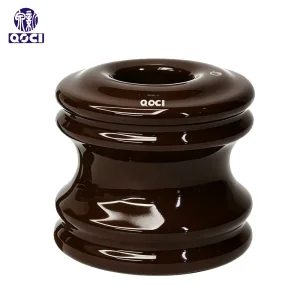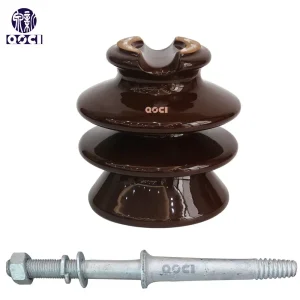
In the modern era of energy transition, the reliability of high-voltage transmission systems is paramount. Glass Insulator U100bsp (Ball and Socket Profile, 100kN) has emerged as a cornerstone component for power utilities worldwide. From the sprawling desert grids in the Middle East to the storm-lashed coastal networks of Southeast Asia, these toughened glass units provide the mechanical strength and dielectric integrity required to prevent catastrophic grid failures.
Globally, the industry is shifting from traditional porcelain to toughened glass due to the latter's unique "self-shattering" property upon failure, which makes visual inspections significantly easier and reduces maintenance costs by over 40% in remote areas. China has solidified its position as the global hub for this technology, blending massive production scales with advanced R&D in glass formulation and tempering processes.
The U100bsp model is designed to withstand an electromechanical failing load of 100kN. This specific rating is the "sweet spot" for 110kV to 220kV transmission lines, balancing weight, cost, and safety factors. The "BSP" designation indicates a Ball and Socket arrangement that complies with IEC international standards, ensuring seamless compatibility with global hardware fittings.
Why choose a China-based factory like Jiangxi QOCI Electric Co. Ltd? Our facility integrates Total Oxygen Kiln technology, which ensures a more homogeneous glass melt with fewer inclusions. This significantly lowers the spontaneous breakage rate compared to traditional coal or gas-fired kilns. With 53+ engineering technicians and a 70,000 m² plant, we achieve a turnaround time that is 30% faster than European counterparts without compromising on the stringent high-voltage testing protocols.
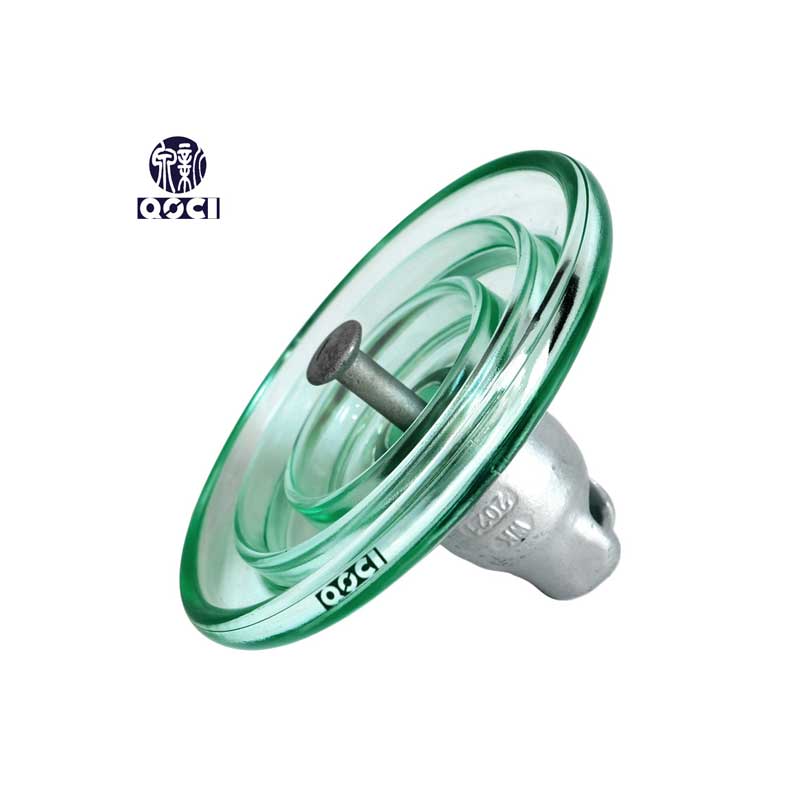
Features shallow, well-spaced ribs for effective self-cleaning by wind and rain. Ideal for inland regions with moderate pollution levels.
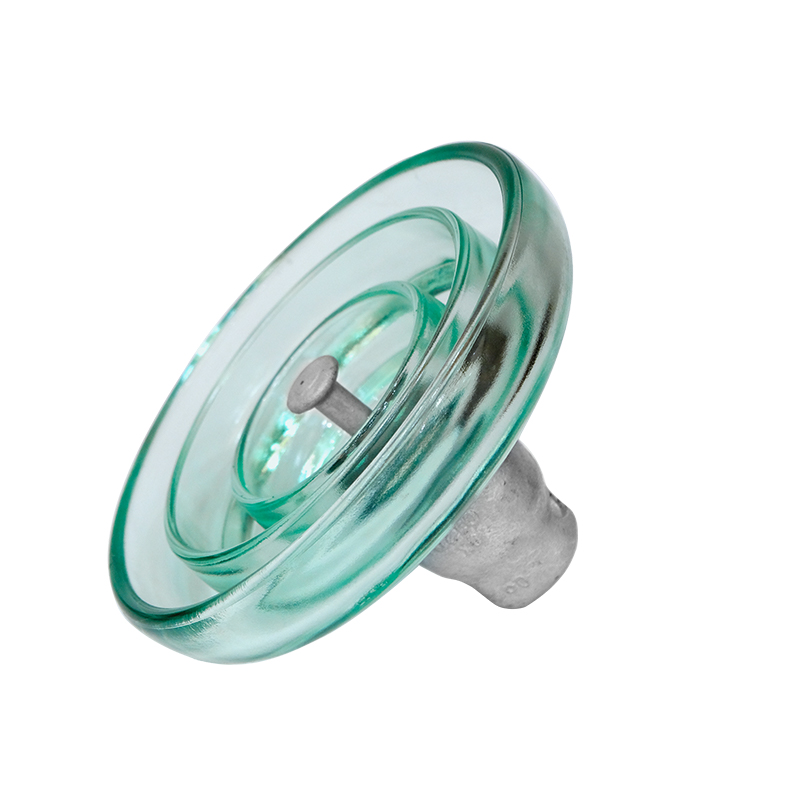
Designed with long under-ribs to maximize leakage distance (creepage). Perfect for coastal areas where salt fog is a constant threat.
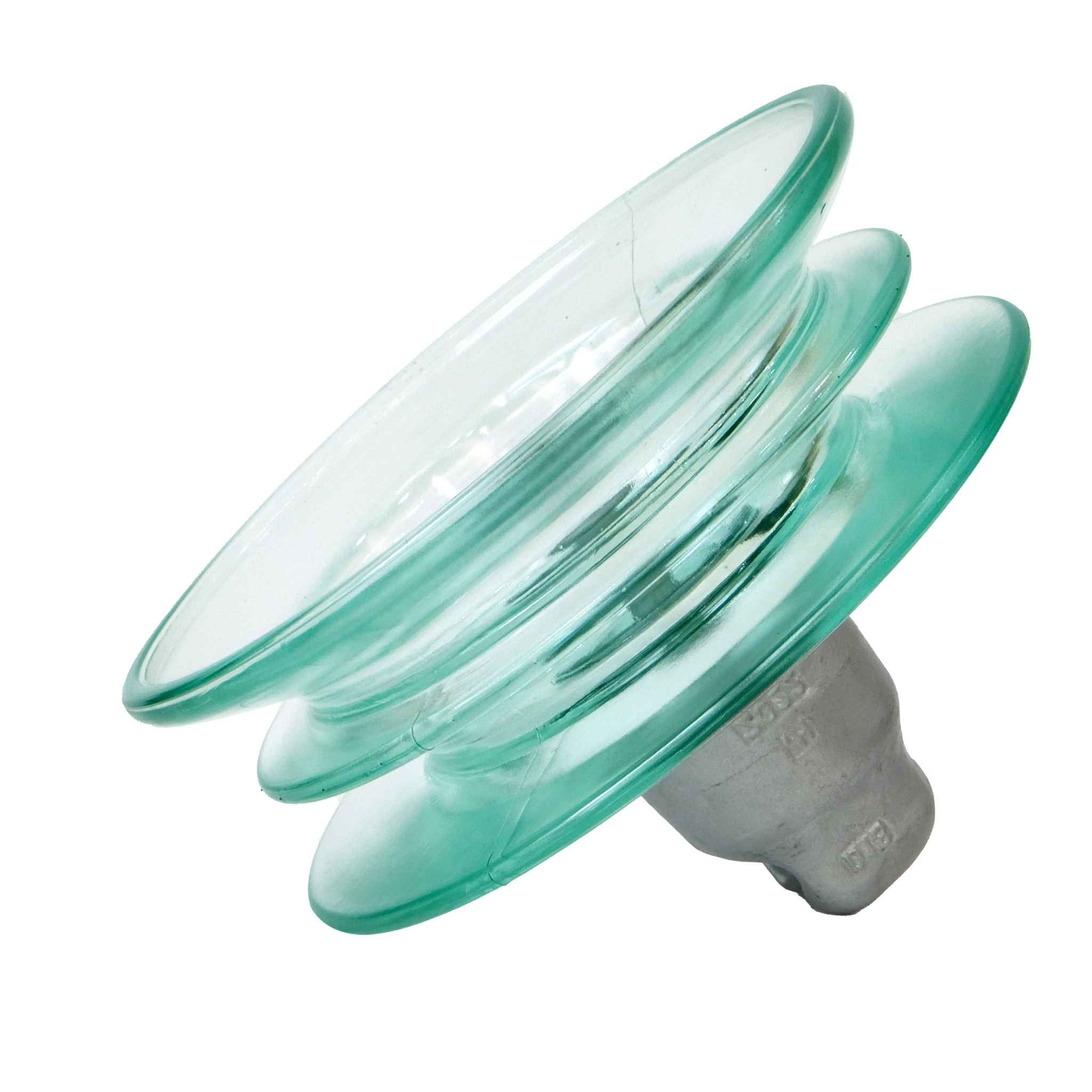
Provides an open-shed design for UHV lines. It offers superior resistance to pollution flashover in industrial heavy-smoke zones.
One of the most significant trends in the industry is the application of Room Temperature Vulcanization (RTV) Silicone Coating on glass insulators. This hybrid approach combines the mechanical strength of glass with the hydrophobicity of polymers. For procurement officers at global utility firms, this represents a massive "Information Gain" in grid strategy—reducing the need for live-line washing in arid or heavily polluted regions.
Furthermore, China’s insulator factories are moving toward Industry 4.0, utilizing automated forming presses and real-time high-voltage monitoring to ensure every U100bsp unit leaving the factory exceeds the safety margins required for 50-year service lifespans.
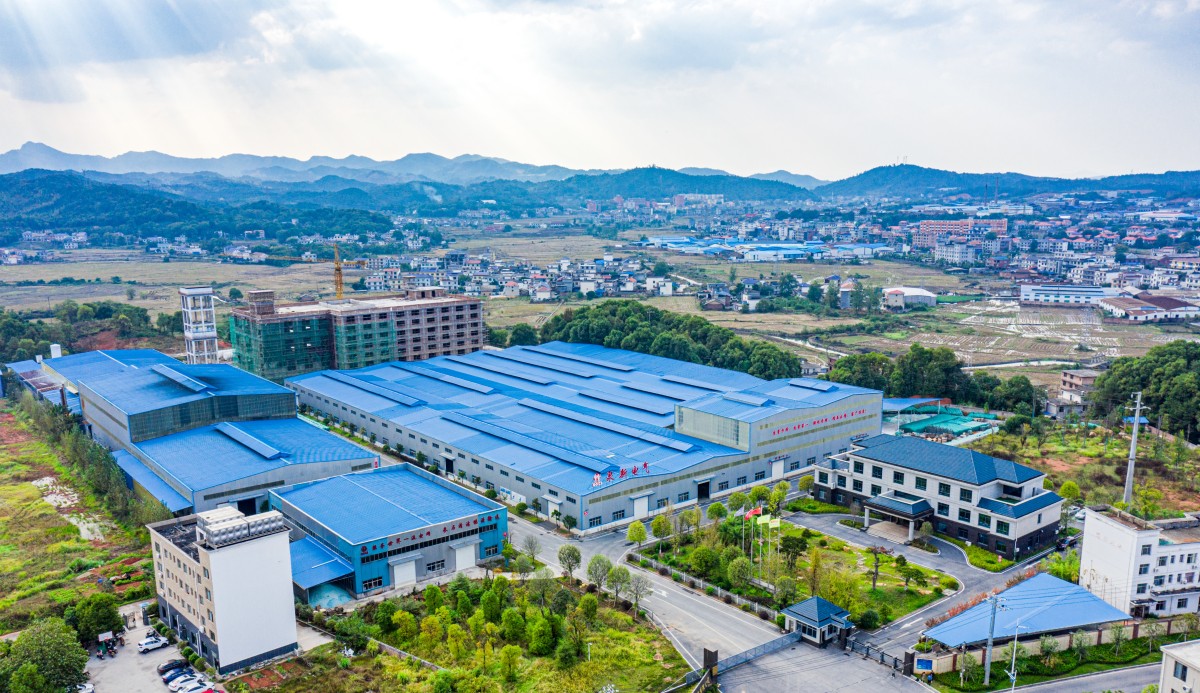
Founded in 2002 with a registered capital of 508 million Yuan, we have grown into a titan of the insulator industry. Our production base in Pingxiang, Jiangxi Province, spans 70,000 square meters and is equipped with the world's leading automatic glass production lines.
Our commitment to Innovation, Quality, and Service is not just a slogan; it is the foundation of our E-E-A-T status. We actively participate in the construction of green energy grids globally, ensuring that every toughened glass insulator—whether standard U100bsp or complex triple-shed units—meets the highest safety benchmarks.