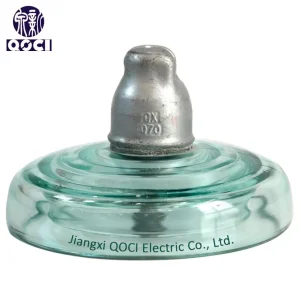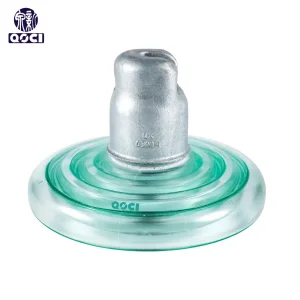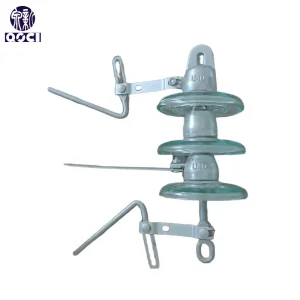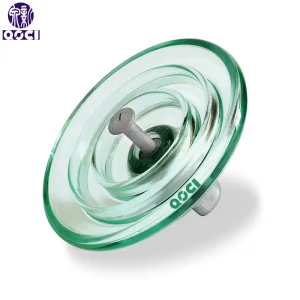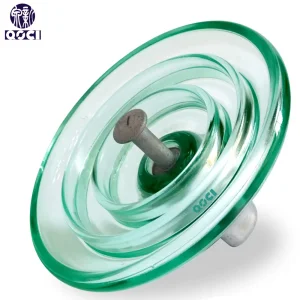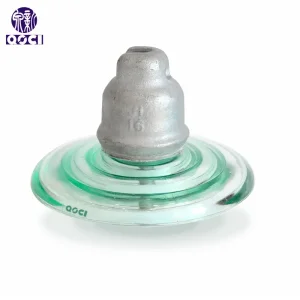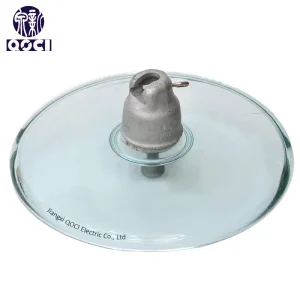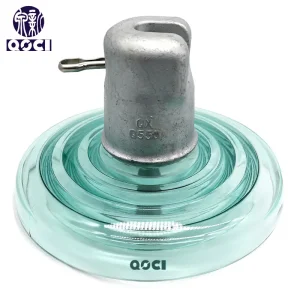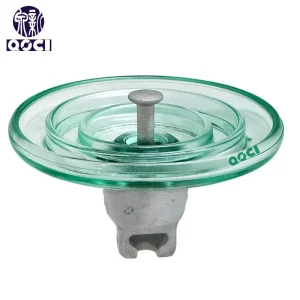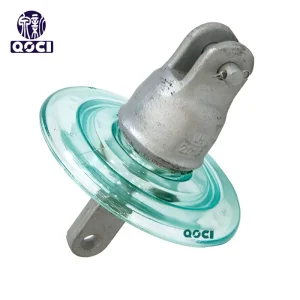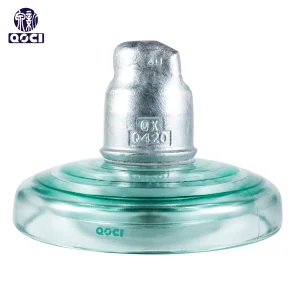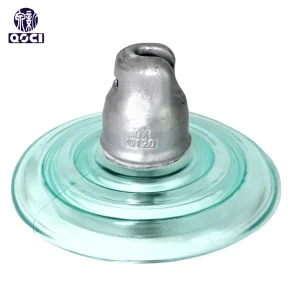
The U420B glass insulator represents the pinnacle of high-load mechanical performance in the overhead transmission sector. With a rated electromechanical failing load of 420kN, these components are critical for 500kV, 750kV, and 1000kV UHV (Ultra-High Voltage) AC and DC projects. Globally, the push for "Smart Grids" and the integration of renewable energy sources from remote areas to urban centers have surged the demand for high-strength toughened glass insulators.
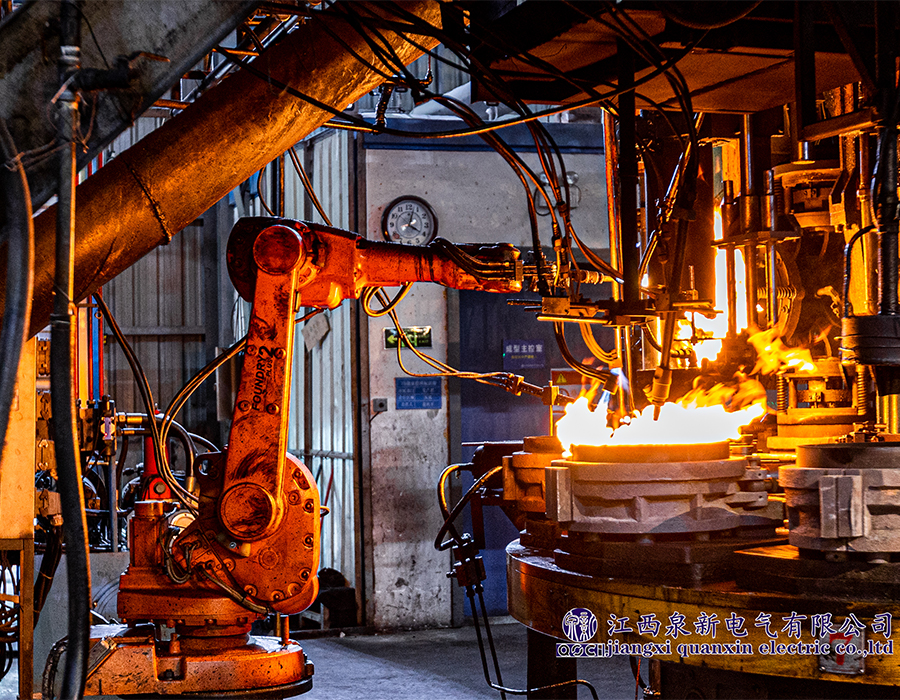
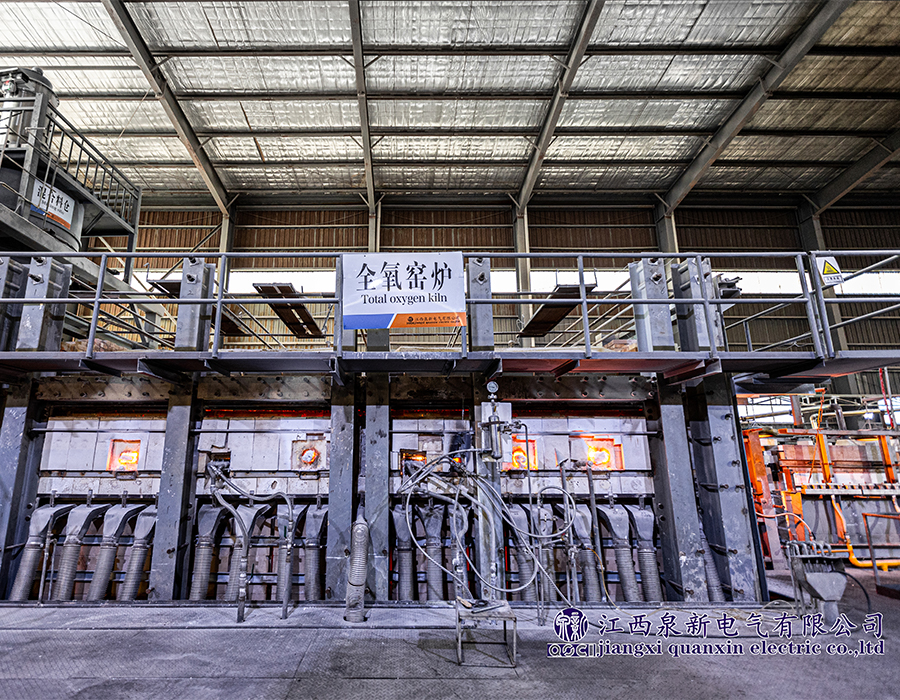
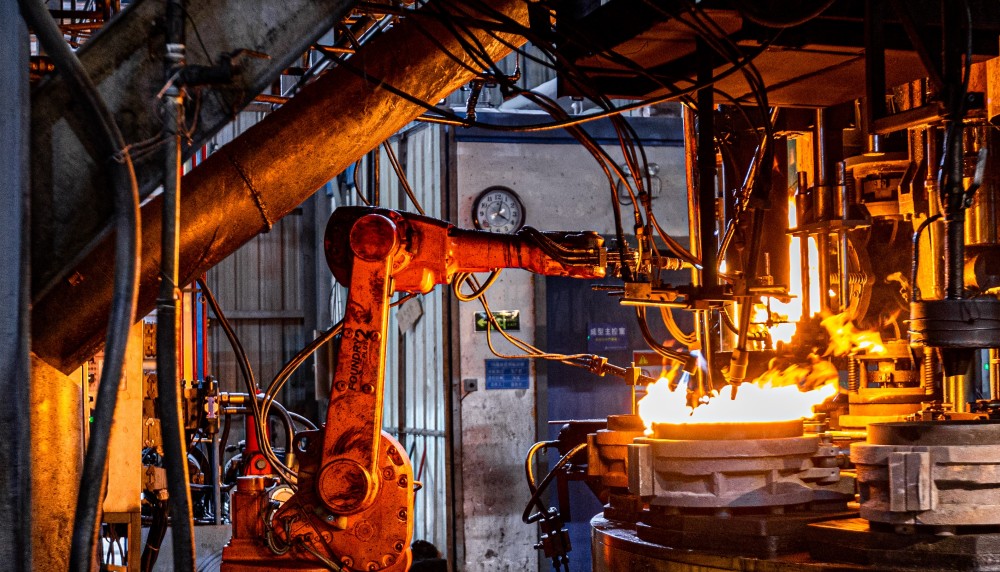
China has emerged as the global manufacturing hub for U420B series, combining cost-efficiency with rigorous IEC 60305 standards. Manufacturers in the Jiangxi and Hebei regions utilize automated "Total Oxygen Kiln" technologies to ensure zero-defect glass melts, which is paramount for preventing spontaneous shattering in the field. Current market trends show a shift toward "Anti-Pollution" and "RTV-Coated" variants to combat the increasing salinity in coastal transmission routes and industrial smog in developing economic zones.
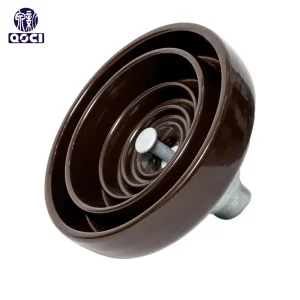
The technical superiority of the U420B lies in its Toughened Glass Chemistry. Unlike porcelain, toughened glass undergoes a precise thermal treatment that creates internal compression layers. If the glass is compromised, it shatters into small, non-conductive fragments ("stubbing"), making visual inspection from the ground or via drones remarkably simple. This "Self-Shattering" characteristic significantly reduces maintenance O&M costs.
Designed for heavily polluted environments, the U420B series offers optimized shed profiles to maximize leakage distance and prevent flashover.
Prevents galvanic corrosion of the pin, especially in humid or coastal areas, extending the mechanical integrity of the string.
Engineered to withstand temperature fluctuations from -60°C to +50°C without losing dielectric properties.
As we transition towards Industry 4.0, the U420B insulator is becoming "Smarter." Manufacturers are now exploring the integration of IoT sensors within the insulator cap to monitor real-time leakage current and mechanical tension. Furthermore, the Carbon Neutrality goals are forcing factories to adopt green manufacturing—using recycled glass cullet and electric kilns to reduce the carbon footprint of power grid hardware.
The future roadmap involves the widespread adoption of RTV (Room Temperature Vulcanization) Silicone Coatings on glass. This hybrid approach combines the mechanical reliability of glass with the hydrophobicity of polymers, creating a "best-of-both-worlds" solution for the next generation of global energy interconnections.
A: The U420B glass insulator allows for "zero-value" self-detection. When it fails, the glass shell shatters, making the faulty unit immediately visible to inspectors. Porcelain requires expensive electrical testing to find "hidden" cracks.
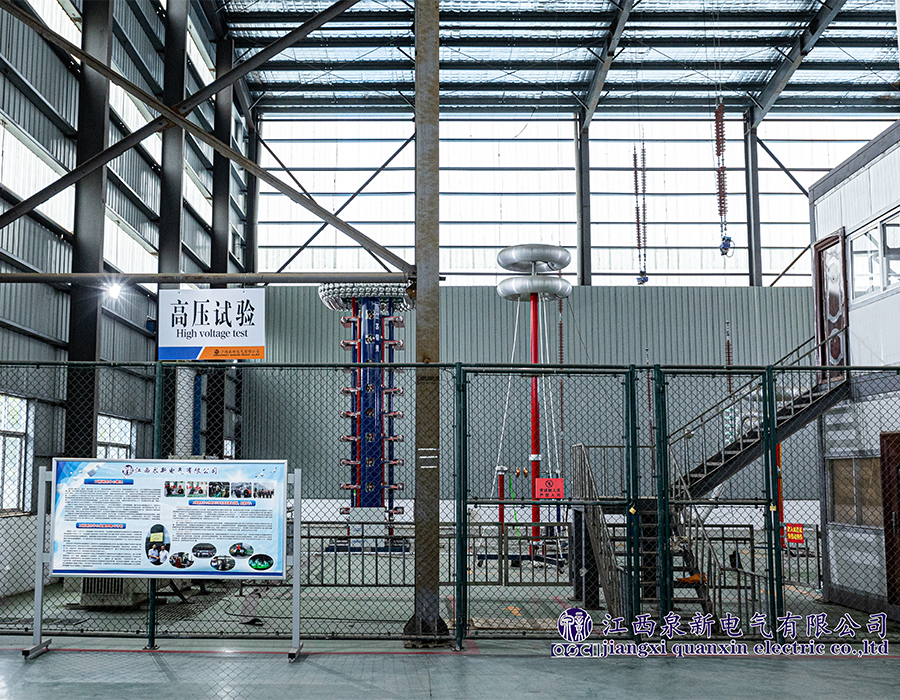
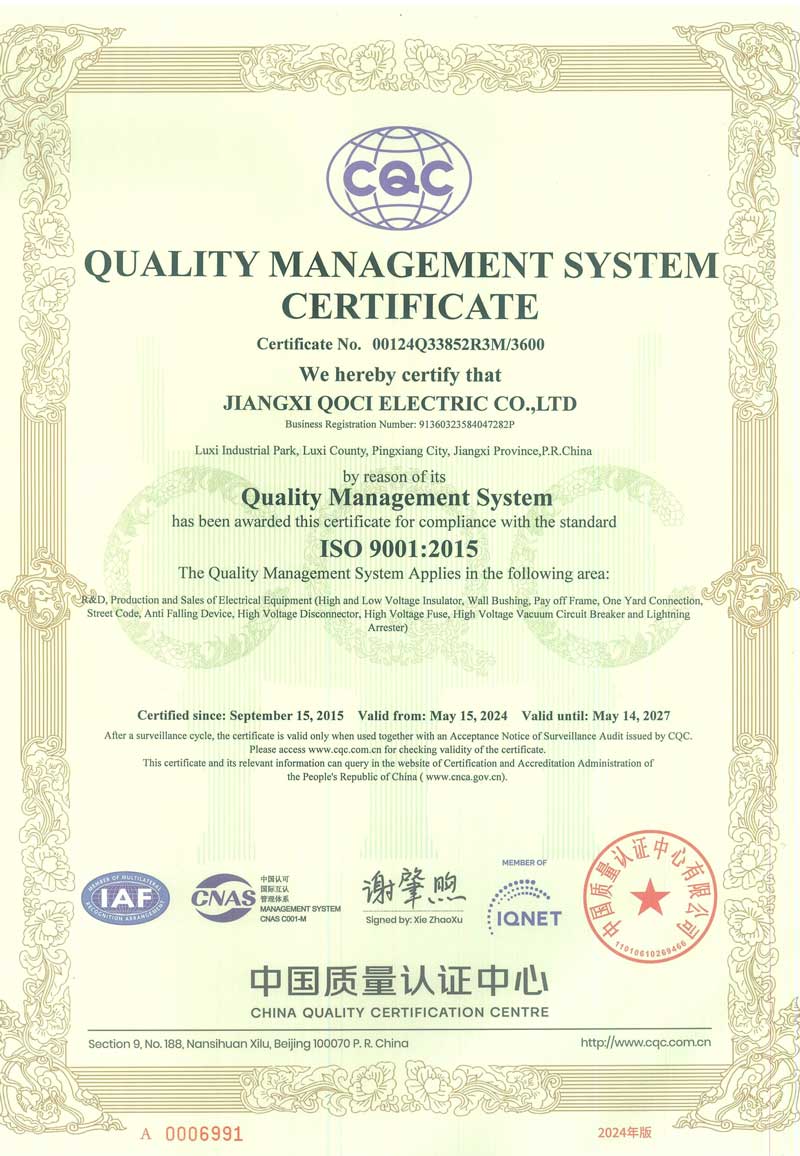
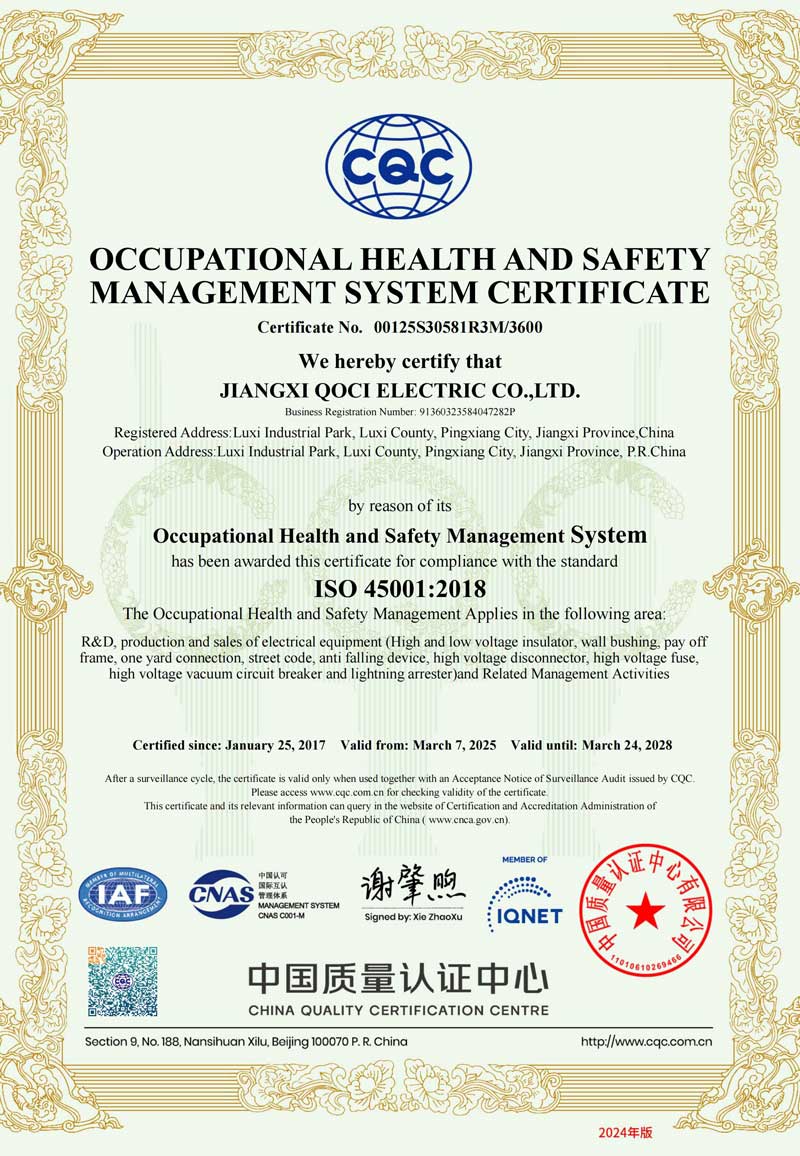
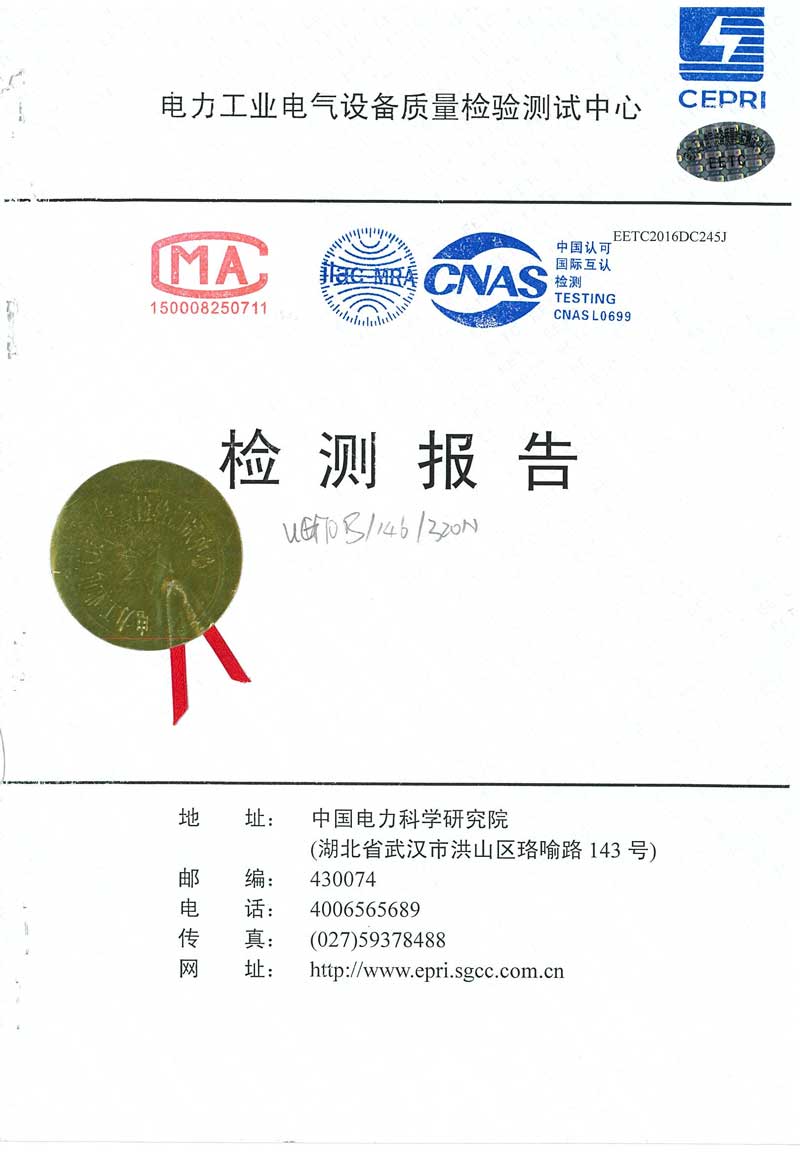
A: Our factories follow E-E-A-T principles with ISO 9001 certification. Every batch undergoes steep-front wave flashover tests, thermal shock tests, and mechanical load-time tests according to IEC 60383 and 60305.
A: Yes, however, for DC lines, we recommend insulators with specific resistivity glass and zinc sleeves to prevent ion migration and electrolytic corrosion.
Jiangxi QOCI Electric Co. Ltd was founded in Dec. 2002, with registered capital of 508 million Yuan. Located in the Industrial Park, Luxi County, Pingxiang, Jiangxi Province, our facility covers 100 mu (70,000 m²).
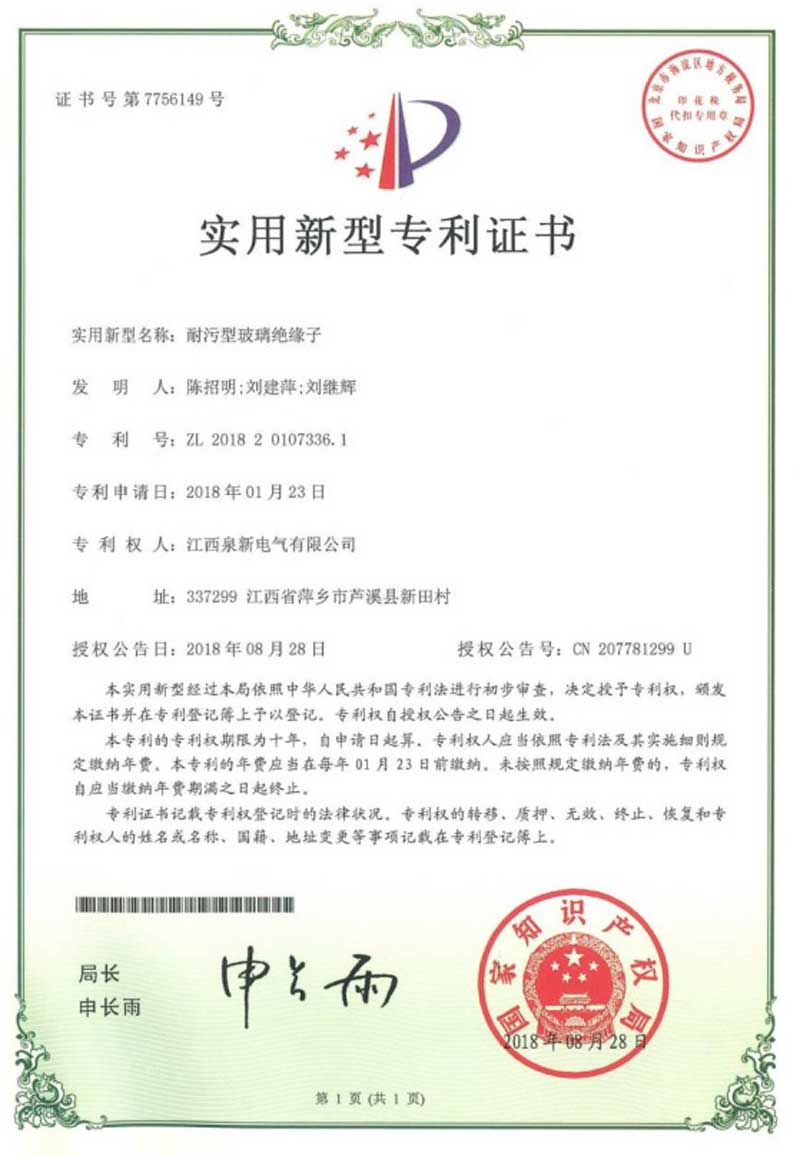
With an annual output of 39,000 tons and 53+ engineering technicians, we hold 26+ patents for invention and utility.
Serve the world-class power grid with dedication. Actively participate in the construction of green energy.
Responsibility is the guarantee of quality. Every insulator is a commitment to safety.
Serve the electric power industry and ensure the safety of the power grid globally.