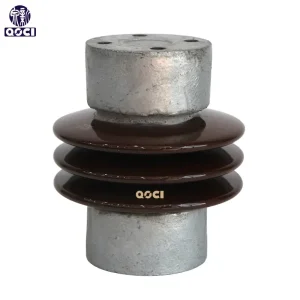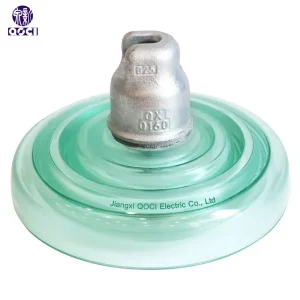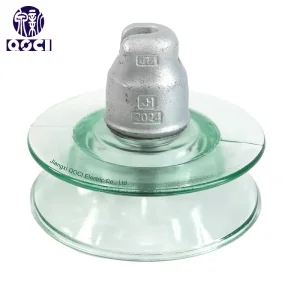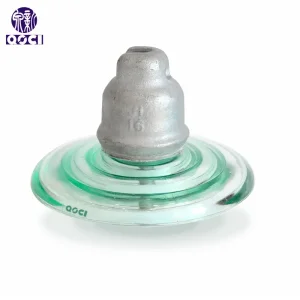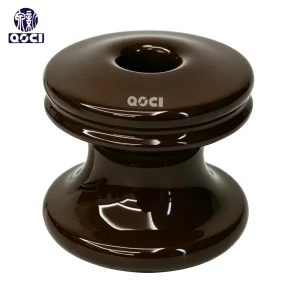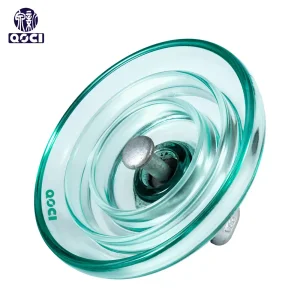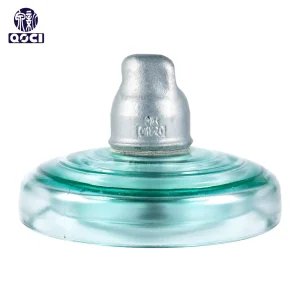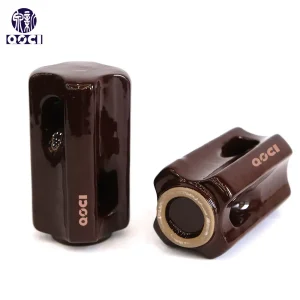
As the global energy landscape undergoes a tectonic shift towards electrification and renewable integration, the demand for robust substation components has reached an all-time high. At the heart of this infrastructure lies the P13 Disconnecting Switch Post Insulator and its variants. China P13 factories have evolved from low-cost manufacturers to global centers of excellence, driving innovation in material science and electrical reliability. This white paper explores the technical specifications, global procurement trends, and the future roadmap of insulator manufacturing, with a focus on Jiangxi QOCI Electric Co. Ltd—a beacon of engineering prowess in the industry.

Founded in December 2002 with a registered capital of 508 million Yuan, our corporation is strategically located in the Industrial Park of Luxi County, Pingxiang, Jiangxi Province. We specialize in serving the world-class power grid with dedication, actively participating in the construction of green energy infrastructure.
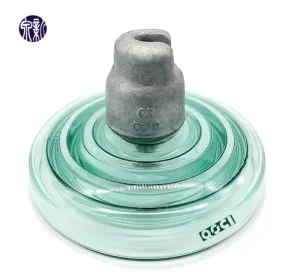
EPC contractors in North America and Europe are increasingly looking to China P13 factories for large-scale grid modernization projects due to the high strength-to-weight ratio of modern toughened glass.
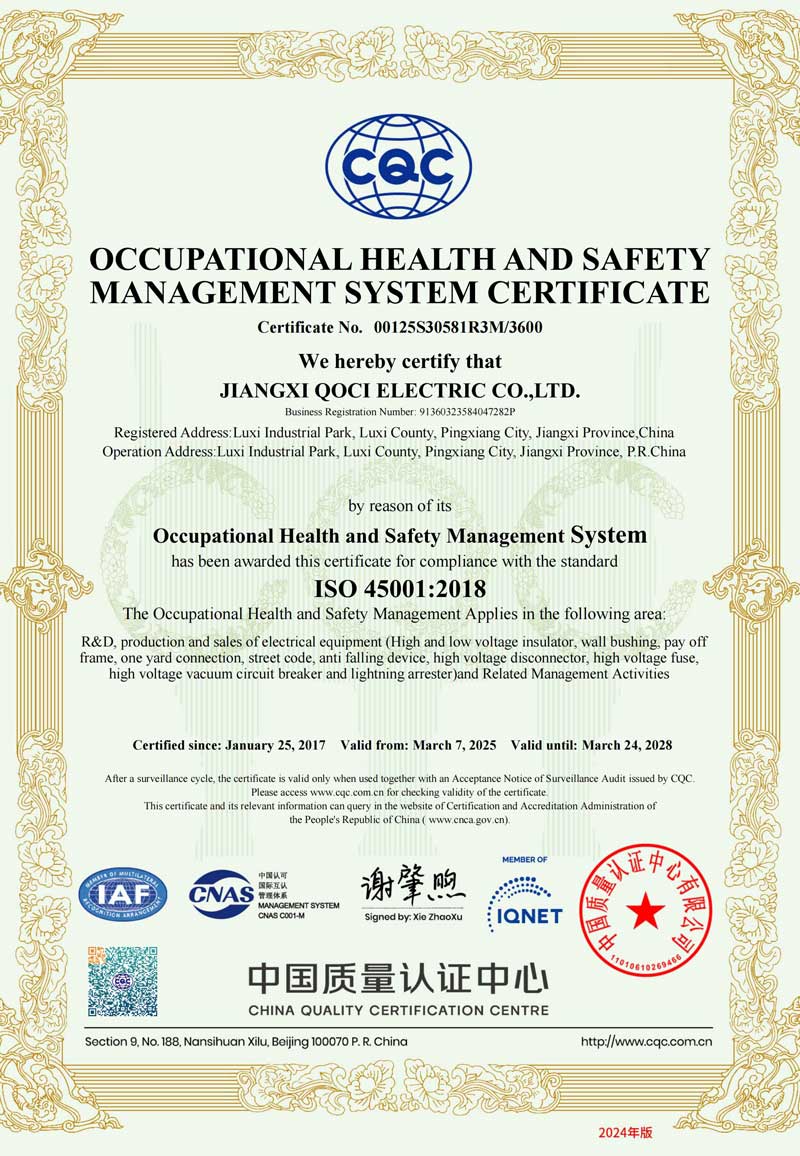
Reliability is the guarantee of quality. Procurement teams prioritize factories with ISO 9001, 14001, and OHSAS 18001 certifications to ensure supply chain resilience and ethical compliance.
Ultra-high voltage AC (DC) electric transmission lines require specialized insulators that can handle extreme corona effects and thermal stress, a domain where Chinese engineering leads the market.
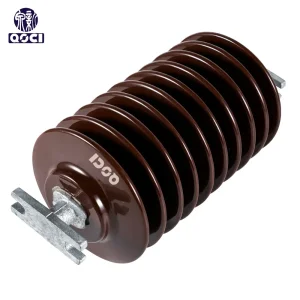
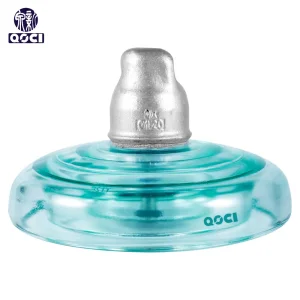
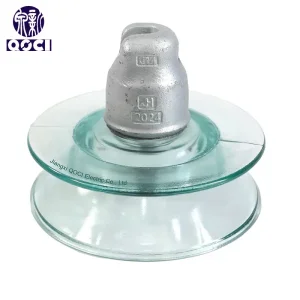
Higher leakage distance than IEC 60305 values. Shallow and well-spaced small ribs allow for effective self-cleaning by wind or rain, reducing maintenance cycles in temperate climates.
Characterized by long, widely-spaced under-ribs to avoid arc bridging. Particularly effective in coastal areas (Salt fog) with a leakage distance/spacing ratio of around 3.2.
Designed without under-ribs to prevent solid pollution (sand/dust) accumulation. Ideal for desert environments and solving ice-bridging problems in sub-zero regions.
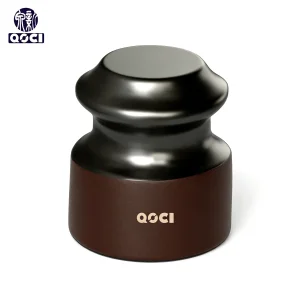
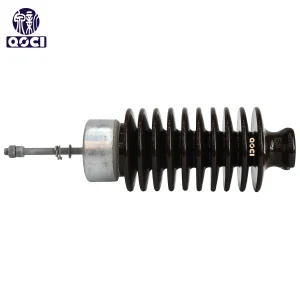
Room Temperature Vulcanization (RTV) silicone increases hydrophobicity. An economical solution for heavy pollution areas, eliminating the need for regular cleaning while maintaining mechanical integrity.
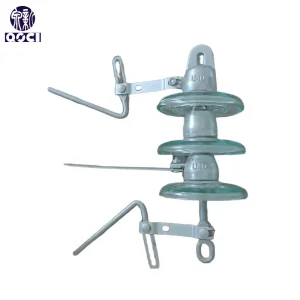
A key component for UHV lines. The three layers of umbrella discs provide longer creepage distance and superior pollution flashover resistance in high-altitude regions.
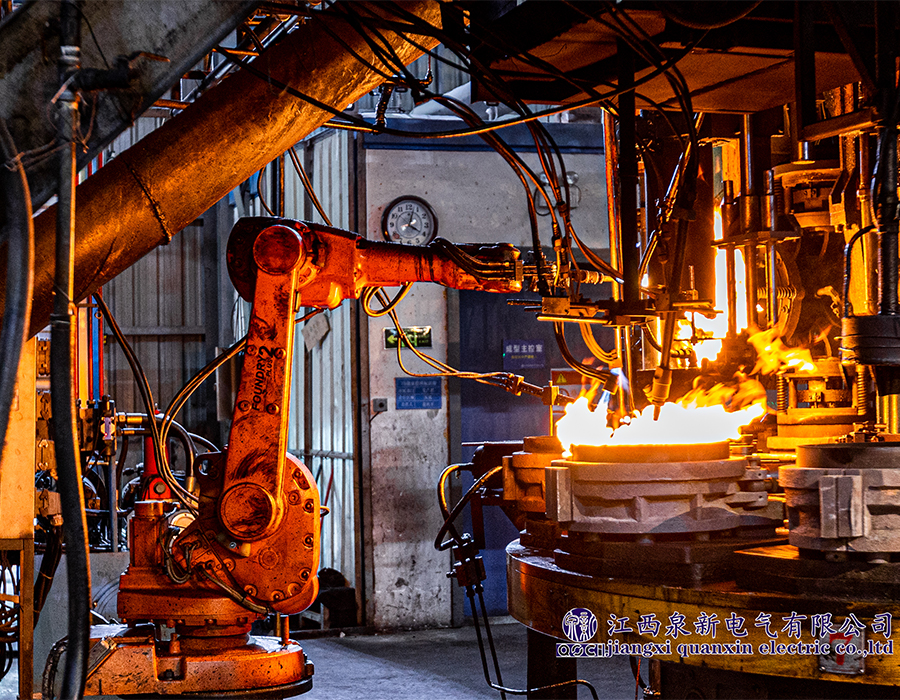
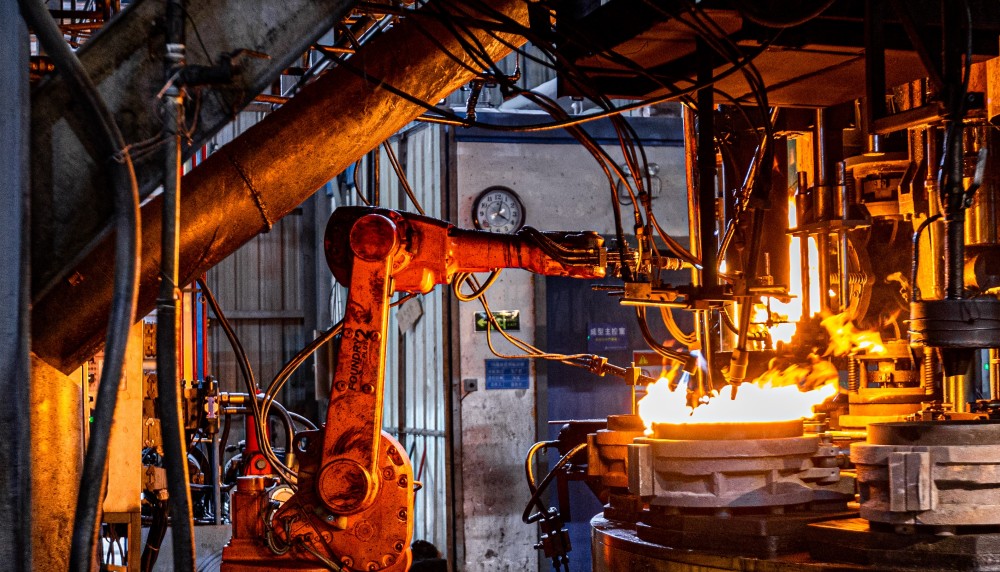
Precision molding for consistent dielectric performance across all batches.
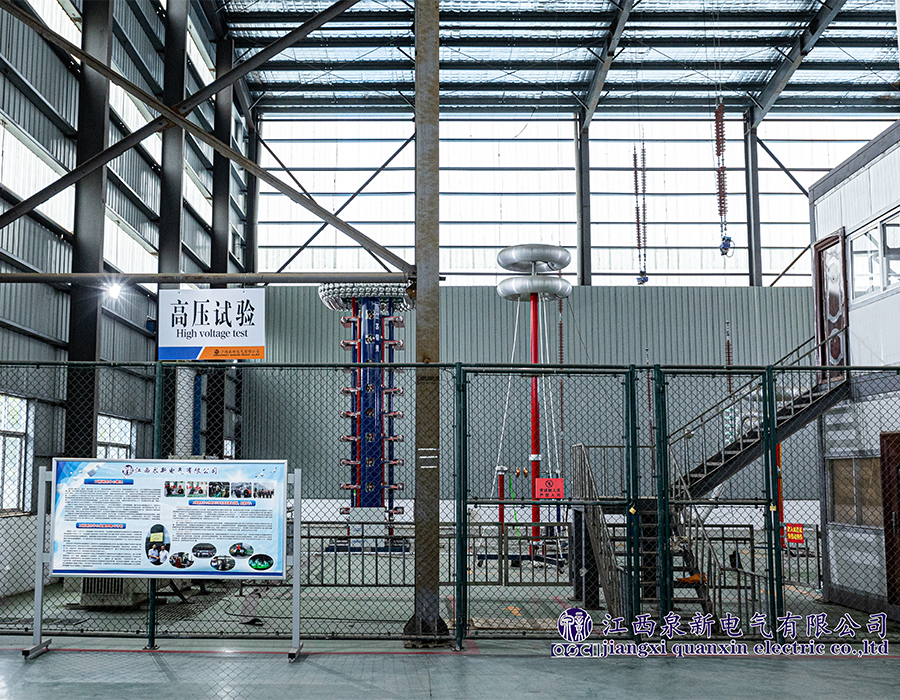
Rigorous electrical stress testing ensures each P13 unit exceeds nominal ratings.
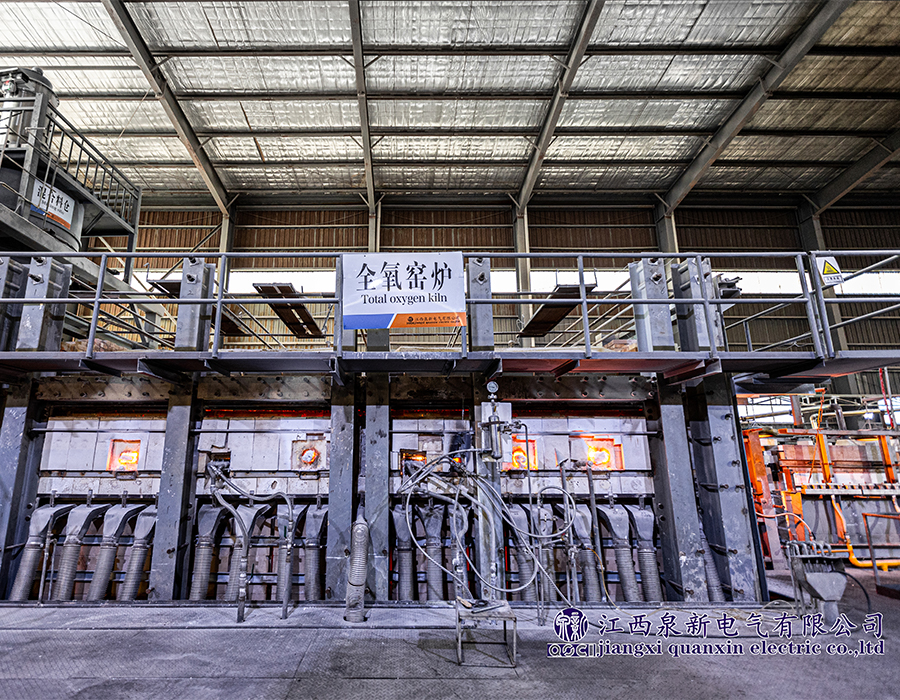
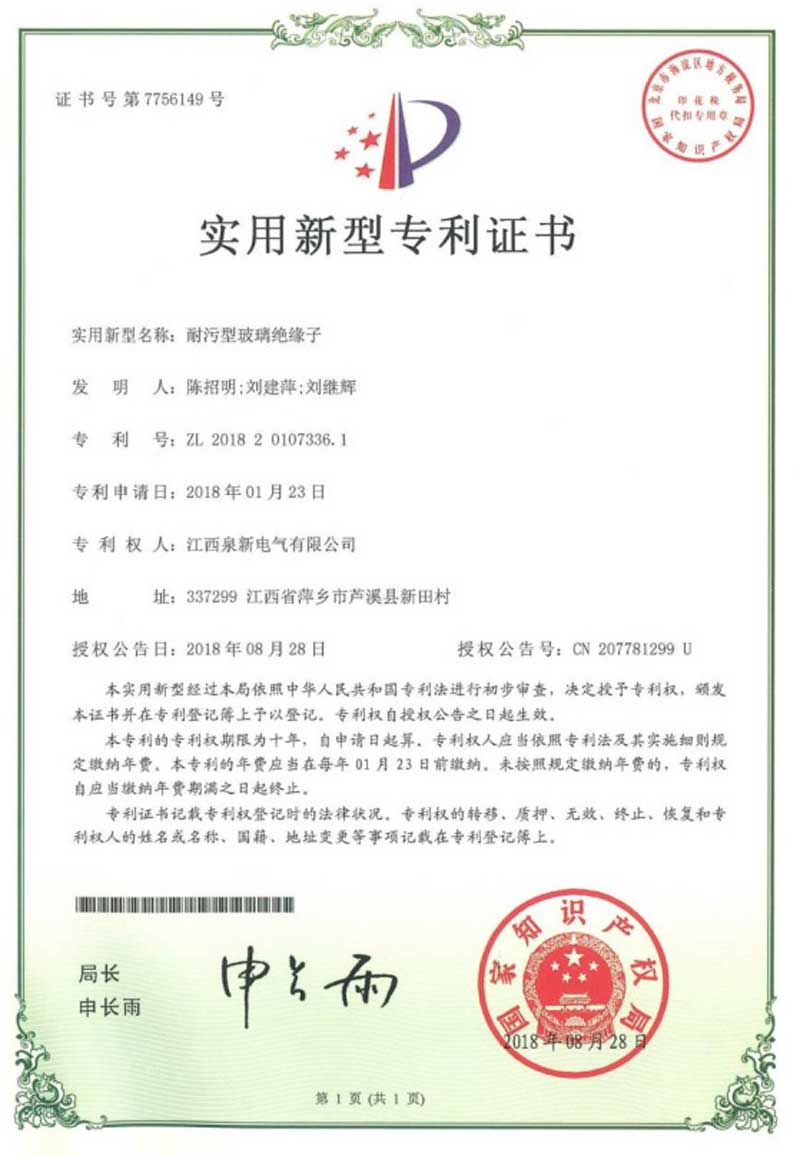
Advanced firing technology for superior toughened glass and porcelain crystallization.
Shift from traditional ceramic to high-tensile toughened glass and silicone hybrid materials to reduce line weight and increase durability.
Integration of IoT sensors within post insulators to monitor leakage current and surface contamination in real-time.
P13 factories transitioning to green hydrogen-powered kilns and zero-waste production cycles.
Our products undergo rigorous certification by global bodies to ensure they meet the specific geographic adaptability requirements of different power systems. Whether it is the humid coastal regions of Thailand (TR-202) or the extreme cold of Canada, our insulators are engineered for survival.

Join QOCI ELECTRIC at Enlit Africa as we discuss the acceleration of global energy transition and renewable energy storage.
Our team showcased the latest in P13 post insulator technology at the IEEE PES T&D Exposition 2026.
Having withstood extreme environmental conditions, China’s insulator industry is now a mature portfolio of high-reliability products.
A: The P13 disconnecting switch post insulator can be manufactured with an anti-pollution profile or RTV coating, which significantly increases the specific leakage distance and prevents conductive film formation during humid conditions.
A: Modern P13 factories use a precise thermal toughening process that creates high compressive stress on the glass surface, making it resistant to mechanical impact and thermal shock. Any defect results in a "safe" fracture into small granules.
A: All our P-13 and glass insulator series are designed and tested in full compliance with IEC 60305, ANSI C29.2, and other relevant international standards for high-voltage transmission.