Engineered for low, high, and ultra-high voltage AC & DC transmission lines under harsh mechanical and climatic stresses.
Detailed analysis of aerodynamic configuration, glass thermal toughening processes, and grid performance criteria.
As the international transition towards clean energy accelerates, power transmission grids are pushed to operate at higher voltages, spanning vast geographical regions with extreme environmental pressures. Overhead lines crossing coastal zones, industrial belts, deserts, and high-salinity plains face severe contamination issues. Standard profiles tend to gather airborne particles, leading to regular leakage currents and costly grid outages.
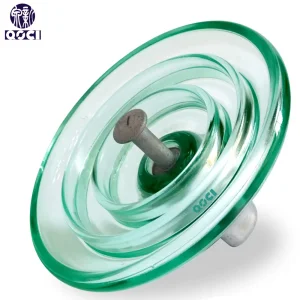
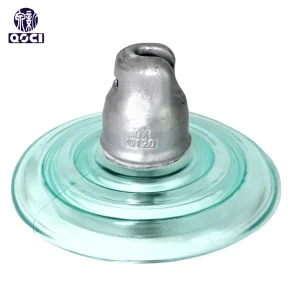
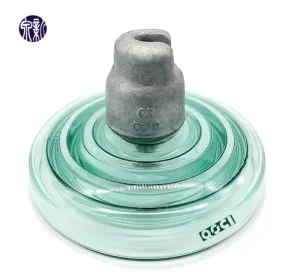
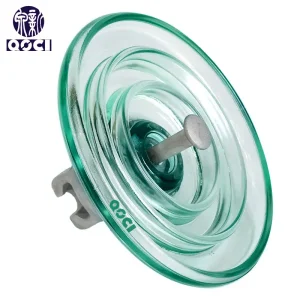
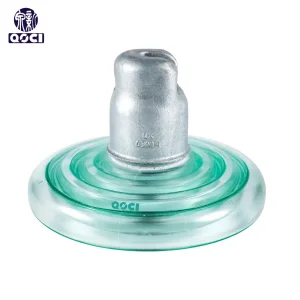
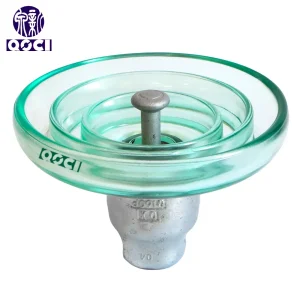
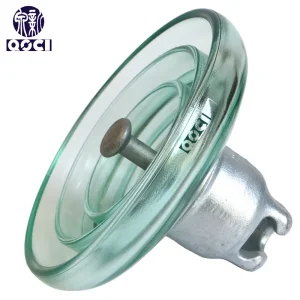
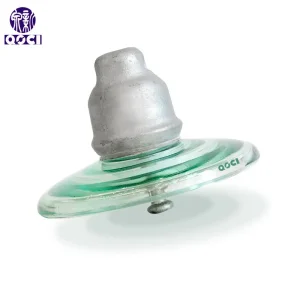
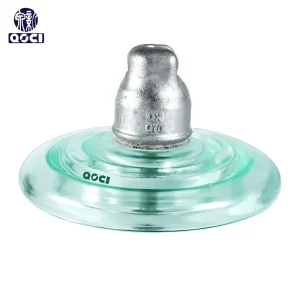
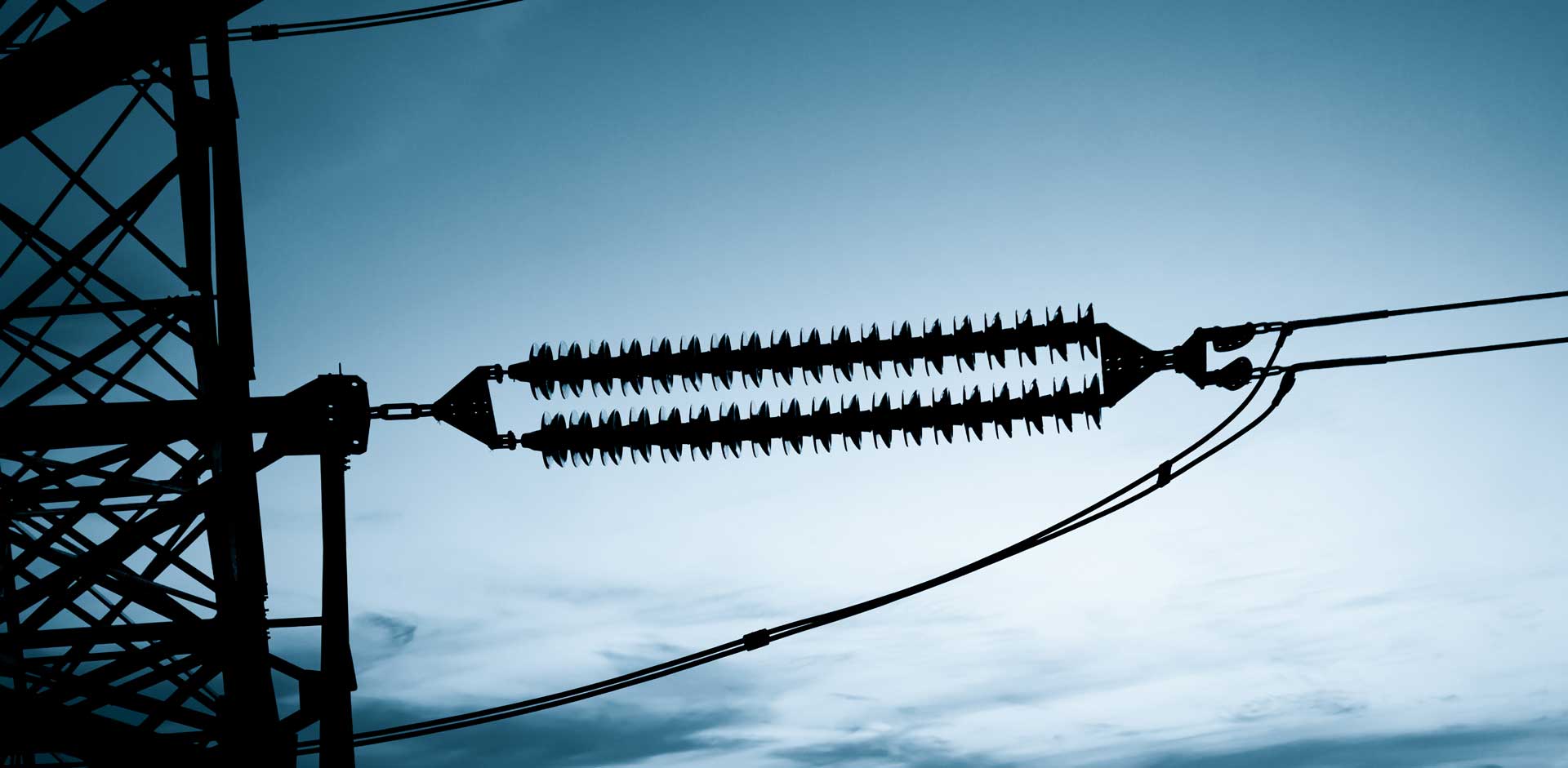
This challenge has fueled global market growth for Double Shed (External Shed) Toughened Glass Insulators. Unlike standard profiles with dense, deep under-ribs, the double shed configuration offers a streamlined aerodynamic body. This profile dramatically improves self-cleaning in windy or rainy regions, reducing dirt buildup and minimizing the risk of contamination flashovers.
The core geometry of a double-shed profile features two distinct external ribs, eliminating complex under-rib designs. In dry, sandy, or desert conditions, standard insulators trap dust underneath their skirts. The open structure of the double shed lets the wind clean the glass surface naturally. The design features a high creepage-to-spacing ratio, maintaining electrical insulation without bridging adjacent ribs. When industrial dust or ocean salt sprays the line, rain washes the pollution away, avoiding low-resistance paths and subsequent grid trips.
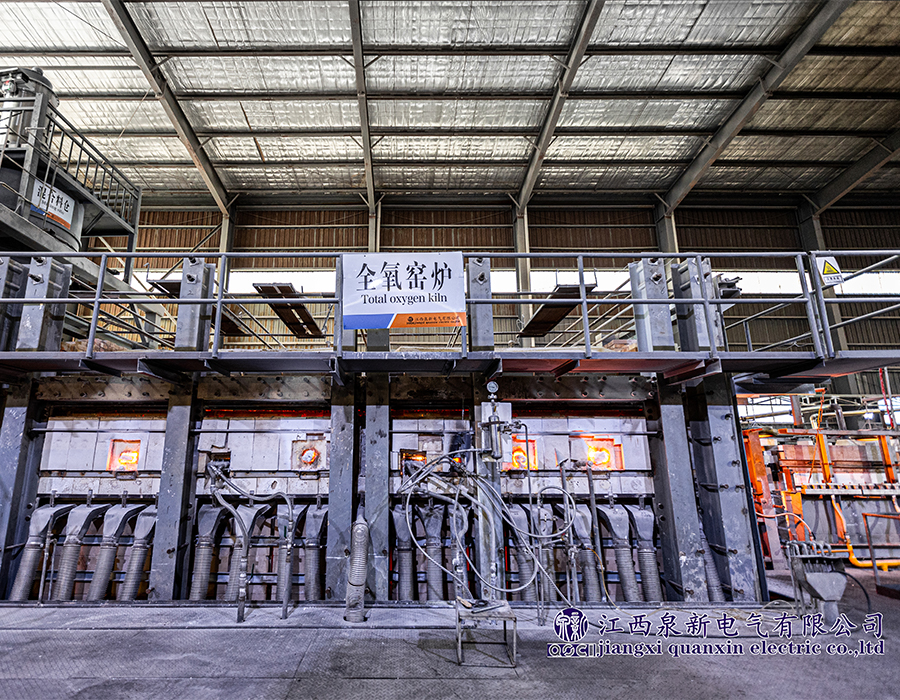
Jiangxi QOCI Electric Co., Ltd., founded in December 2002 with a registered capital of 508 million Yuan, represents China's leading manufacturing capability in Pingxiang, Jiangxi Province. As an electrical porcelain and glass insulator production hub, this region provides integrated raw materials, highly automated continuous glass melting kilns (Total Oxygen Kilns), and robotic forming systems.
Equipped with thermal-shock testing lines and high-voltage laboratories, QOCI guarantees that every toughened glass insulator disc meets international standards (IEC 60305, ANSI C29.2, BS 137). Raw materials are carefully selected and mixed, then melted in our high-capacity oxygen kilns. This approach ensures uniform glass composition with minimal micro-cracks, reducing spontaneous shattering rates to levels well below industry norms.
Jiangxi QOCI Electric Co., Ltd. serves the world-class power grid with dedication, actively contributing to green energy development.
We actively participate in developing green energy infrastructure, constantly updating our manufacturing processes to meet modern UHV AC/DC project requirements.
Responsibility is our ultimate guarantee of quality. Our strict internal QA systems monitor raw materials, forming, annealing, thermal testing, and final assembly.
We serve the global electric power industry, ensuring grid stability with fast delivery times, competitive pricing, and technical support.
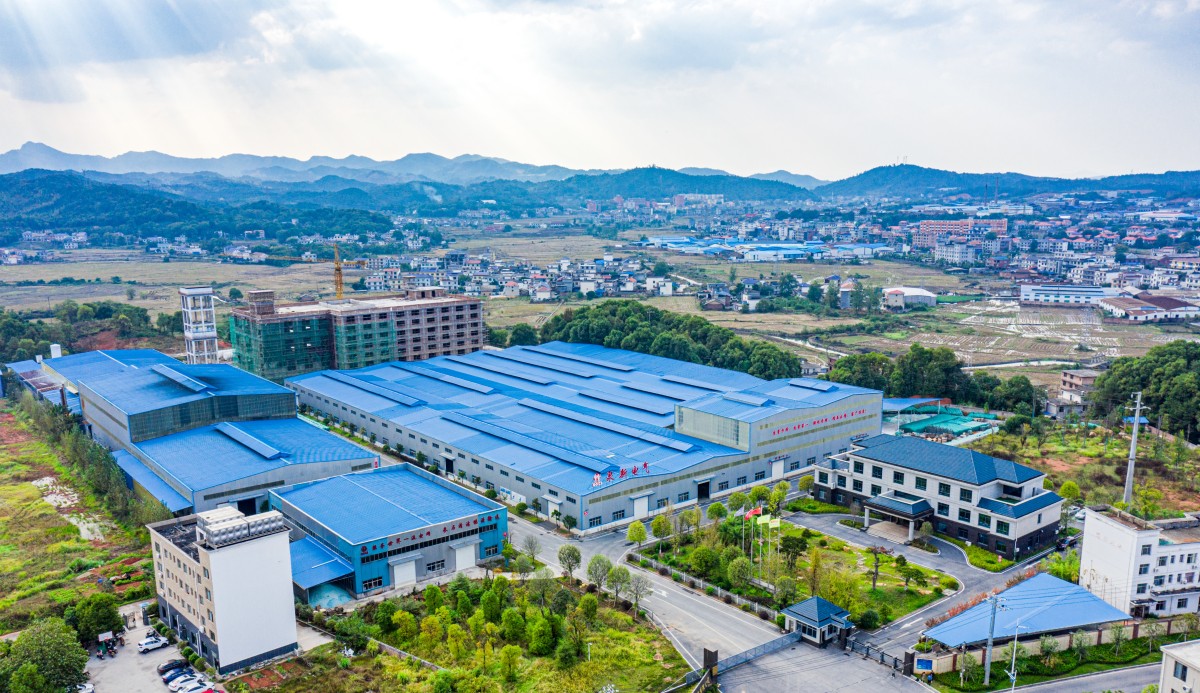
Jiangxi QOCI Electric Co., Ltd. is located in the Luxi County Industrial Park, Pingxiang City, Jiangxi Province, covering an area of 100 mu. Since 2002, our facility has expanded to 70,000 square meters of production space, producing up to 39,000 tons of electrical glass insulators annually.
Supported by 53 specialized engineers and technicians holding 26 national patents, we provide grid solutions across China, Asia, the Middle East, Africa, and the Americas.
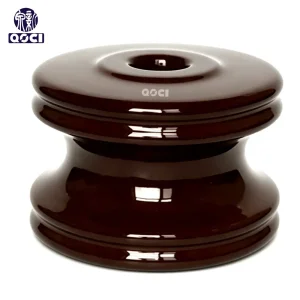
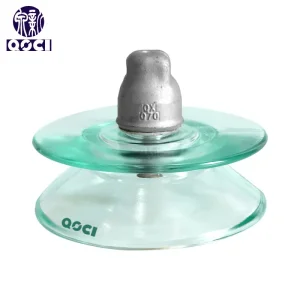
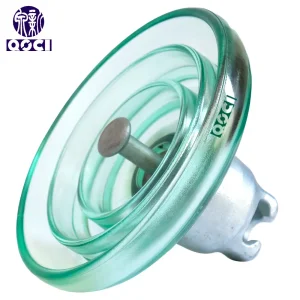
We manufacture a complete range of insulator designs tailored for distinct geographical environments.
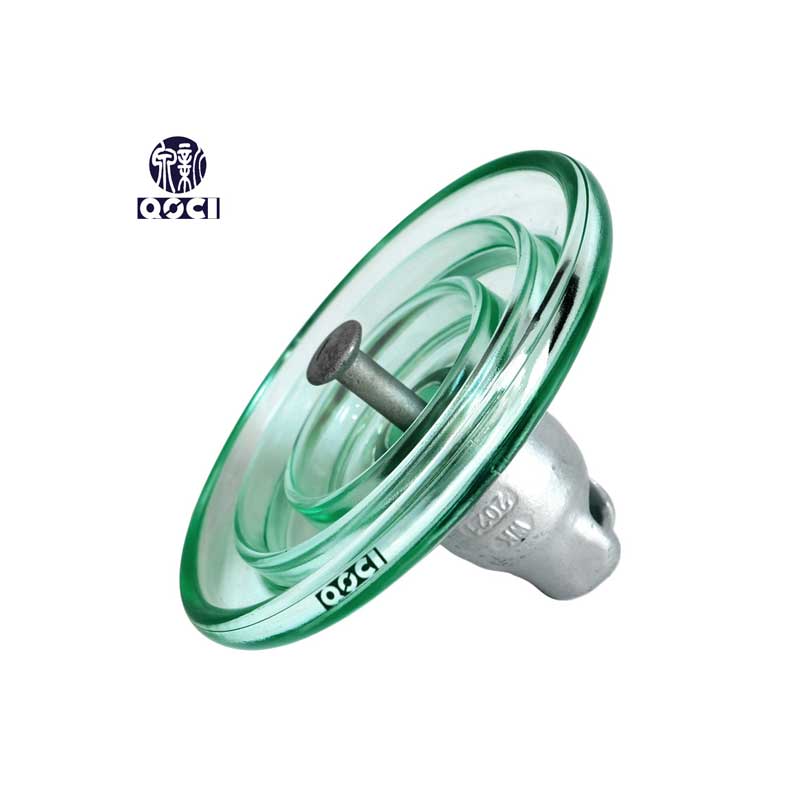
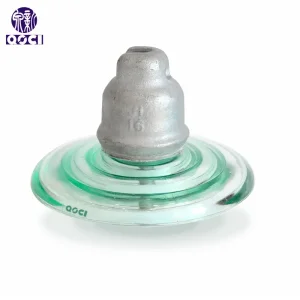
Features leakage distances exceeding IEC 60305 baselines. Designed with shallow, well-spaced ribs that clean easily via wind and rain.
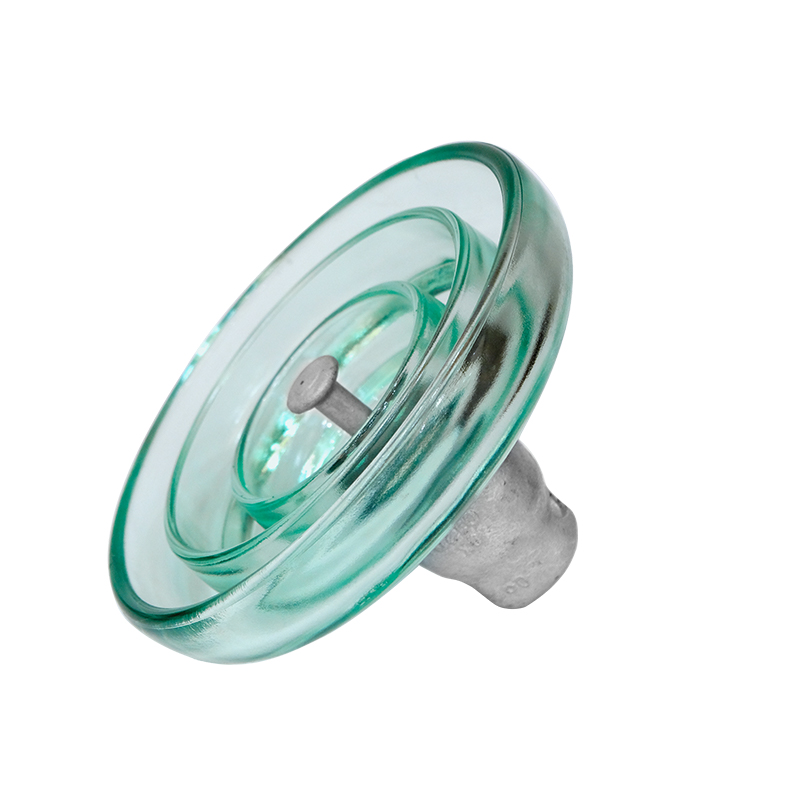
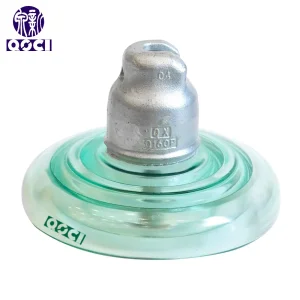
Long, widely spaced under-ribs prevent arc bridging. Essential for heavy salt-fog coastal lines and polluted industrial environments.
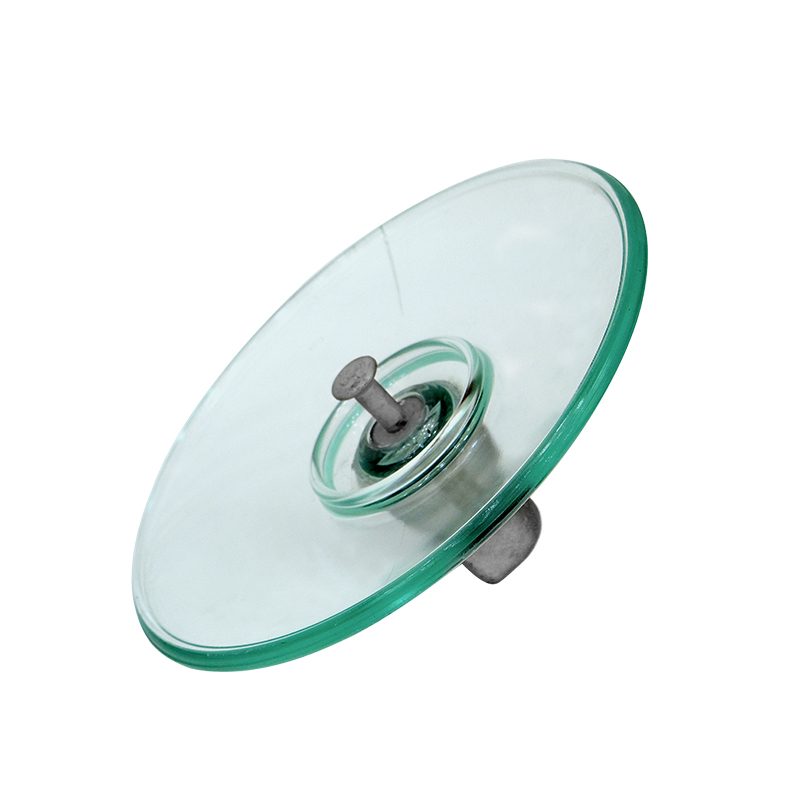
Eliminates under-ribs and expands disk diameter. Helps prevent sand, dust, and ice accumulation on dead-end and suspension lines.
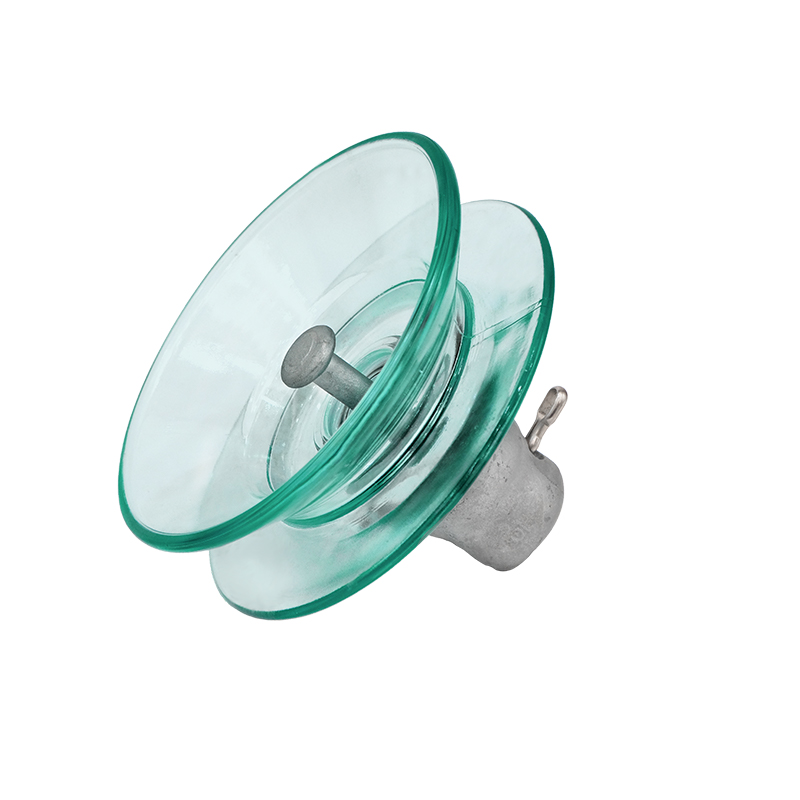
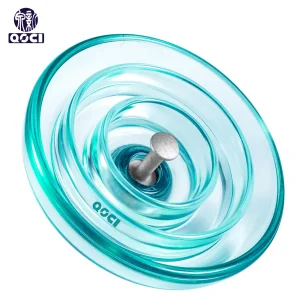
Features two prominent external ribs with no under-ribs. Designed for extreme dust, salt, and industrial pollution. Allows easy access for manual washing when needed.
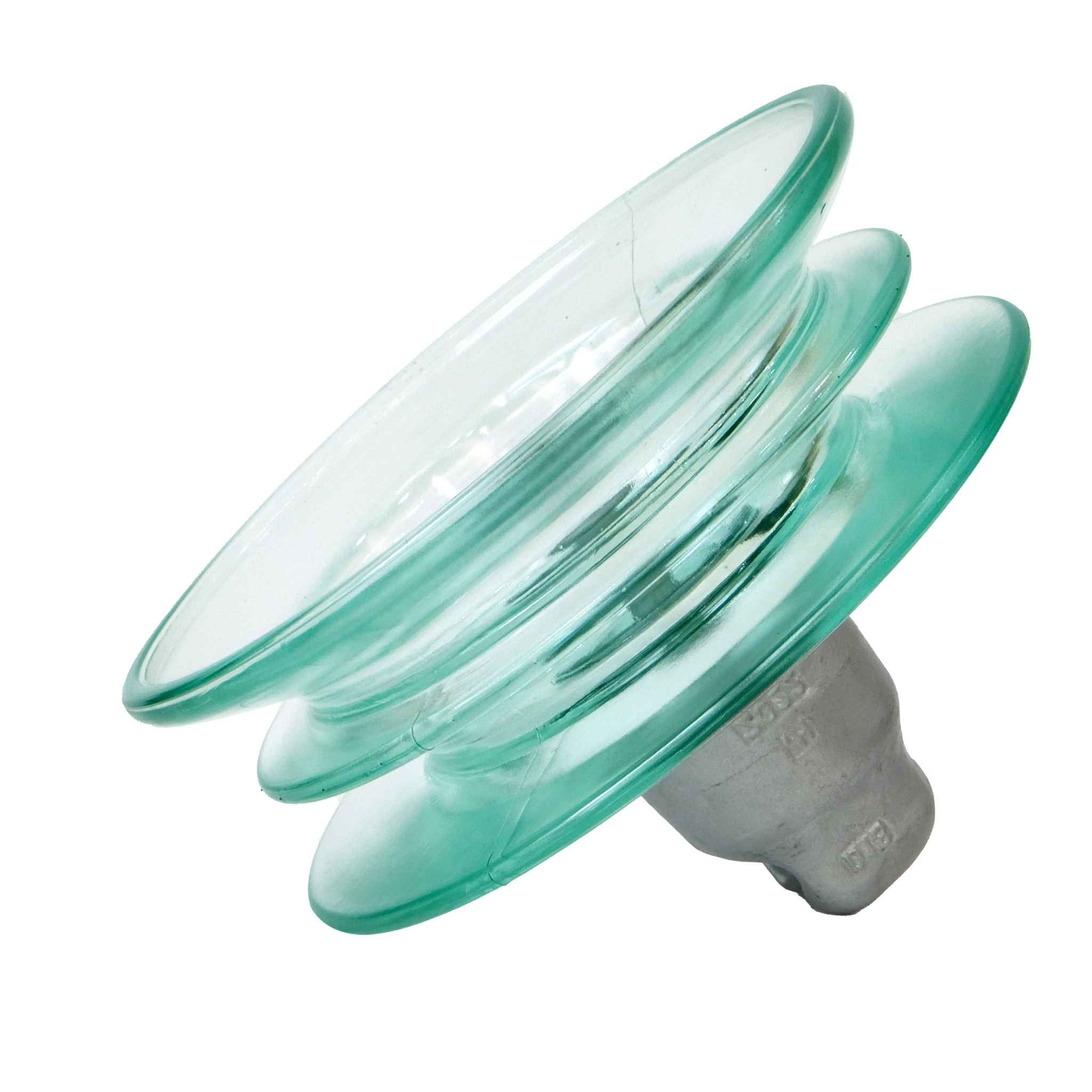
Three separate umbrella discs on a single body provide extended creepage. Ideal for ultra-high voltage (UHV) lines in high-altitude, humid areas.
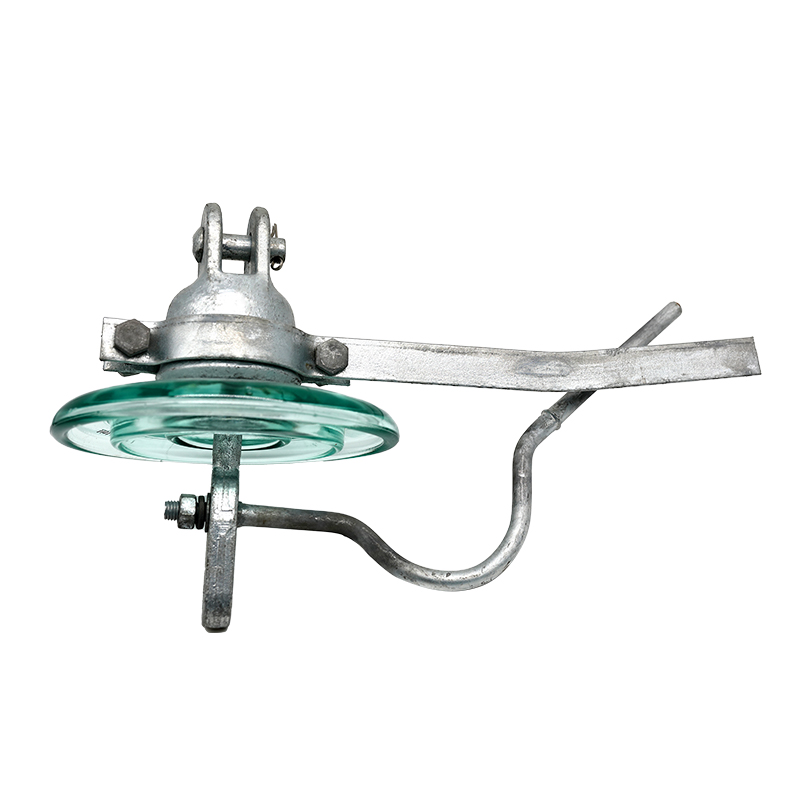
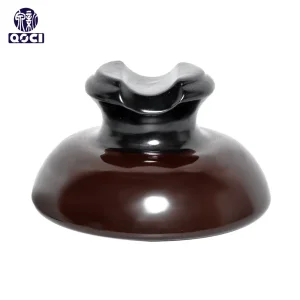
Connects lines to grounding systems through steel pins and flanges, protecting overhead paths from lightning strikes.
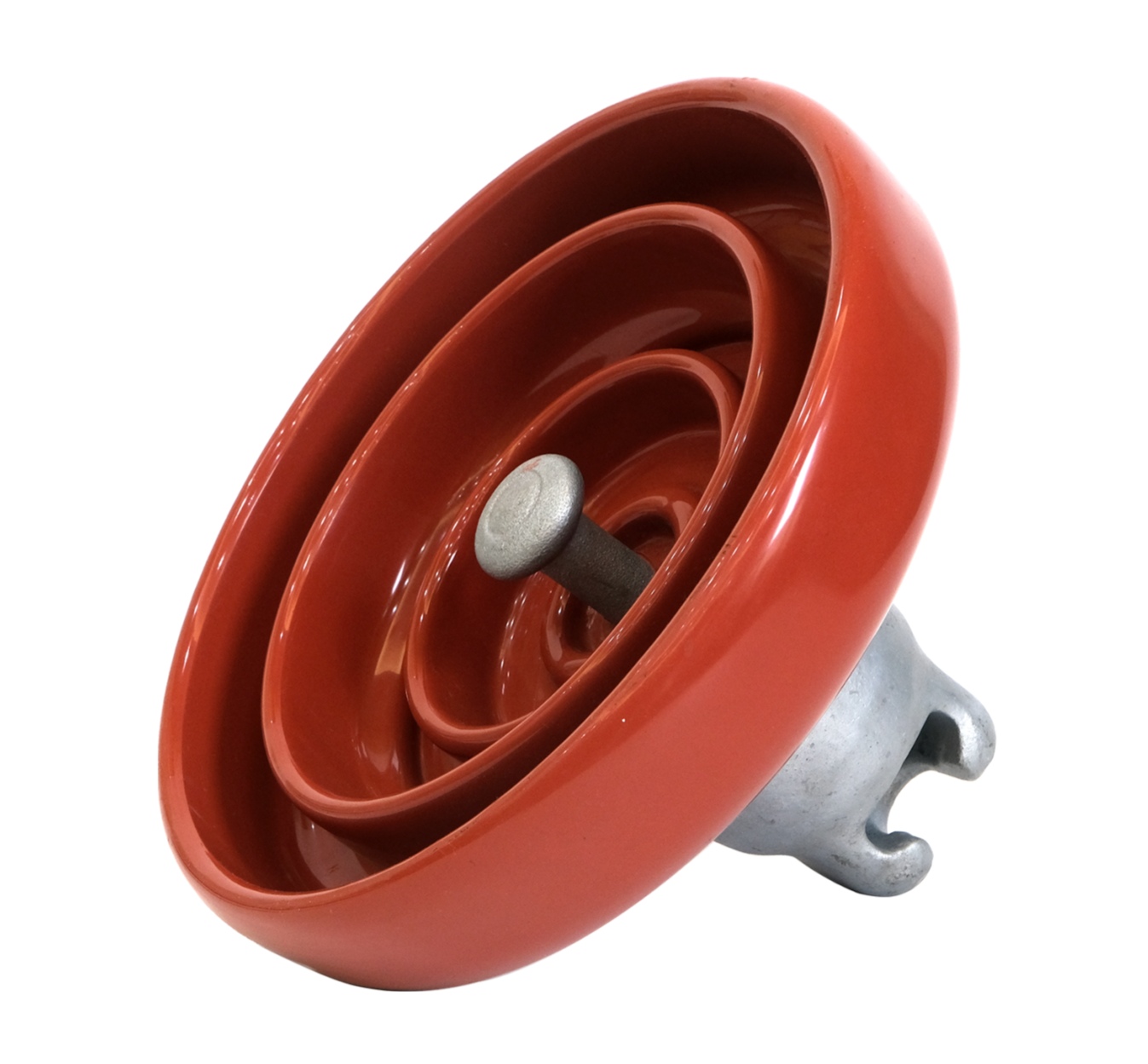
Factory-applied Room Temperature Vulcanized silicone coating. Enhances surface hydrophobicity to minimize leakage currents and reduce maintenance costs.
Widely specified models by utility authorities and transmission EPC contractors worldwide.
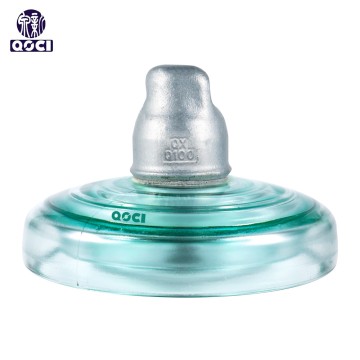
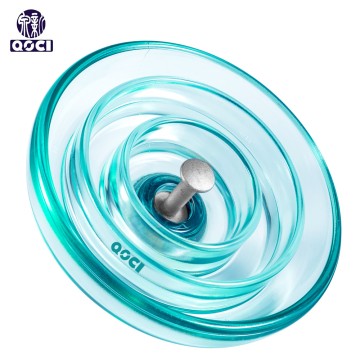
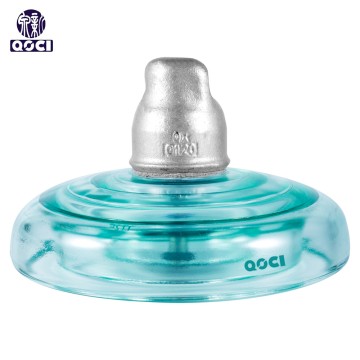
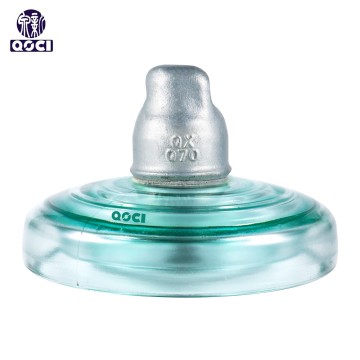
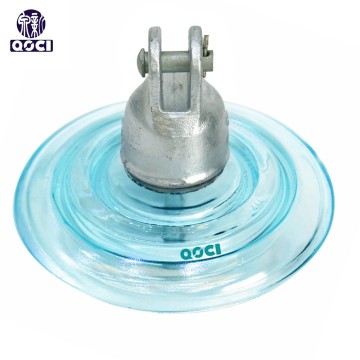
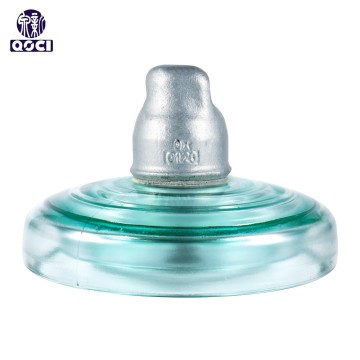
Our high-strength glass insulators operate effectively across low, high, and ultra-high voltage AC and DC systems.
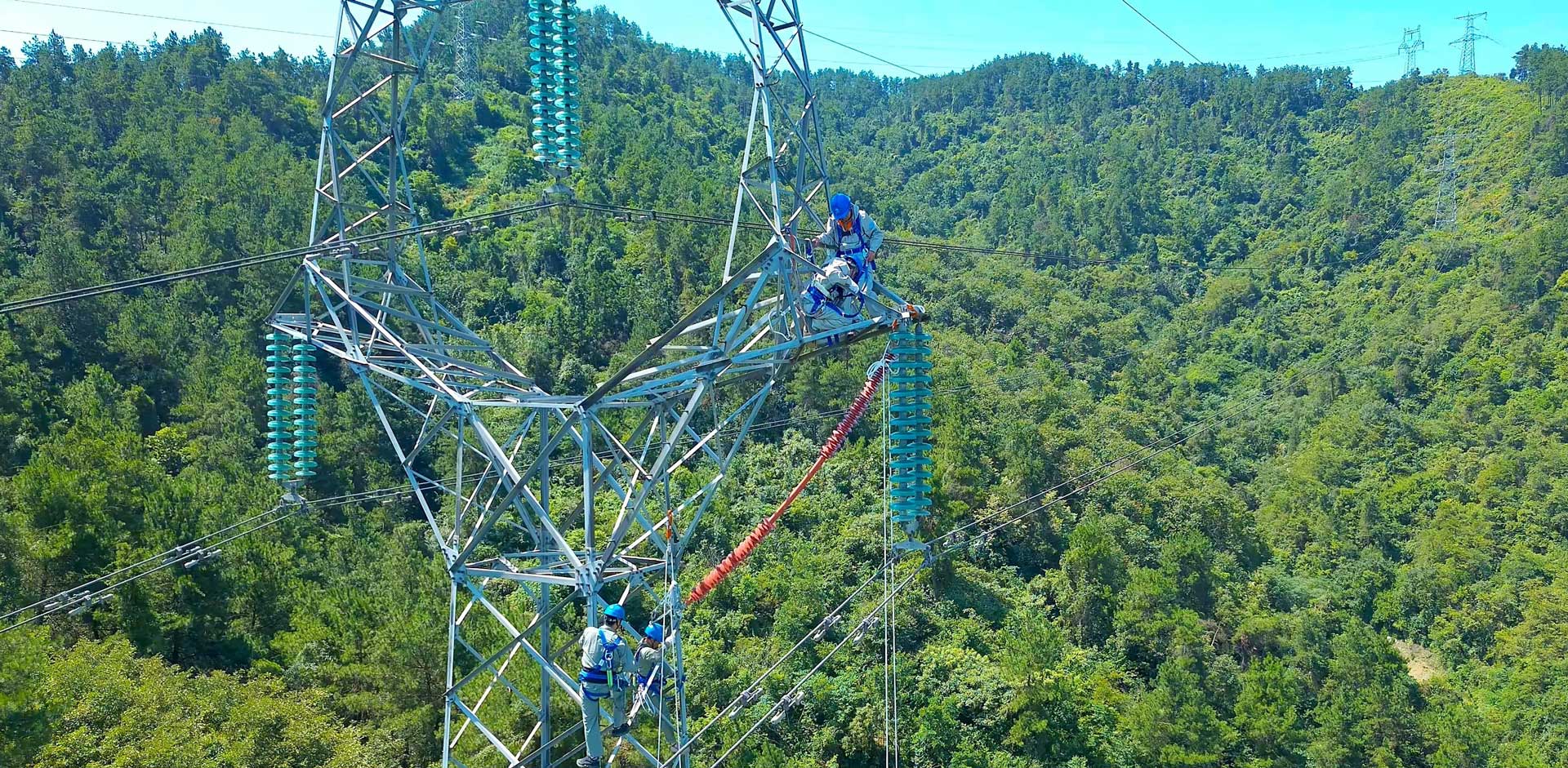
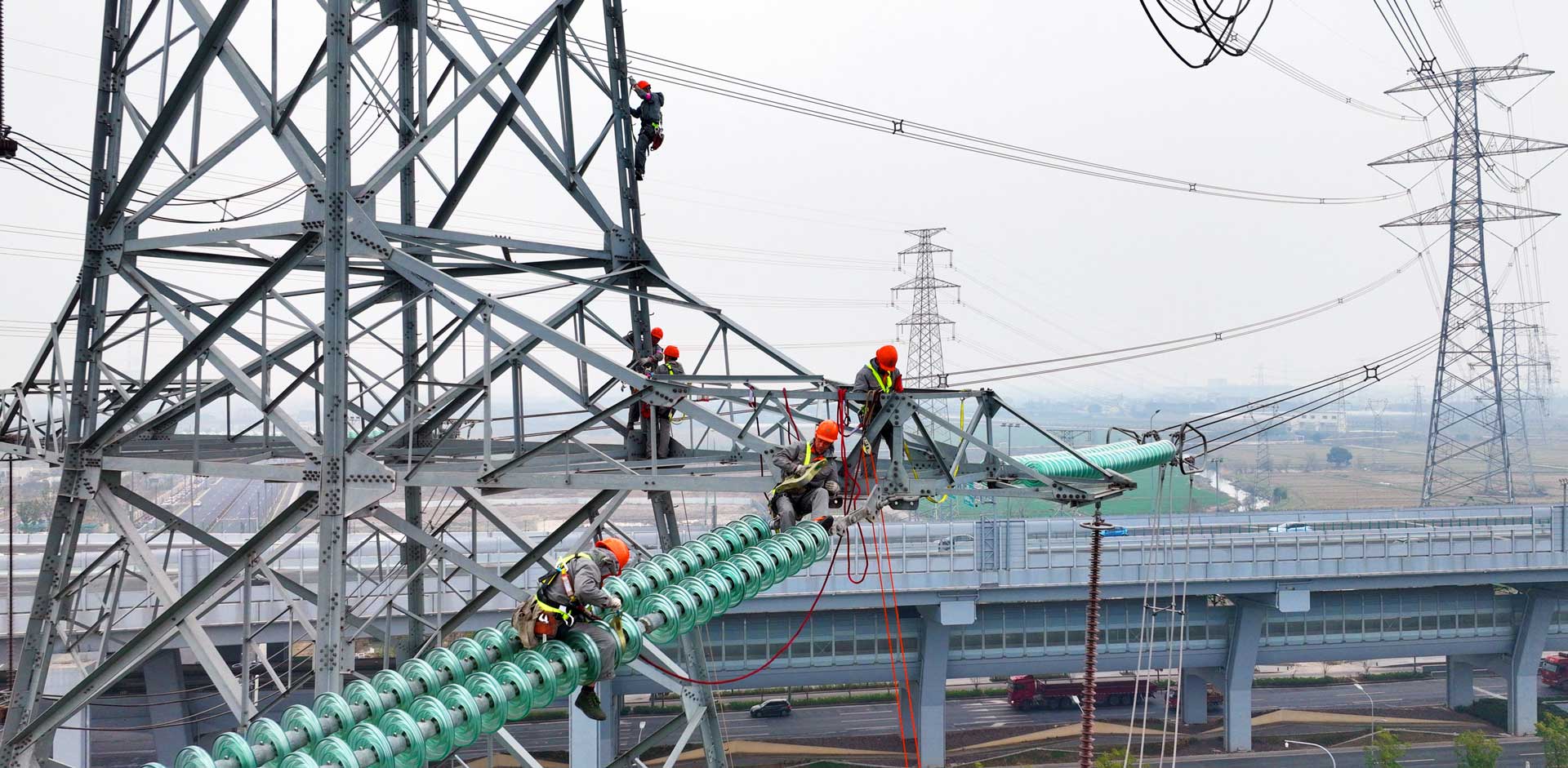
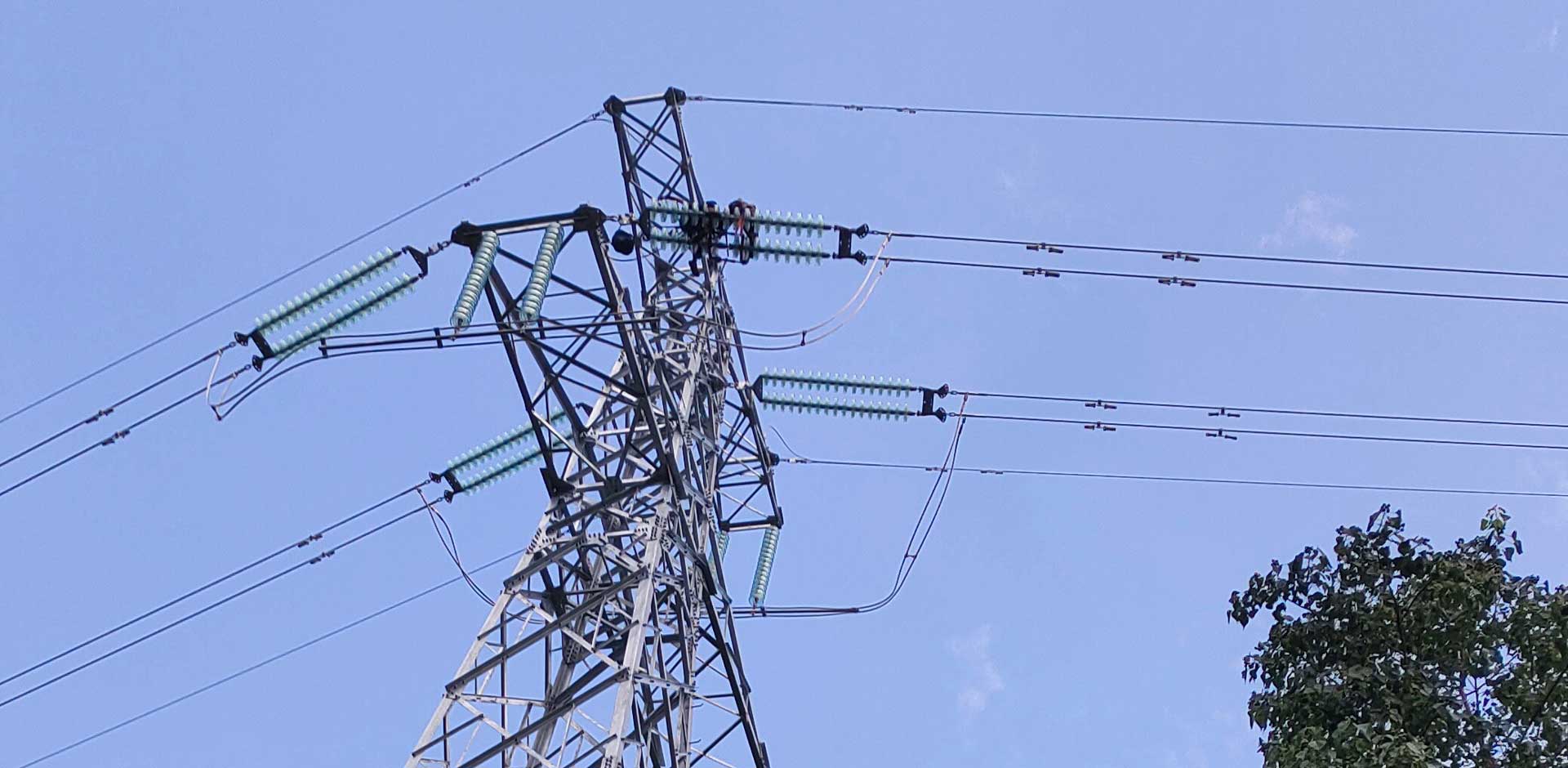
Inside our advanced manufacturing center, featuring total oxygen melting, hydraulic pressing, and strict high-voltage testing.
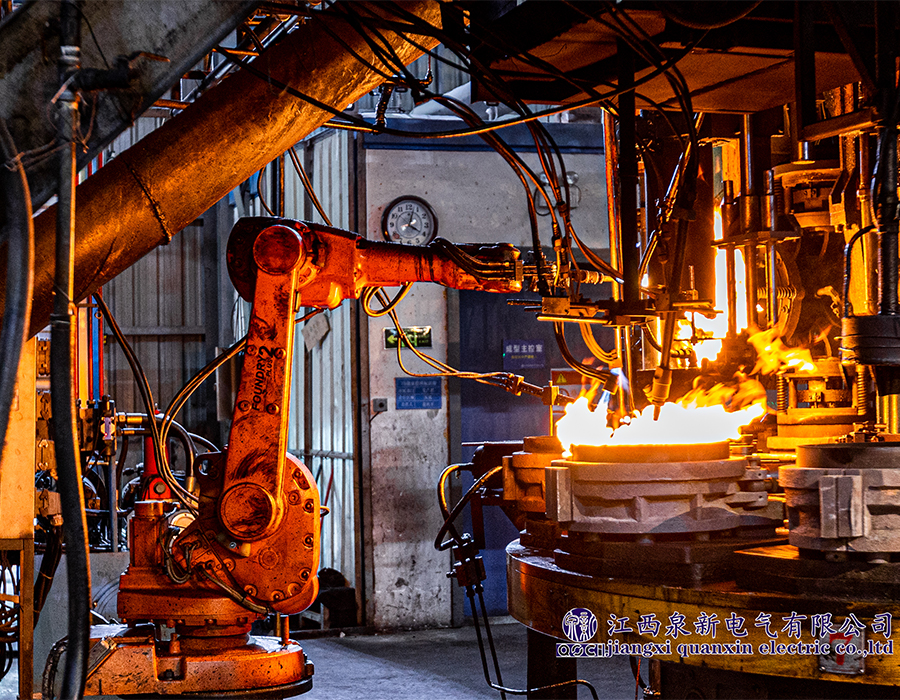
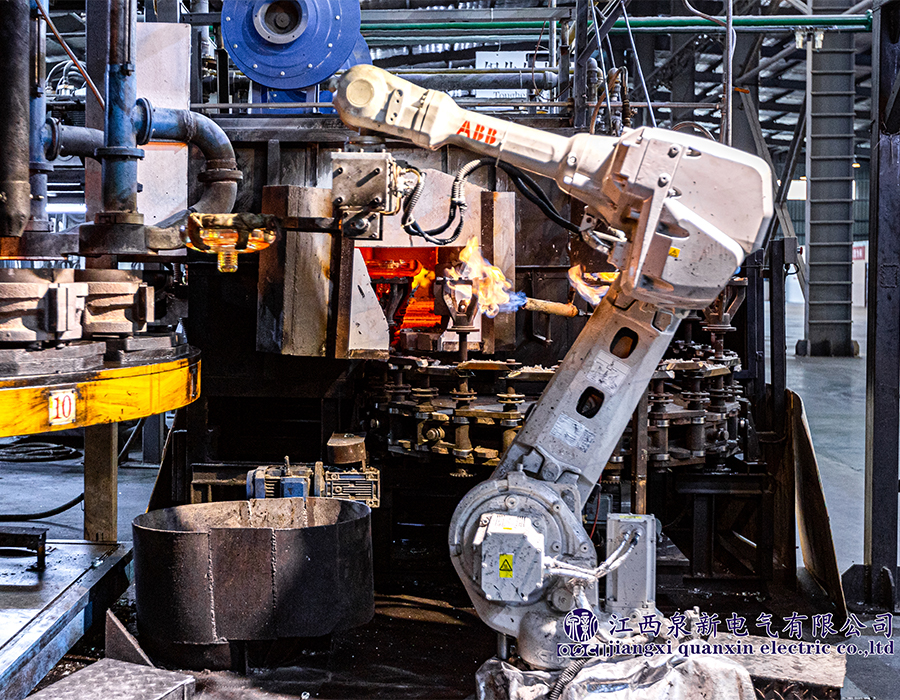
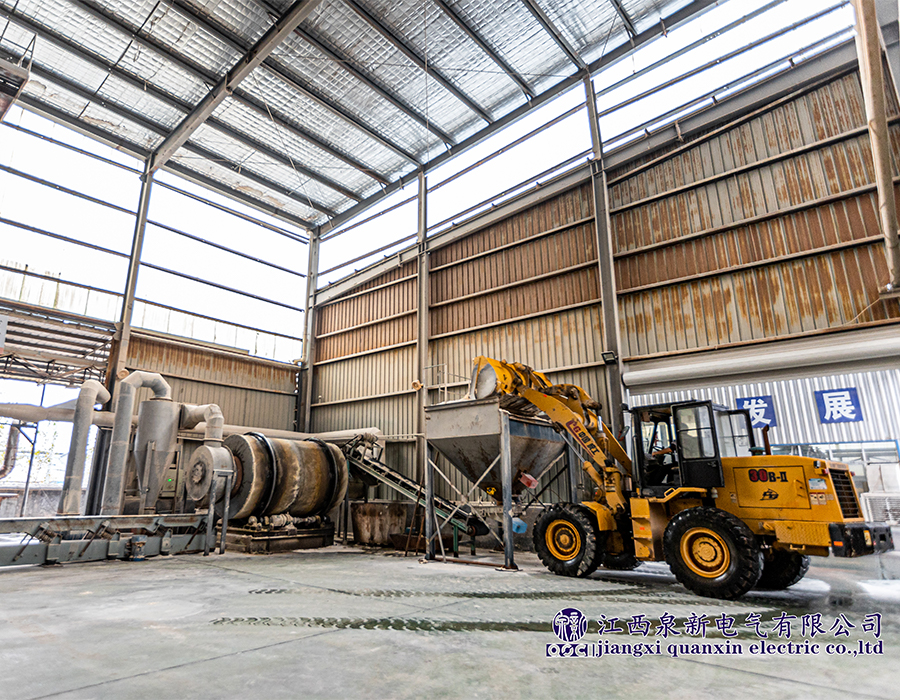
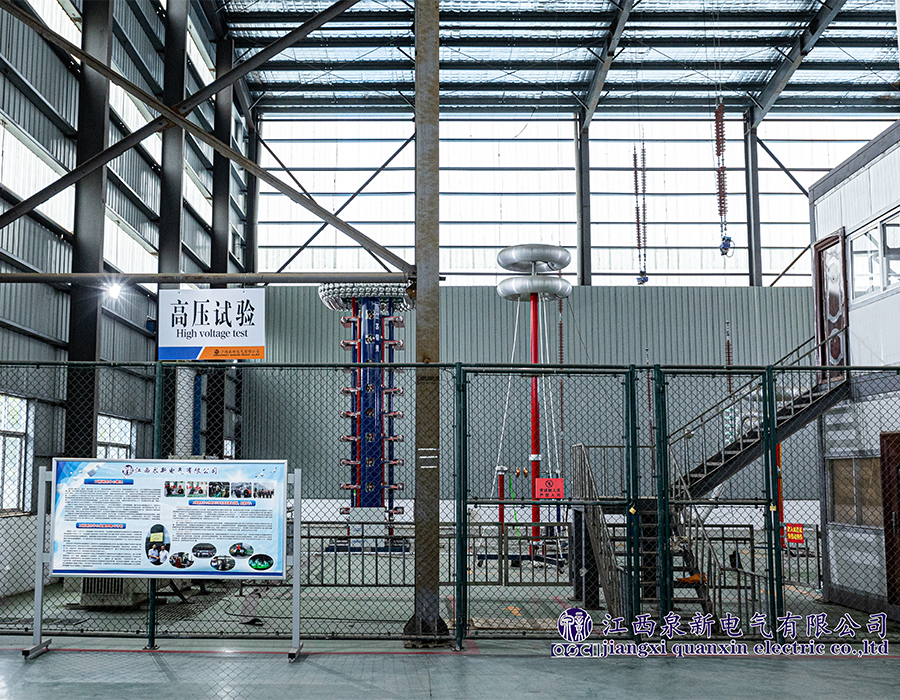
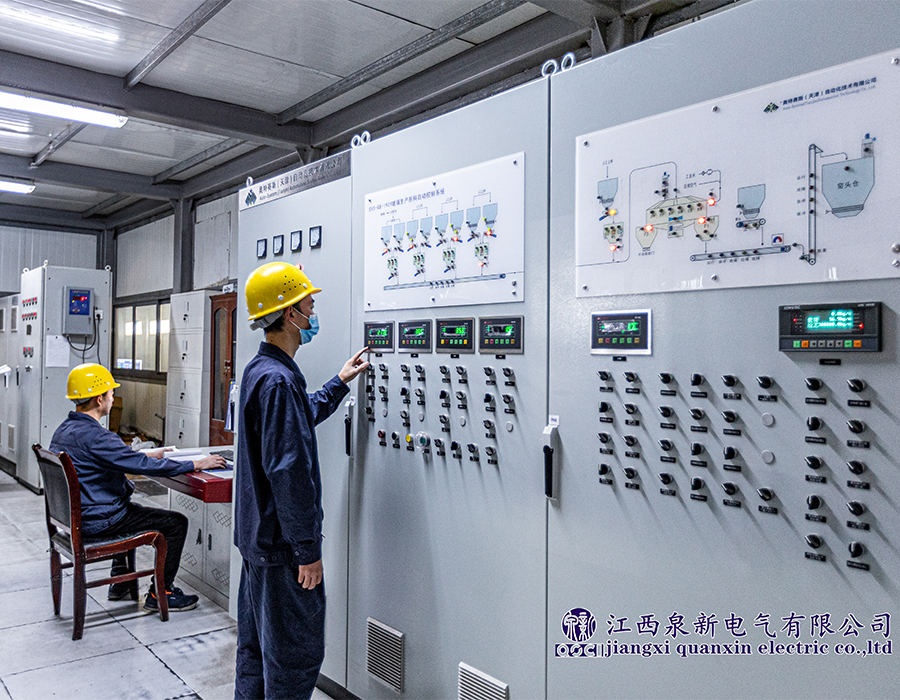
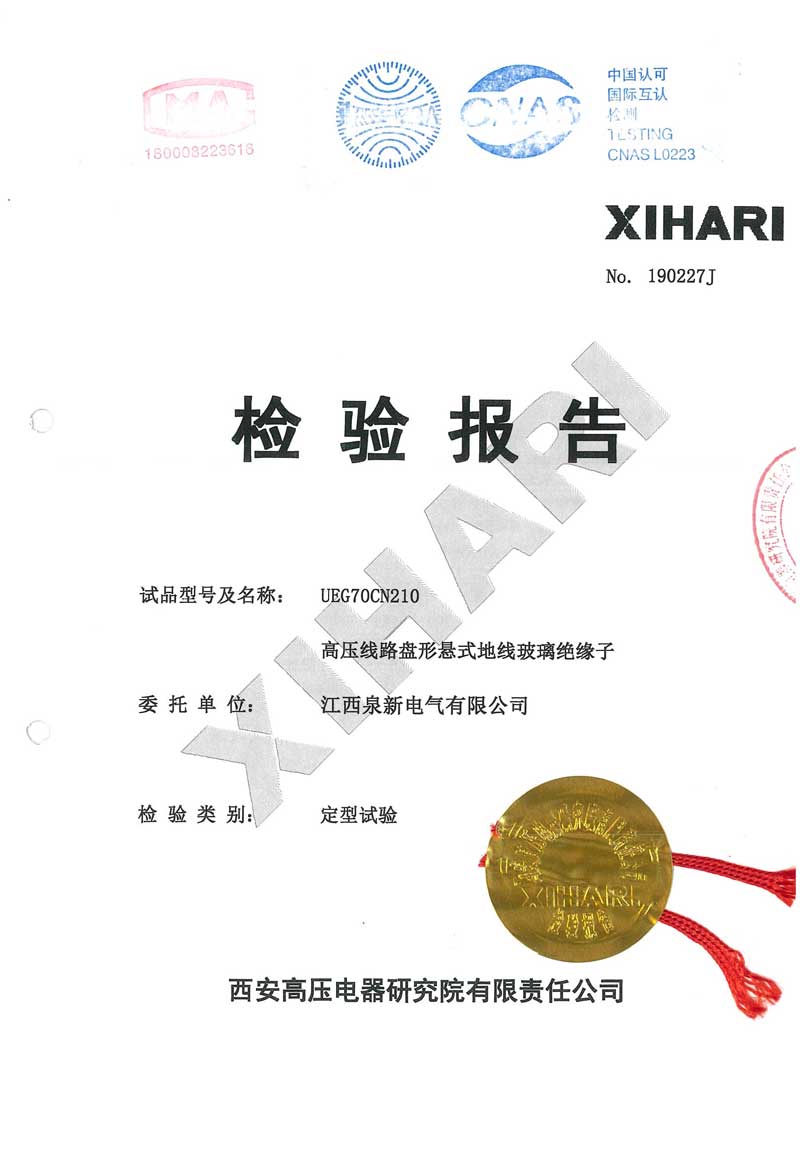
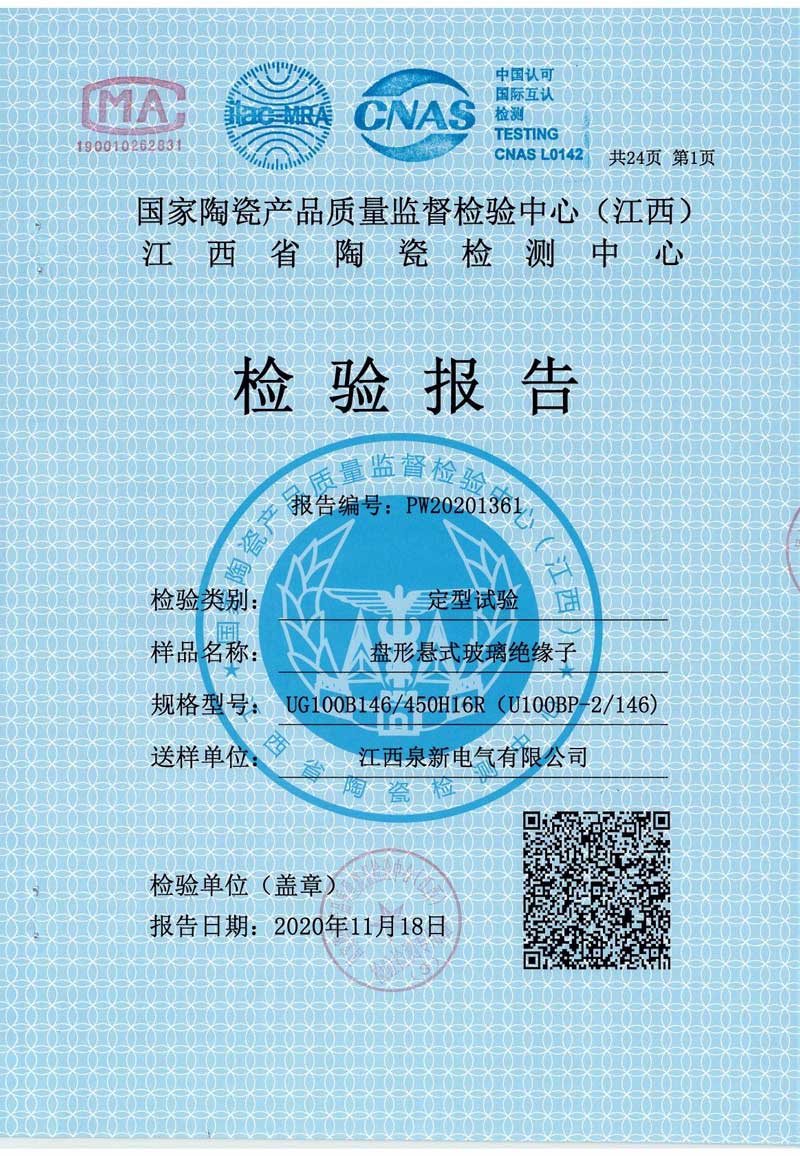
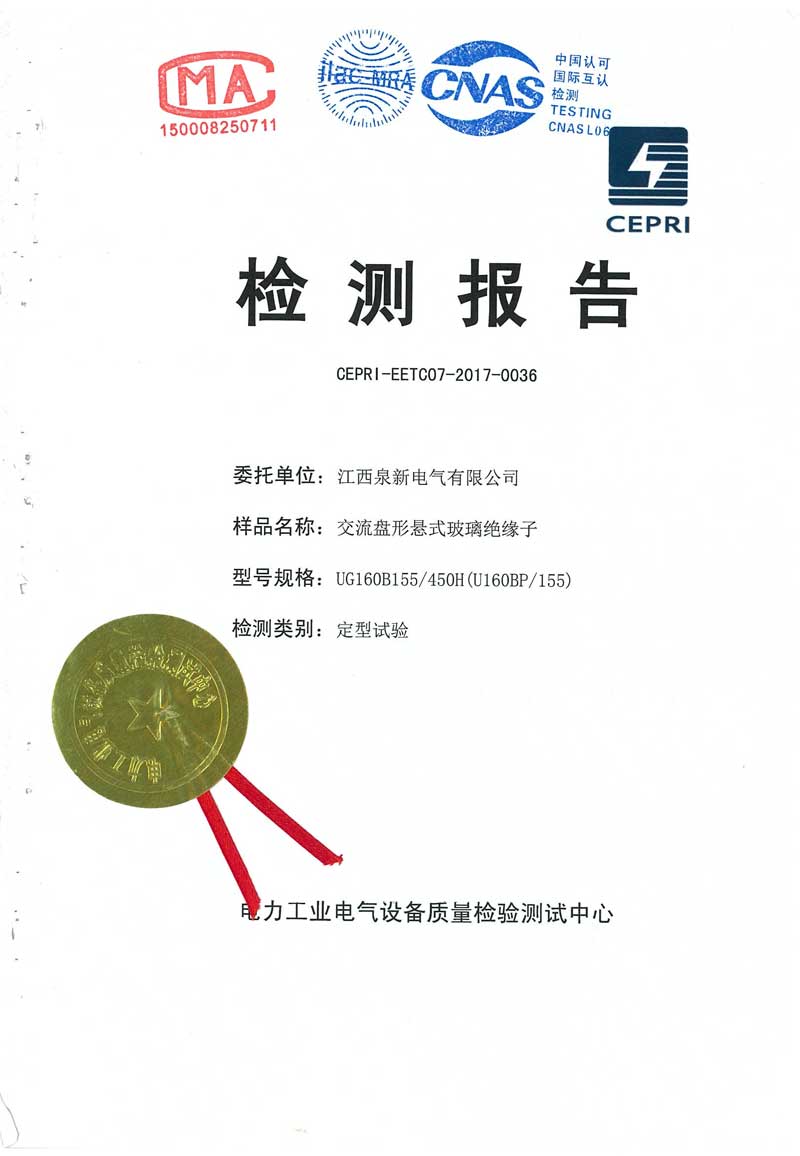
Our manufacturing processes are fully compliant with ISO 9001, ISO 14001, ISO 45001, and international type-test verifications.
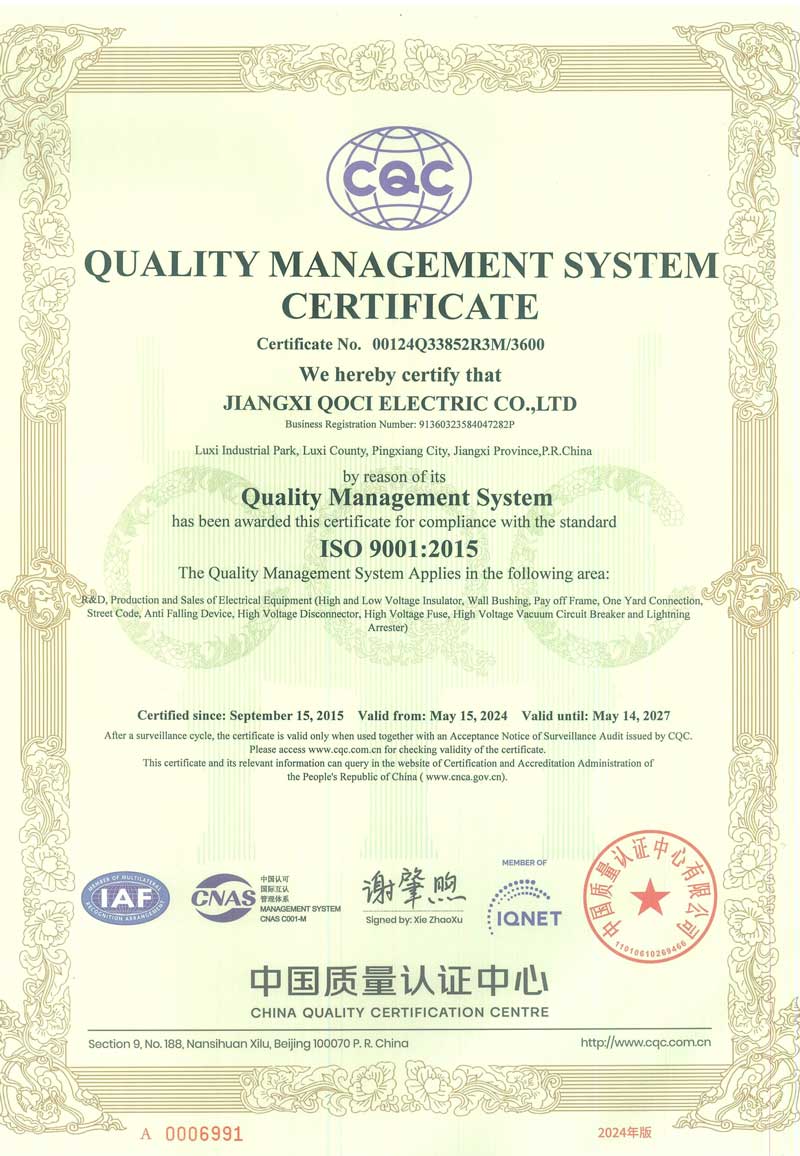
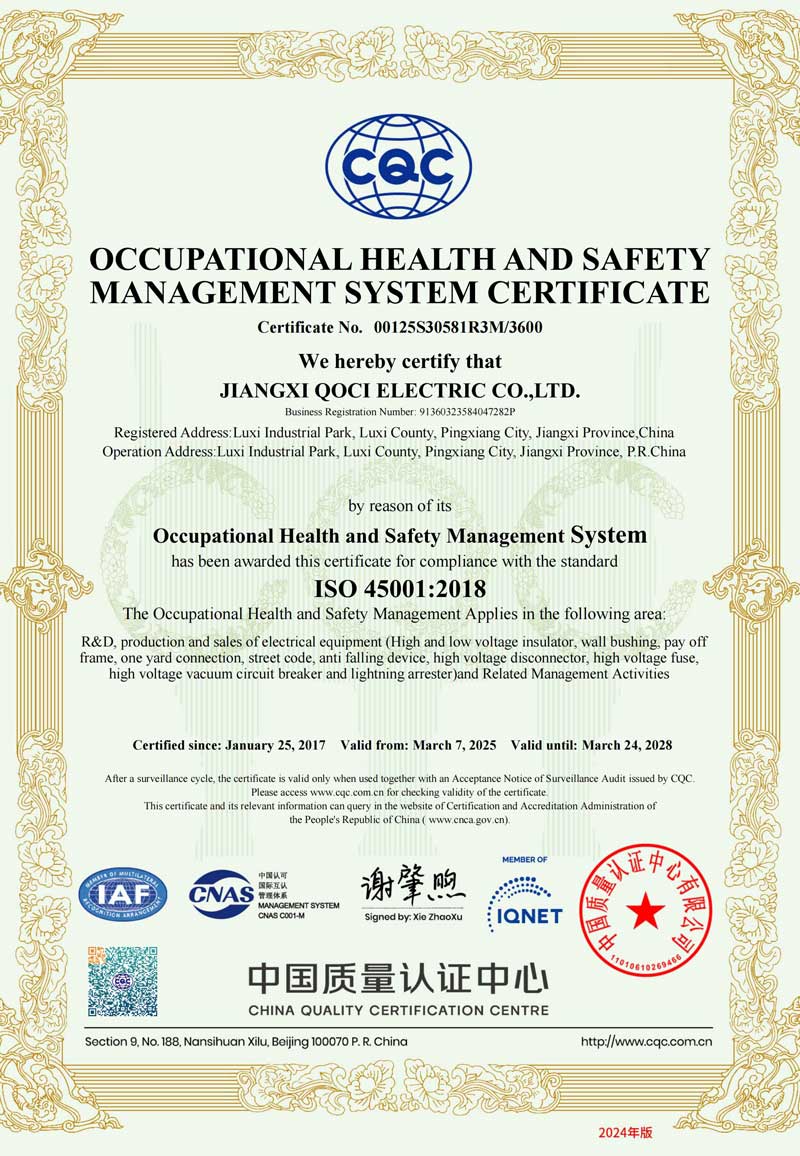
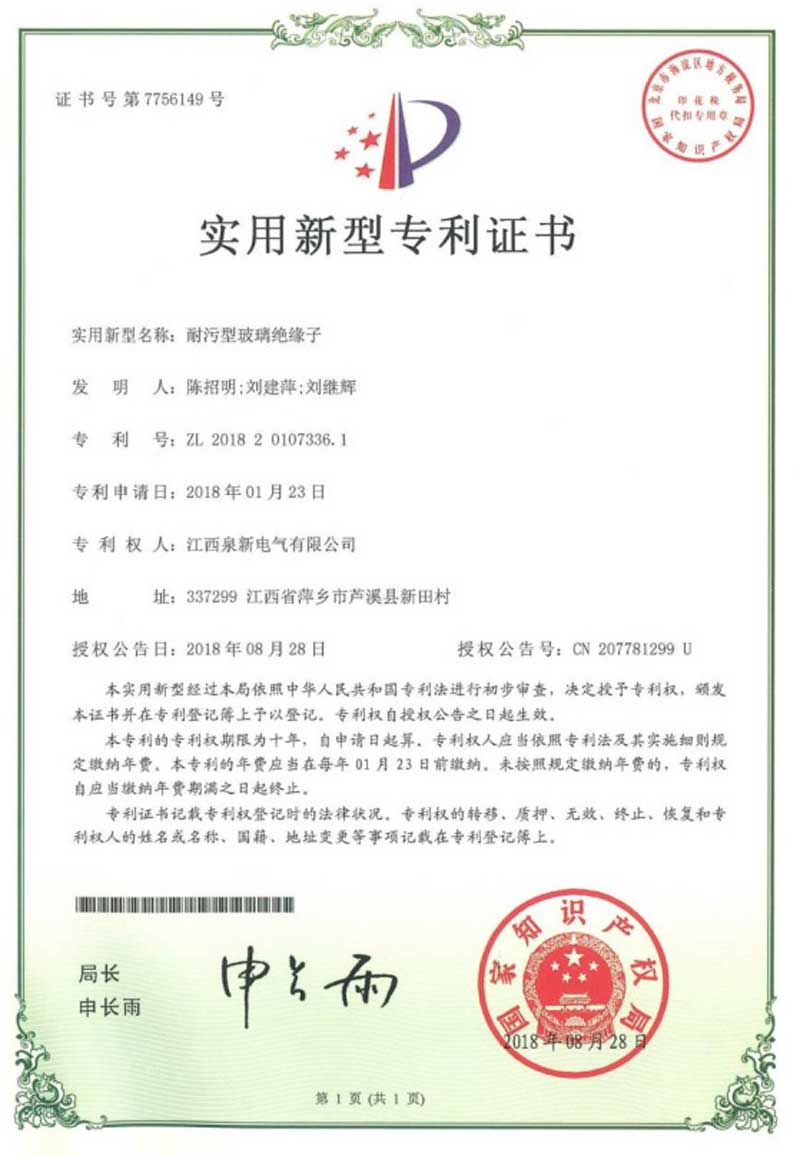
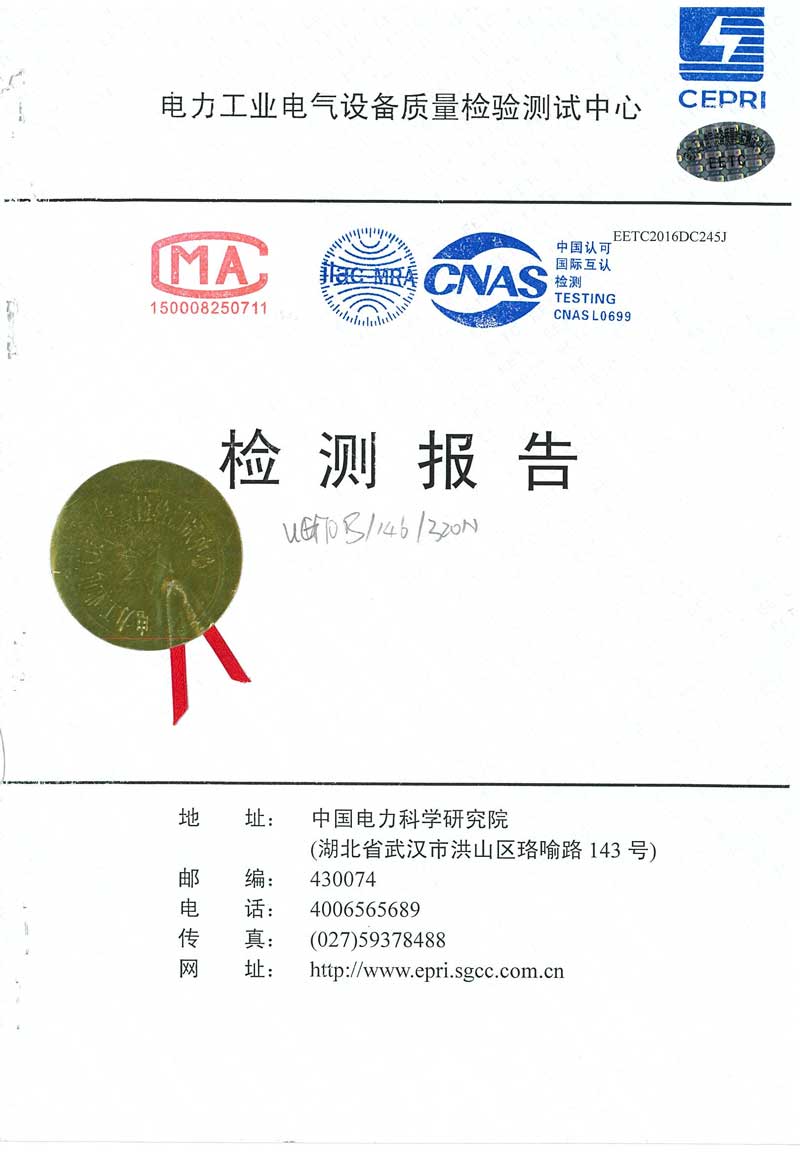
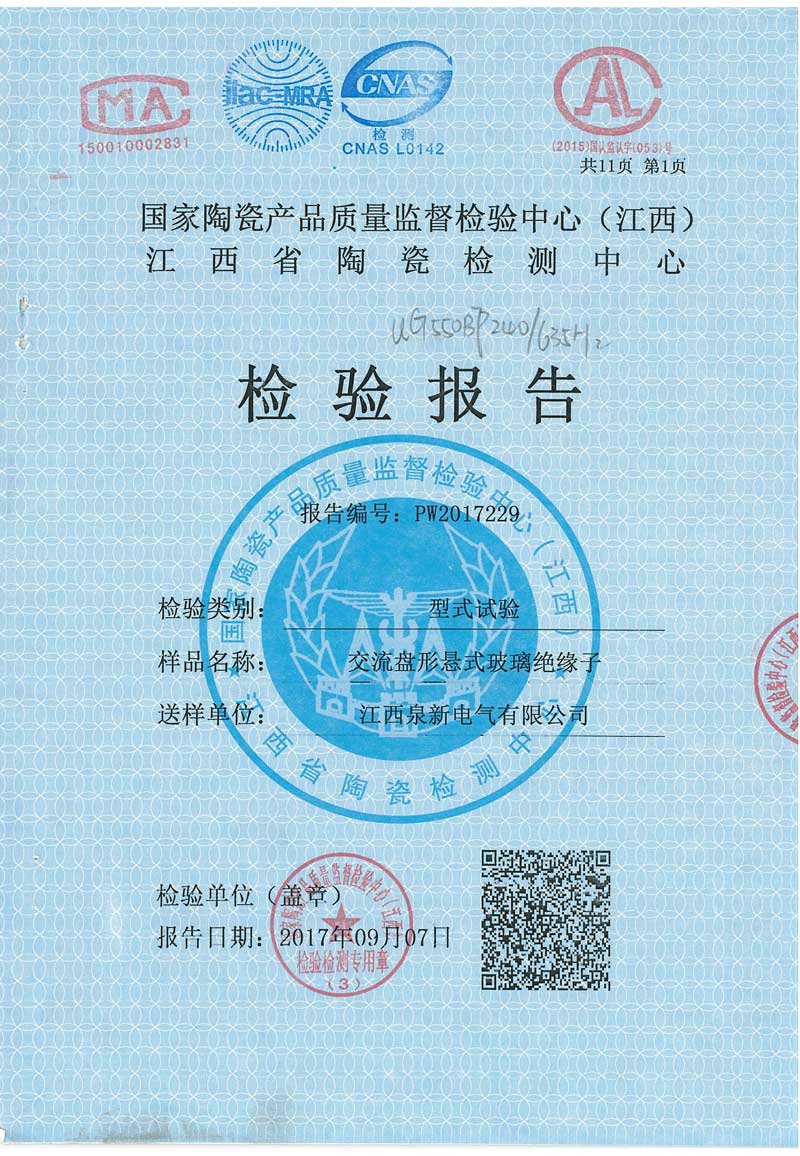
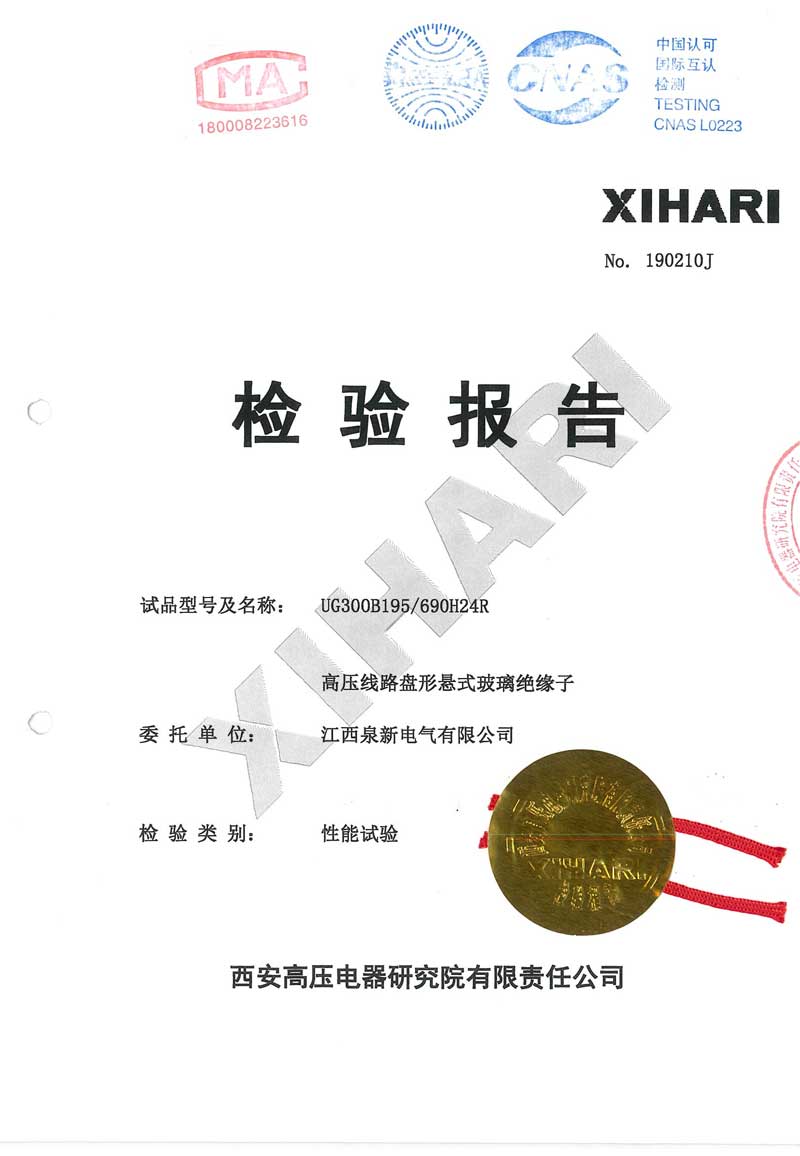
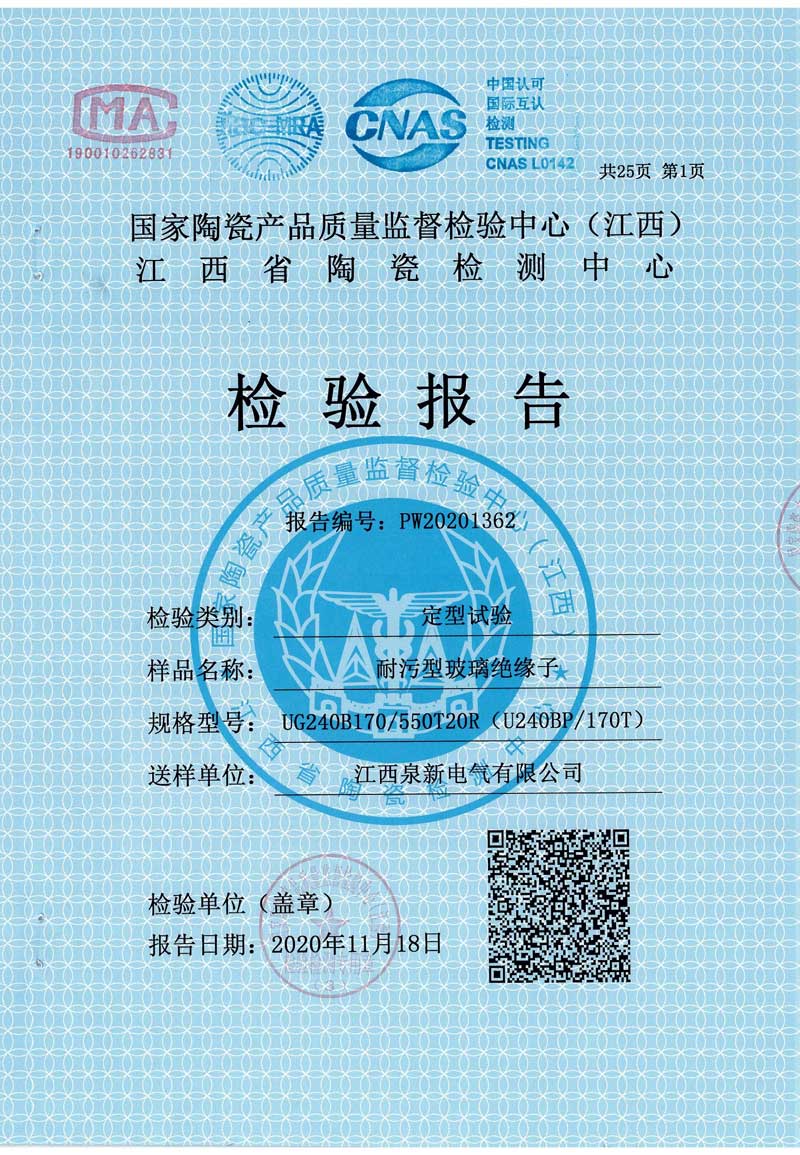
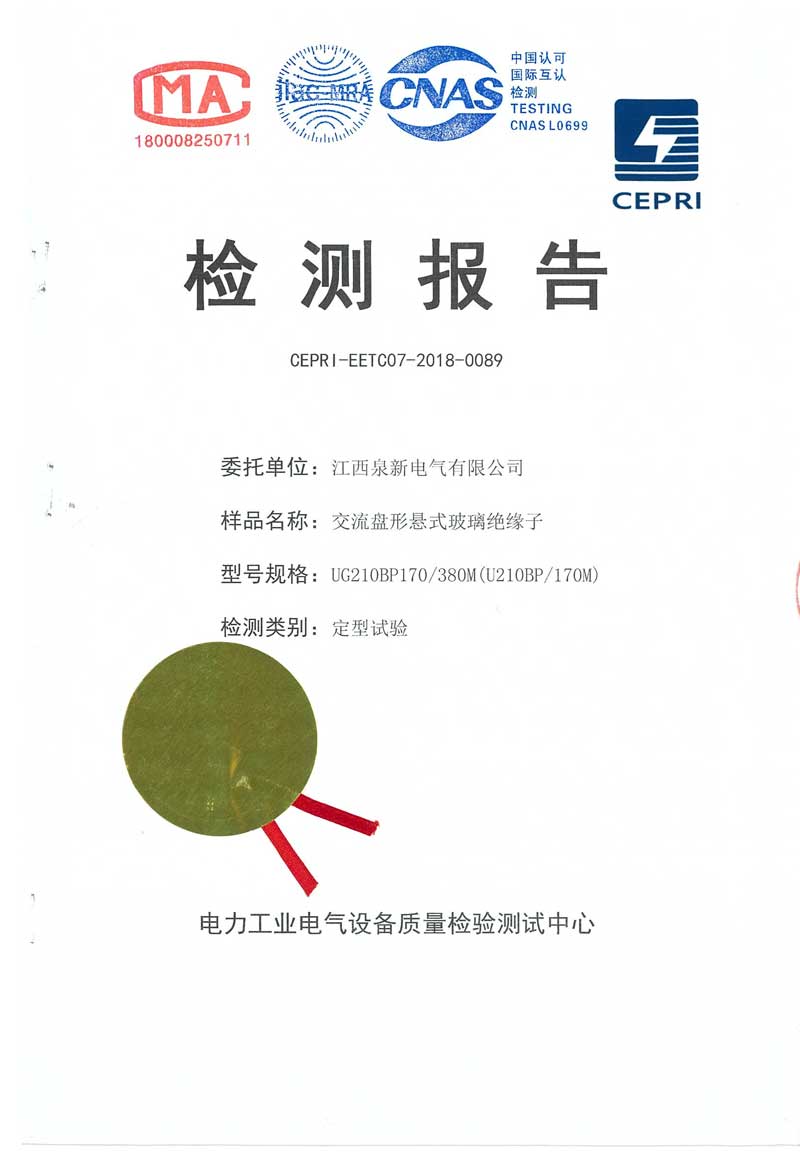
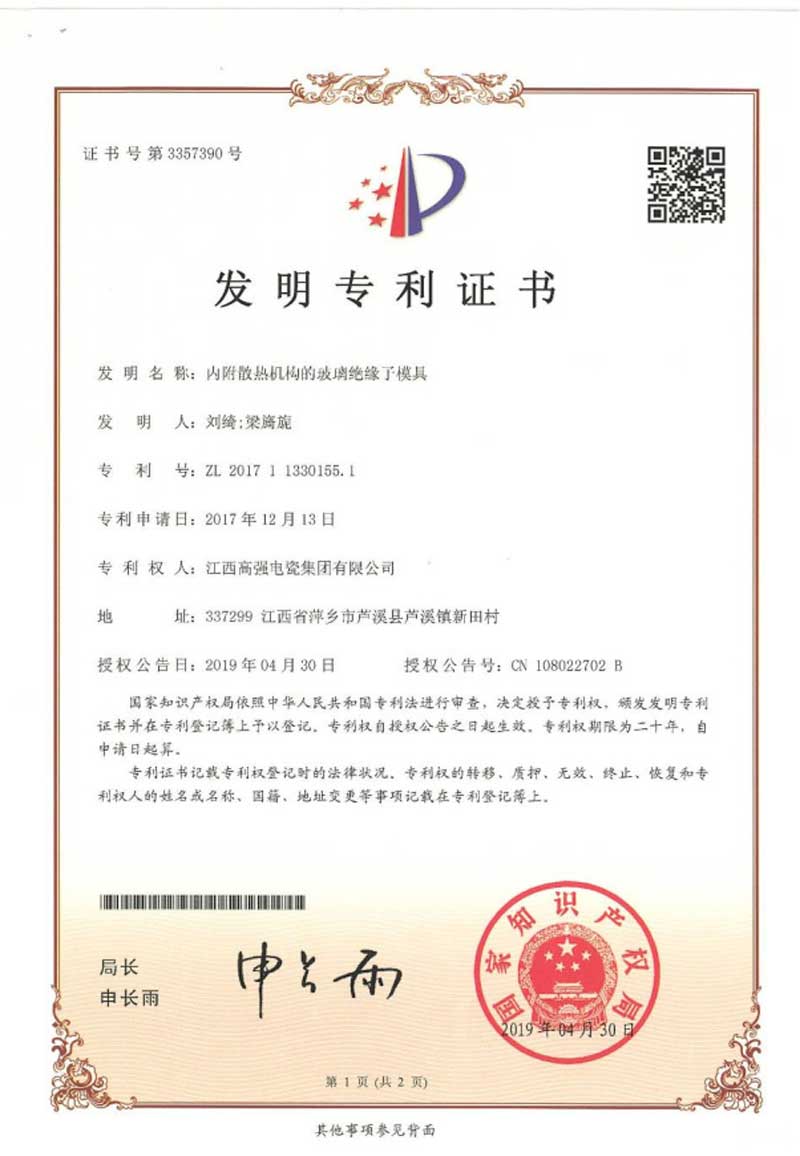
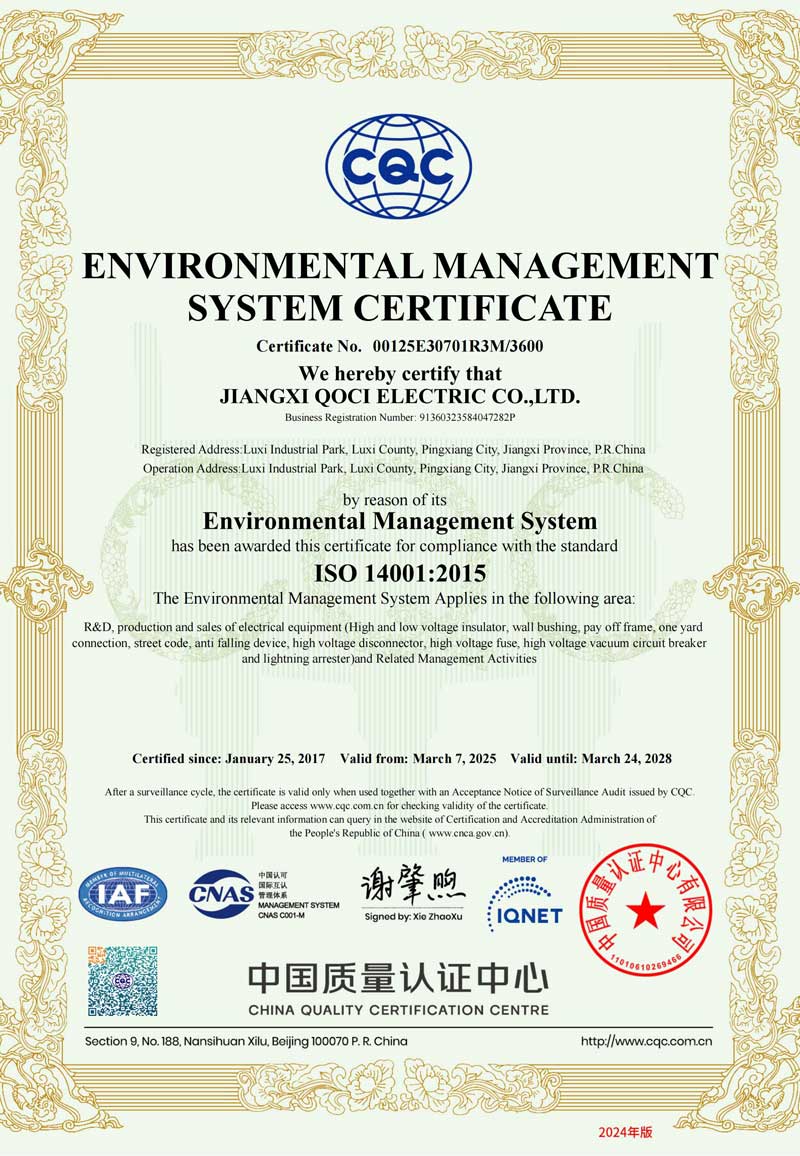
Collaborating globally to build high-performance infrastructure networks.

We support our partners with concrete formwork plywood lines yielding 160,000 cubic meters annually, along with high-voltage component logistics.
Answers to common design and specification queries for high-voltage transmission lines.
Updates from global power events, technical conferences, and our production milestones.
As the global energy transition accelerates, the importance of electricity, renewable energy, and energy storage technologies continues to grow. QOCI showcases its latest toughened glass designs in Cape Town.
READ MORE →Having withstood extreme environmental conditions including icing, high altitude, pollution, earthquakes and typhoons, China’s insulator industry has built a proven track record of long-term grid reliability.
READ MORE →On behalf of our team at Jiangxi QOCI Electric, we invite you to join us at the IEEE PES T&D Conference & Exposition 2026 to discuss challenges in UHV AC/DC transmission networks.
READ MORE →Pingxiang, China - QOCI Electric, a leading global supplier of power equipment and solutions, officially confirmed its attendance at the 11th Iraq Energy Exhibition, showcasing dry-region grid options.
READ MORE →High mechanical performance options for heavy-duty suspension strings and dead-end tension configurations.