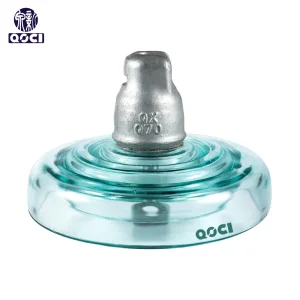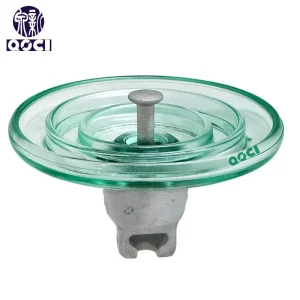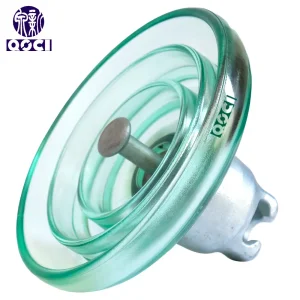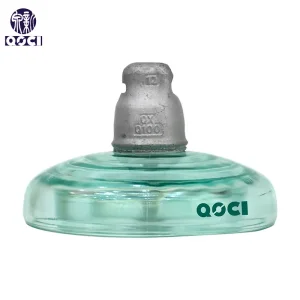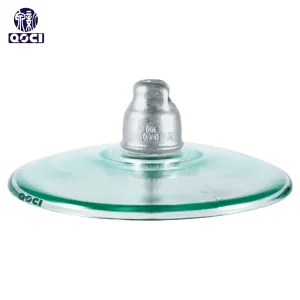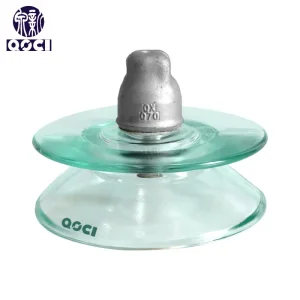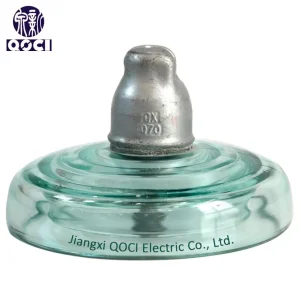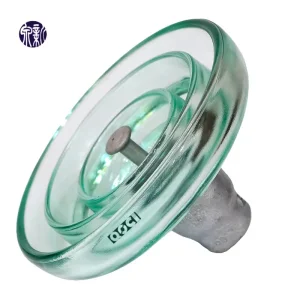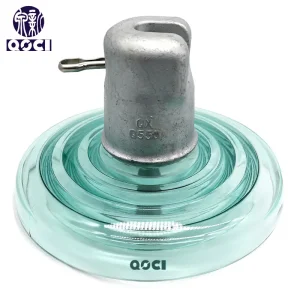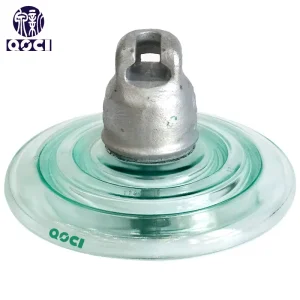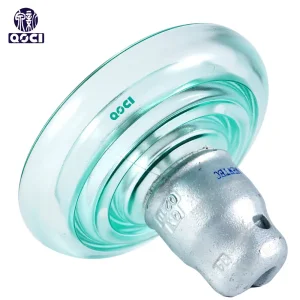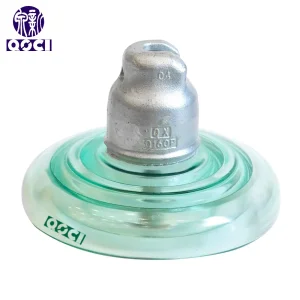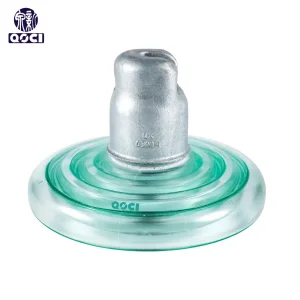
In the landscape of global energy transmission, the Glass Insulator U300bsa represents a critical technological pivot point. As utilities transition toward Ultra-High Voltage (UHV) and Extra-High Voltage (EHV) architectures to minimize transmission losses over vast distances, the mechanical and electrical integrity of suspension strings becomes paramount. The U300bsa, with its rated electromechanical failing load of 300kN, is engineered specifically to withstand the extreme tensile stresses of multi-bundle conductor configurations used in 500kV, 750kV, and 1000kV lines.
Unlike traditional porcelain insulators, toughened glass variants like the U300bsa offer a unique "automatic shattering" characteristic when the dielectric integrity is compromised. This "zero-value" visibility allows line inspectors to identify faulty units from the ground or via drone, drastically reducing maintenance O&M costs. Jiangxi QOCI Electric Co. Ltd, as a premier manufacturer, has integrated advanced thermal tempering processes that ensure each U300bsa unit possesses a high degree of homogeneity in its crystal structure, preventing spontaneous breakage and ensuring a service life exceeding 50 years even in harsh environments.
Furthermore, the U300bsa series addresses the "Information Gain" required by modern grid operators—providing data-backed performance metrics regarding hydrophobicity, leakage current suppression, and steep-front wave resistance. Our research indicates that the specific aerodynamic profile of the U300bsa reduces the accumulation of industrial pollutants and marine salts, making it the preferred choice for coastal and heavy-industry corridors.
Transitioning toward low-alkali borosilicate glass to further enhance dielectric strength and thermal shock resistance beyond IEC standards.
Development of U300bsa units with embedded RFID and leakage current sensors for real-time grid health monitoring and predictive analytics.
Implementing full-oxygen combustion kilns to reduce NOx emissions by 60%, aligning with global ESG and Carbon Neutrality goals.
Optimizing the zinc sleeve design for DC applications to combat ion migration and electrolytic corrosion in long-distance DC links.
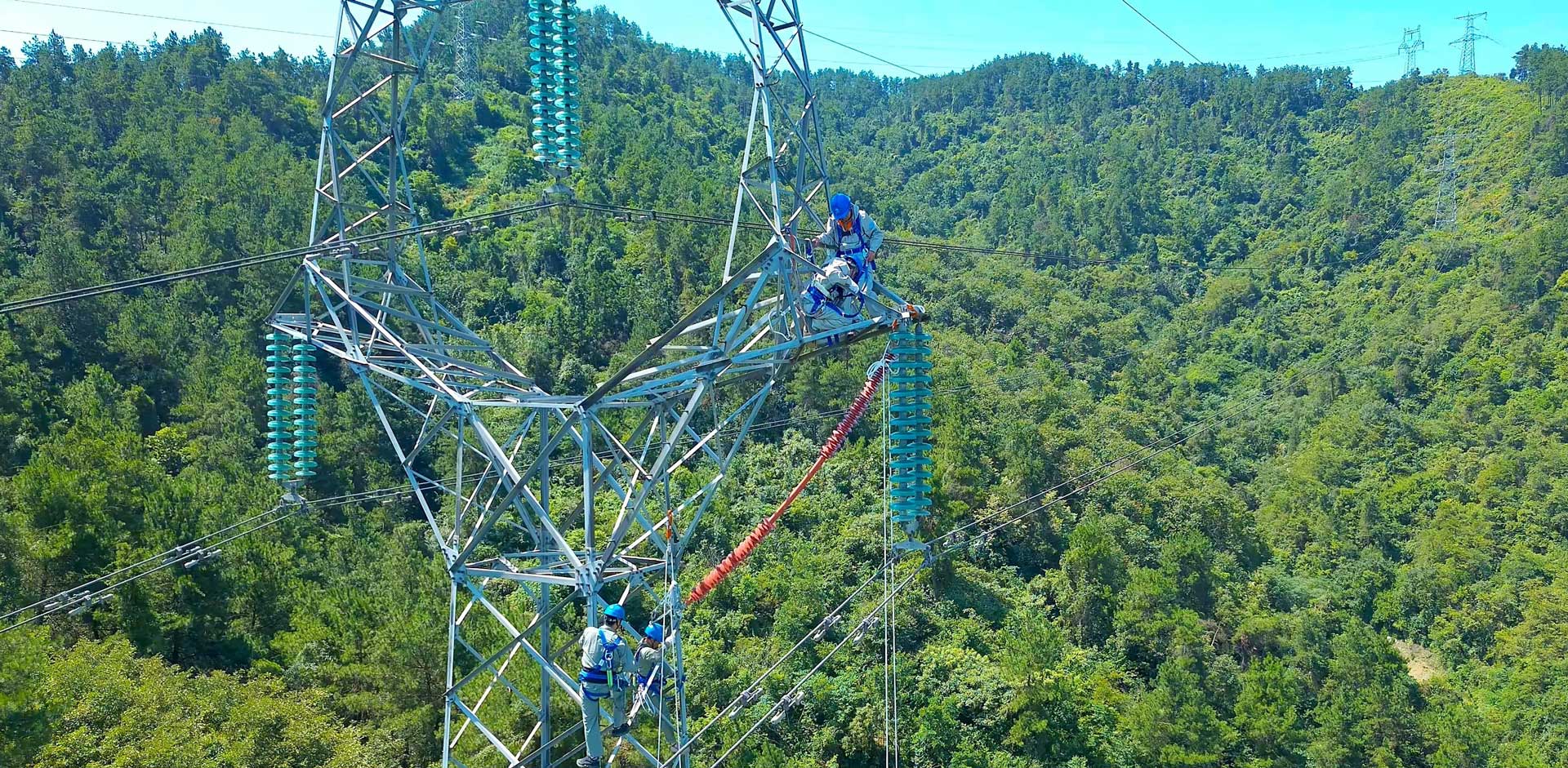
The U300bsa is not just an insulator; it is a component of a Macro-Industry Solution designed for climate resilience. As extreme weather events increase in frequency, our toughened glass solutions provide:
Our automated forming presses ensure dimensional tolerances within ±0.5mm, vital for the high-strength performance of the U300bsa.
Precise temperature control at 1300°C+ ensures the purification of raw materials, eliminating micro-bubbles that lead to puncture.
Every U300bsa disk undergoes high-speed visual AI inspection and thermal shock testing (70°C to 0°C) before assembly.
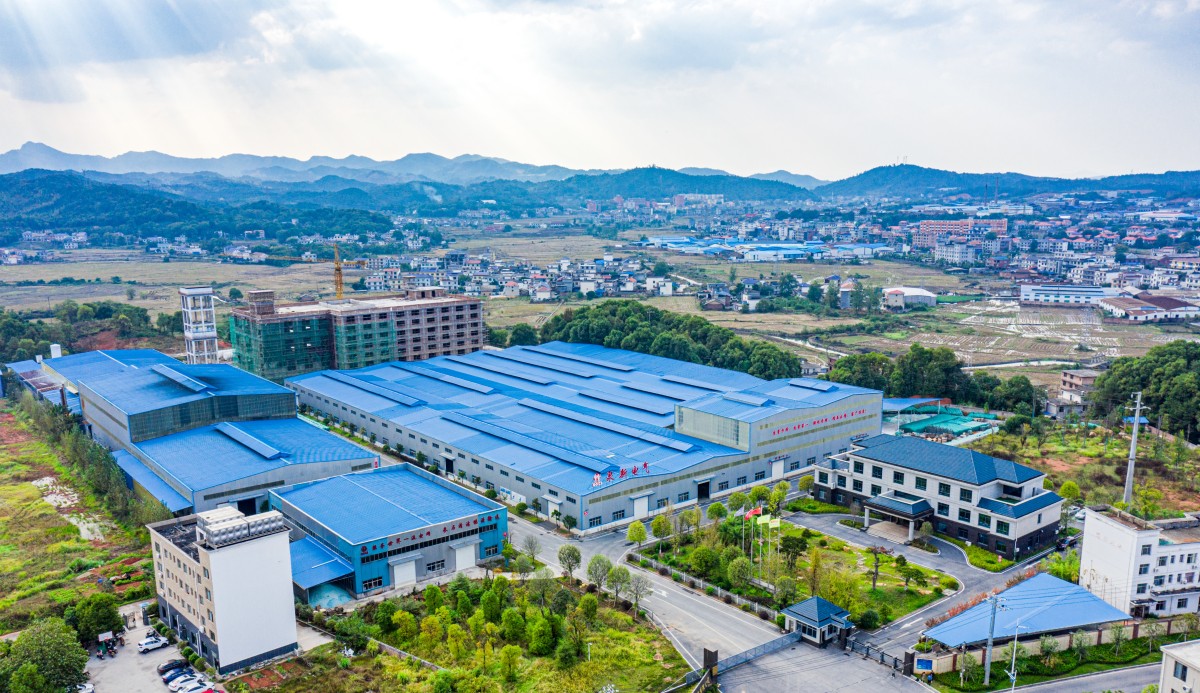
Jiangxi QOCI Electric operates under a rigorous quality management system, holding ISO 9001, ISO 14001, and ISO 45001 certifications. Our products are tested at KEMA and CESI labs to ensure full compliance with:
We provide comprehensive DDP/CIF logistics solutions for global EPC contractors. Our technical support team offers: