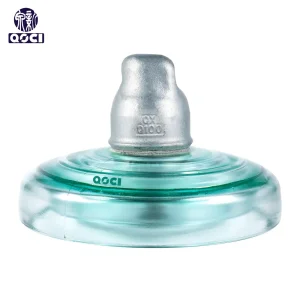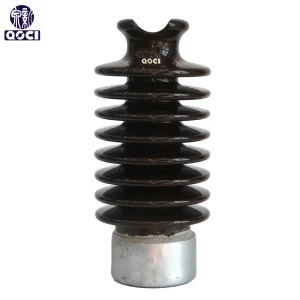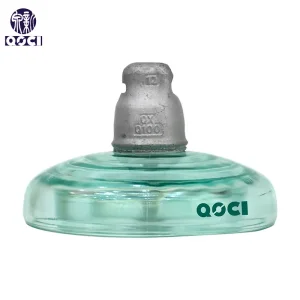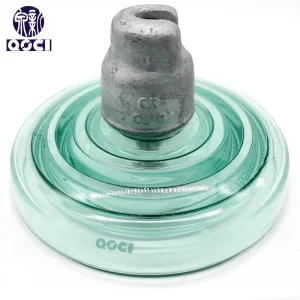
Premium Toughened Glass Suspension and Disc Insulators compliant with international IEC, ANSI, and BS standards for severe environment power networks.
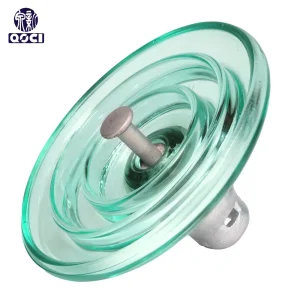
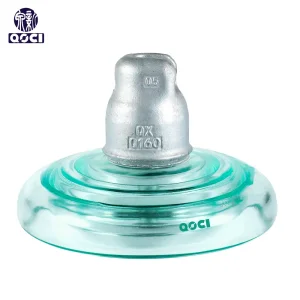
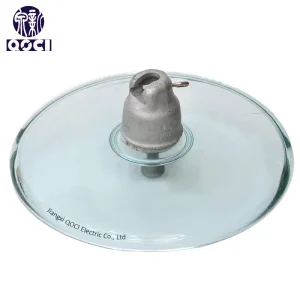
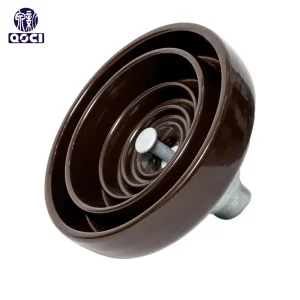
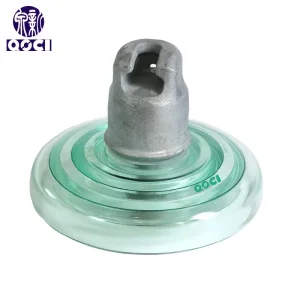
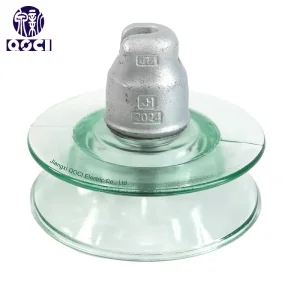
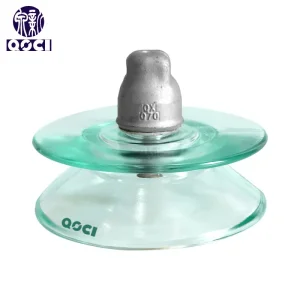
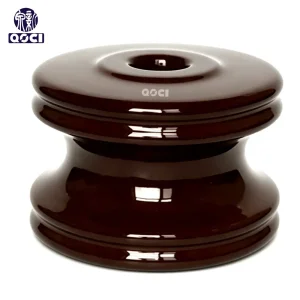
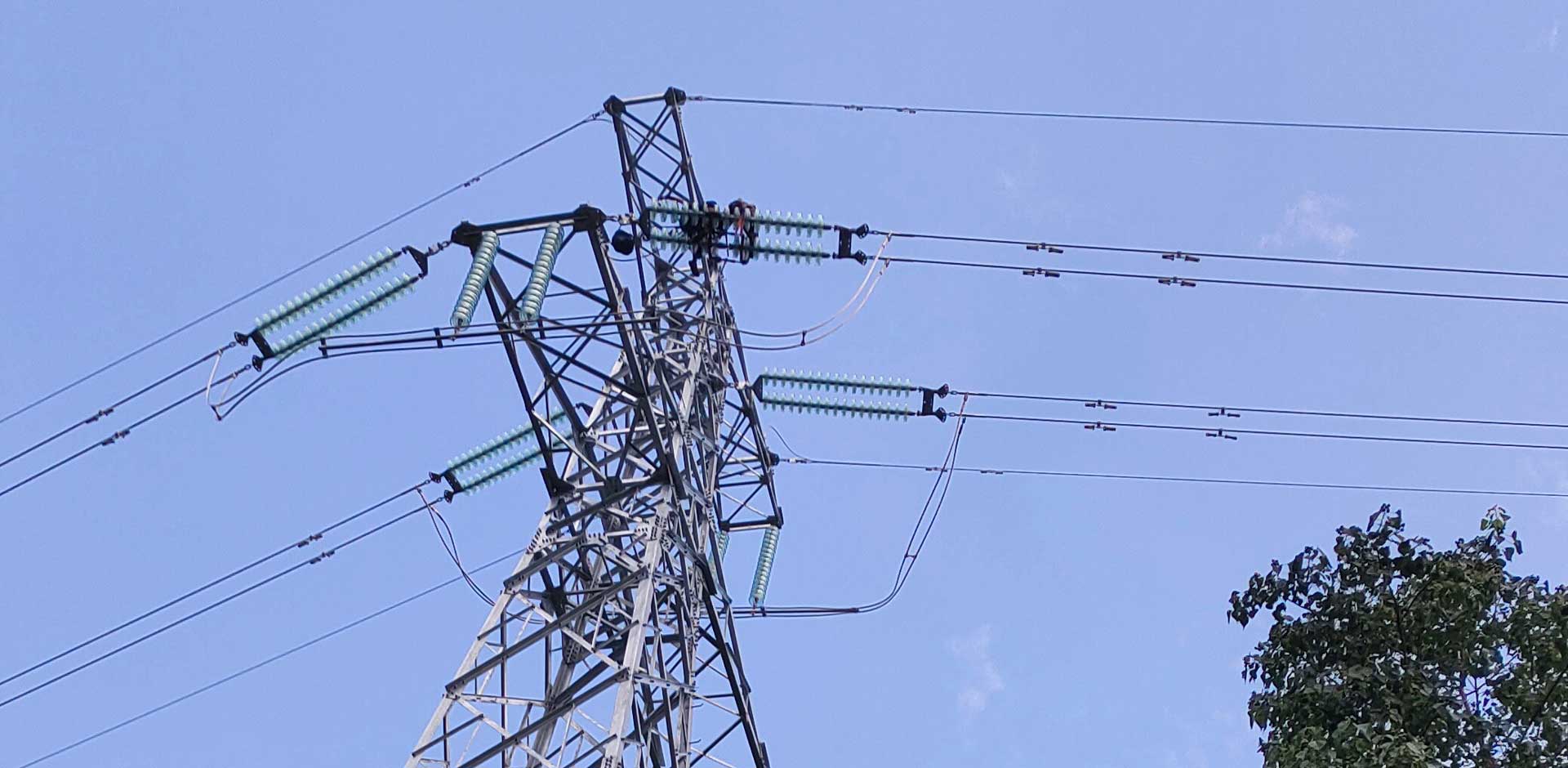
An industry leader in designing and manufacturing premium performance toughened glass and porcelain high voltage transmission line isolators.
Serve the world-class power grid with dedication. Actively participate in the construction of green energy with next-generation high-voltage isolator technology.
Responsibility is the absolute guarantee of quality. Zero-defect processes from raw materials to shipment.
Serve the electric power industry globally. Ensuring total security, reliability, and long-term durability of national power grids.

A comprehensive analysis of global commercial status, localization scenarios, technical roadmap, and reliability engineering in modern EHV and UHV electrical power grids.
High voltage isolators (commonly referred to as insulators in overhead transmission line design) constitute the baseline safety parameter of global electrical distribution. As energy demands climb and grid integration of remote clean energy sources surges, high-voltage infrastructure is moving into unprecedented terrain.
Historically, porcelain and glass have dominated the high-voltage insulation domain. Modern utilities, however, are operating under stricter regulatory mandates regarding downtime, maintenance overheads, and security metrics. The industry is witnessing a structural shift where traditional porcelain installations are being systematically evaluated against toughened glass and silicone-coated variants.
Toughened glass isolators are highly favored by national transmission system operators (TSOs) in North America, Western Europe, and East Asia due to their "self-shattering" diagnostic feature. Unlike porcelain isolators, which can develop micro-fractures inside the ceramic body that are invisible to ground-level inspection, a damaged toughened glass disc will shatter completely while maintaining its mechanical integrity. This eliminates hidden internal faults and allows field crews to quickly spot and replace damaged discs during line inspection.
To understand high voltage isolation, one must analyze the material behavior under continuous electro-mechanical stresses. The choice between Toughened Glass and Porcelain is dictated by both physical properties and environmental variables:
When engineers specify high voltage isolators, they base calculations on mechanical and electrical parameters established by standards such as IEC 60305, IEC 60383, and ANSI C29. Key factors include:
Different regions demand customized isolator designs to counter specific environmental challenges:
Engineered design profiles specialized for diverse geographic adaptability, mechanical load requirements, and environmental protection.
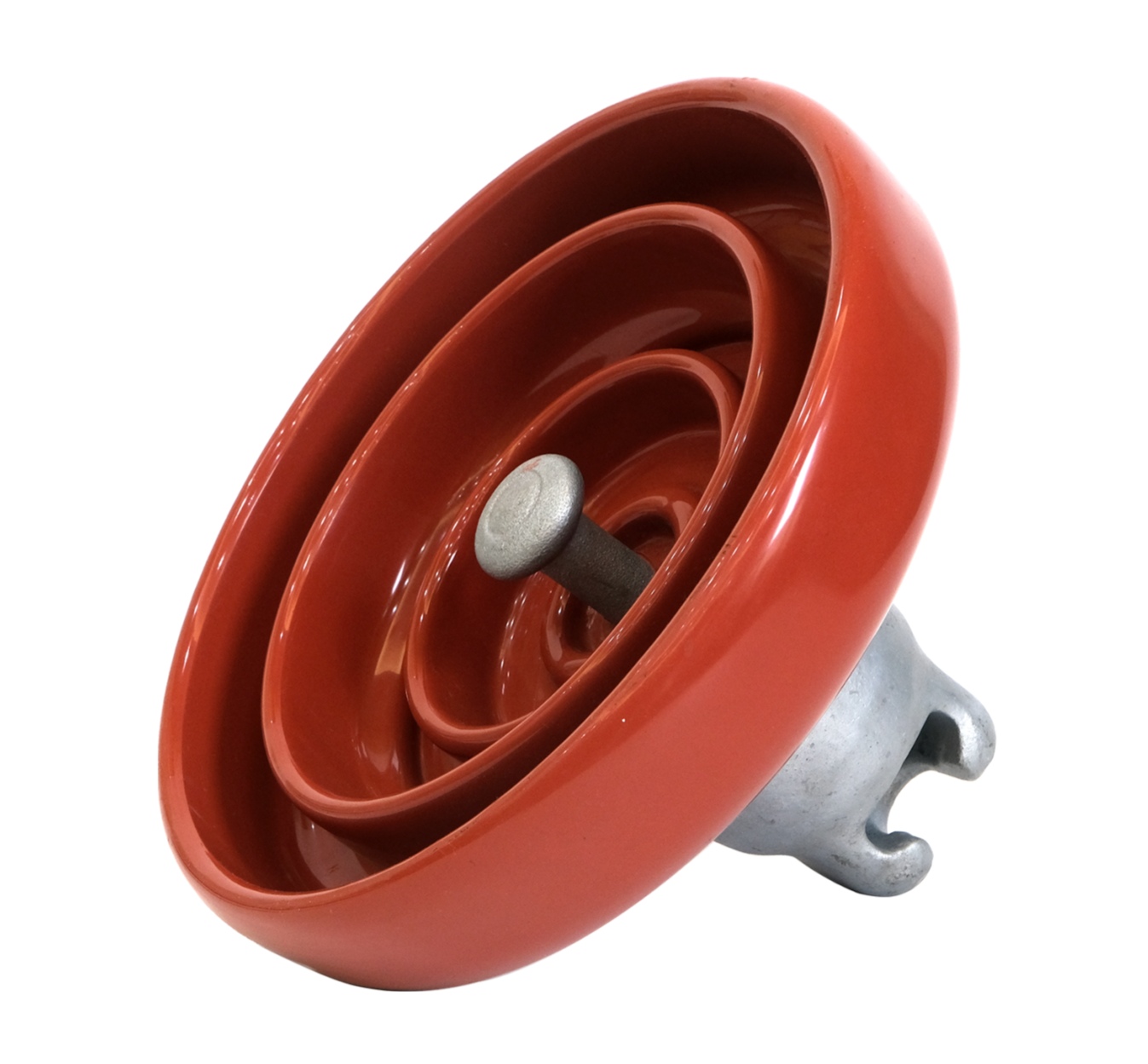
Silicone-coated insulators offer an excellent alternative which guarantees optimum performance for high voltage overhead lines in areas with heavy pollution. They minimise leaking currents and thereby reduce operation and maintenance costs. The product used to coat the insulators is Room Temperature Vulcanization (RTV) silicone which contains mineral fillers embedded in the silicone itself.
Explore more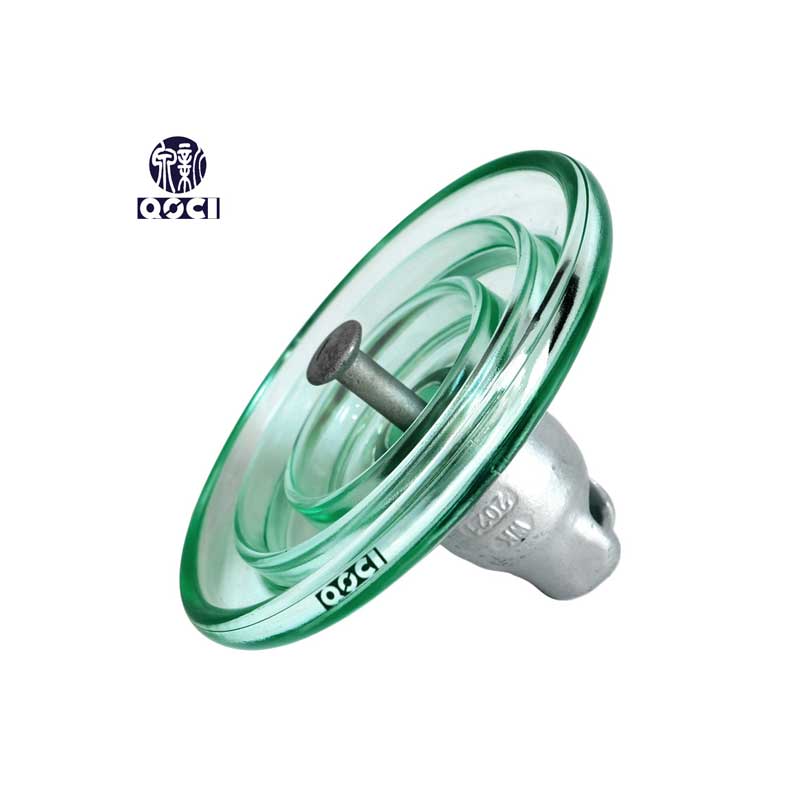
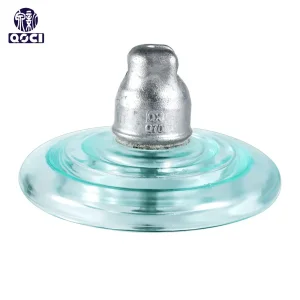
The characteristic of the standard profile is that the leakage distance is higher than the value indicated for standard insulators in IEC 60305. The insulation part is designed with shallow and well-spaced small ribs, which can be effectively self-cleaned by wind or rain, maintaining excellent electrical performance in standard environments.
Explore more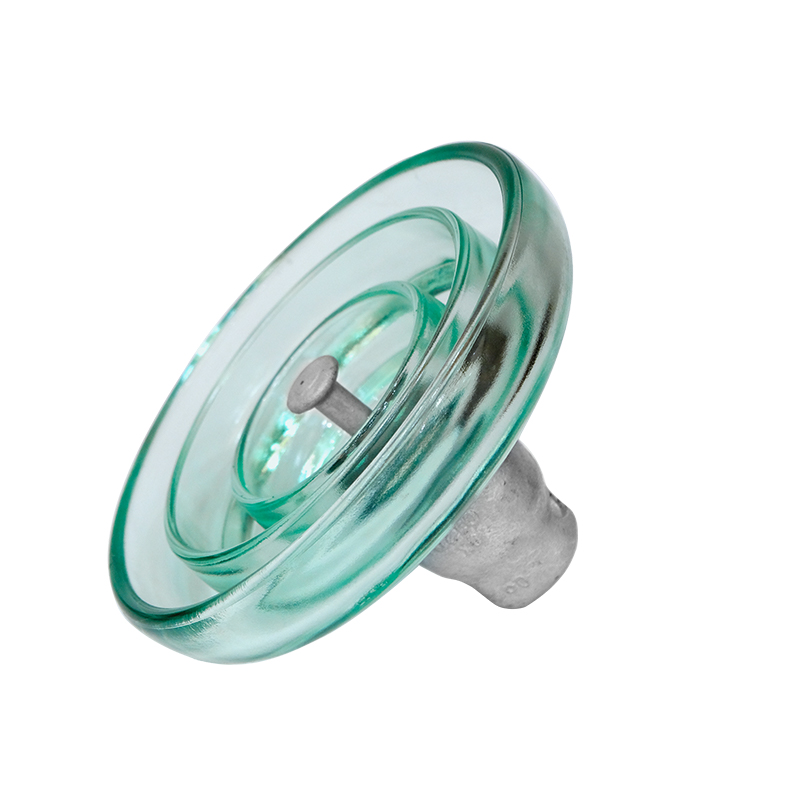
The fog type profile is characterized by long and widely-spaced under-ribs so as to avoid arc bridging between adjacent ribs. It features a leakage distance/spacing ratio of around 3.2 and is particularly effective in coastal areas (Salt fog) as well as in polluted areas where a higher specific leakage distance is required.
Explore more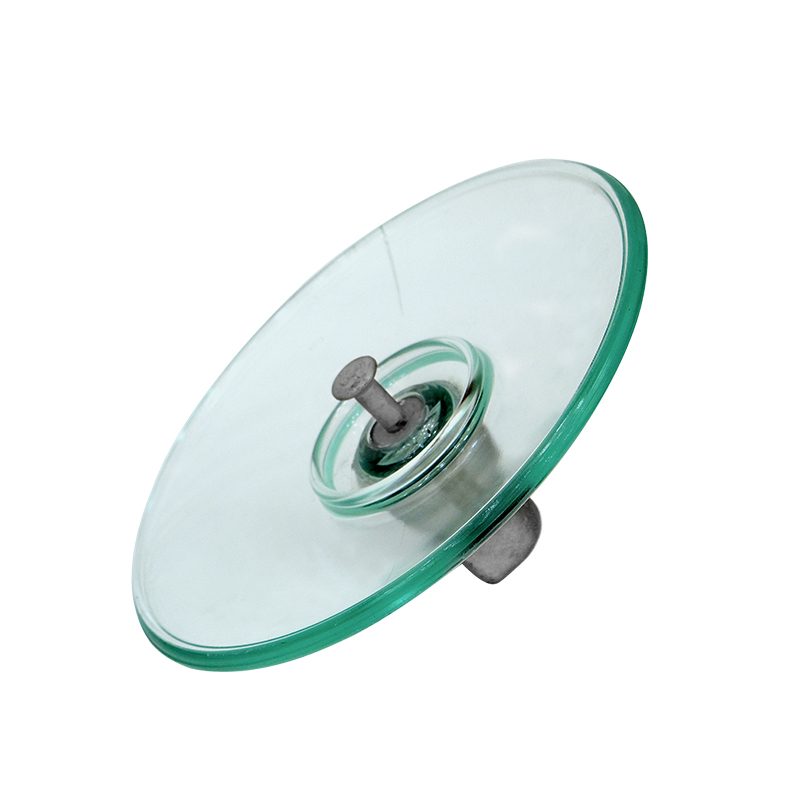
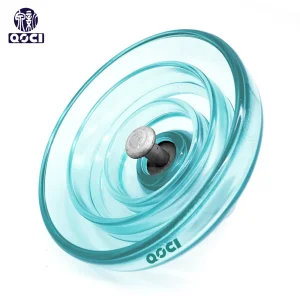
Design of insulating part with open profile is marked by absence of under-ribs and extended diameter of disk, with no under-ribs so as to avoid the accumulation of solid pollution deposits (dust, sand) on its lower surface. Open profile reduces pollutant accumulation on the surface. This design is effective in desert areas with wind and sand storms.
Explore more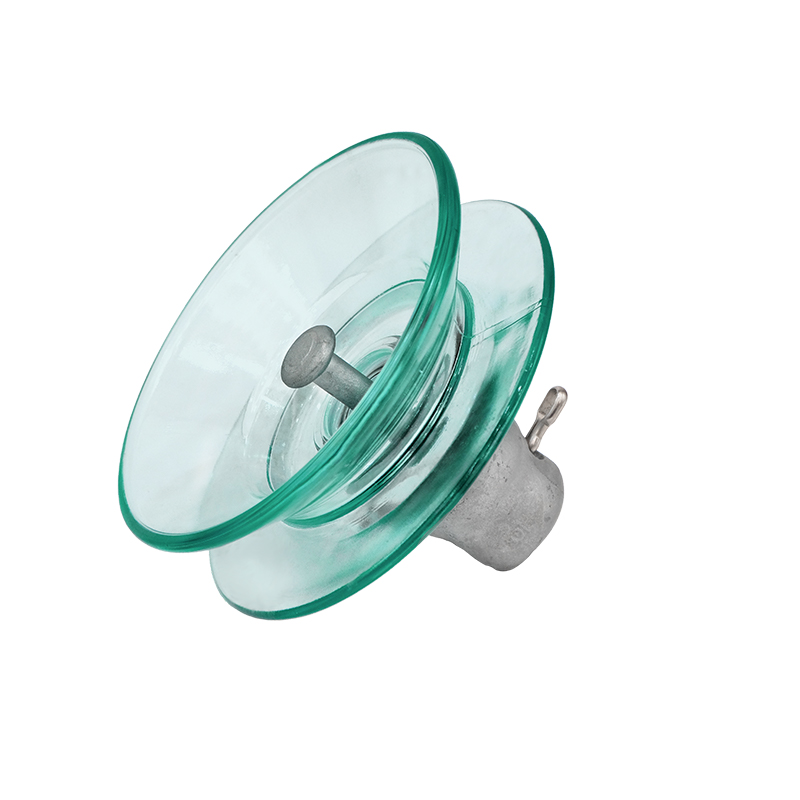
The design of the insulation part has two external ribs. The elimination of the under-ribs reduces pollution build-up, and the surface of the insulator can self clean by strong winds. And facilitate manual cleaning when necessary. This profile provides a leakage distance equivalent to the anti pollution profile.
Explore more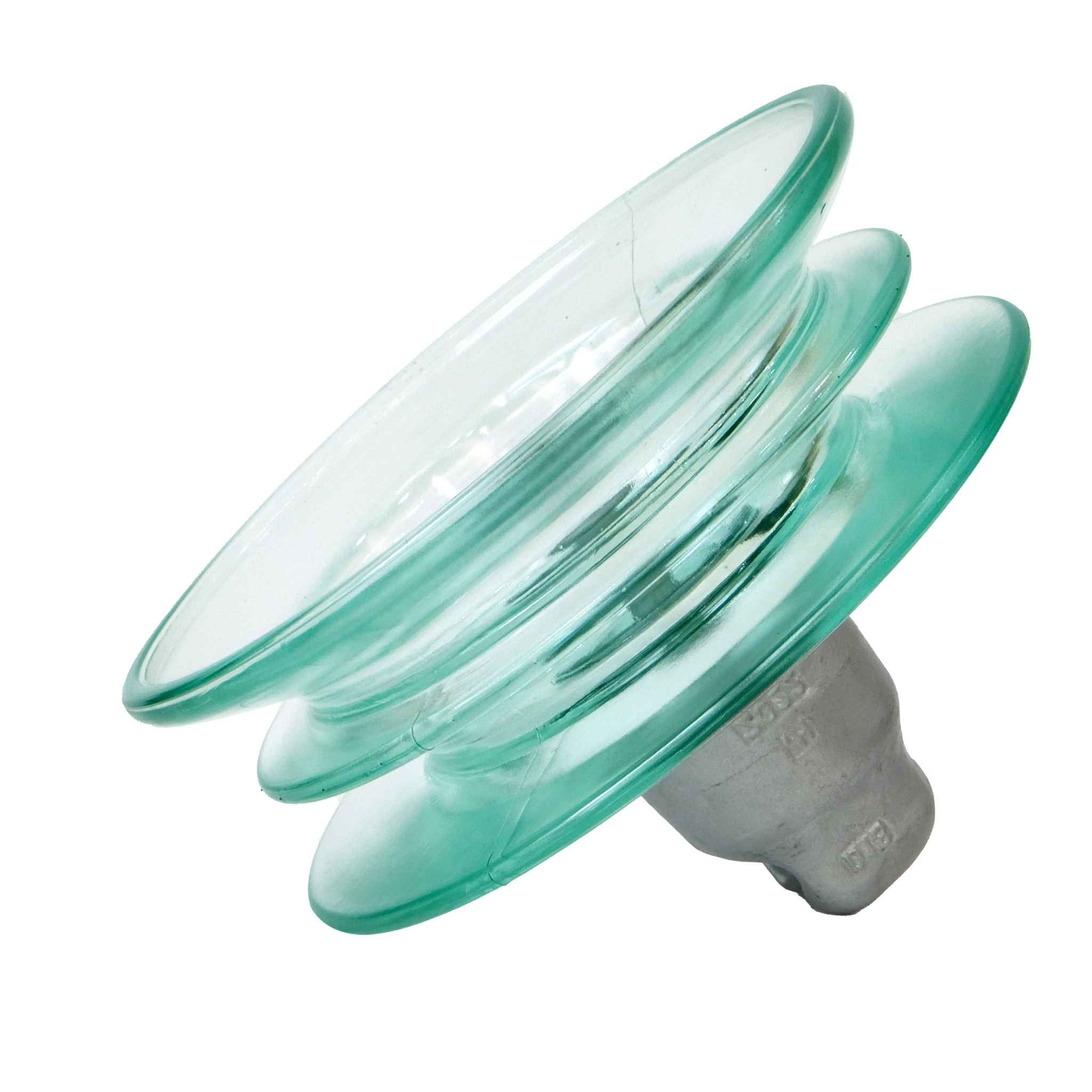
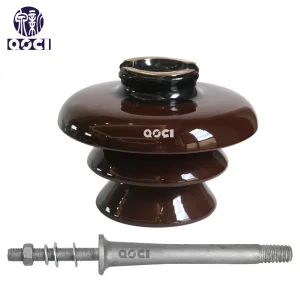
Triple-shed Type glass insulator is a key component in transmission lines, characterized by three layers of umbrella discs separated from each other on the insulation body. Thanks to this open shed design, they achieve self-cleaning during wind and rain, making it difficult for contaminants to adhere while providing a longer creepage distance.
Explore more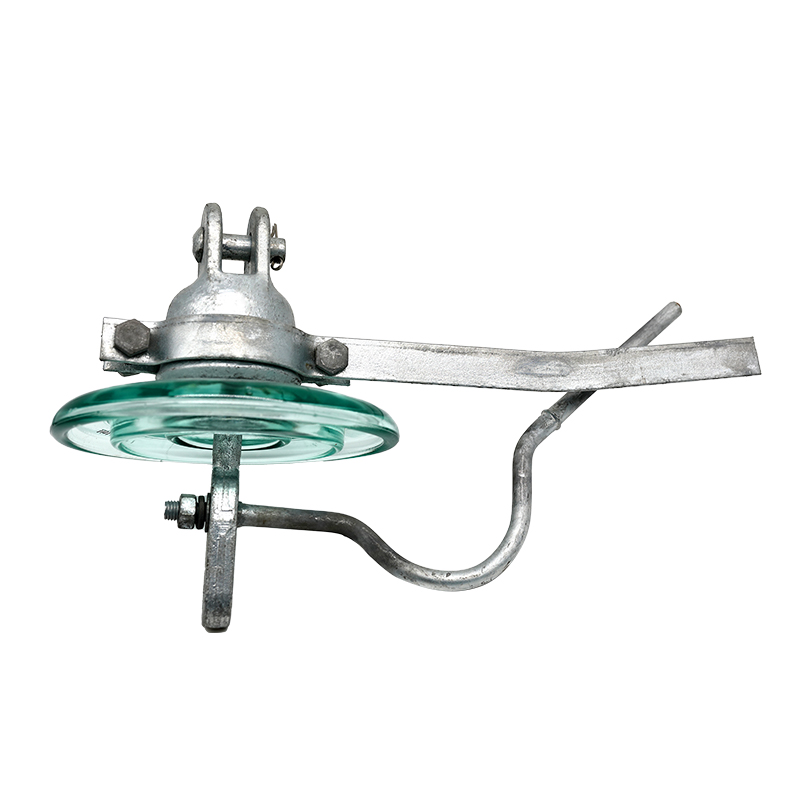
By connecting internal or external metal accessories (such as steel feet and flanges) to the grounding wire, reliable grounding can be achieved. The grounding function effectively guides lightning current, reduces line lightning damage, and protects the safety of lines and equipment. The glass surface is smooth and easy to clean.
Explore moreNext-generation electrical isolation technology driving grid resilience and supporting global decarbonization goals.
We are researching nanostructured superhydrophobic coatings applied during glass tempering. These structures repel moisture and dust particles, preventing surface current leaks even under heavy pollution.
Incorporating wireless temperature and mechanical load sensors directly into the metal caps of isolators. This provides utility operators with real-time feedback on mechanical strain and line health.
Developing custom glass formulations with minimal ionic mobility. This helps reduce space charge accumulation under continuous DC stress on +/-800kV and +/-1100kV Ultra-High Voltage transmission systems.
Proven high-voltage insulation designs delivering mechanical performance and leak protection across major utility operations.
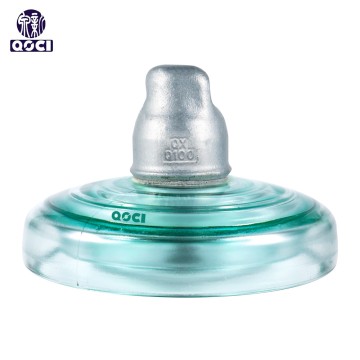
U100BLP (146/320/550) Anti-pollution
U100BLP (146/280/450) Anti-pollution
U100BSP (127/280/450) Anti-pollution
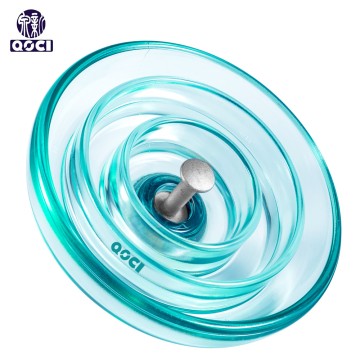
U120BLP (146/280/450) Anti-pollution
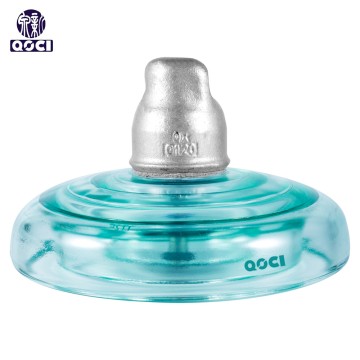
U120BSP (127/280/450) Anti-pollution
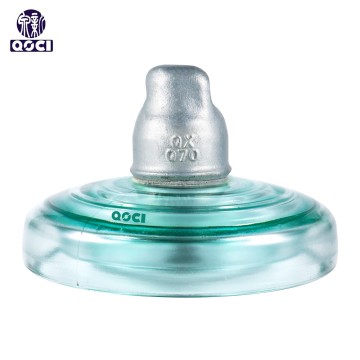
U70BLP (146/320/550) Anti-pollution
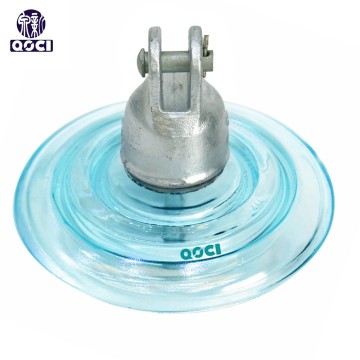
U70C 146/255/320 Glass Insulator
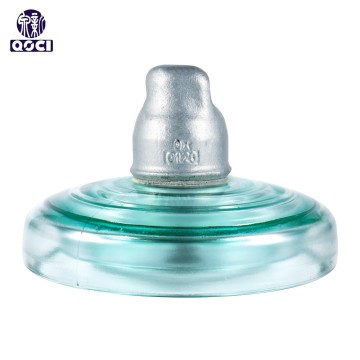
U120BLP (146/320/550) Anti-pollution
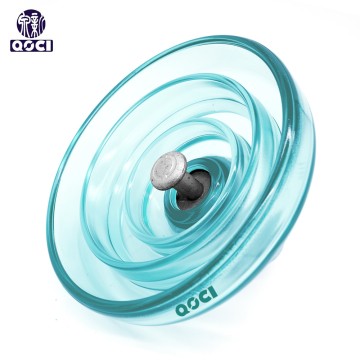
U70BSP (127/280/450) Anti-pollution
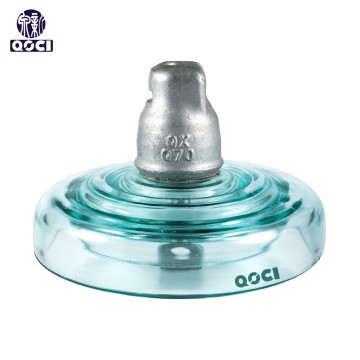
U70BLP (146/280/450) Anti-pollution
High-strength glass isolators engineered for low-voltage, high-voltage, extra-high voltage, and ultra-high voltage AC and DC transmission networks.
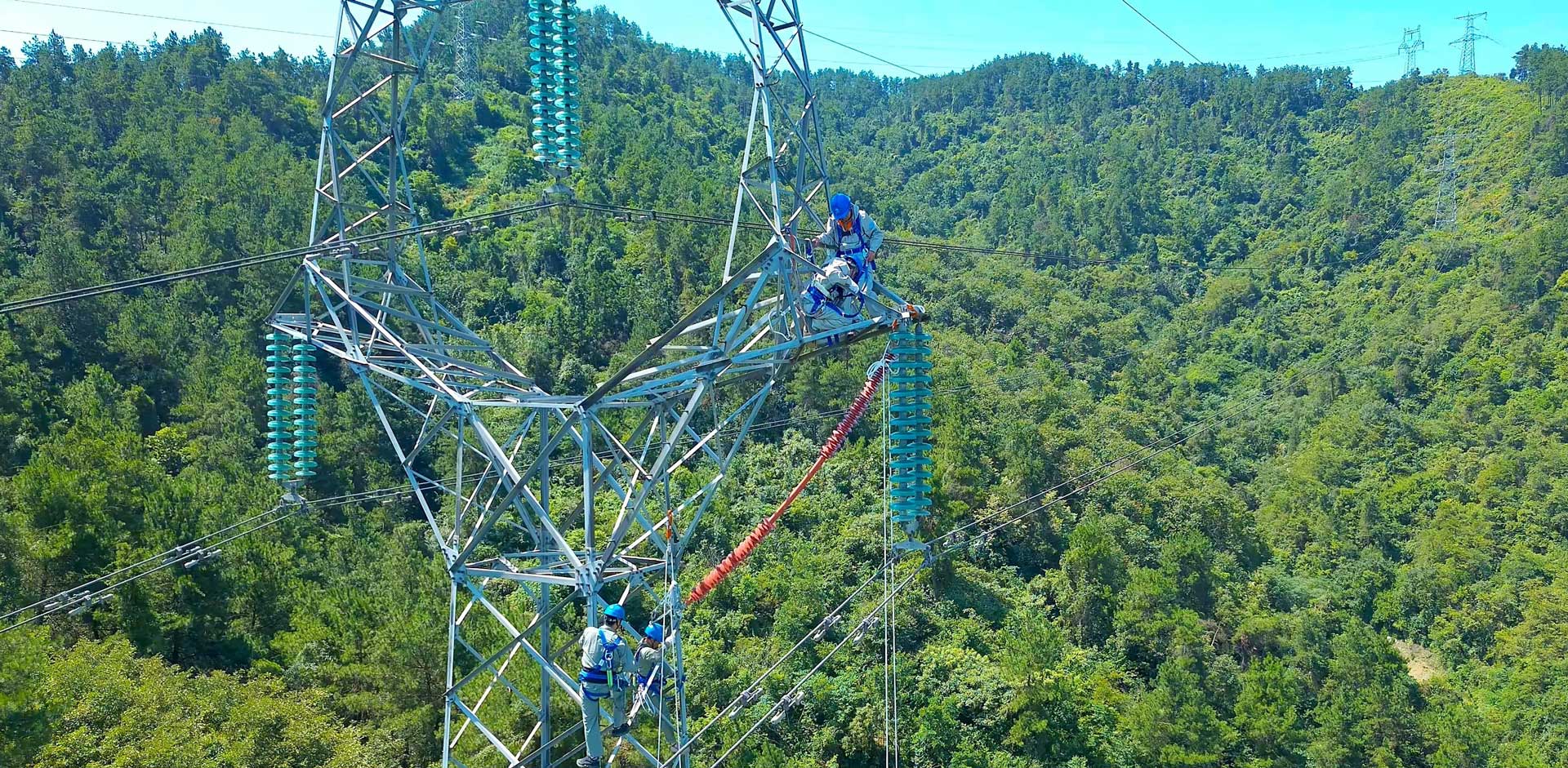
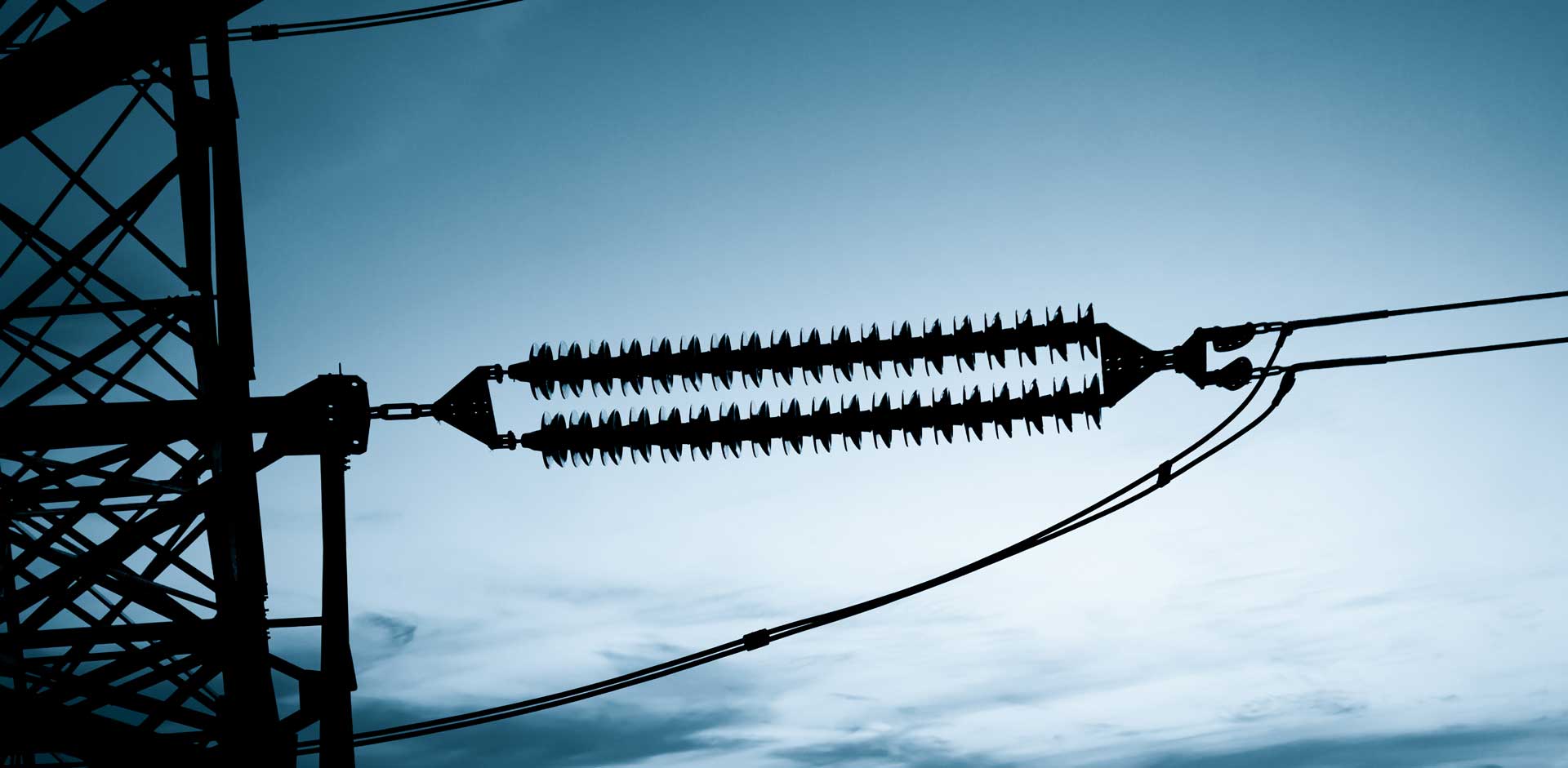
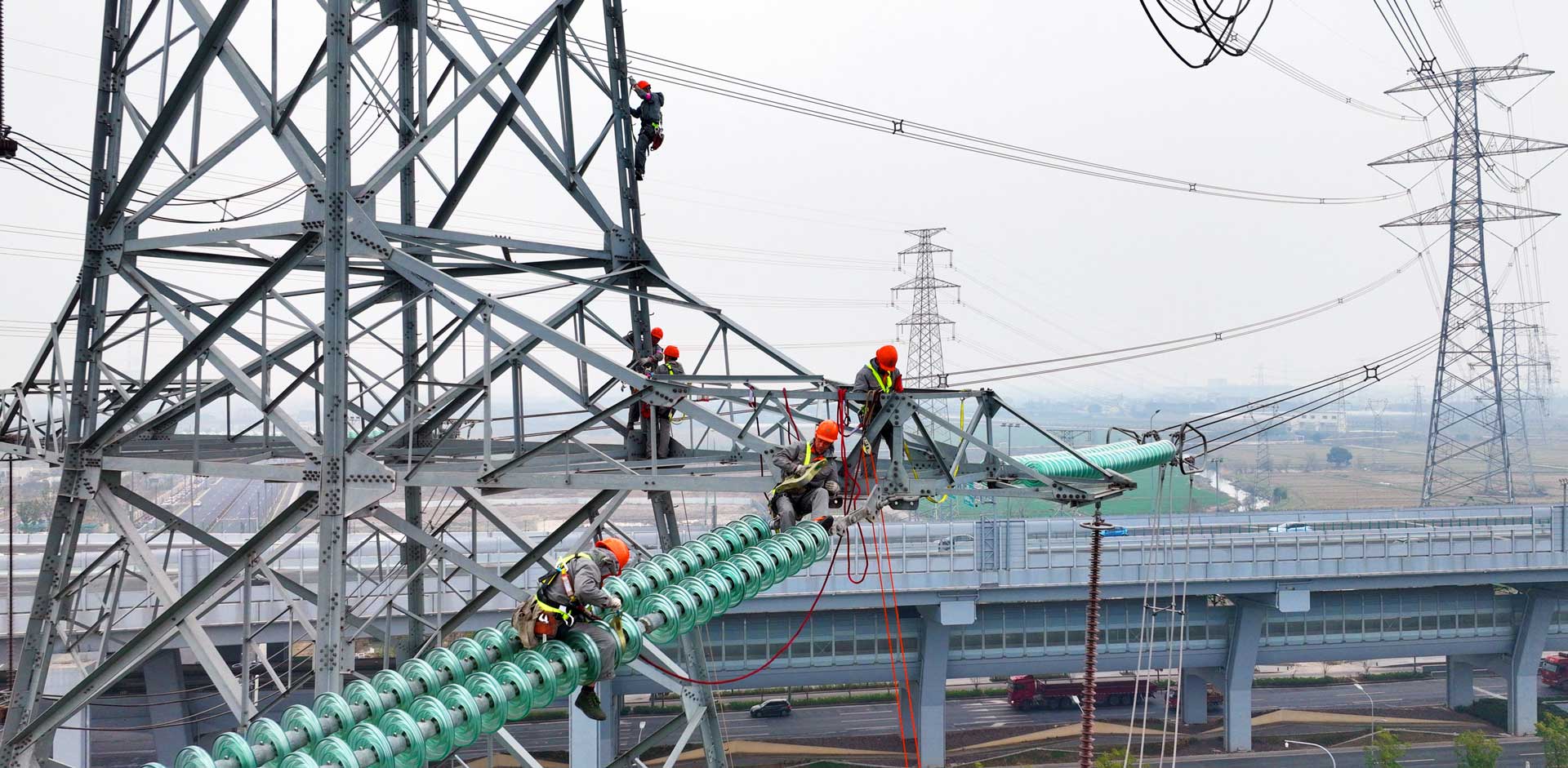
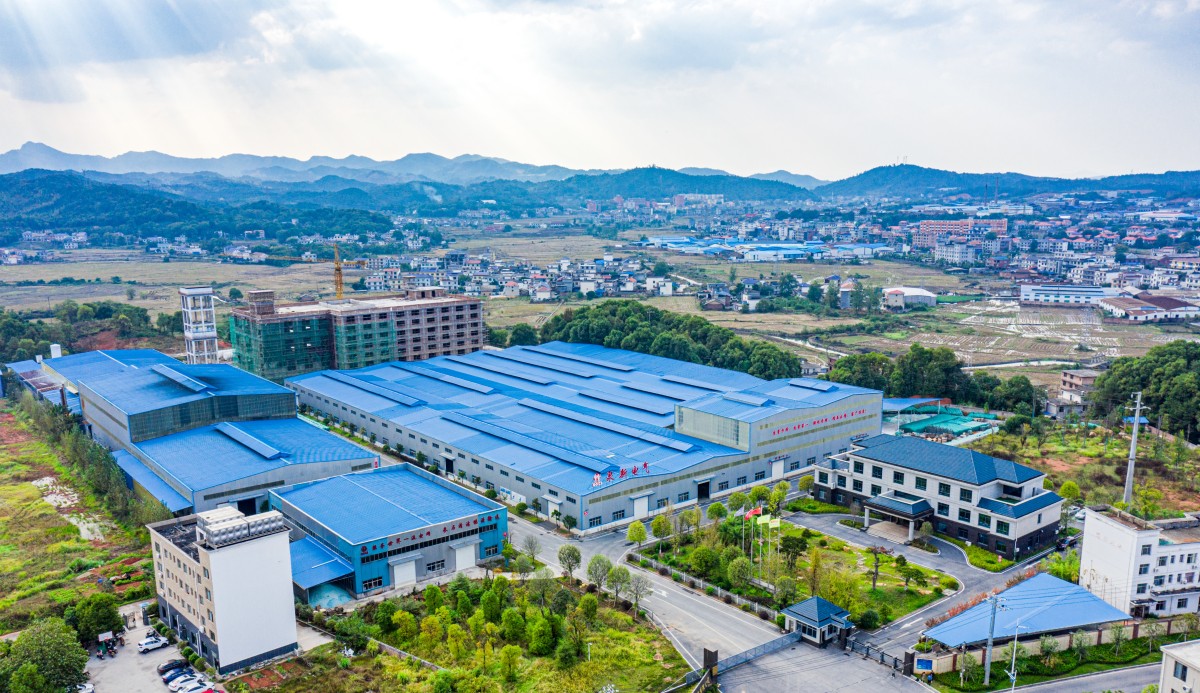
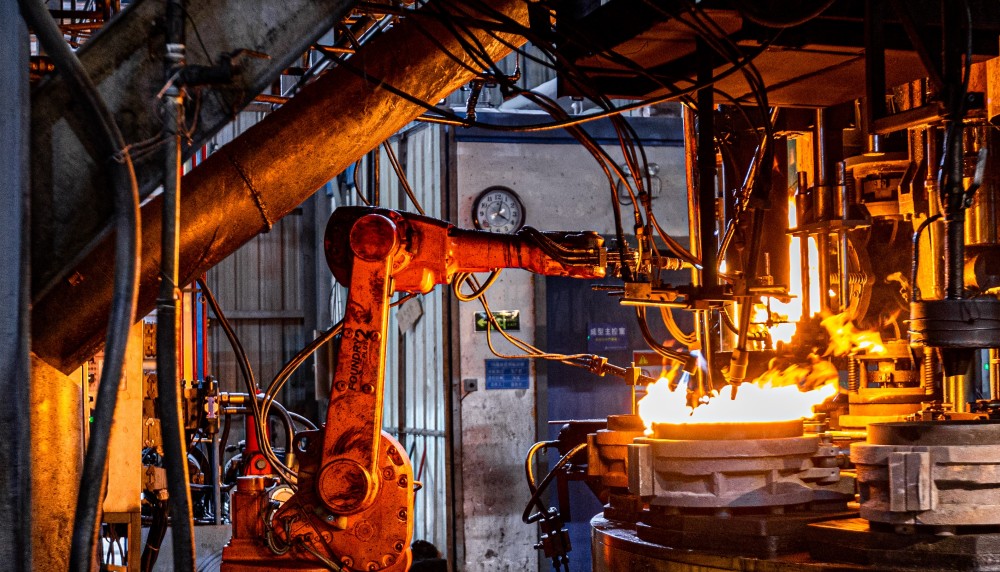
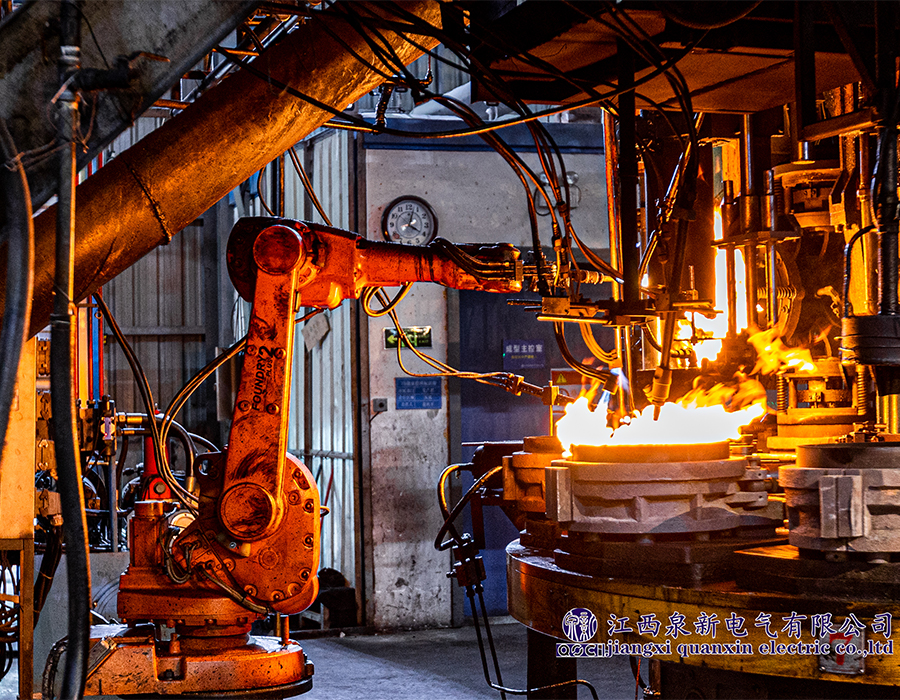
Inside our production facilities: from raw material formulation to thermal tempering, testing, and shipping.
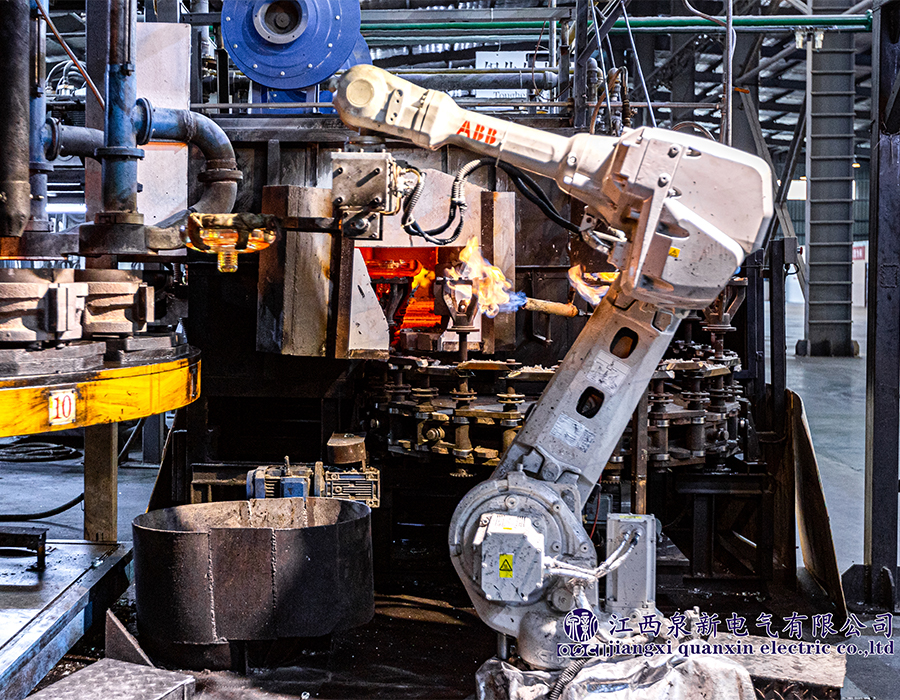
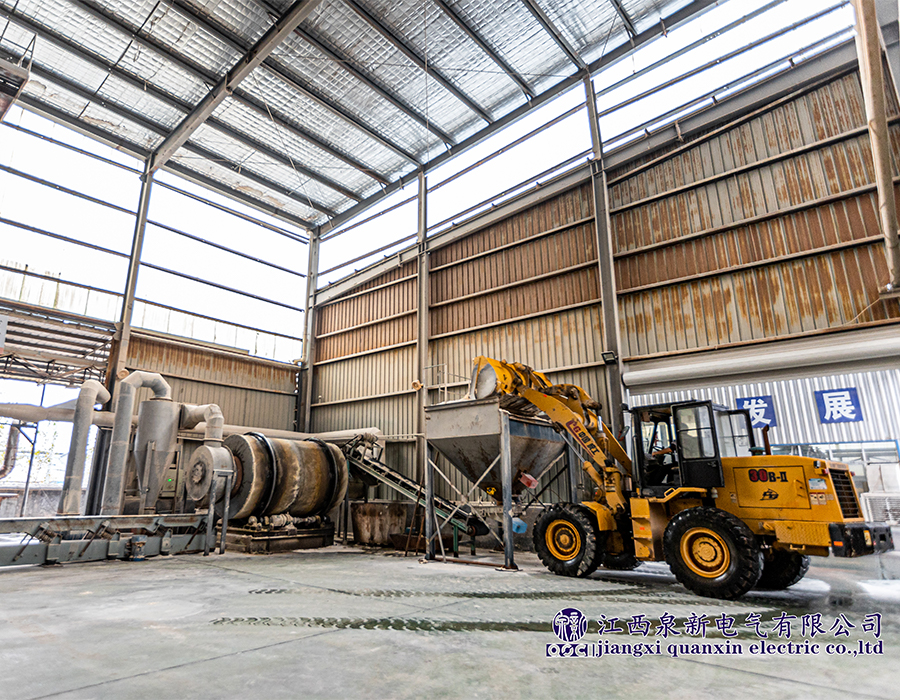
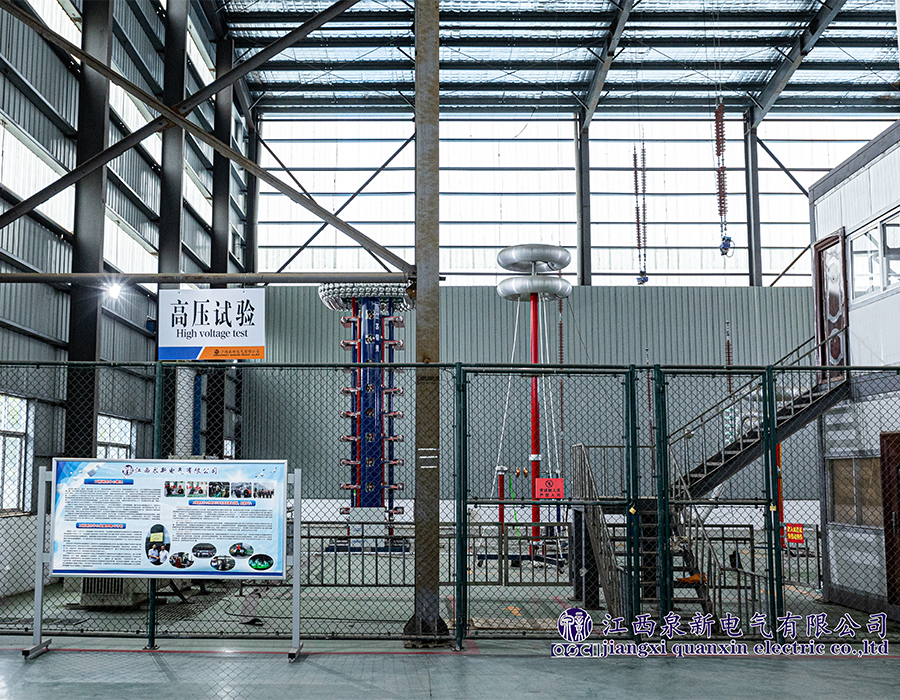
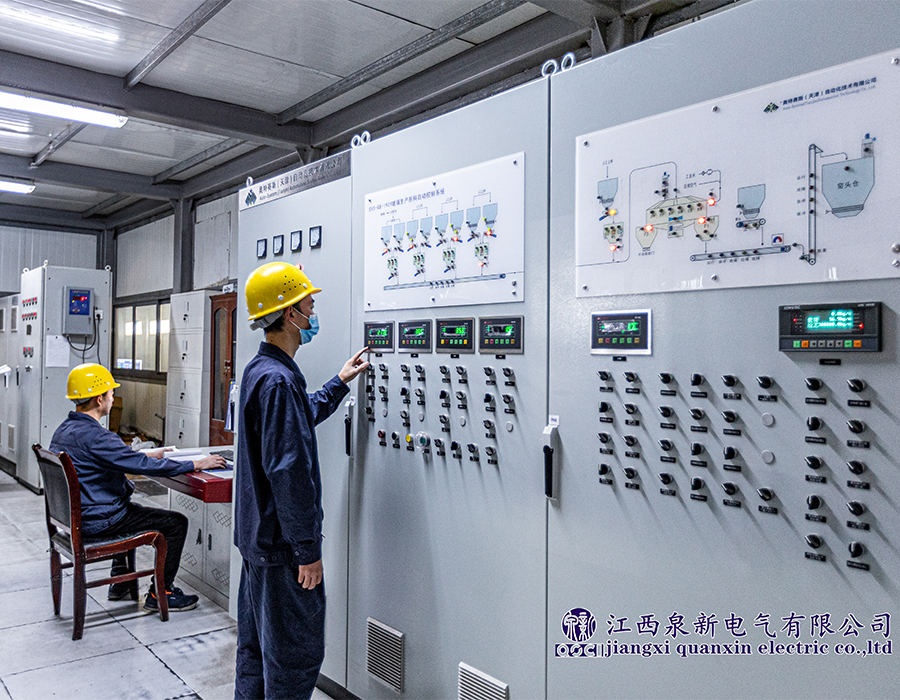
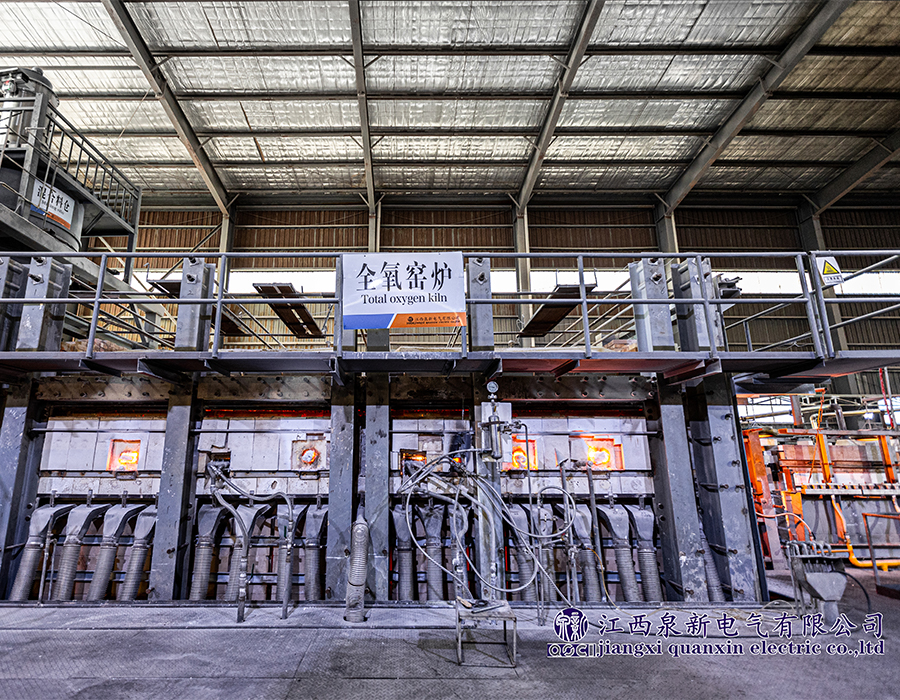
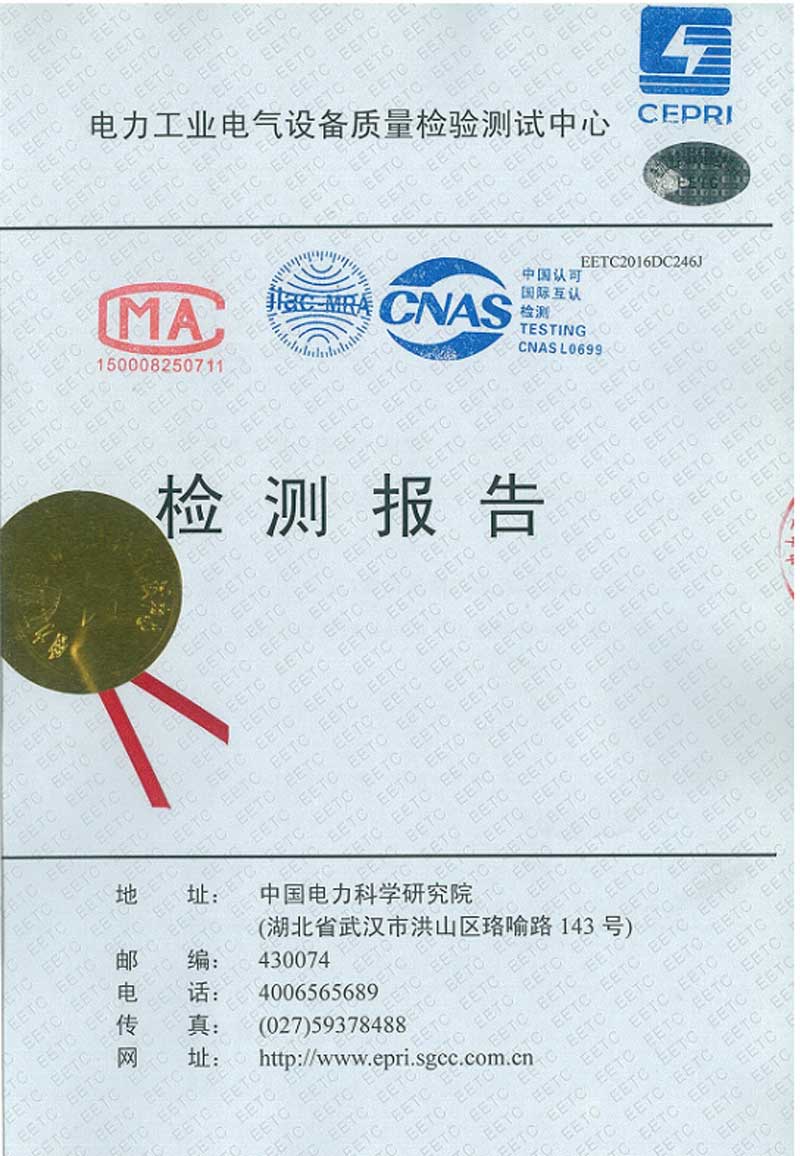
Our manufacturing and testing operations comply with standard quality benchmarks, ensuring reliability across our product line.
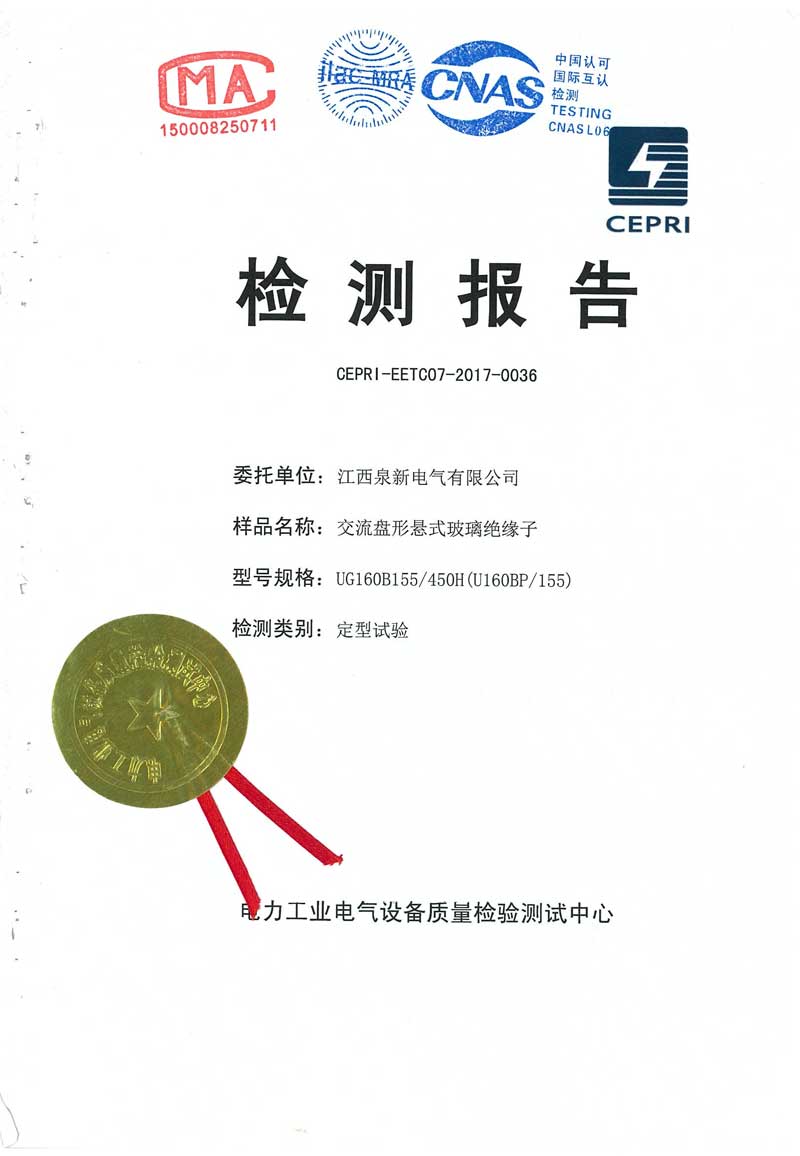
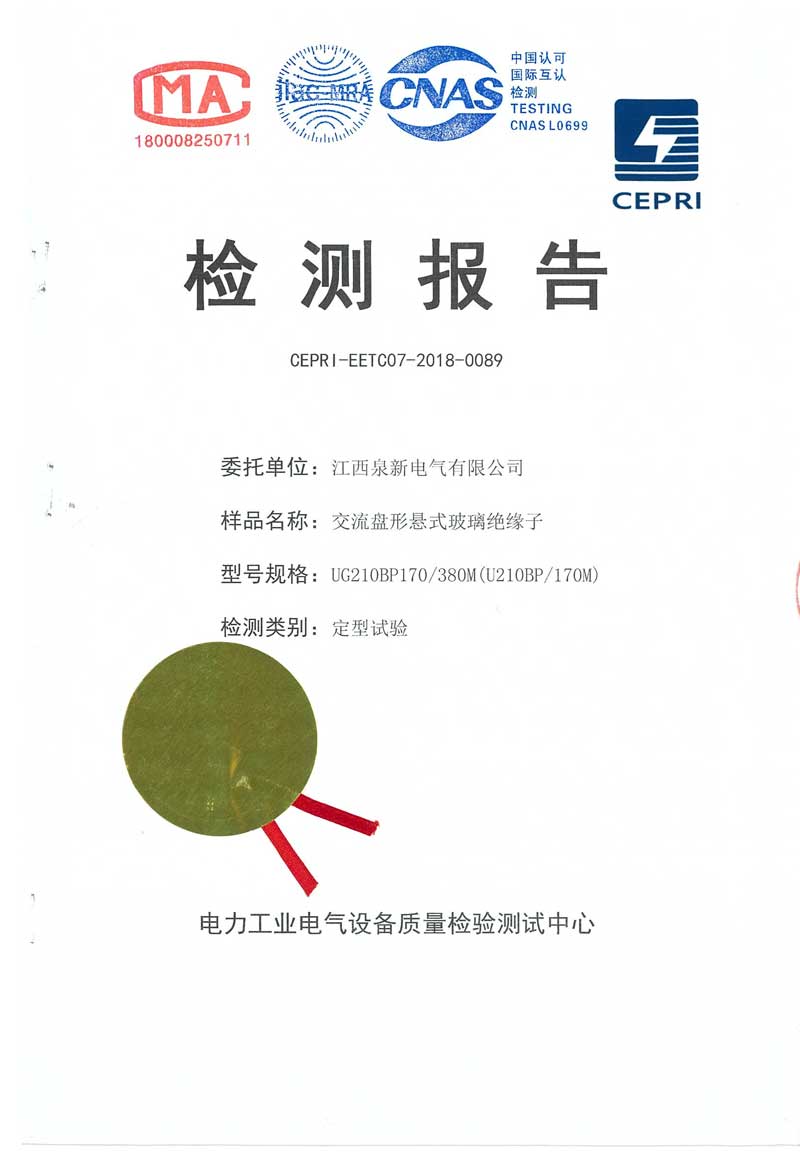


Updates on technology breakthroughs, utility partnerships, and our global exhibition calendar.
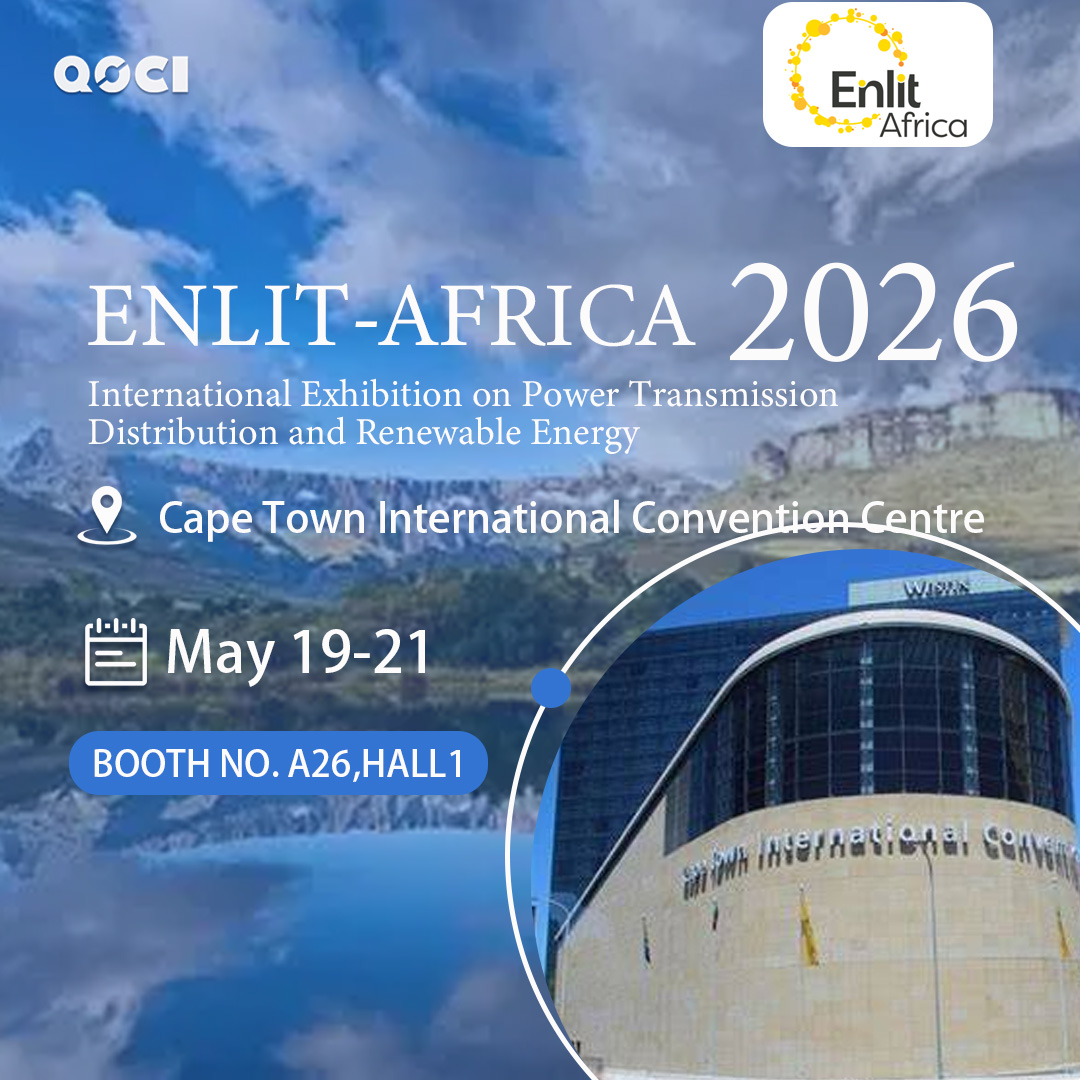
As the global energy transition accelerates, the importance of electricity, renewable energy, and storage technologies is becoming increasingly critical.
Withstanding extreme environmental conditions including icing, high altitudes, heavy pollution, earthquakes and typhoons, China’s insulator industry stands mature.
Our team encourages you to join us at the IEEE PES T&D Conference & Exposition, the powerhouse utility event showing the future of distribution grids.
QOCI Electric, a leading global supplier of power transmission equipment and solutions, officially confirmed attendance at The 11th Iraq Energy event.
Get professional technical answers regarding high-voltage isolator and insulator specifications, applications, and selection parameters.
A: Toughened glass isolators offer a "self-shattering" mechanism that visualizes failure, simplifying ground line inspection. Porcelain isolators possess high dielectric strength, but micro-fractures inside the ceramic glaze can remain hidden, requiring regular manual resistance checks to prevent puncture.
A: RTV silicone coatings add hydrophobicity to the surface of glass isolators. Instead of forming a continuous water sheet under humid or coastal conditions, water droplets bead up. This limits surface leakage currents, minimizes corona activity, and reduces flashover rates in coastal or industrially polluted environments.
A: Standard isolators with deep ribs trap dry sand and dust on their undersides. In arid climates where rain is rare, these deposits don't wash away. Aerodynamic open profiles omit these lower ribs, allowing prevailing winds to blow across the surface, reducing dirt accumulation and preventing dry-band arcing.
A: The mechanical load rating represents the maximum tensile strength of the insulator cap and pin assembly. High-voltage lines span long distances and support heavy wind loads, ice loads, and deadweight. Selection is dictated by a line's safety factors, conductor diameter, span length, and local weather patterns.
Developing concrete relationships and partnerships with international utility operators, distributors, and contractors.


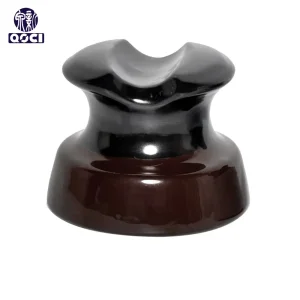
Additional high-quality products, including ANSI standard post, pin type, and fog type high-voltage isolators.