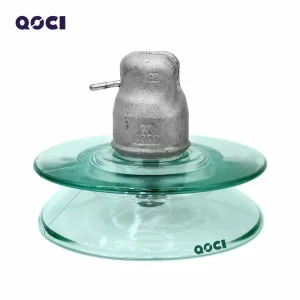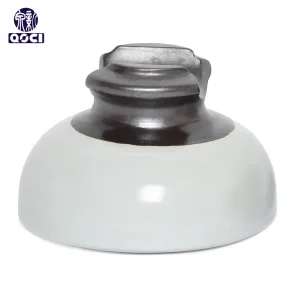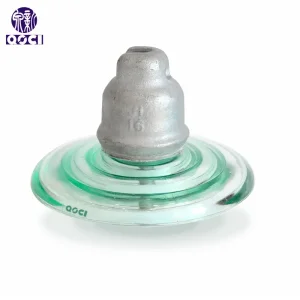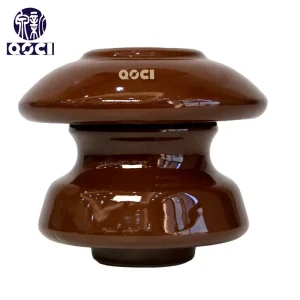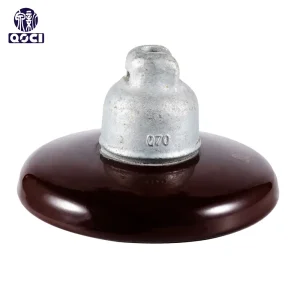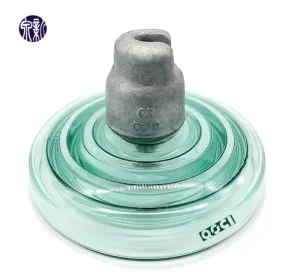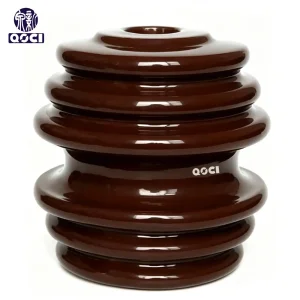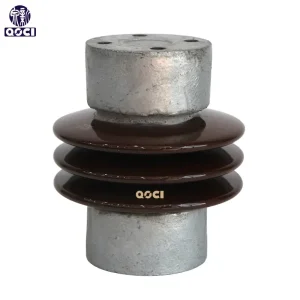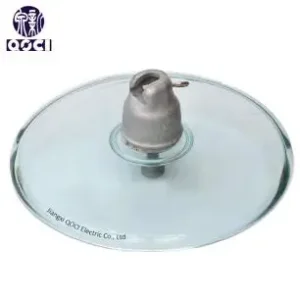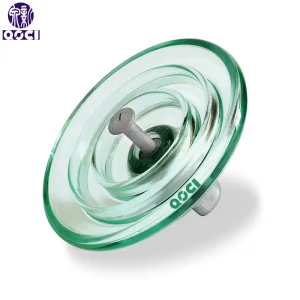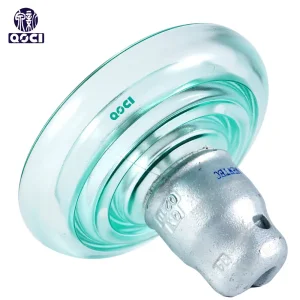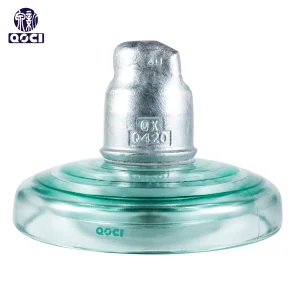
As the backbone of global energy transmission, Ceramic Overhead Line Strain Insulators (often referred to as porcelain tension insulators) provide the critical mechanical and electrical stability required for high-voltage (HV) and ultra-high voltage (UHV) networks. In the context of "Semantic Search" and user intent, procurement officers and utility engineers are no longer just looking for a "part number"; they are searching for long-term operational reliability and Information Gain regarding material fatigue under extreme environmental stress.
Ceramic insulators, manufactured from high-grade processed alumina and silica, offer superior resistance to chemical weathering, UV degradation, and thermal expansion compared to composite alternatives. Our wholesale supply chain integrates advanced "Total Oxygen Kiln" technologies to ensure zero-porosity in the ceramic body, which is essential for preventing internal dielectric breakdown—a common cause of line failure in aging grids.
Furthermore, the integration of Room Temperature Vulcanization (RTV) silicone coatings onto traditional ceramic or glass substrates has emerged as a disruptive trend. This hybrid approach combines the mechanical robustness of the inorganic core with the hydrophobic properties of silicone, drastically reducing maintenance cycles in high-pollution industrial zones or salt-heavy coastal environments.
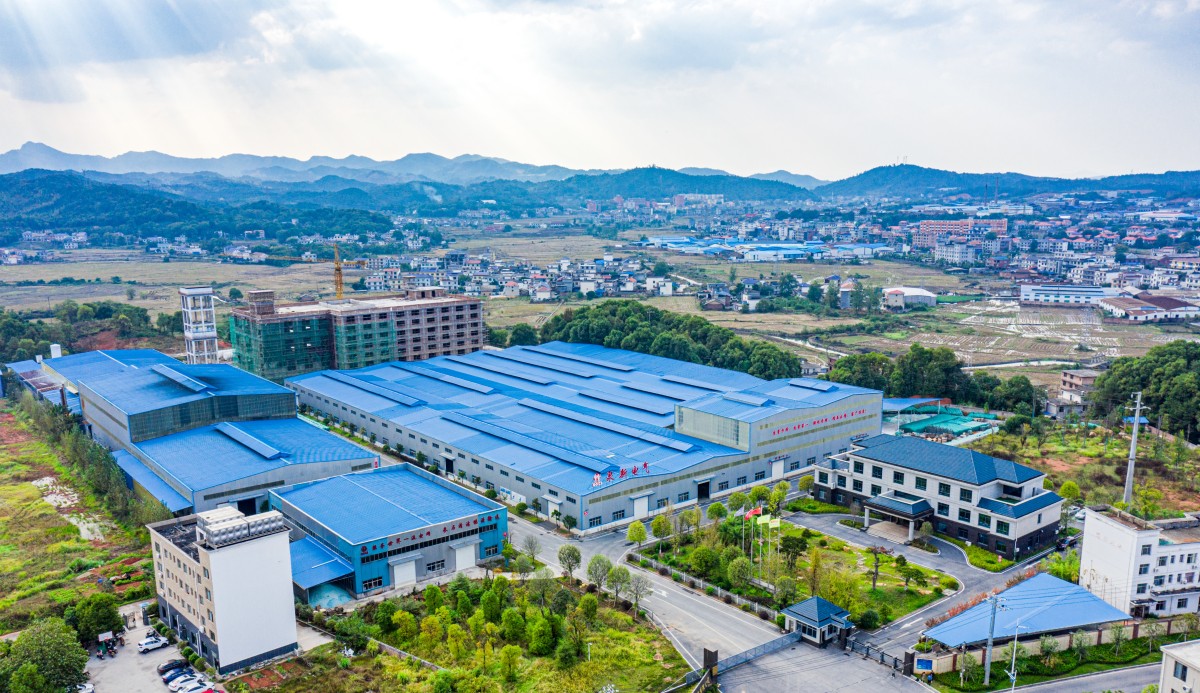
Founded in 2002 with a registered capital of 508 million Yuan, we occupy 70,000 m² of state-of-the-art manufacturing space. Our "Responsibility is the guarantee of quality" philosophy drives our annual output of 39,000 tons of high-performance insulators.
With 53+ senior engineering technicians and 26+ national patents, our R&D focus lies in "Zero-Defect" manufacturing. From Forming Presses to high-voltage testing labs, every unit undergoes rigorous dielectric and mechanical testing before shipment.
Our products serve world-class power grids, actively participating in green energy construction. We are a verified supplier for major utility projects across Asia, Europe, and the Americas, meeting both IEC and ANSI standards.
In regions like Southeast Asia or the Gulf, salt-fog pollution leads to dry-band arcing. Our Anti-Pollution Profile insulators feature long, widely-spaced under-ribs to maximize creepage distance and prevent arc bridging.
For mountainous regions, we deploy Aerodynamic/Open Profile insulators. Their ribless design prevents the accumulation of ice and snow, reducing the risk of "ice-bridging" flashovers that cause catastrophic winter outages.
In heavy industrial belts, solid pollutants (dust, cement, chemicals) adhere to surfaces. Our RTV Silicone-Coated Glass Insulators offer an self-cleaning alternative that eliminates the need for manual washing, drastically lowering OPEX.
The next decade of insulation technology is shifting toward Smart Monitoring Integration. We are currently developing ceramic strain units with embedded IoT sensors capable of measuring real-time leakage current and ambient humidity. This "Smart Insulator" roadmap aligns with the global push for AI-driven predictive maintenance in smart grids. Additionally, our carbon-neutral manufacturing initiative utilizes "Total Oxygen Kilns" to reduce energy consumption by 30% per ton produced.
The Jiangxi province is a world-renowned hub for technical ceramics. Our localization in the Industrial Park of Luxi County allows us to leverage a mature ecosystem of raw material suppliers and specialized logistics. This leads to unmatched lead times and cost efficiencies that we pass on to our wholesale partners.
Customized insulation geometry for diverse environmental challenges.
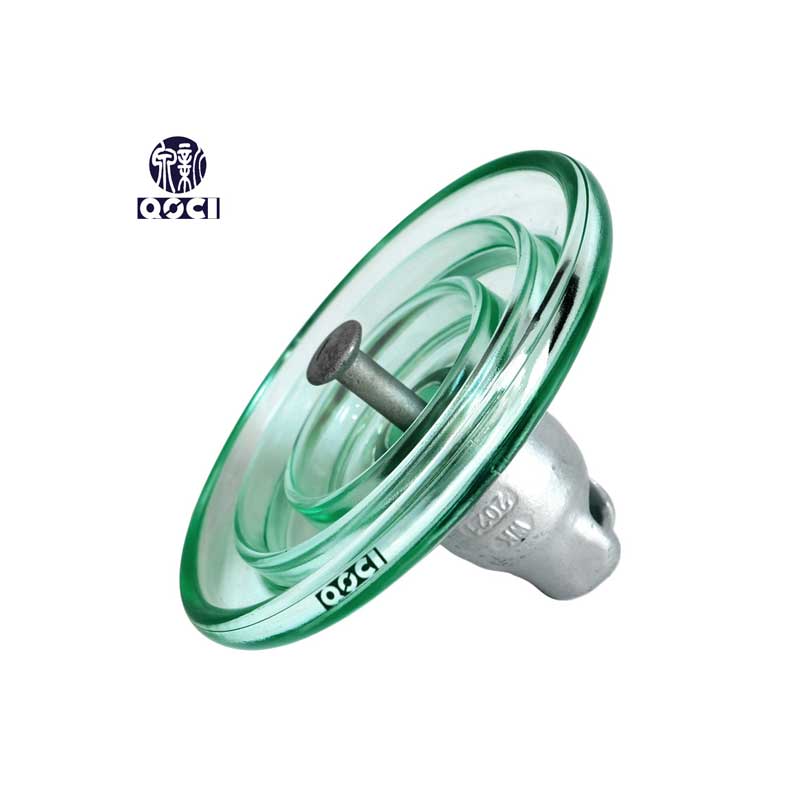
Leakage distance higher than IEC 60305 values. Shallow, well-spaced ribs for effective self-cleaning by wind or rain.
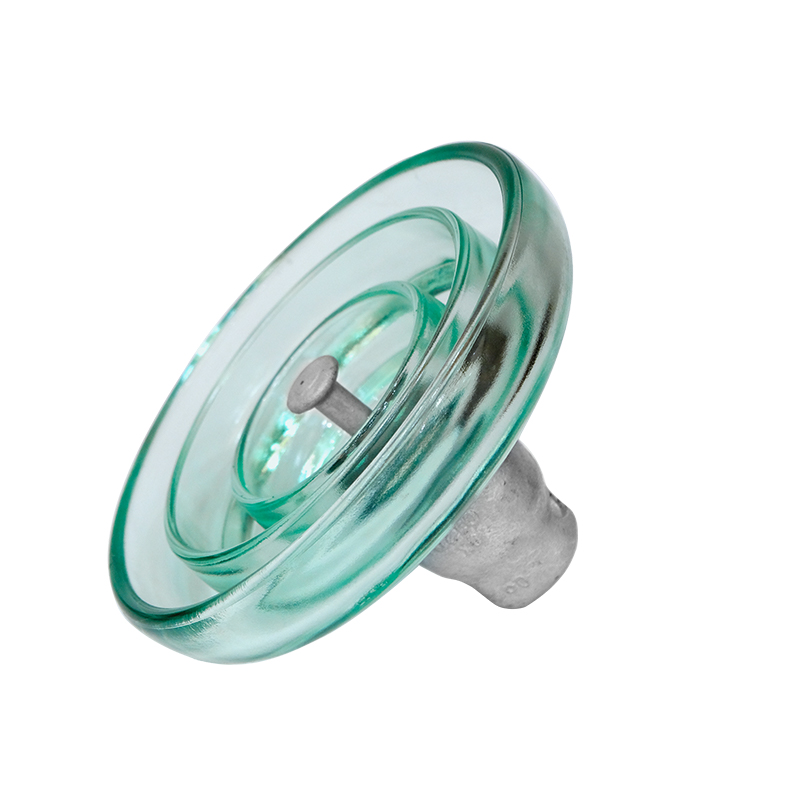
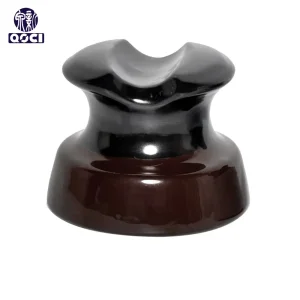
Characterized by long, widely-spaced under-ribs. Ratio of 3.2 leakage/spacing, ideal for coastal and salt-heavy regions.
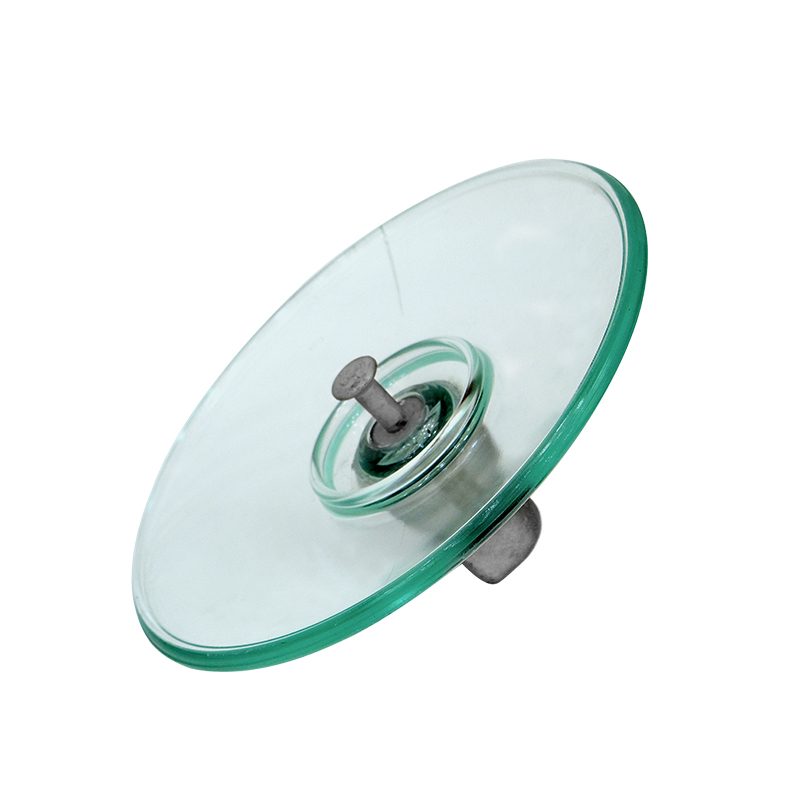
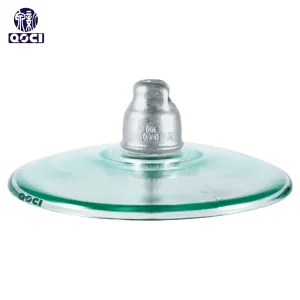
No under-ribs to avoid accumulation of sand and dust. Excellent for dead-end strings in arid or extreme industrial zones.
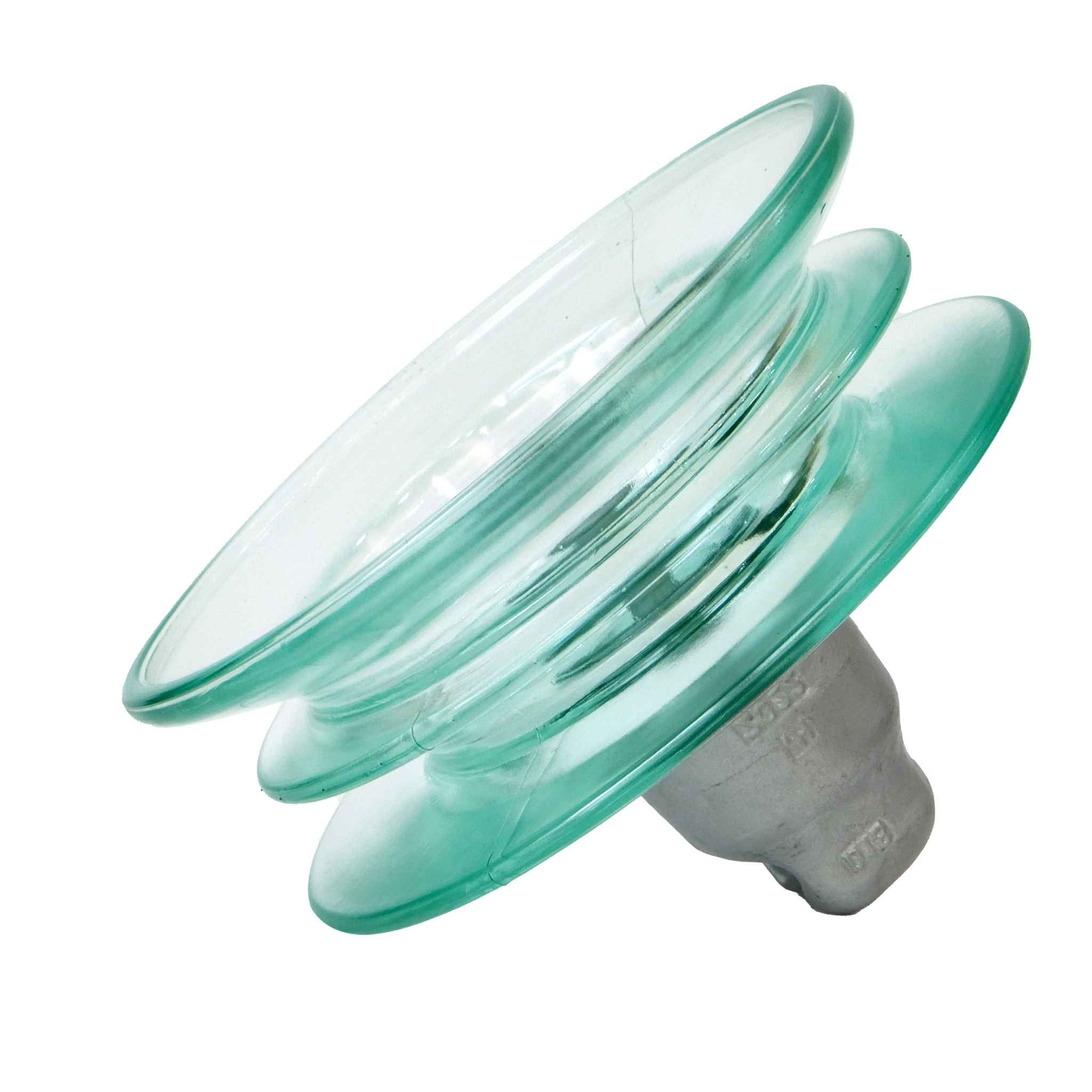
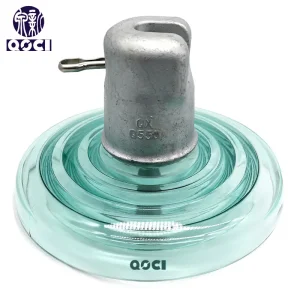
Key component for UHV lines. Three layers of umbrella discs provide exceptional creepage distance and pollution flashover resistance in humid, high-altitude environments.
A: Ceramic insulators offer superior longevity (40+ years) and resistance to "tracking" and UV degradation. They do not suffer from the core-brittle fracture issues occasionally seen in composite rods.
A: We conduct routine tensile tests and ultrasonic flaw detection on the porcelain body. Every batch is verified against IEC 60383 and ANSI C29 standards.
A: Yes, but DC lines require specific "DC-Design" porcelain with high resistivity to prevent ion migration. Please specify DC requirements during the RFQ process.
A: The smooth, ribless underside allows natural airflow to blow away dry contaminants and rain to wash away soluble salts without getting trapped in deep grooves.
Strategic stock of standard ANSI and IEC series for immediate deployment.
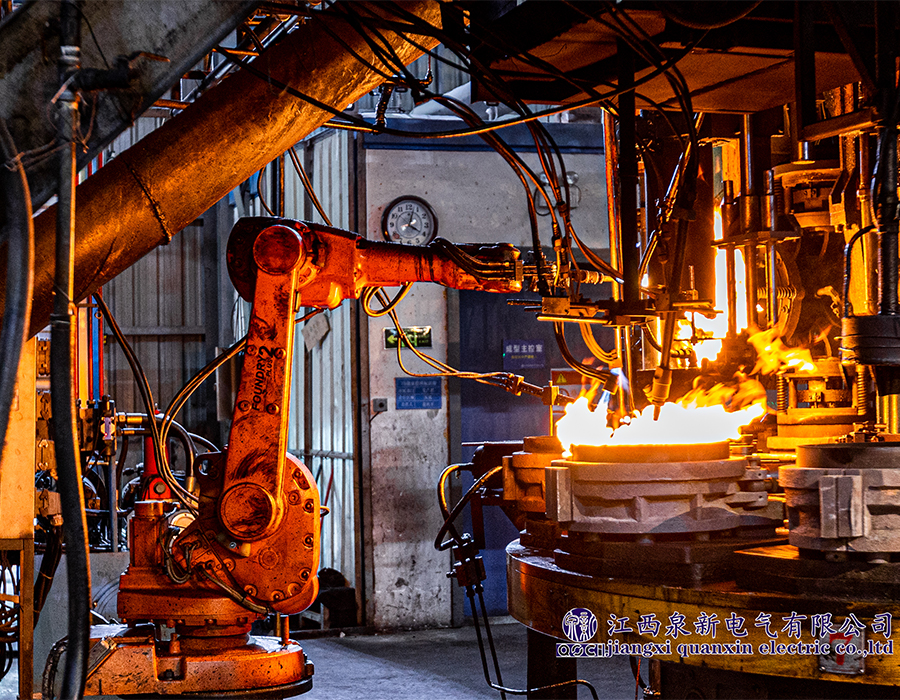
Forming Press Area
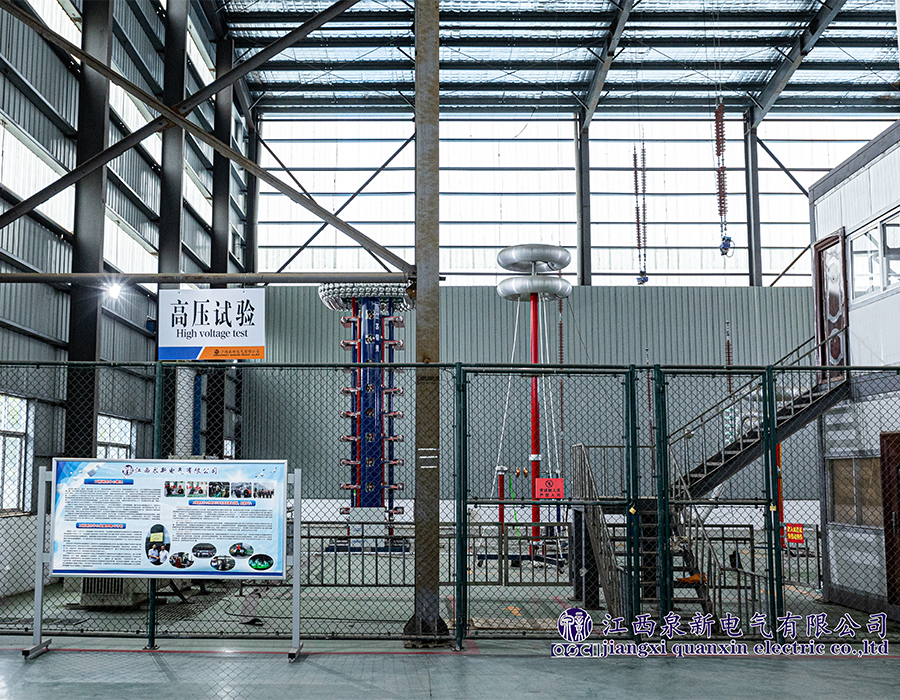
High Voltage Testing Lab
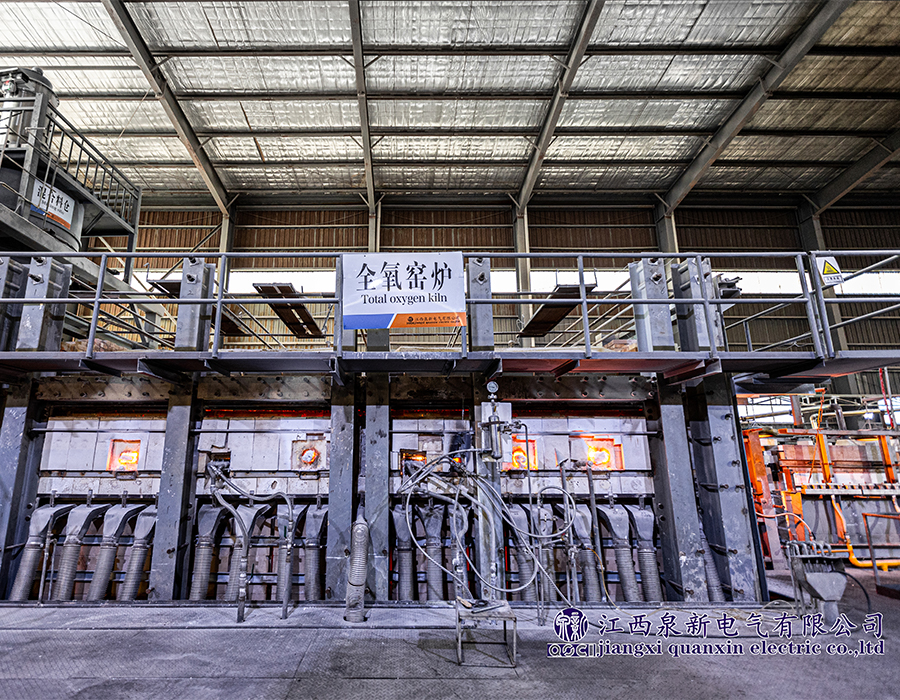
Total Oxygen Kiln System
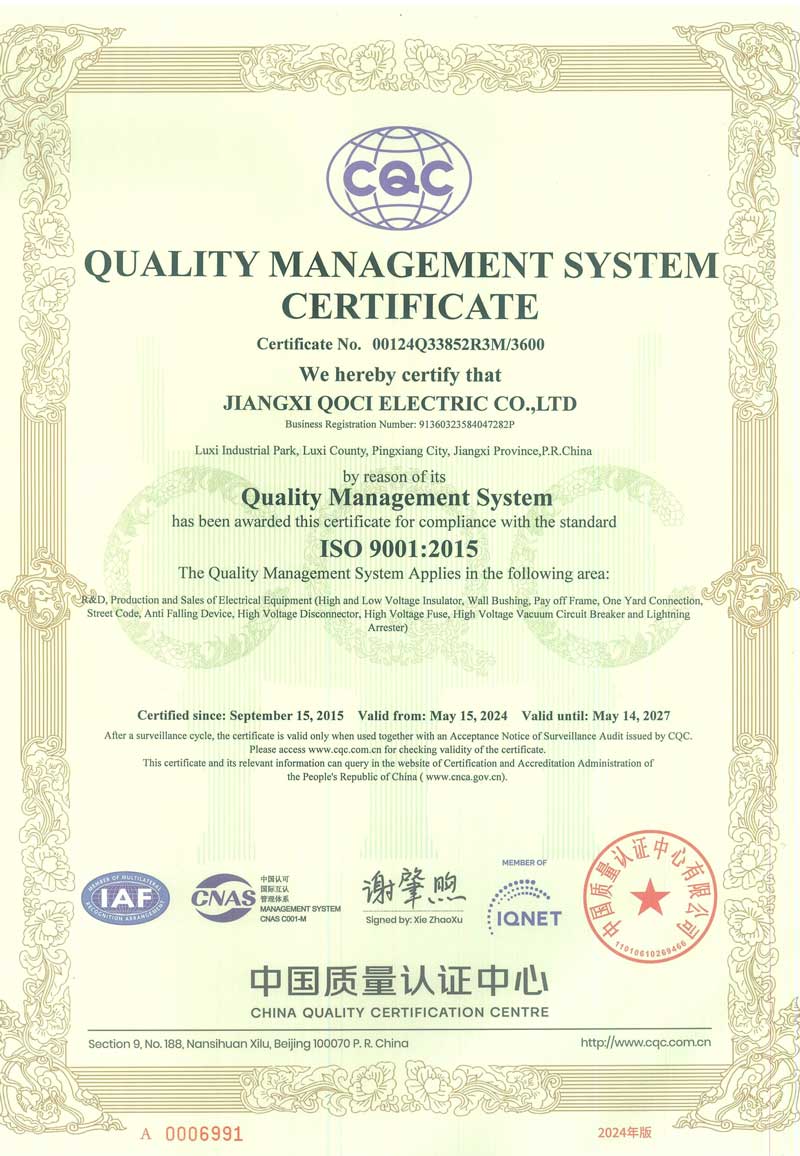
Quality Management Certificate
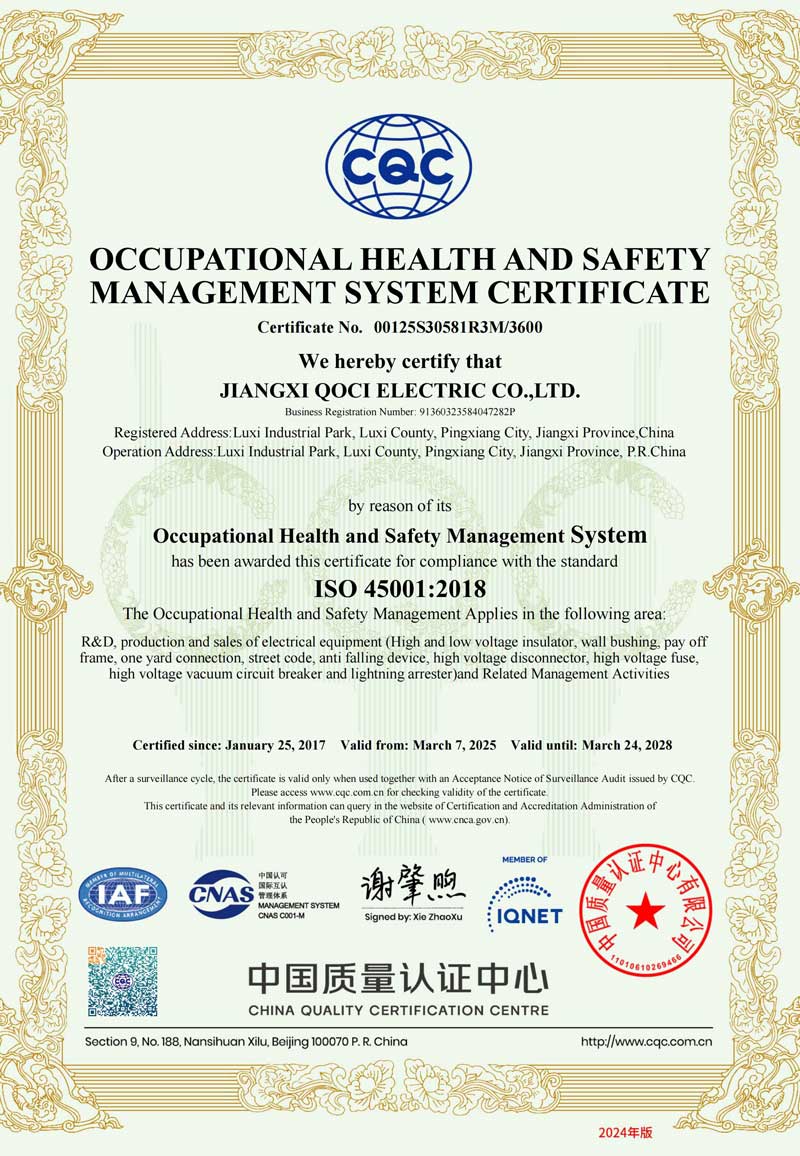
International Standards Compliance