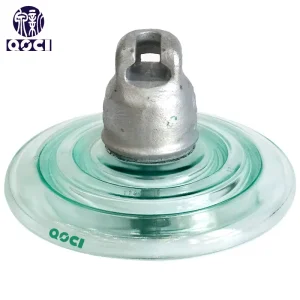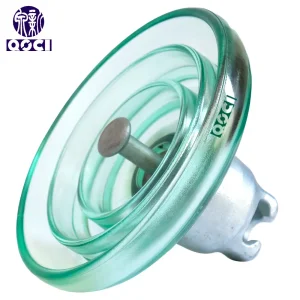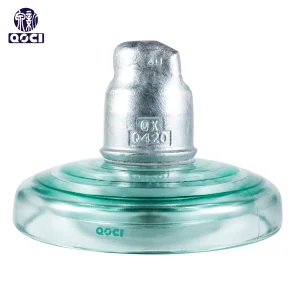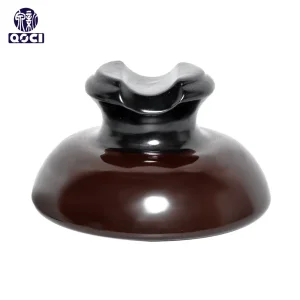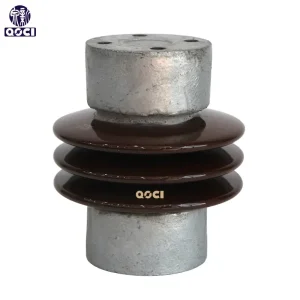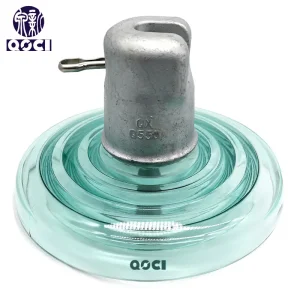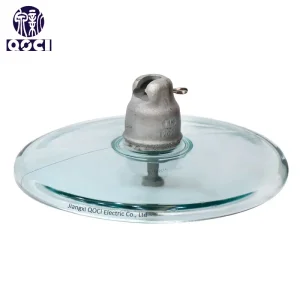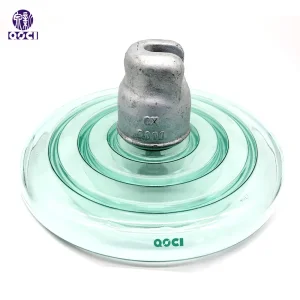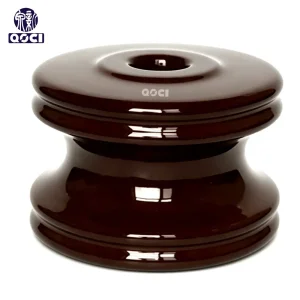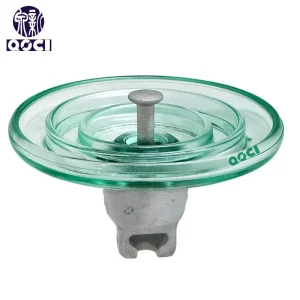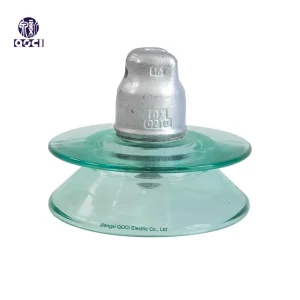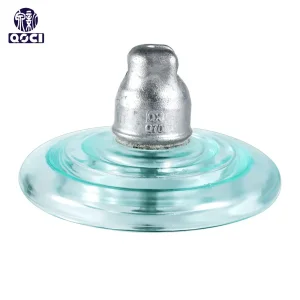
As the global energy landscape undergoes a radical transition toward renewable integration and Ultra-High Voltage (UHV) transmission, the demand for high-performance tempered glass insulators has reached an unprecedented peak. Unlike traditional porcelain or composite materials, toughened glass offers a unique combination of mechanical strength and electrical reliability that is critical for the stability of modern smart grids.
In the current industrial context, procurement directors from state-owned utilities in Africa, Southeast Asia, and Latin America are increasingly prioritizing Information Gain—seeking suppliers who provide not just a product, but a comprehensive lifecycle solution. Tempered glass insulators are the backbone of this infrastructure, offering zero-puncture risk and easy maintenance through visual inspection.
Major EPC contractors are moving toward "Shatterproof" technologies. Glass insulators provide a "self-shattering" characteristic upon failure, which paradoxically increases safety by allowing ground crews to spot damaged units instantly without expensive testing equipment.
From the arid deserts of the Middle East to the salt-spray coastal lines of Europe, our toughened glass solutions are engineered with specific profiles (Anti-fog, Aerodynamic) to combat environmental degradation and leakage currents.
Standardizing on tempered glass reduces long-term O&M (Operations & Maintenance) costs by up to 40% compared to porcelain strings, due to their higher resistance to thermal aging and mechanical fatigue.
Founded in December 2002 with a registered capital of 508 million Yuan, Jiangxi QOCI Electric Co. Ltd has established itself as a world-class leader in the power industry. Our facility in Pingxiang, Jiangxi Province, serves as a hub for innovation and green energy construction.
Our commitment is simple: Responsibility is the guarantee of quality. We serve world-class power grids with dedication, ensuring the safety and continuity of global electricity distribution.
The integration of Room Temperature Vulcanization (RTV) silicone coatings onto glass surfaces is the next frontier. This hybrid approach combines the mechanical ruggedness of glass with the superior hydrophobicity of polymers, ideal for extremely polluted industrial zones.
As China leads the world in 1100kV UHVDC technology, QOCI is developing insulators with enhanced resistivity and specialized zinc sleeves to prevent ion migration and electrolytic corrosion in DC environments.
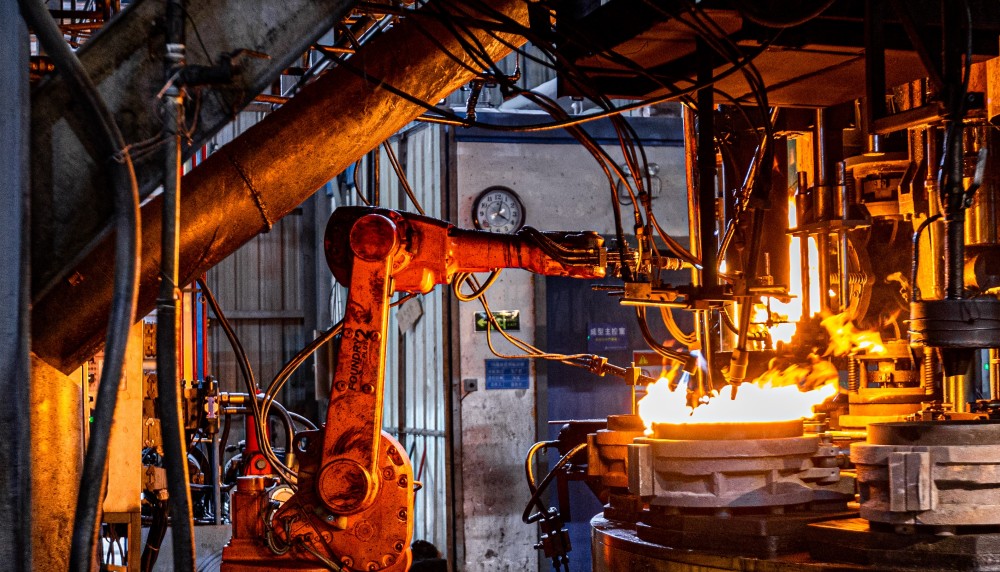
Moving toward Industry 4.0, our production lines now utilize AI-driven optical scanning to detect microscopic inclusions in the glass melt, ensuring that our "spontaneous breakage rate" remains the lowest in the industry.
Selecting the right profile is critical for grid resilience. Below is our engineering-grade breakdown of insulator types.
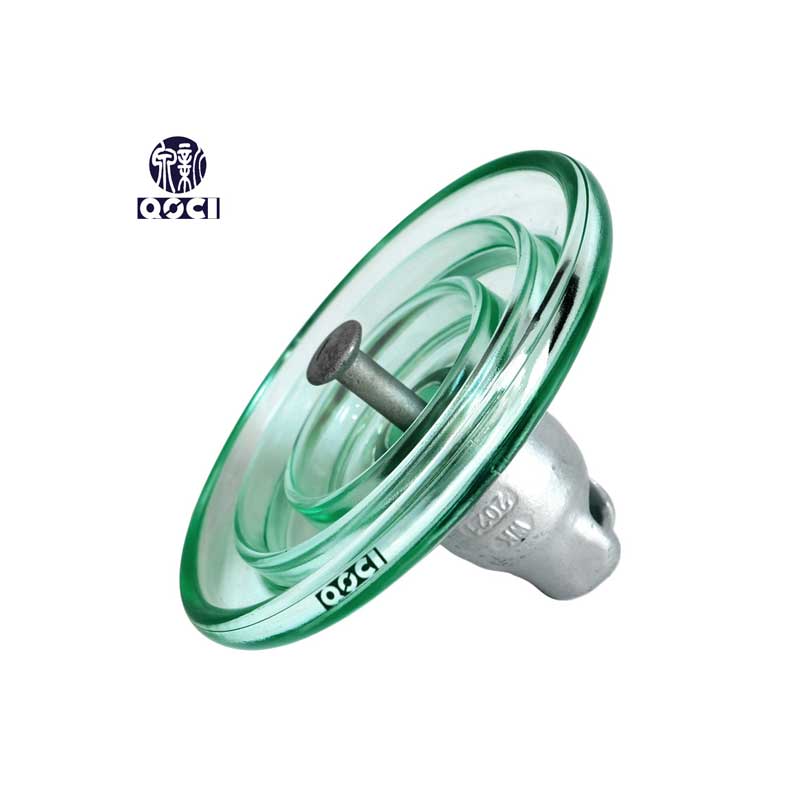
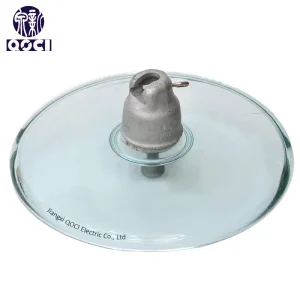
Designed with shallow, well-spaced ribs. Ideal for areas with natural self-cleaning (frequent rain and wind). Exceeds IEC 60305 standards for leakage distance.
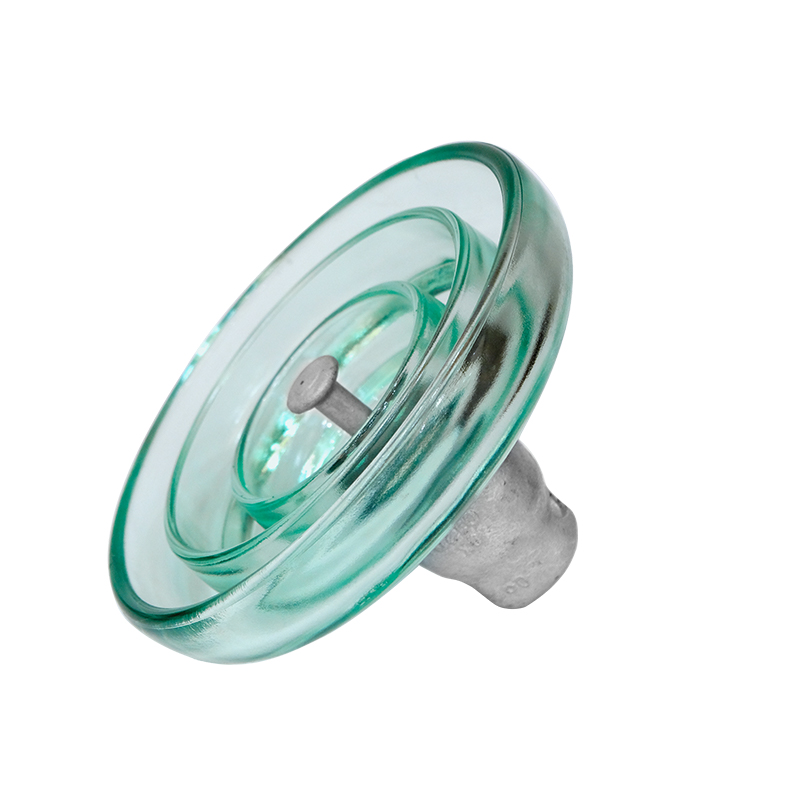
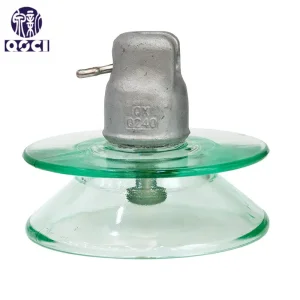
Features long, widely-spaced under-ribs. This prevents arc bridging in coastal areas where salt-fog is prevalent. Specific leakage distance is significantly higher.
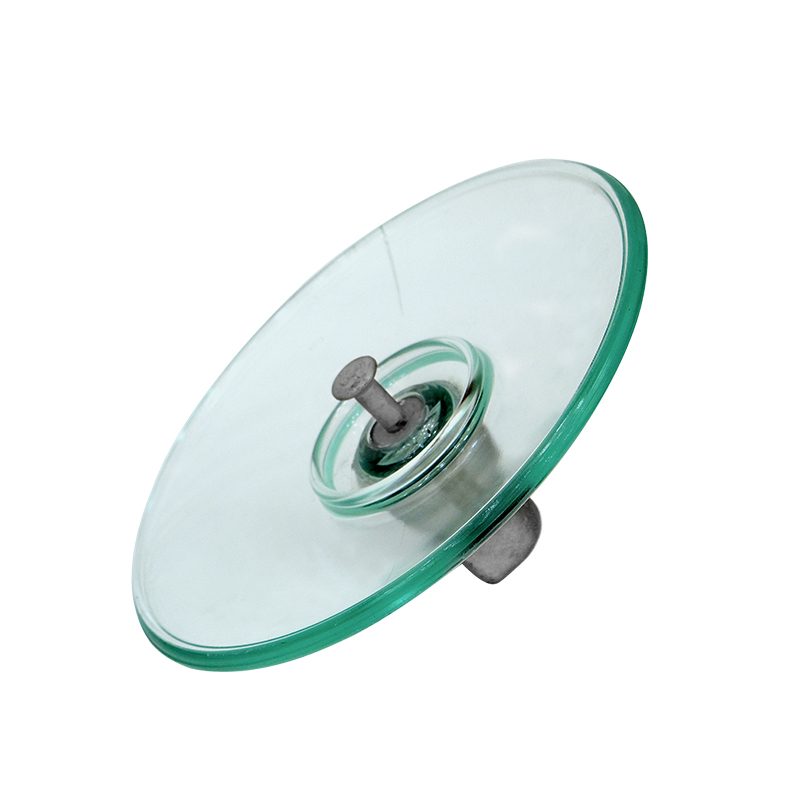
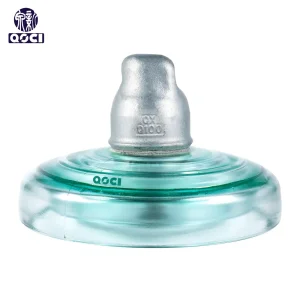
Absence of under-ribs prevents the accumulation of sand and dust. This is the primary solution for desert regions and dead-end strings in heavy industrial zones.
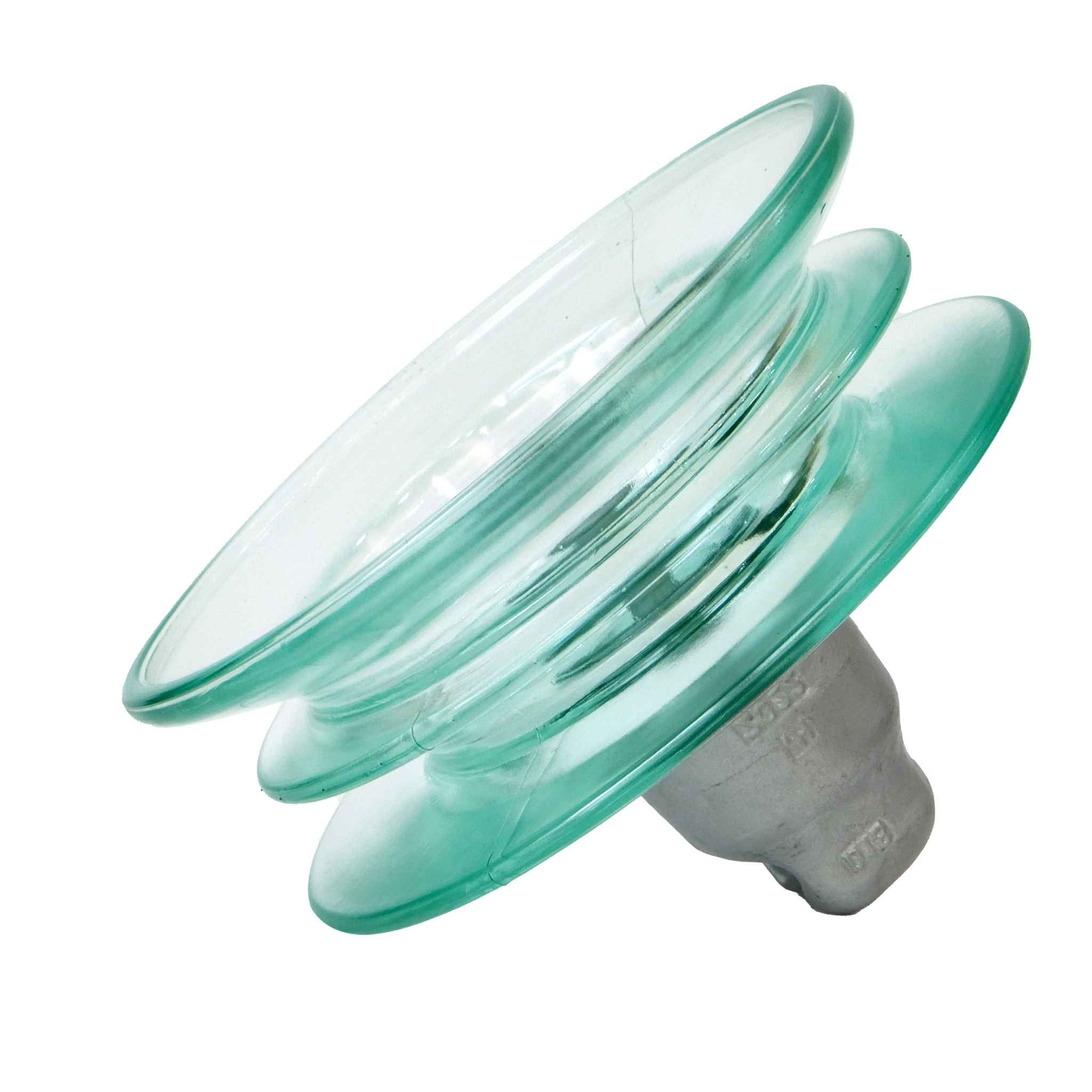
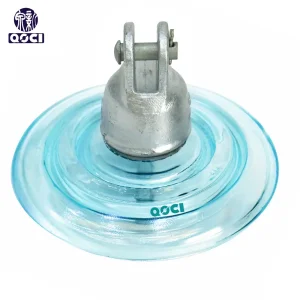
A sophisticated design for UHV lines. Three layers of umbrella discs provide maximum creepage distance and superior resistance to pollution flashover.
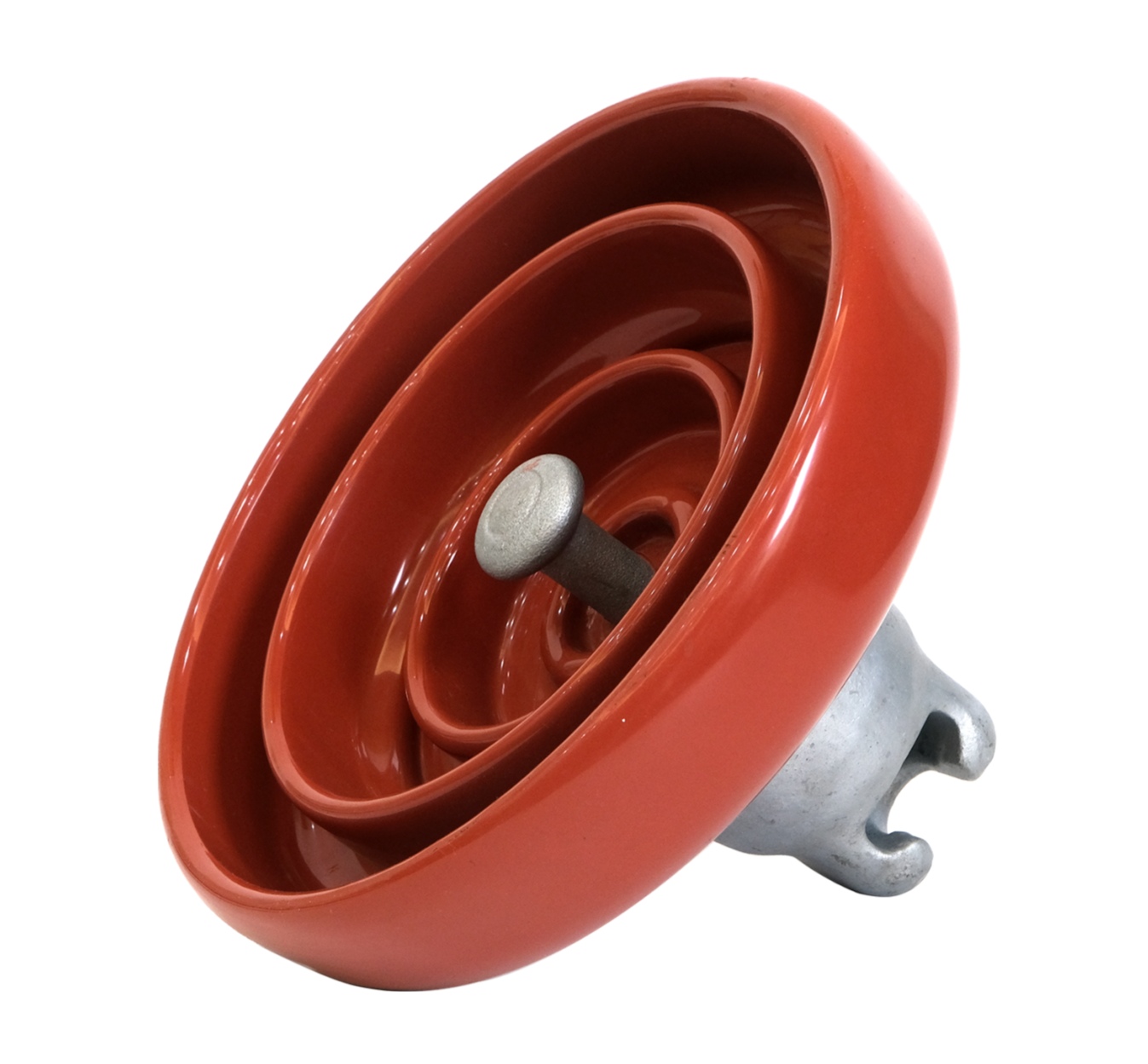
The ultimate maintenance-free solution. Minimizes leaking currents and eliminates the need for regular manual cleaning in extreme pollution environments.
Navigating international standards is a core competency at QOCI. Our products are rigorously tested to meet and exceed IEC, ANSI, and BS standards. We provide localized technical support to ensure that every shipment matches the specific regulatory requirements of the destination country.
ISO 9001, ISO 14001, and OHSAS 18001 certified. Every batch undergoes high-voltage thermal-mechanical testing before dispatch.
Full type test reports from independent KEMA-recognized laboratories available for all U-series (U70 to U550) insulators.
Utilizing our strategic location in Pingxiang Industrial Park, we offer optimized logistics routes for sea and rail freight to Europe and Africa.
Glass insulators offer superior mechanical strength consistency and "zero-puncture" electrical characteristics. Unlike porcelain, they do not suffer from internal cracks that can cause catastrophic line failure without warning. If a glass insulator fails, the shell shatters, leaving the "stub" intact—maintaining mechanical integrity of the string while making the fault visible from the ground.
Spontaneous breakage is a natural phenomenon in toughened glass due to Nickel Sulfide inclusions. At QOCI, we use a sophisticated "Heat Soak Test" and high-purity raw materials to reduce this rate to less than 1 in 10,000, significantly better than the industry average.
Yes, our high-strength models like the U420B and U550B are specifically designed for Extra-High Voltage (EHV) and Ultra-High Voltage (UHV) AC and DC lines, providing the mechanical load capacity (up to 550kN) required for such projects.
Absolutely. We can apply factory-grade RTV silicone coating to any of our disc suspension insulators, providing a 10-15 year hydrophobicity guarantee, which is perfect for high-salt coastal environments.
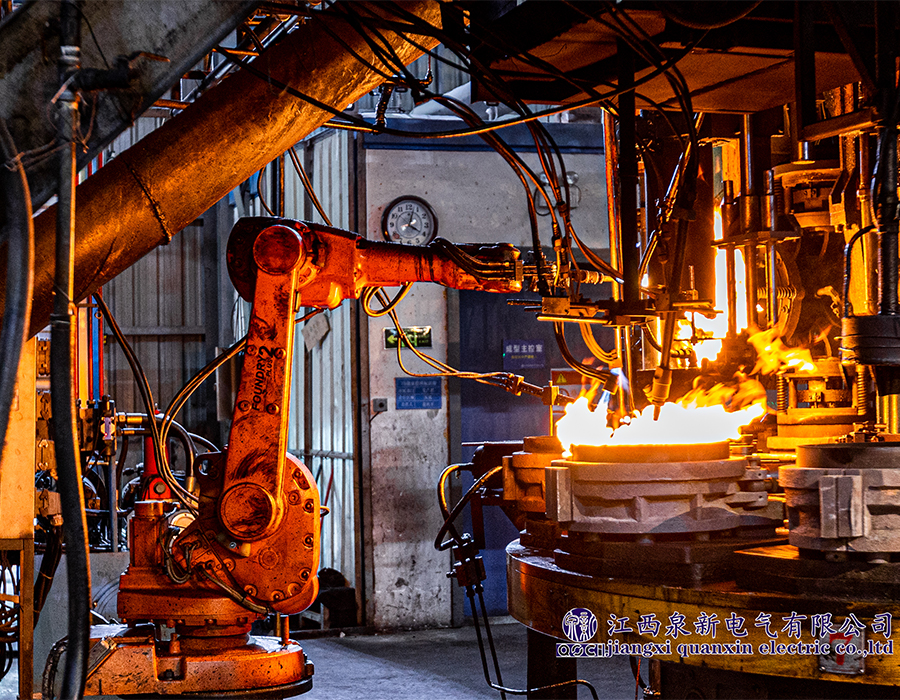
Precision hydraulic pressing ensures the uniform thickness and density of each glass shell, a prerequisite for high dielectric strength.
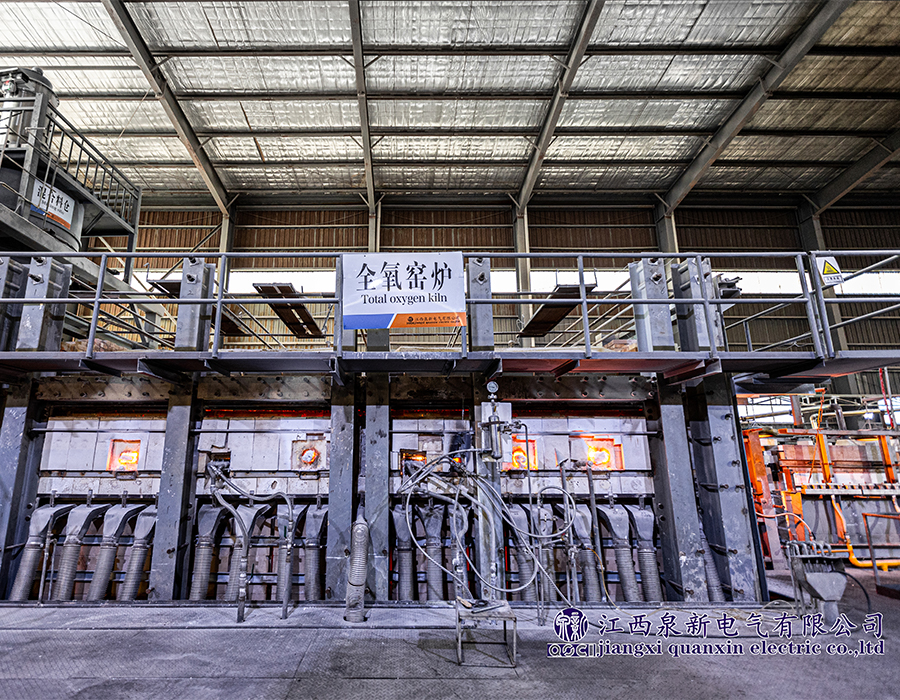
Our advanced oxygen-fuel combustion technology reduces emissions while providing a cleaner melt for ultra-clear toughened glass.
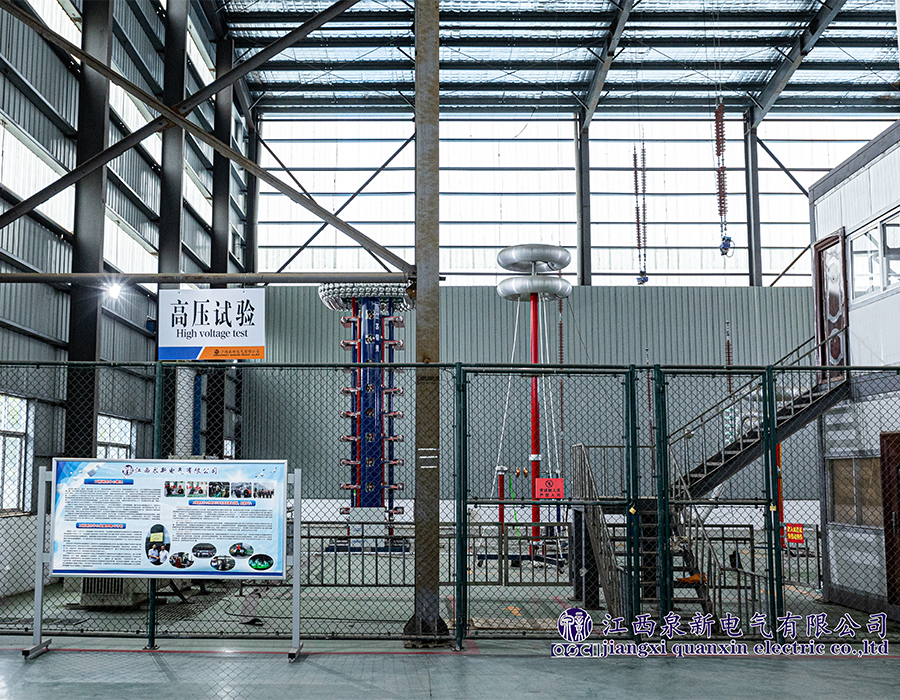
100% of insulators undergo power-frequency flashover and steep-front impulse testing to ensure zero defects leave our facility.