With the implementation of Vietnam's Power Development Plan VIII (PDP8), the demand for high-resiliency power equipment has skyrocketed. As the nation targets net-zero by 2050, the integration of offshore wind and solar requires insulators that can withstand salt-spray and extreme humidity.
The global insulator market is shifting toward toughened glass due to its "zero-maintenance" nature and visual fault detection. In 2024, international EPC contractors are prioritizing UHV (Ultra High Voltage) components that minimize grid downtime in tropical corridors.
Leveraging China's world-leading glass processing technology, Jiangxi QOCI Electric provides a unique synergy of cost-efficiency and high-tech R&D. Our fully automated kilns ensure zero-defect production with an annual output of 39,000 tons.
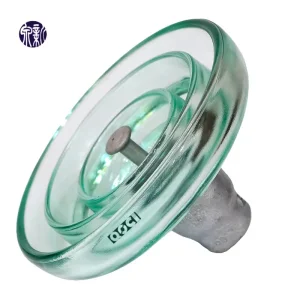
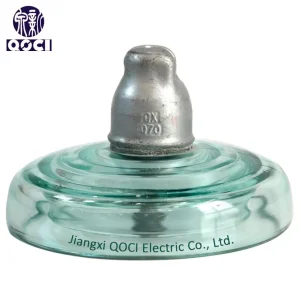
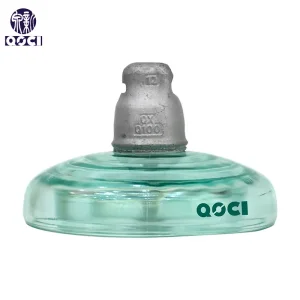
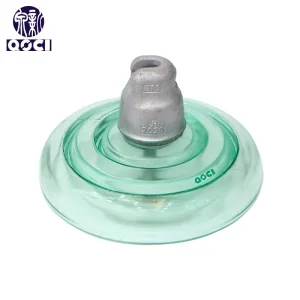
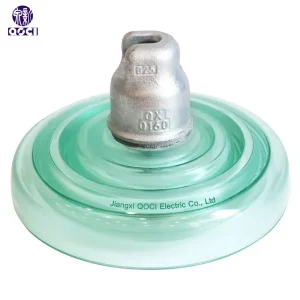
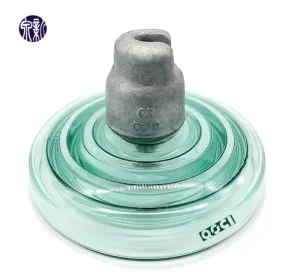
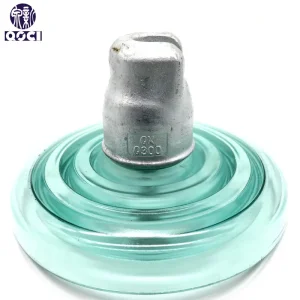
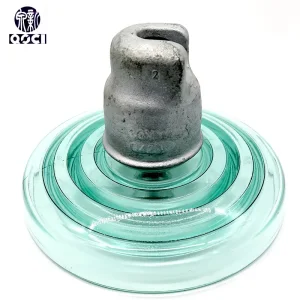
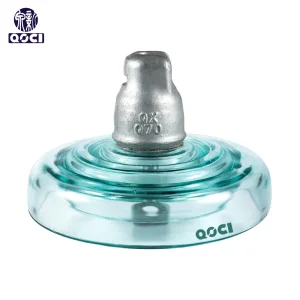
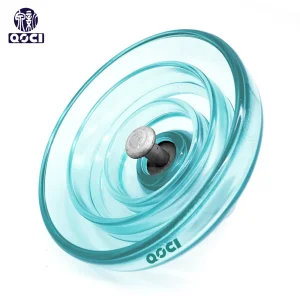
Vietnam's geography presents a unique challenge for power transmission. From the salt-laden air of Da Nang to the heavy industrial particulates in Binh Duong, the surface of a standard insulator can quickly become conductive, leading to flashovers. Our Anti-Pollution type insulators feature a specialized "deep rib" or "fog type" profile.
Key Innovation: The increased Creepage Distance. By extending the leakage path without significantly increasing the structural length, our U120BLP and U160BLP models ensure that even under heavy pollution deposits, the leakage current remains below critical thresholds. The toughened glass surface is naturally more resistant to the "tracking" effect compared to polymer alternatives.
Furthermore, our glass insulators possess a self-cleaning characteristic. The aerodynamic design allows tropical rains to wash away surface contaminants effectively, reducing the need for manual cleaning in hard-to-reach mountainous or swampy terrains common in Vietnam.
Founded in 2002 with a registered capital of 508 million Yuan, we have dedicated over two decades to serving world-class power grids. Located in Jiangxi, China, our 70,000 m² facility is the heart of our innovation.
Perfect for projects along the 3,000km+ coastline of Vietnam, where salt-fog corrosion is the primary cause of grid failure.
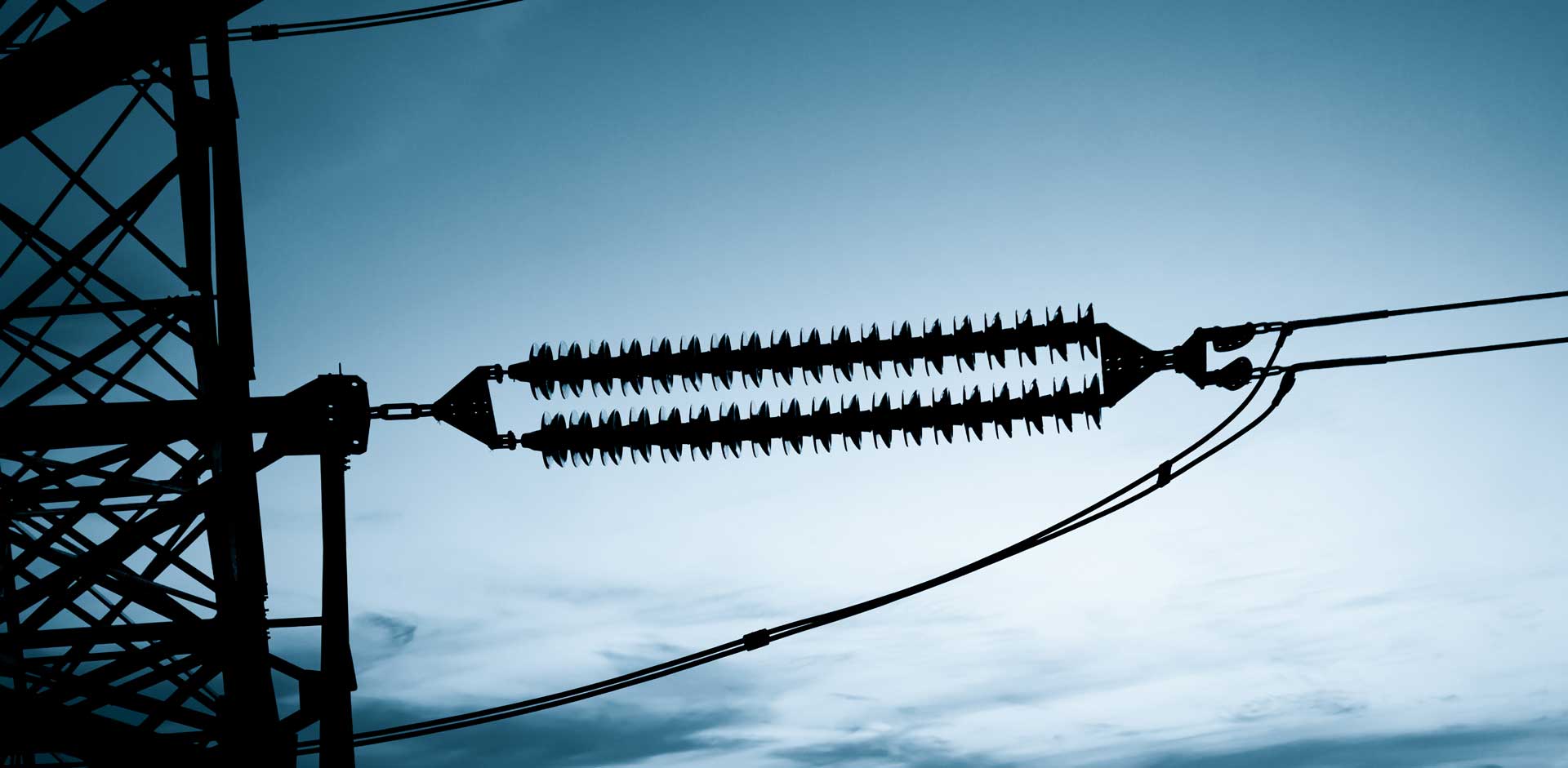
Designed for areas with heavy chemical particulates, such as steel mills and cement plants in the Haiphong industrial zone.
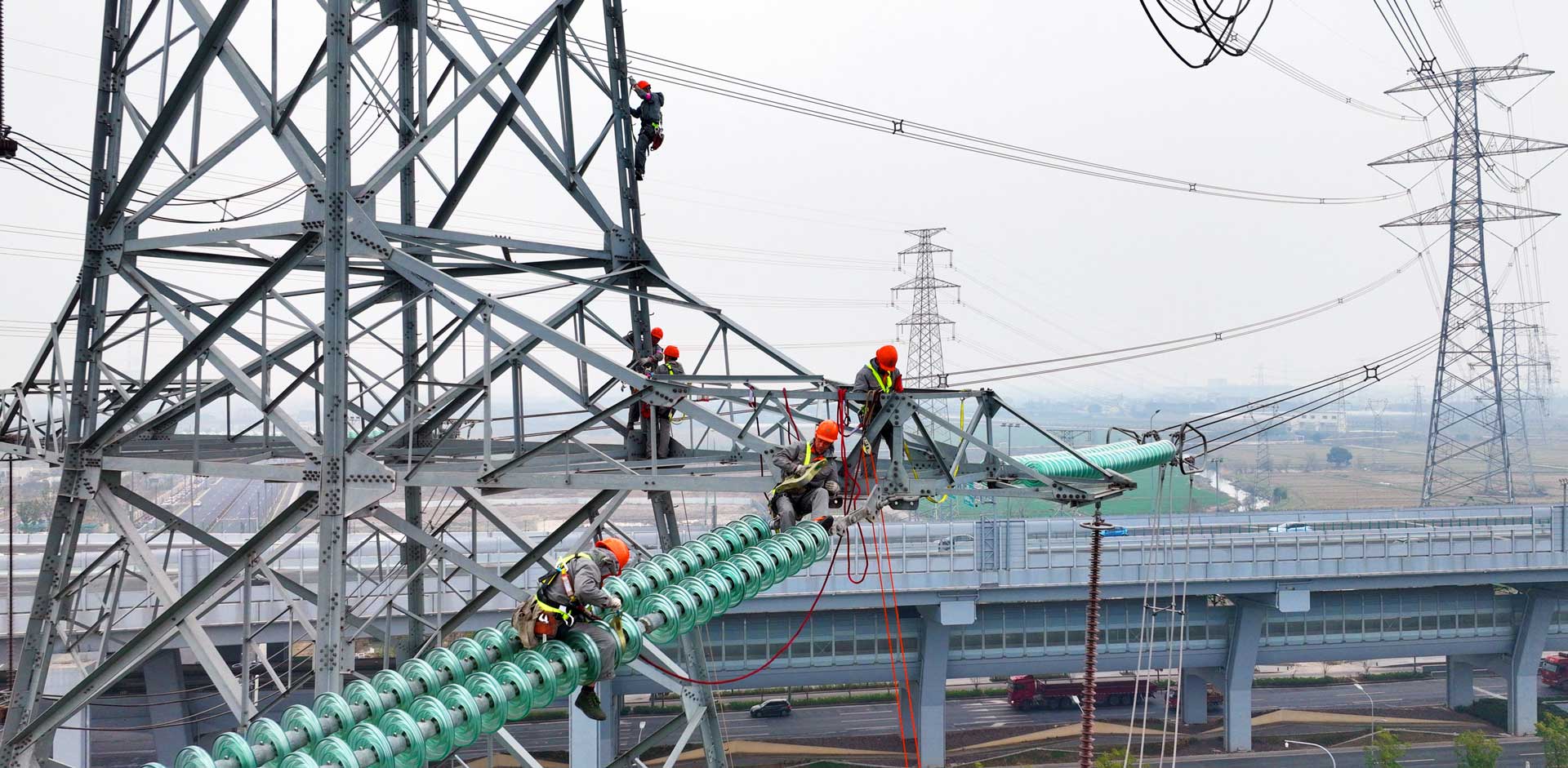
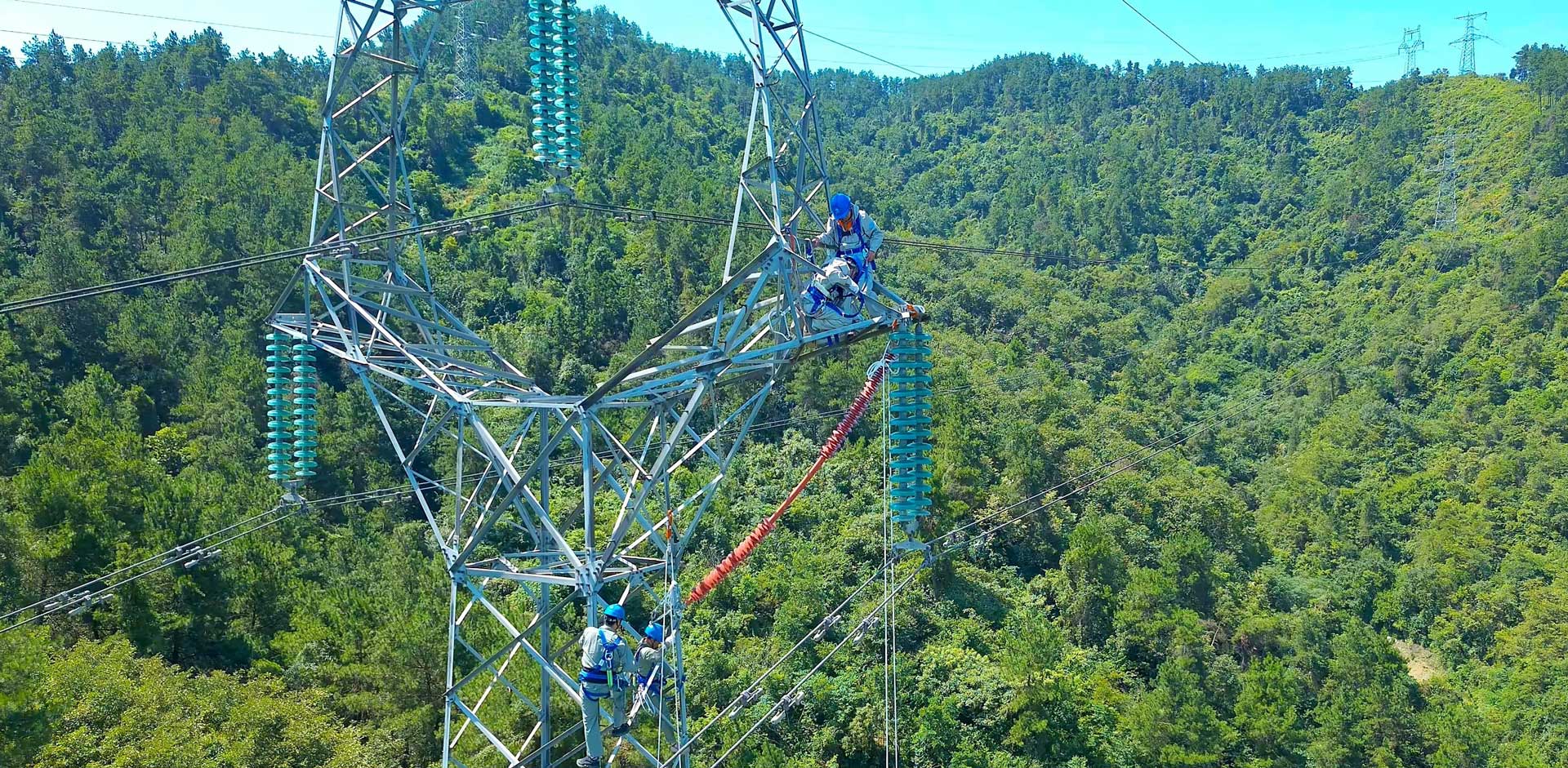
Supporting the massive influx of Solar and Wind power from Central Vietnam into the national 500kV backbone.
Unlike porcelain which can hide internal cracks, toughened glass "shatters" upon failure, leaving a visible "stub" that retains mechanical strength. This is crucial for Vietnamese maintenance teams who must inspect thousands of miles of lines through dense tropical forests—a visual check is 10x faster than electrical testing.
For the most extreme pollution zones, we offer Silicone-coated (RTV) glass insulators. This combines the mechanical strength of glass with the hydrophobicity of polymers, creating a "best-of-both-worlds" solution that is gaining traction among Vietnam's leading energy developers.
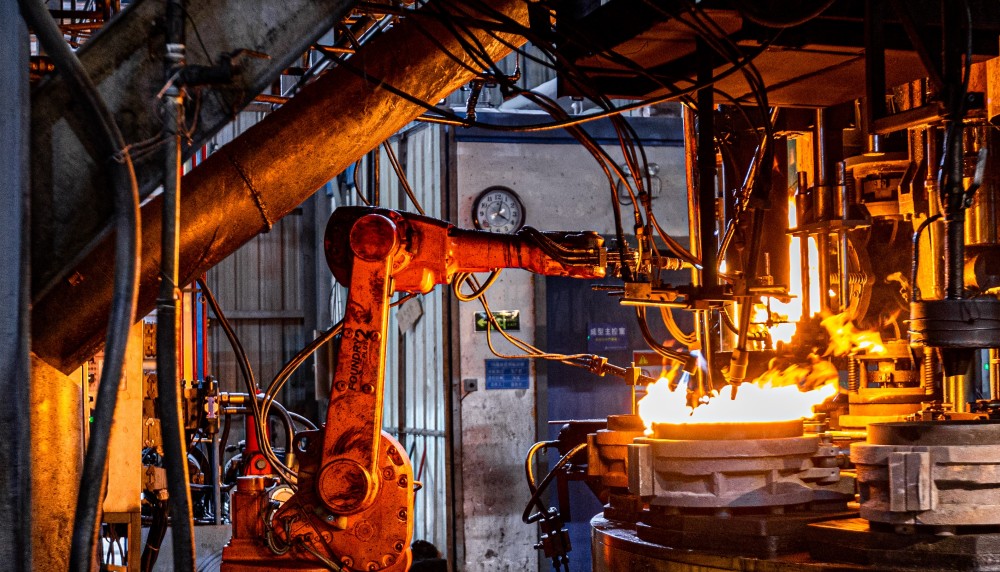
As Vietnam modernizes its grid, the need for consistent dielectric properties and high-altitude performance (up to 4000m) is paramount. Our manufacturing process uses "Total Oxygen Kilns" to ensure the glass structure is uniform at the molecular level.
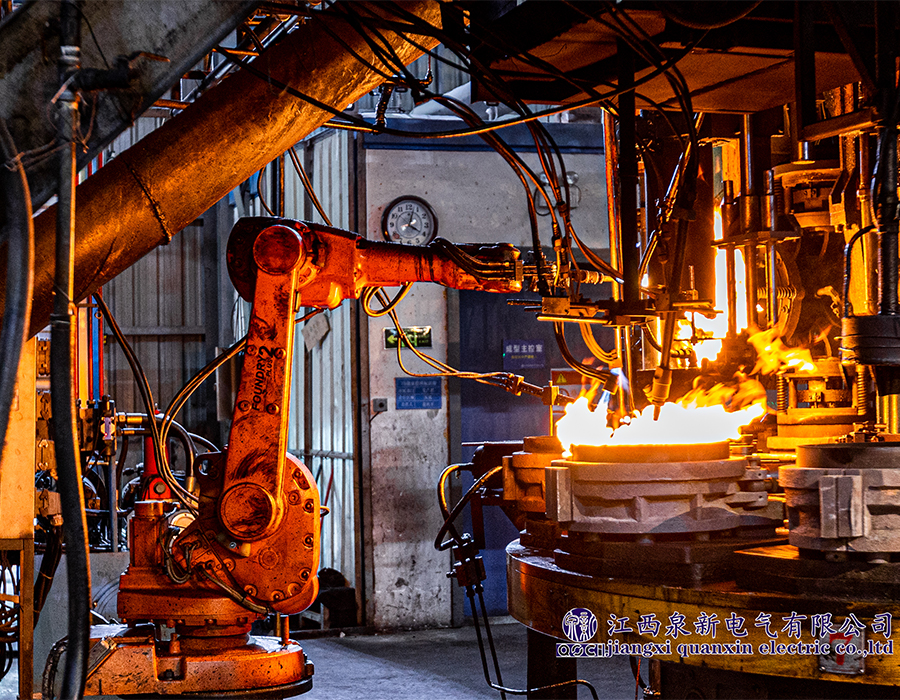
Forming Press
Automated precision molding for consistent geometry.
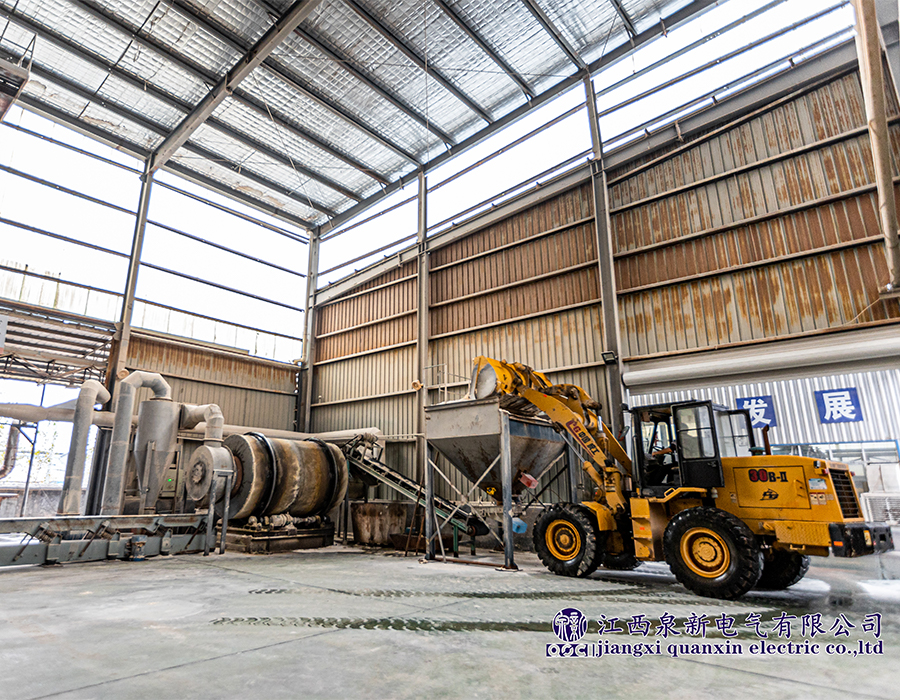
Automated Mixer
Ensuring chemical purity of the glass melt.
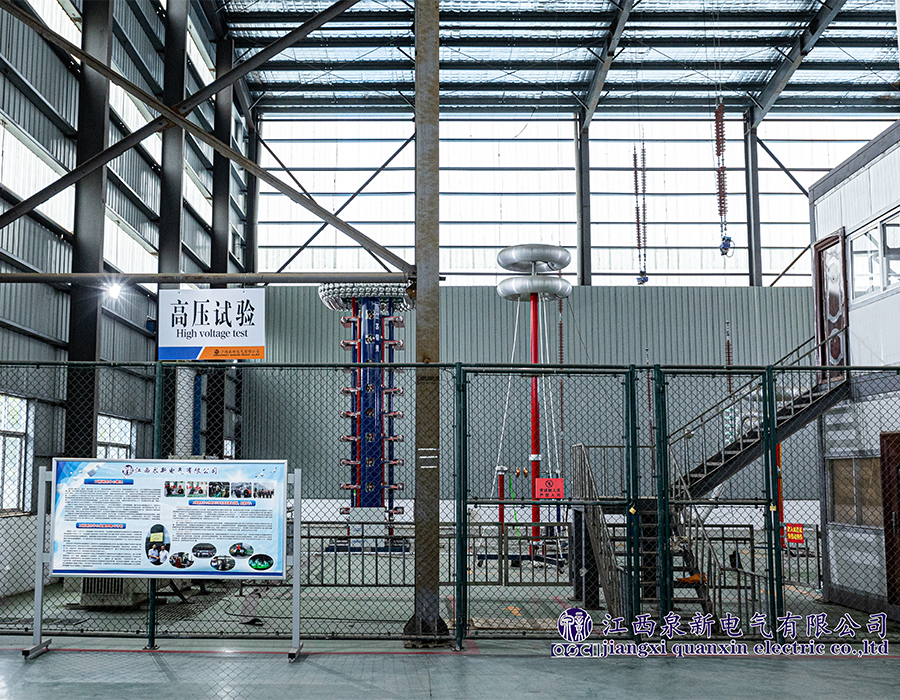
HV Testing Lab
Every batch is subjected to rigorous electrical stress tests.
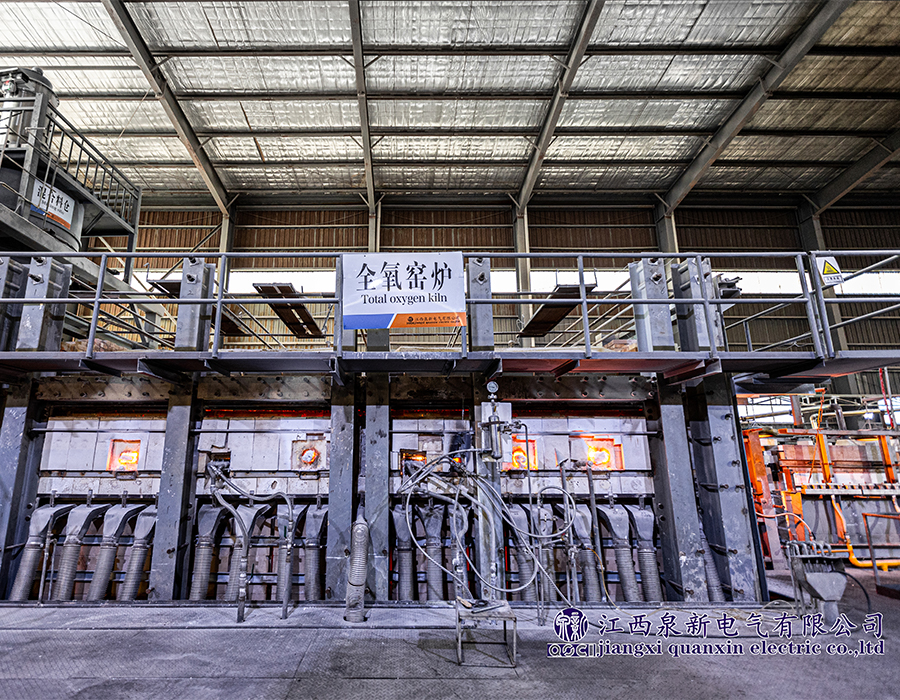
Total Oxygen Kiln
State-of-the-art smelting for high dielectric strength.
Contact our engineering team for a customized quote and technical consultation tailored for the Vietnam market.
Send Inquiry Now