Explore our core engineering catalog featuring toughened glass and high-strength porcelain electrical insulators designed for global grids.
Analyzing B2B market indicators, structural reliance, and global engineering deployment patterns.
The 70 kN disc insulator (suspension and tension type) represents the foundational mechanical baseline for medium-to-high voltage transmission and distribution systems globally. Rated for a minimum failing load of 70 kilonewtons, these components are widely deployed in 11kV, 33kV, 66kV, and 110kV line configurations. They act as critical structural links, bearing both physical mechanical tensions from conductor span weights and high-stress wind actions, alongside electrical isolation requirements.
Across Europe, the Americas, and the rapid-growth regions of Southeast Asia and Africa, utility operators are undergoing a massive transition from traditional porcelain elements to high-performance toughened glass suspension discs. The key driver is operational safety. Toughened glass displays a deterministic failure behavior (shattering without dropping the line), whereas porcelain can develop internal micro-fractures (punctures) that remain undetectable under standard optical inspections. This paradigm shift has propelled major engineering entities to source heavily from certified China 70 kN disc insulator factories, which have scaled production to meet strict IEC 60305, IEC 60383, and ANSI C29.2 mechanical and electrical standards.
"Sourcing strategic grid components relies on verifiable factory metrics. Modern power systems demand zero-defect tolerance at the 70 kN threshold, meaning factory output must rely on automated kiln parameters and mechanical prestress processing."
In mechanical design calculations for transmission corridors, the tension and suspension strings are calculated with specific safety factors (typically 2.5 to 3.0 times the everyday tension load). A 70 kN rating represents a highly optimized sweet spot between cost efficiency and structural strength, making it the most procured specification for sub-transmission lines worldwide. When deploying standard profiles or RTV silicone-coated glass units in heavily polluted marine environments or desert terrain, mechanical integrity remains the primary line of defense against catastrophic cascading grid failures.
Verifiable industrial infrastructure metrics from our Luxi County, Pingxiang manufacturing hub.
Founded in December 2002, Jiangxi QOCI Electric Co. Ltd has established itself at the forefront of China's high-strength glass and porcelain insulator supply chain. Our facility in the Industrial Park of Luxi County, Pingxiang, Jiangxi Province, capitalizes on the region's rich mineral resources and concentrated engineering expertise. With over 26 invention and utility patents, our enterprise represents a benchmark for the optimization of high-voltage transmission lines.
Our manufacturing ethos blends high reliability with competitive pricing, offering global utilities a streamlined, direct-from-factory logistics timeline. Our engineering department specializes in toughened glass formulations that achieve uniform thermal tempering, maximizing mechanical stability under thermal shock conditions ranging from -40°C to +120°C.
Comparing the functional parameters of our primary glass insulator profile designs.
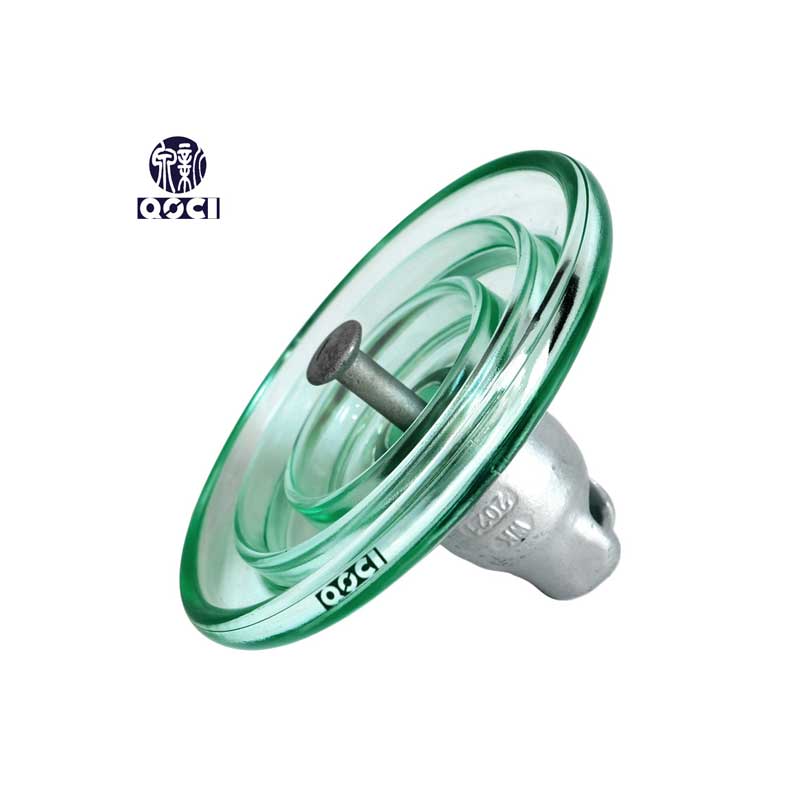
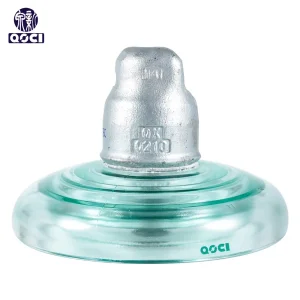
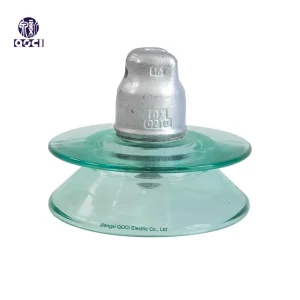
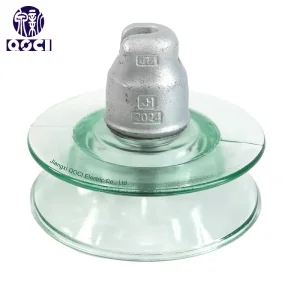
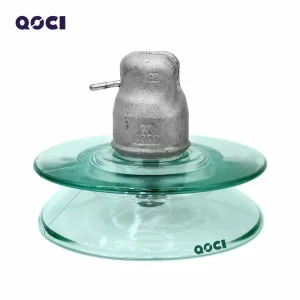
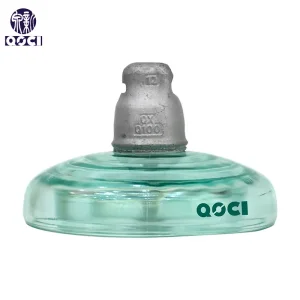
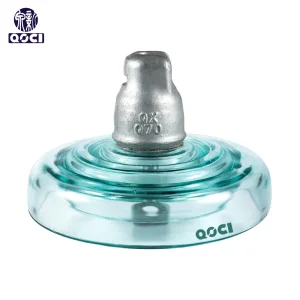
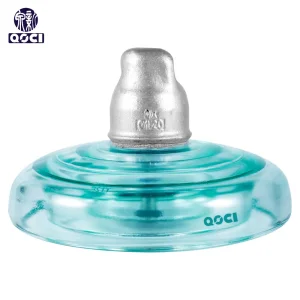
Designed with shallow, optimized under-ribs that promote self-cleaning via natural wind and rainfall. Features a leakage distance exceeding basic IEC 60305 specifications.
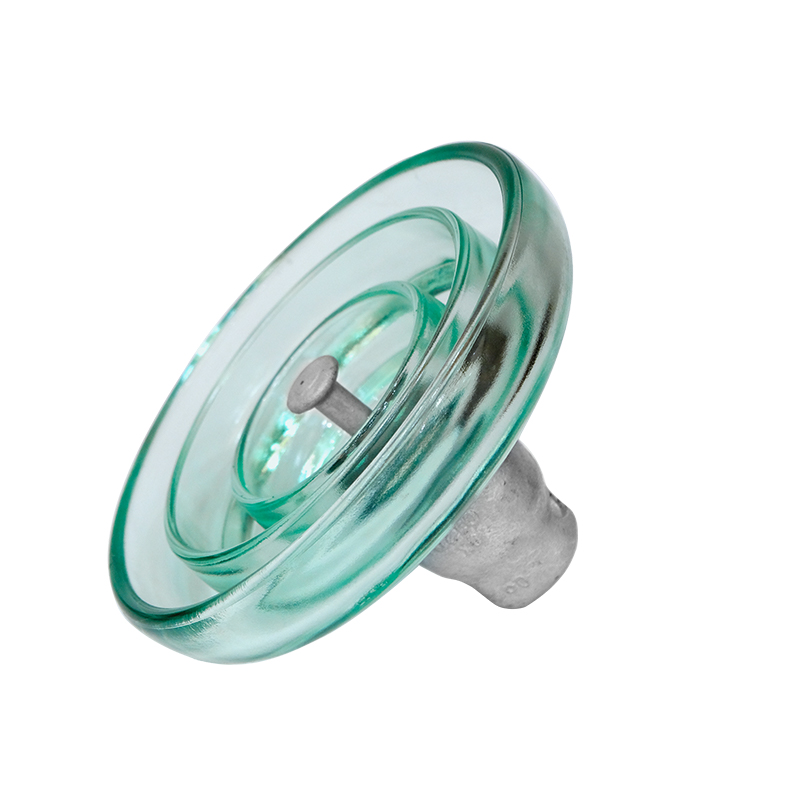
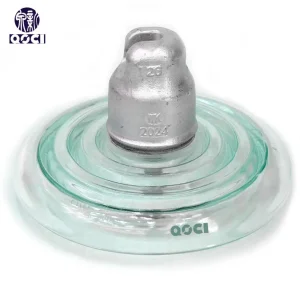
Characterized by deep, widely spaced ribs that inhibit salt-fog or pollution bridging. Ideal for industrial zones, agricultural chemical pathways, and heavy coastal corridors.
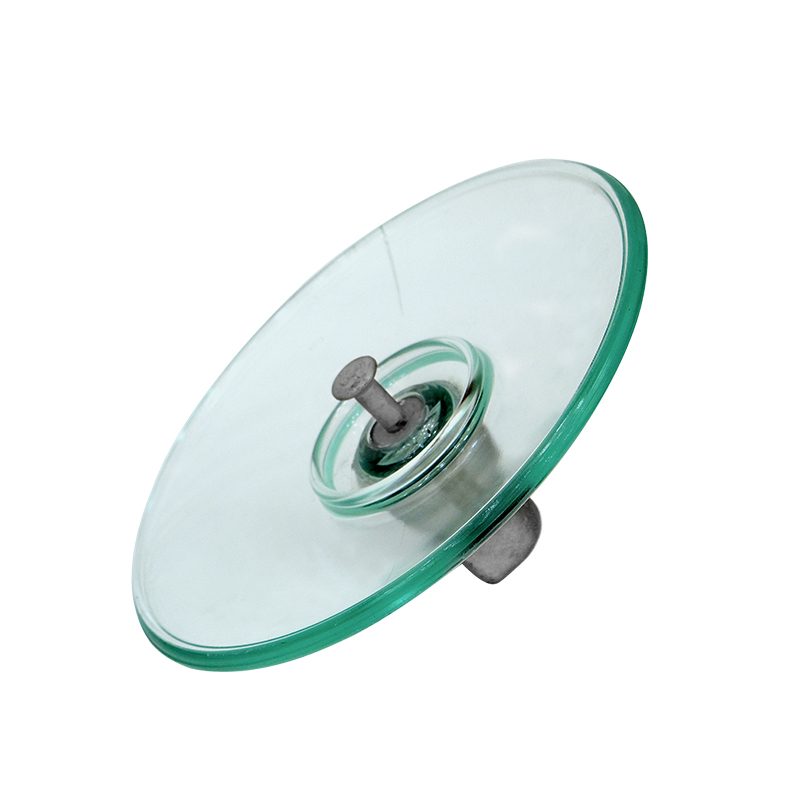
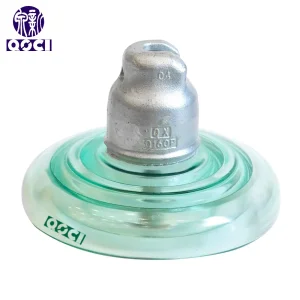
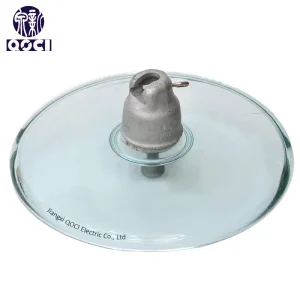
Features a complete absence of lower ribs and an extended disc diameter. This structure limits dust/sand collection in desert zones and eliminates ice-bridging pathways.
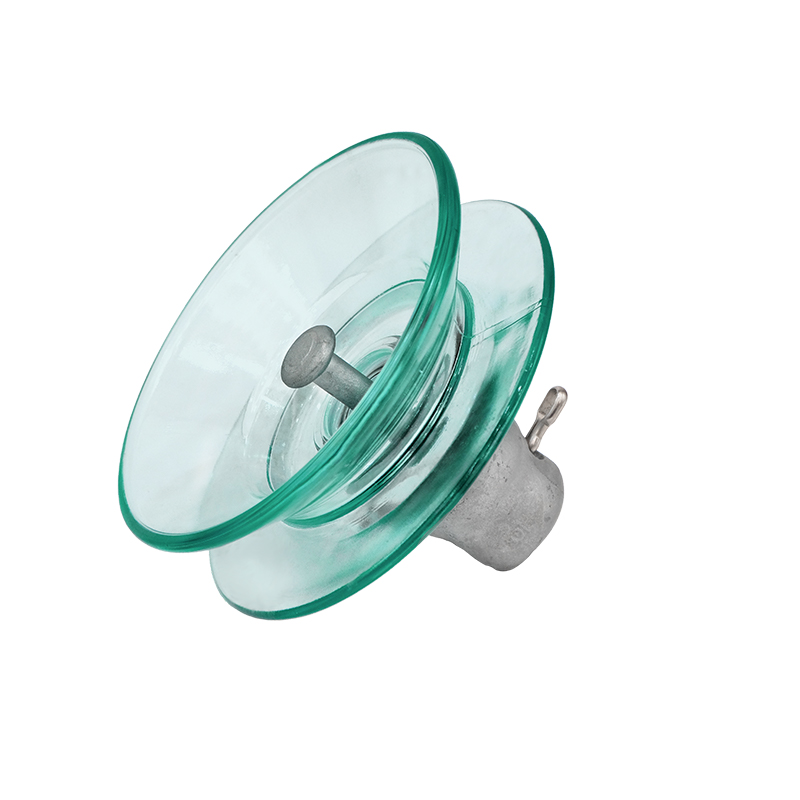
Uses two distinct external ribs to minimize solid dust accumulation while providing an anti-pollution creepage distance. Highly suited for areas requiring manual cleaning.
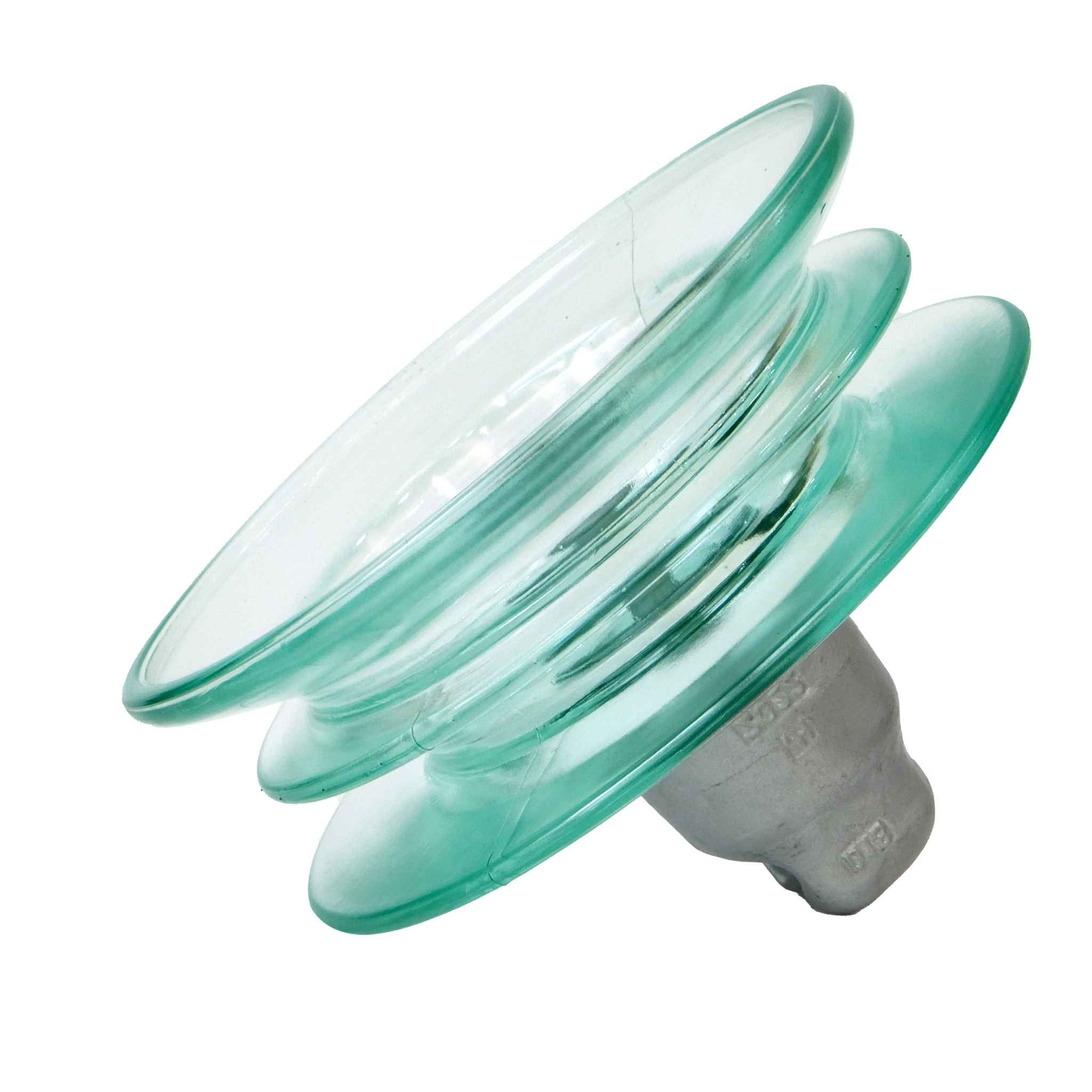
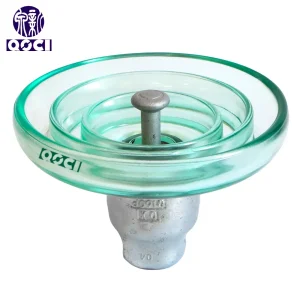
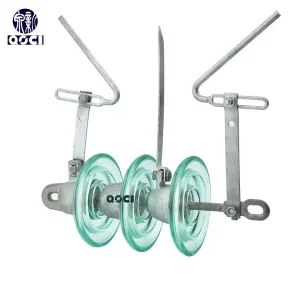
Features three separate layers of glass discs on a single body, ensuring maximum creepage distance. Typically deployed in UHV installations and high-altitude, humid regions.
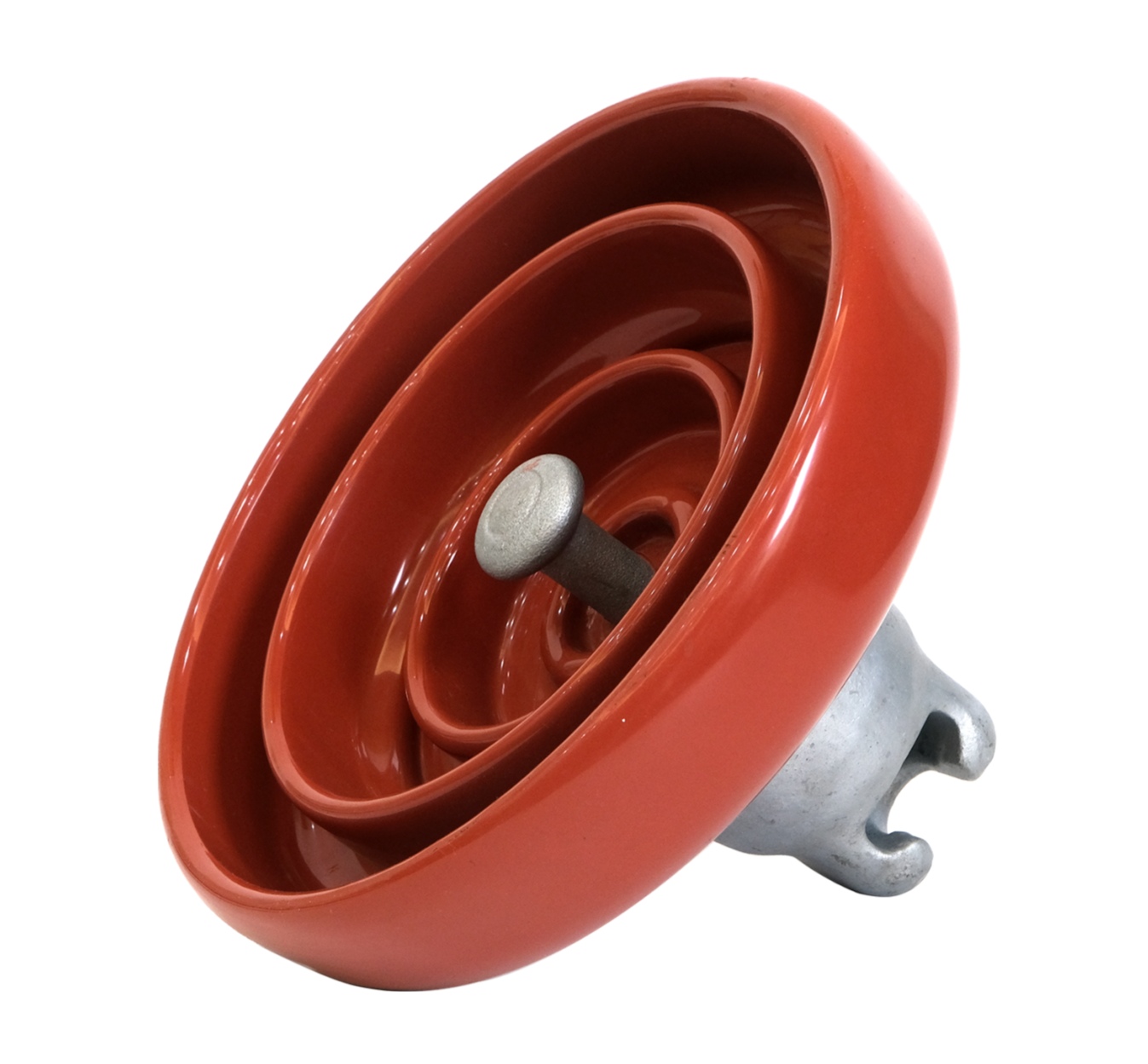
Toughened glass pre-coated at the factory with Room Temperature Vulcanization silicone. Combines the physical strength of glass with the hydrophobic surface properties of polymers.
How Jiangxi QOCI Electric achieves consistency and mechanical reliability across its production lines.
Utilizing high-purity raw materials in our total oxygen gas kilns. This precise thermal treatment eliminates micro-voids, bubbles, and mineral impurities in the glass batch, guaranteeing high dielectric strength.
Melted glass is distributed to automated forming presses to shape the insulation shells. Rapid air-quenching creates uniform compressive stresses on the surface, producing toughened glass properties.
Every shell undergoes severe thermal shock cycles and high-voltage electrical tests. Metal caps and pins are attached using high-strength aluminate cement, followed by a tensile load test up to 70 kN.
Our quality management system is certified to ISO 9001, ISO 14001, and ISO 45001. During assembly, the centering of the steel pin and malleable cast iron cap is controlled electronically to prevent asymmetrical stress distributions. This process ensures that under high winds or line galloping, the mechanical load path remains centered, keeping the line secure.
Selecting the optimal material system based on maintenance costs, lifecycle, and safety factors.
| Performance Metrics | Toughened Glass (70 kN) | Porcelain/Ceramic (70 kN) |
|---|---|---|
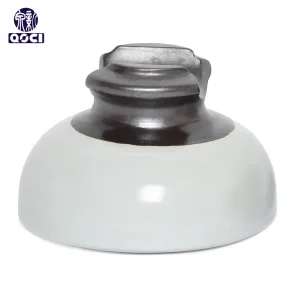
| Failure Diagnosis | Visual self-shattering (glass shell falls off, steel pin remains physically sound). Easy to spot. | Internal puncture (invisible micro-cracks). Requires manual measurement or ultrasonic testing. |
| Aging Properties | Negligible aging over 40+ years; maintains structural properties. | Subject to thermal aging and moisture absorption over time. |
| Mechanical Load Path | High residual mechanical load capability even when glass is shattered. | Total body rupture can lead to dropped conductor lines. |
| Pollution Flashover Resistance | Can be enhanced with RTV coating for hydrophobicity. Easy self-cleaning. | Requires regular glaze cleaning to prevent dry-band arcing. |
| Eco-Friendly / Recyclable | 100% recyclable glass shell. | Difficult to recycle; typically treated as construction waste. |
From a structural standpoint, the self-shattering characteristic of tempered glass insulators is a significant operational advantage. When a glass unit fails due to electrical puncture or physical impacts, the tempered shell breaks into small, harmless fragments, leaving the metal cap and pin assembly intact to hold the conductor line. In contrast, a punctured porcelain insulator retains its exterior shape, hiding the electrical path and potentially leading to unexpected line drops or tracking currents.
Performance in diverse climatic conditions, industrial zones, and high-pollution coastal areas.
The selection of the appropriate shed geometry depends on local geographical and weather conditions:
Explore our complete catalog of ANSI, IEC, and custom electrical insulators manufactured for international utilities.
Certifications and partnerships that confirm our factory's capabilities.
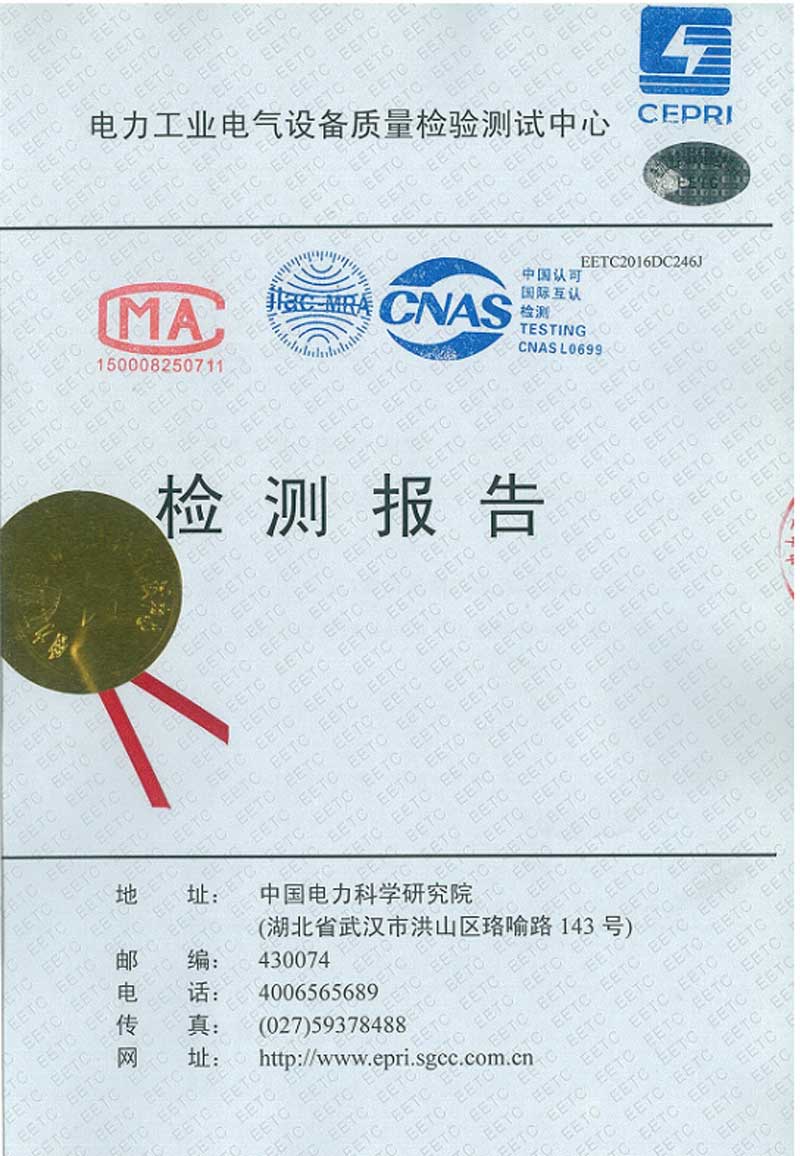
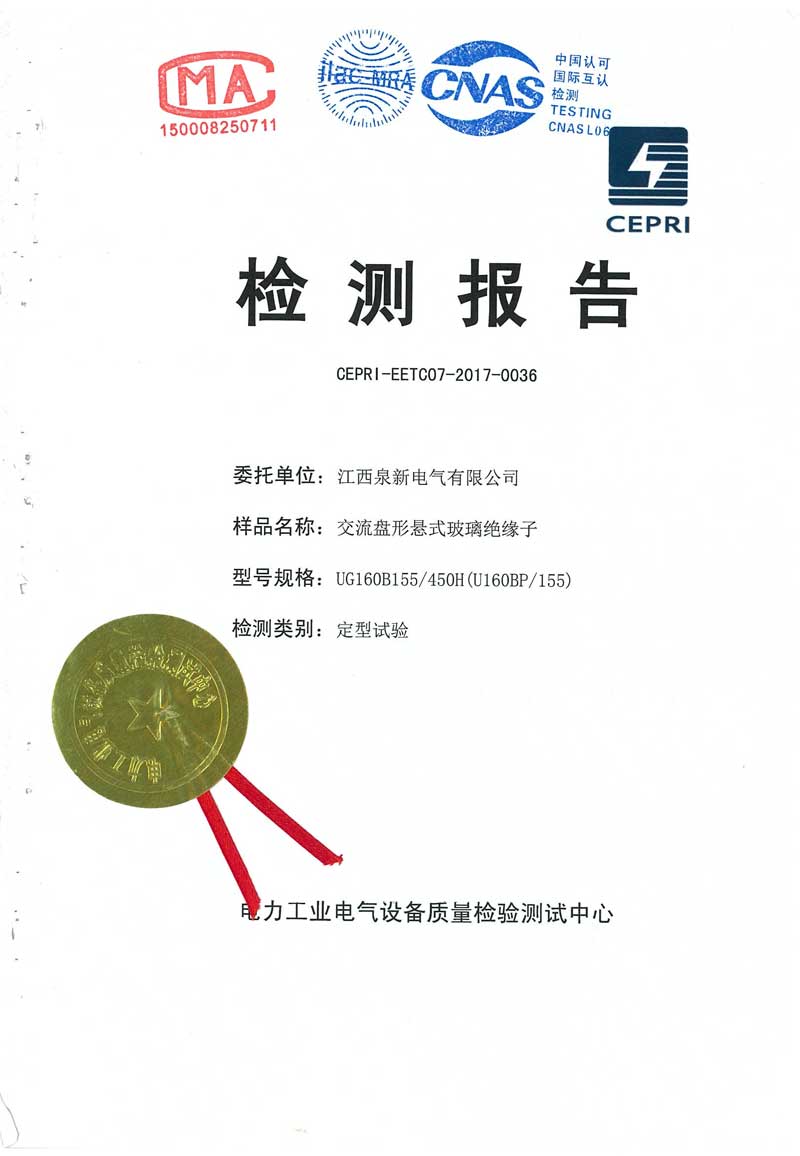
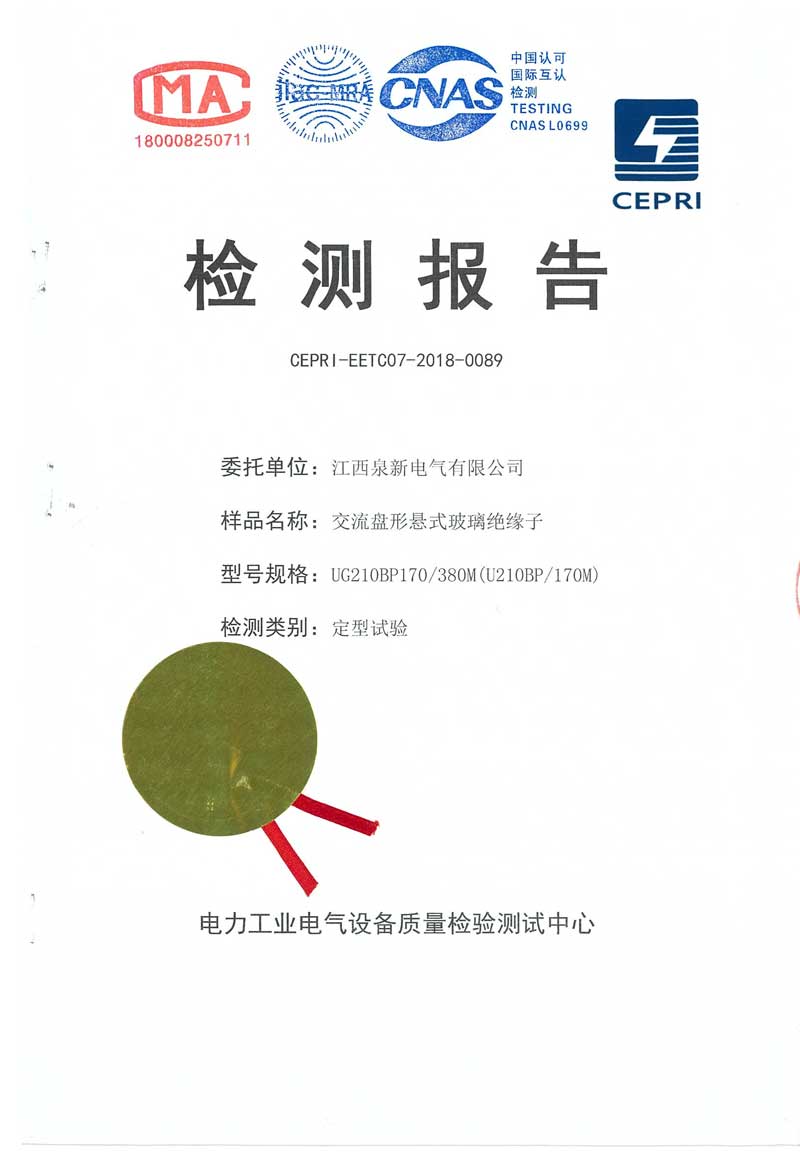
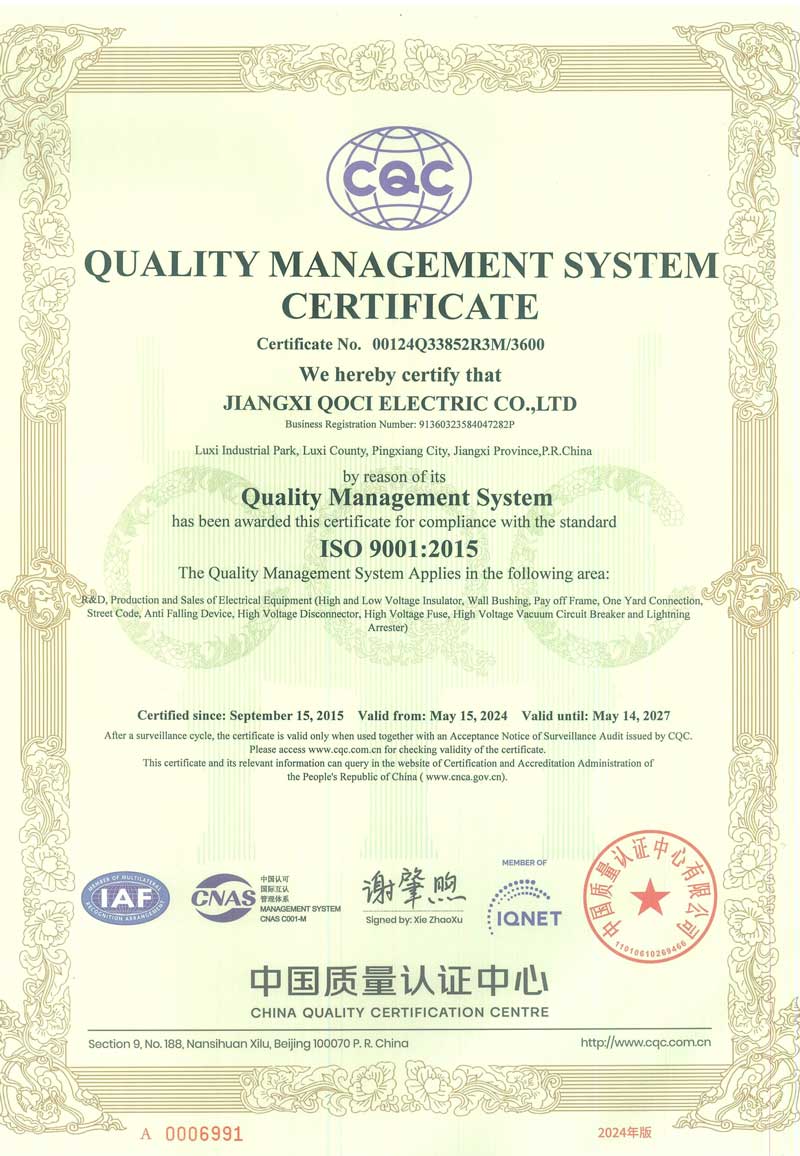
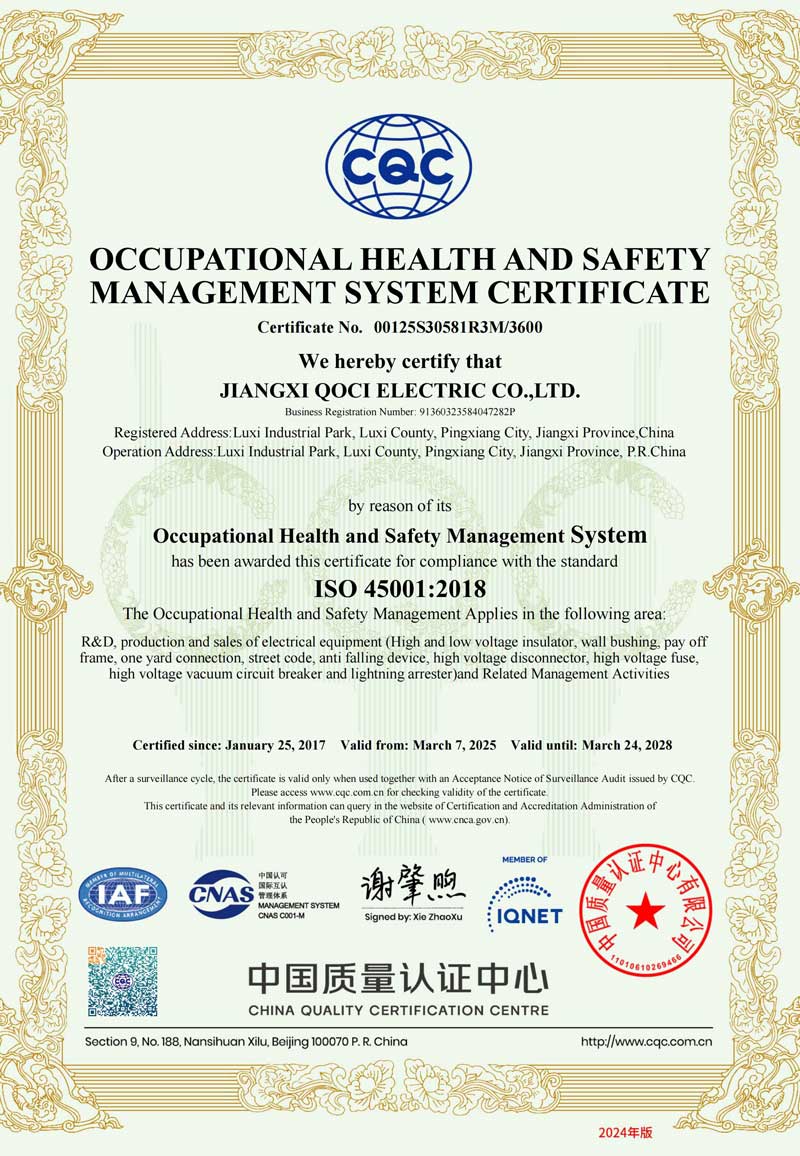
Jiangxi QOCI Electric maintains compliance with global laboratory audits (such as KEMA and CESI type testing). Our partners include international contractors, utility providers, and infrastructure developers. With an annual output of 39,000 tons of glass products, our logistics supply chain supports quick delivery to major global ports.
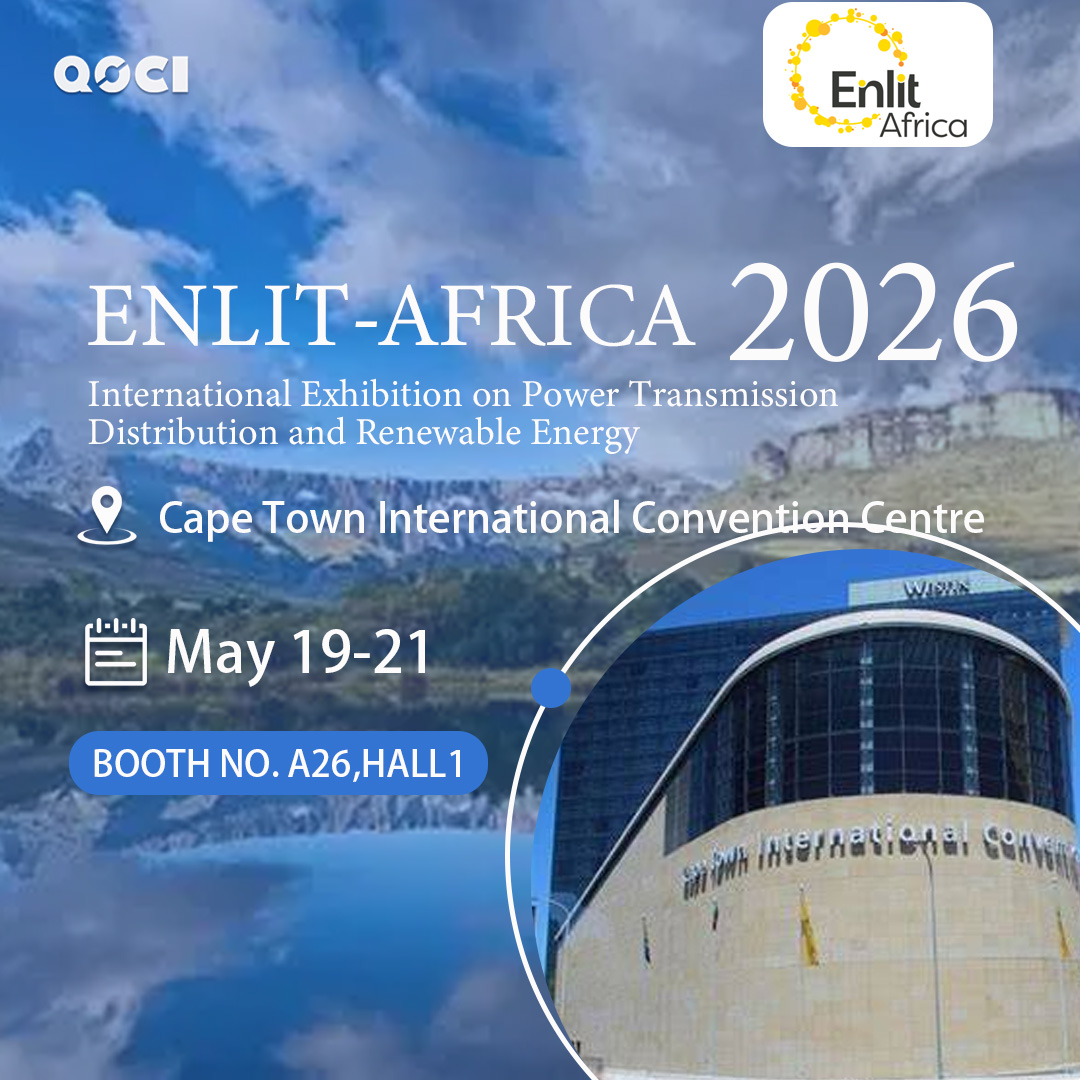
Exploring power grid stability, renewable energy integration, and specialized glass insulator solutions for African utilities.
Read Press Release →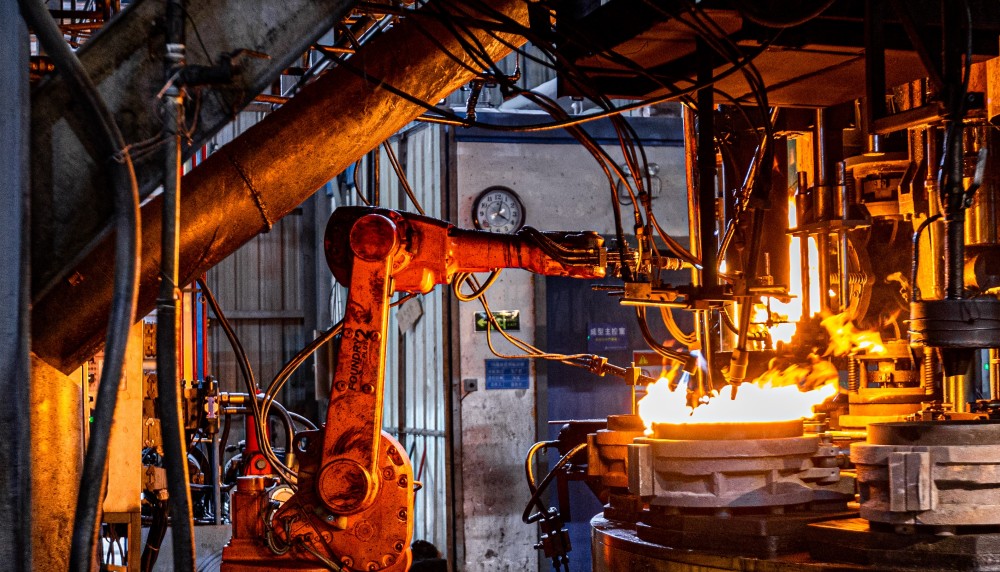
Showcasing our 70 kN to 300 kN glass insulator series at the IEEE PES T&D Conference and Exposition.
Read Press Release →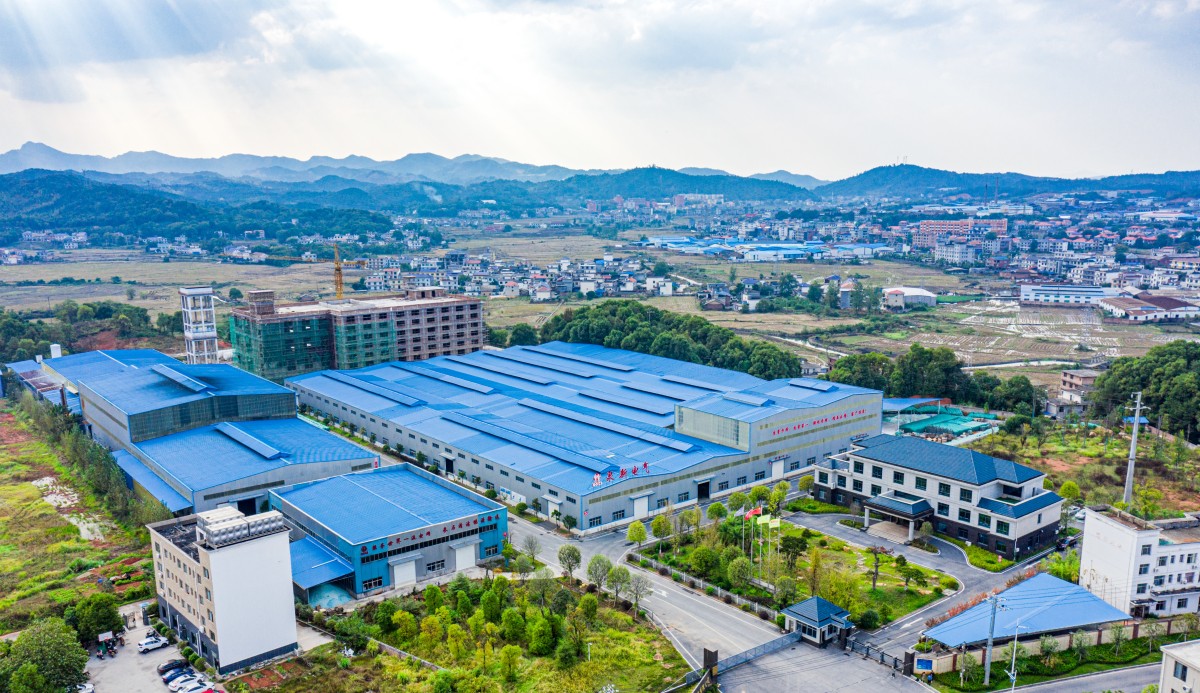
An overview of the manufacturing advancements in Chinese factories that help them withstand severe environmental conditions globally.
Read Press Release →Answers to common questions from grid engineers and procurement managers.