Highly certified transmission line solutions optimized for safety, mechanical reliability, and environmental durability.
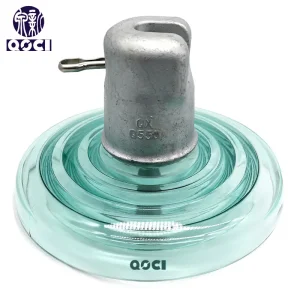
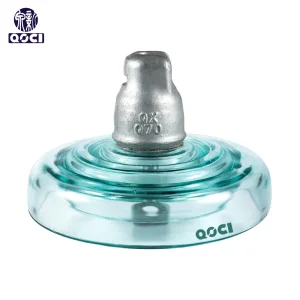
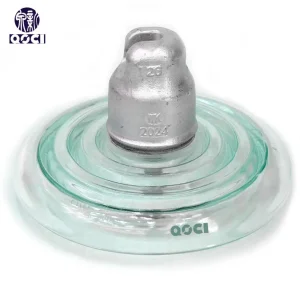
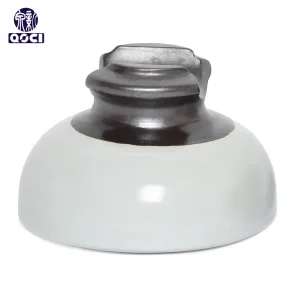
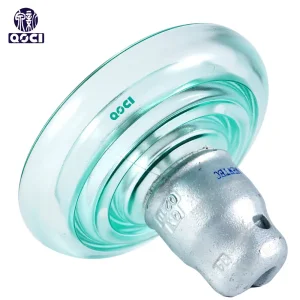
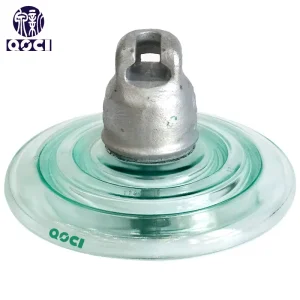
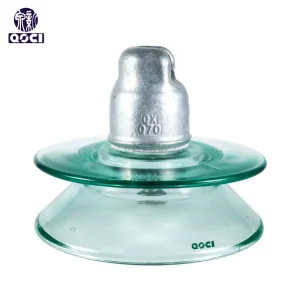
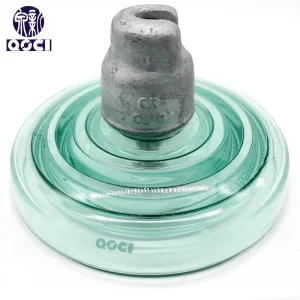
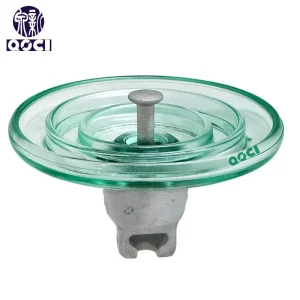
In high-voltage power transmission networks, transmission line engineering requires absolute security, mechanical persistence, and outstanding electrical insulation. Among the industry standards, the U120BL toughened glass suspension insulator represents a benchmark component. Utilized heavily in medium-to-ultra-high voltage overhead lines, this glass disc insulator is engineered to support mechanical failing loads up to 120 kN while resisting thermal expansion, pollution tracking, and lightning overvoltages.
Globally, transmission system operators (TSOs) face increasing challenges from volatile weather events and expanding grid grids. Standard porcelain models are steadily being substituted by toughened glass isolators like the U120BL. The primary driver is the intrinsic structural behavior of toughened glass: under high mechanical stress, it either performs flawlessly or shatters predictably, rendering faults immediately visible without the need for micro-crack detection procedures.
China has emerged as the premier manufacturing hub for these systems, with advanced factories implementing automated batching, full oxygen kilns, and real-time stress testing. This whitepaper analyzes the mechanical physics, manufacturing methods, localized performance parameters, and the strategic positioning of China’s leading factories in the high-voltage supply chain.
Featuring a leakage distance higher than standard minimums, standard U120BL profiles use shallow, well-spaced ribs that clean naturally through wind and rain action. Ideal for low-to-medium pollution zones.
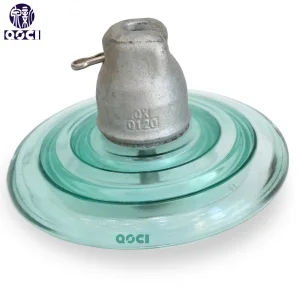
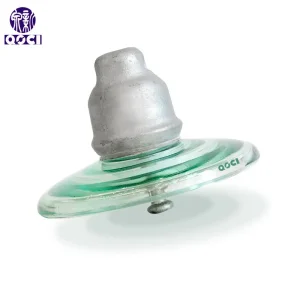
Designed with longer, widely-spaced under-ribs to avoid arc bridging. Perfect for marine coastlines (salt fog) and dry industrial regions needing elevated creepage parameters.
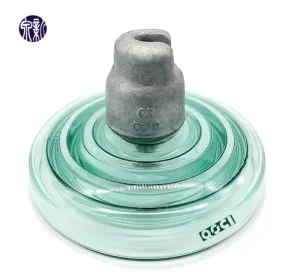
Room Temperature Vulcanized silicone coated on toughened glass surfaces gives hydrophobicity, keeping leakage current to a minimum and preventing flashovers in heavy smog environments.
"Responsibility is the guarantee of quality. Serving the world-class power grid with dedication, actively participating in the construction of green energy globally."
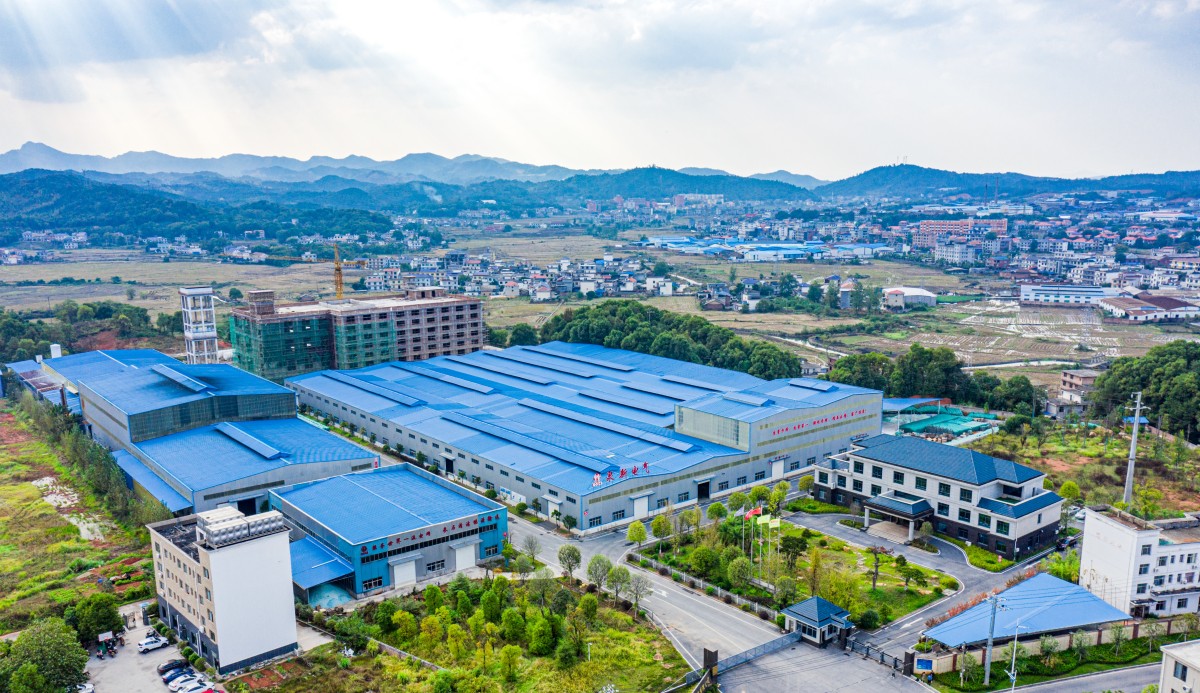
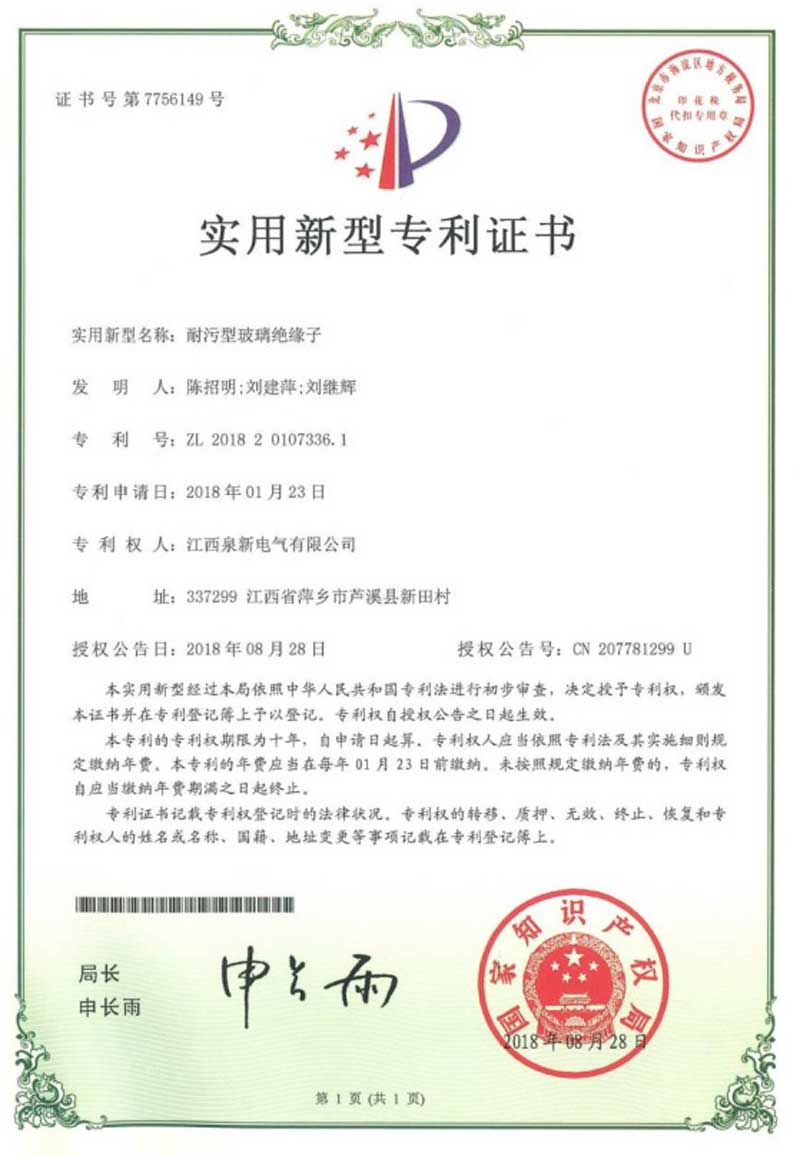
Jiangxi QOCI Electric Co. Ltd was founded in December 2002 with a registered capital of 508 million Yuan. Headquartered inside the Industrial Park of Luxi County, Pingxiang City, Jiangxi Province, China, the corporation spans an area of 70,000 square meters. Underpinned by massive capital reserves, QOCI Electric has focused on the production of high-strength glass isolators for low-voltage, high-voltage, ultra-high voltage, and extra-high voltage AC & DC transmission lines.
The factory currently achieves an annual output of 39,000 tons of premium-grade toughened glass insulators. Backed by 53 specialized engineering technicians and 26 invention/utility patents, our manufacturing plants integrate total oxygen kilns and advanced thermal toughening lines. This high technical integration ensures that every U120BL glass disc meets stringent national and international standards (IEC 60305, IEC 60383, ANSI).
As a trusted Chinese manufacturer, we support our clients with fast delivery times, competitive structural pricing, and robust quality assurances.
Physical and electrical ratings for standard and anti-pollution variants under global standards.
The U120BL designation represents specific standardized characteristics according to IEC 60305. The 'U' indicates a suspension disc unit, '120' specifies the electromechanical failing load of 120 kilonewtons, and the 'B' designation maps to the socket-and-ball coupling size (typically 16mm or 20mm coupling pins under IEC 60120). The 'L' represents the standard socket-ball style height/creepage spacing parameters.
| Insulator Parameter | Standard Profile Specifications | Anti-Pollution / Fog Profile Specifications | Relevant Compliance Standards |
|---|---|---|---|
| Mechanical Failing Load | 120 kN | 120 kN | IEC 60305 / ANSI C29.2 |
| Disc Diameter (D) | 255 mm | 280 mm / 320 mm | IEC 60305 |
| Unit Spacing (H) | 146 mm | 146 mm / 155 mm | IEC 60305 |
| Nominal Creepage Distance | 320 mm | 450 mm / 550 mm | IEC 60815 (Pollution Class III/IV) |
| Dry Power Frequency Flashover | 80 kV | 85 kV | IEC 60383-1 |
| Wet Power Frequency Flashover | 45 kV | 50 kV | IEC 60383-1 |
| Lightning Impulse Withstand | 110 kV (Positive) / 115 kV (Negative) | 120 kV (Positive) / 125 kV (Negative) | IEC 60060-1 |
| Coupling Size | 16 mm (Socket & Ball) | 16 mm / 20 mm | IEC 60120 / ANSI C29.2 |
To ensure mechanical reliability, the steel pin and iron cap are assembled using high-grade alumina cement, combined with an elastic cushion layout to handle temperature variations. Mechanical stress distribution within the glass body is uniform, keeping local electric stress concentration to a minimum.
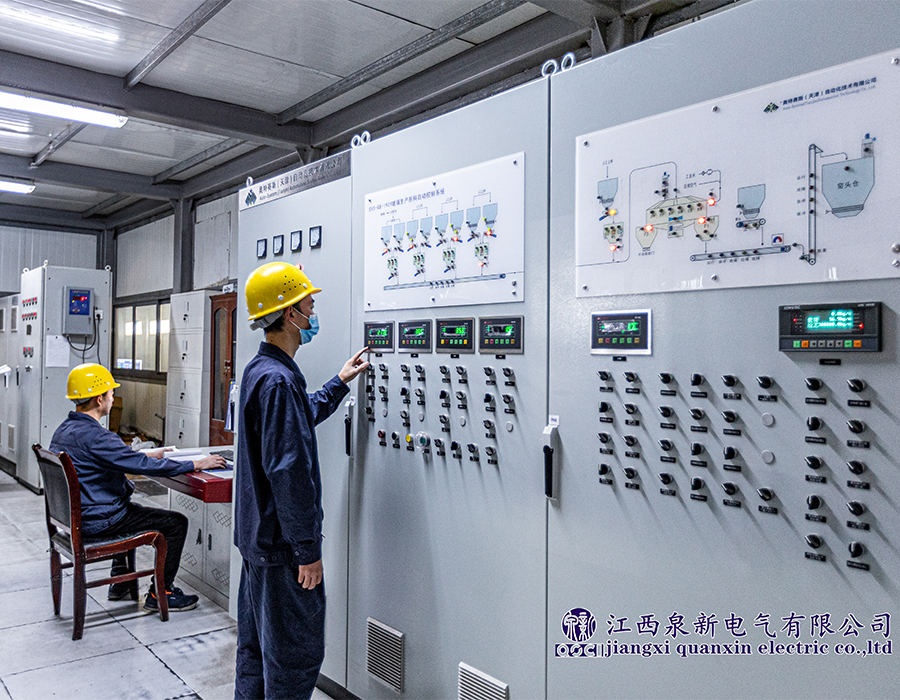
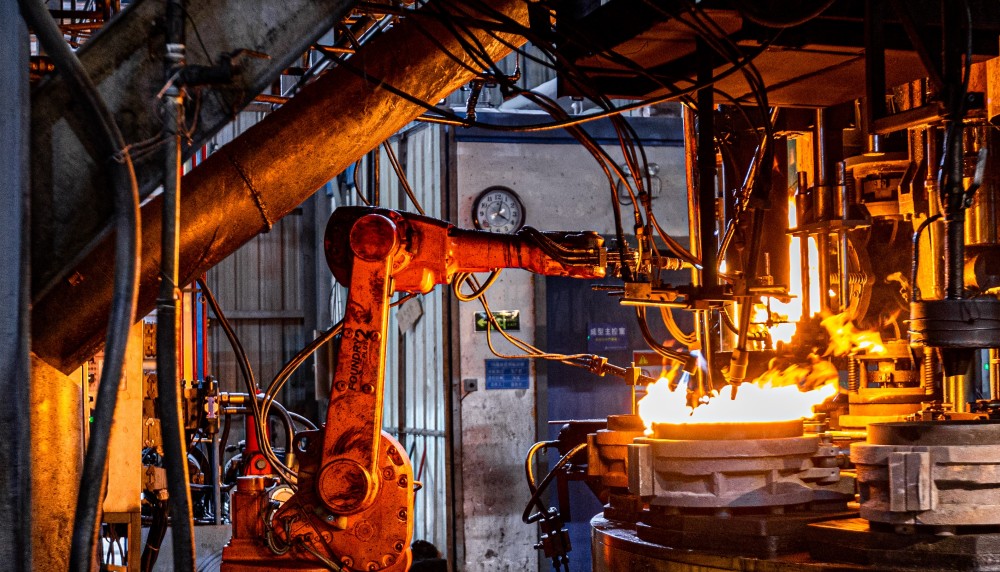
Take a look inside QOCI Electric's automated production facility and testing labs.
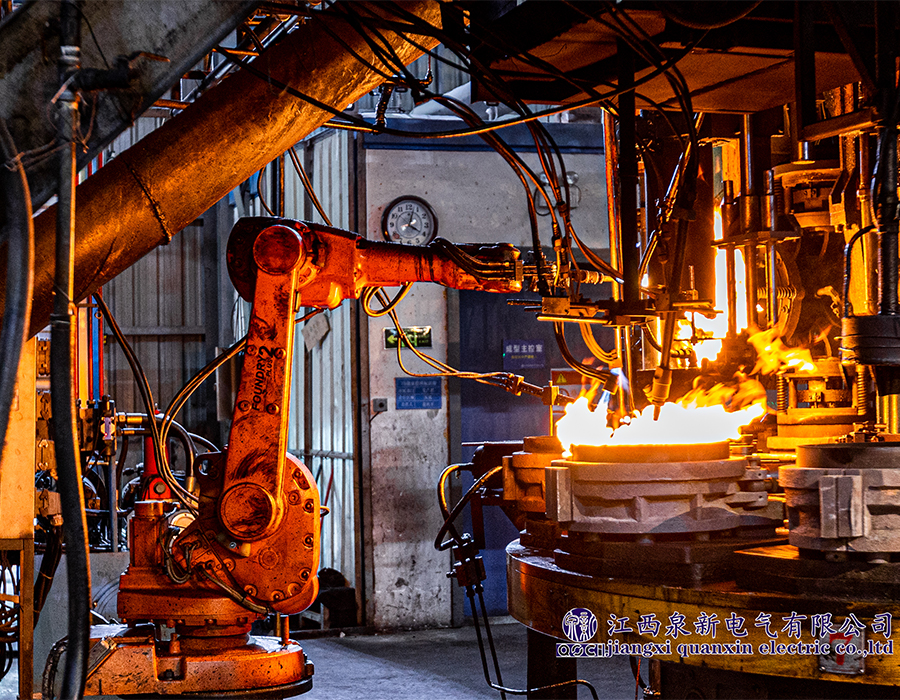
Automated Forming Press
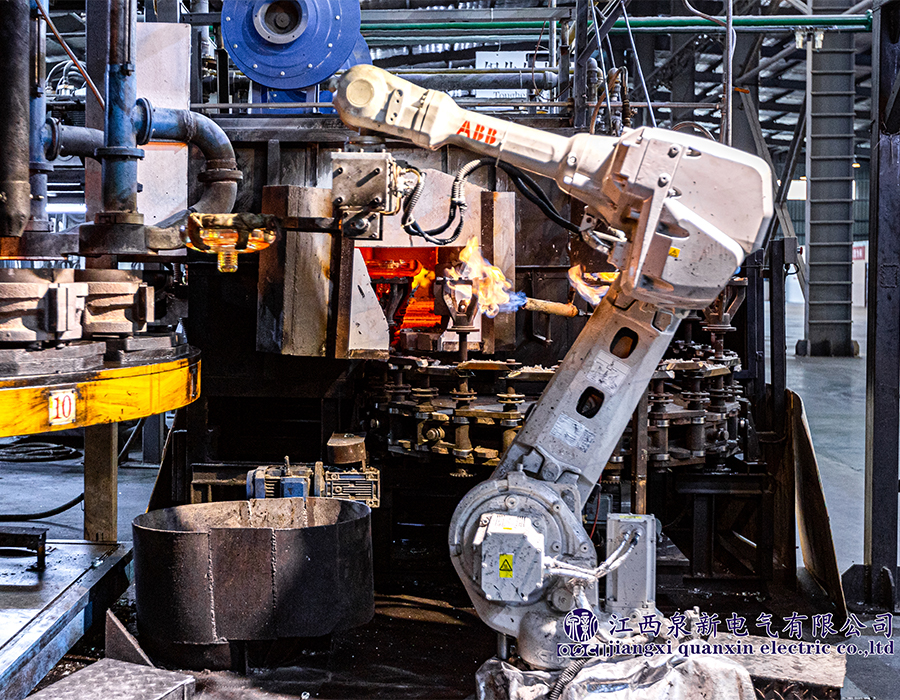
Molding Line Operations
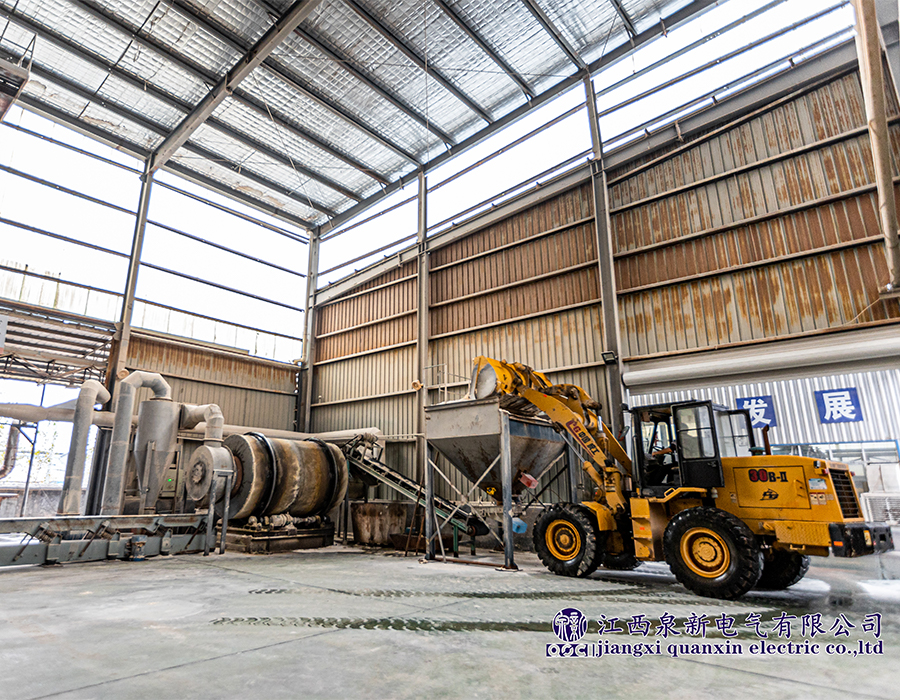
Raw Materials Batch Mixer
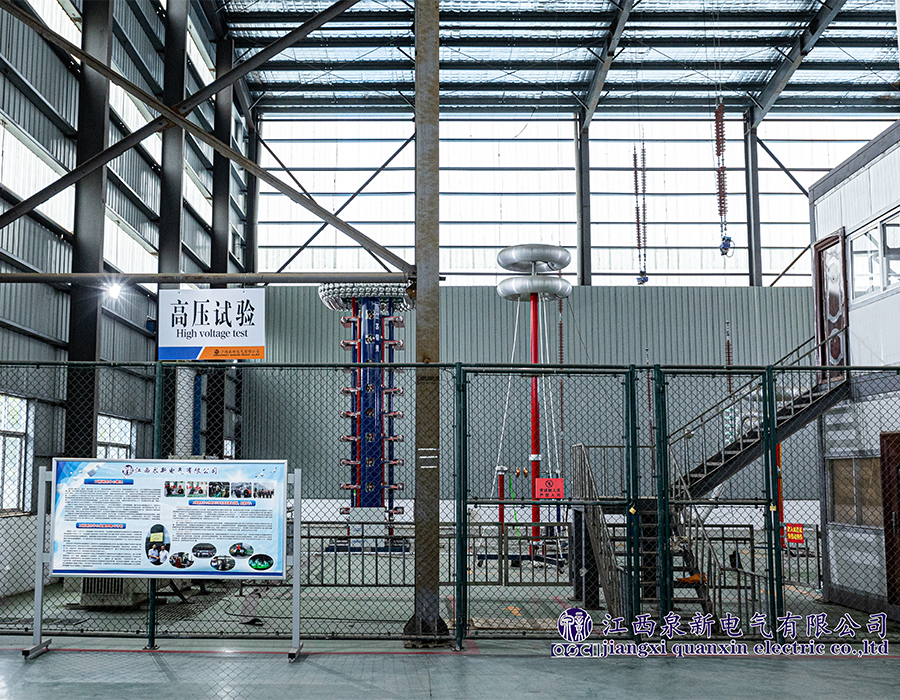
High Voltage Testing Bay
Premium Raw Materials
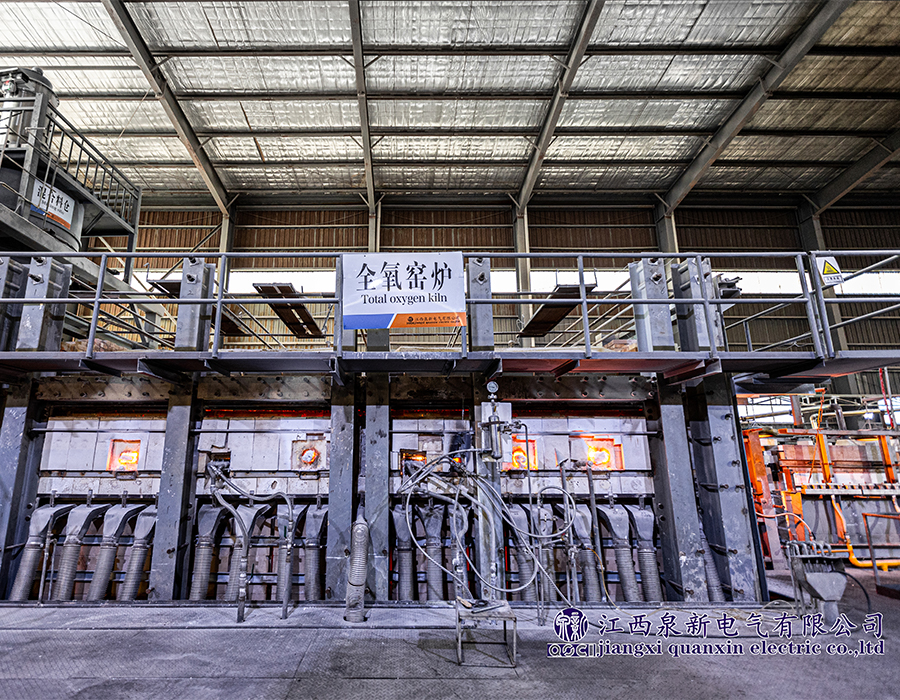
Total Oxygen Kiln System
Quality Inspection Station

Engineering & Patent Lab
How toughened glass isolators are adapting to the challenges of modern high-voltage DC grids and climate changes.
Modern transmission infrastructure requires high mechanical thresholds. While standard 70kN glass discs suffice for distribution networks, 120kN units (U120BL) and above (such as U160BM, U240B, and U550B) are critical for modern high-voltage grids. Large-span structures over rivers or mountainous regions require higher mechanical limits to withstand wind-induced galloping and heavy icing events.
For areas with high industrial smog or salt spray, Room Temperature Vulcanized (RTV) silicone coatings are sprayed onto the glass surface. This combines the mechanical advantages of toughened glass with the hydrophobic properties of composite polymers, preventing continuous moisture films and leakage current tracking.
Toughened glass provides a reliable safety mechanism: self-shattering. In the event of a critical electrical or mechanical failure, the glass body shatters into small fragments instead of remaining intact with hidden micro-cracks. Ground crews can easily spot damaged units visually, eliminating the need for expensive diagnostic runs.
Tested performance configurations optimized for distinct environmental challenges.
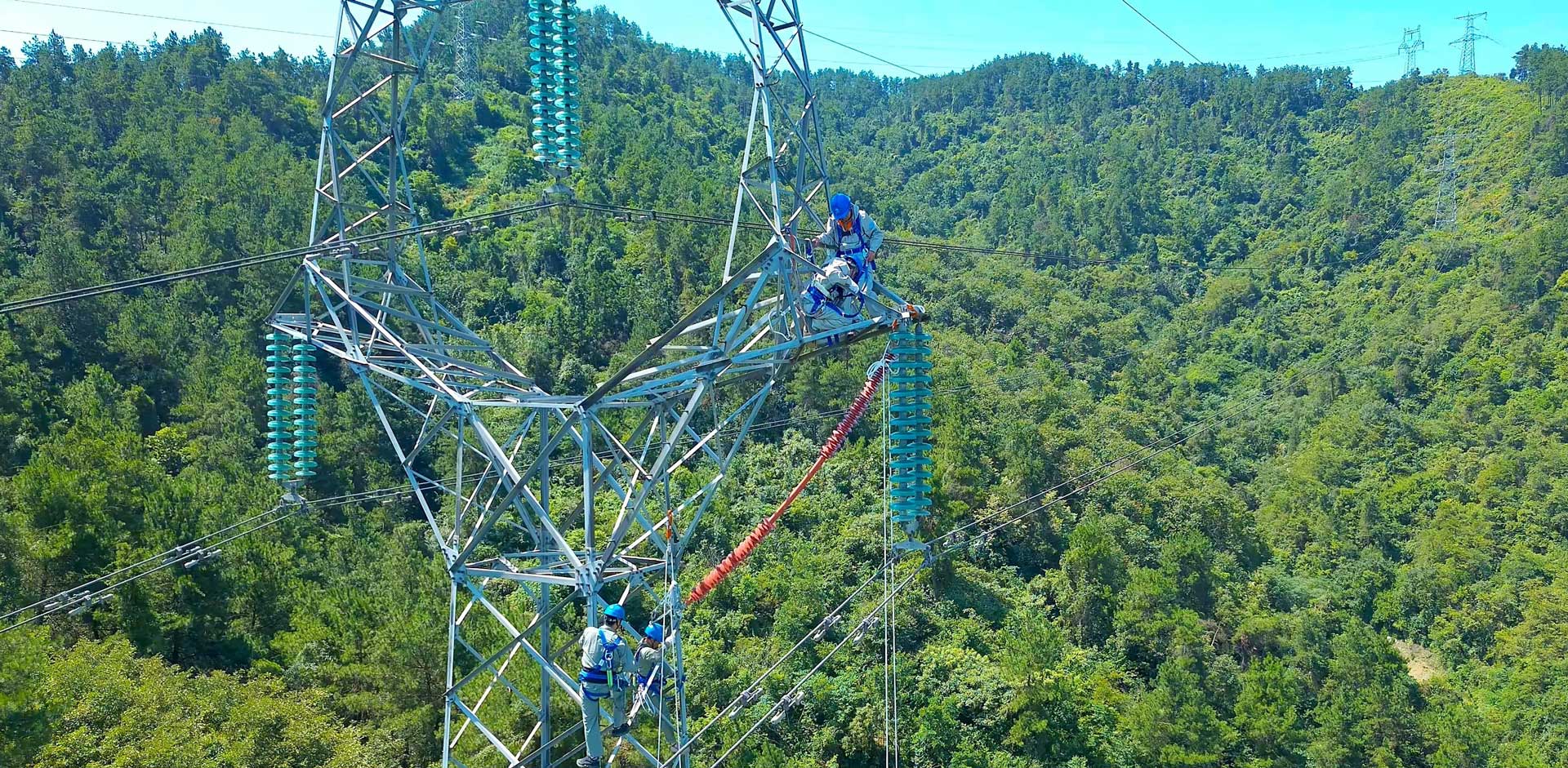
Engineered for high-altitude terrains, temperature fluctuations, and severe atmospheric environments.
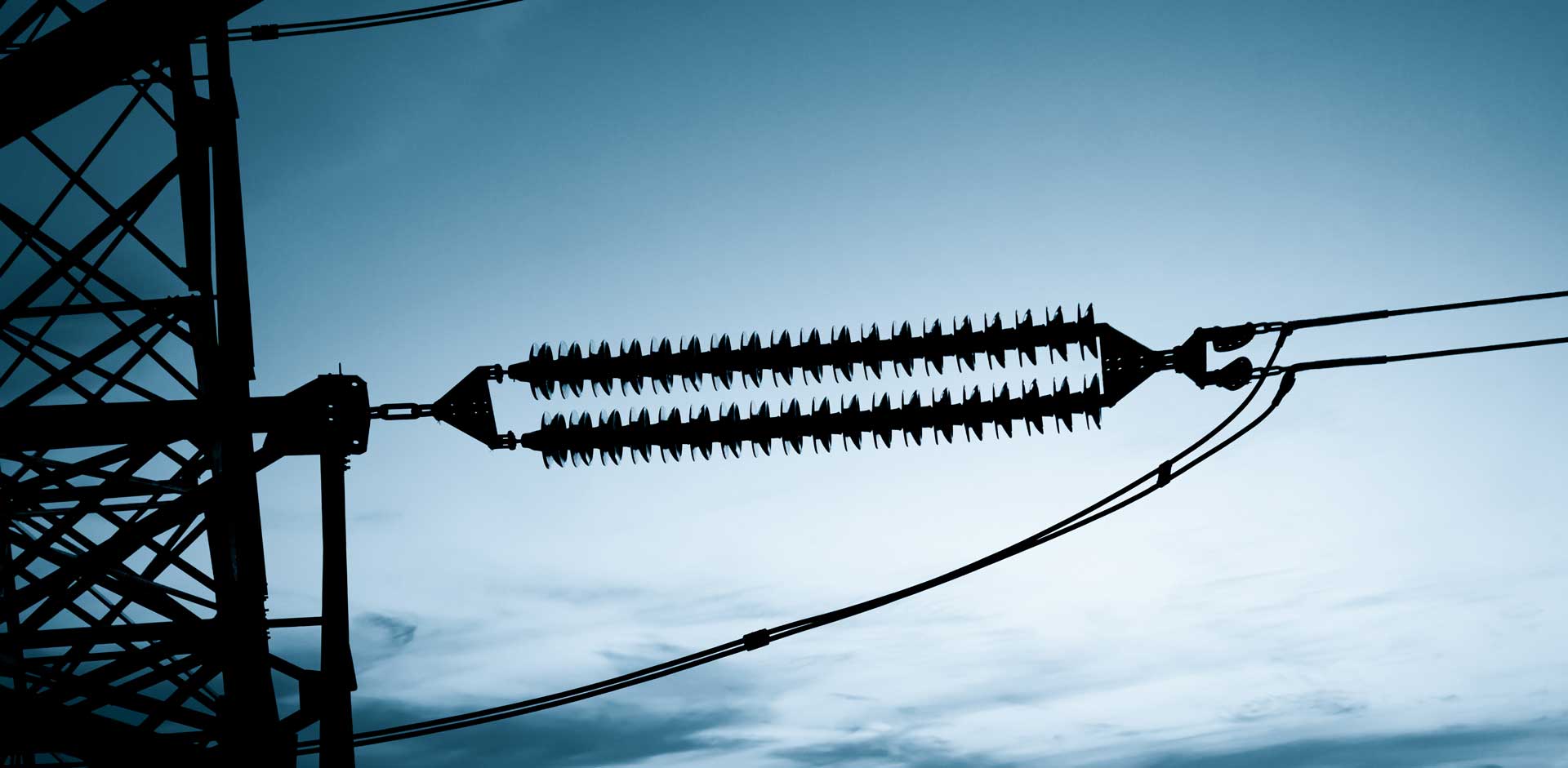
Compatible with sub-transmission and EHV/UHV AC/DC systems globally.
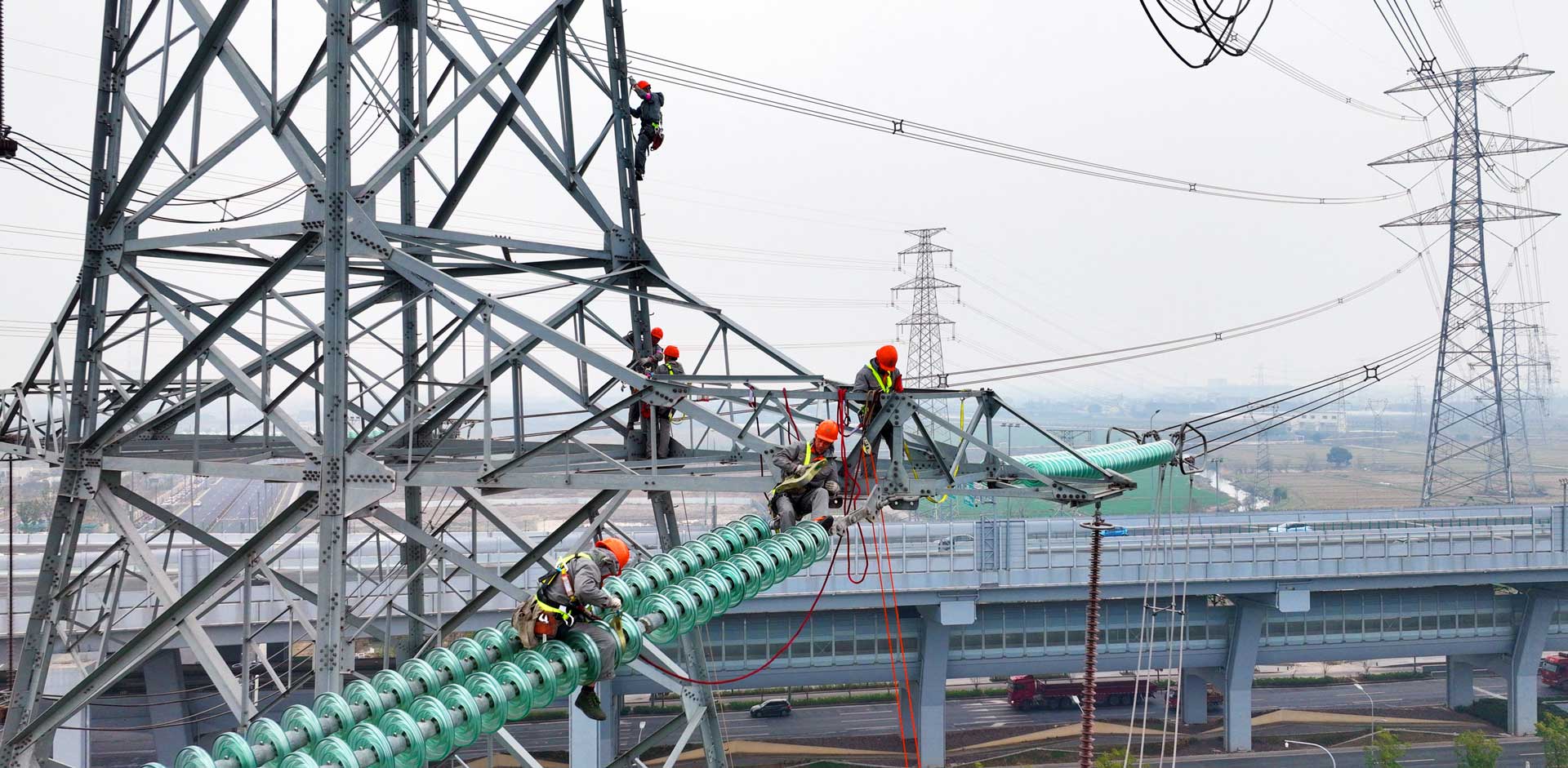
Low RIV (Radio Interference Voltage) profiles designed to prevent corona losses under high humidity.
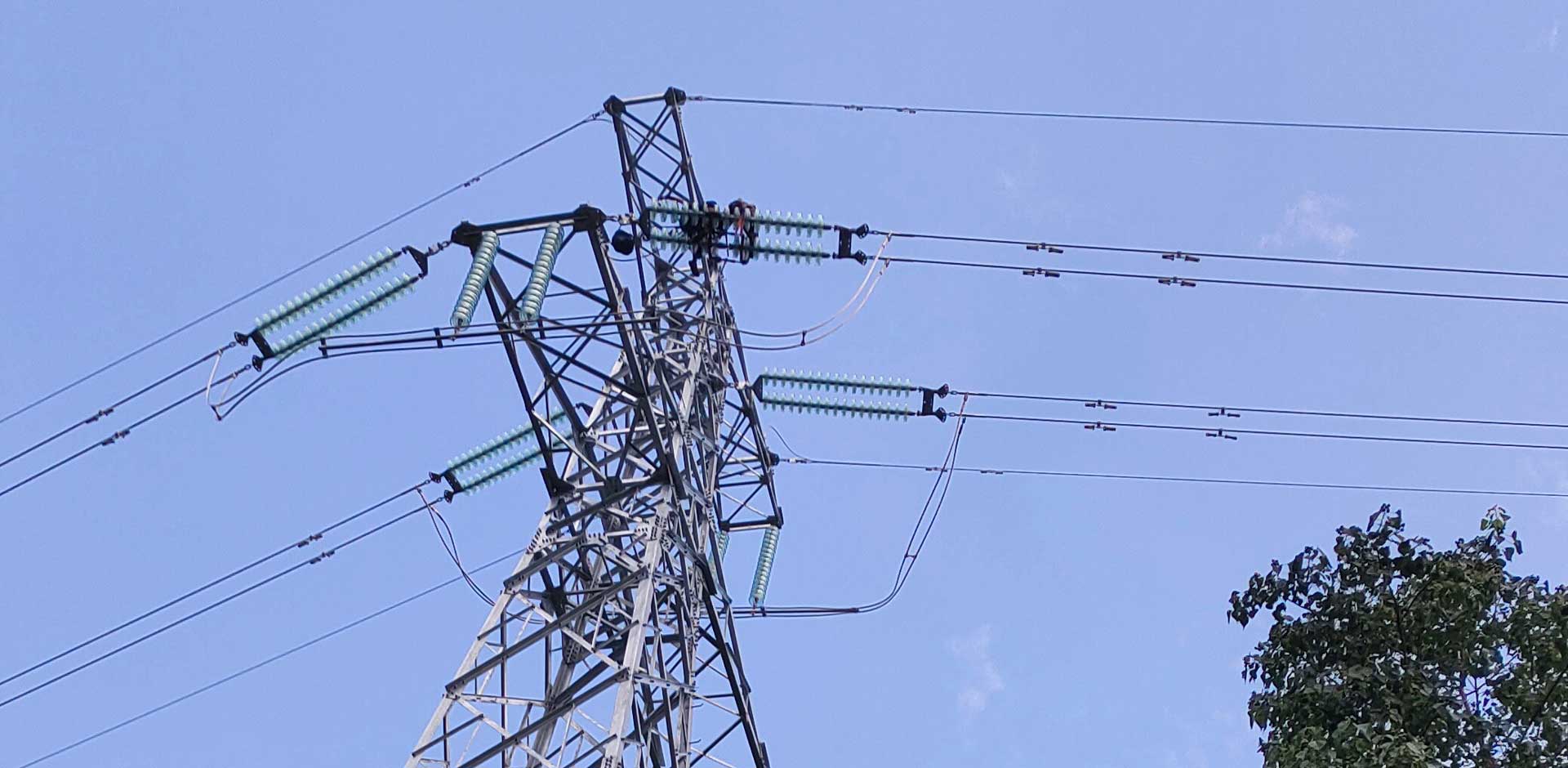
Specially designed anti-pollution structures prevent chemical tracking near industrial facilities.
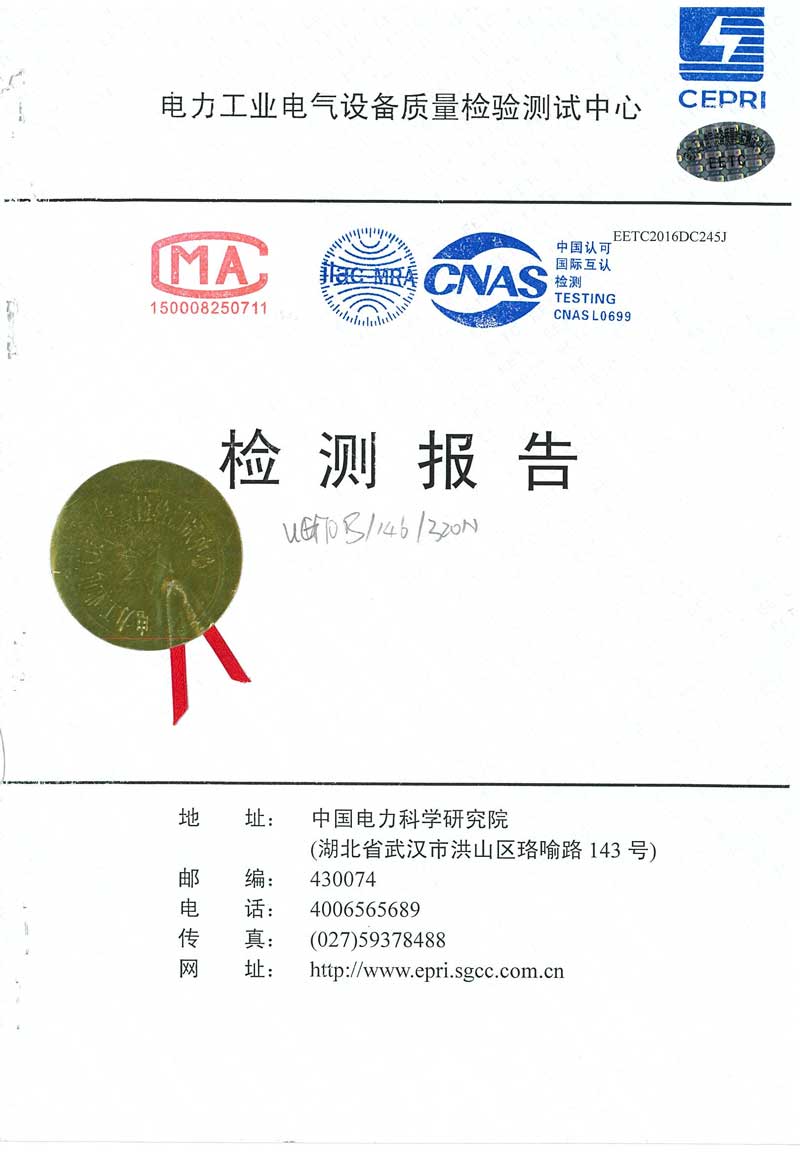
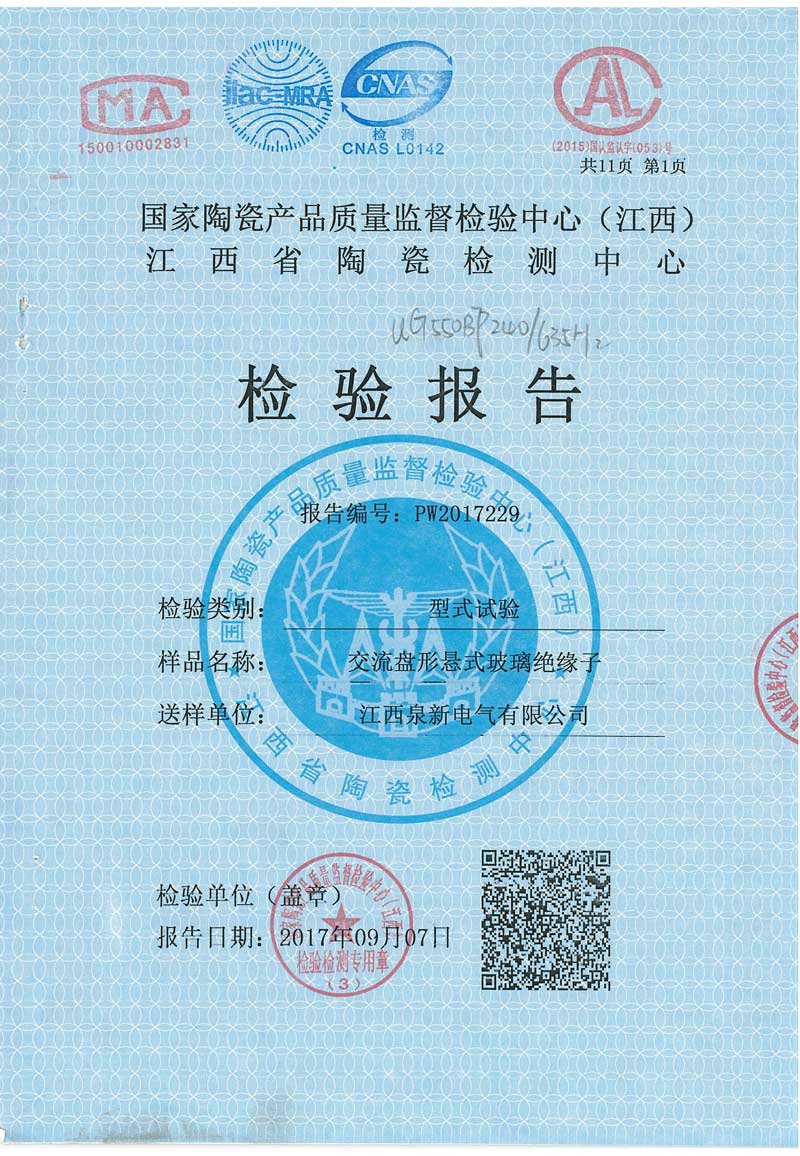
All factory processes and production runs comply with international ISO, IEC, and ANSI requirements.
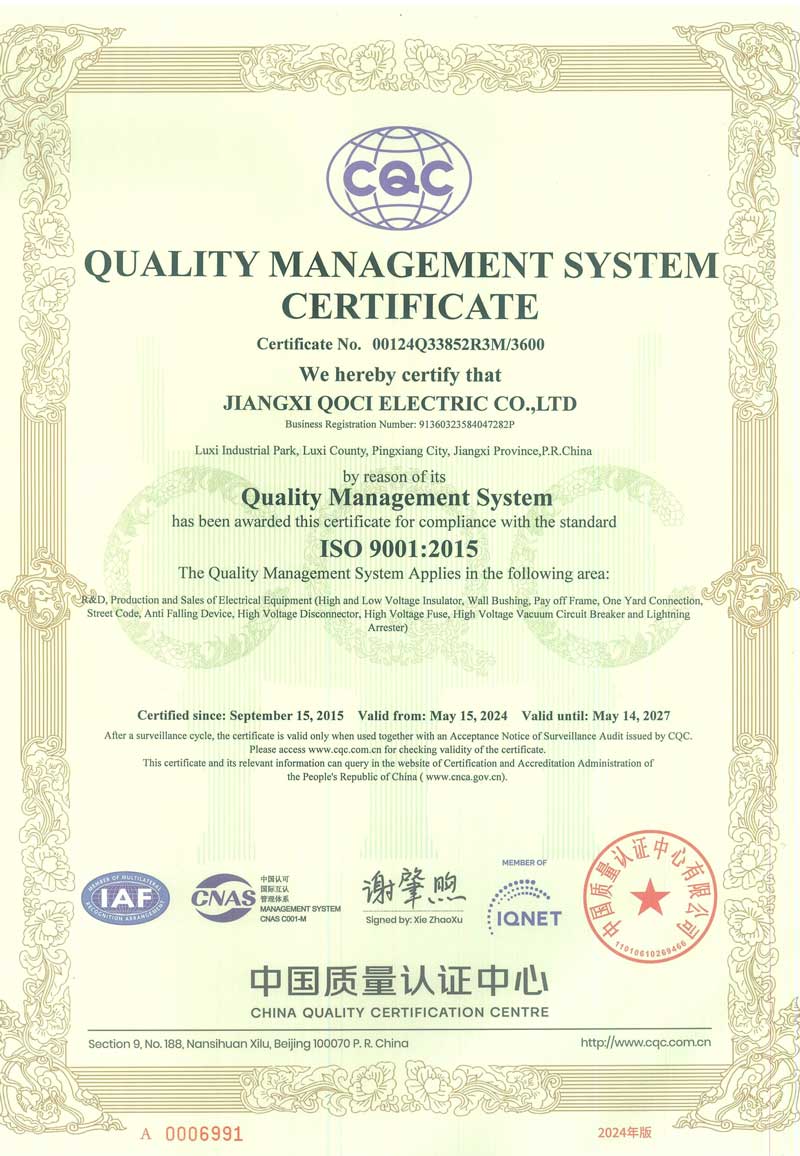
ISO 9001
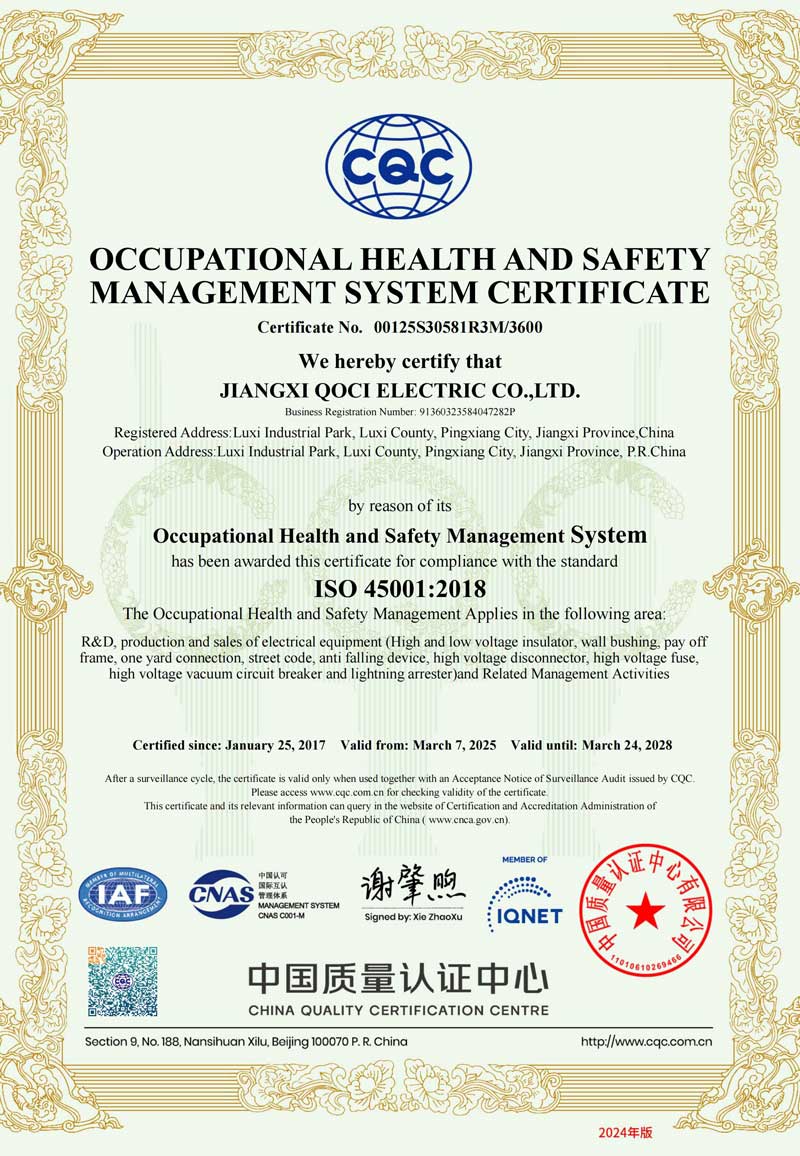
ISO 14001
OHSAS 18001
KEMA Verified
CE Compliance
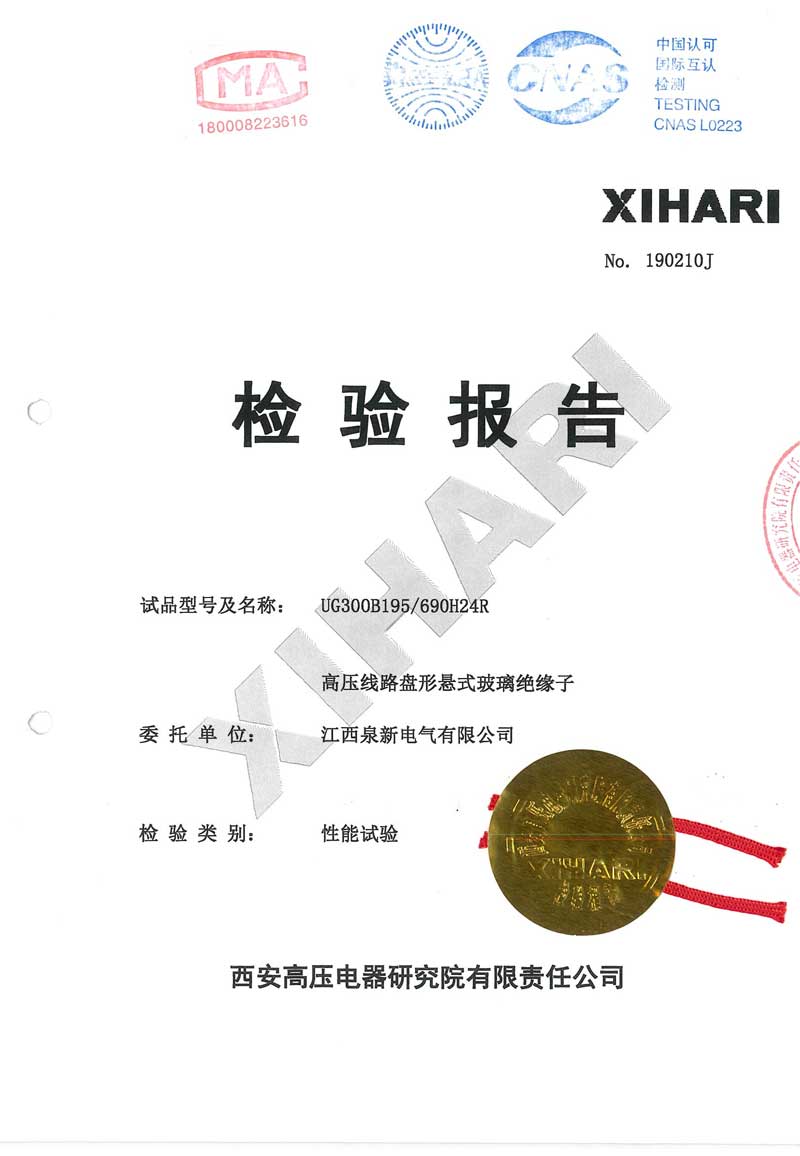
TUV Certified
Our laboratory houses testing facilities for steep-front impulse voltage tests, power-frequency puncture tests, temperature cycle tests, and mechanical failing load verifications.
We collaborate with global electric power corporations and utility companies to ensure reliable power transmission.


Answers to complex engineering questions regarding the selection, application, and life cycle of U120BL toughened glass insulators.
Follow our participation in international energy events and technological breakthroughs.
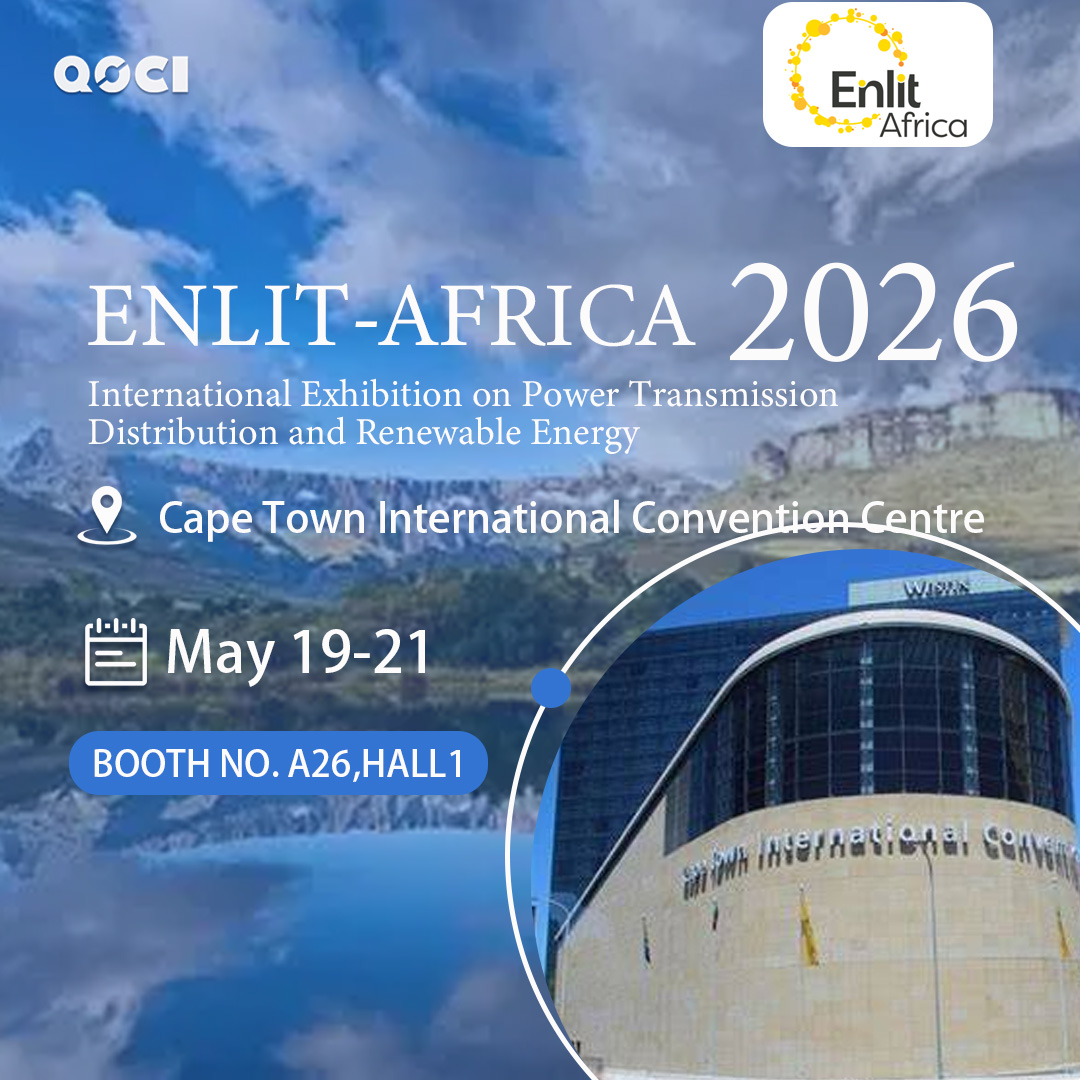
Presenting our toughened glass suspension insulators and grid solutions to support Africa's clean energy transition and high-voltage grid upgrades.
Read MoreEvaluating glass insulators performance under extreme icing, high altitude, high pollution, seismic activity, and severe storm events.
Read MoreQOCI Electric showcases its latest patented technologies and high-voltage products at the IEEE PES T&D Conference & Exposition.
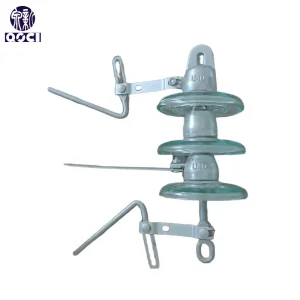
Read MoreSelect from our verified selection of standard, anti-fog, and specialized ground-wire type insulators.