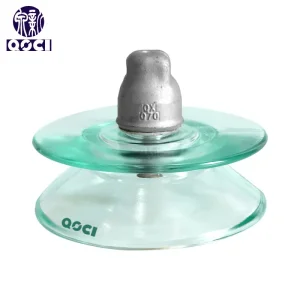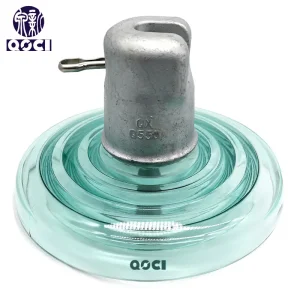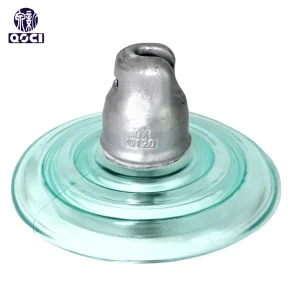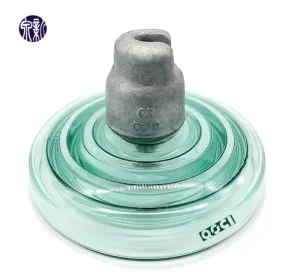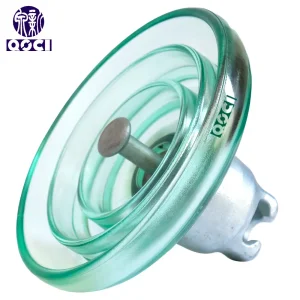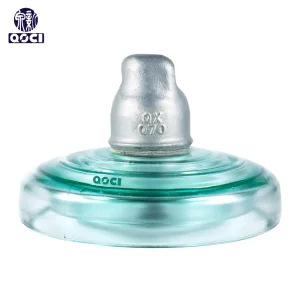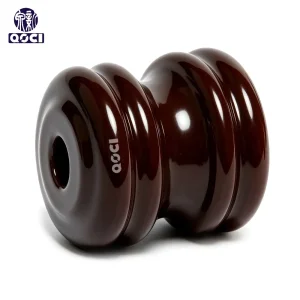
As the global energy landscape transitions toward decarbonization, the demand for resilient, high-capacity transmission infrastructure has never been greater. At the heart of this infrastructure lies the Suspension Type Insulator, a critical component that ensures the mechanical support and electrical isolation of overhead lines. China, led by pioneering entities like Jiangxi QOCI Electric Co. Ltd, has emerged as the global epicenter for the R&D and manufacturing of toughened glass insulators.
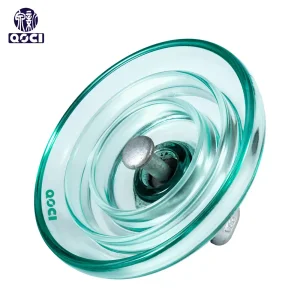
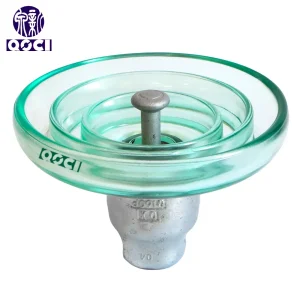
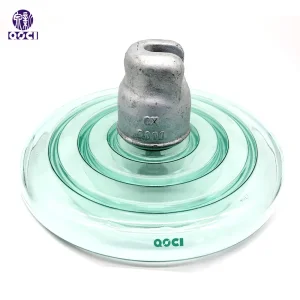
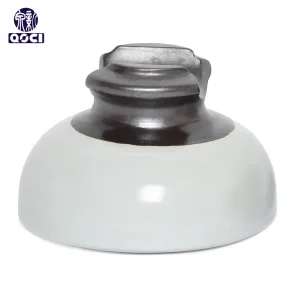
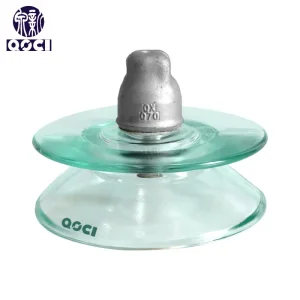
For decades, porcelain was the industry standard. However, the global commercial sector is seeing a decisive shift toward Toughened Glass Suspension Insulators. Unlike porcelain, glass offers a unique "self-shattering" property when faulty, making aerial inspections significantly faster and more cost-effective. In regions like the Middle East, Southeast Asia, and Sub-Saharan Africa, where extreme temperatures and salt-fog are prevalent, glass insulators (particularly RTV-coated variants) have become the gold standard for grid stability.
The technical roadmap for suspension insulators is defined by the quest for higher mechanical strength and increased leakage distance. We have evolved from standard 70kN units to ultra-high-strength 550kN (U550B) discs capable of supporting massive spans for 800kV and 1100kV UHVDC projects. Our Aerodynamic Profiles and Anti-Pollution sheds are engineered using computational fluid dynamics (CFD) to ensure self-cleaning properties during rain and wind, drastically reducing the risk of pollution flashover.
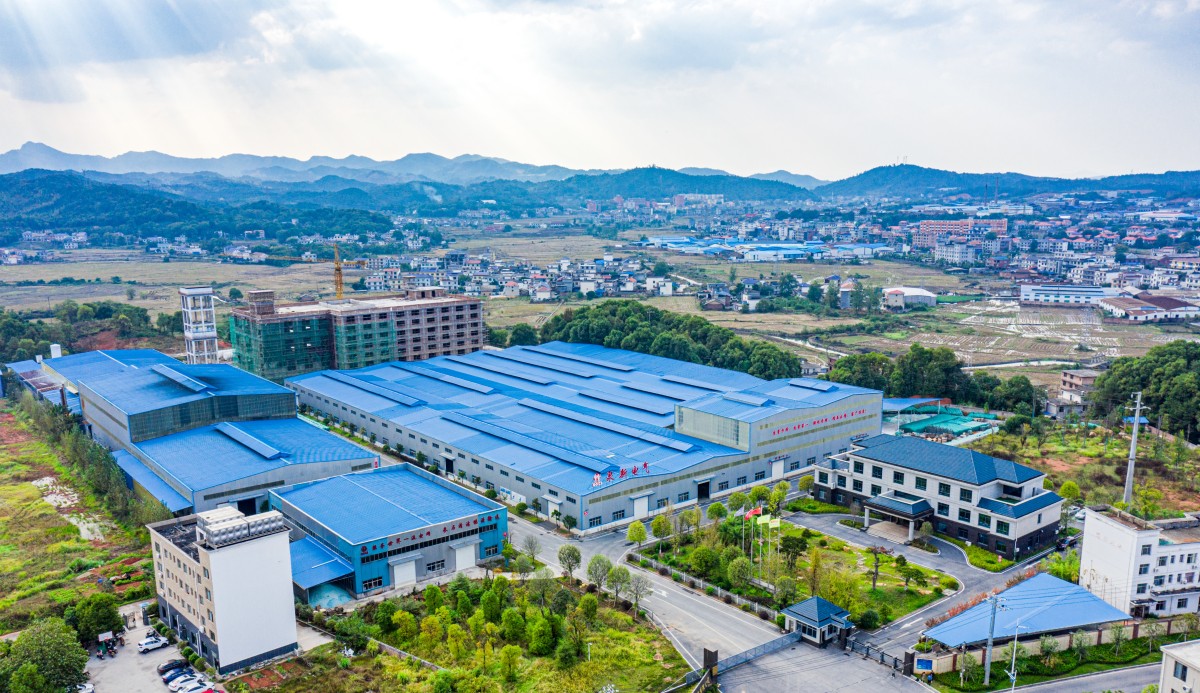
Founded in 2002, Jiangxi QOCI Electric Co. Ltd is located in the heart of China's electrical ceramic hub, Pingxiang. Our facility employs 53 senior engineering technicians dedicated to the science of dielectric strength and mechanical durability. We utilize a Total Oxygen Kiln and high-voltage test laboratories to ensure every insulator exceeds IEC 60305, ANSI, and BS standards.
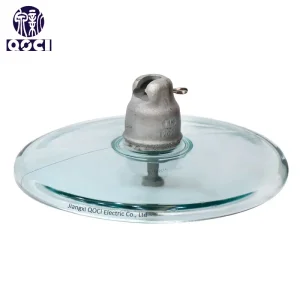
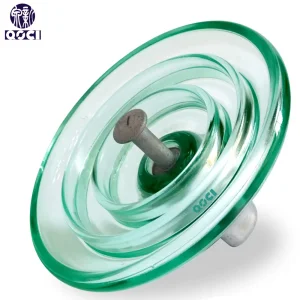
Our Open Profile (Aerodynamic) insulators are specifically designed for regions prone to sandstorms. The absence of under-ribs prevents sand accumulation, reducing cleaning cycles by 70% in the Gobi and Arabian deserts.
RTV Silicone Coated Glass provides a hydrophobic surface that prevents the formation of conductive leakage paths even in heavy salt spray or chemical industrial fog.
Designed for low-pressure environments, our Triple-Shed Type insulators offer extended creepage distances, ensuring dielectric stability at altitudes above 3000 meters where air insulation weakens.
| Insulator Type | Core Profile | Primary Application | Flashover Resistance |
|---|---|---|---|
| Standard Type | Shallow ribs, self-cleaning | Clean/Moderate areas | High (Rain/Wind wash) |
| Anti-Pollution (Fog) | Long, wide-spaced under-ribs | Coastal / High salinity | Extreme (Salt fog) |
| Aerodynamic | Under-ribless design | Desert / Sandstorm areas | Superior (Solid pollution) |
| RTV Silicone Coated | Hydrophobic coating | Industrial / Extreme pollution | Ultra-High (Active protection) |