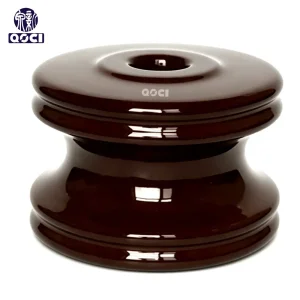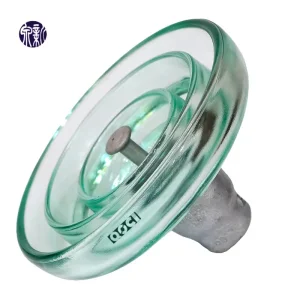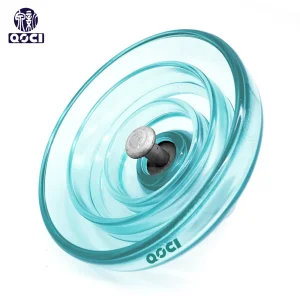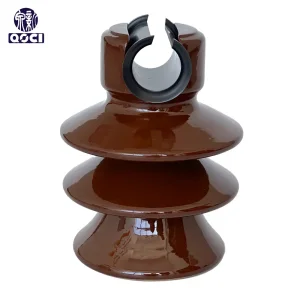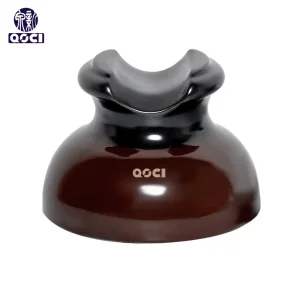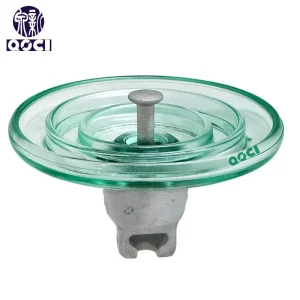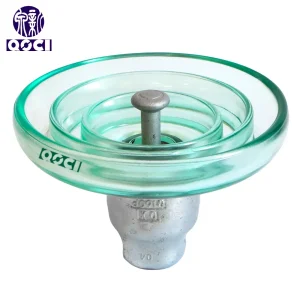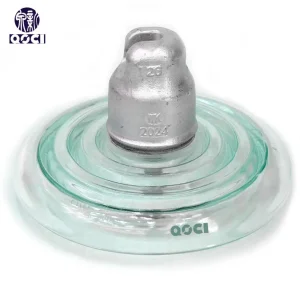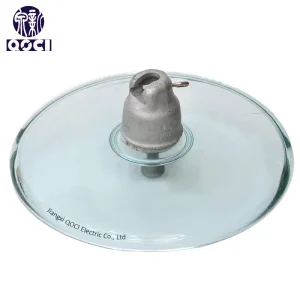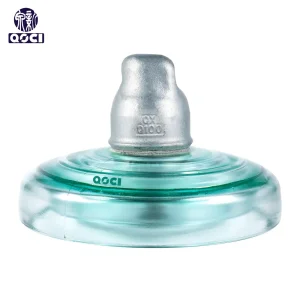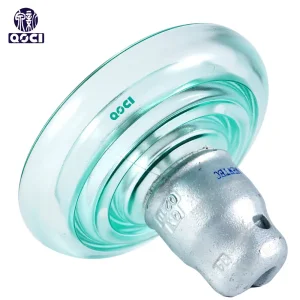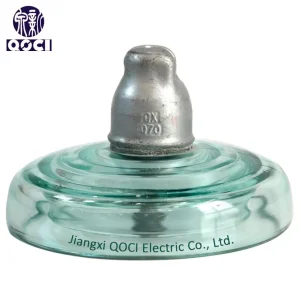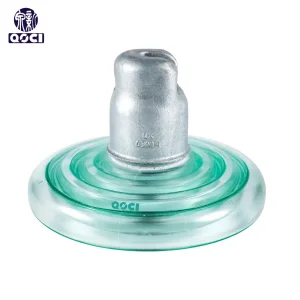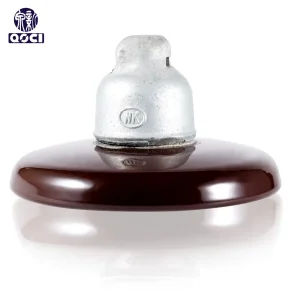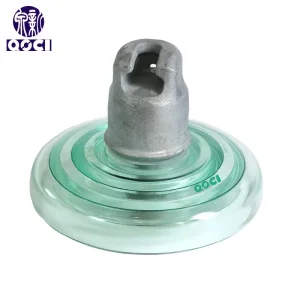
In the rapidly evolving landscape of global power transmission, the demand for Extra-High Voltage (EHV) and Ultra-High Voltage (UHV) systems is reaching unprecedented heights. As the world transitions toward a decarbonized energy future, the necessity to transport clean energy—often generated in remote wind farms or solar deserts—to industrial hubs requires transmission components that offer absolute reliability. The Glass Insulator 300B (U300B), characterized by its massive 300kN electromechanical breaking load, stands as the pinnacle of insulation technology for these critical corridors.
The global glass insulator market is currently witnessing a CAGR of 5.8%, driven largely by grid modernization in North America and massive infrastructure expansion in the APAC region. The 300B series is increasingly favored over porcelain due to its superior "zero-value" self-shattering property, which allows for instant visual inspection and significant reduction in O&M costs.
As cross-border electricity trading becomes a reality in Europe and Southeast Asia, the 300B glass insulator provides the mechanical integrity needed for heavy ice loading and high-tension spans, ensuring that power grids remain resilient against climate-induced stressors.
UHVDC projects requiring 800kV or 1100kV lines utilize 300kN to 550kN glass insulators to handle the immense electrical stresses and environmental pollutants typical of remote renewable energy generation sites.
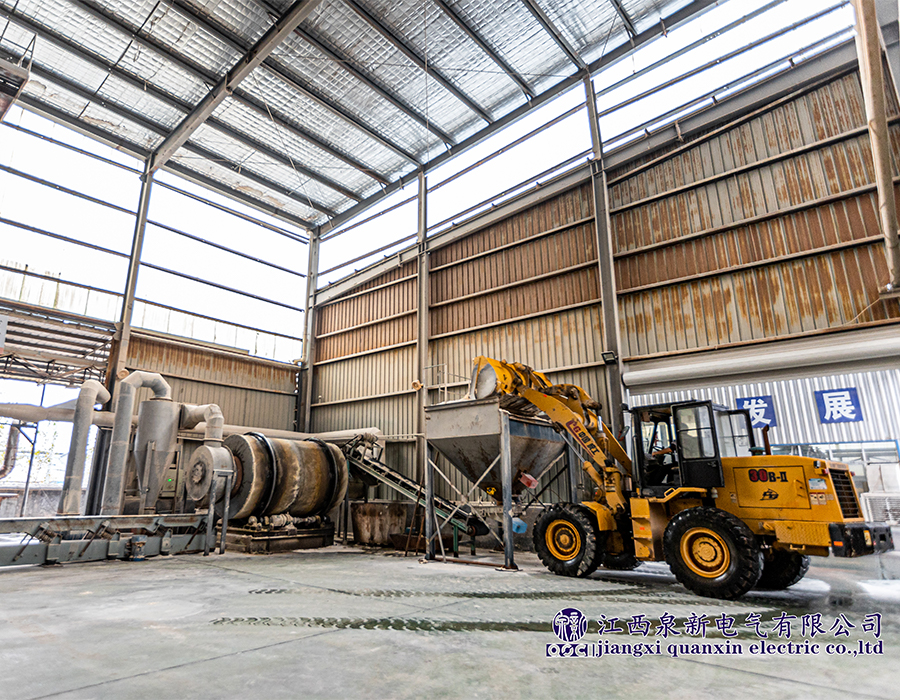
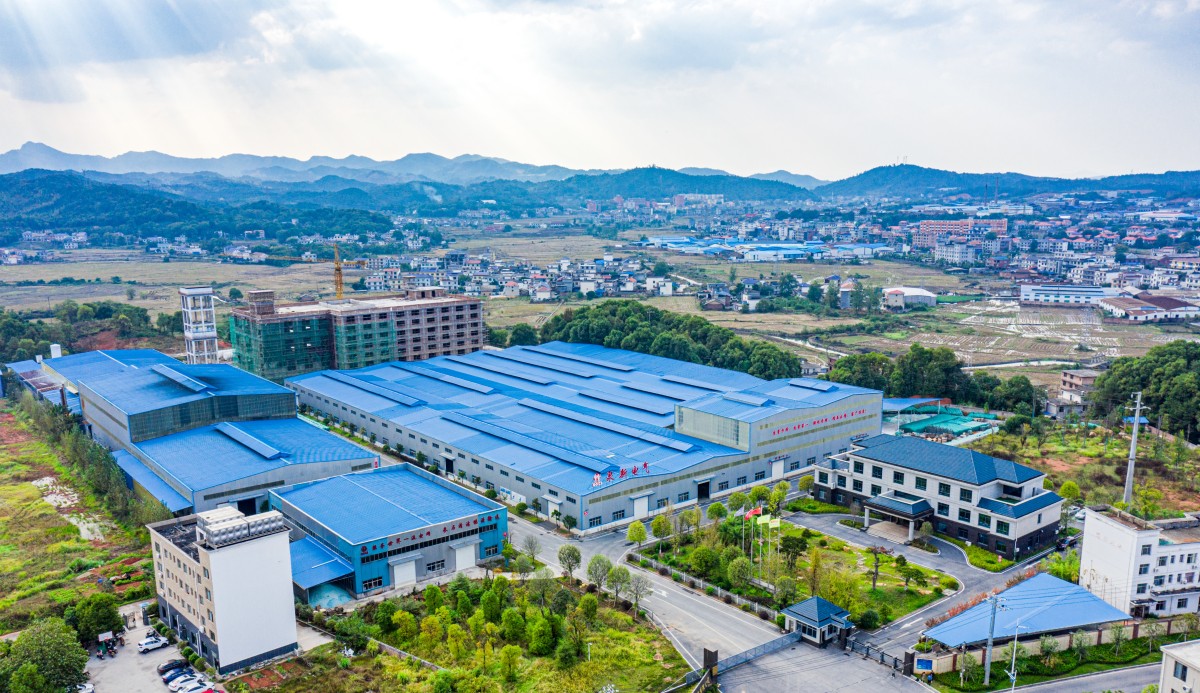
Founded in December 2002 with a registered capital of 508 million Yuan, Jiangxi QOCI Electric Co. Ltd has established itself as a premier global manufacturer in the electrical insulation sector. Located in the Luxi Industrial Park, Jiangxi Province—the heartland of China's porcelain and glass history—our facility spans over 100 mu (70,000 m²).
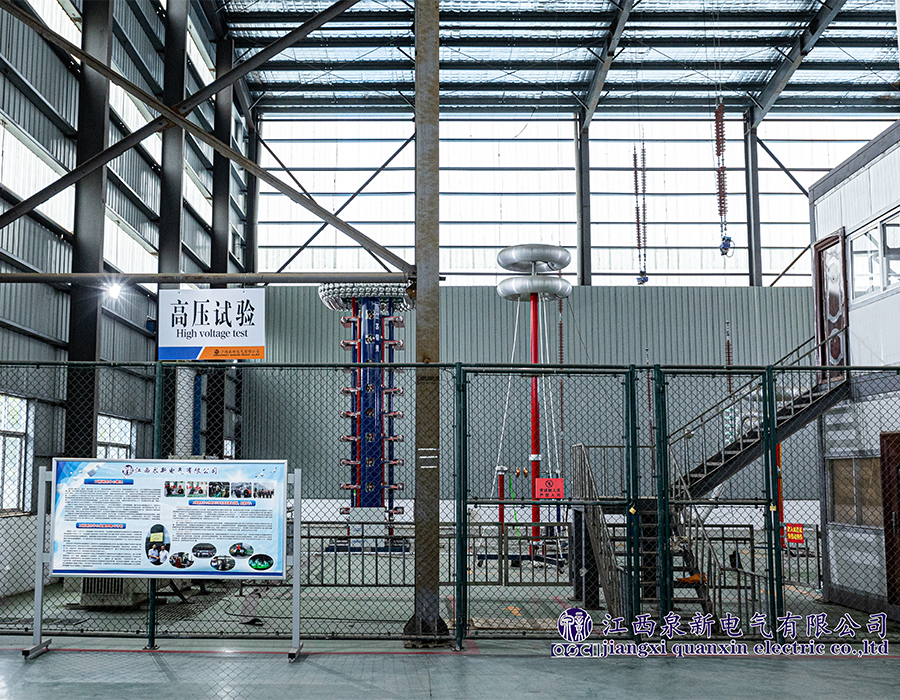
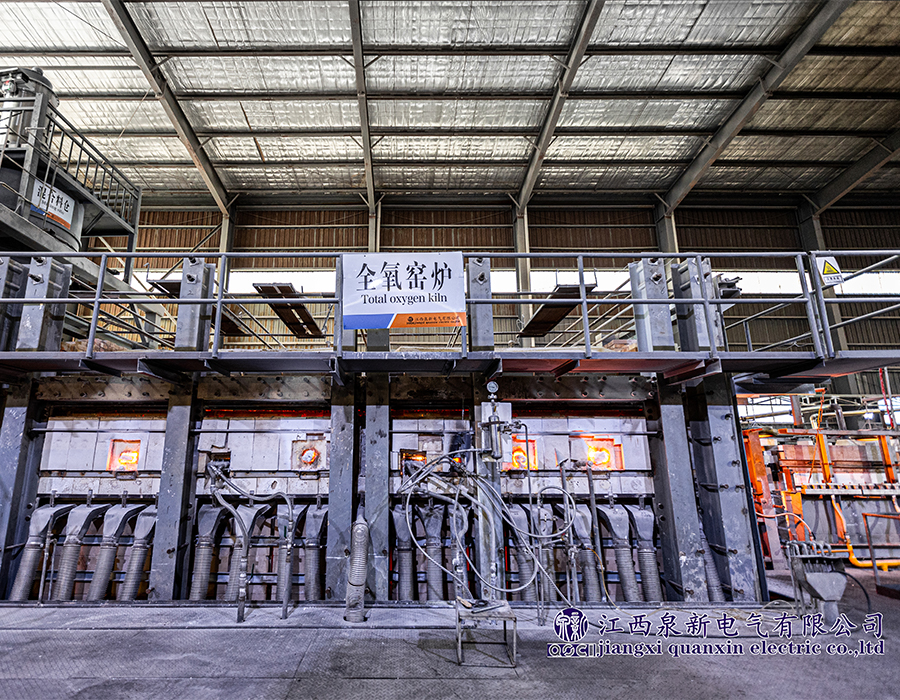
Our commitment to "Serve the world-class power grid with dedication" is backed by advanced production lines including our Total Oxygen Kiln and High Voltage Testing Lab.
Plant Area (m²)
Annual Output (Tons)
Engineering Technicians
Invention Patents
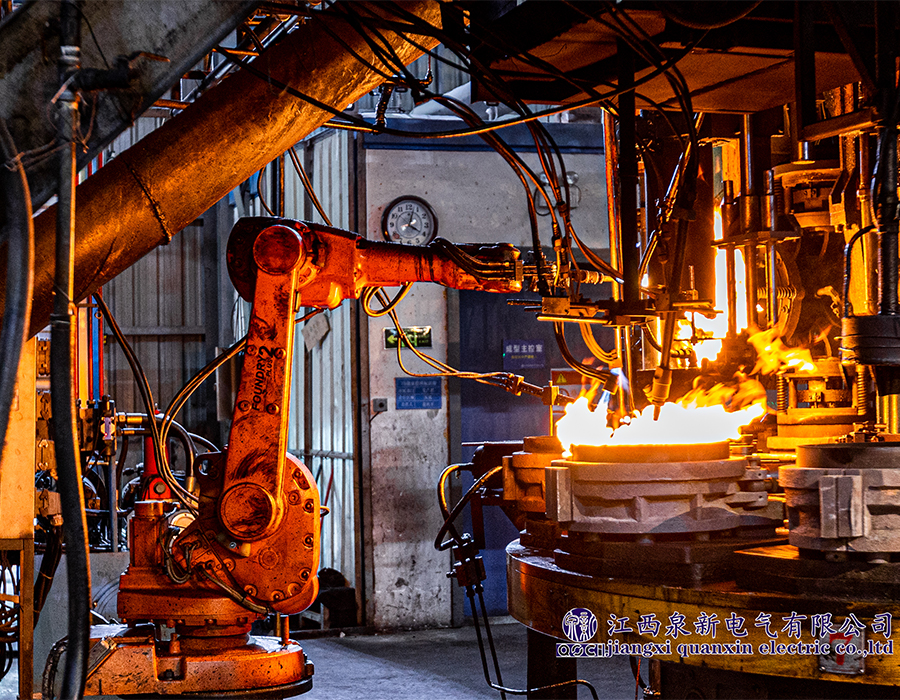
What differentiates a high-quality 300B manufacturer is the mastery of the Toughening Process. At QOCI, our glass insulators undergo a rigorous thermal treatment that creates deep-seated compressive stresses on the surface. This mechanical prestressing ensures that if the glass is compromised, it shatters into small, non-conductive fragments while the remaining "stub" maintains its mechanical integrity—preventing line drops.
Designed with shallow, well-spaced ribs. Ideal for regions with consistent rainfall where natural self-cleaning is effective. It meets IEC 60305 standards with enhanced leakage distances.
Features deep under-ribs to increase the protected creepage distance. Essential for coastal areas (salt fog) and industrial zones where conductive dust is prevalent.
Eliminates under-ribs to prevent sand accumulation. Perfect for arid desert environments where wind-blown deposits can cause bridging and flashovers.
For extreme pollution, we apply Room Temperature Vulcanization (RTV) silicone. This hybrid approach combines the mechanical strength of glass with the hydrophobicity of polymers, virtually eliminating the need for periodic manual cleaning.
The next decade of insulator technology will focus on Real-time Health Monitoring. We are currently researching the integration of RFID and leakage current sensors into the insulator cap to provide utility operators with live data. Furthermore, our transition to total oxygen combustion kilns reduces NOx emissions by 80%, aligning our factory output with global ESG (Environmental, Social, and Governance) targets.
Understanding that every utility company has unique requirements, QOCI provides comprehensive localized support. Whether it is adhering to ANSI standards for the Americas or IEC/BS standards for European and African markets, our products are rigorously tested in ISO 17025 accredited laboratories.
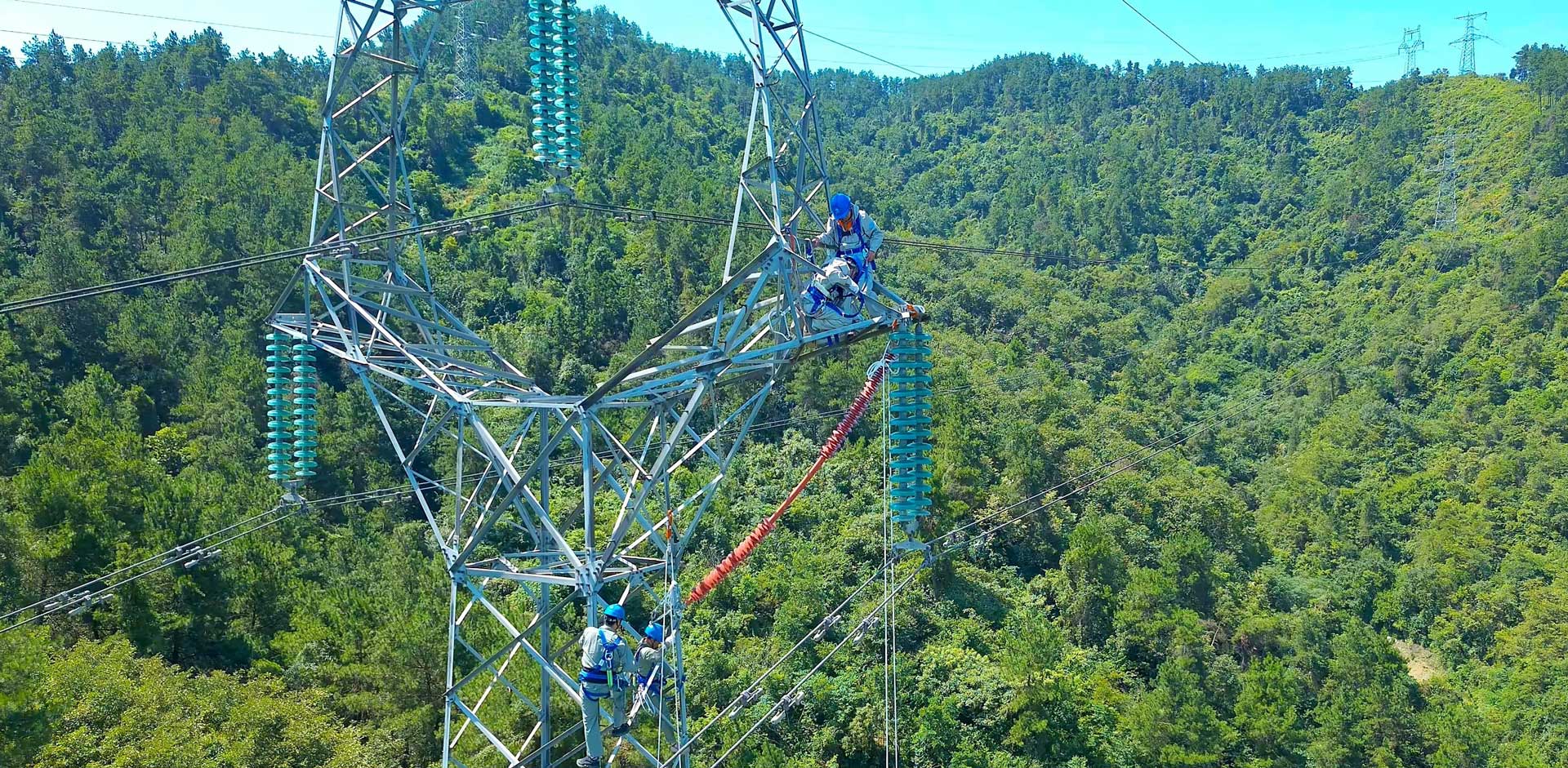
Geographic Adaptability: From sub-zero Arctic conditions to tropical humidity.