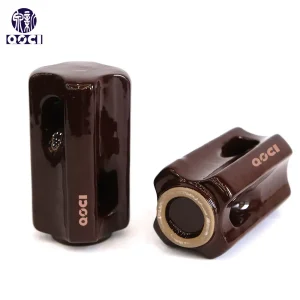
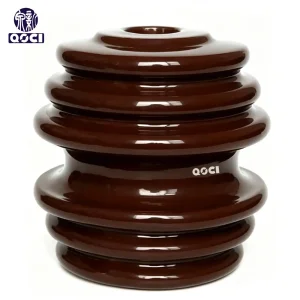
The acceleration of the global energy transition requires absolute grid security, resilient mechanical design, and high dielectric reliability. Overhead high-voltage AC and DC transmission systems form the backbone of modern power distribution networks, transferring gigawatts of power over vast geographical spans. In these environments, power grid components are constantly exposed to mechanical load stress, pollution, and severe thermal cycles. To survive these conditions without degradation, the selection of the correct insulating media is paramount.
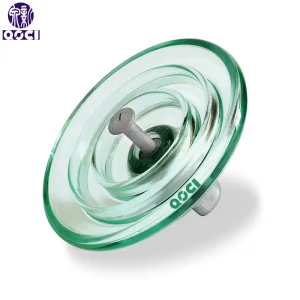
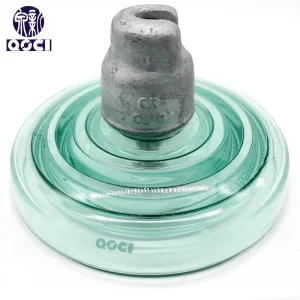
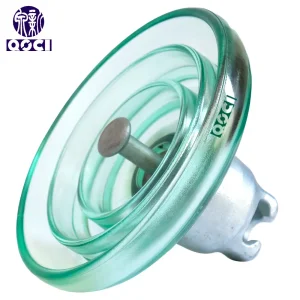
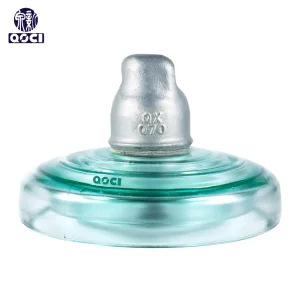
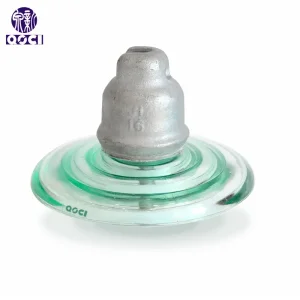
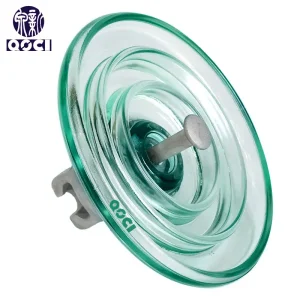
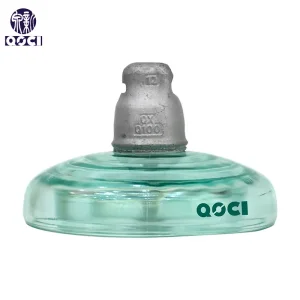
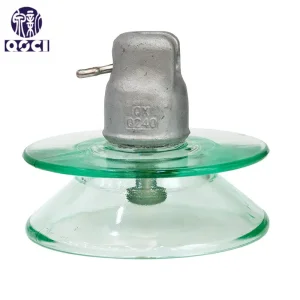
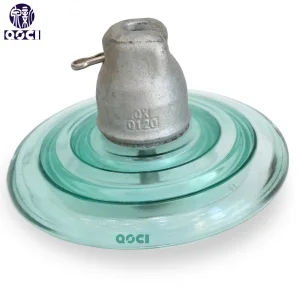
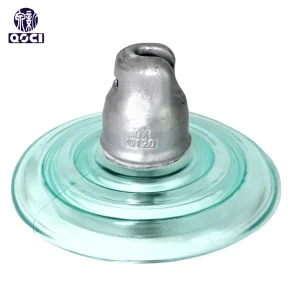
The U70bld glass insulator model represents a specialized standard designed to fulfill the requirements of high performance and mechanical longevity. Capable of bearing a 70kN mechanical failure load, U70bld components are utilized on medium-voltage to ultra-high-voltage distribution towers. Unlike porcelain, toughened glass exhibits a unique feature: it undergoes spontaneous shattering upon internal dielectric or mechanical failure, rather than developing invisible micro-cracks. This dramatically reduces the cost of line inspection, enabling utility operators to visually locate faulty units immediately during flight inspections or simple ground surveys.
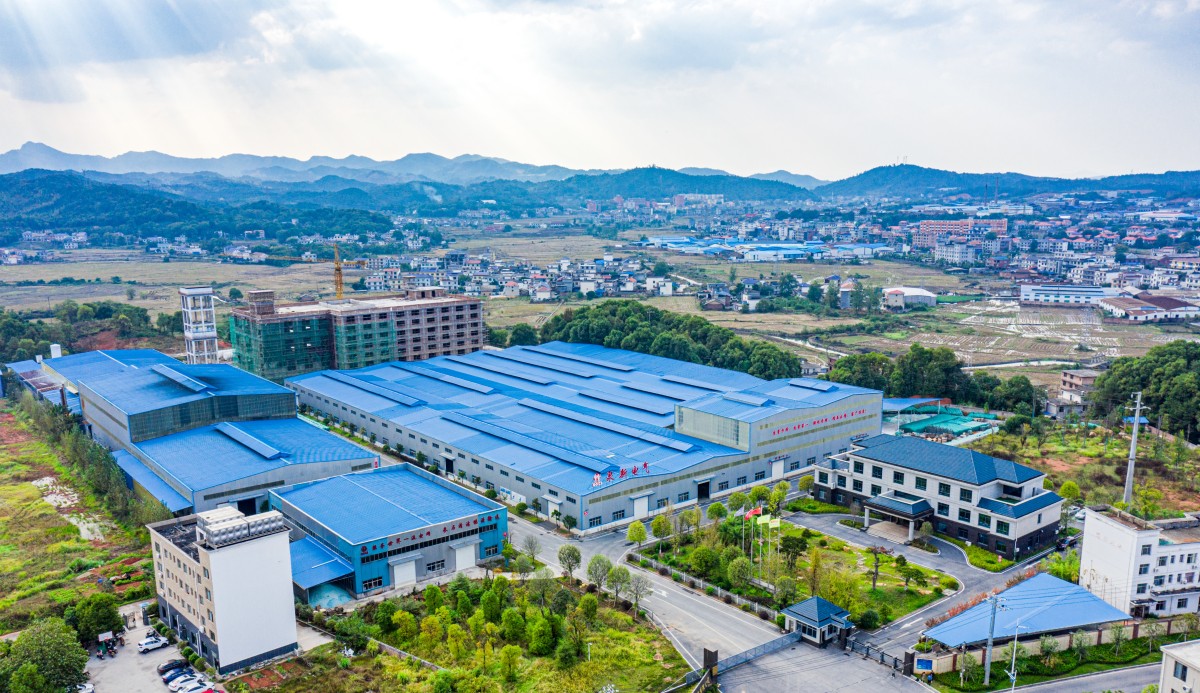
Jiangxi QOCI Electric actively participates in the construction of green energy and low-carbon grids worldwide by offering engineered glass isolators.
Serving the world-class power grid with dedication. Developing high-creepage, low-pollution profiles that actively participate in the development of green energy networks globally.
Enforcing strict traceability protocols from raw materials to final mechanical failing load tests. Accountability is our primary guarantee of high dielectric stability.
Optimizing the electrical industry supply chain. Guaranteeing line performance, minimizing transmission leakage currents, and ensuring stable power grid operations.
Jiangxi QOCI Electric Co. Ltd was founded in December 2002 with a registered capital of 508 million Yuan. The corporation is situated within the industrial park of Luxi County, Pingxiang, Jiangxi Province, covering a vast footprint of 100 mu. We focus on low-voltage, high-voltage, extra-high voltage, and ultra-high voltage AC and DC transmission systems.
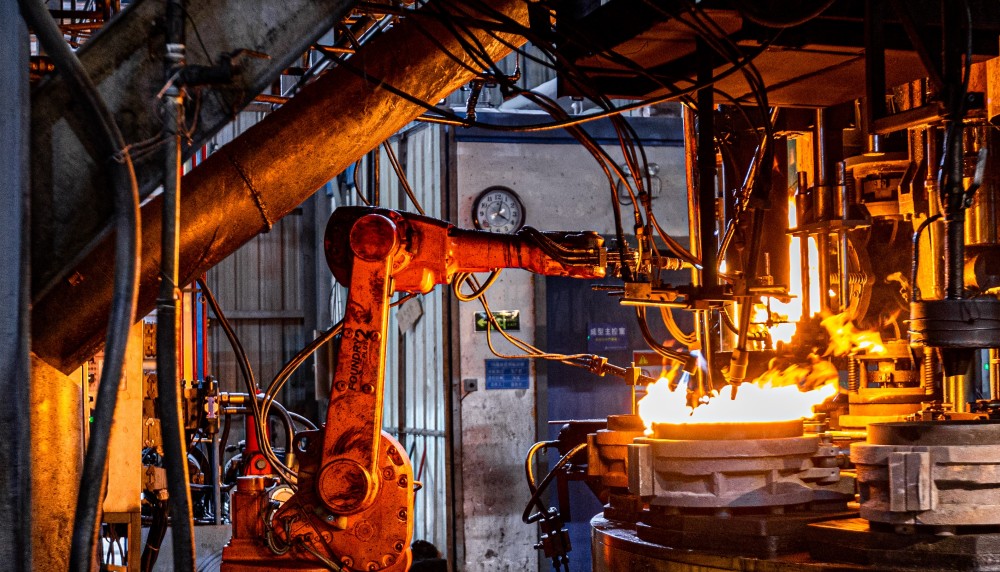
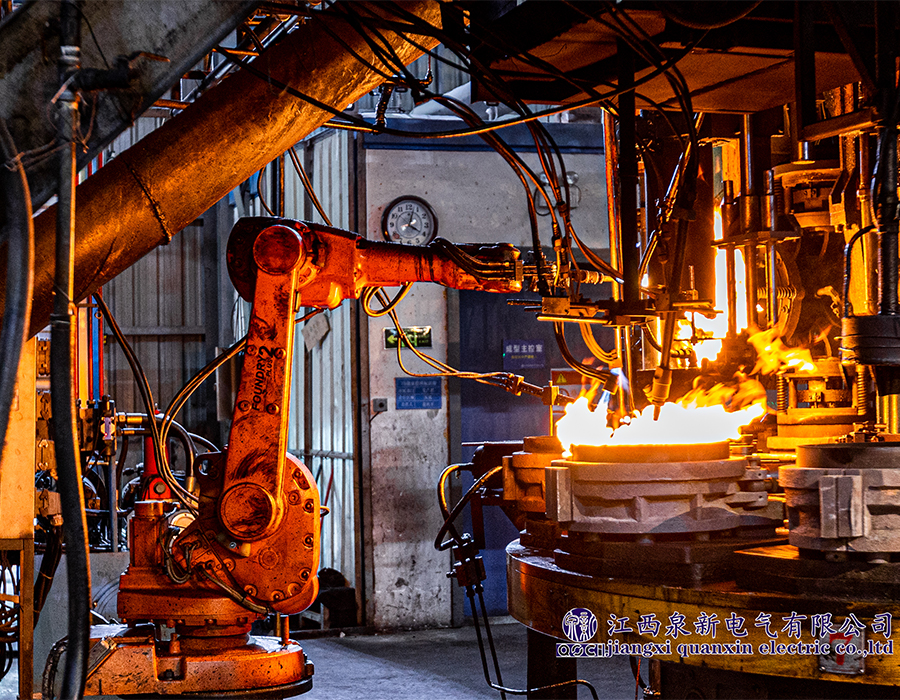
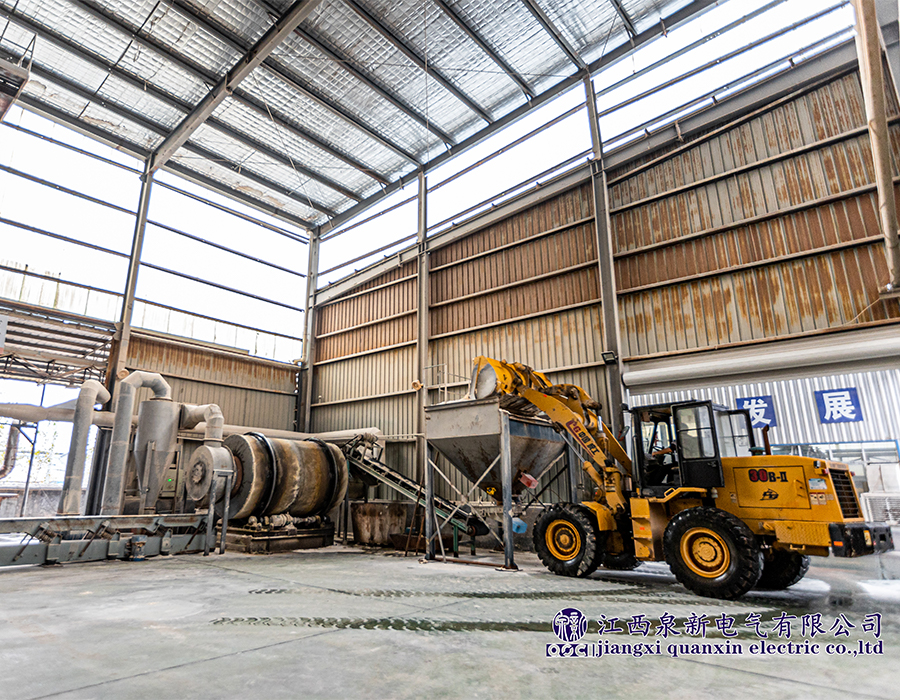
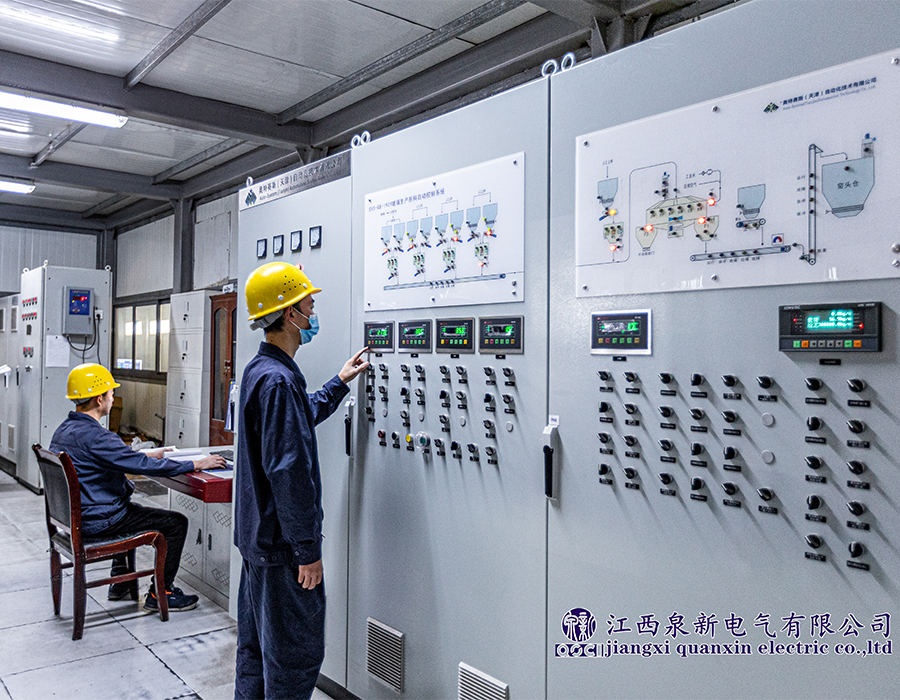
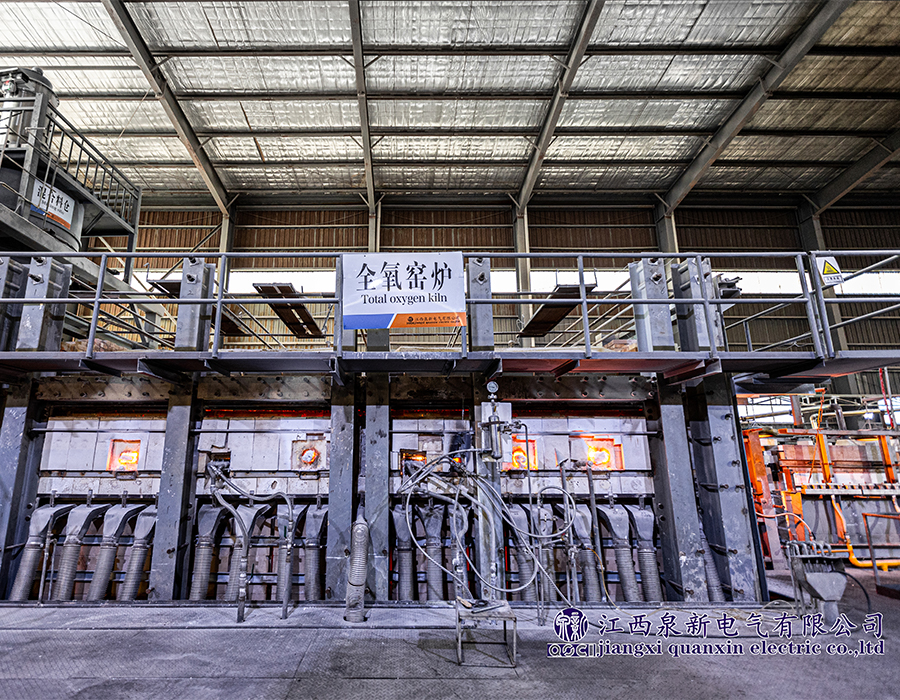
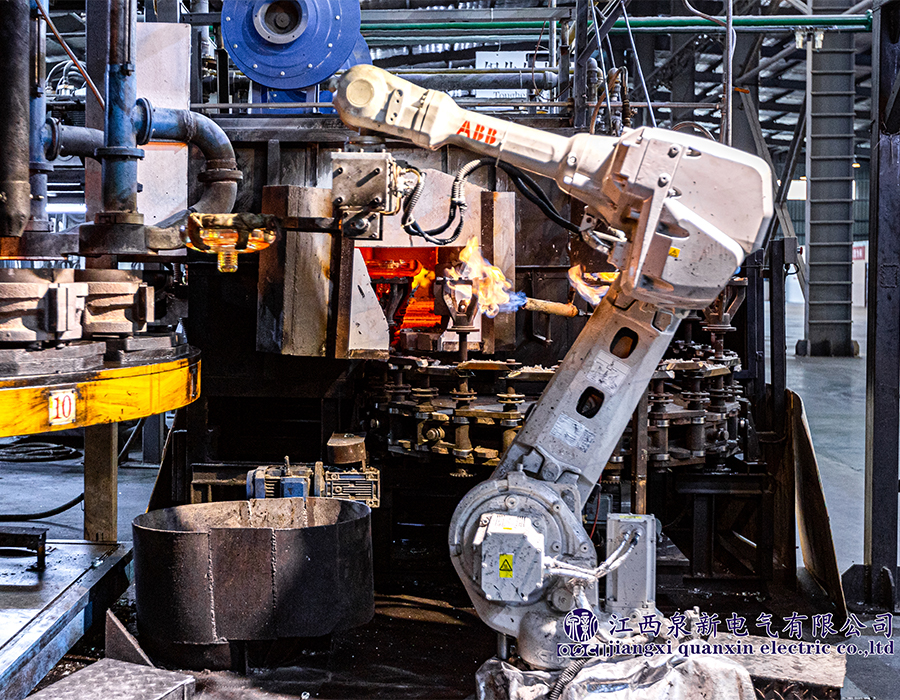
Our state-of-the-art facilities ensure fast delivery times combined with cost-efficiency. Our plants deploy highly automated assembly lines that track physical testing metrics, verifying every glass disc's electrical integrity. Our raw materials are carefully mixed and melted under strict oxygen-gas control to prevent impurity bubbles, ensuring the final products meet IEC, ANSI, and BS standards.

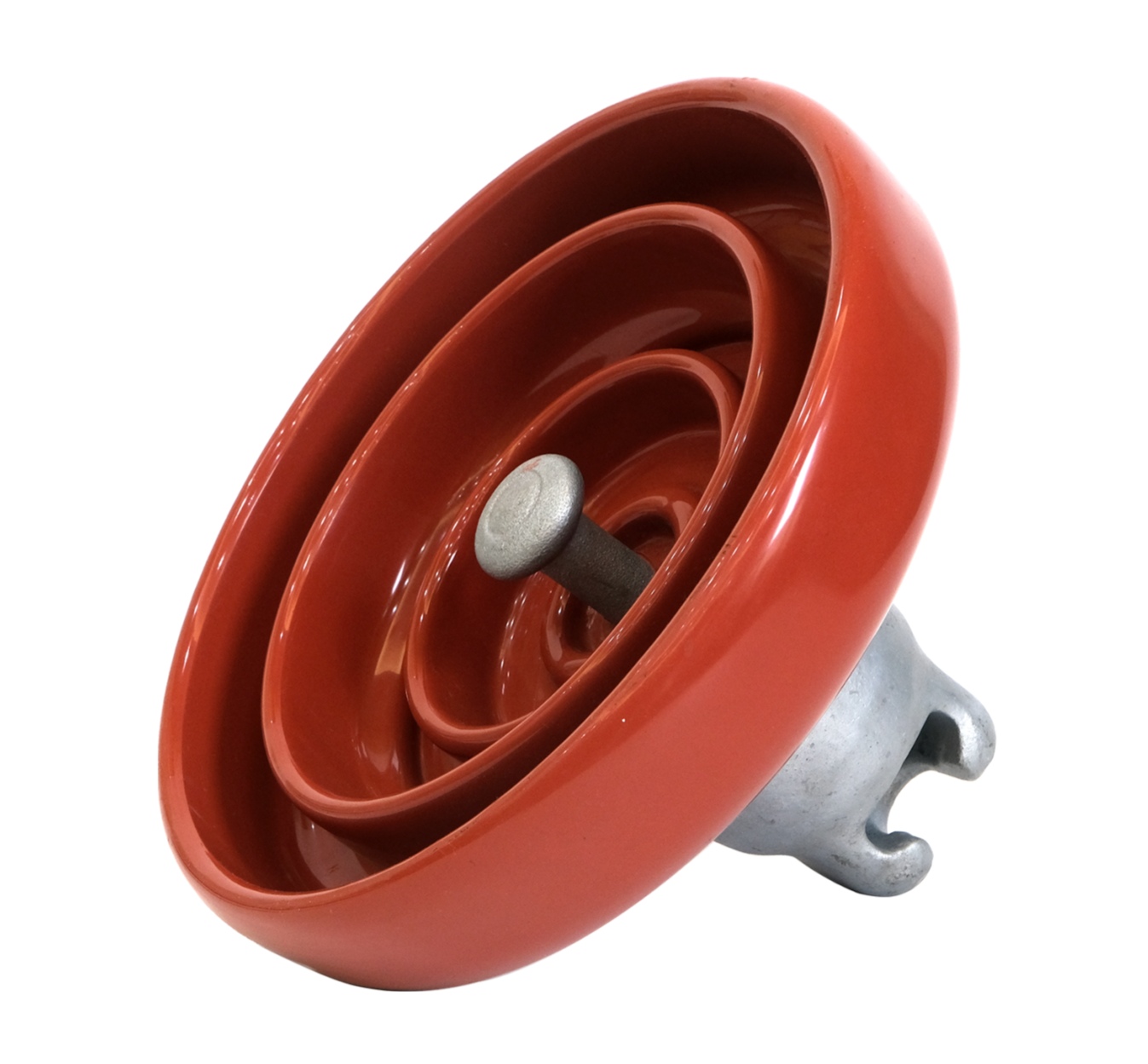
An excellent alternative that guarantees optimum performance for high voltage overhead lines in heavily polluted areas. They minimize leaking currents and reduce operation and maintenance costs. The coating uses Room Temperature Vulcanization (RTV) silicone with embedded mineral fillers, which improves hydrophobic behavior and limits arcing hazards.
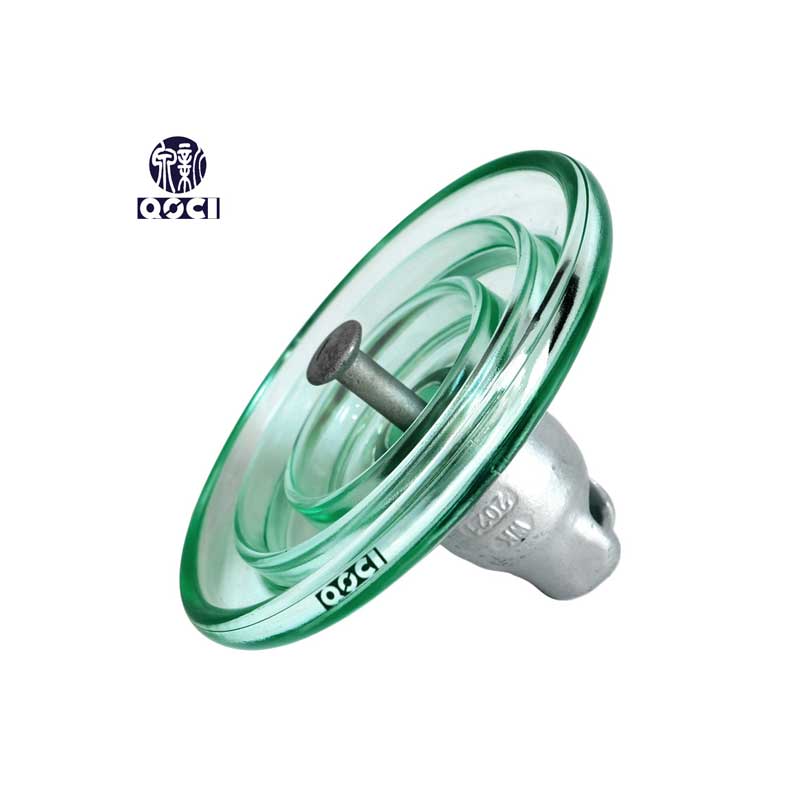
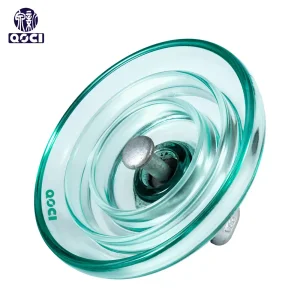
The leakage distance exceeds the standard minimums indicated in IEC 60305. Features shallow, well-spaced ribs that promote self-cleaning through wind and rain actions. Perfect for medium-pollution zones with moderate environmental humidity.
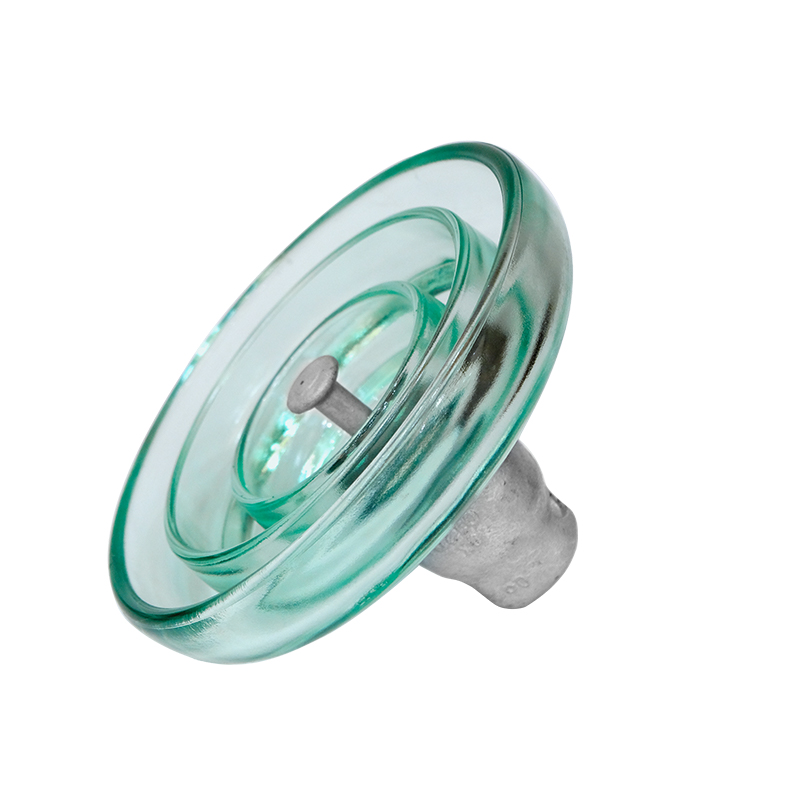
Characterized by deep, widely-spaced under-ribs that prevent electrical bridging between adjacent sections. Offers a high leakage distance/spacing ratio (~3.2), making it highly effective in coastal regions subject to salt fog or industrial dust.
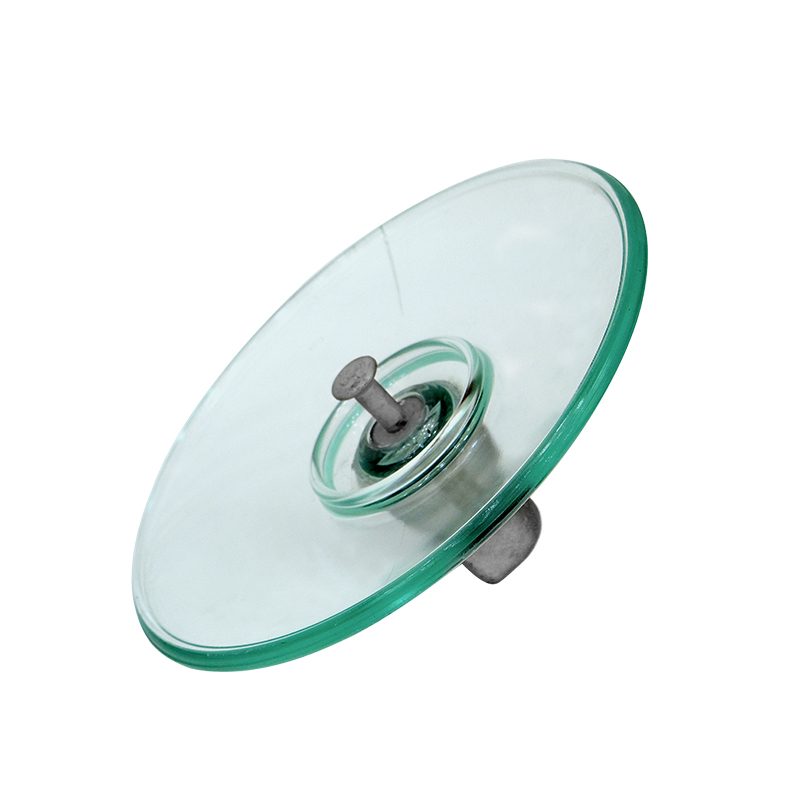
Designed without under-ribs and has a wider disk diameter. This configuration prevents the buildup of solid contaminants (sand, dust) on the lower surface. Ideal for desert areas with frequent wind storms and rare precipitation, and helps solve winter ice-bridging.
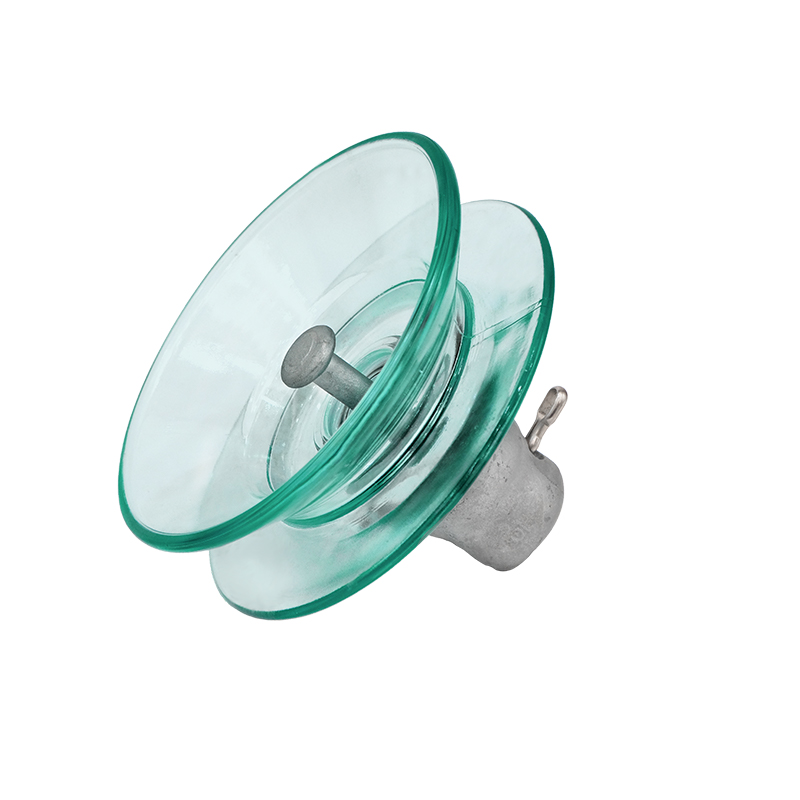
Features two prominent external ribs. The lack of under-ribs minimizes solid particulate accumulation, allowing for easy cleaning by heavy rains and manual washing. This profile matches the leakage distance of standard anti-pollution models in severe industrial zones.
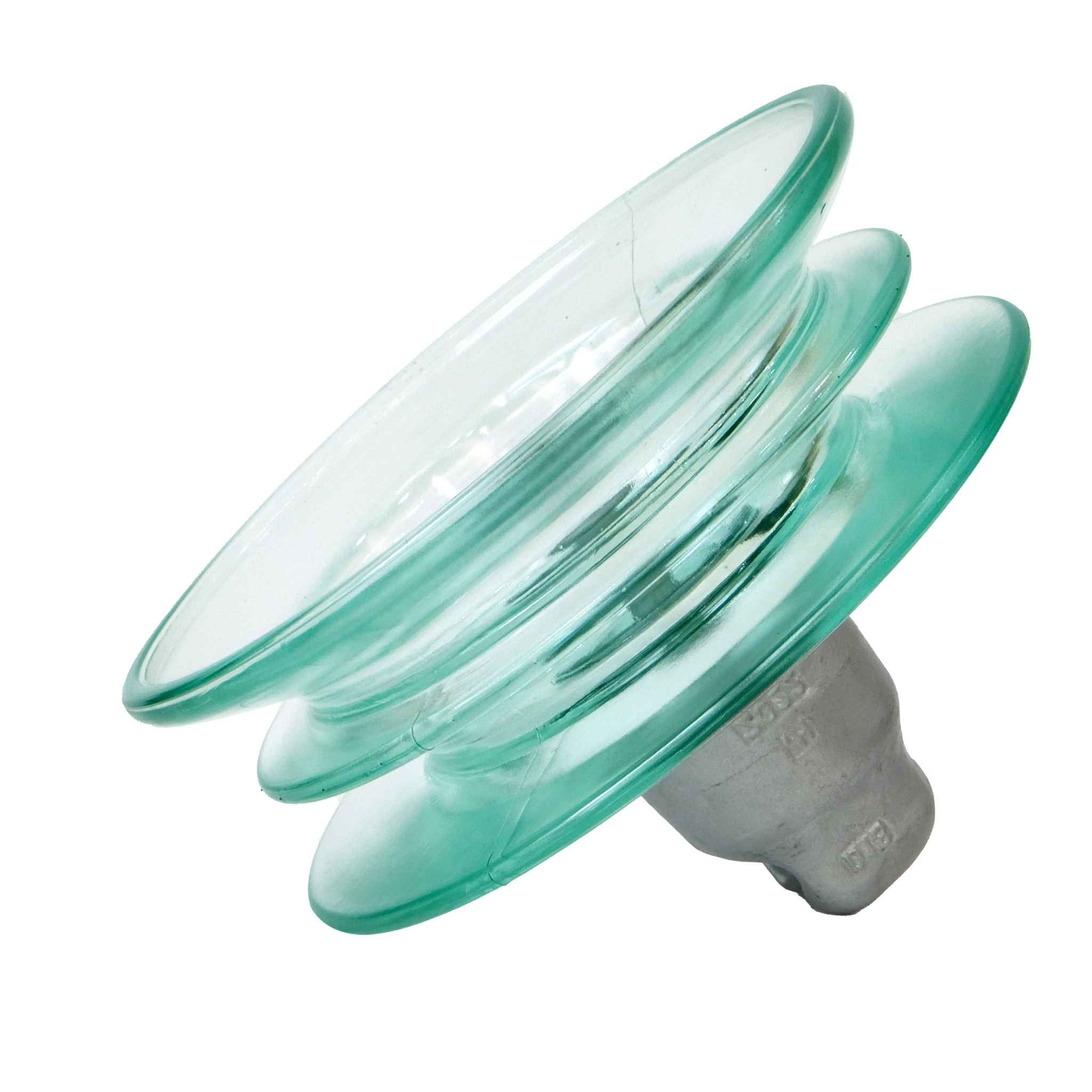
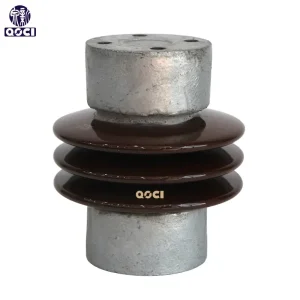
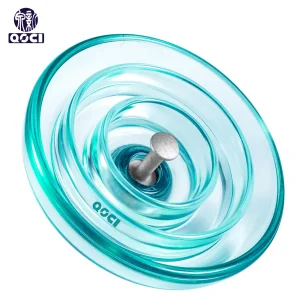
Features three independent umbrella discs on the insulation body. This open shed geometry reduces pollution accumulation, provides a longer creepage path, and ensures stable electrical performance in coastal regions and ultra-high voltage (UHV) lines.
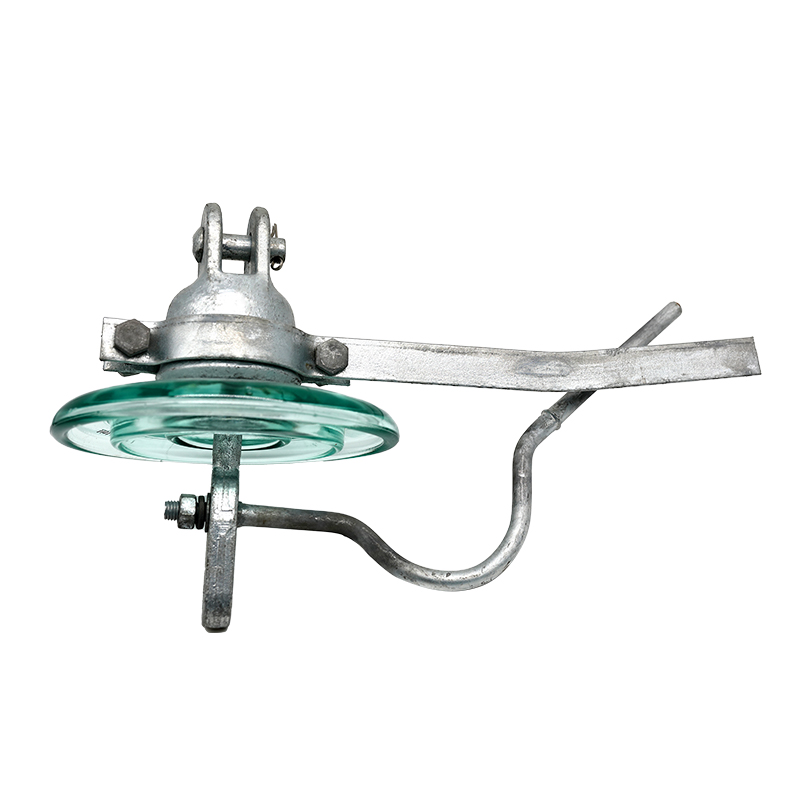
Incorporates integrated internal or external metal accessories (such as socket pins and top caps) linked directly to the grounding wire. This configuration safely channels lightning surges away from conductors, protecting substation and transmission infrastructure.
In the power transmission industry, minor defects in a glass disc can lead to catastrophic line drops. Our manufacturing plant in Pingxiang utilizes automated batching, melting, pressing, thermal toughening, and quality testing systems. By implementing a digital raw material mixing process, we ensure precise glass chemistry, minimizing internal stresses and preventing early structural failure of the tempered glass bodies.
| Manufacturing Stage | Automation Equipment Details | Quality Assurance parameters |
|---|---|---|
| Raw Material Preparation | Automated Mixer & Feeding Scales | Accurate chemical ratios of silica sand, soda, and limestone. |
| Glass Melting | Total Oxygen Kiln System | Precise heat profile controls to prevent micro-bubbles and thermal shock weak points. |
| Press Forming | High-Precision Forming Press | Uniform thickness distribution to eliminate mechanical stress concentration. |
| Thermal Toughening | Controlled Thermal Quenching Line | Develops high surface compressive stresses to provide high mechanical strength. |
| Assembly & Cementing | Automatic Cap-and-Pin Assembler | High-grade alumina cement application ensuring stable mechanical load transfer. |
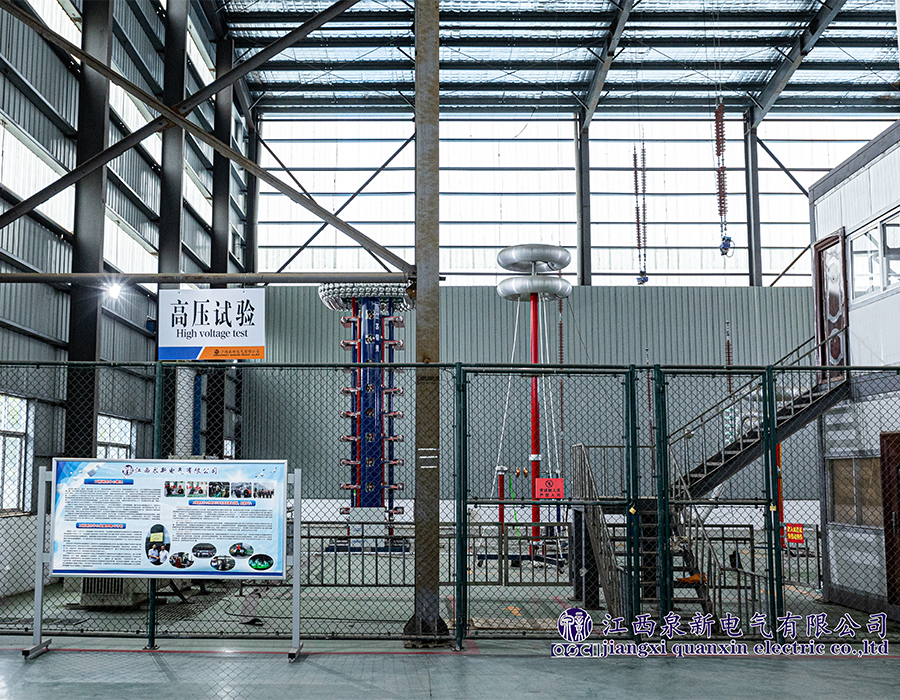
| Final Verification | High Voltage & Mechanical Pull Tester | 100% mechanical testing up to rating loads, plus steep-front impulse voltage checks. |
Our products are mainly high-strength glass insulators used in low-voltage, high-voltage, ultra-high voltage, and extra-high voltage AC (DC) power transmission lines.
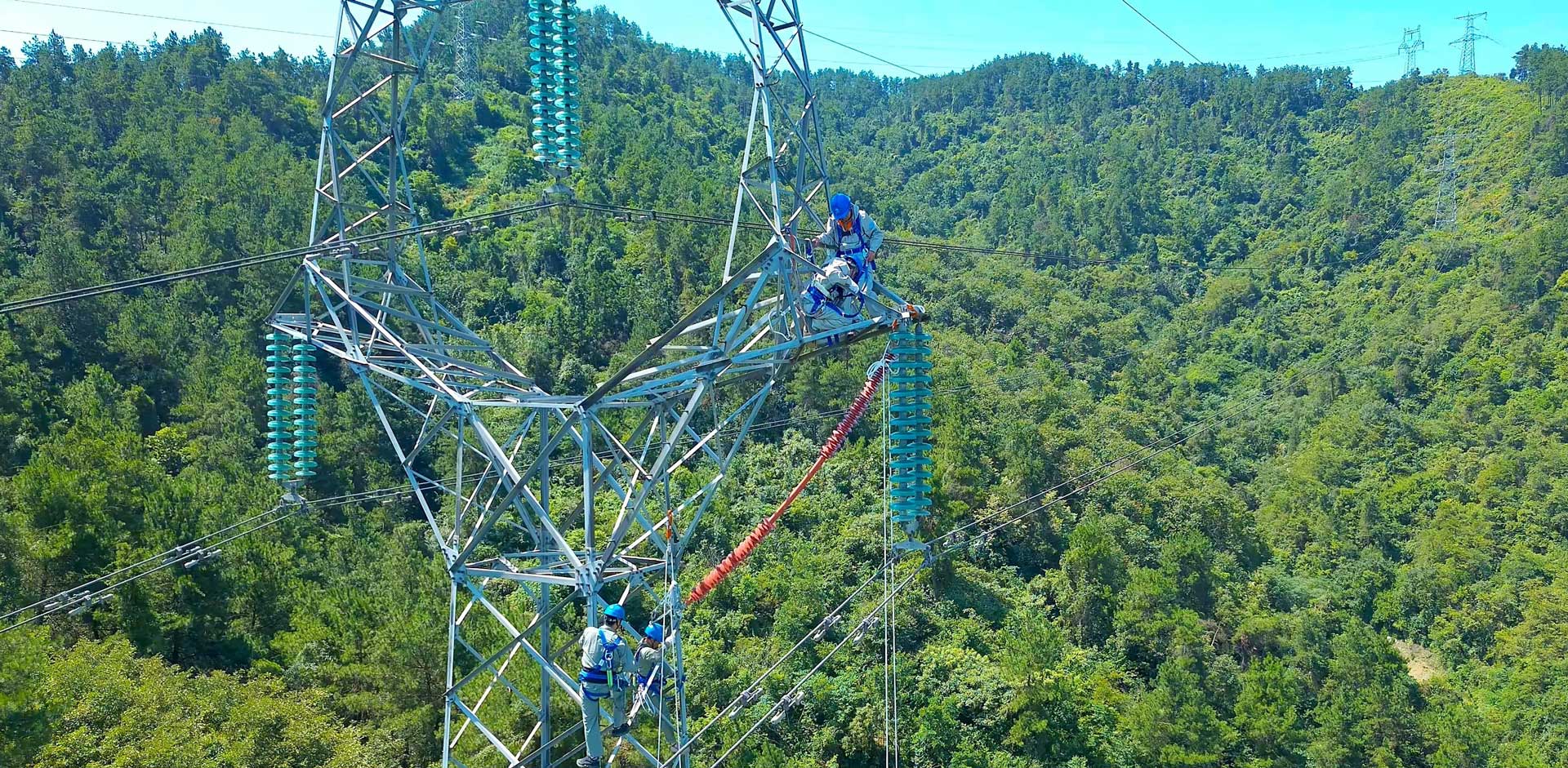
Specially constructed profiles designed to resist extreme weather, high altitudes, freeze-thaw cycles, and heavy coastal salt winds.
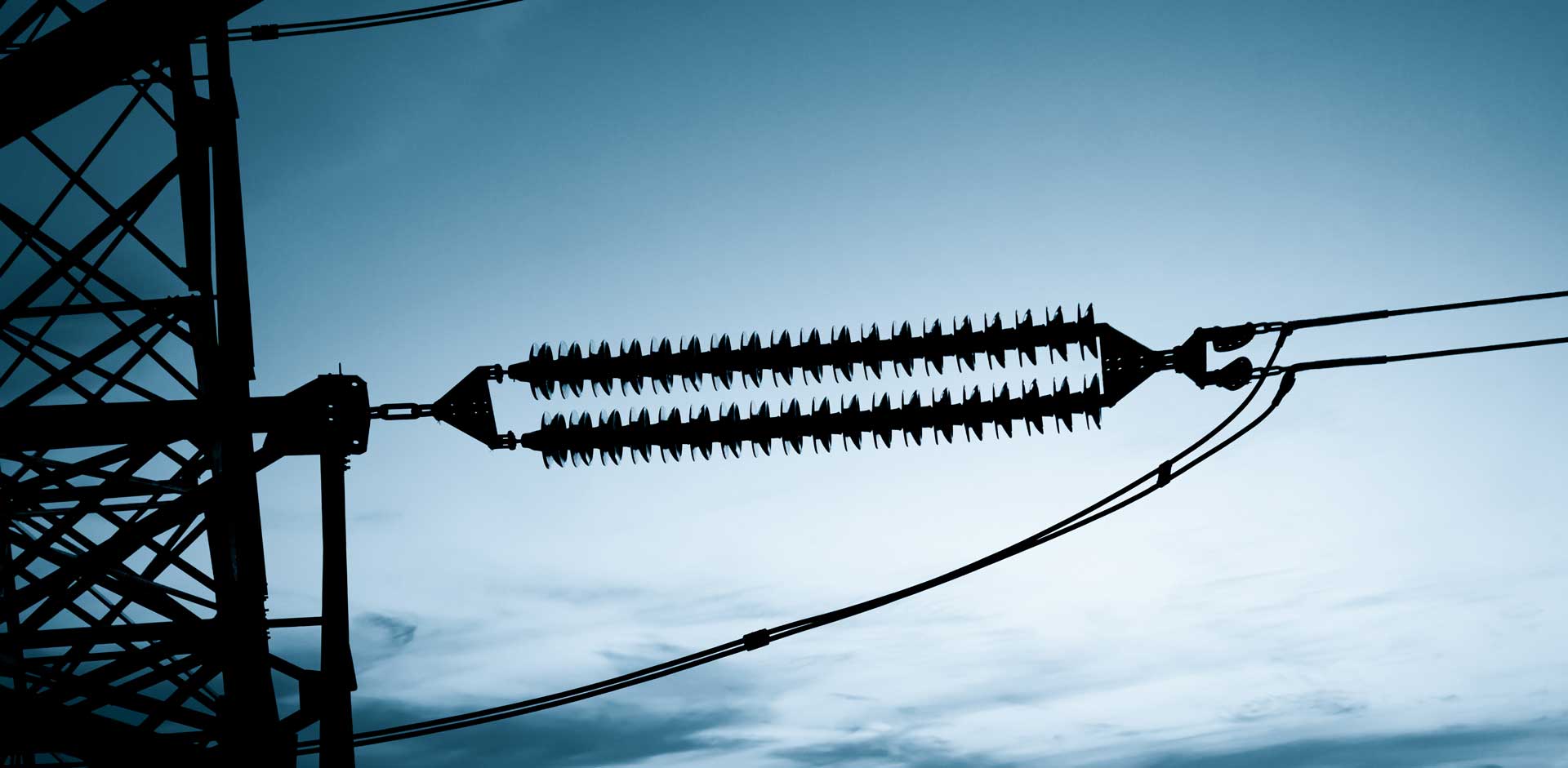
Provides electrical insulation and mechanical support across major substations, overhead towers, and inter-state grid connections.
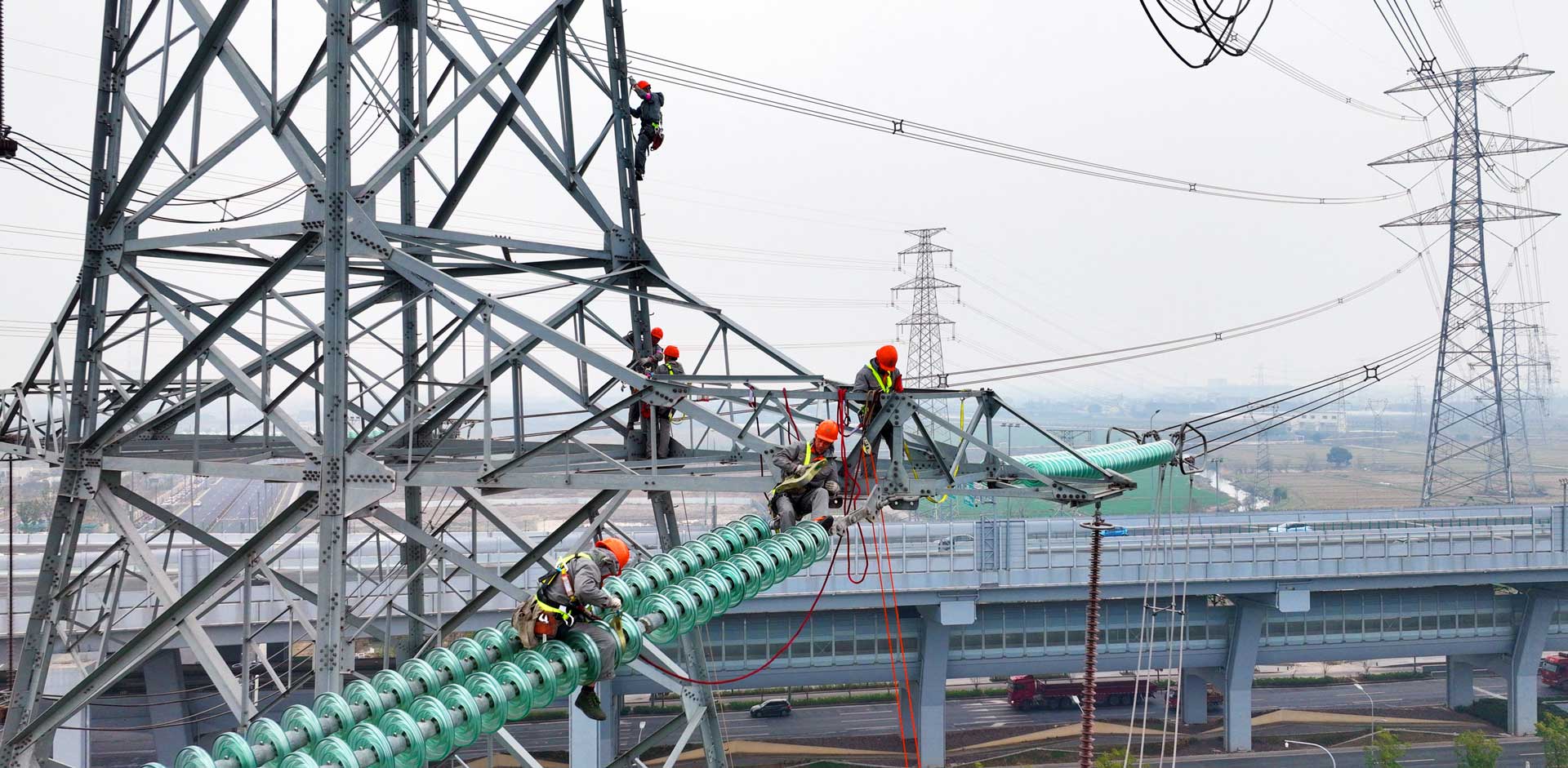
Optimized structures designed to withstand dynamic wind loads, conductor vibration, and high mechanical tension.
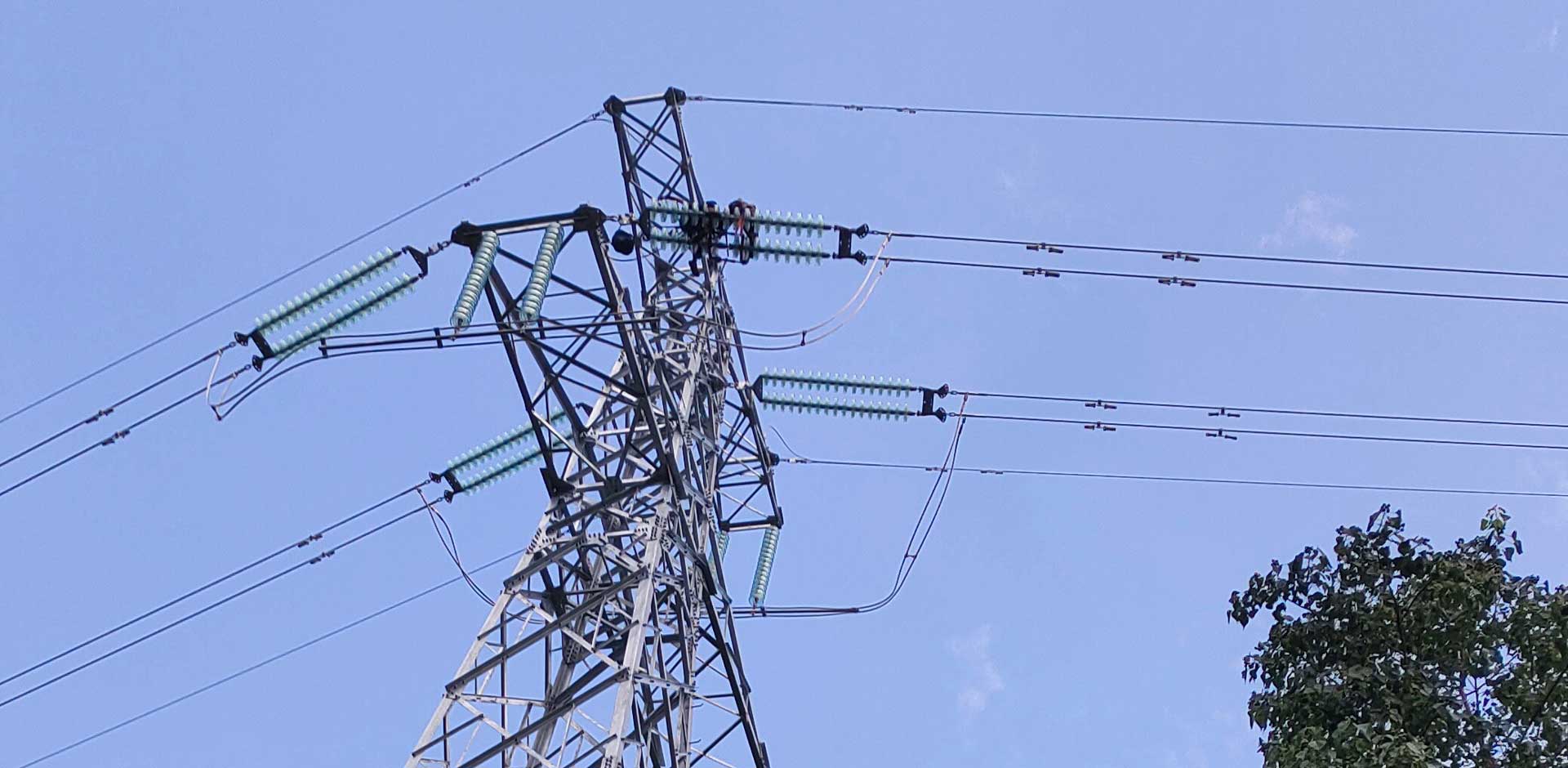
Provides reliable insulation for industrial complexes, oil fields, heavy manufacturing centers, and electrified transport networks.
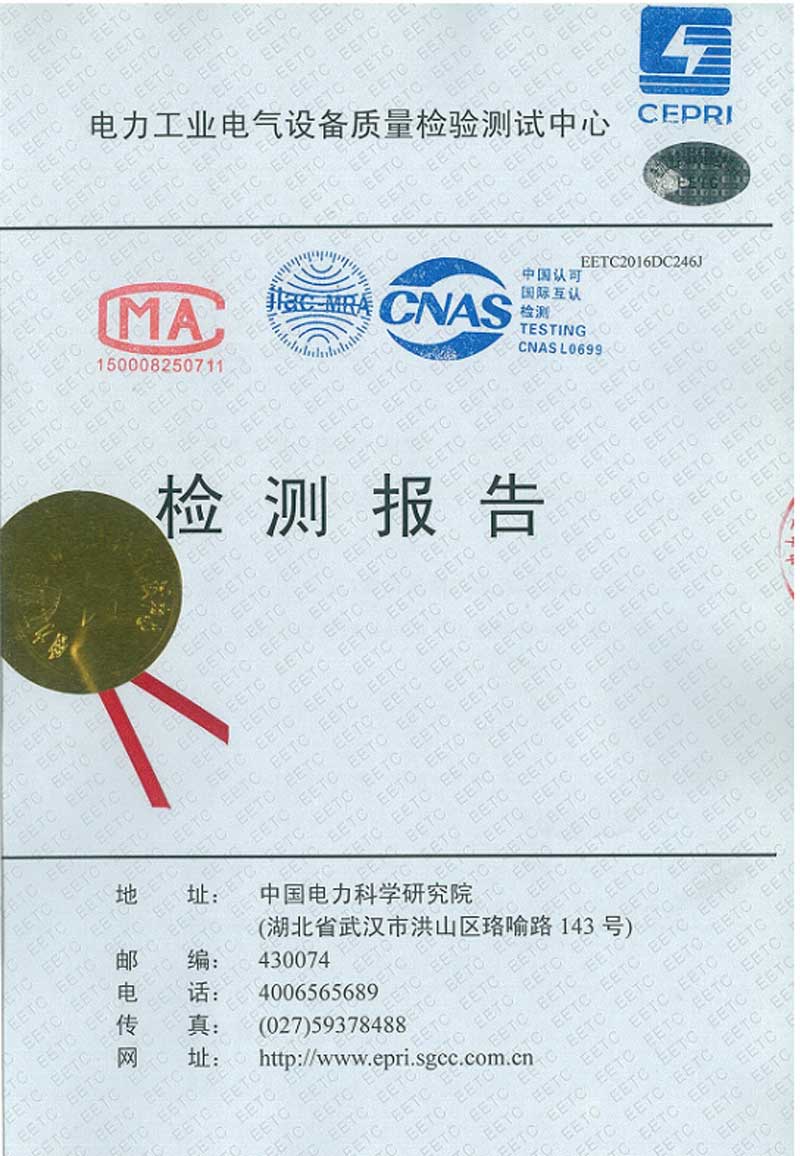
Tested and verified by national and international labs to guarantee compliance with ISO and IEC standards.
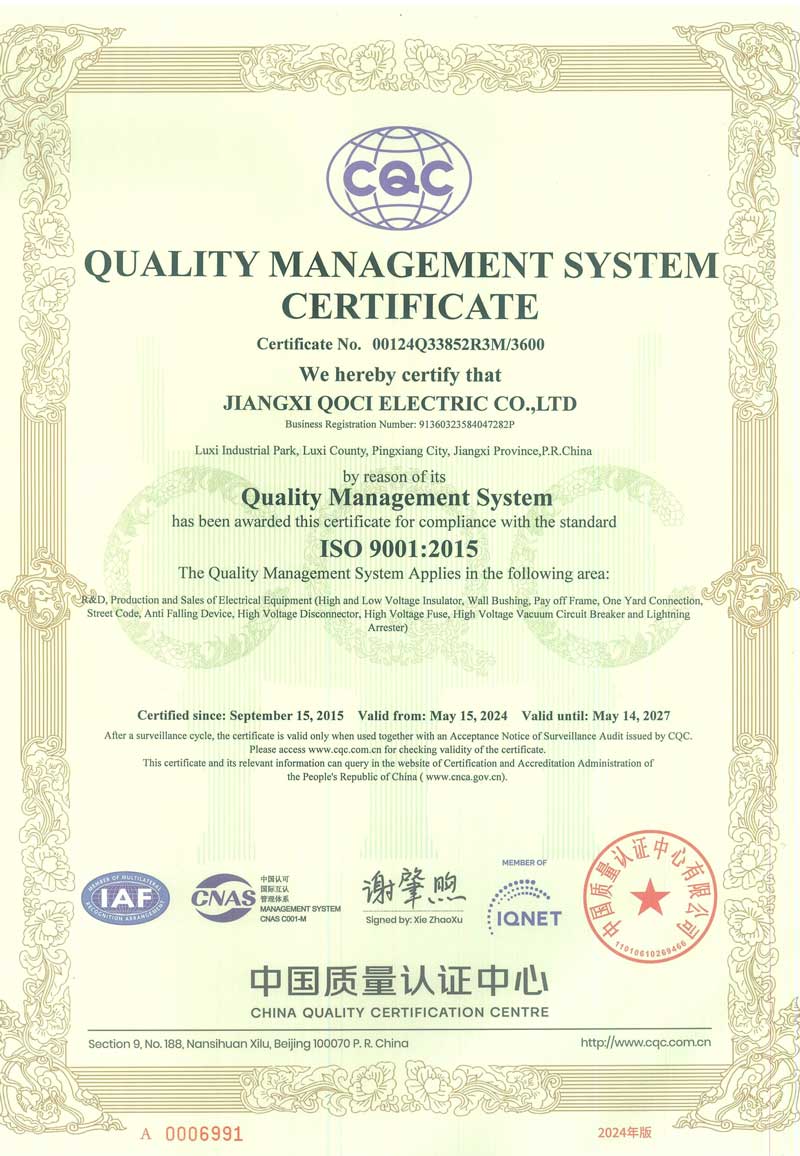
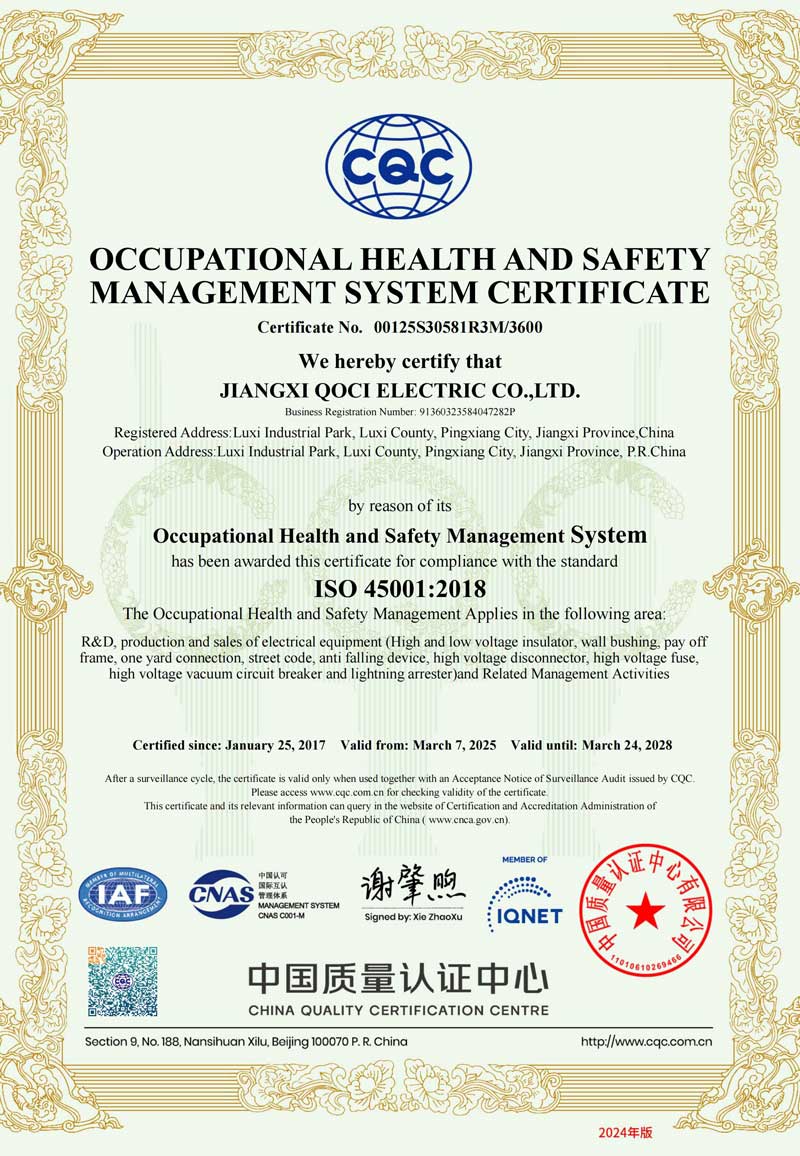
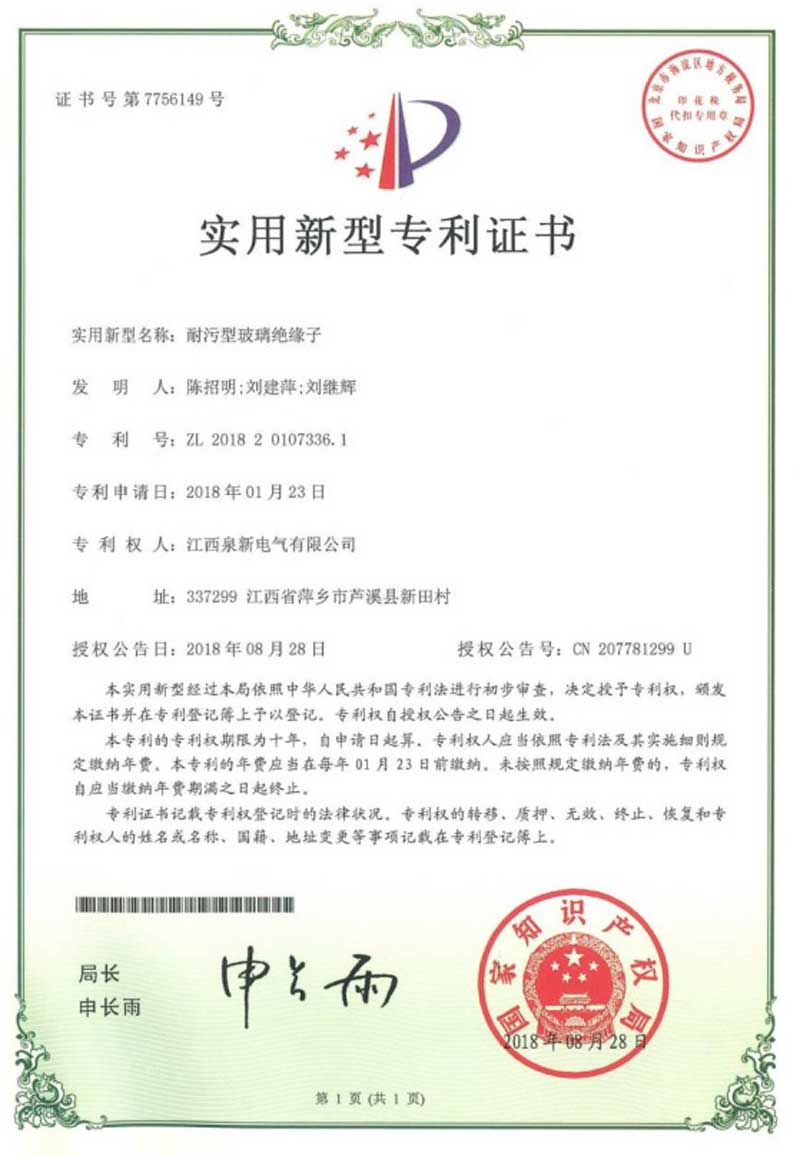
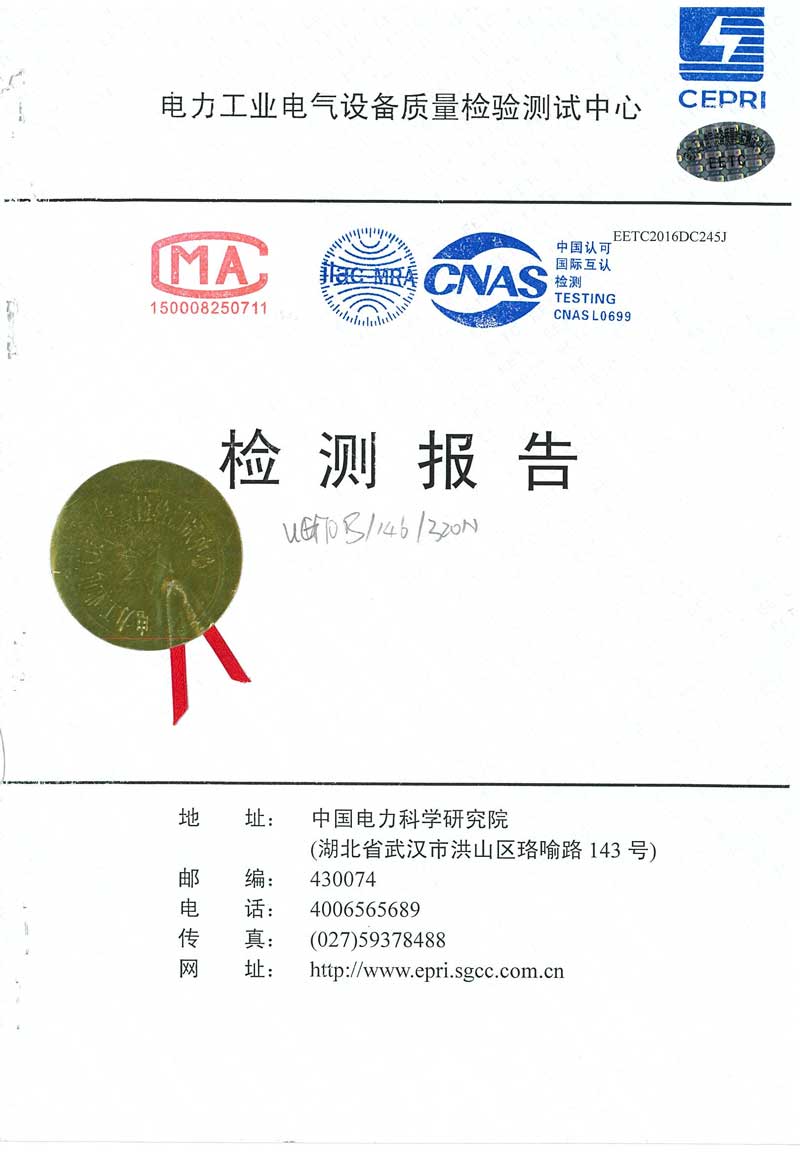
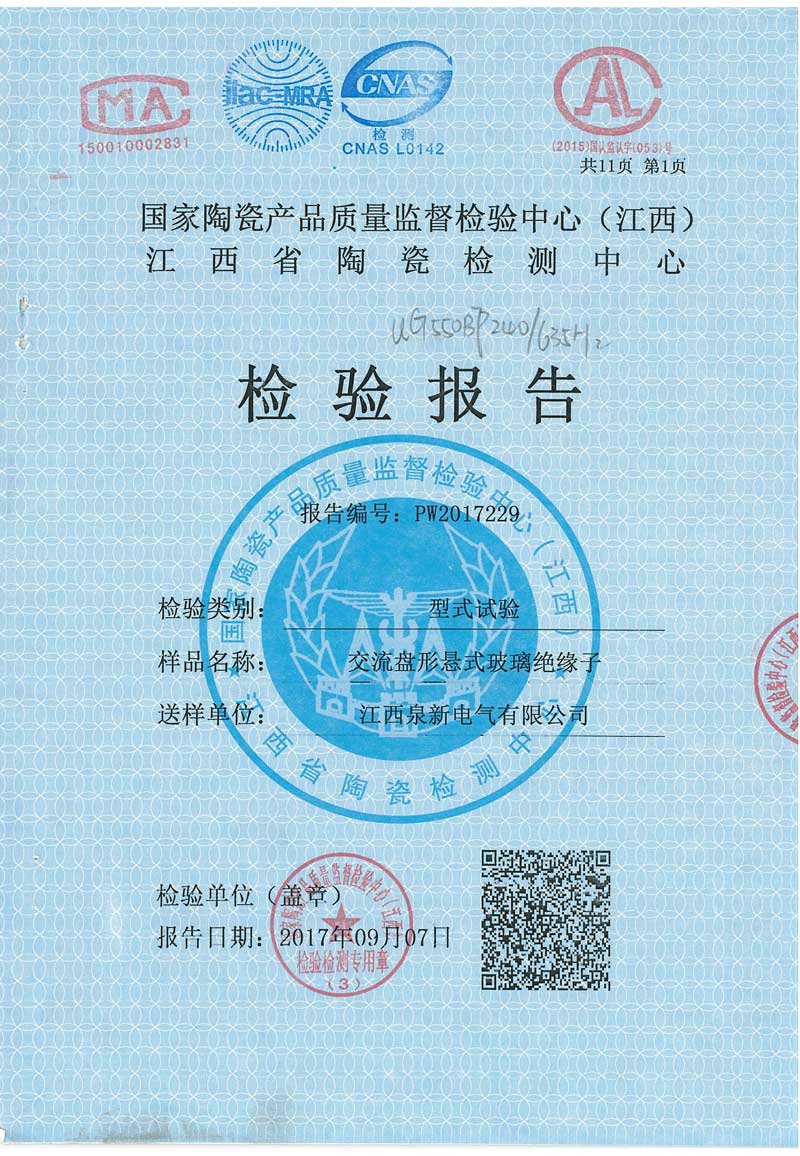
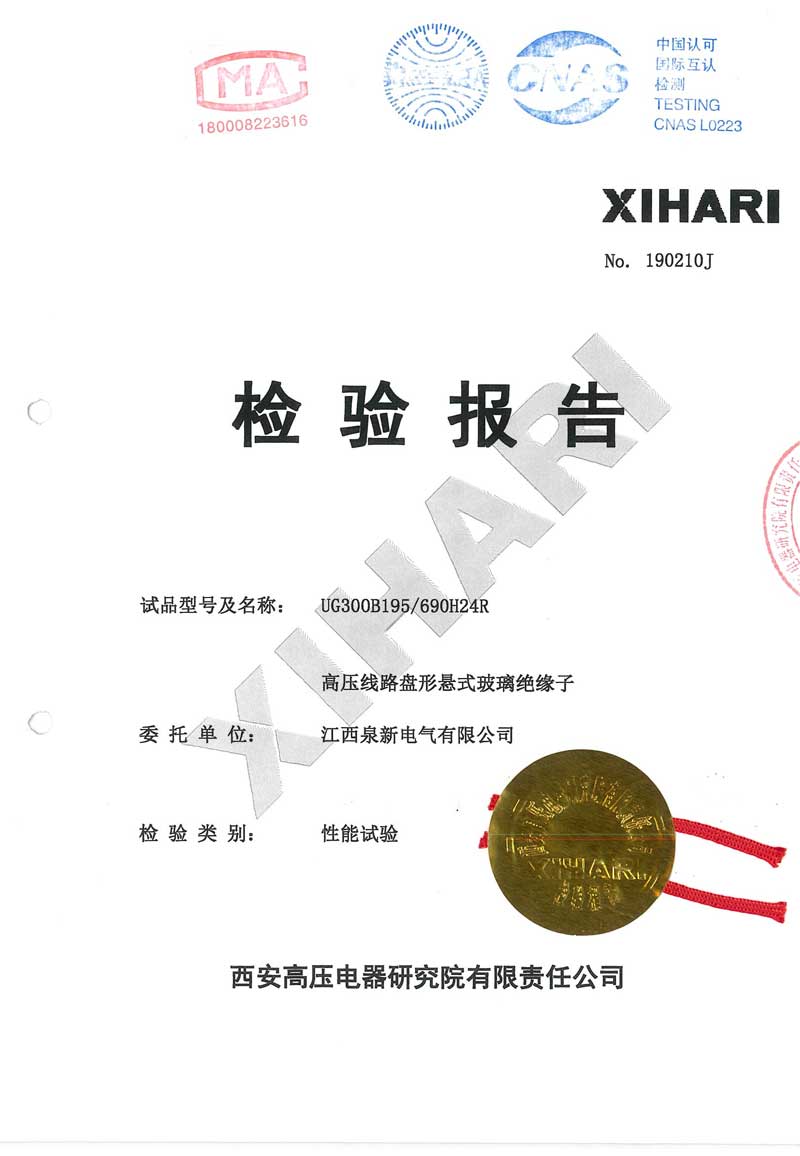
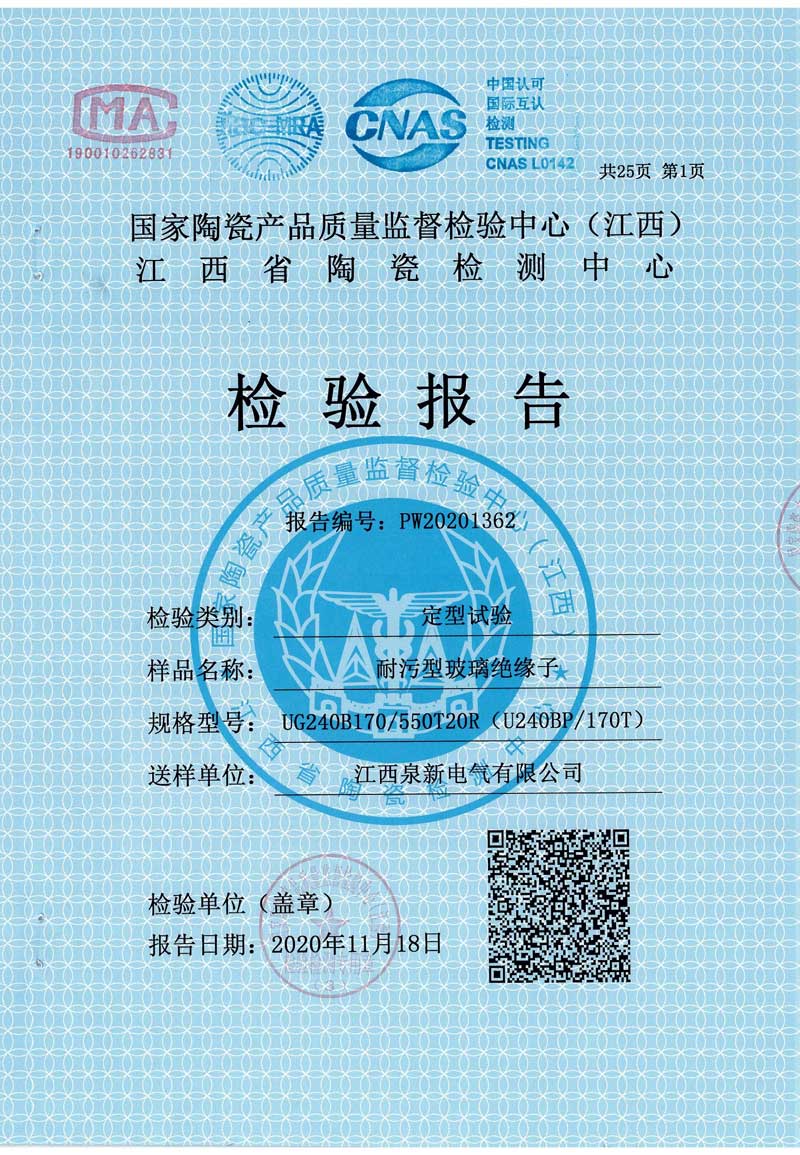
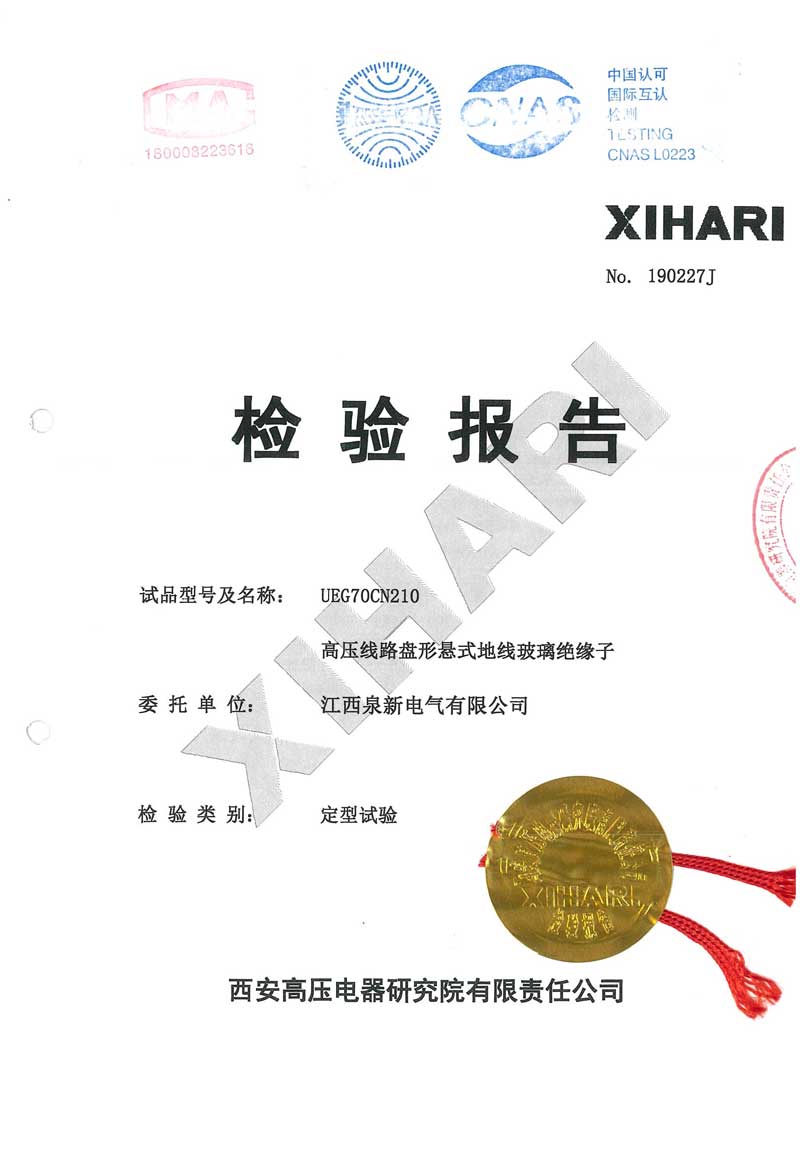
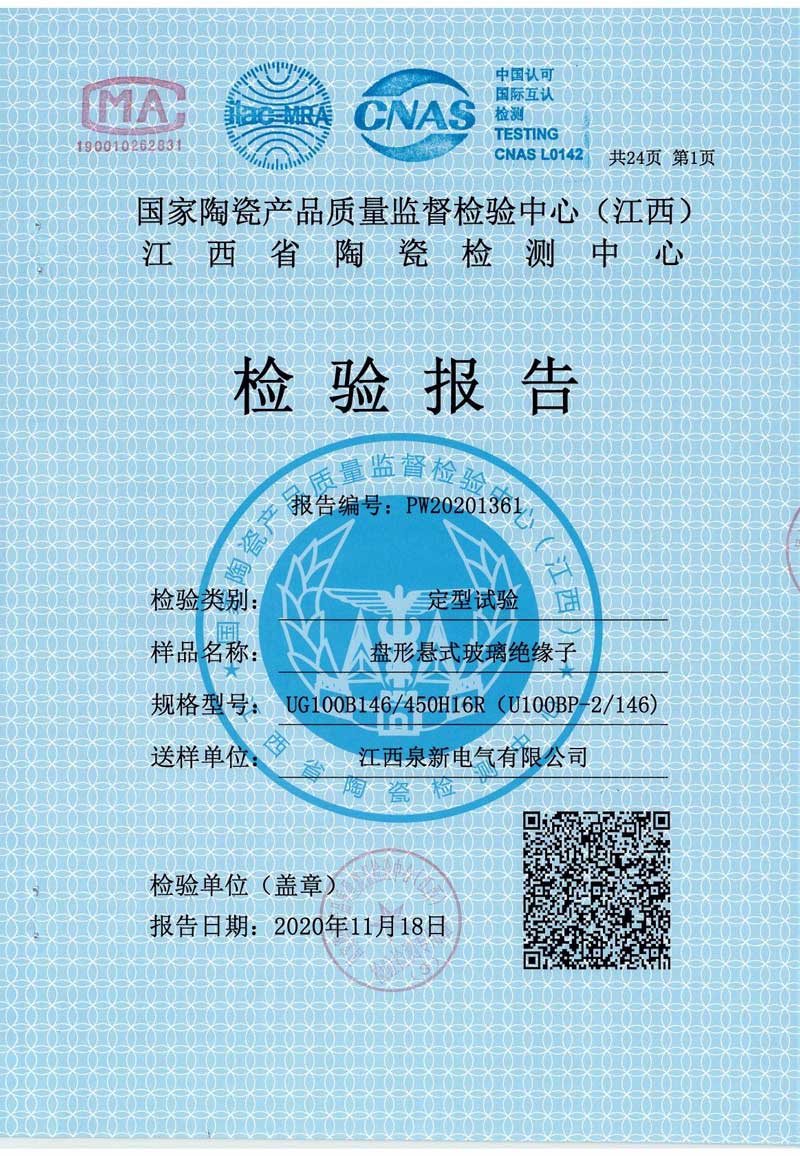
Collaborating with global power grid operators and industrial distribution contractors to supply critical infrastructure components.

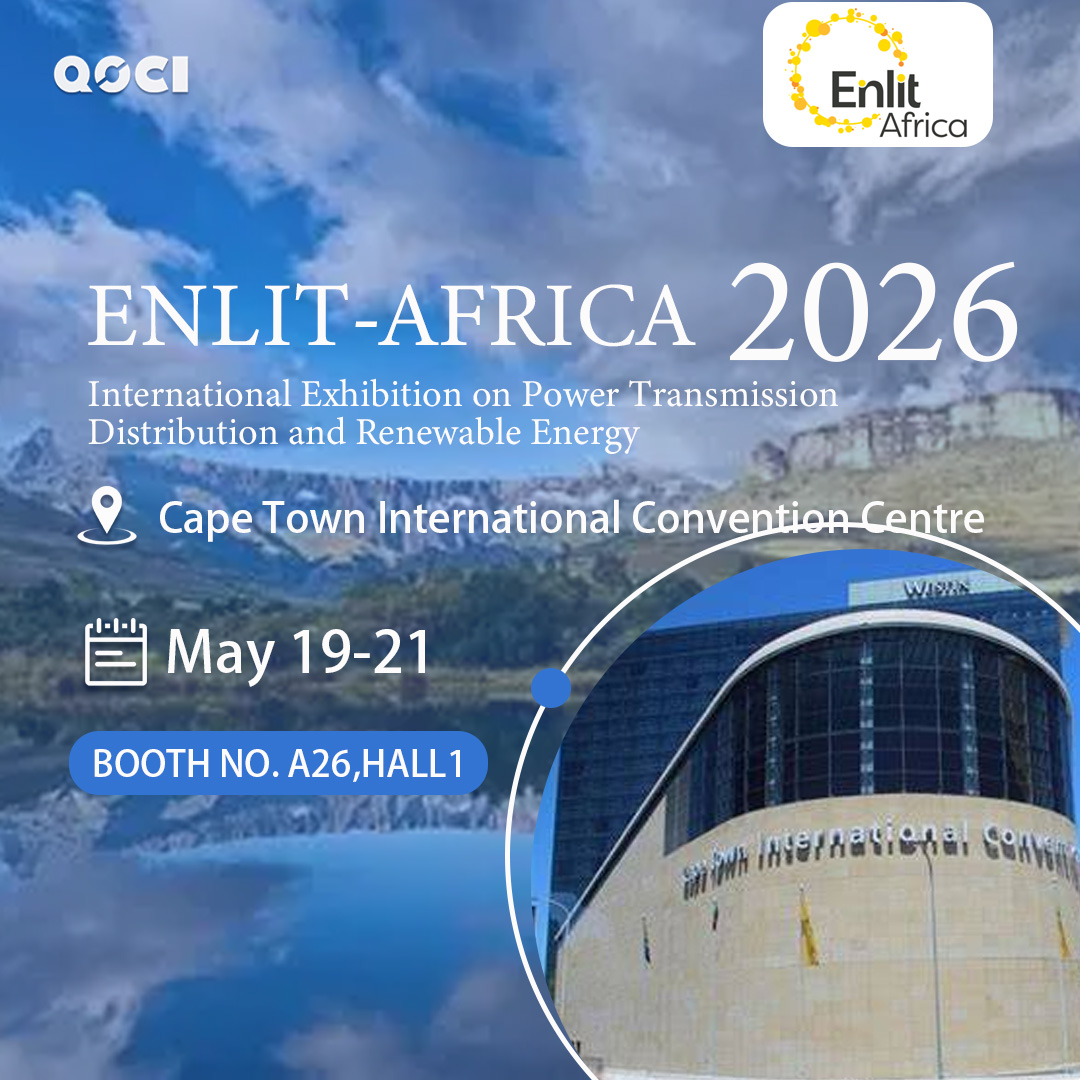
As the global energy transition accelerates, the importance of electricity, renewable energy, and energy storage technologies is becoming increasingly critical. QOCI Electric will join international partners to highlight modern glass isolator solutions designed to support the African electrical grid expansion.
In international power systems standards (IEC and GB/T), the code represents specific design characteristics: U refers to Suspension-type disc insulator; 70 signifies the rated electromechanical failing load of 70 kilonewtons (kN); bl specifies the ball and socket type connection configuration in line with standard IEC socket structures; and d identifies a double-shed profile design, which provides a longer creepage distance for enhanced pollution performance.
Toughened glass provides several operational advantages:
Room Temperature Vulcanization (RTV) silicone coatings form a thin hydrophobic layer on the glass surface. In humid, saline, or dusty environments, water forms separate droplets rather than a continuous conductive film. This prevents current leakage, minimizes flashovers, and eliminates the need for periodic manual washing of the insulator strings.
Every production batch of QOCI glass insulators undergoes testing in compliance with IEC 60383, IEC 60305, and ANSI C29.2B standards. These procedures include temperature cycle tests (ranging from cold to hot water shock), steep-front impulse voltage tests, power-frequency dry/wet flashover checks, and ultimate tensile strength testing to verify the rated 70kN mechanical failure limit.