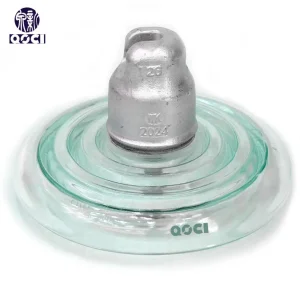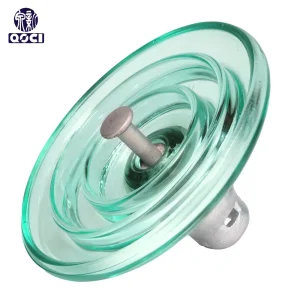
Industry-standard and anti-pollution toughened glass solutions engineered to ensure grid resilience
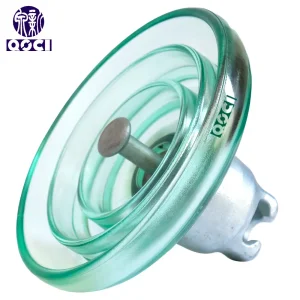
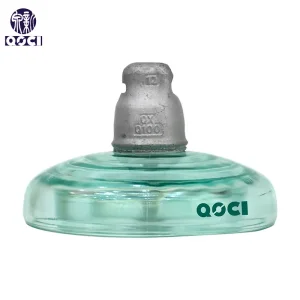
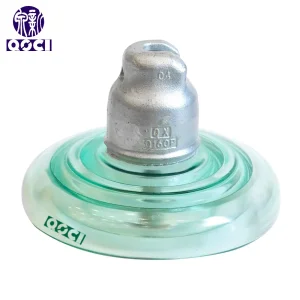
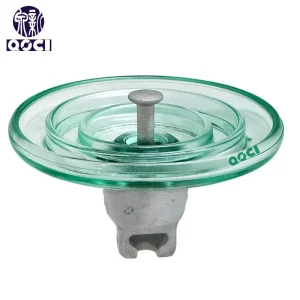
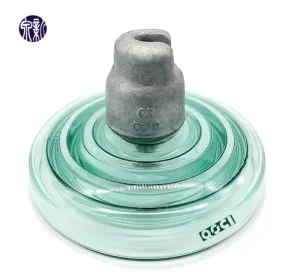
In modern high-voltage transmission engineering, electrical design parameters must be balanced with robust mechanical ratings. The CTV 255 Electric U70B (also referenced as the U70B/146 or CTV 146/255 type according to varying national standards) represents the pinnacle of cap-and-pin design for overhead distribution and transmission networks. Sized at a nominal disc diameter of 255mm and a spacing of 146mm, this type is universally selected due to its exceptional performance-to-weight ratio and standardized dimensional matching.
Toughened glass provides unique structural stability. Unlike porcelain which can harbor invisible internal fissures, or composite/silicone polymers susceptible to UV degradation and acid-rain erosion, toughened glass maintains constant dielectric properties over decades. The thermal shock treatment during manufacturing produces a high compressive stress layer on the glass shell's outer surface, yielding excellent resistance to sudden ambient temperature changes and preventing mechanical failures.
The following table outlines the standardized physical, electrical, and mechanical properties required to meet international standards such as IEC 60305, IEC 60383, and ANSI C29.2:
| Parameters | Standard Value / Rating | Testing Standard References |
|---|---|---|
| Mechanical Failing Load | 70 kN | IEC 60305 / ANSI C29.2B | Shell Nominal Diameter (D) | 255 mm | IEC 60305 |
| Unit Spacing (H) | 146 mm | IEC 60305 |
| Nominal Creepage Distance | 320 mm (Standard) / 450 mm (Anti-pollution) | IEC 60305 (Standard/Fog profile) |
| Power Frequency Withstand Voltage (Dry) | 75 kV | IEC 60383-1 |
| Power Frequency Withstand Voltage (Wet) | 45 kV | IEC 60383-1 |
| Lightning Impulse Withstand Voltage | 110 kV (Positive) / 115 kV (Negative) | IEC 60383-1 |
| Coupling Standard Connection | 16B / 16C (Ball and Socket) | IEC 60120 |
Optimizing leakage paths and aerodynamic performance to prevent flashovers across different terrain classes
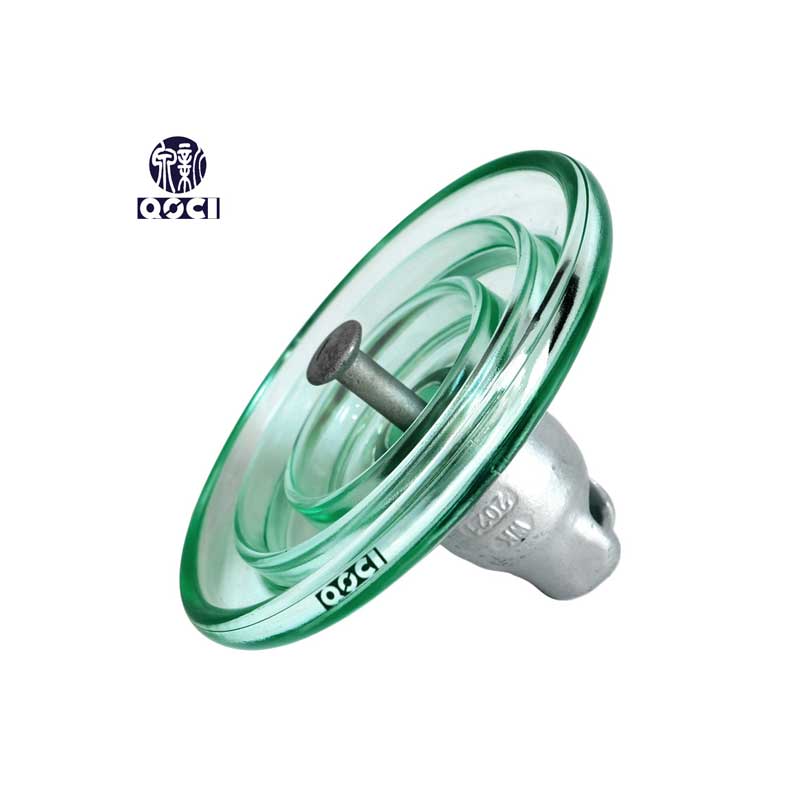
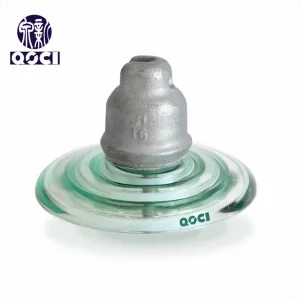
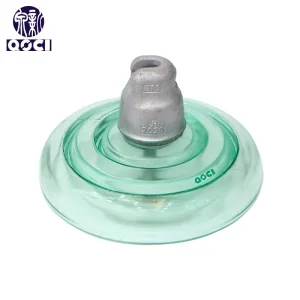
Designed with shallow, well-spaced small ribs, optimizing the self-cleaning effect under natural wind and rain action. The leakage distance exceeds traditional standards indicated in IEC 60305, making it the ideal choice for clean-to-moderately polluted atmospheric zones.
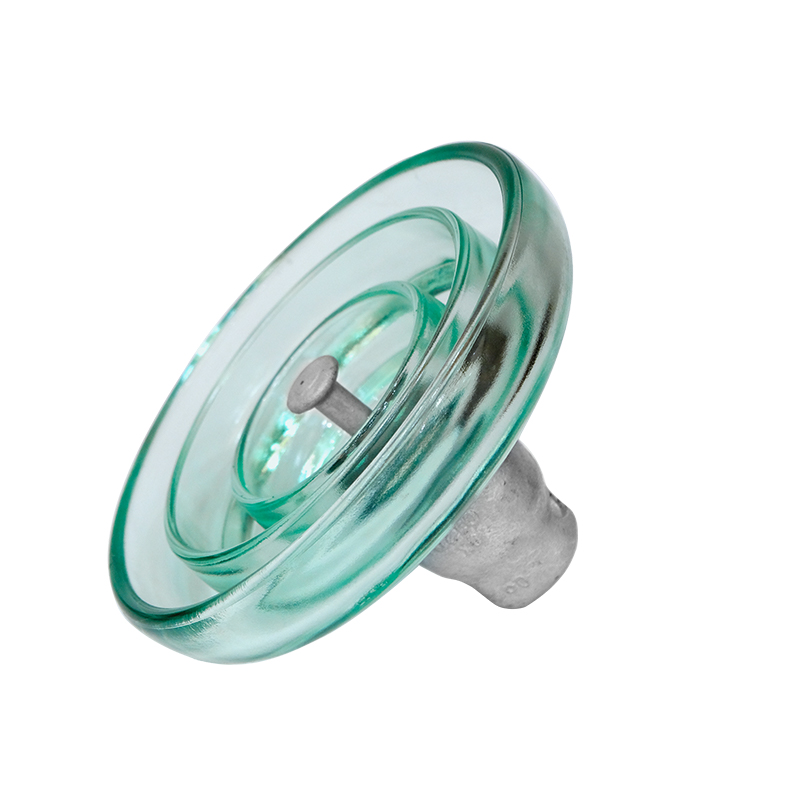
Features deep, widely-spaced under-ribs to avoid bridging under wet salt-fog or heavy particulate buildup. Boasting a leakage distance to spacing ratio of approximately 3.2, it is highly suited for coastal lines, heavy agricultural land, and high salt-spray environments.
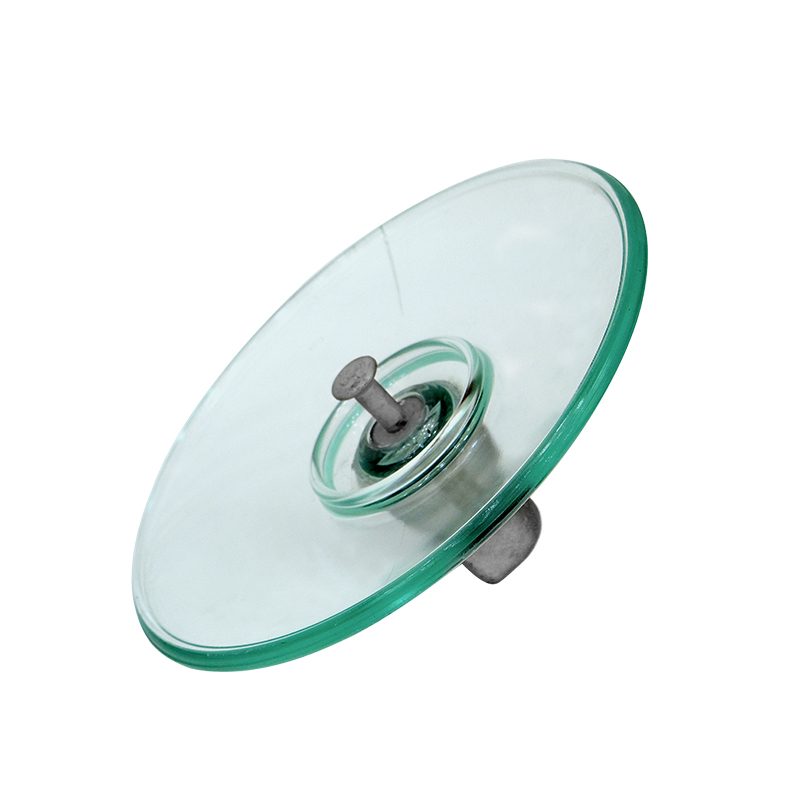
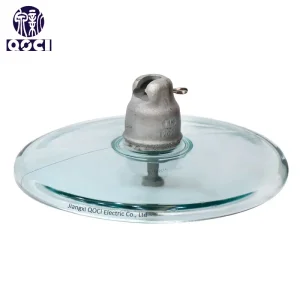
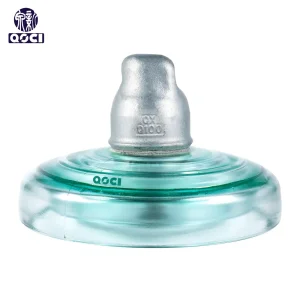
Designed with an absence of under-ribs and an extended disk diameter to eliminate sand, dust, and industrial pollutant entrapment on the lower surface. Engineered specifically for dry, arid desert regions with high wind-driven particulate loads.
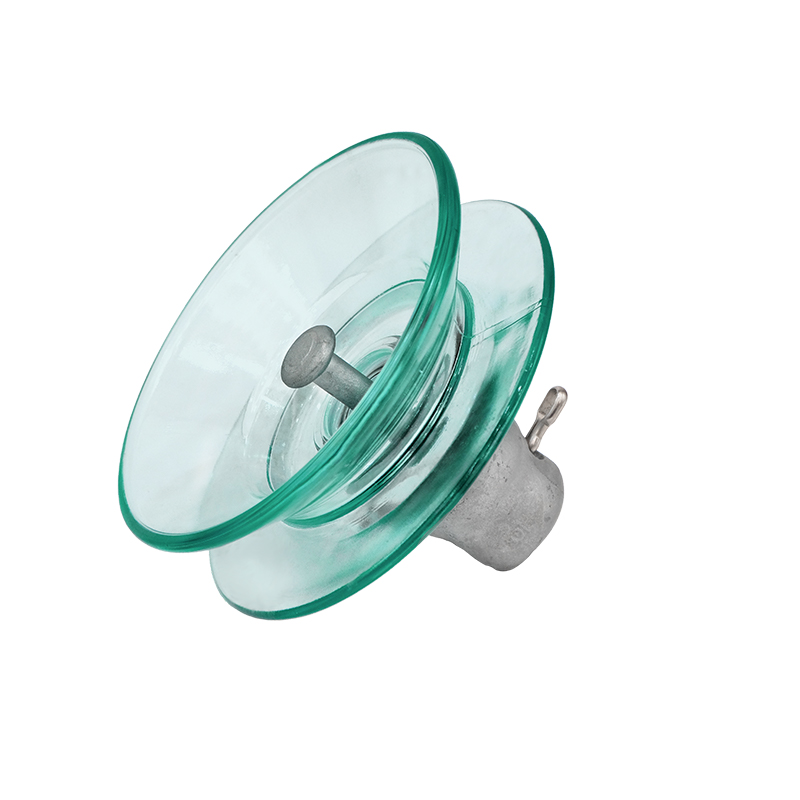
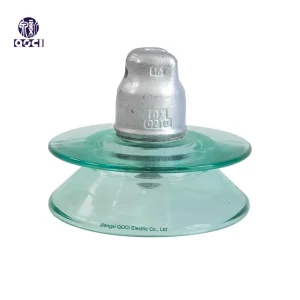
Features two distinct external ribs that promote self-cleaning under heavy winds. The configuration delivers an exceptional leakage distance matching that of specialized anti-pollution units while maintaining an easy-to-clean interface for mechanical maintenance crews.
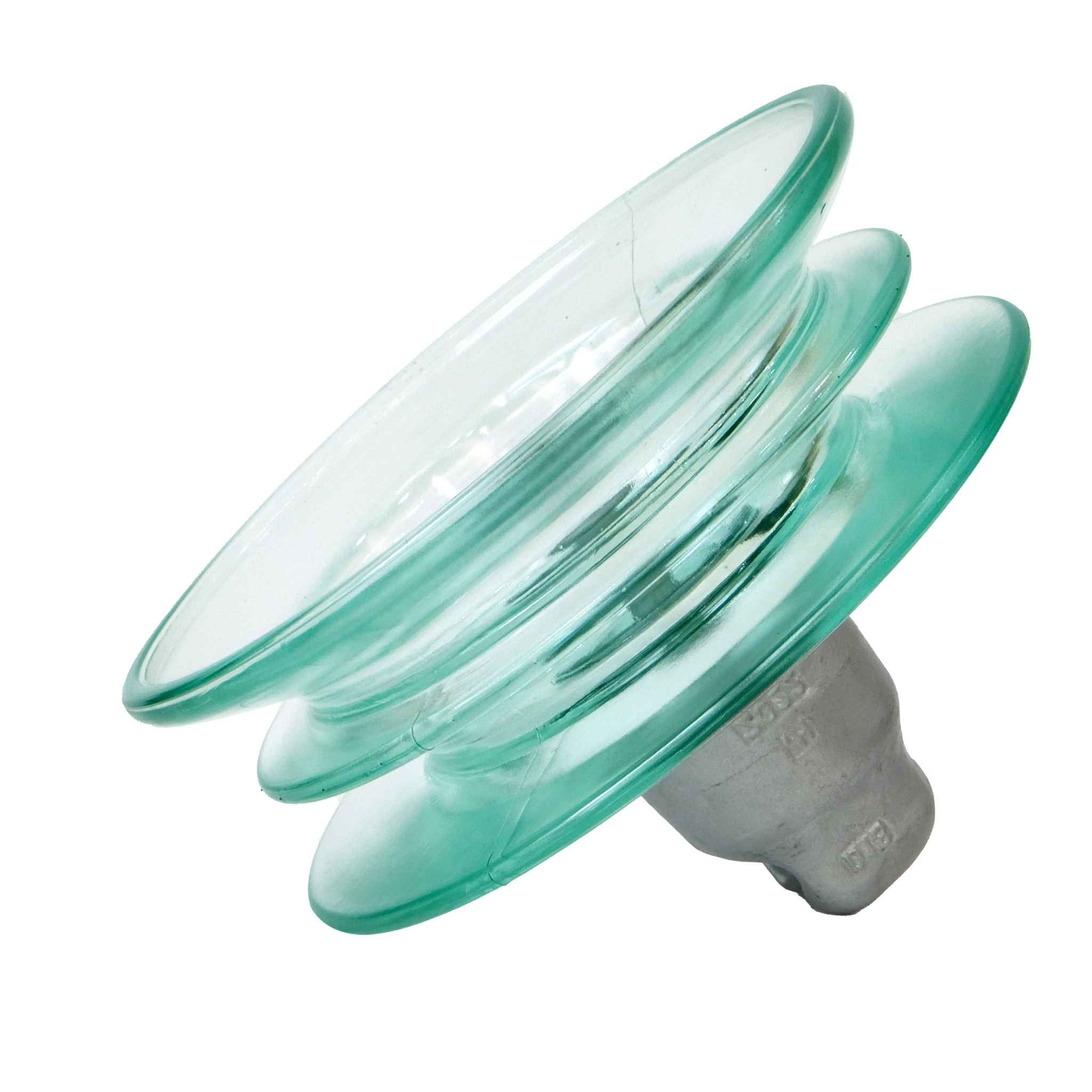
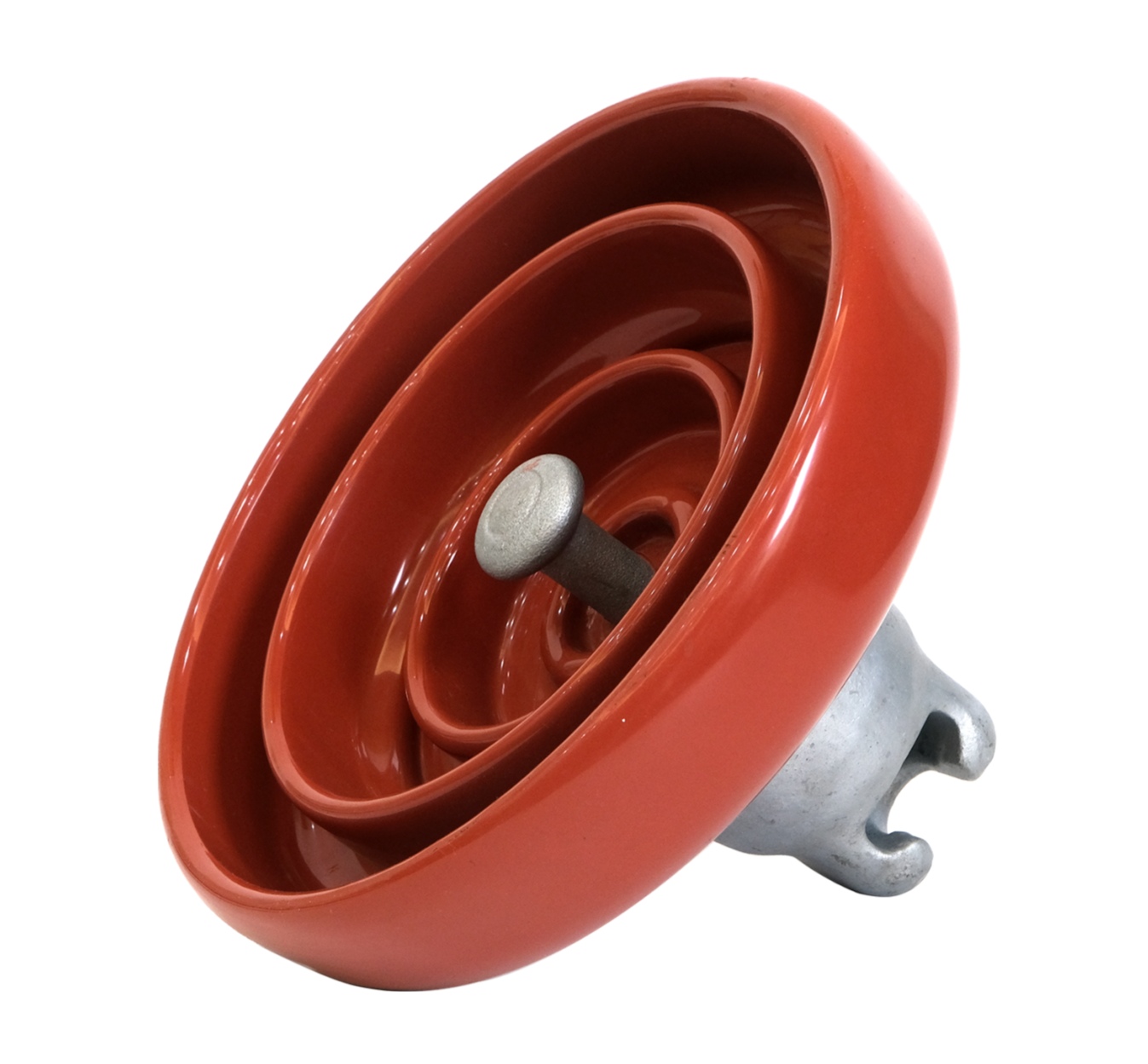
Features three distinct layers of umbrella discs, providing maximum electrical isolation and creepage distances. Perfect for ultra-high voltage (UHV) networks and geographic zones plagued by dense industrial chemical precipitation and extreme altitude climates.
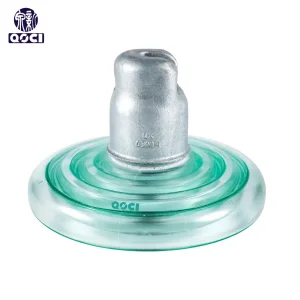
Combines the high mechanical strength of toughened glass with the hydrophobic properties of Room Temperature Vulcanization (RTV) silicone. This coating suppresses leakage currents and eliminates the need for periodic manual washing in severe pollution environments.
As smart grids evolve to transport electricity over longer distances and through harsher environmental conditions, insulator technologies must adapt. Our research and development focuses on three primary pillars of technology advancement:
By embedding miniaturized load cells and leakage current sensors inside the cap-and-pin assembly, we are paving the way for real-time monitoring of insulator strings. This allows utilities to pinpoint micro-leakage spikes and predict mechanical failure before a flashover occurs, turning reactive grid maintenance into predictive asset management.
In addition to standard RTV coatings, our material science lab is developing fluorinated hydrophobic nano-coatings that offer superior UV resistance and durability. These coatings are engineered to last up to 25 years without degradation, ensuring consistent leakage current suppression even in corrosive coastal zones.
Our upcoming production roadmap leverages high-efficiency electric-arc and oxy-fuel furnaces. This process reduces the carbon footprint of glass melting by 40% compared to coal-gas fired kilns, helping international developers meet strict ESG indicators and carbon neutrality goals.
Strategic application scenarios for toughened glass insulators across national infrastructures
Ultra-High Voltage transmission requires insulators capable of withstanding voltages up to 1100kV AC and ±800kV DC. Our high-strength toughened glass insulators are certified to handle the massive mechanical loads and strict dielectric requirements of long-distance energy corridors, transporting bulk clean energy from remote generation sites to urban load centers.
Electrified transit systems demand high mechanical reliability. Our U70B and U120B systems provide stable overhead tension support for pantograph lines. Toughened glass eliminates the risk of spontaneous cascading failure under high vibration profiles common near high-speed rail tracks.
Marine environments subject electrical components to continuous salt spray, high humidity, and extreme wind forces. Our RTV-coated and triple-shed glass options provide the necessary creepage and corrosion-resistant hot-dip galvanized fittings to prevent dielectric breakdown in marine energy collectors.
Our manufacturing complex located in Pingxiang, Jiangxi Province represents a state-of-the-art facility optimized for high-volume, defect-free production. Operating under the Factory 4.0 framework, every stage of our production is monitored for consistent mechanical and electrical performance.
Precise temperature monitoring during the molten glass stage ensures zero air pocket inclusions or micro-voids prior to mechanical compression.
Controlled air quenching creates a high compressive stress layer on the glass surface, providing high thermal shock and mechanical impact resistance.
Our high-purity aluminous cement provides thermal expansion matching between steel caps, glass shells, and pins to prevent thermal cracking.
Every unit undergoes continuous thermal shock testing, mechanical load testing, and power frequency spark tests to eliminate manufacturing defects.
By maintaining extensive raw material stockpiles of high-quality silica sand and securing long-term steel contracts, we shield global buyers from volatile price spikes. This structured supply chain management allows us to offer short lead times, stable wholesale pricing, and reliable delivery schedules for major utility tenders.
When engineering transmission lines or drafting utility tenders, procurement leads must specify precise parameters to ensure product compatibility and structural integrity. A comprehensive specification sheet for procurement of the CTV 255 Electric U70B glass insulator should outline the following criteria:
2. Zinc Sleeve Add-On: For regions containing high soil acidity or industrial acid rains, specify a zinc sleeve welded to the steel pin. This sacrificial anode prevents electro-galvanic corrosion near the cement junction, extending the service life of the insulator string by up to 15 years.
3. Split-Pin (Retaining Clip) Material: Ensure that the retaining clip (split-pin) is specified as W-type or R-type stainless steel or bronze. This maintains secure mechanical coupling within the ball-and-socket configuration, preventing conductor drops due to high vibration or high-wind gallop.
Ensuring our manufacturing standards align with national grid operators worldwide
Our manufacturing and environmental management systems are fully certified to international ISO standards. This ensures high workplace safety, minimal environmental impact, and consistent production quality across all manufacturing lines.
We provide full type test reports validated by recognized international laboratories, such as KEMA, CESI, and State Grid High Voltage Laboratories, ensuring compliance with global utility bidding criteria.
Through our global partner network, we provide on-site technical support, shipping logistics management, and regional customs clearance support to streamline international delivery.
Answers to technical and commercial inquiries regarding CTV 255 Electric U70B glass insulators
From light-duty distribution networks to high-strength EHV/HVDC transmission lines