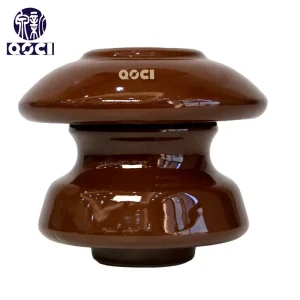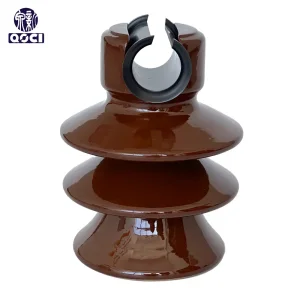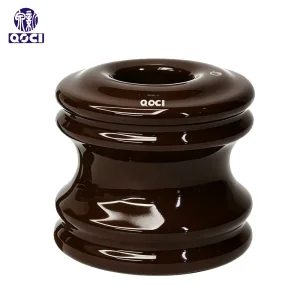
Engineered to handle high physical loads and intense electrical insulation demands under diverse international parameters.
Analyzing global shifts in high-voltage utility grids and transmission safety requirements.
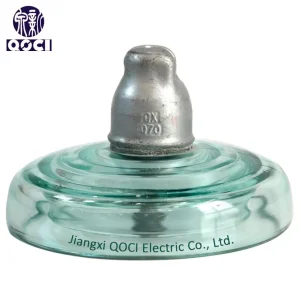
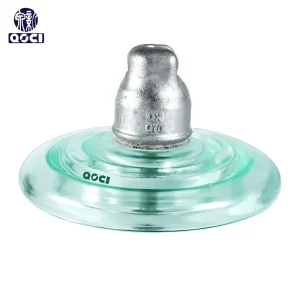
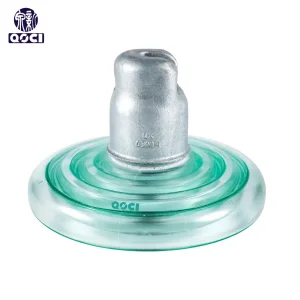
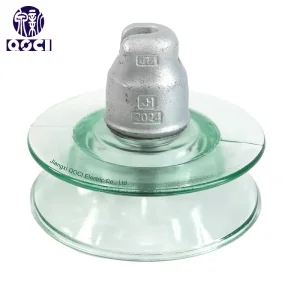
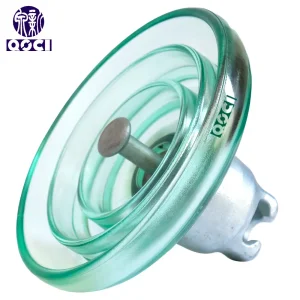
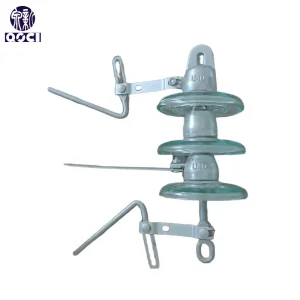
Modern electrical transmission infrastructure is undergoing a significant transition. As global clean energy installations accelerate and power generation assets migrate to remote geographical locations—such as offshore wind farms and inland deserts—grid operators face unprecedented transmission spans. Carrying this vital power demands highly robust insulation components. In this structural evolution, the Toughened Glass Suspension Insulator, particularly in highly demanded configurations like the U100bs (U100B / U100BL) series, has become a preferred asset class for utilities worldwide.
Unlike traditional porcelain and composite materials, toughened glass offers a unique combination of structural predictability and long-term electrical reliability. In porcelain assemblies, internal structural voids or hairline cracks can develop undetected over decades of service, leading to hidden puncture failures. Toughened glass, however, is manufactured under strict thermal prestressing (tempering) regimes. When physical degradation occurs, the glass body shatters into small, uniform granules. Crucially, the remaining stub retains its full mechanical rating. This allows field crews to visually detect failed components immediately from ground levels or via drone mapping, completely eliminating the need for expensive diagnostic line measurements.
Decoupled mechanical and electrical degradation curves ensure the remaining cap holds line tension even in the rare event of shell fracturing.
Eliminates periodic visual scanning and insulation tests. Handheld drone visual diagnostics replace expensive helicopter inspection operations.
Manufactured using recyclable soda-lime-silicate glass compounds that do not degrade into microplastics or release toxic materials.
Standard and specialized profile designs to mitigate environmental stresses.
Every overhead transmission layout demands customized insulation paths based on local pollution, humidity, and mechanical loads. Below is the primary specifications matrix for the U100bs / U100BL suspension disc isolator group, conforming to IEC 60305 standard guidelines:
| Parameter | Standard Value (U100BL / U100bs) | Test Protocols (IEC) |
|---|---|---|
| Electromechanical Failing Load | 100 kN | IEC 60383-1 |
| Disc Outer Diameter (D) | 255 mm / 280 mm / 320 mm | IEC 60305 |
| Spacing Height (H) | 146 mm / 127 mm | IEC 60305 |
| Nominal Creepage Distance | 320 mm / 450 mm / 550 mm | IEC 60815 (Pollution Design Guide) |
| Power Frequency Puncture Voltage | 130 kV | IEC 60383-1 |
| Mechanical Routine Test Load | 50 kN (50% of nominal rating) | IEC 60383-1 Factory Routine |
We supply a variety of structural profiles tailored to different climate zones and pollution levels:
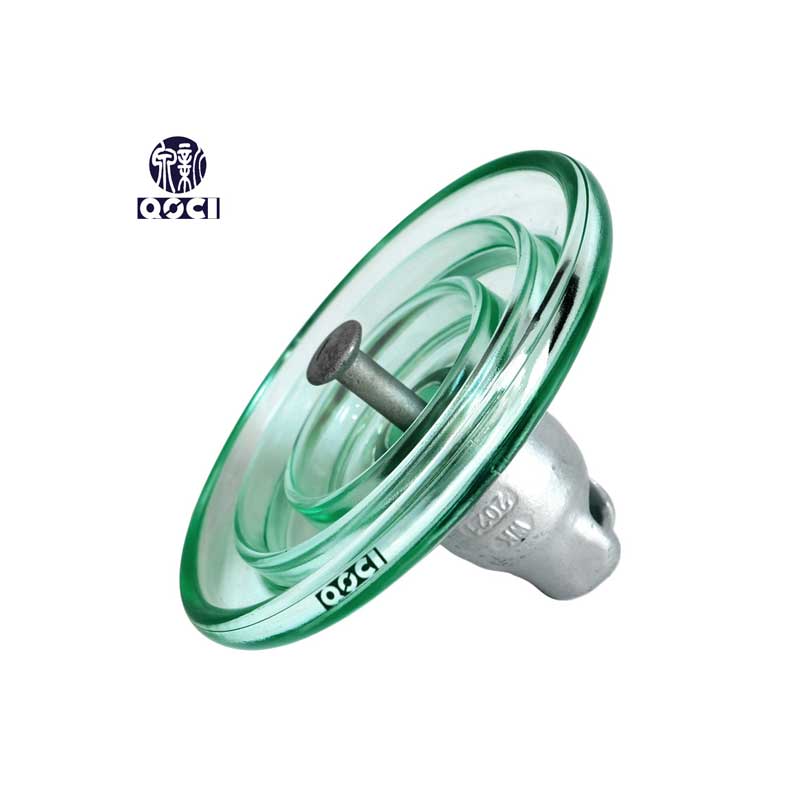
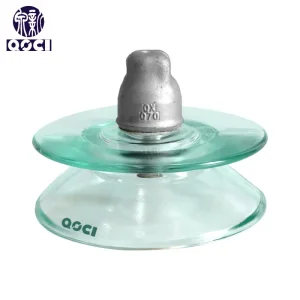
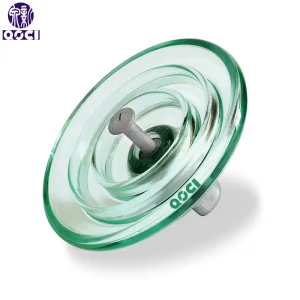
The characteristic of the standard profile is that the leakage distance is higher than the value indicated for standard insulators in IEC 60305. The insulation part is designed with shallow and well spaced small ribs, which can be effectively self-cleaning by wind or rain.
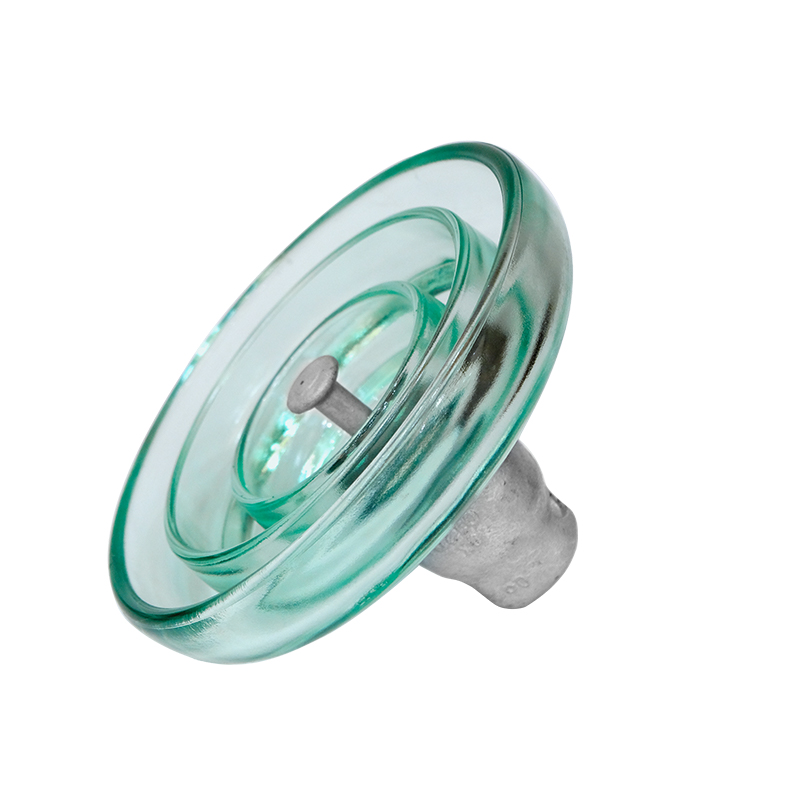
The fog type profile is characterized by long and widely-spaced under-ribs so as to avoid arc bridging between adjacent ribs. It features a leakage distance/spacing ratio of around 3.2 and is particularly effective in coastal areas (Salt fog) as well as in polluted areas where a higher specific leakage distance is required.
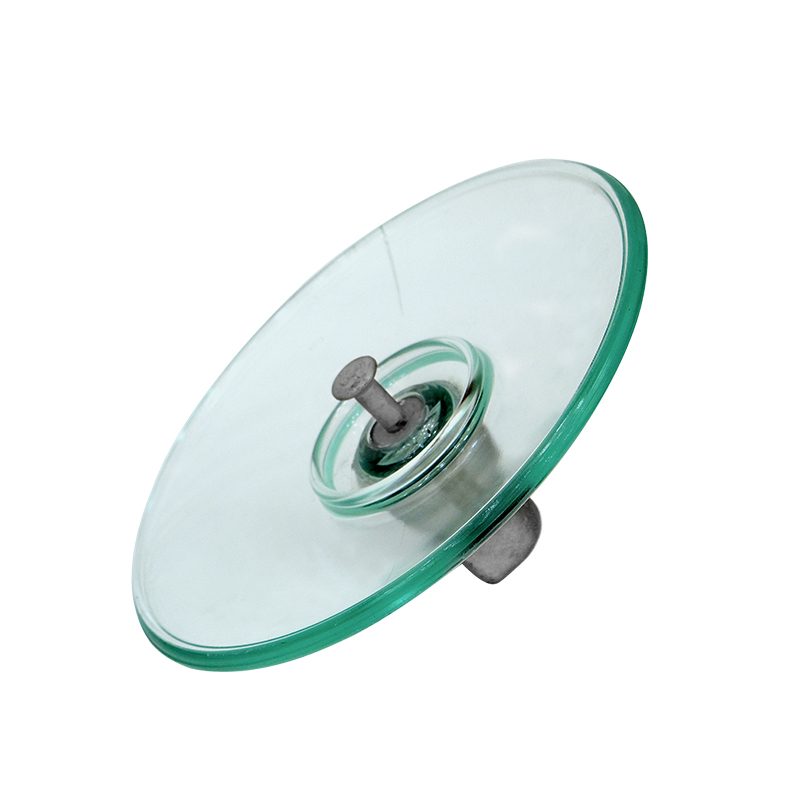
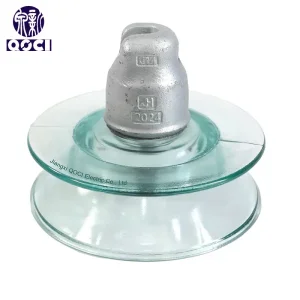
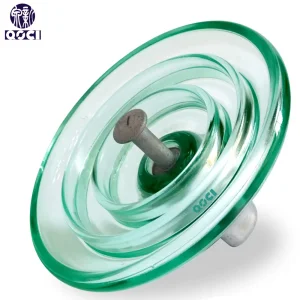
Design of insulating part with open profile is marked by absence of under-ribs and extended diameter of disk, with no under-ribs so as to avoid the accumulation of solid pollution deposits (dust, sand)on its lower surface. Open profile reduces pollutant accumulation on the surface. This design is effective in desert areas with wind and sand storm also can solve ice-bridging problems. It is particularly adapted to suspension and tension applications in desert areas where wind is predominant and rain infrequent.
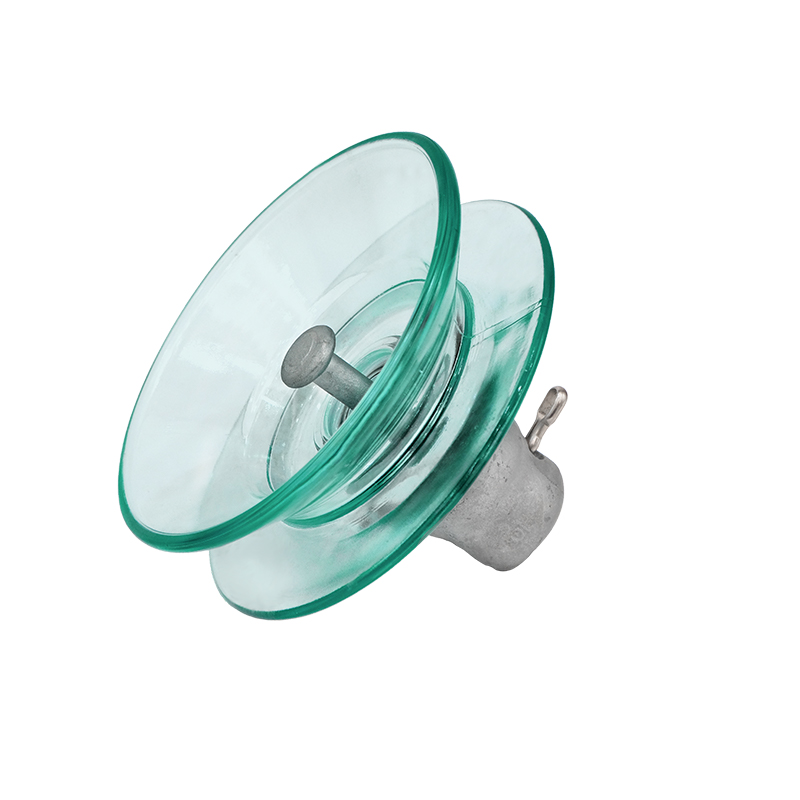
The design of the insulation part has two external ribs. The elimination of the under-ribs reduces pollution build-up, and the surface of the insulator can self clean by strong winds. And facilitate manual cleaning when necessary. This profile provides a leakage distance equivalent to the anti pollution profile and adapts to the most extreme cases of solid pollution. Insulators perform well in industrial pollution and saline soil areas.
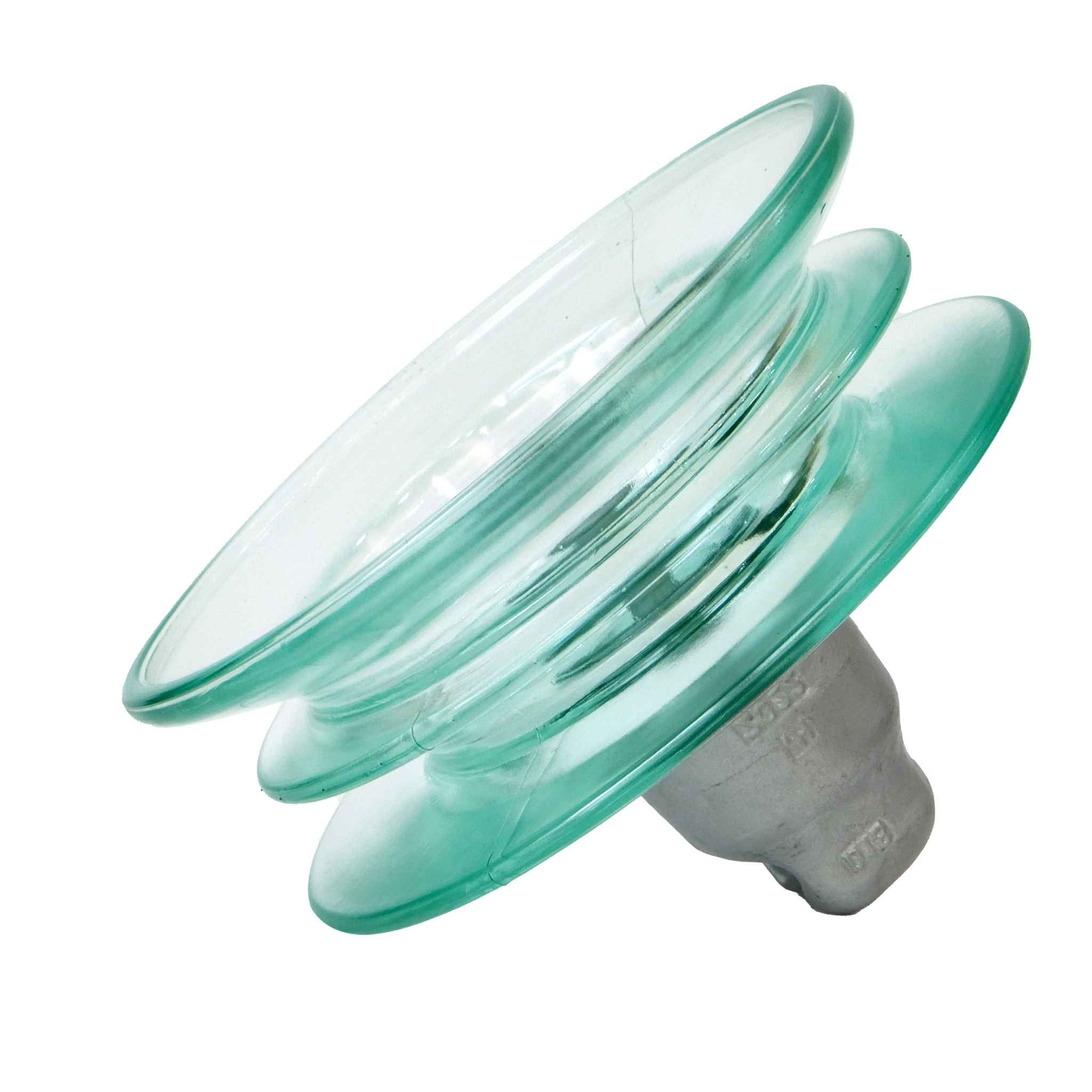
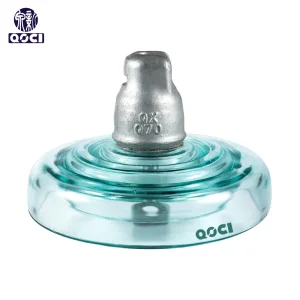
Triple-shed Type glass insulator is a key component in transmission lines, characterized by three layers of umbrella discs separated from each other on the insulation body. Thanks to this open shed design, they not only achieve self-cleaning during wind and rain, making it difficult for contaminants to adhere, but also provide a longer creepage distance. This results in excellent pollution flashover resistance and stable electrical performance even in harsh environments such as heavily polluted areas, high altitudes, and coastal humid regions.
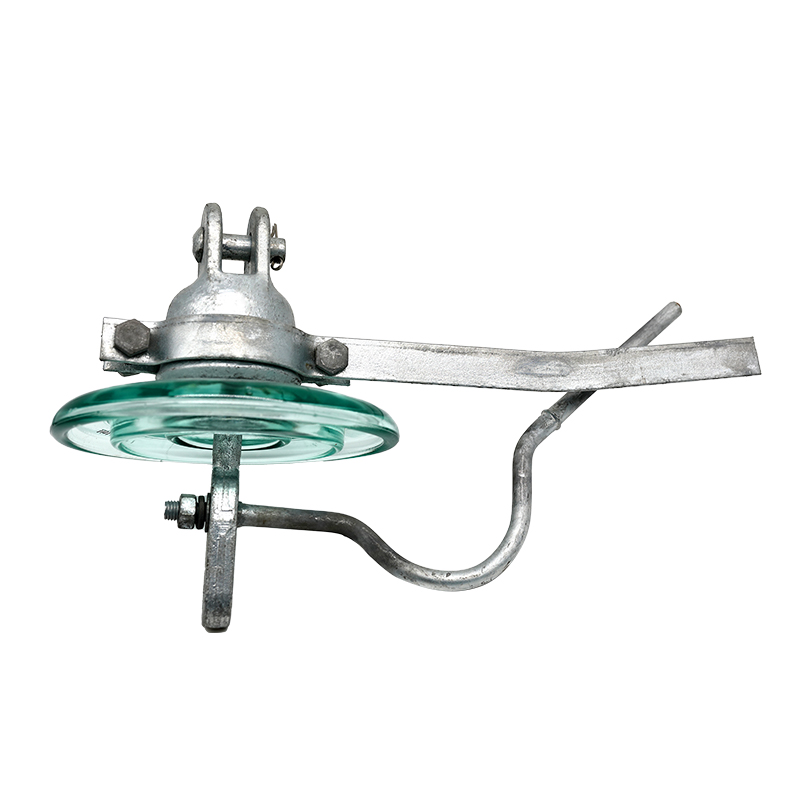
By connecting internal or external metal accessories (such as steel feet and flanges) to the grounding wire, reliable grounding can be achieved. The grounding function effectively guides lightning current, reduces line lightning damage, and protects the safety of lines and equipment. The glass surface is smooth and has low hydrophilicity, making it easy to remove dirt.
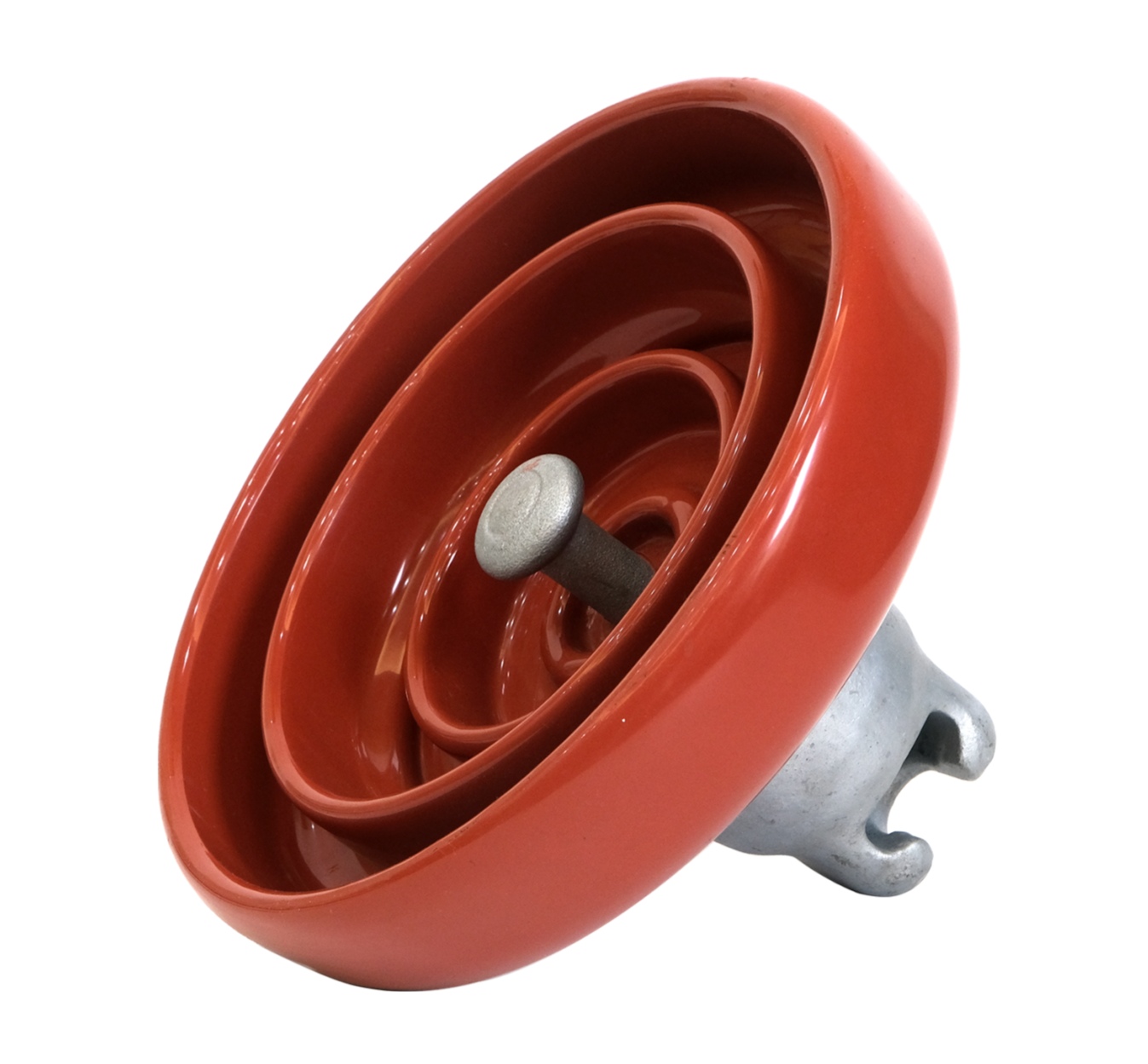
Silicone-coated insulators offer an excellent alternative which guarantees optimum performance for high voltage overhead lines in areas with heavy pollution. They minimise leaking currents and thereby reduce operation and maintenance costs. The product used to coat the insulators is Room Temperature Vulcanization (RTV) silicone which contains mineral fillers embedded in the silicone itself. This silicone increases the hydrophobic nature of the insulator's surface, thereby improving its performance in polluted areas. Furthermore, the fillers absorb the energy of any possible electric arcs and serve to protect the integrity of the coating. Silicone-coated insulators are an economical solution because they eliminate the need to regularly clean glass insulators whilst still maintaining the mechanical reliability that glass suspension insulators have demonstrated over the years.
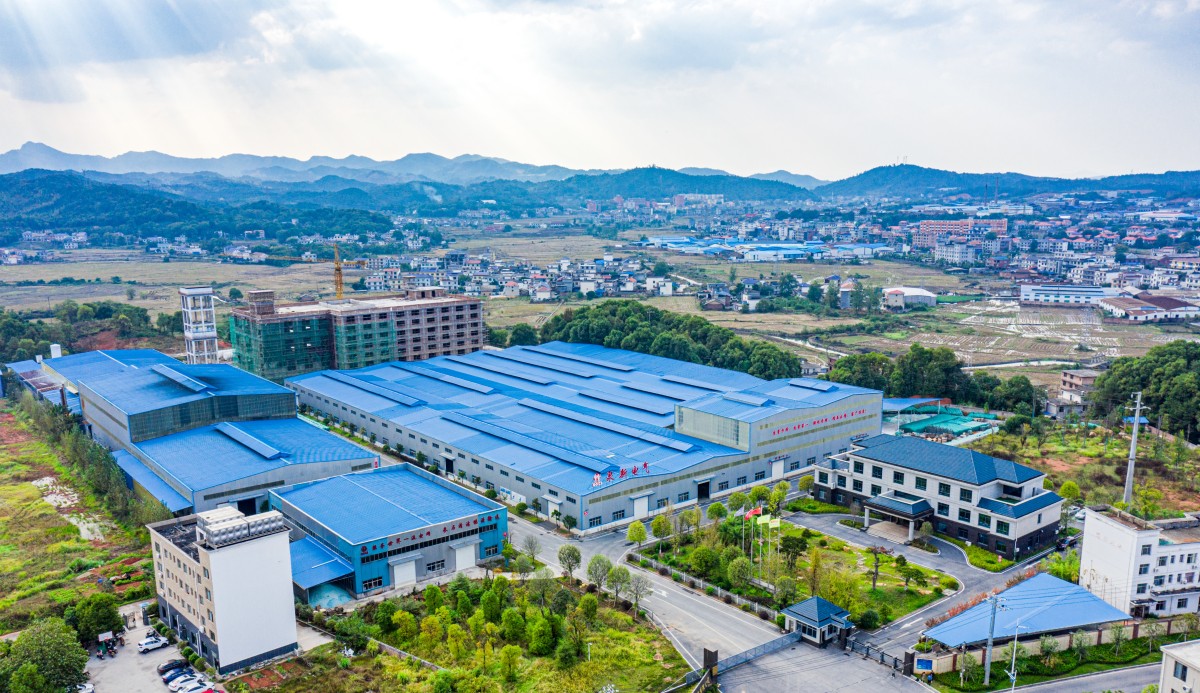
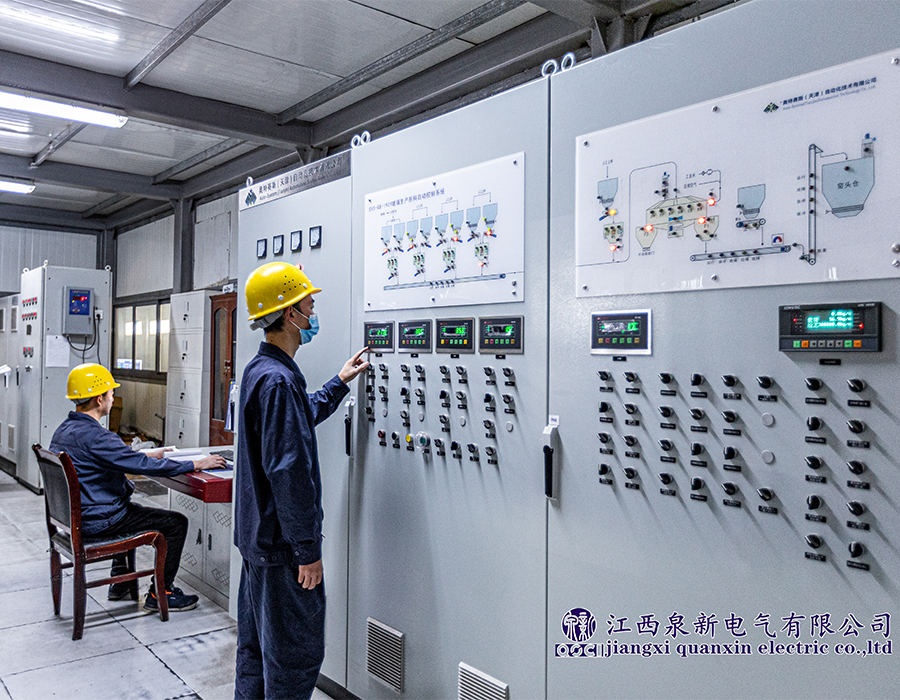
Inside the state-of-the-art facilities of Jiangxi QOCI Electric Co. Ltd.
Jiangxi QOCI Electric Co. Ltd was founded in Dec. 2002, with a registered capital of 508 million Yuan. The Corporation is located at Industrial Park, Luxi County, Pingxiang, Jiangxi Province, covering an area of 100 mu. We serve the world-class power grid with dedication, actively participating in the construction of green energy infrastructure globally. Responsibility is our ultimate guarantee of quality, serving the electric power industry to ensure the absolute safety of power grids worldwide.
Our industrial compound implements highly advanced manufacturing flows, integrating automated raw material preparation, glass melting in high-efficiency kilns, precision hydraulic pressing, thermal shock tempering, and automated electrical and mechanical testing lines.
Quality and precision are monitored at every node of our production line. Here are the core stages that sustain our high-volume output:
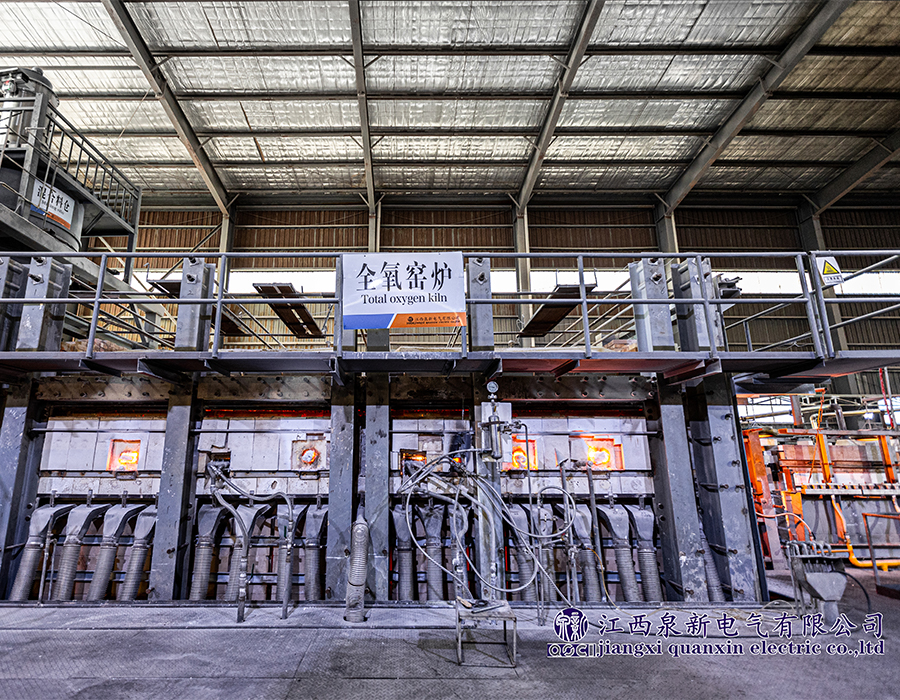
Enables highly uniform combustion and complete batch melting at strictly controlled temperatures, minimizing bubbles and impurities in the raw glass mixture.
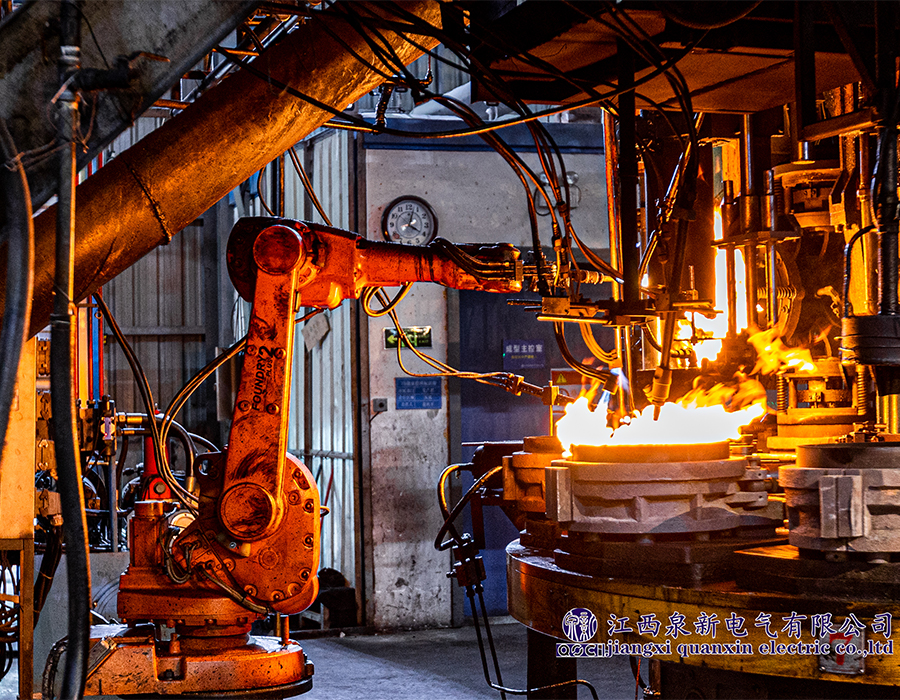
Hydraulic forming units mold hot molten glass into precise profile configurations under consistent structural pressure.
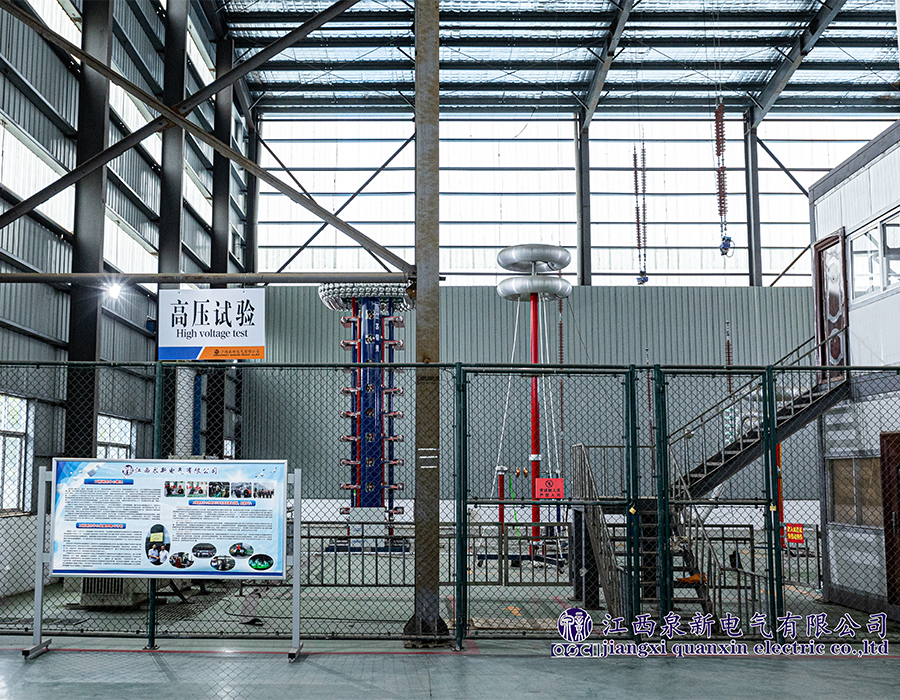
Every single component undergoes rigorous high-voltage spark testing to verify dielectric integrity and prevent premature line discharge.
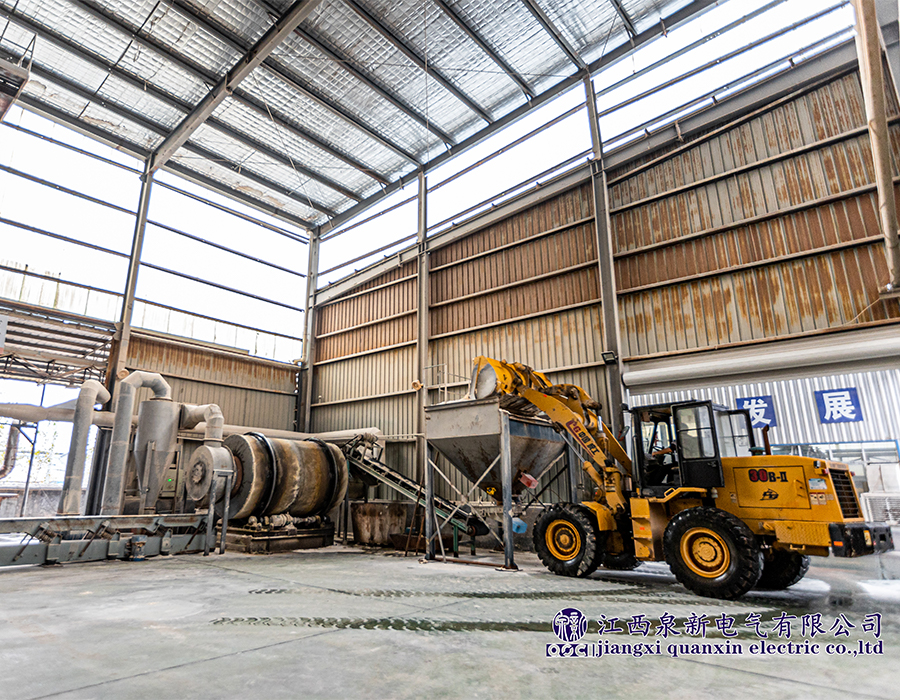
Homogeneous mixing of high-grade silica sand, soda ash, and calcium compounds ensures stable chemical performance.
Strictly graded sand and chemically controlled additives guarantee optimal transparency and mechanical toughness.
Optimizing mechanical stability and creepage distance across diverse extreme topographies.
Electricity grids navigate a vast array of geographic and environmental challenges. A standard insulator designed for high-altitude mountainous operations will fail prematurely in a salt-fog-laden coastal zone. To ensure seamless application, QOCI isolates regional environmental risks and designs tailored insulation systems:
In desert areas, sand accumulation on horizontal ribs creates a path for dry flashovers when rare rain events happen. Under these conditions, the Open Profile Glass Insulator is recommended. The absence of under-ribs eliminates collection zones, allowing wind to sweep sand clear of the glass surface.
Heavy salt deposits require extreme creepage path protections. Using Anti-Pollution Type glass components like the U100BLP increases the path distance from the standard 320mm up to 450mm or 550mm, ensuring safe operation even in saline environments.
Chemical particulates and emissions settle on insulator strings, resulting in leakage currents. The application of RTV Silicone-coated Glass Insulators maintains high surface hydrophobicity. The silicone layer transfers its hydrophobic properties through surface contamination layers, preventing continuous wet conductive pathways.
UHV lines require long physical strings, meaning weight and mechanical load safety are critical parameters. The Triple-Shed Type and high mechanical classes (such as the U160BL or U300B) provide the tensile capacity required to support heavy line spans under severe ice and wind load conditions.
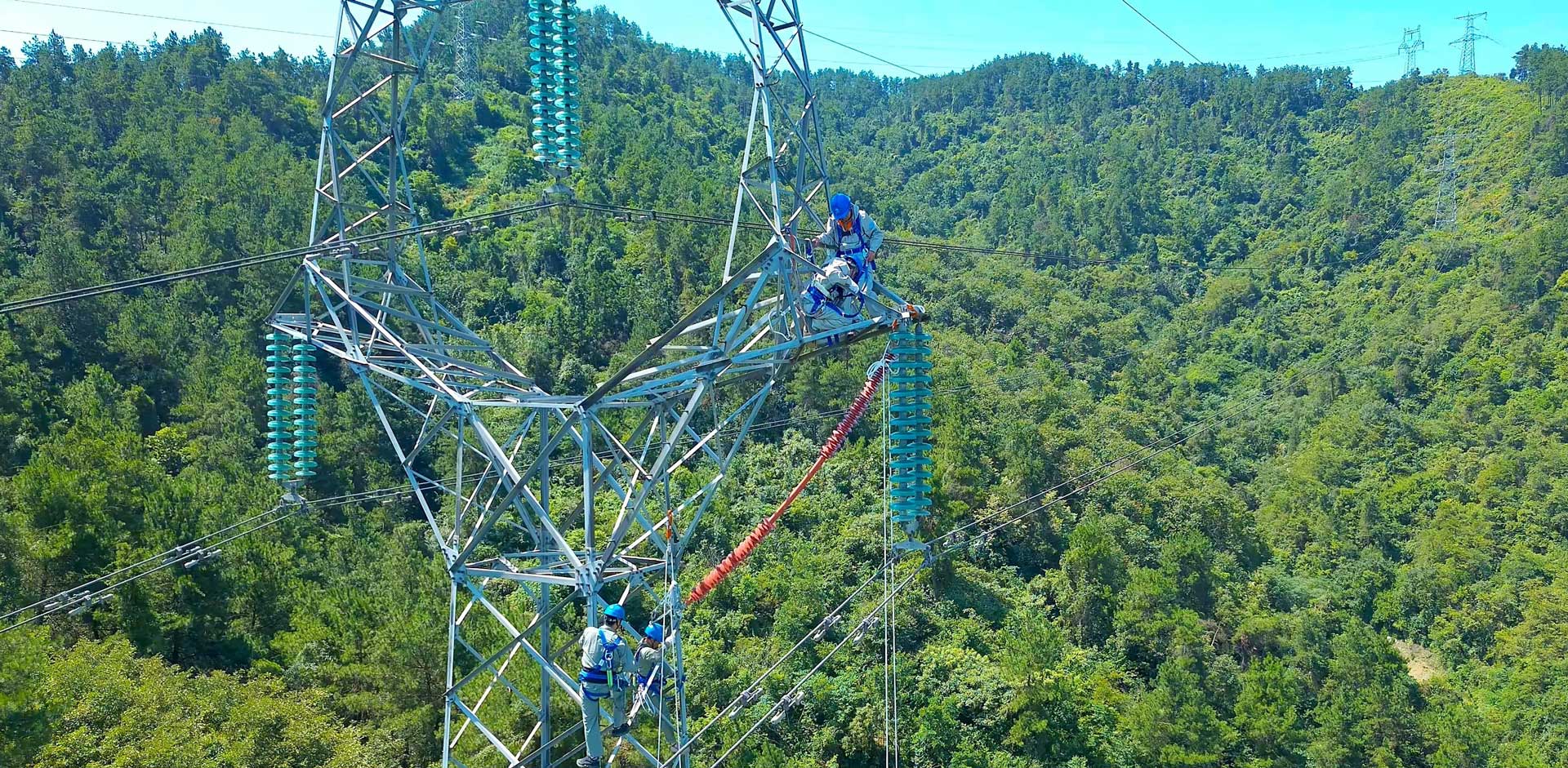
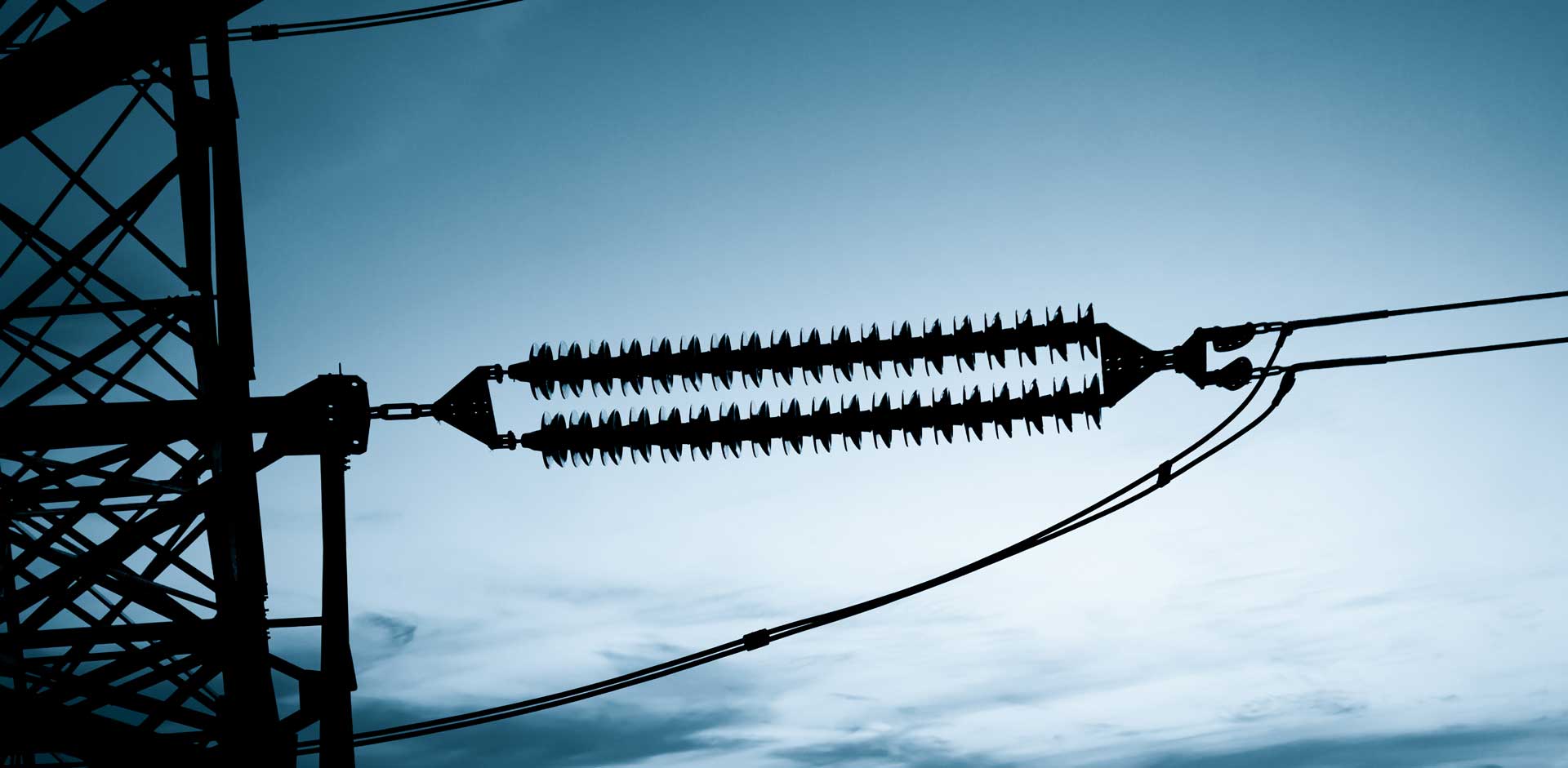
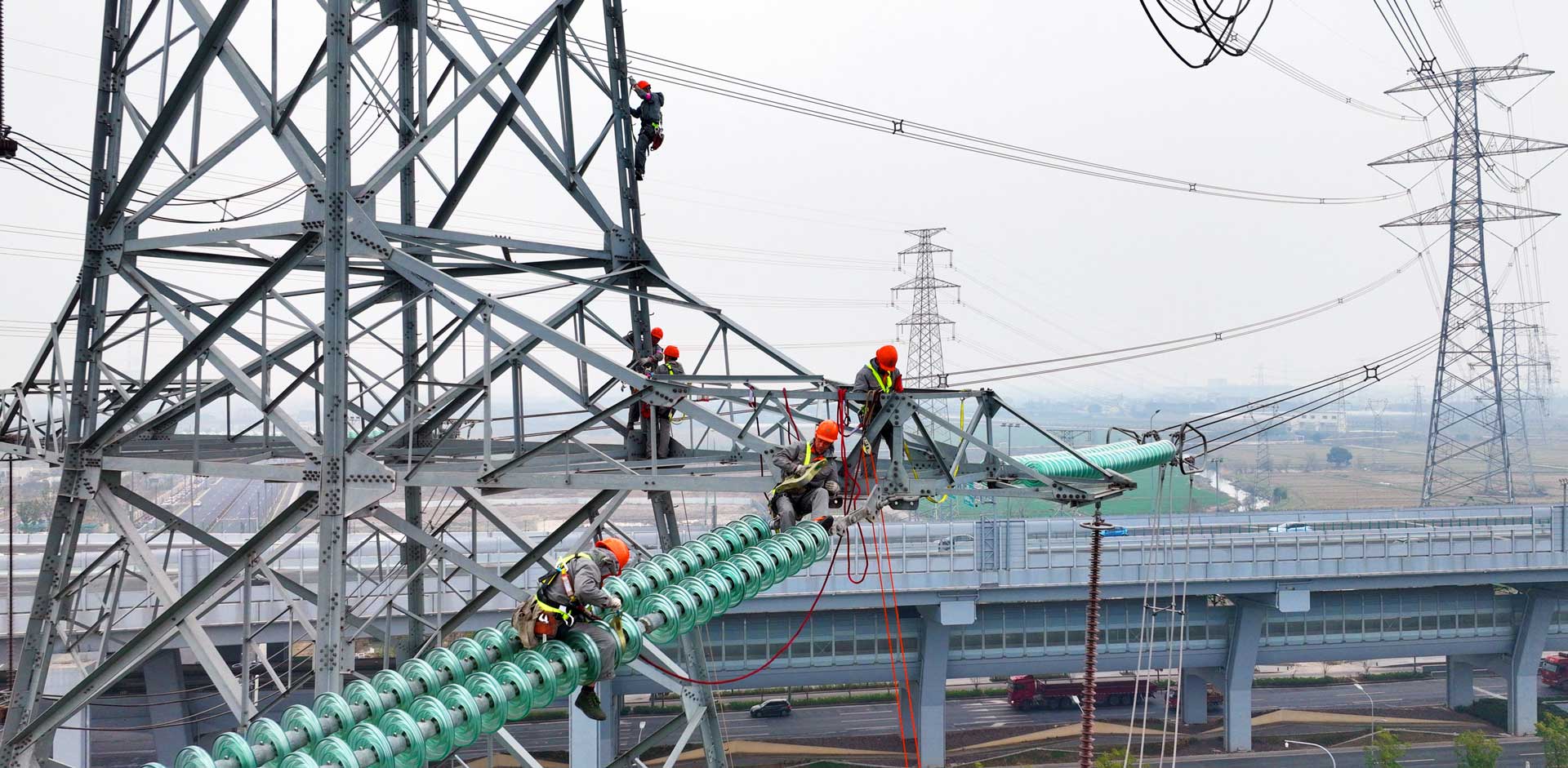
Ensuring compliance with IEC, ANSI, and regional energy transmission requirements.
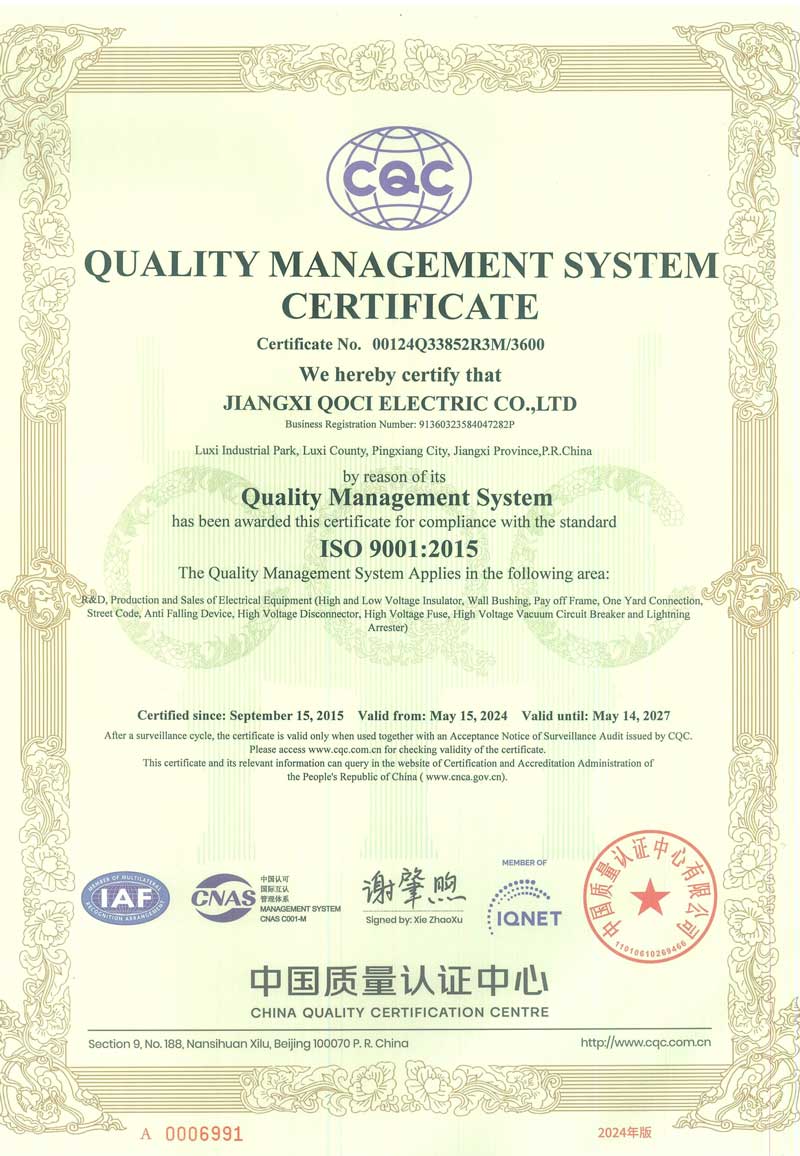
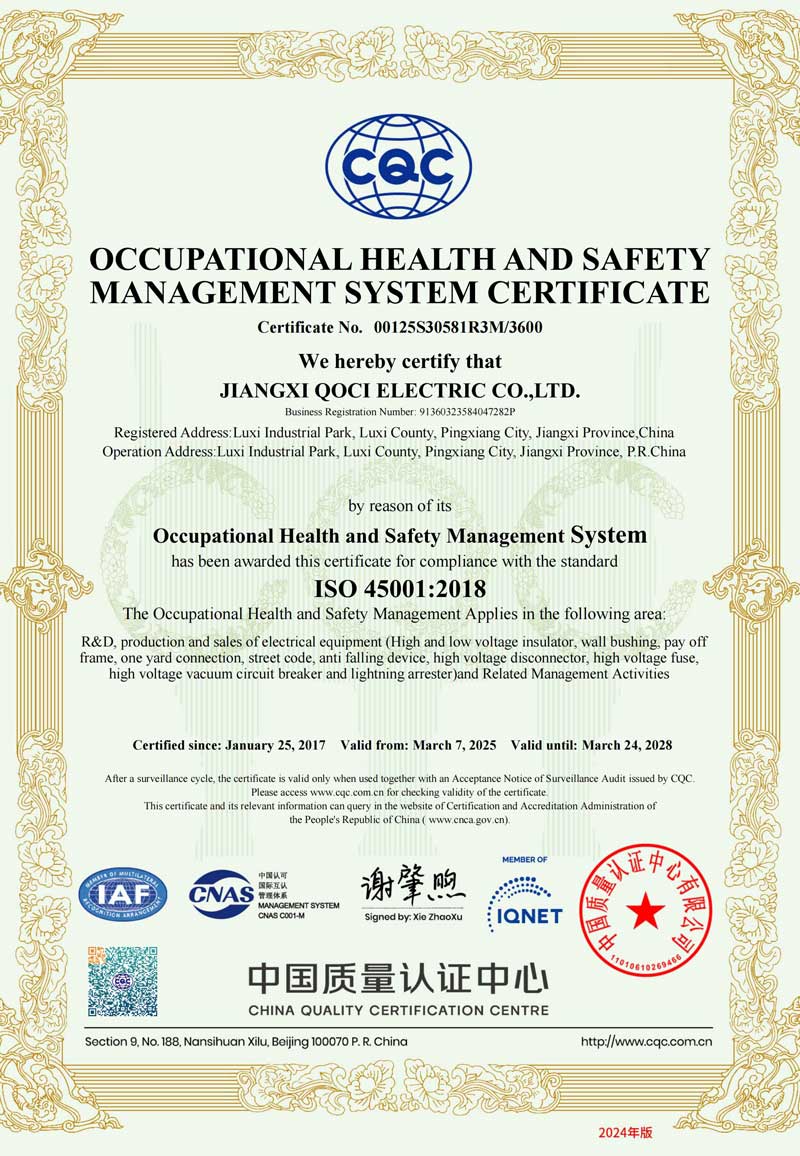
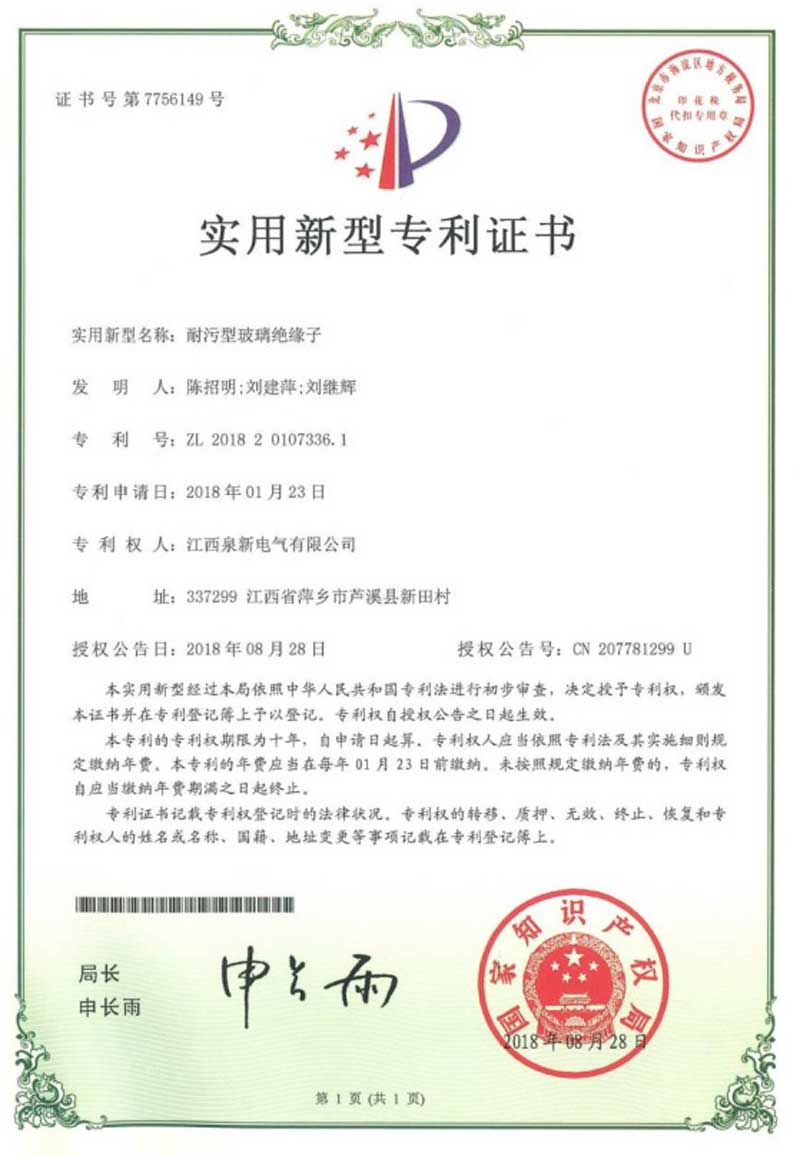
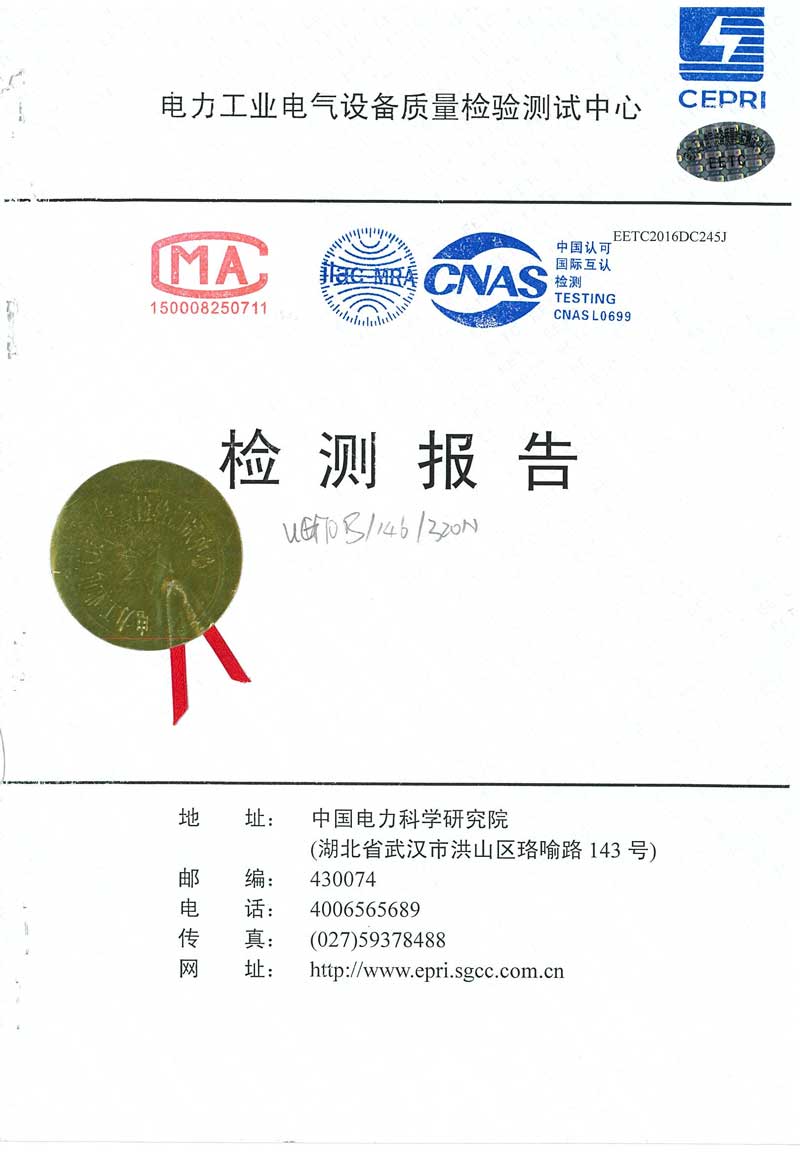
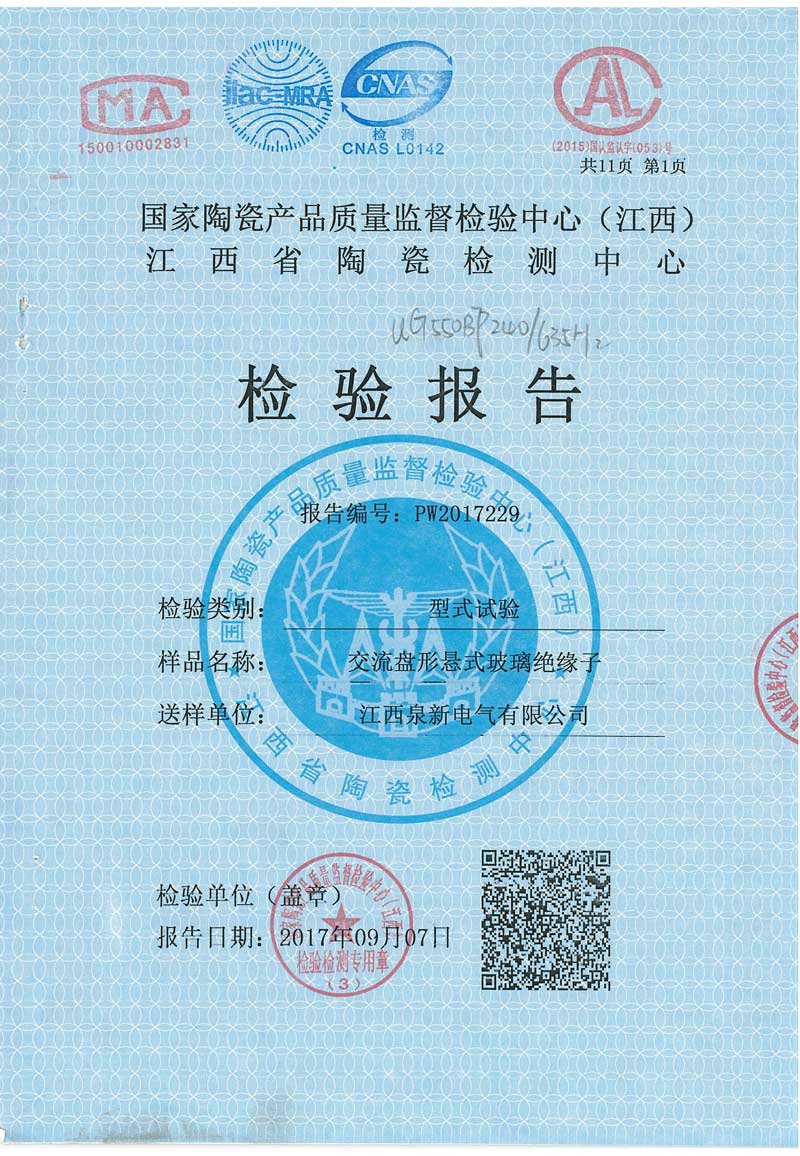
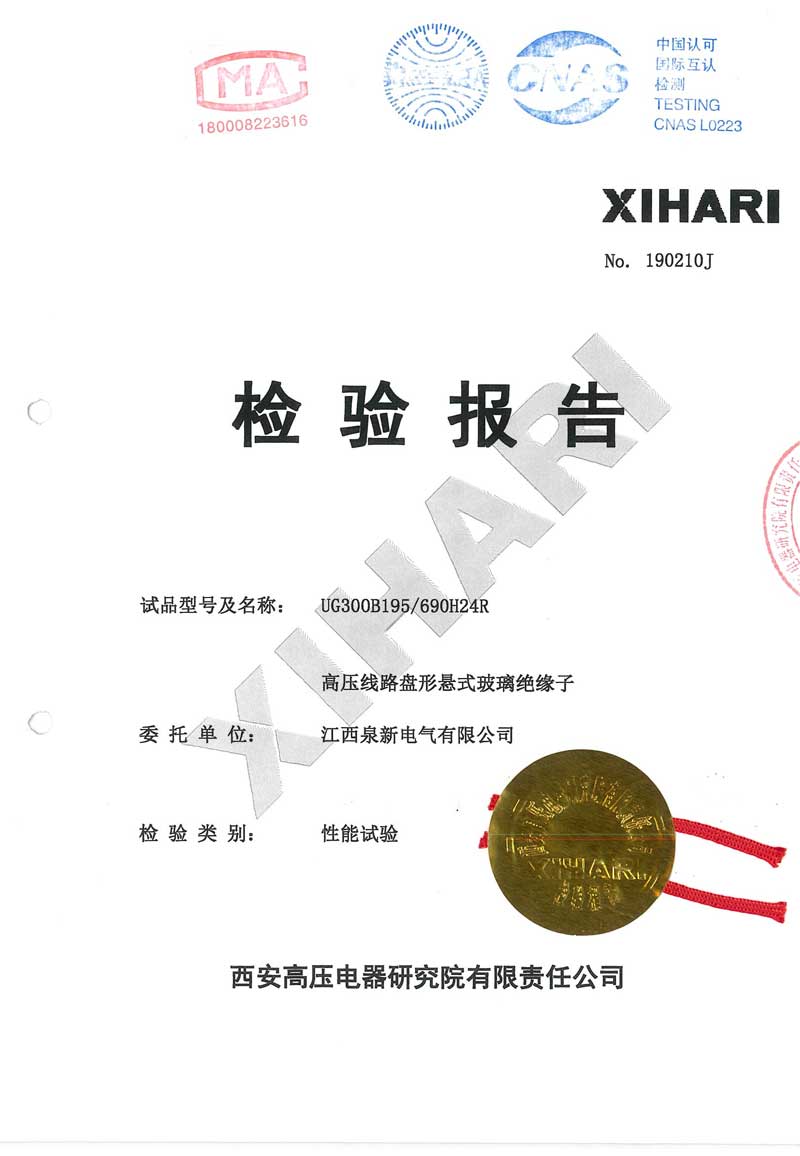
To supply global utilities, electrical components must meet strict testing protocols. Jiangxi QOCI Electric maintains quality management systems certified to international levels. Each insulator batch is tested for electromechanical failing load, thermal shock endurance, steep-front wave impulse voltage capacity, and radio interference voltage limits.
We work closely with global engineering networks and showcase our innovations at major power distribution events like Enlit Africa and the IEEE PES T&D Conference & Exposition. This direct connection ensures our research and development pipelines match the real-world operational challenges faced by utility operators worldwide.
Collaborating with leading electrical companies and testing laboratories to guarantee performance and reliable deliveries worldwide.

How Jiangxi QOCI Electric is preparing insulation designs for tomorrow's smart energy grids.
Future high-voltage grids will require intelligent components capable of self-monitoring. Traditional grid maintenance relies on periodic manual inspections to detect leakage currents and physical wear. In response, QOCI is developing a forward-looking technological roadmap:
Integrating self-assembling nanostructures into room-temperature vulcanized silicone formulas to extend hydrophobic lifespan in harsh industrial environments.
Embedding passive telemetry tags inside insulator caps. This allows drone inspection systems to capture unit health data and mechanical load readings in real time.
Redesigning total-oxygen combustion chambers to support clean hydrogen blends, reducing direct carbon emissions during glass manufacturing processes.
Direct technical answers from QOCI Electric's engineering support team.
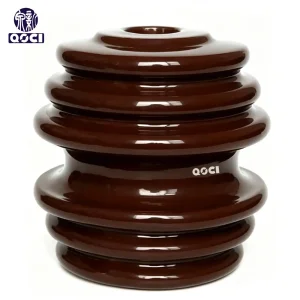
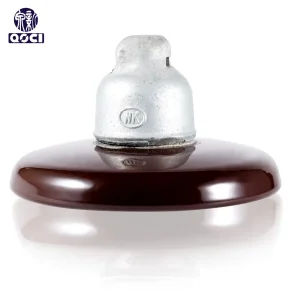
From low-voltage distribution shackles to high-strength EHV transmission solutions.