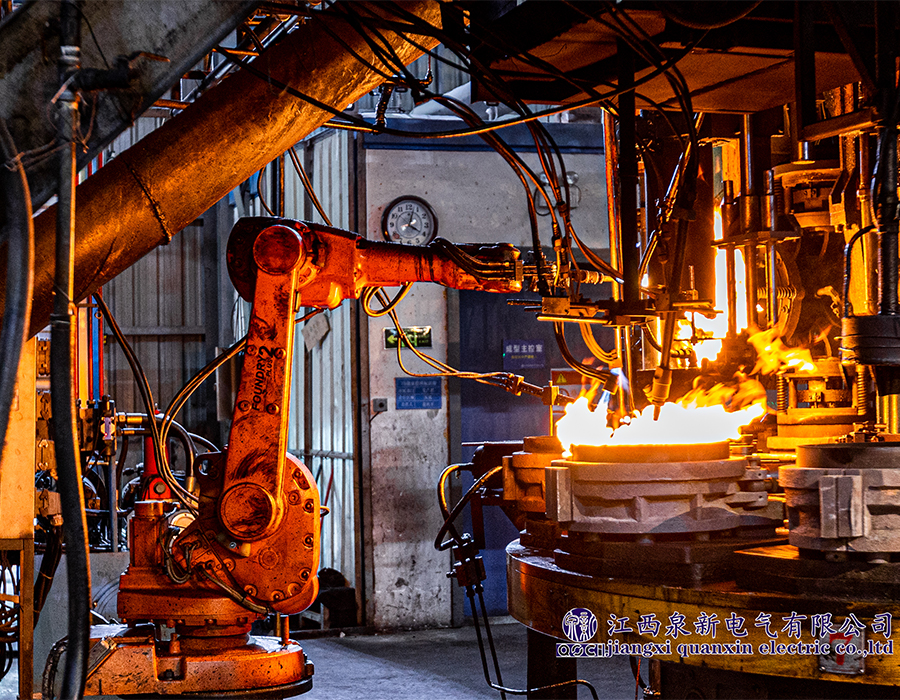
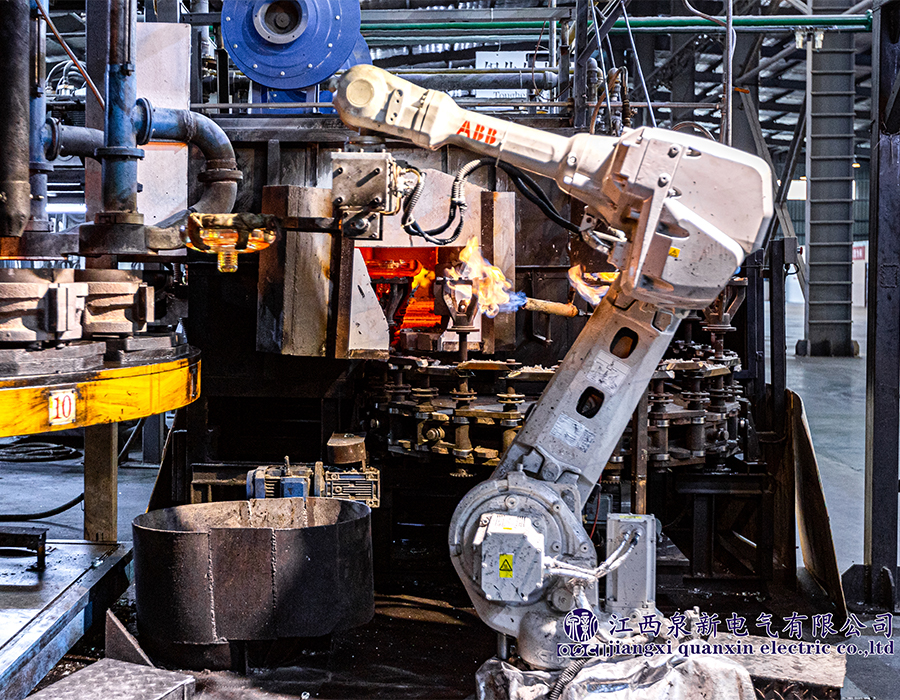
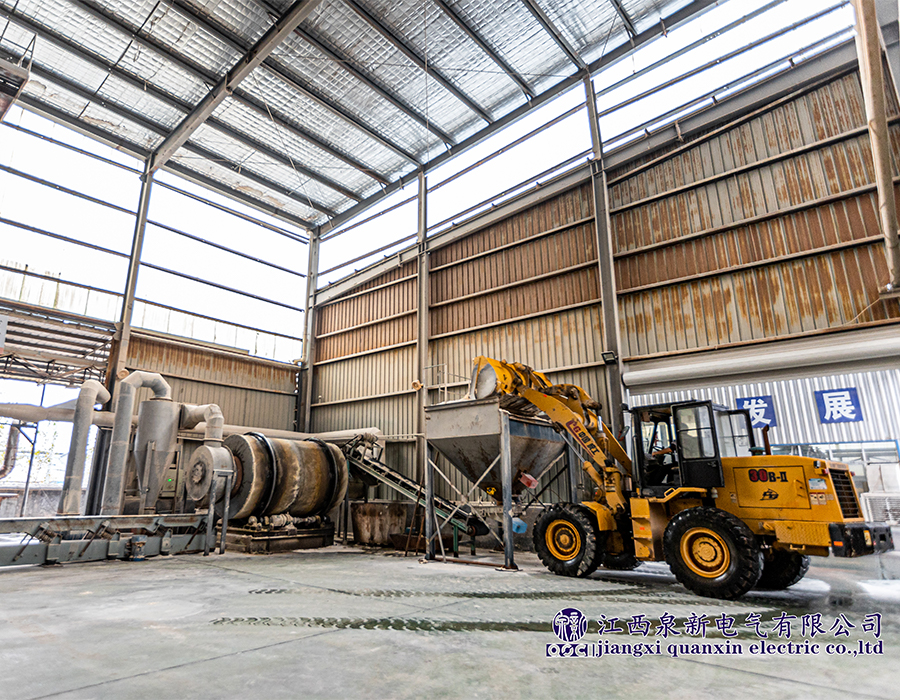
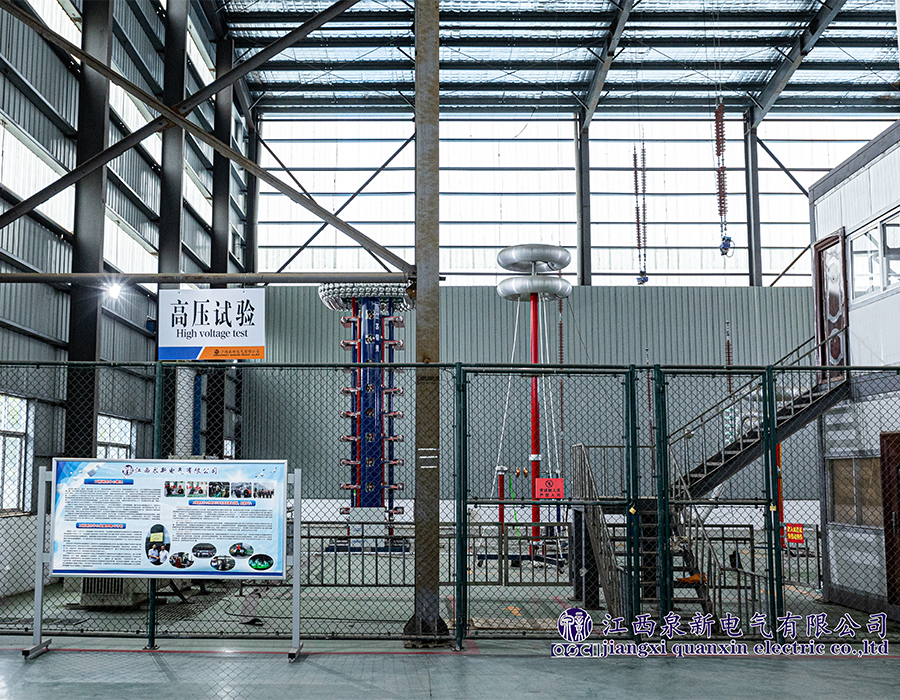
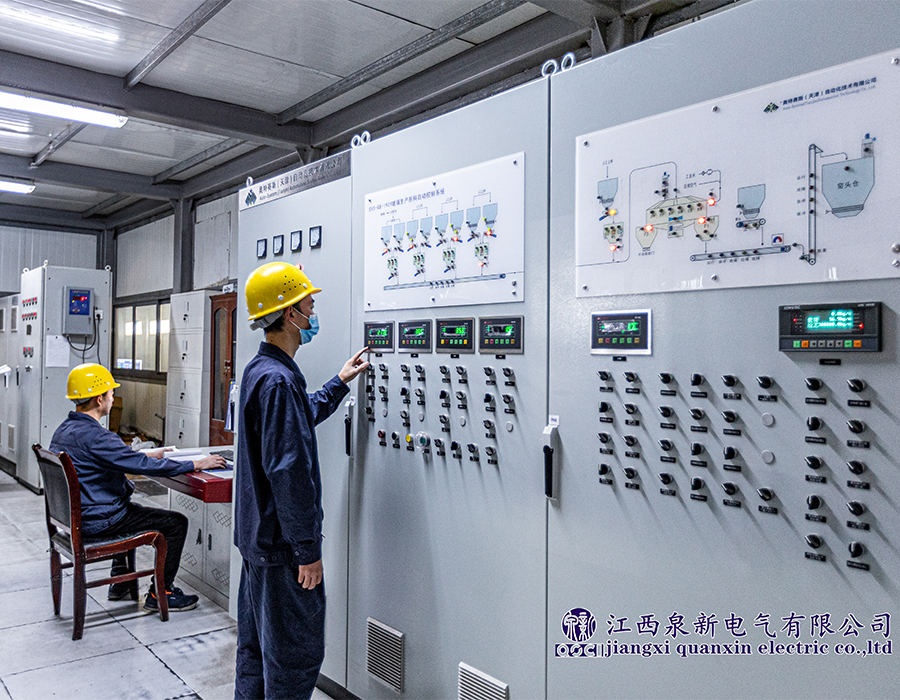
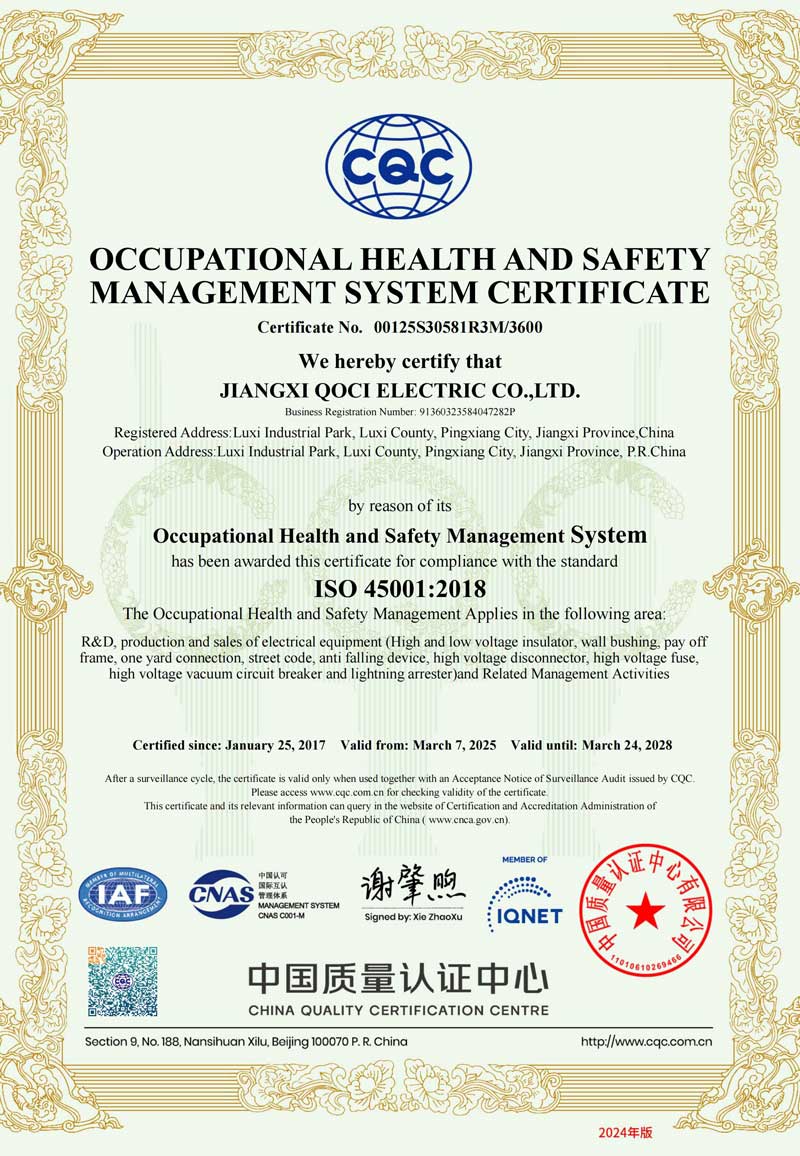
Founded in December 2002 with a registered capital of 508 million Yuan, Jiangxi QOCI Electric Co. Ltd has established itself as an international heavyweight in the electrical transmission grid components sector. Located inside the specialized Industrial Park of Luxi County, Pingxiang, Jiangxi Province, our manufacturing footprint covers 100 mu, engineered around total quality management and sustainable processes.
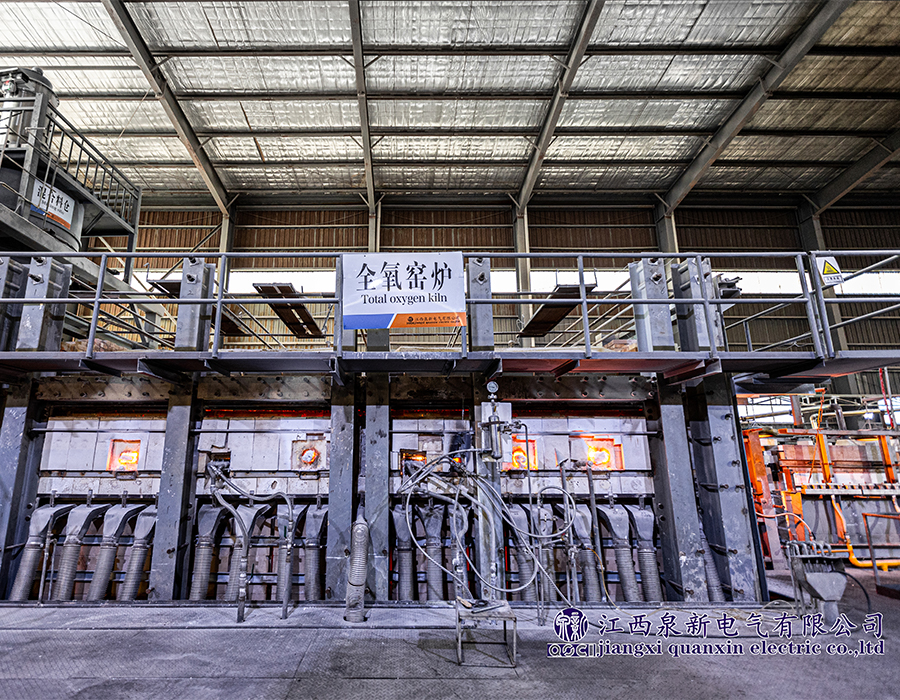
We actively participate in building the green grid networks of the future. By maintaining zero-defect production lines, utilizing high-purity raw materials, and implementing total oxygen kiln tech, QOCI ensures high-voltage system insulation reliability against high altitude, humidity, and chemical pollution.
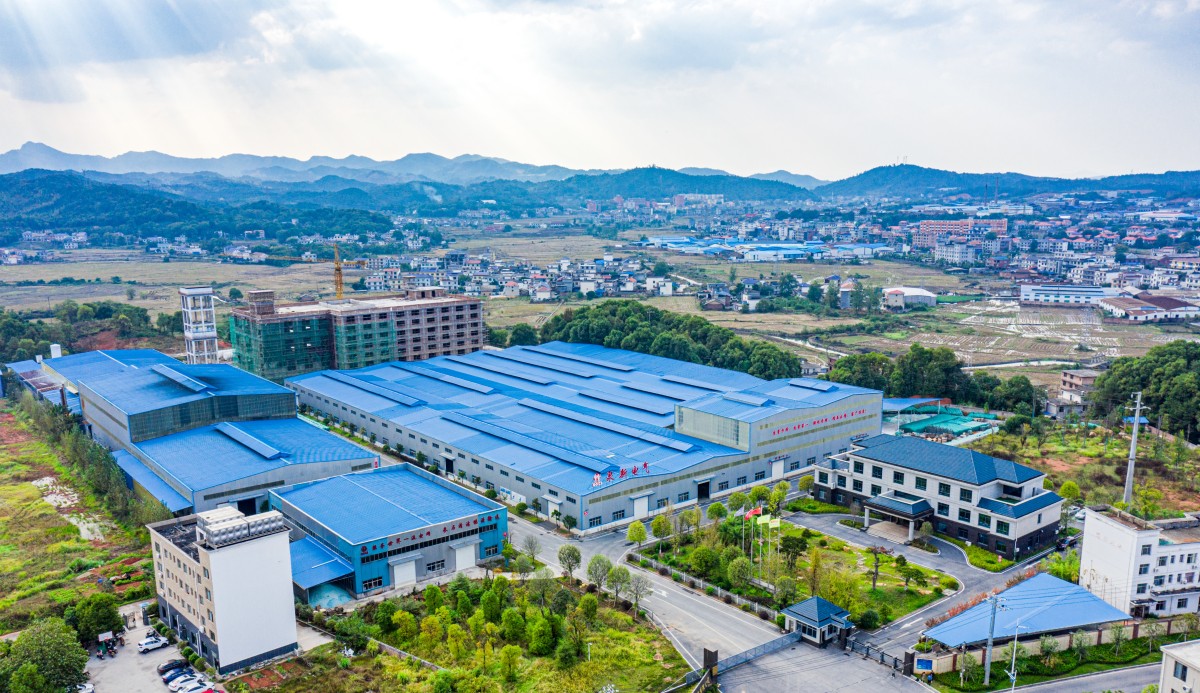
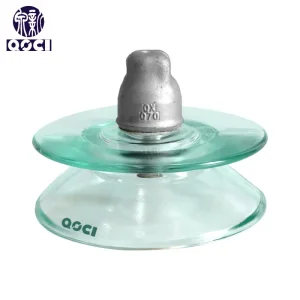
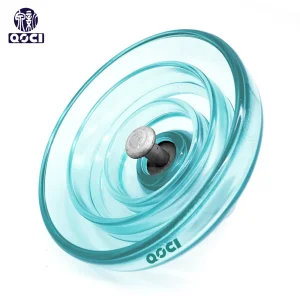
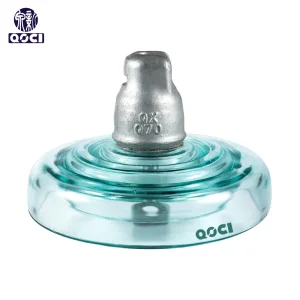
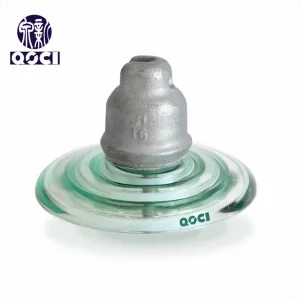
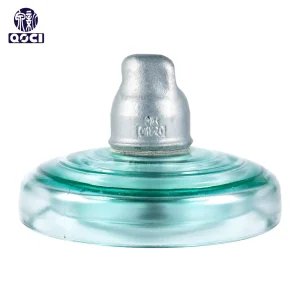
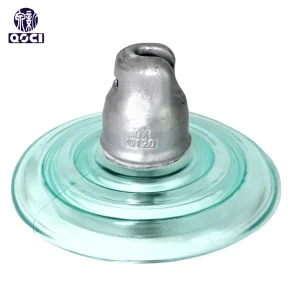
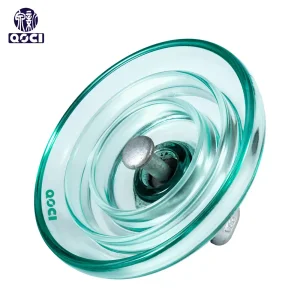
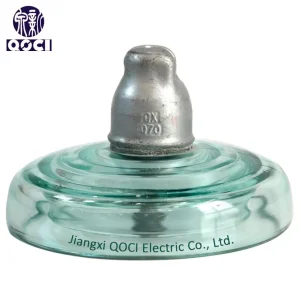
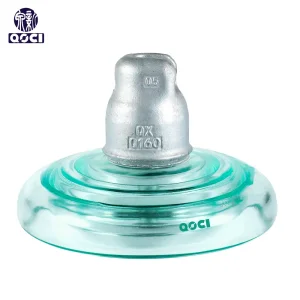
The "160b" specification (representing a nominal electromechanical failing load of 160 kN) is a benchmark for Extra-High Voltage (EHV) and Ultra-High Voltage (UHV) overhead transmission line systems. According to IEC standards (such as IEC 60305, 60383, and 60797), a 160kN toughened glass suspension insulator is specifically deployed where heavy wind loading, long spans, and conductor weight demand extreme mechanical limits.
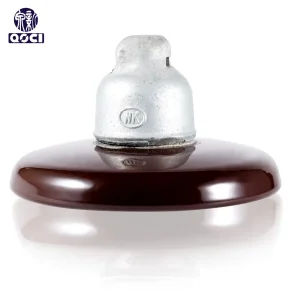
Globally, transmission system operators (TSOs) are shifting from traditional porcelain strings to tempered (toughened) glass due to its unparalleled resilience. Tempering processes create structural compressive stress on the outer shell of the glass. In the event of extreme stress or direct physical impact, the insulator undergoes controlled, safe self-shattering. This "zero-value" state is instantly identifiable during aerial visual inspections (using drones or helicopters), eliminating the necessity of complex electrical testing required by porcelain equivalents.
“The self-cleaning aerodynamics of toughened glass combined with high mechanical resilience minimizes long-term operational expenditures (OPEX) in harsh sub-zero mountain ranges as well as wind-swept desert regions.”
In high-latitude and humid climates, insulators face high risk of pollution-flashover and ice-bridging. Our specialized insulator profiles solve these regional challenges:
| Insulator Profile Type | Core Design Advantage | Optimal Application Environment | Key Standard Reference |
|---|---|---|---|
| Standard Profile | Shallow, well-spaced ribs. Rain/wind self-cleaning. | Mild industrial & residential regions. | IEC 60305 / ANSI C29.2b |
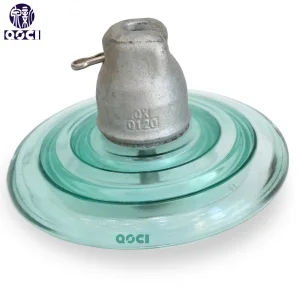
| Anti-Fog Profile | Deep under-ribs to avoid bridging. Maximum leakage distance. | Coastal zones, estuaries, high-humidity salt-fog. | IEC 60305 Standard |
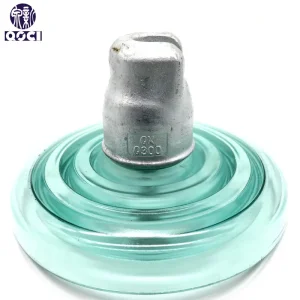
| Open Profile | No under-ribs, enlarged disc diameter. | Desert regions, high sandstorm exposure, icing areas. | IEC / IEEE Guidelines |
| Silicone Coated (RTV) | Superhydrophobic silicone layer applied over toughened glass. | Extremely polluted industrial zones, minimal line washing. | IEC TS 62073 / IEC 60305 |
The global transmission insulator landscape is undergoing a digital revolution. Future technological trends focused on high reliability include:
Next-generation glass insulators feature optimized color-contrasting glass formulations to facilitate instant automated drone inspection using machine learning models. Standardizing visual profiles speeds up the identification of shattered shells across thousands of kilometers of remote lines.
By applying hot-dip galvanized ductile iron caps and structural steel pins equipped with sacrificial zinc sleeves, QOCI insulators resist high galvanic corrosion in salty coastal climates. This ensures the mechanical strength remains above 160kN throughout a 40-year lifecycle.
Our ongoing material science roadmap introduces mineral-filled hydrophobic silicone formulations that exhibit high resistance to electric arcing and corona discharge, protecting the glass core under ultra-high voltage stresses.
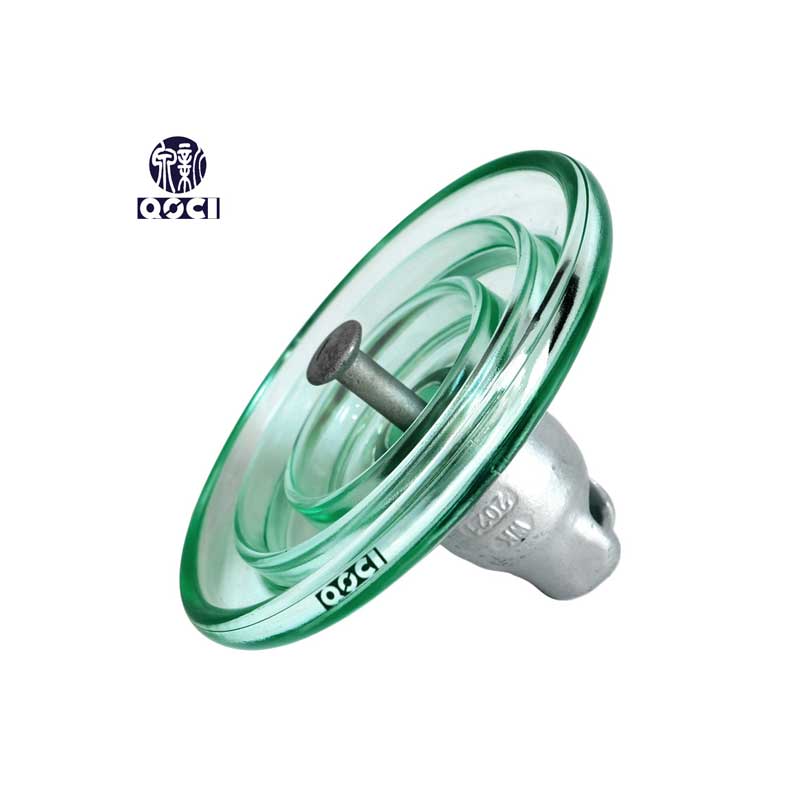
Featuring shallow, well-spaced ribs that facilitate high natural self-cleaning by wind or rain. The leakage distance complies with or exceeds IEC 60305, ensuring stable insulation in low to moderate pollution environments.
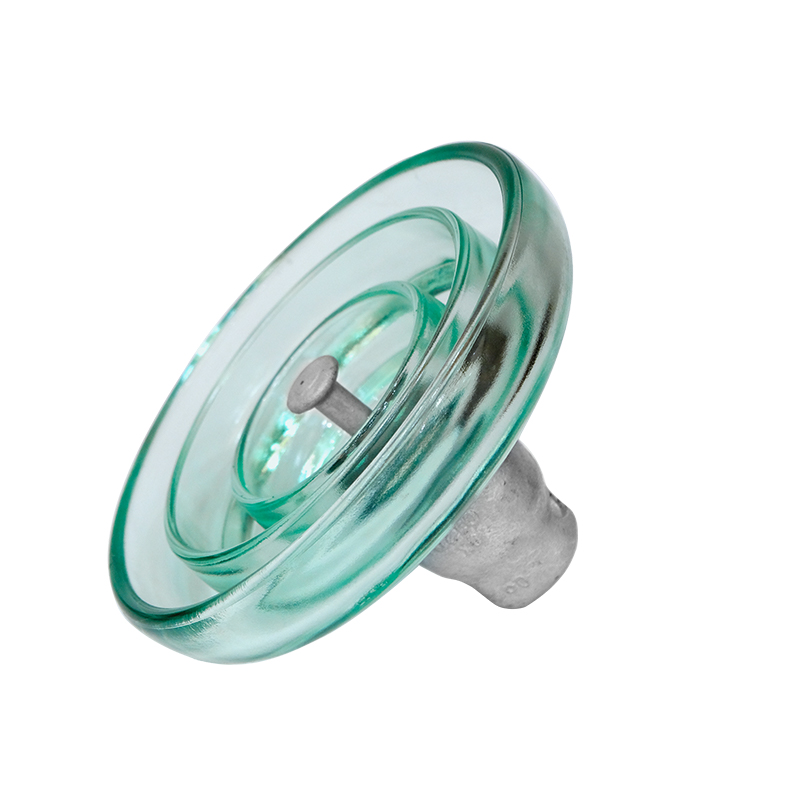
Characterized by long, widely-spaced under-ribs that prevent electrical arc bridging between adjacent sections. Especially effective in coastal environments with high salt fog or industrial pollutants.
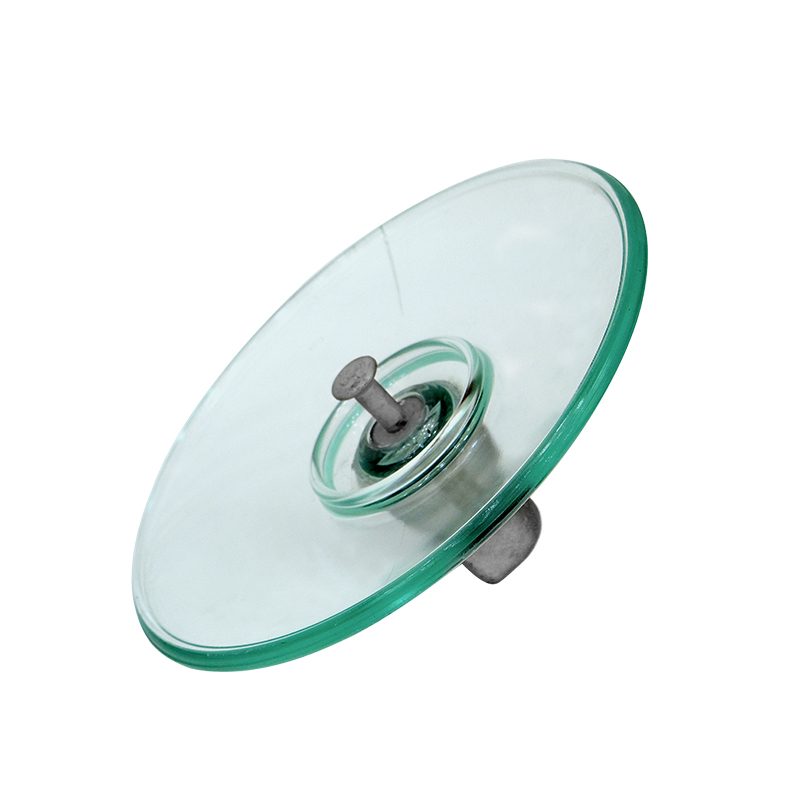
Designed with an open shape and without under-ribs to avoid dust and sand accumulation. Widely deployed in desert installations where dry winds are frequent and precipitation is rare.
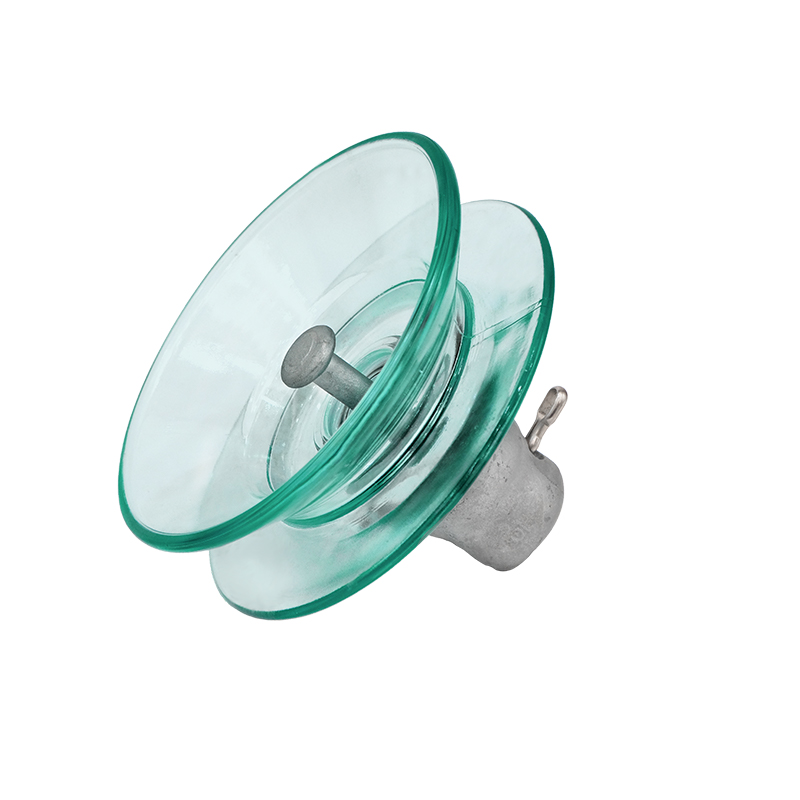
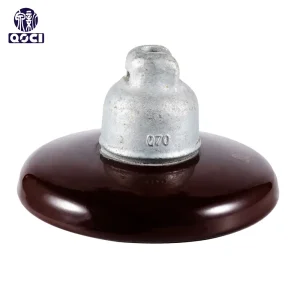
Equipped with dual external ribs that minimize solid pollutant build-up while facilitating simple manual washing if required. Provides optimal performance in industrial regions and saline soil conditions.
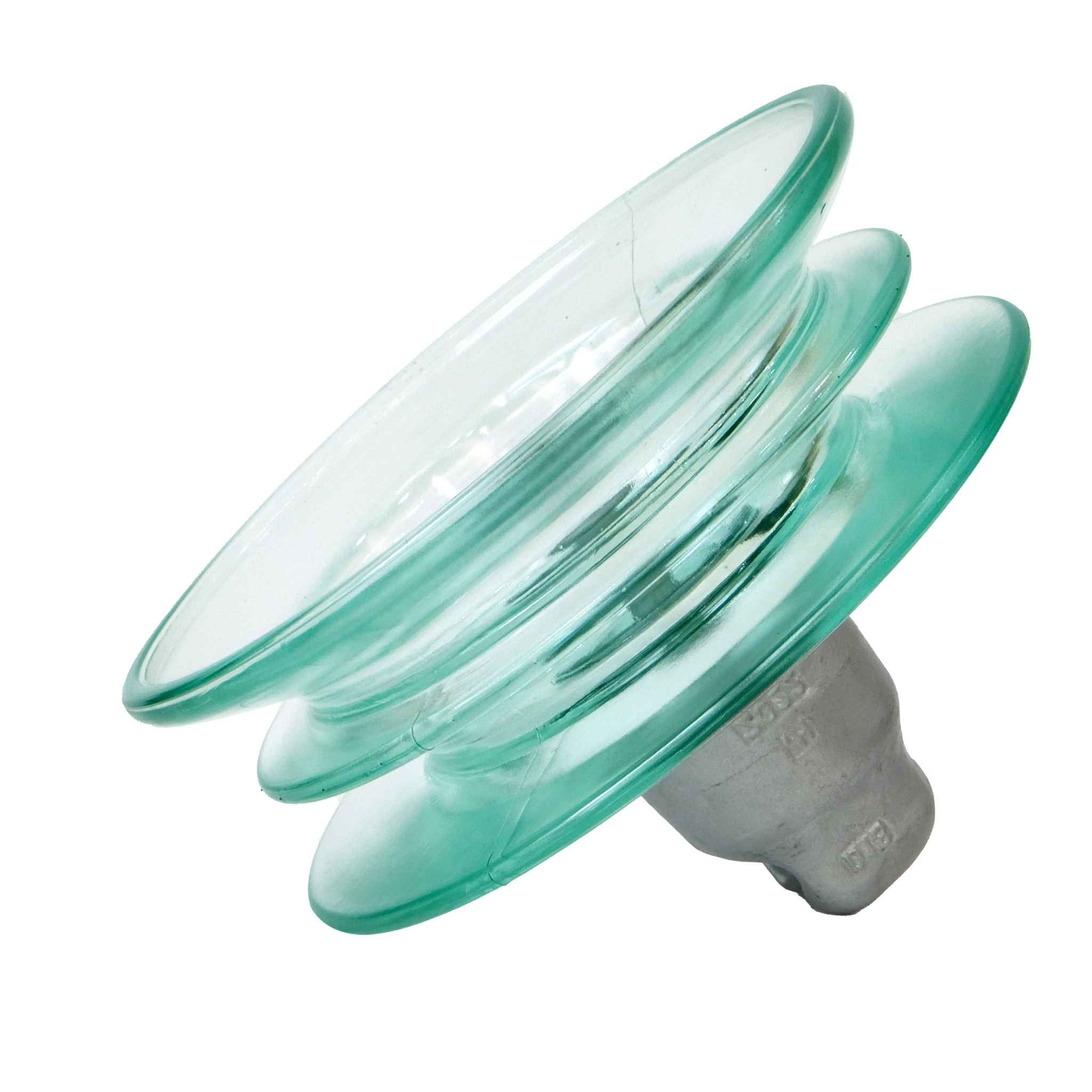
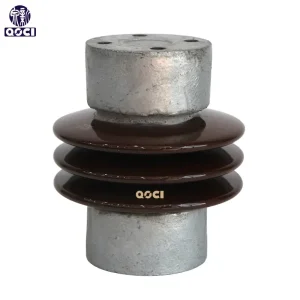
Utilizes three individual protective sheds to achieve maximum creepage distance. Recommended for Ultra-High Voltage (UHV) AC & DC systems running through challenging high-altitude terrain.
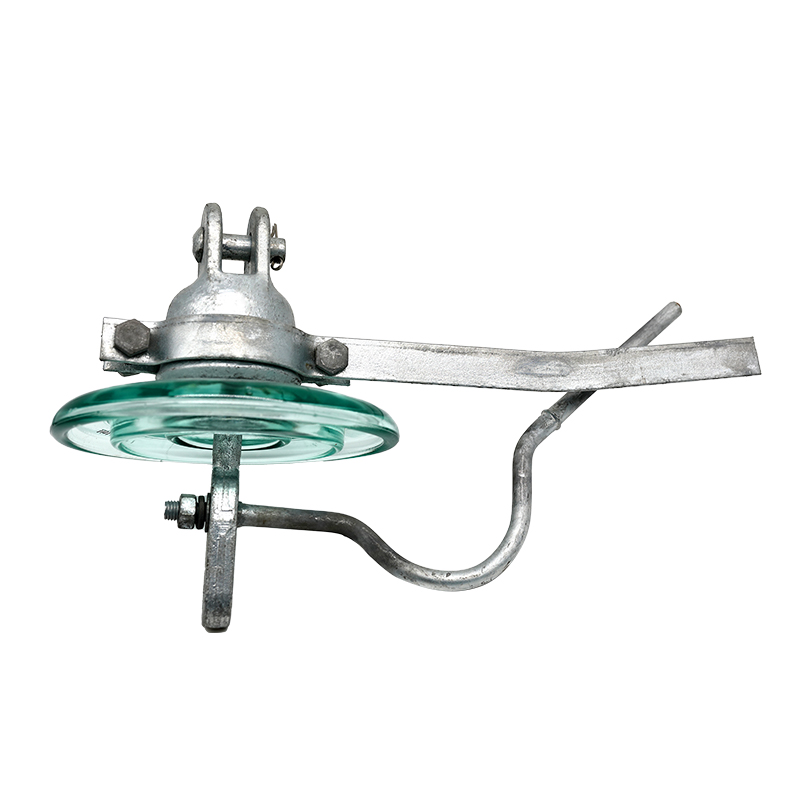
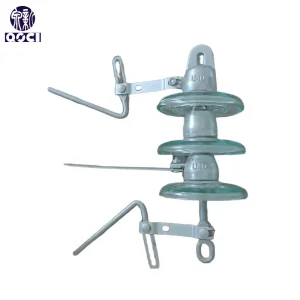
Enables grounding connection for overhead shield lines. Guides lightning currents safely to earth, safeguarding high-voltage components from lightning-induced flashovers.
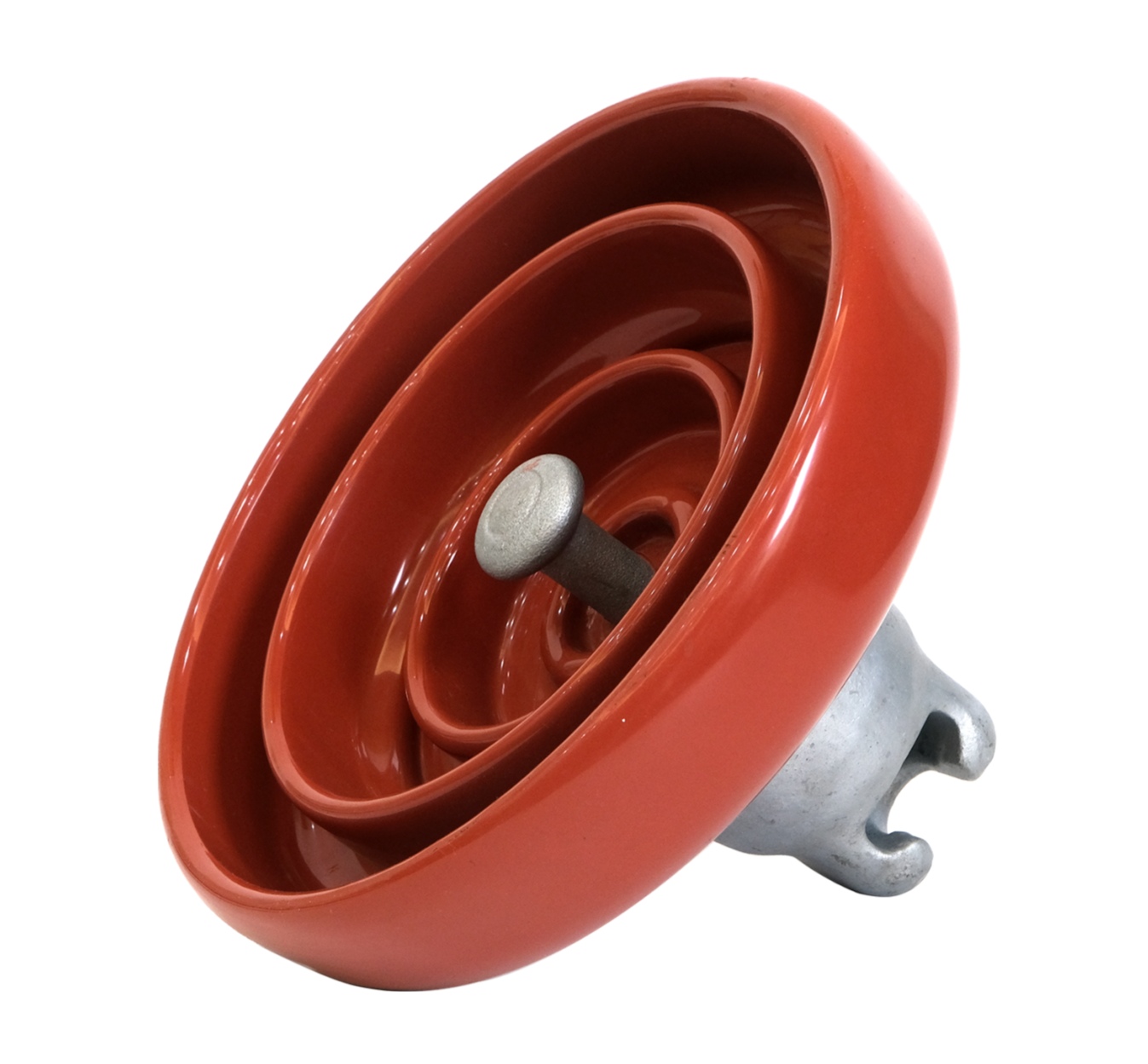
Coated with Room Temperature Vulcanization (RTV) silicone. This hydrophobic coating prevents continuous moisture films, reducing leakage current and elimination of routine washing schedules.
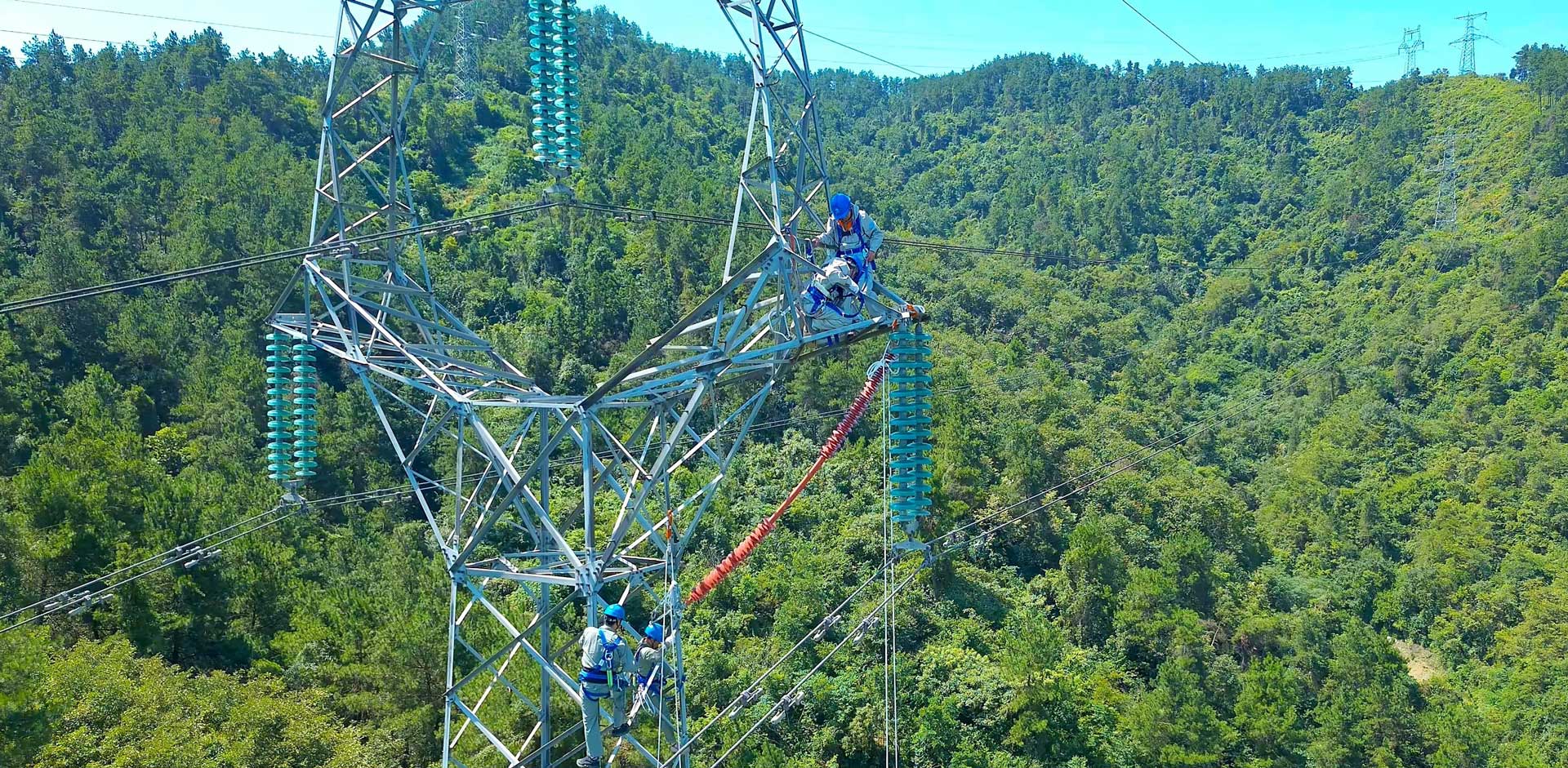
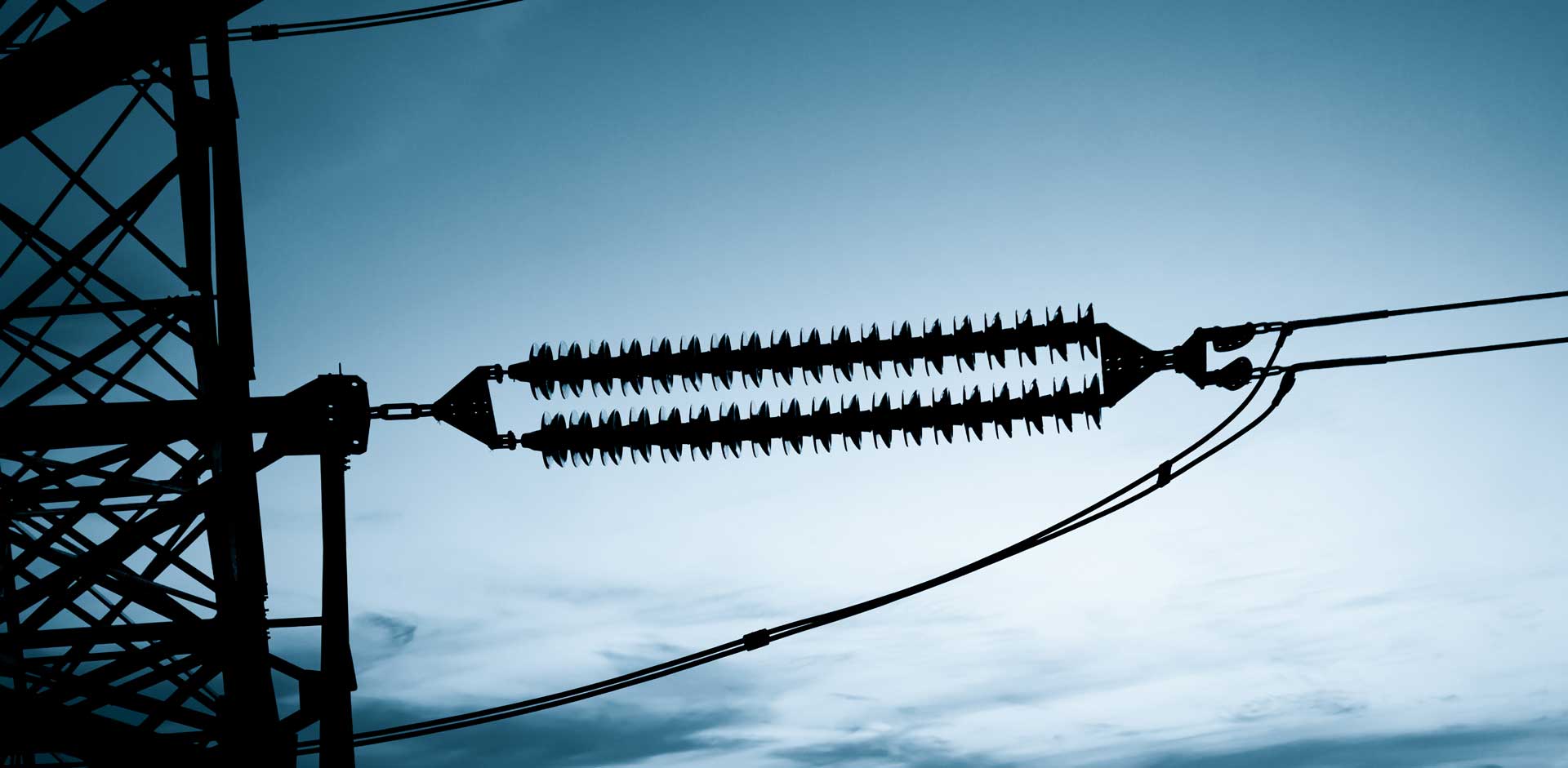
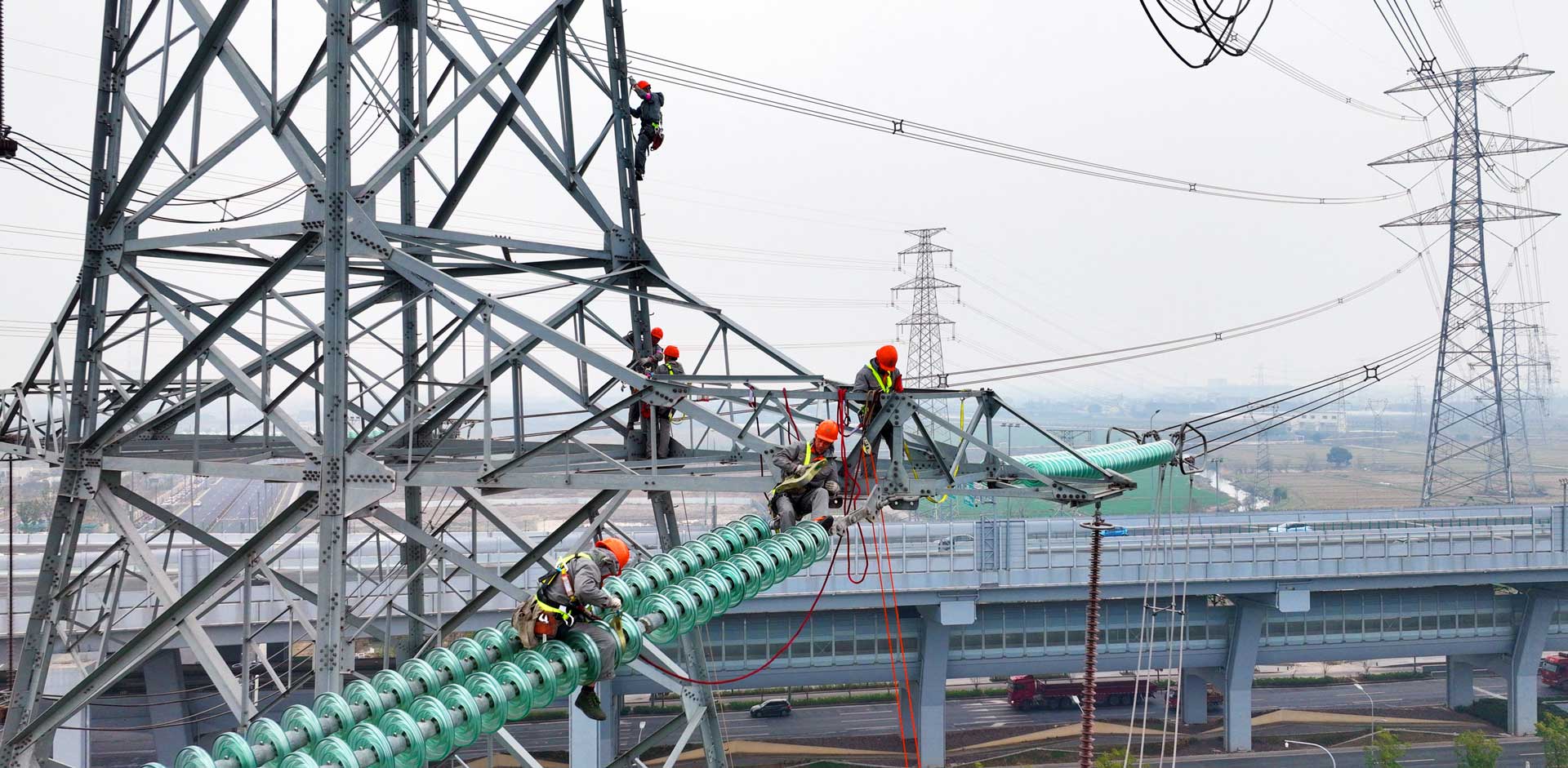
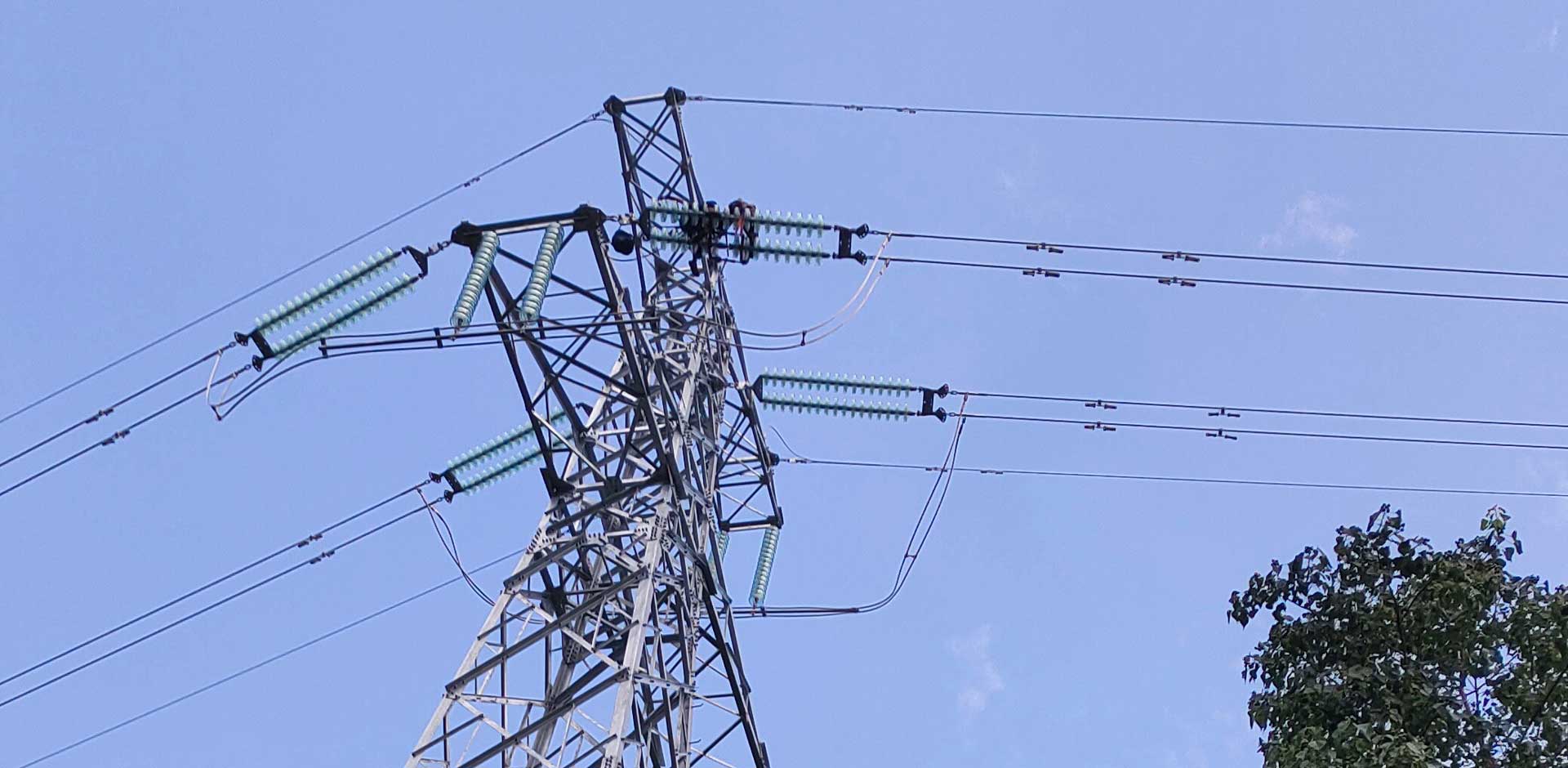
Our products are mainly high-strength glass insulators used in low voltage, high voltage, ultra-high voltage, extra-high voltage AC (DC) electric transmission line projects.
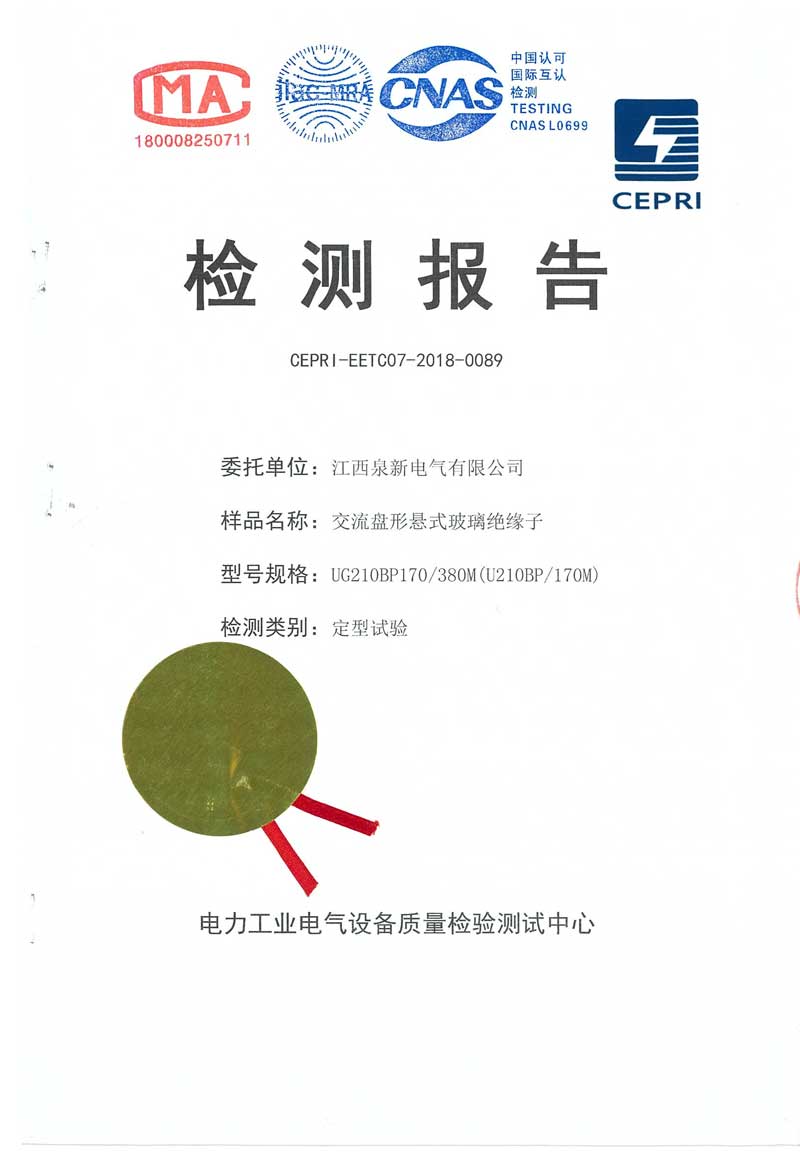
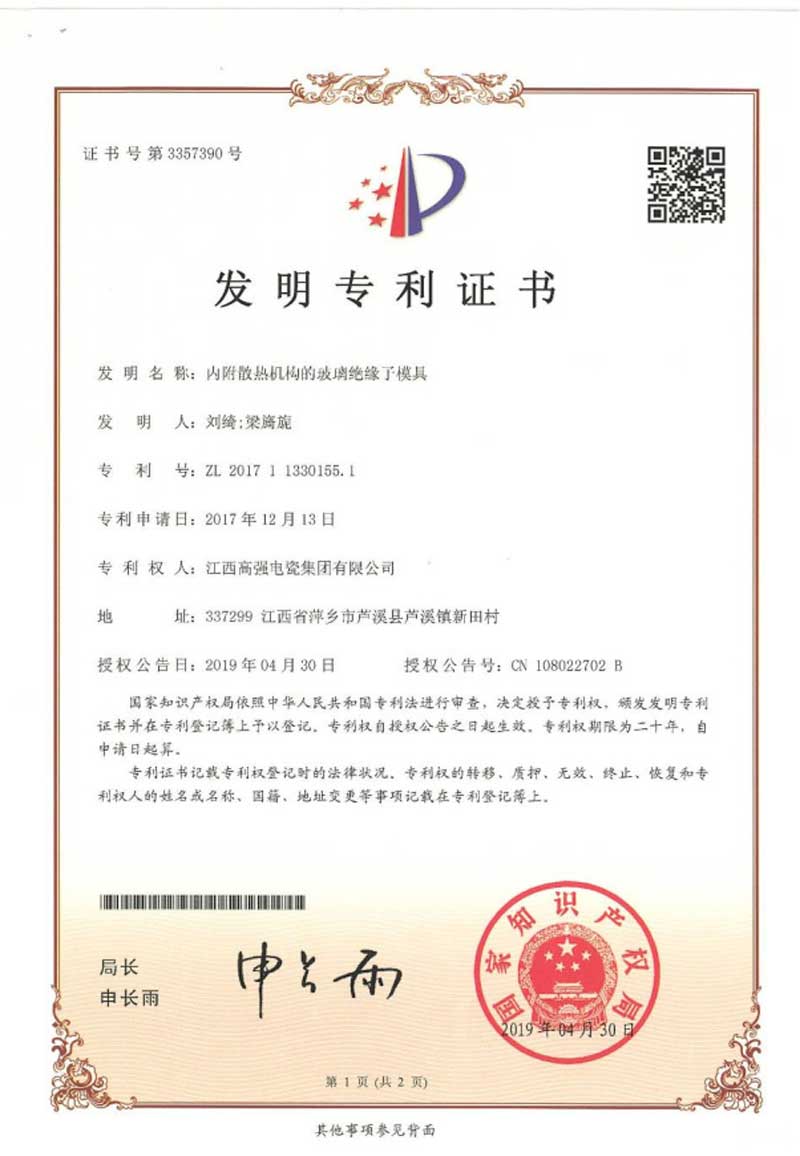
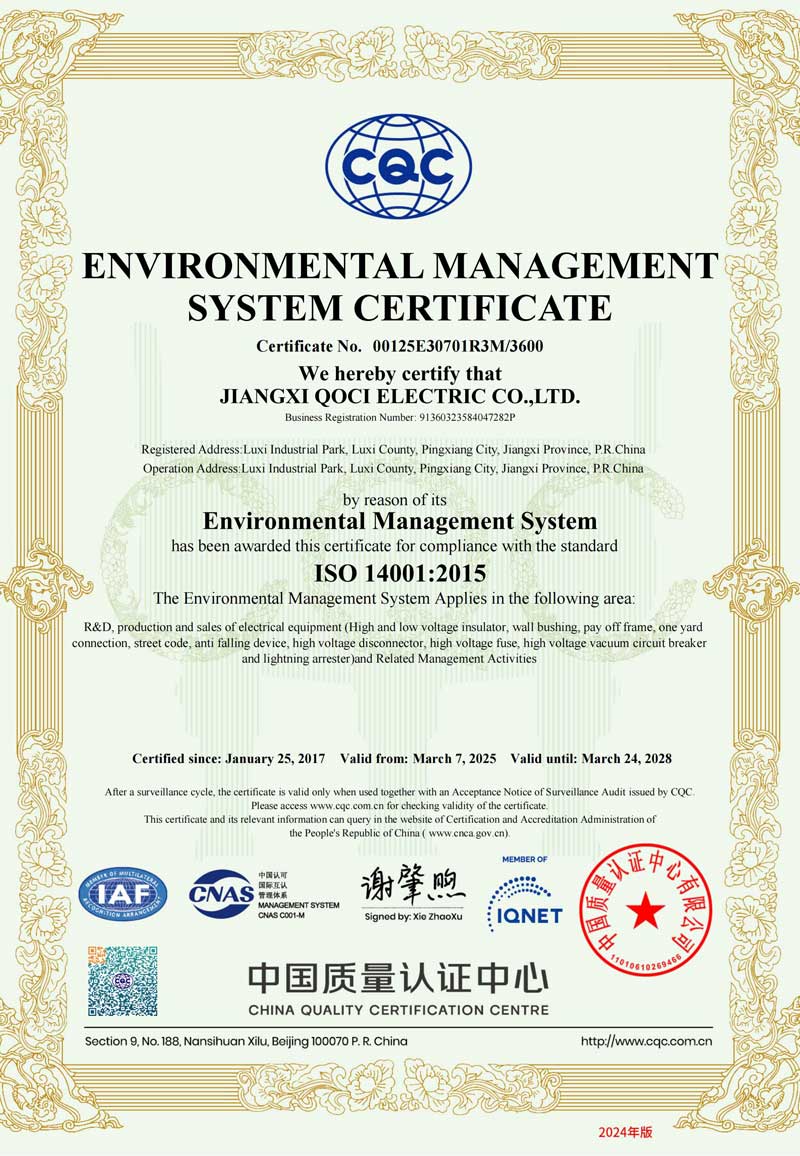
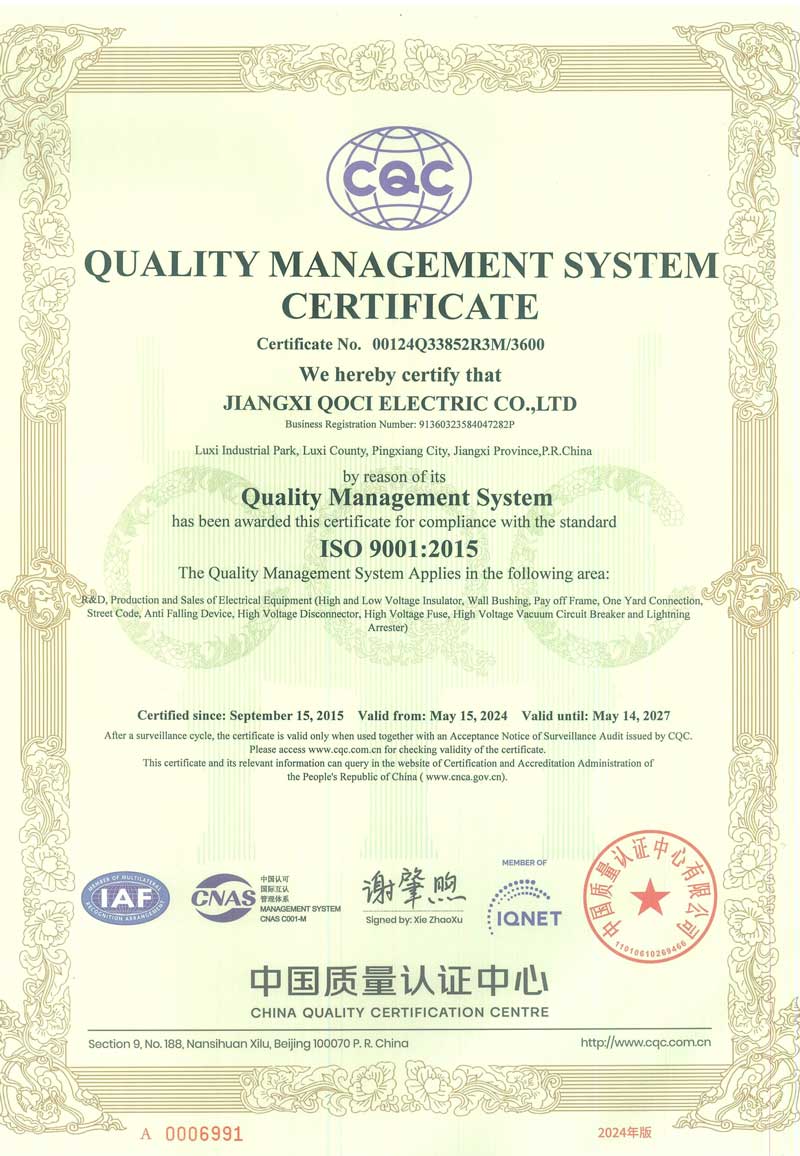
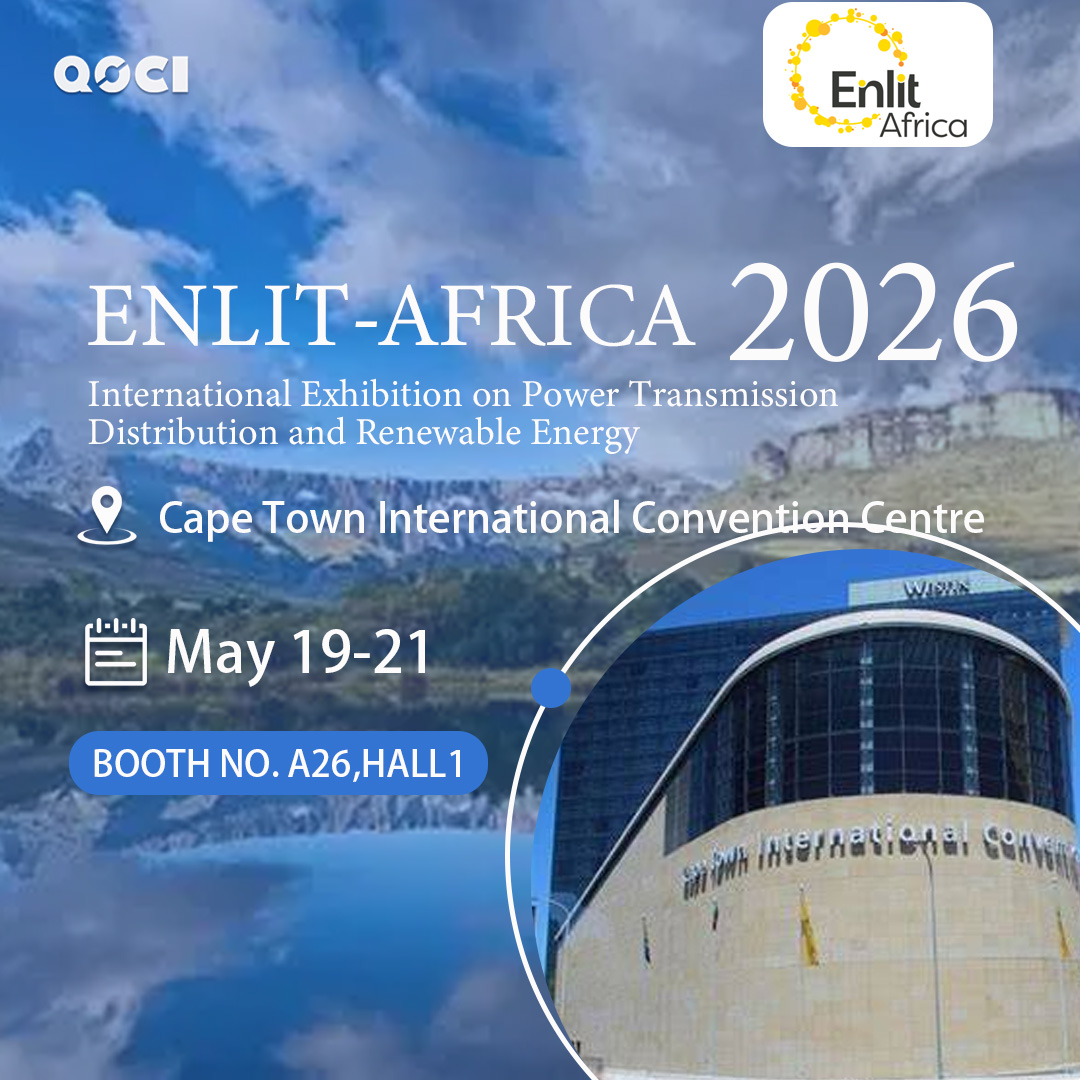
As the global energy transition accelerates, the importance of electricity, renewable energy, and energy storage technologies is becoming increasingly clear. QOCI will showcase high-performance glass insulators at the exhibition.
Having withstood extreme environmental conditions including icing, high altitude, pollution, earthquakes and typhoons, China's insulator industry leads standard development and large-scale manufacturing reliability globally.
On behalf of our team at Jiangxi QOCI Electric Co., Ltd, we encourage you to join us at IEEE PES T&D Conference & Exposition 2026, the powerhouse event for energy technologies and grid operations.
Pingxiang, China - QOCI Electric, a leading global supplier of power equipment and high-strength suspension glass solutions, officially confirmed participation in the Middle East grid development strategy sessions.