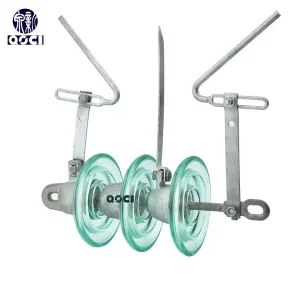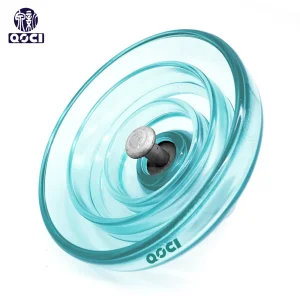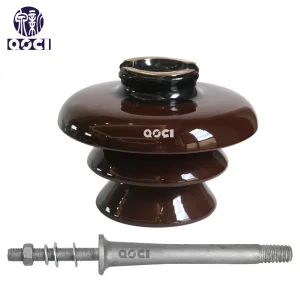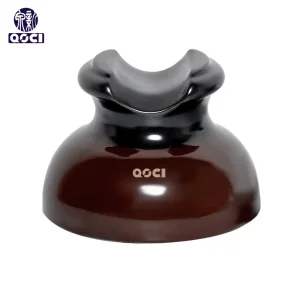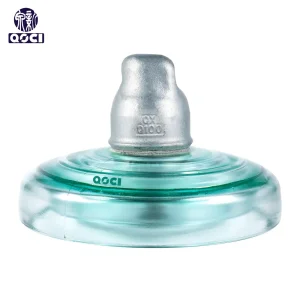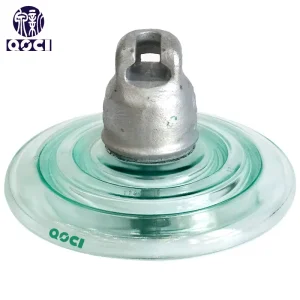
Explore our premium high-voltage insulation systems engineered to maintain mechanical and electrical stability in the most demanding climatic conditions.
Plant Area (m²)
Annual Output (Tons)
Engineering Technicians
Invention & Practical Utility Patents
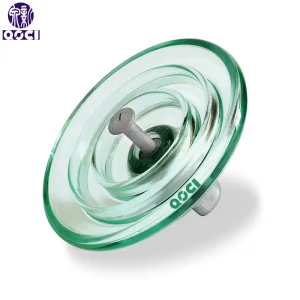
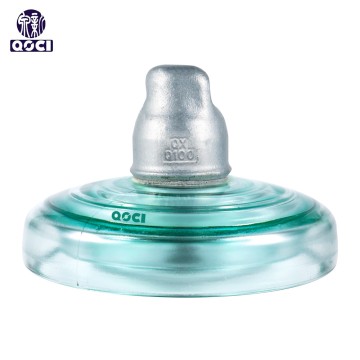
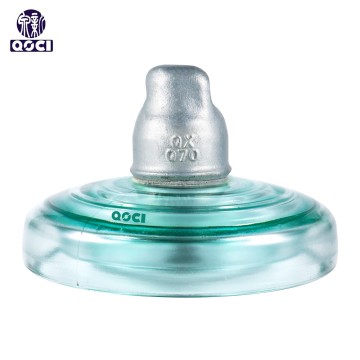
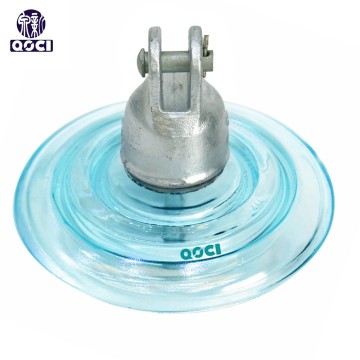
In modern extra-high voltage (EHV) and ultra-high voltage (UHV) transmission networks, insulation system reliability represents the primary determinant of continuous grid uptime. Among the standard configurations specified by electrical utility boards worldwide, the U70BLA suspension glass insulator has emerged as a cornerstone component. Designed with a rated mechanical failing load of 70 kN, these units provide critical structural stability to overhead lines under severe wind loads, heavy icing, and seismic forces.
As a premier global manufacturer, Jiangxi QOCI Electric Co. Ltd has dedicated over two decades of metallurgical and glass-science expertise to refining the tempered glass chemistry of the U70BLA. The thermal tempering process creates deep compressive stresses on the outer shell of the glass profile. If mechanical overload occurs, or in the rare event of localized dielectric breakdown, the glass is designed to shatter into safe, uniform, non-conductive fragments. This immediate "auto-shattering" behavior simplifies structural O&M, as grid patrols can identify faulted discs instantly through visual flyovers or drone inspections, eliminating the costly and time-consuming manual testing protocols required by porcelain alternatives.
Across the global power market, grid operators are transitioning from localized fossil fuel generation to large-scale renewable corridors that require long-distance bulk power transfer. The deployment of high-voltage glass insulation systems serves as a direct facilitator of this transition. By optimizing the thermal shock resistance and structural integrity of the U70BLA configuration, QOCI provides the reliability needed for grid connections that span diverse climate zones.
Engineered for high mechanical tension configurations. The U70BLA provides predictable mechanical deflection responses and minimal strain-aging under continuous aerodynamic wind shear.
Supports the long-distance transmission corridors linking remote onshore/offshore wind farms and desert solar plants to urban load centers with minimal line losses.
Toughened glass ensures that mechanical failure triggers immediate, visible structural changes, supporting AI-driven automated drone inspections and smart grid asset tracking.
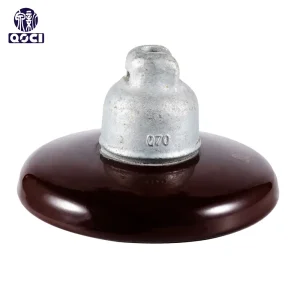
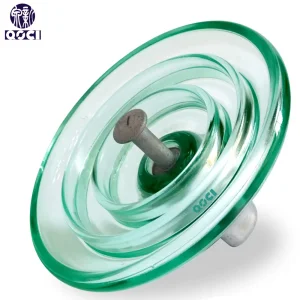
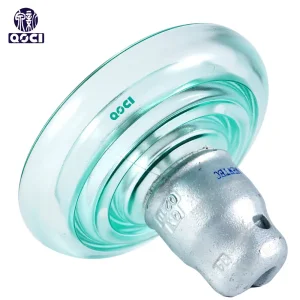
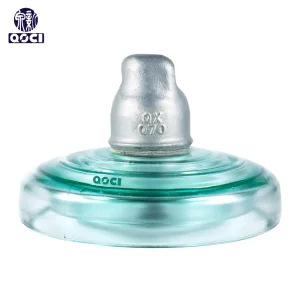
Different environments require unique physical profiles. Our factory manufactures several configurations of glass insulators to address specific climatic challenges.
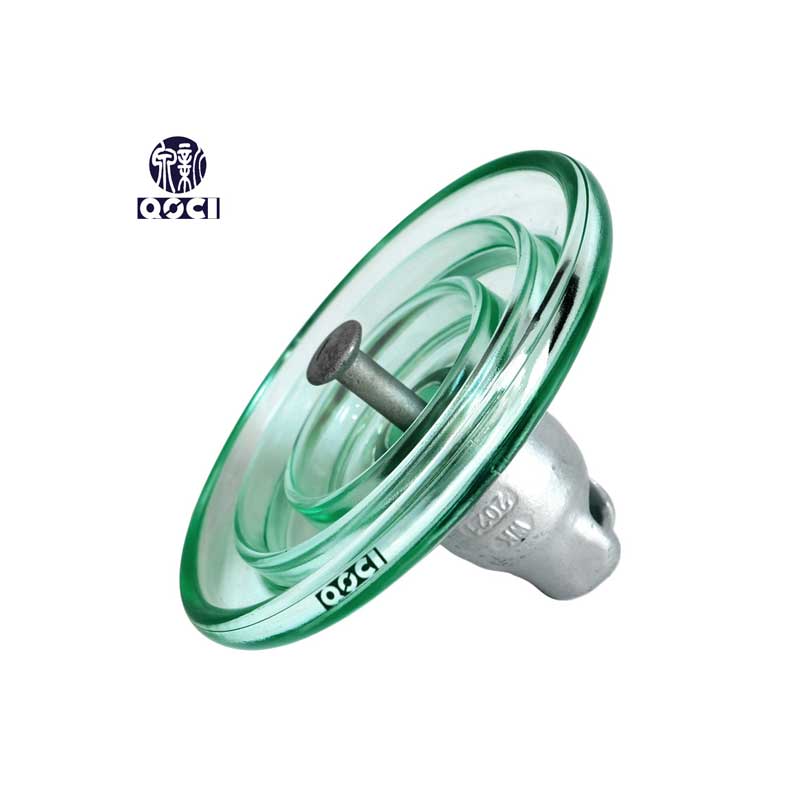
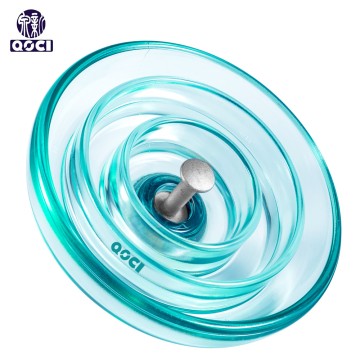
Features a leakage distance that exceeds the benchmark values defined in IEC 60305. The design incorporates shallow, widely-spaced ribs that promote natural self-cleaning via wind and rain.
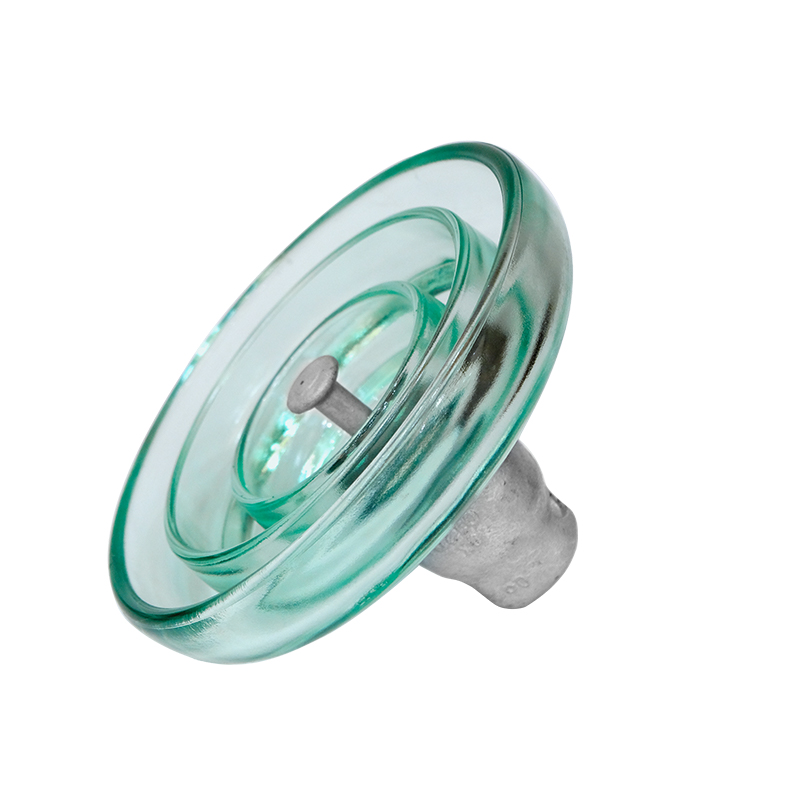
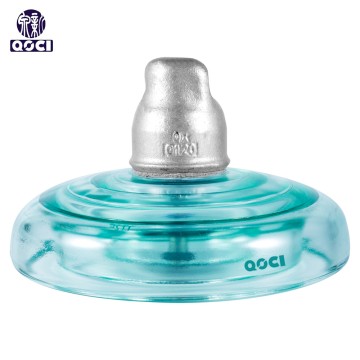
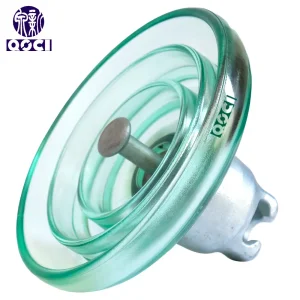
Characterized by deep, widely spaced under-ribs that prevent electrical bridging in high-salt fogs and heavily polluted industrial zones. Perfect for coastal developments.
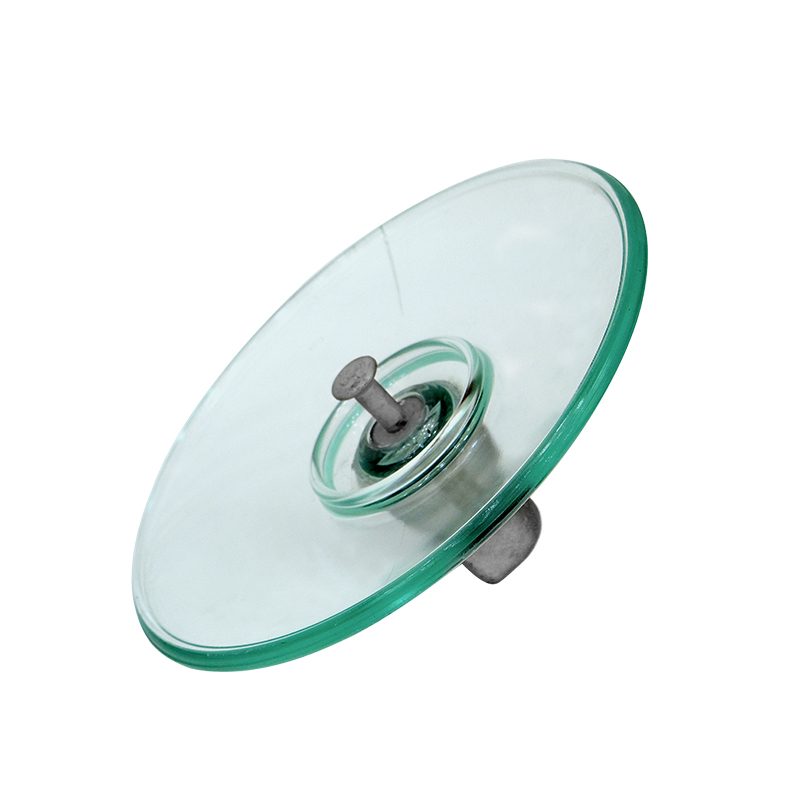
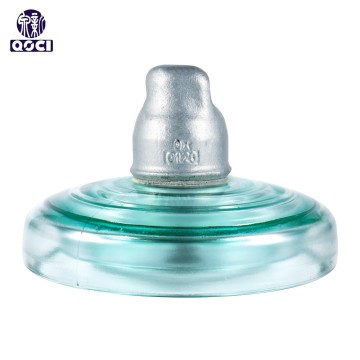
Designed without internal under-ribs to prevent the accumulation of sand and dust in desert environments, helping to mitigate dry-band arcing and structural ice bridging.
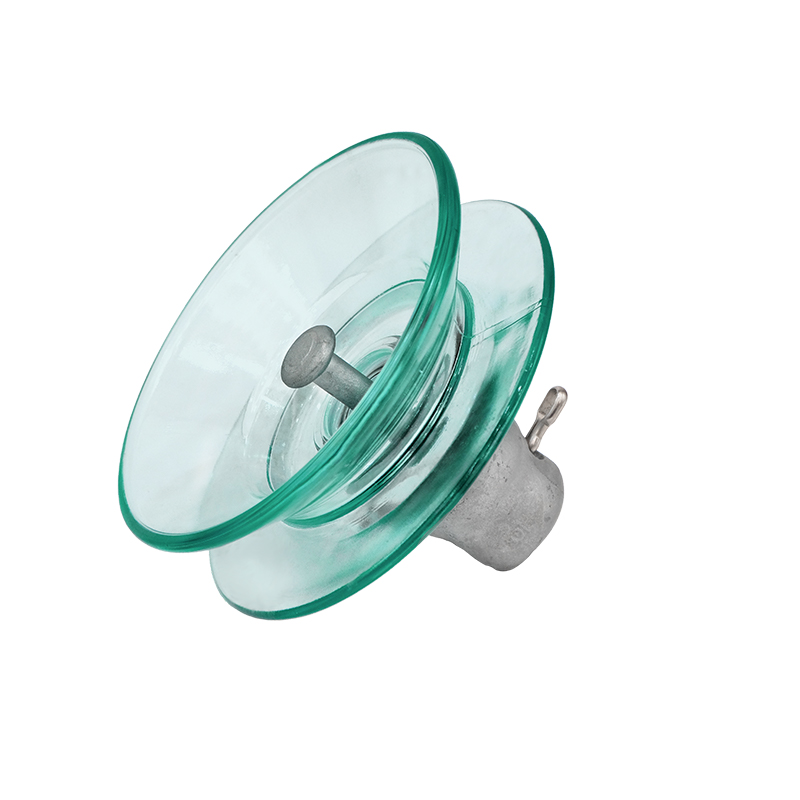
Utilizes dual external sheds to balance aerodynamics and dust shedding. The smooth upper and lower surfaces allow for quick manual cleaning and wind washing.
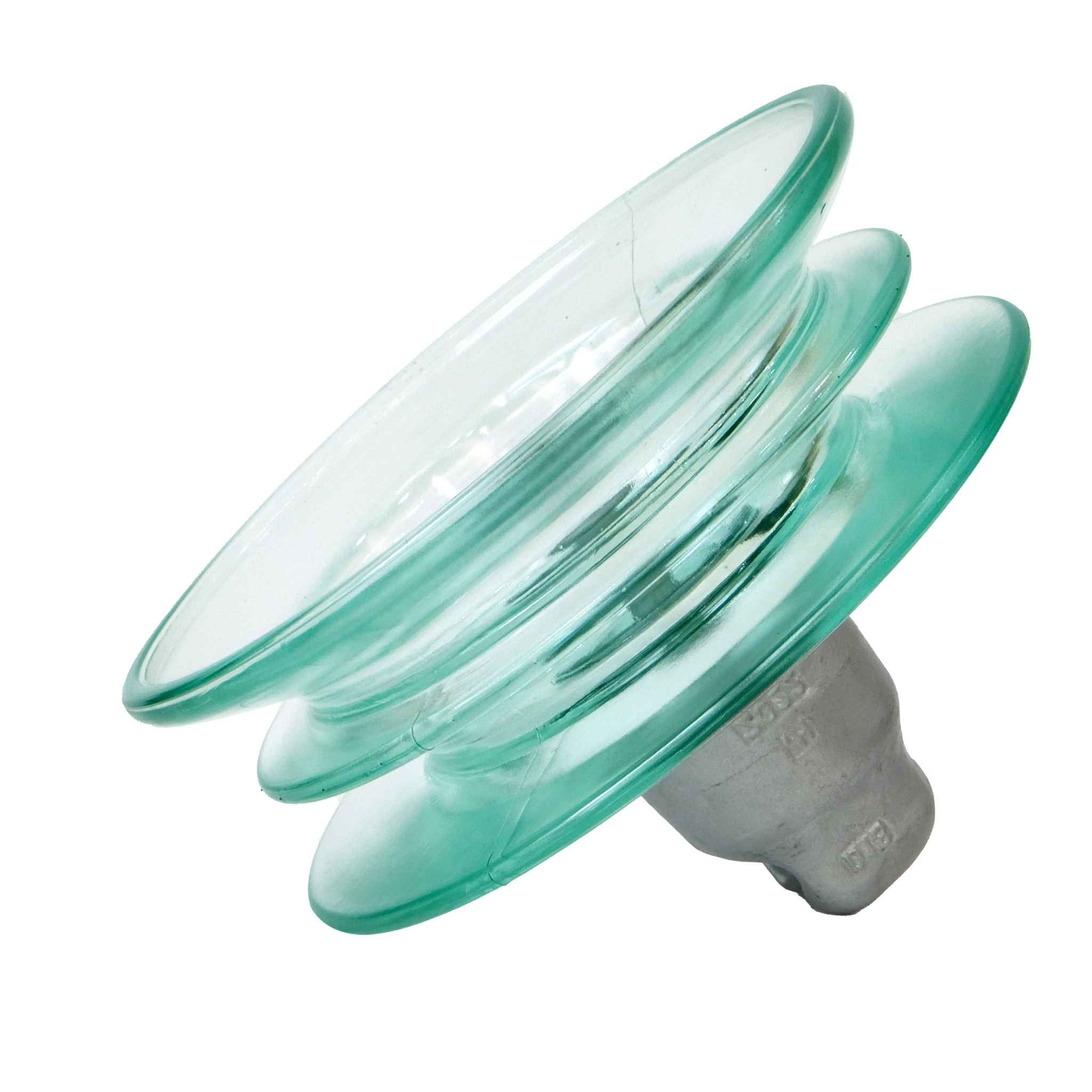
Engineered for high-pollution coastal areas and high altitudes, featuring three distinct layers of shed diameters to maximize creepage distance and reduce surface leakage currents.
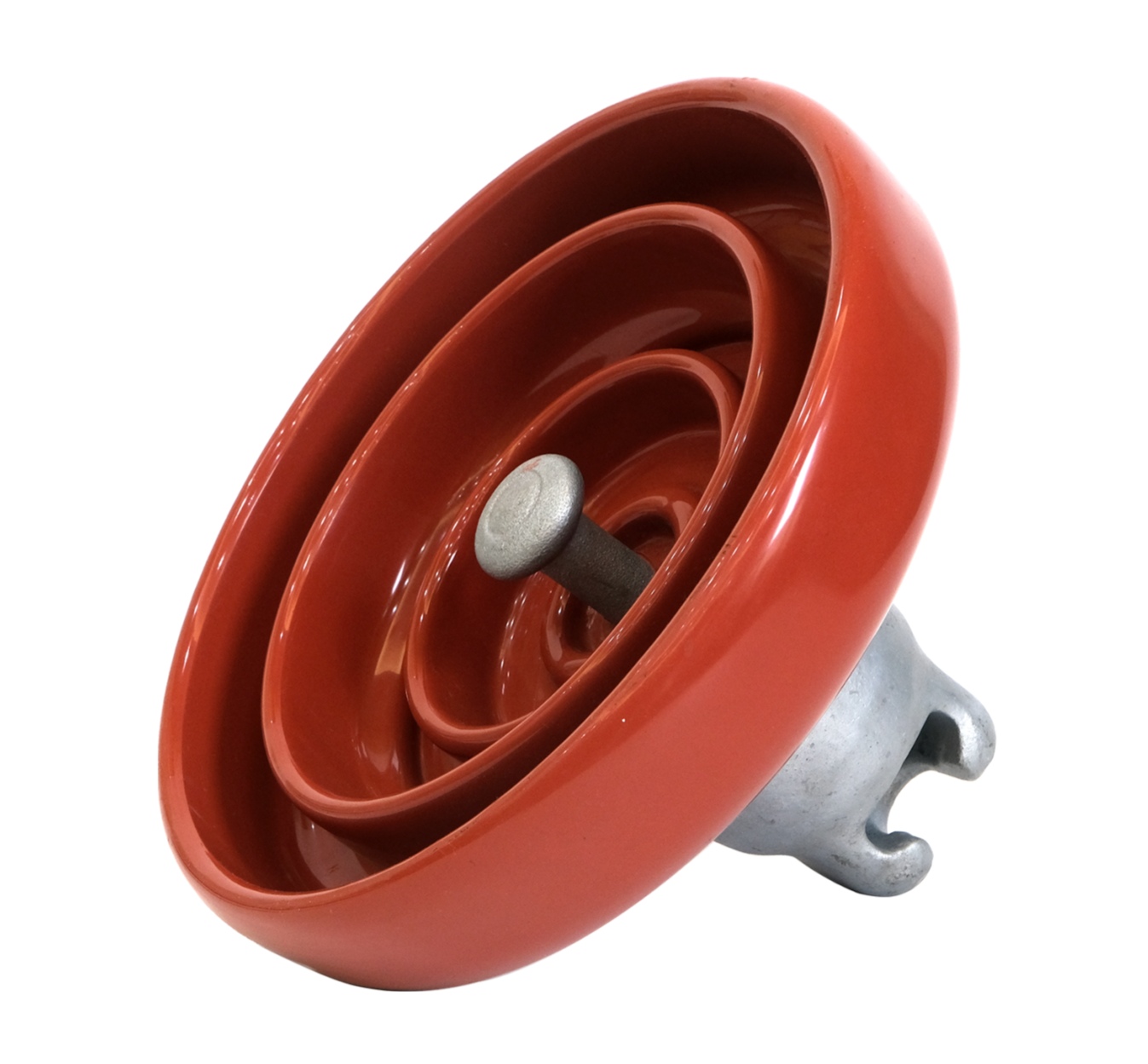
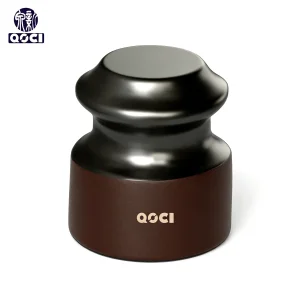
Combines the mechanical strength of tempered glass with the hydrophobicity of Room Temperature Vulcanized (RTV) silicone, offering an effective option for areas prone to severe industrial pollution.
The global demand for high-strength tempered glass insulators is driven by regional efforts to expand power grids and update aging electrical transmission systems. According to recent infrastructure analyses, regional grid standards are aligning with international IEC and ANSI benchmarks. With a substantial registered capital of 508 million Yuan, QOCI Electric has built a modern manufacturing facility designed to serve markets in Europe, the Americas, the Middle East, and Asia.
The U70BLA, rated at 70 kN, is a widely specified model for medium-to-high voltage lines. Its performance is verified under a range of climatic conditions:
Our factory processes are structured to meet international supply chain requirements, with an annual capacity of 39,000 tons of tempered glass insulators. This production volume supports rapid delivery timelines for major international projects.
Explore our most frequently specified insulator configurations, featuring custom variations in mechanical strength, disc diameter, and creepage distance.
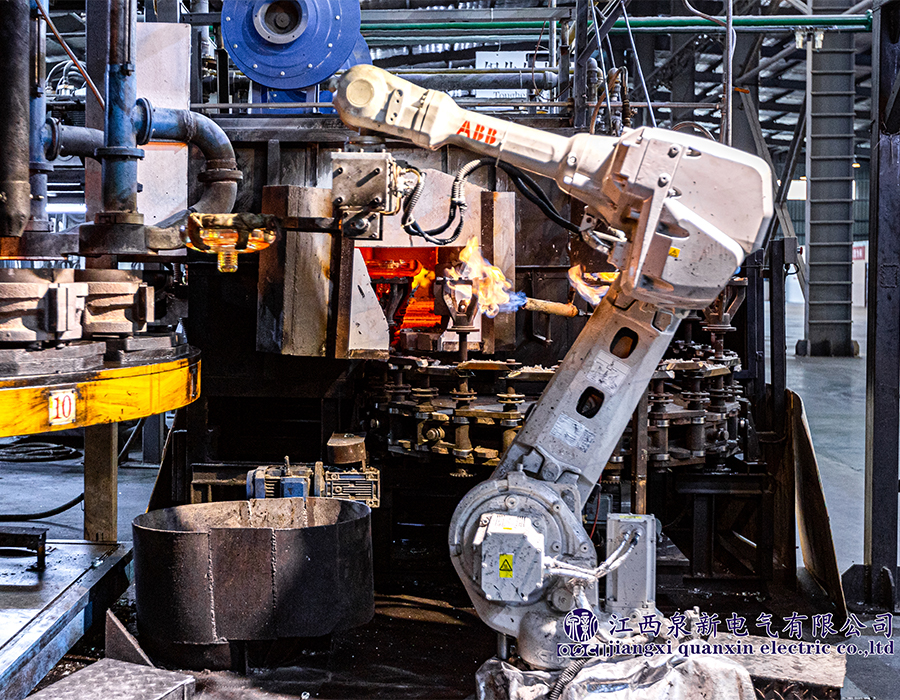
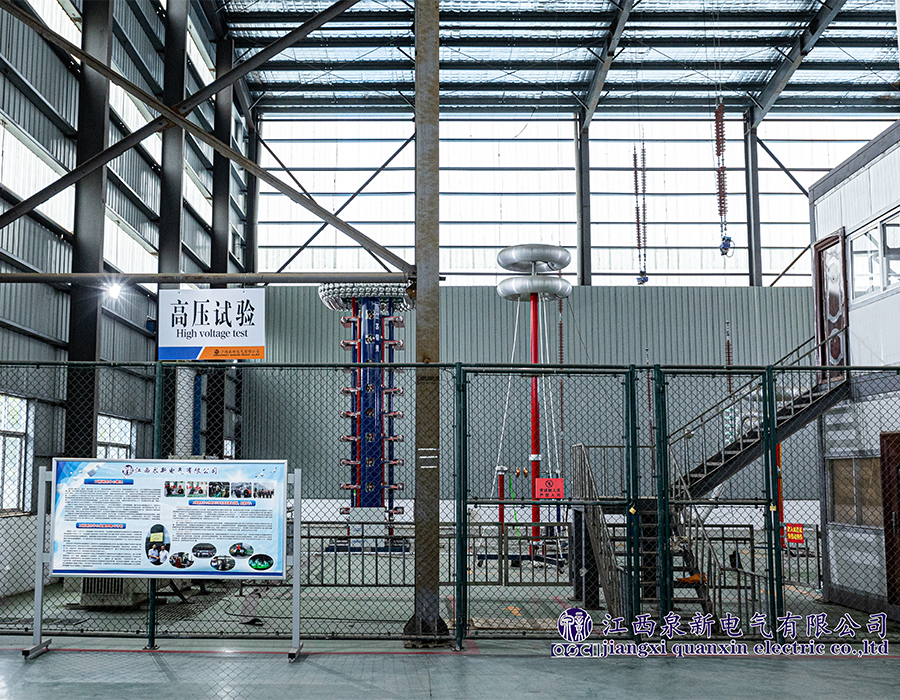
Take a closer look at our ISO 9001:2015 certified production processes, from raw material selection to our specialized high-voltage testing lab.
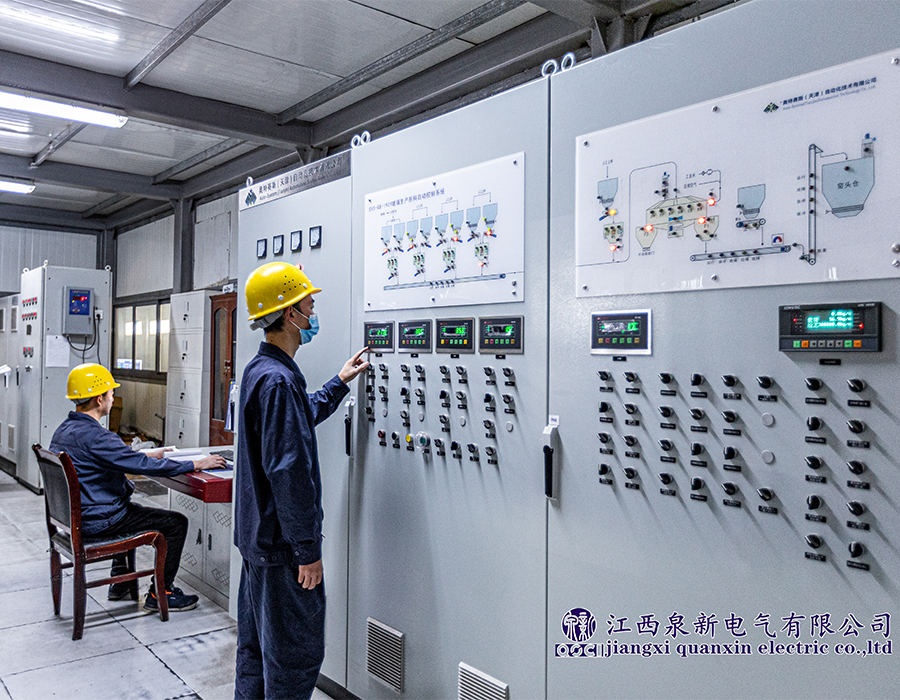
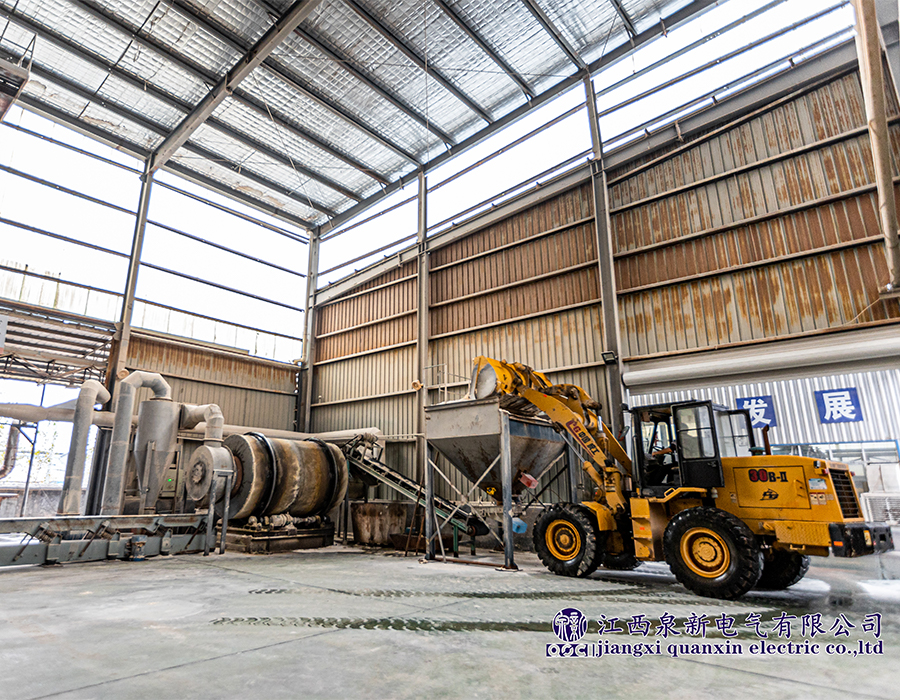
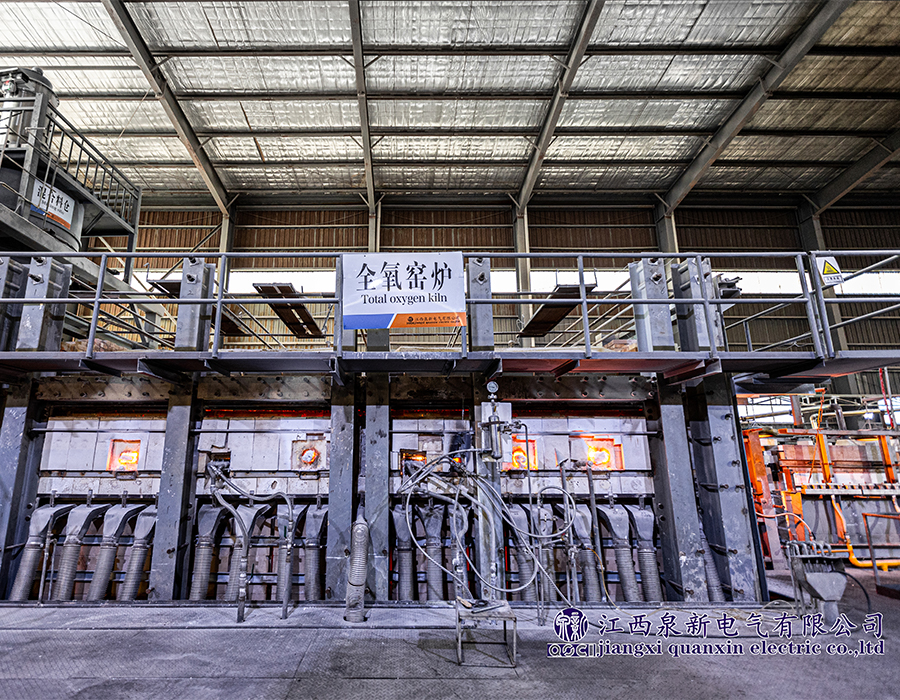
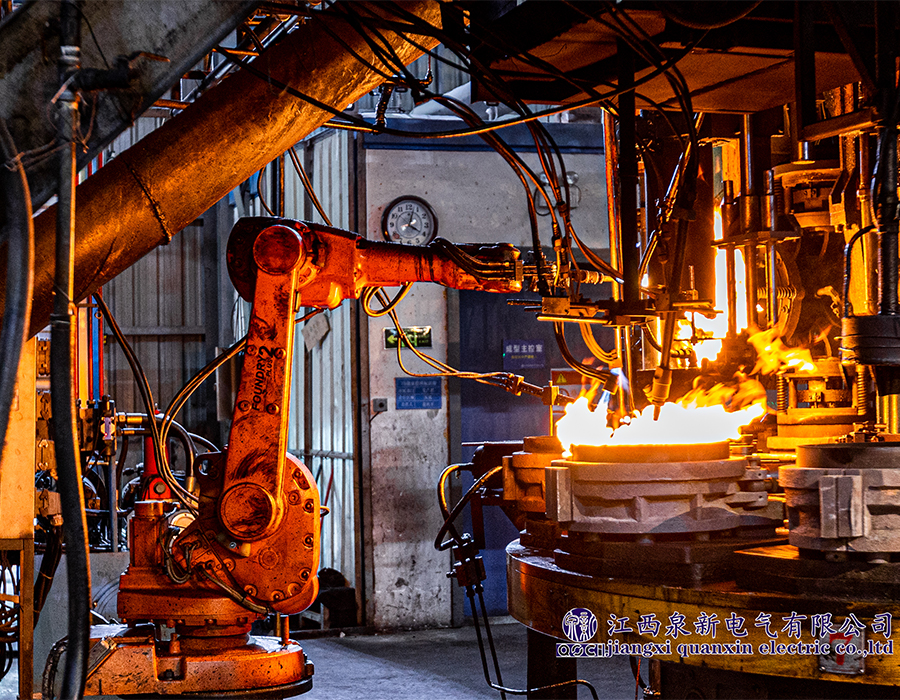
Reliable grid operations require strict adherence to international electrical standards. Every production run of U70BLA glass insulators at our facility undergoes comprehensive testing to verify mechanical and electrical performance. We maintain compliance with:
Our testing facility performs steep-front wave impulse tests, thermal shock cycles, and routine tensile loading trials. Each insulator batch is tested to confirm the 70 kN rated mechanical failing load before dispatch, ensuring reliable performance once installed on high-voltage transmission towers.
Supported by our manufacturing infrastructure, we work closely with utilities and infrastructure groups to supply reliable insulation systems globally.
It has an annual output of 160000 cubic meters of plywood for concrete formwork.

The demand for higher efficiency and lower carbon footprints is changing how electrical grids are built and operated. Our research and development initiatives focus on three primary areas:
By refining our raw material mixes and optimizing our melting and cooling cycles, we are working to scale up glass insulation designs to support higher mechanical loads (up to 300 kN and 530 kN) for EHV and UHV DC networks.
We are optimizing the bond between RTV silicone coatings and tempered glass surfaces. This improvement helps maintain hydrophobicity over longer periods, reducing the cleaning schedules required for insulators in heavy industrial zones.
QOCI is adapting its production facilities, including our total oxygen kiln systems, to align with international carbon reduction goals. These changes focus on improving energy efficiency and reducing emissions during the glass melting process.
Review technical answers regarding the application, mechanical ratings, and electrical performance of our tempered glass insulator systems.
Keep up with our latest technical exhibitions, global grid contracts, and advancements in high-voltage insulation manufacturing.
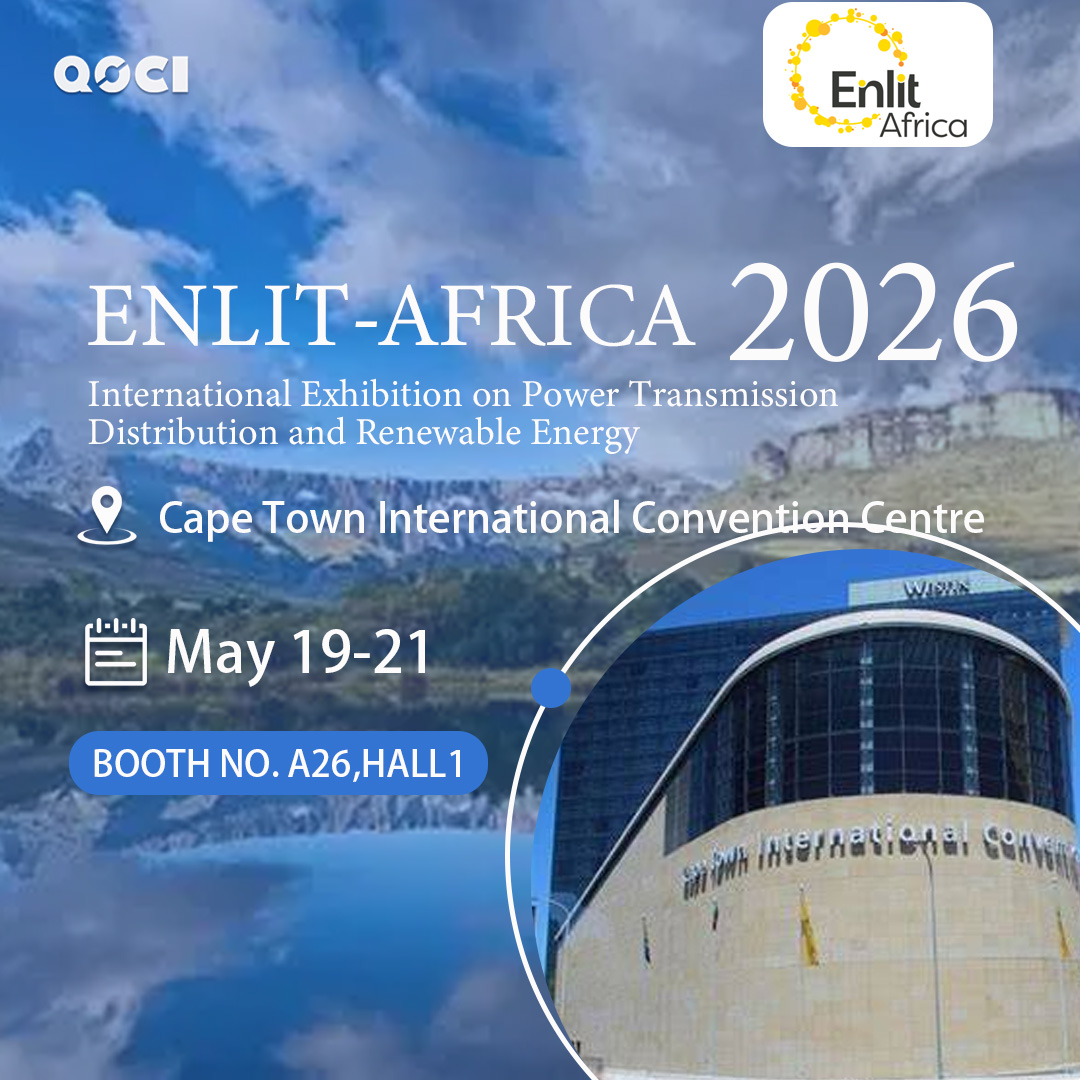
As the global energy transition accelerates, the importance of electricity, renewable energy, and energy storage technologies is becoming increasingly critical.
Having withstood extreme environmental conditions including icing, high altitude, pollution, earthquakes and typhoons, China's insulator industry is mature.
On behalf of our team at [JIANGXI QOCI ELECTRIC CO .,LTD] we encourage you to join us at IEEE PES T&D Conference & Exposition 2026, the powerhouse industry event.
Pingxiang, China, December 30, 2025 - QOCI Electric, a leading global supplier of power equipment and solutions, officially confirmed attendance today.
Explore our secondary configurations designed to support specialized regional grid standards and mechanical loading requirements.