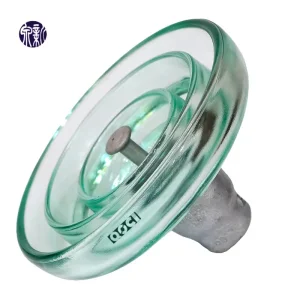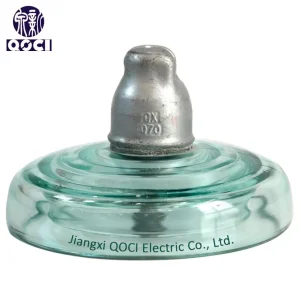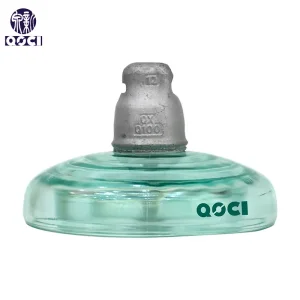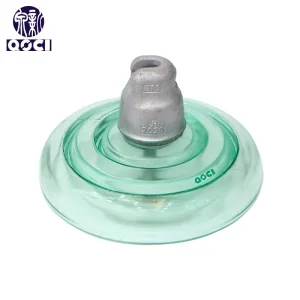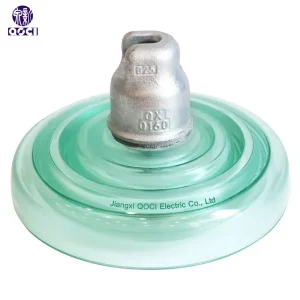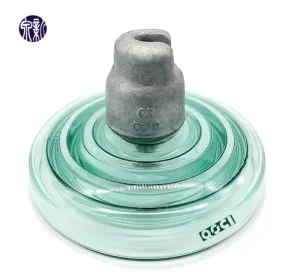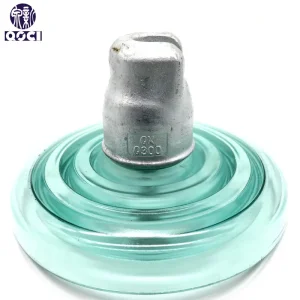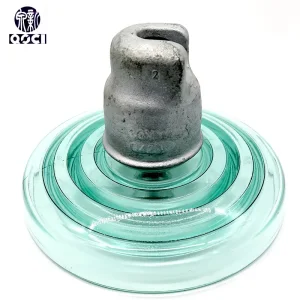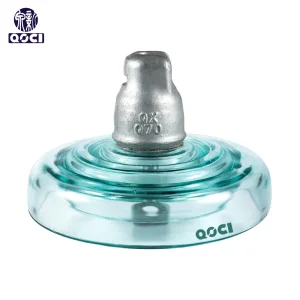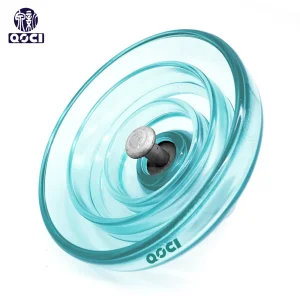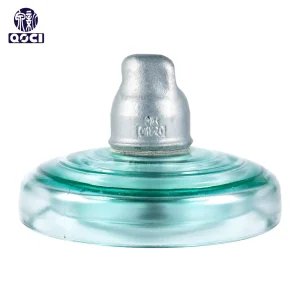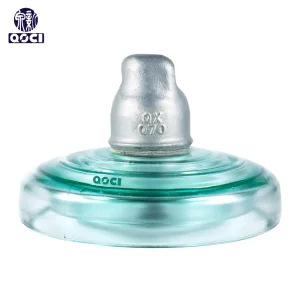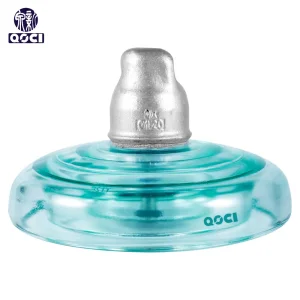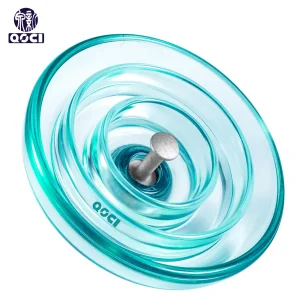
Mexico's geographical diversity presents a unique challenge for electrical infrastructure. From the salt-heavy coastal regions of Veracruz and Baja California to the high-dust industrial corridors of the Bajío and Northern Mexico, standard insulators often fall short. The demand for "Anti-Pollution Type" (Anti-Fog) glass insulators has surged as the CFE (Comisión Federal de Electricidad) updates its standards to prevent flashovers caused by environmental contamination.
Industrialization near Monterrey and Querétaro has increased airborne particulates, requiring insulators with higher Creepage Distance and specialized disc profiles that can self-clean during Mexico's intermittent rainy seasons.
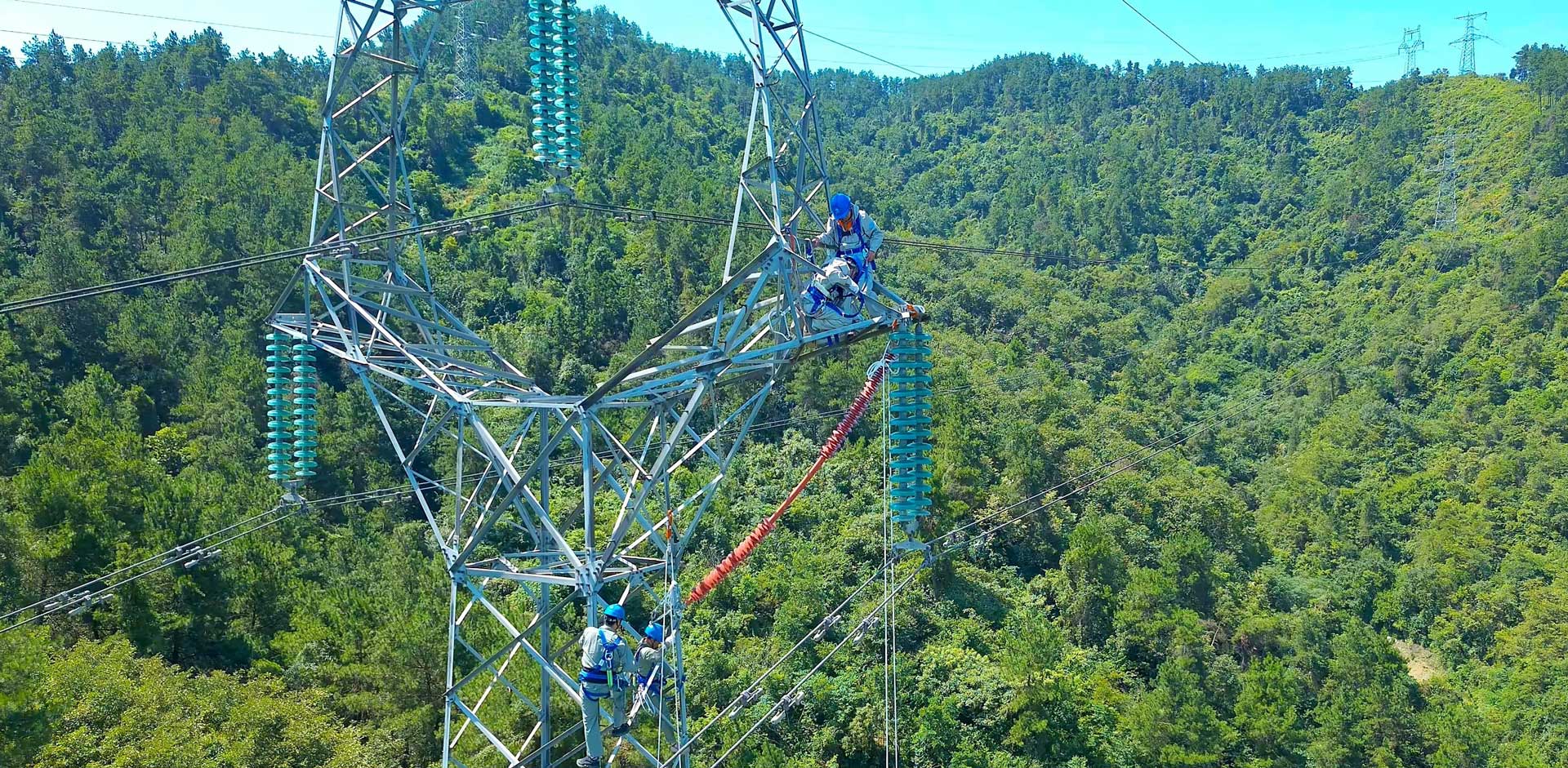
Our Anti-Pollution Type insulators, such as the U120BLP and U210BP models, are engineered with deep, widely spaced ribs. This design prevents the formation of a continuous conductive moisture layer—the primary cause of leakage currents. In Mexico's specific climate, the "Fog Type" profile provides a leakage distance/spacing ratio of approximately 3.2, ensuring maximum safety during morning mists and heavy smog.
Furthermore, we are integrating RTV (Room Temperature Vulcanization) Silicone Coatings for ultra-polluted zones. This technology adds a hydrophobic layer to the toughened glass, allowing water to bead off and carry contaminants away, reducing maintenance costs for Mexican utility operators.
Download Technical SpecsMechanical Strength
Engineers & Techs
Global Patents
Compliance Certified
As a leading Chinese manufacturer, Jiangxi QOCI Electric provides Mexico with a distinct competitive advantage. Our integrated supply chain—from raw material processing to final high-voltage testing—ensures shorter lead times than European or North American competitors. This is critical for Mexico's rapid grid expansion and emergency repairs following hurricane seasons.
We combine the cost-efficiency of large-scale Chinese production with rigorous localized support. Our products strictly adhere to IEC 60305 and are designed to meet Mexican NOM (Normas Oficiales Mexicanas) standards, ensuring seamless integration into CFE projects.
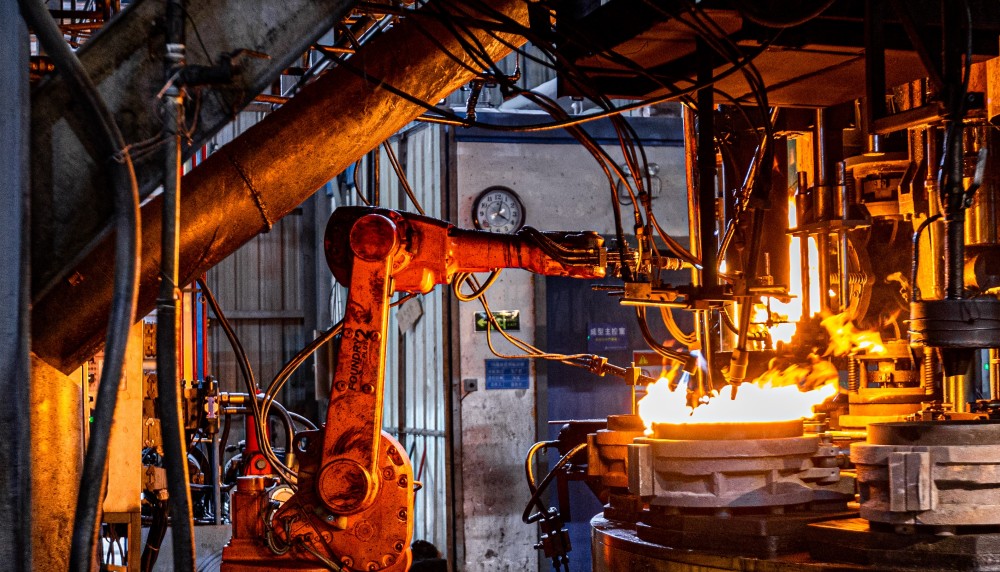
Coastal regions in Mexico experience high salinity and humidity. Standard insulators accumulate salt layers that become conductive when wet, leading to flashovers. Anti-Pollution (Fog Type) glass insulators have deeper under-ribs that break the leakage path and maintain insulation integrity in salt-fog environments.
Yes, our products are designed and tested according to IEC international standards, which serve as the foundation for Mexico's CFE-V0000 specifications. We provide complete laboratory reports for mechanical load, electrical puncture, and thermal shock resistance.
We have extensive experience shipping to major Mexican hubs. We provide all necessary documentation for customs clearance and work with logistics partners to ensure delivery to project sites in Monterrey, Mexico City, Guadalajara, and beyond.
Absolutely. We offer factory-applied Room Temperature Vulcanization (RTV) silicone coatings. This is the optimal solution for Mexican industrial zones with heavy particulate matter, as it provides superior hydrophobicity and eliminates the need for manual cleaning.
Toughened glass insulators are known for their durability. In typical Mexican environments, they have a service life of 30 to 50 years. Unlike composite insulators, they do not suffer from UV degradation or "brittle fracture," making them a more reliable long-term investment for high-voltage transmission.
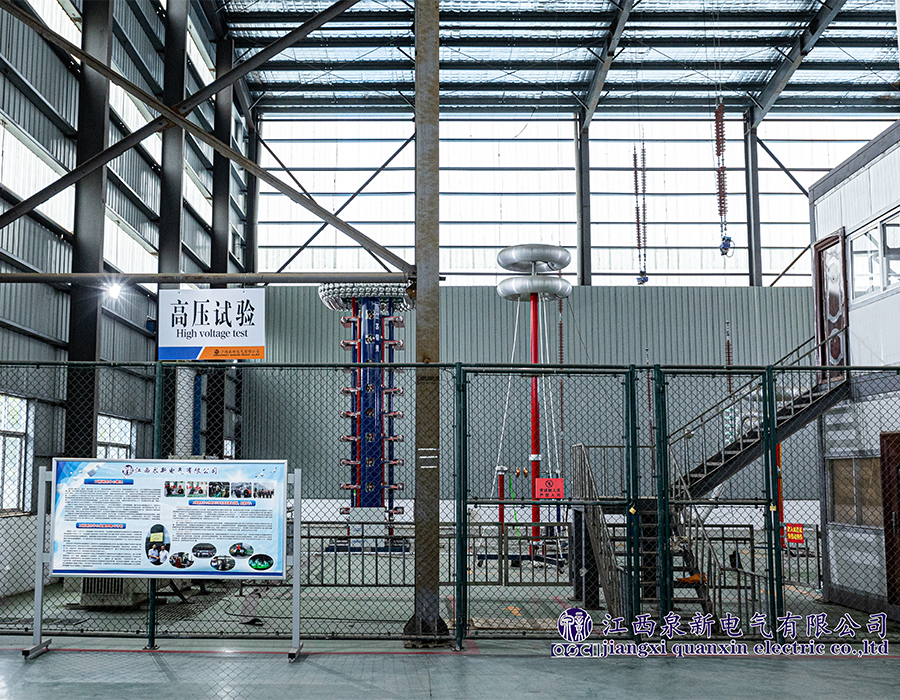
Jiangxi QOCI Electric operates a state-of-the-art testing facility where every batch of insulators undergoes rigorous quality control. For the Mexican market, we emphasize the following tests:
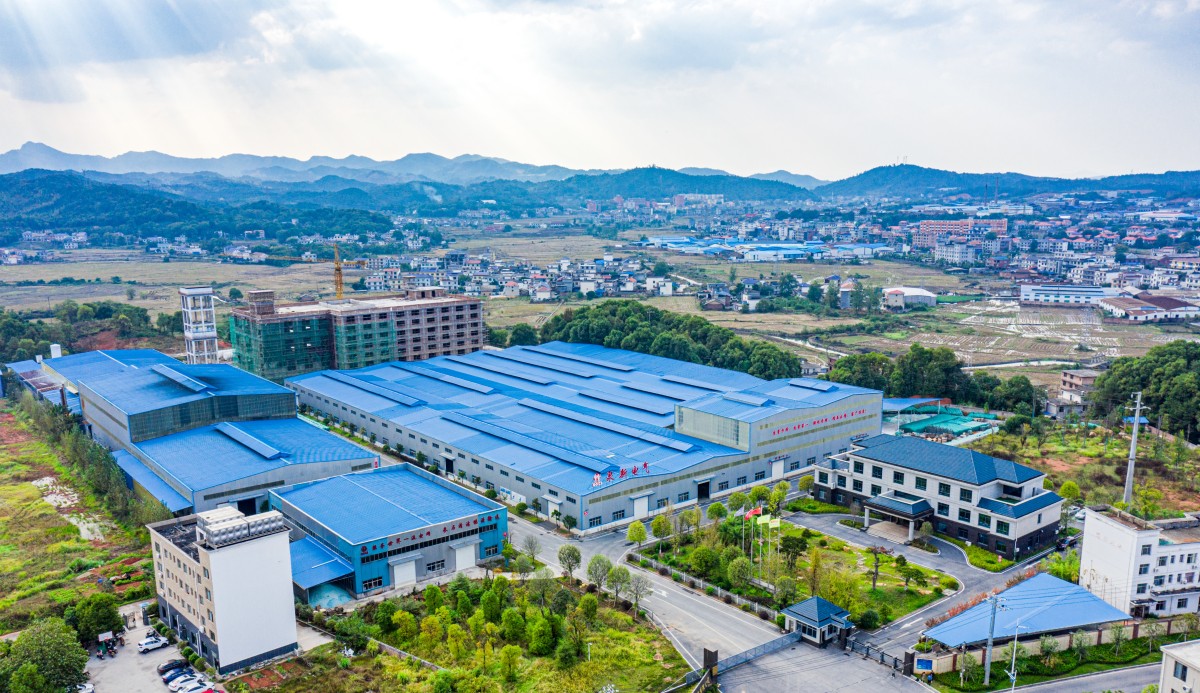
Our 70,000 m² plant and 39,000-ton annual output guarantee that even the largest Mexican infrastructure projects are supplied without delay.
Whether you are retrofitting a coastal substation or building a new trans-industrial transmission line, QOCI Electric provides the anti-pollution solutions you need.
Send Inquiry Now